
|
COVID-19 Pyongyang stores low on foreign goods amid North Korean COVID-19 paranoiaState media warned citizens against imported items out of fear that they could spread the virus from abroad
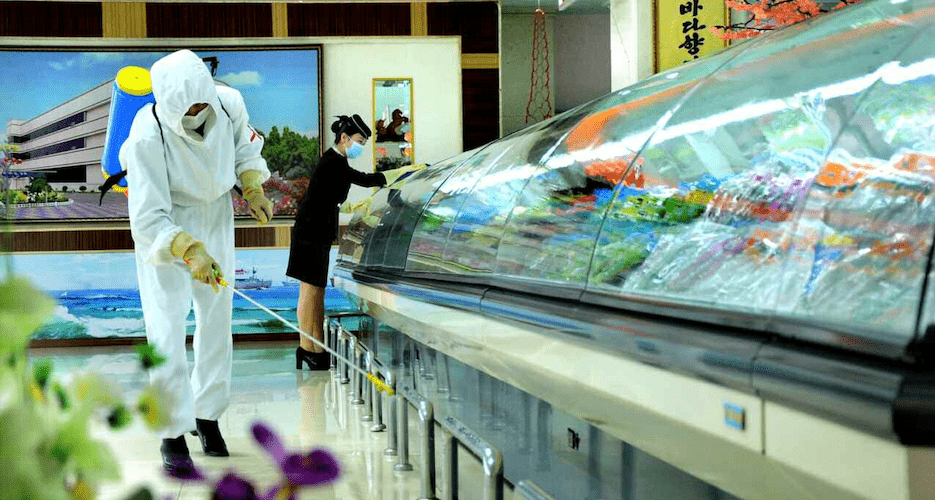 Amid an ongoing, full-scale border lockdown against COVID-19, North Korea on Tuesday warned its citizens against relying on imported foreign goods — calling the habit a dangerous “disease” that could spread the virus from abroad. Pyongyang’s warning against bringing in foreign goods is not just empty words, either: On Monday, sources told NK News that supermarkets and shops in Pyongyang have lacked foreign-sourced staples for months, including coffee, cocoa and chocolate. This appears to be out of paranoia that foreign goods could carry traces of COVID-19 — which is possible, according to the United Nations, though not the most common way the virus has been transmitted worldwide. Sources also told NK News that there’s currently no evidence that food items are coming across the border from China, with only locally produced items available on Pyongyang store shelves. 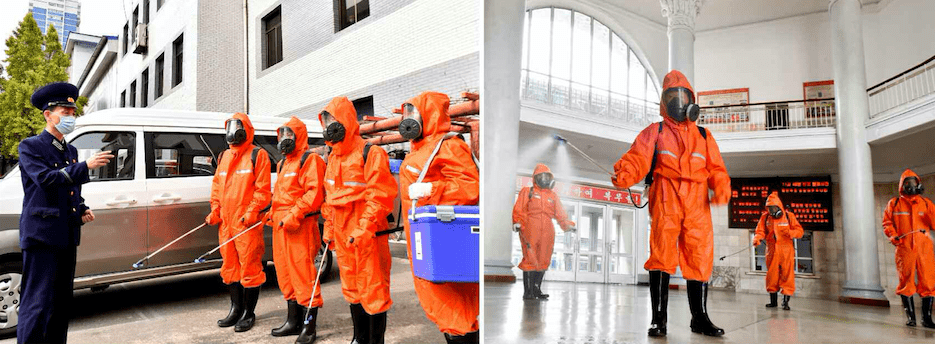 INTENSE BORDER CONTROL Tuesday’s state-run Rodong Sinmun newspaper cautioned against the country’s long-standing “importation fever” (수입병), which comes as the North continues a strict border control. The DPRK even set up “shoot on sight” zones along its border with China for fear that travelers could carry the virus. Meanwhile, the country is operating under the contested premise that items, air and even yellow dust pollution could carry COVID-19 across borders. “The most entangling issue today on [the DPRK] demonstrating its prowess of self-reliance and self-empowerment is the importation mania,” the Rodong Sinmun article stated on Tuesday, adding that North Koreans should rely more on its own technology and goods instead. “Times like these are a golden chance for us to use the power of science technology to more strongly solidify the foundation of our self-reliant economy and … maximize our motivity for development,” the article stated. The article also emphasized that the “entire world is experiencing material and economic loss” due to COVID-19, underscoring that North Korea may be no exception to experiencing “grave difficulty.” North Korea’s Rodong Sinmun specifically mentioned the upcoming Jan. 2021 Eighth Party Congress as a benchmark to complete “urgent and difficult tasks” by, and pointed out how recent natural disasters and border closures devastated the country at a time when the 2020 deadline for the country’s unfulfilled five-year economic strategy is fast approaching. “The key of victory is in science and technology,” the article stated.  AID TURNED DOWN While North Korea continues to push foreign goods aside for the sake of public health, it also continues to apply that same anti-epidemic logic to the humanitarian sector. Medical and agricultural aid shipments normally made through the Dandong-Sinuiju land route and Dalian-Nampho sea routes were largely put on hold since this past summer, with the exception of a few COVID-19-related items that passed through Dandong, according to humanitarian workers at the World Health Organization and UNICEF. These border closures strengthened after a redefector “suspected” of carrying COVID-19 entered the city of Kaesong and caused a regional lockdown in July 2020. Afterwards, North Korean leader Kim Jong Un even declared that the country “cannot accept” any flood damage-related aid from abroad because these deliveries could be contaminated with the virus. Edited by Kelly Kasulis. Chad O’Carroll contributed to this report. © Korea Risk Group. All rights reserved. |


 SHARE
SHARE COPY LINK
 X
X MASTODON

Recent Stories