

|
News North Korea building new site resembling uranium enrichment facility: IAEAUN watchdog says its monitoring new building at Yongbyon complex, which could boost DPRK nuclear warhead production
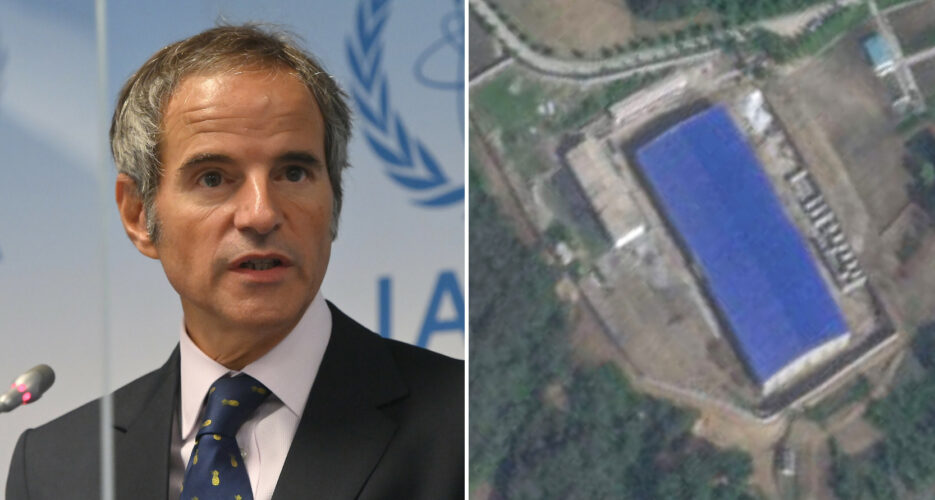 North Korea is building a new facility at its Yongbyon nuclear complex that resembles a known uranium enrichment site, according to the International Atomic Energy Agency (IAEA), possibly as part of plans to boost the country’s nuclear warhead production capability. In a statement released Monday, IAEA Director General Rafael Grossi said the agency is “monitoring the construction of a new building at Yongbyon which has dimensions and features similar to the Kangson enrichment plant.” NK News analysis of satellite imagery has identified a new building at the Yongbyon complex with almost the same layout and dimensions as the Kangson uranium enrichment facility’s main building, likely the facility that Grossi was referring to. Planet Labs imagery shows construction preparations began in late 2024 before existing buildings at the site were knocked down in Jan. 2025. Blue roofing was already installed in the first week of April on a central rectangular hall measuring around 97 by 25 meters, before surrounding offices and support rooms were built out and roofing was expanded to cover a 125 by 45 meter building. The main building appeared mostly complete as of high-resolution imagery taken on Tuesday, while surrounding structures were still under construction and the complex grounds remained unpaved, indicating it is not yet fully operational. 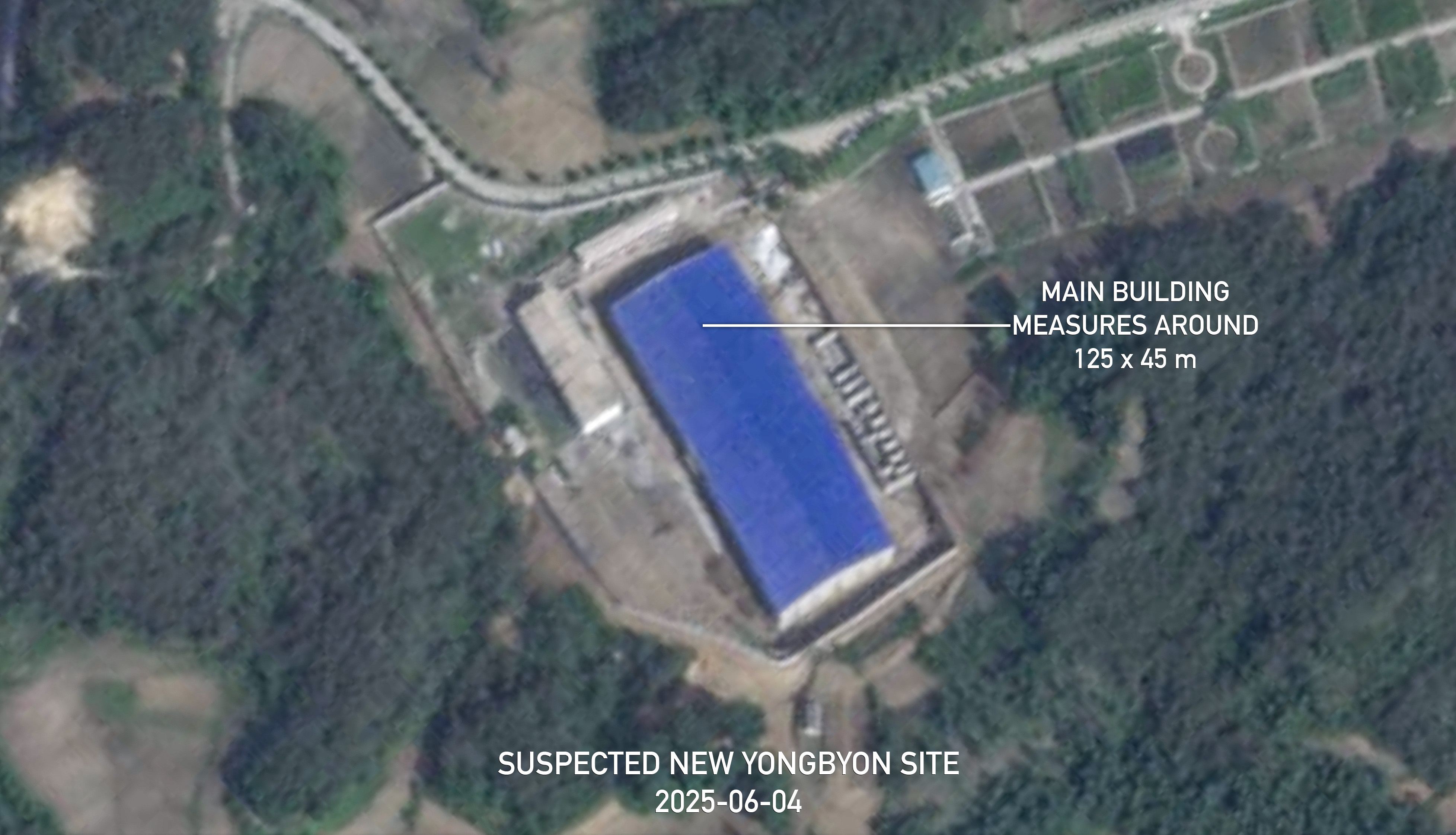
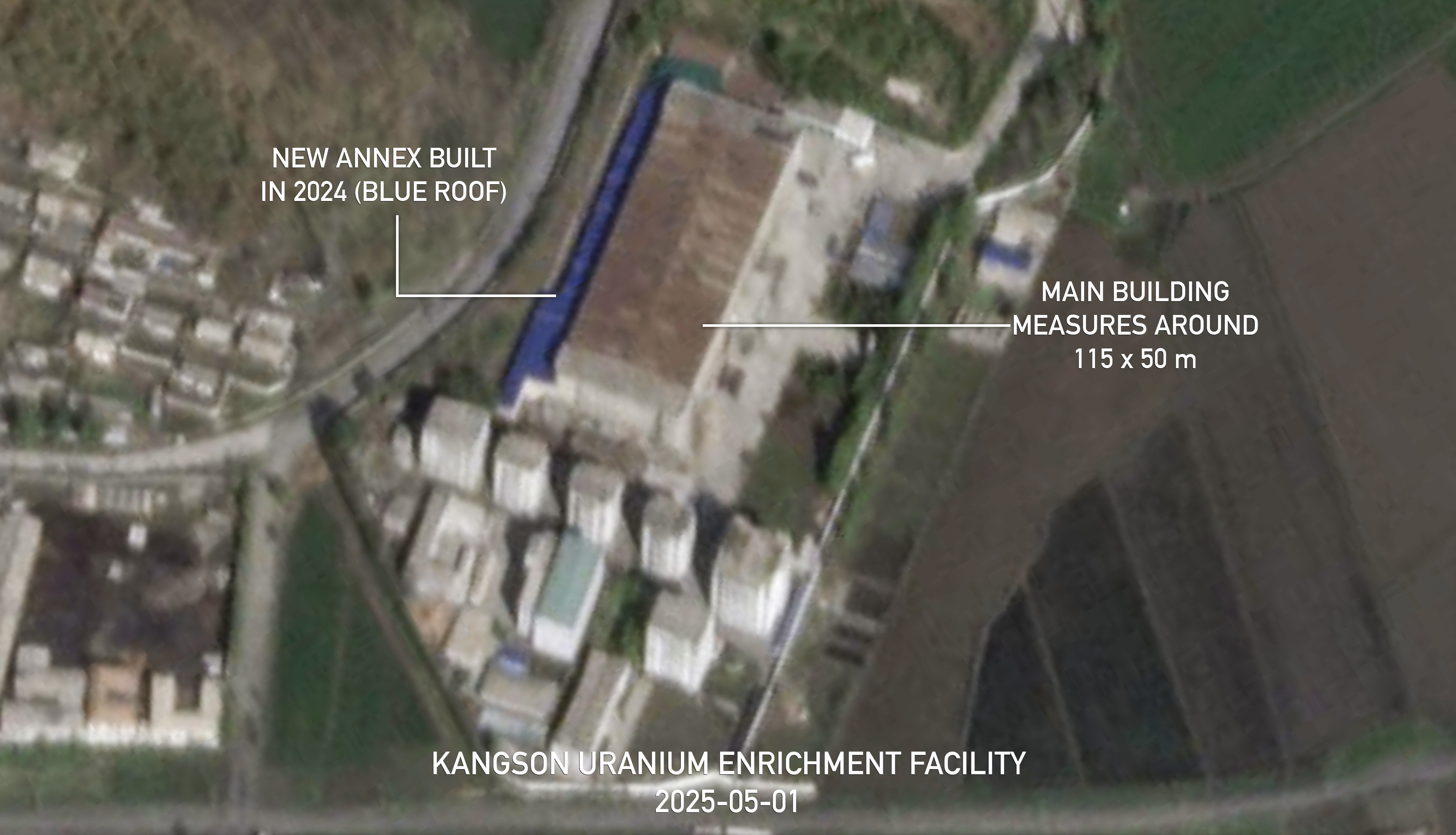
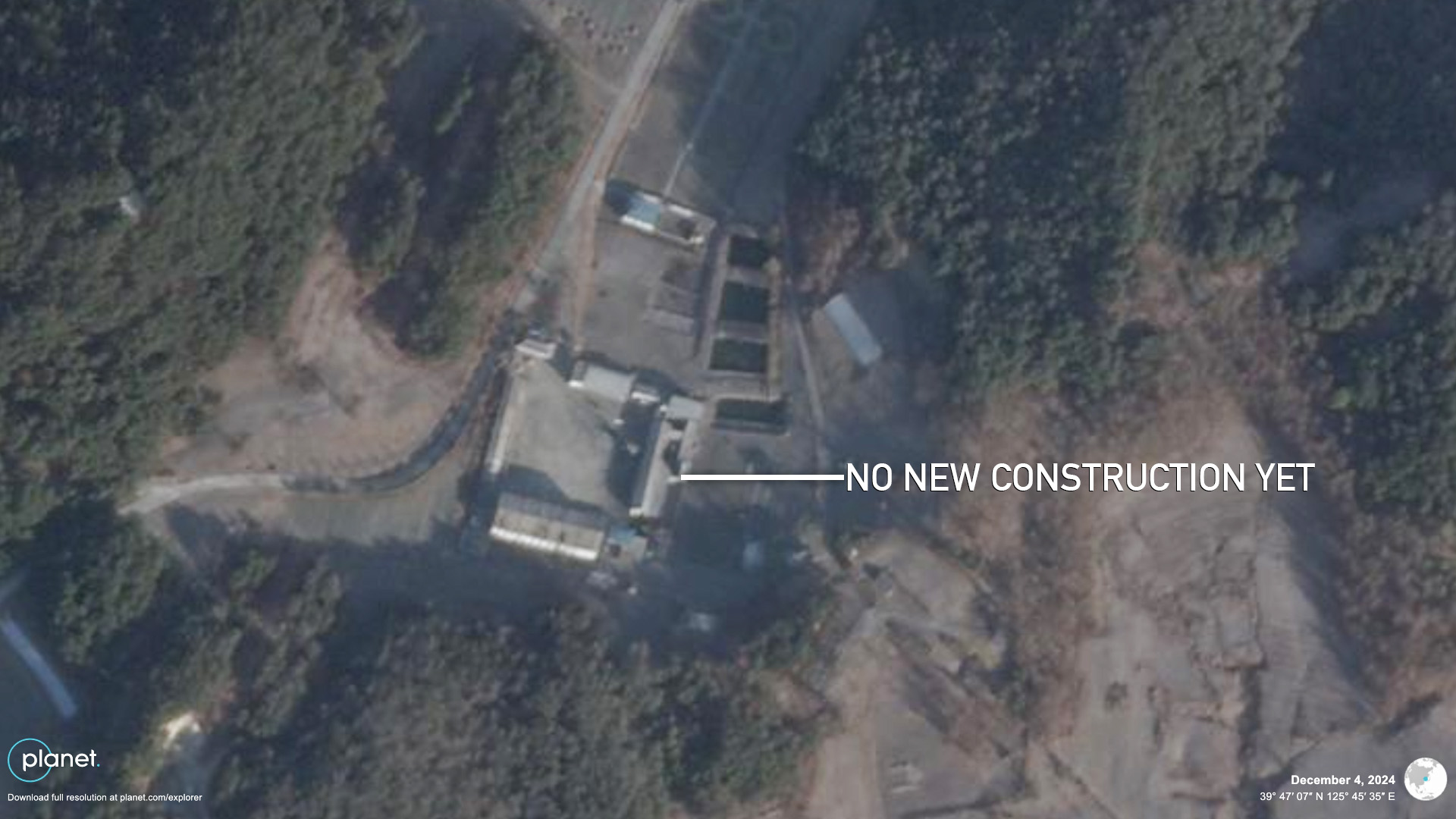
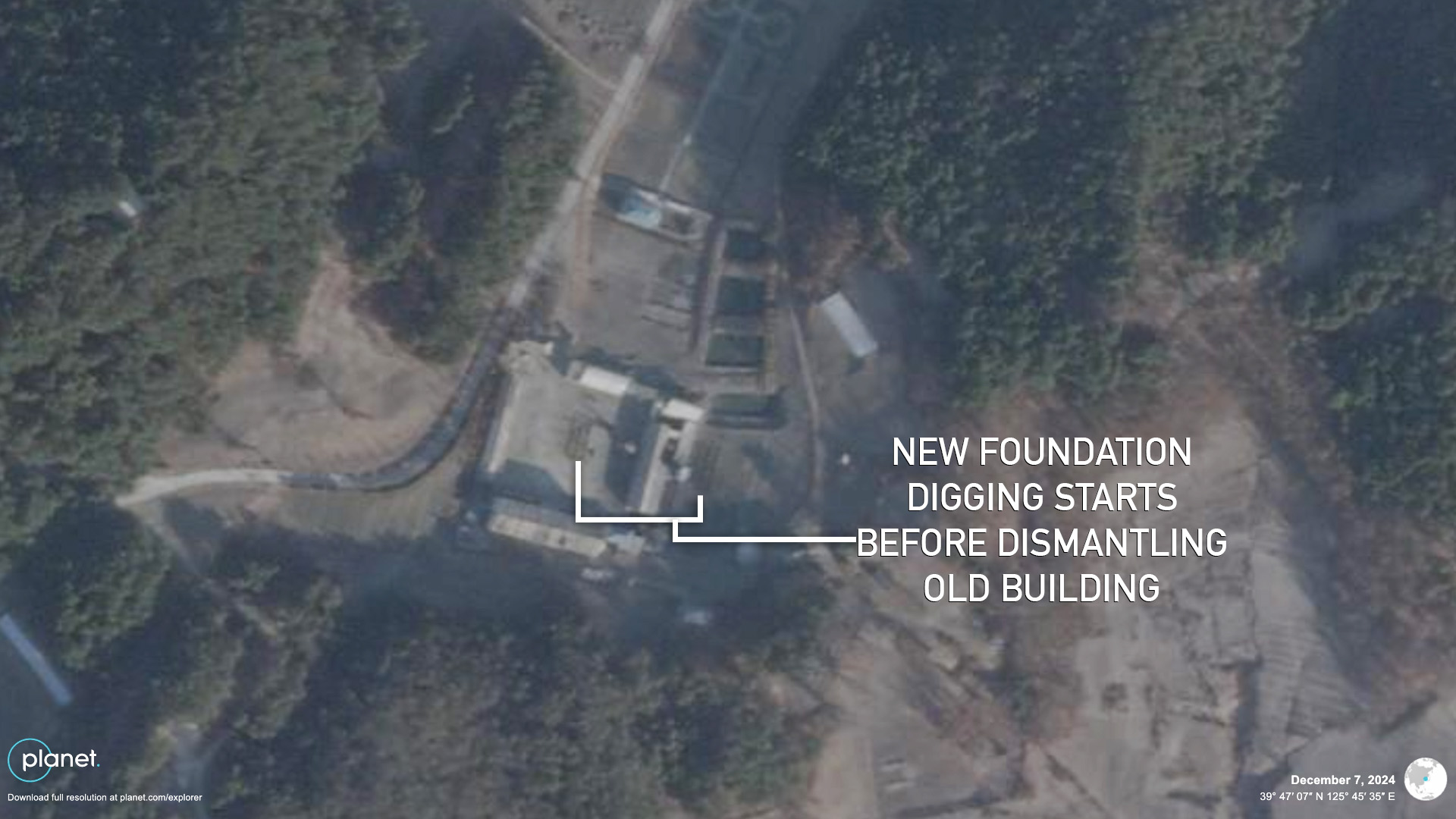
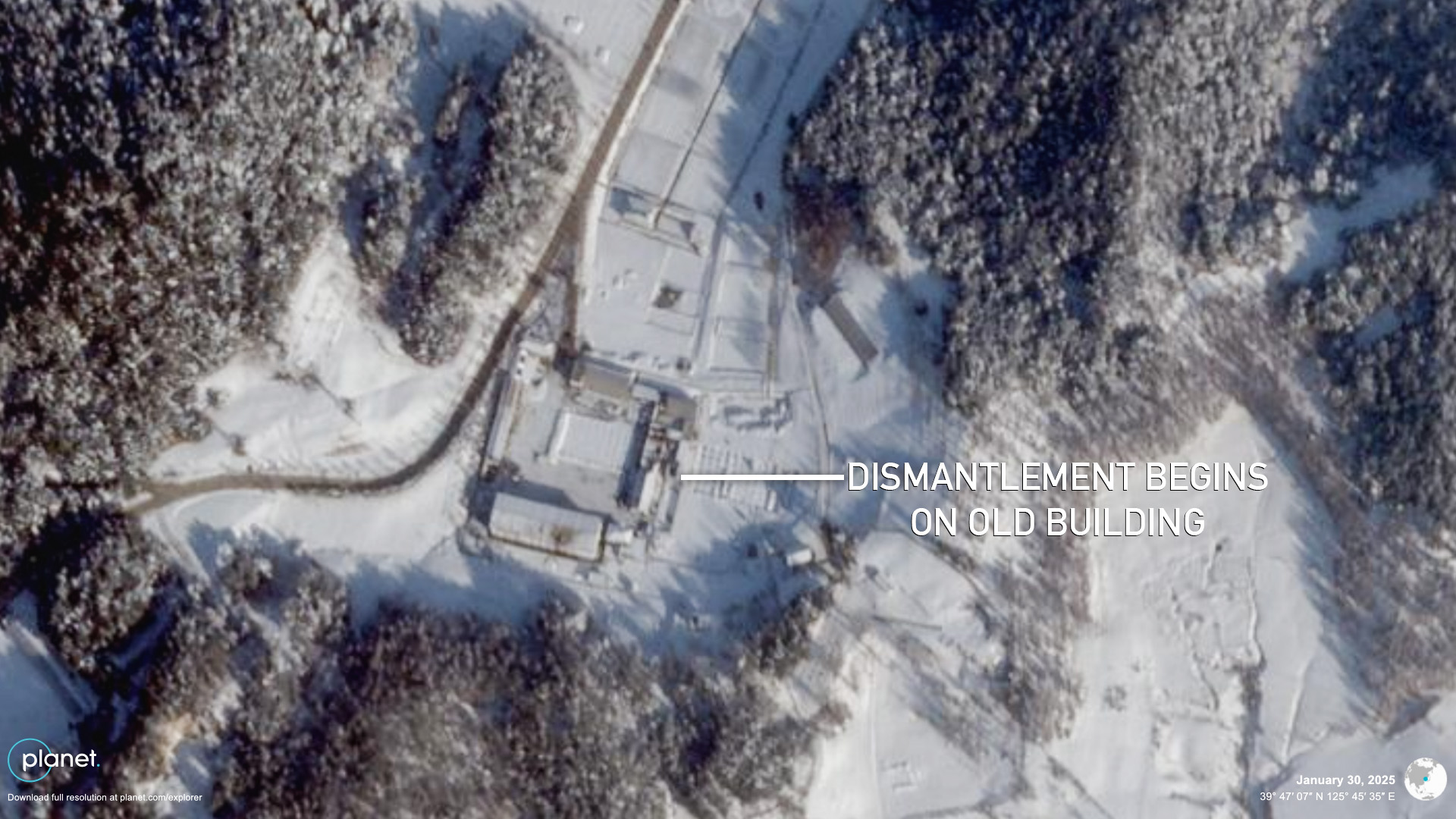
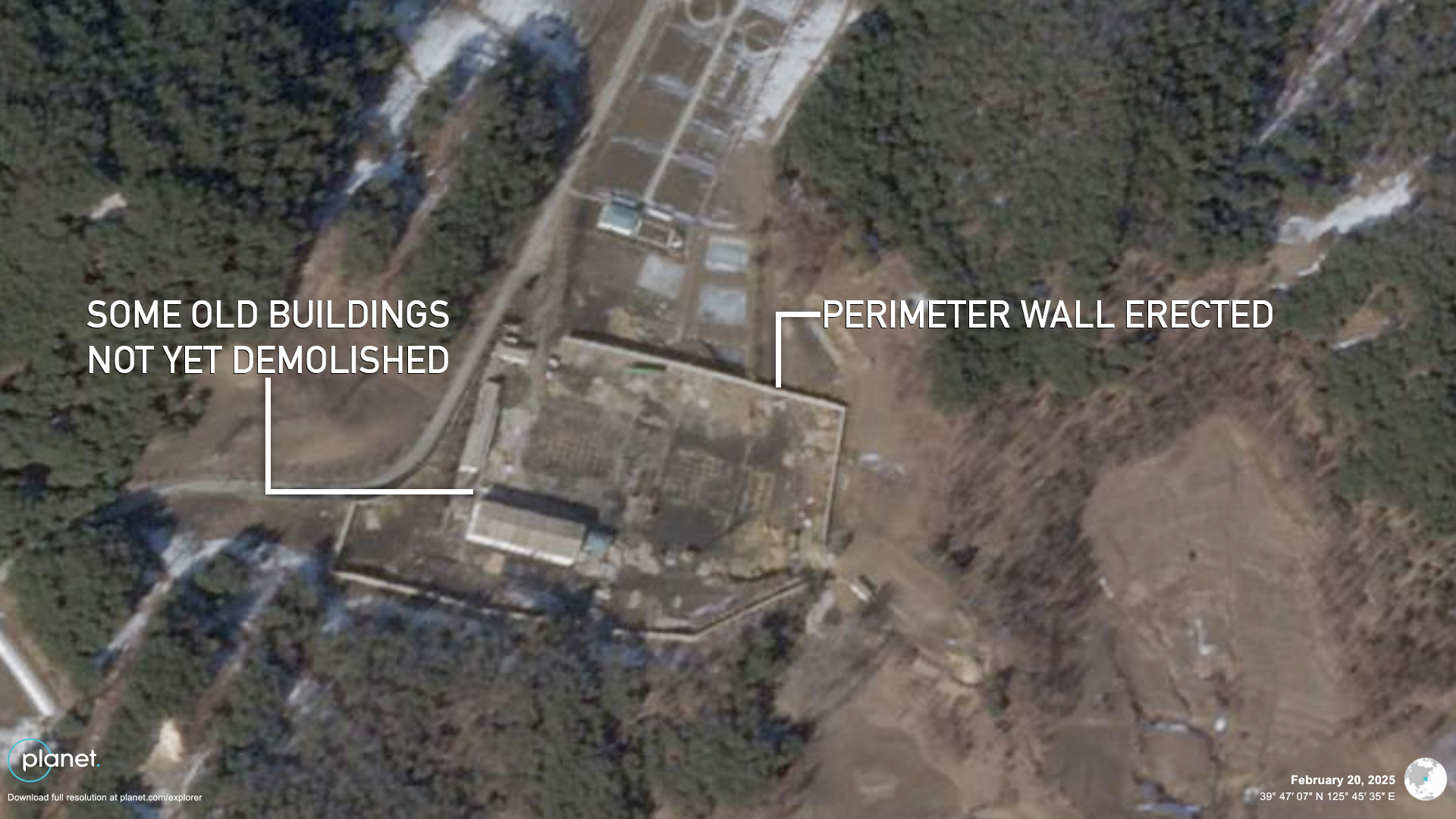
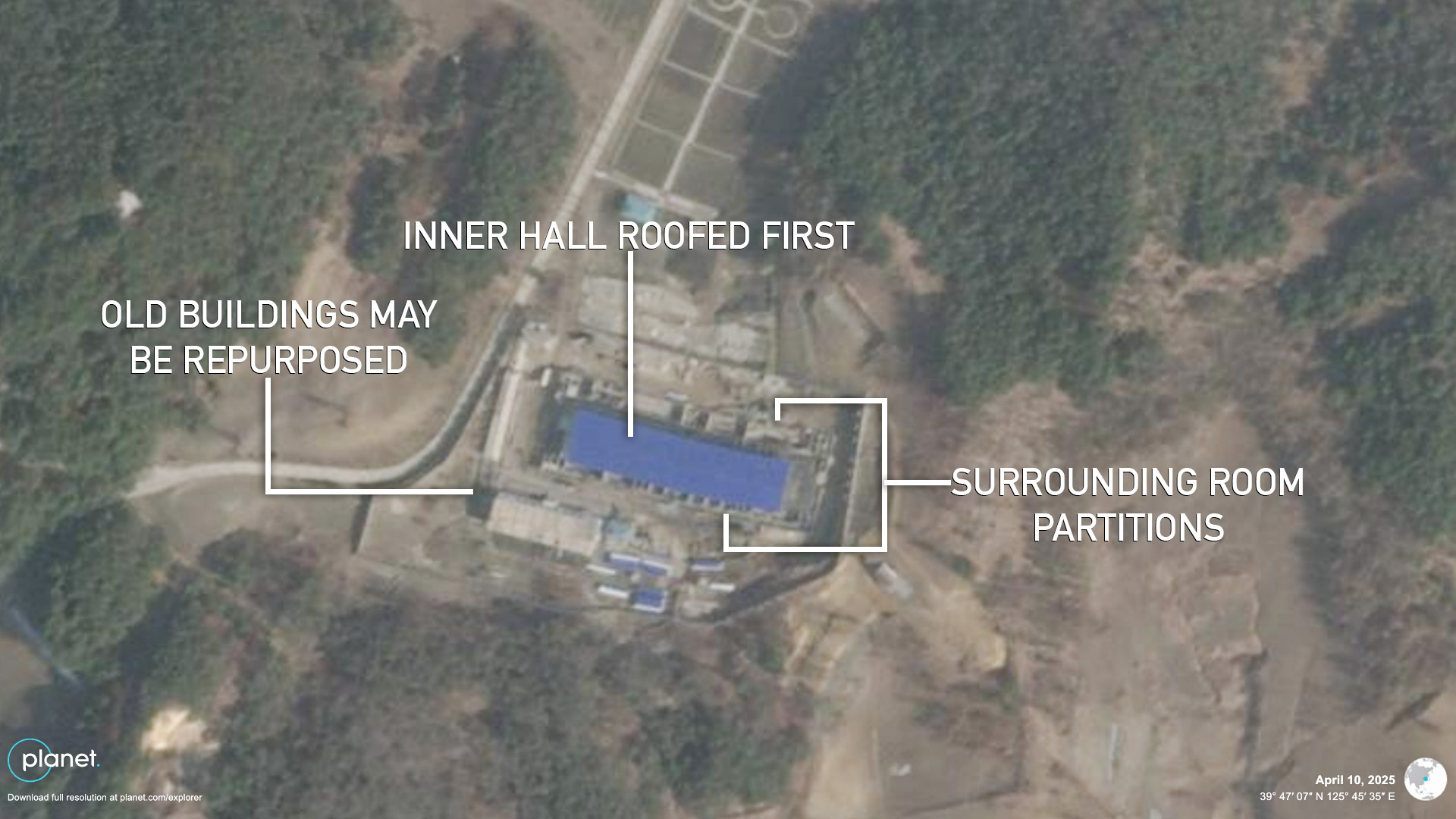
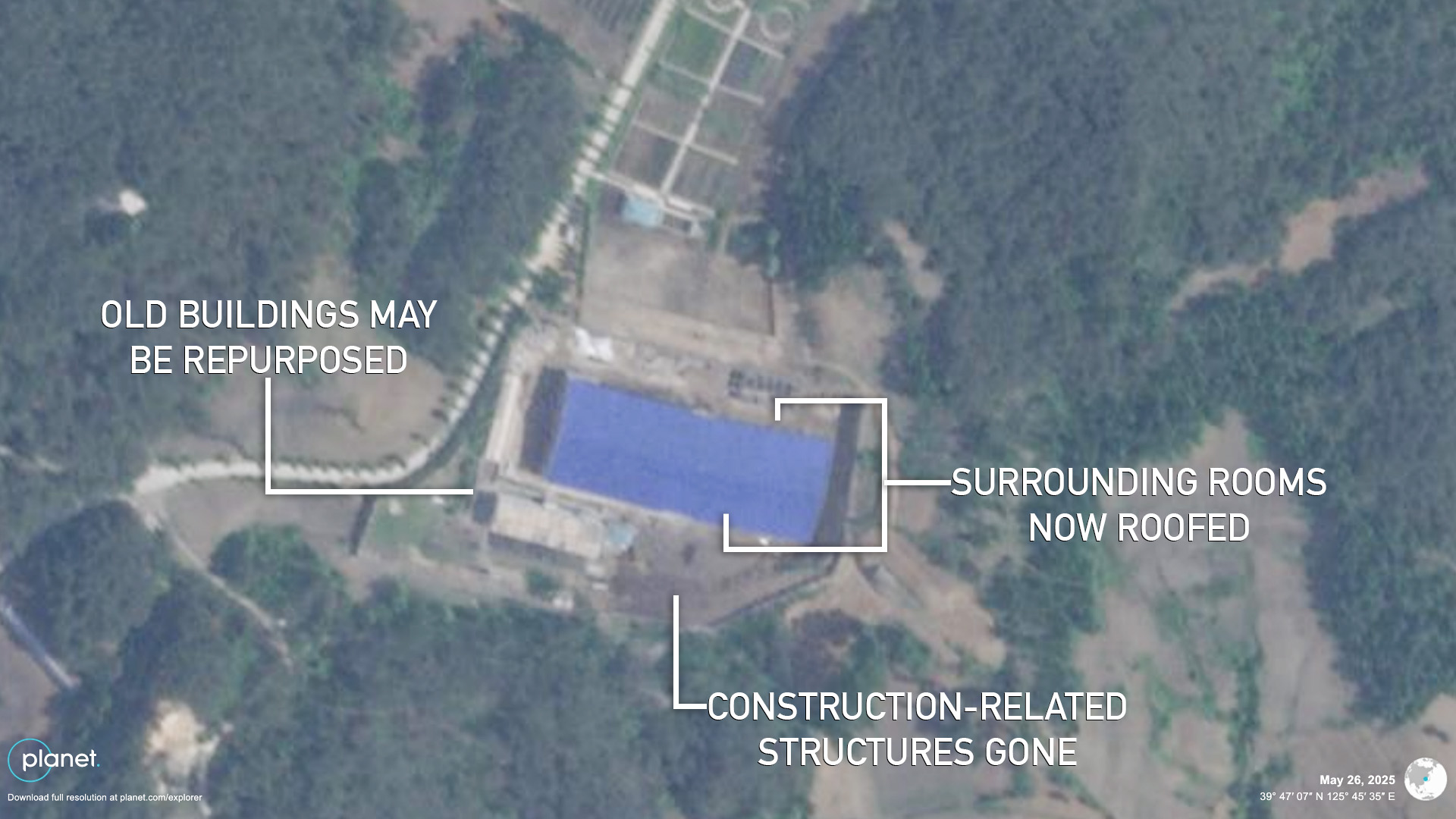
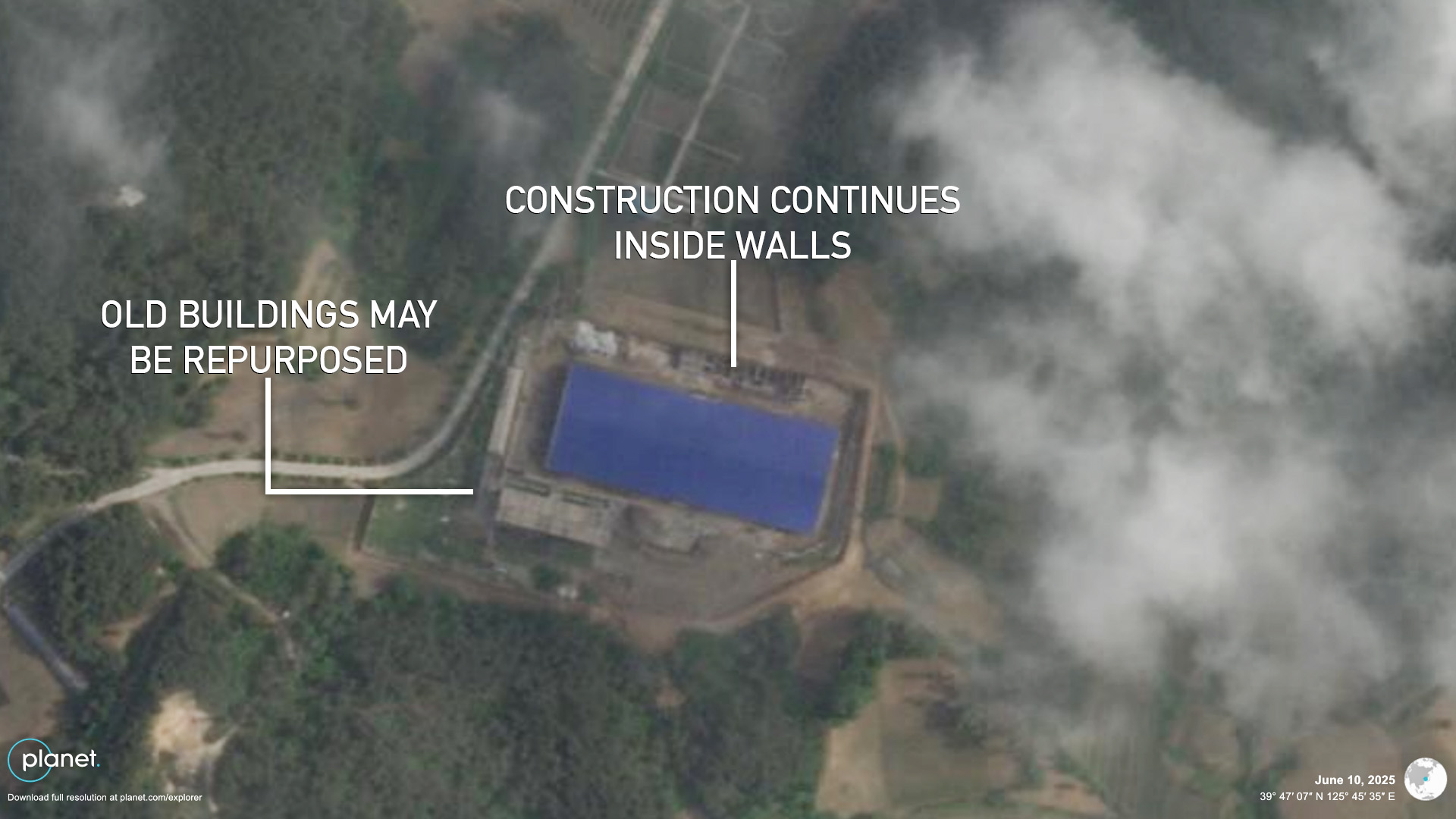
Jeffrey Lewis and Sam Lair, experts on the DPRK nuclear program, wrote for Arms Control Wonk that they have been monitoring the same building for some months and that the dimensions of its central hall that was roofed first are about the same as the central hall at Kangson housing centrifuge arrays, as well as the enrichment hall of the old Yongbyon facility. Lewis told NK News that if it is indeed a uranium enrichment facility, North Korea likely chose to build it separately instead of tearing down buildings and once again expanding the existing site in the Yongbyon complex because a “clean start is better.” He said China builds a new building each time they want to expand production capacity, though organized in rows as opposed to North Korea’s more organic layout. The new facility at Yongbyon is located in a valley of small hills around 2.3 km up a winding road from the existing facility. Both of the known facilities at Yongbyon and Kangson were expanded in recent years by building new annexes to increase floor space for centrifuges. It’s possible that officials didn’t want to tear down buildings at the older Yongbyon facility or build on top of an adjacent road in order to further expand its capacity, choosing instead to build an entirely new facility. But it’s unclear why the new building, if it is another enrichment facility, was built relatively far away instead of in the open fields surrounding the existing facility, which would have provided some benefits in terms of jointly managing two nearby sites. Notably, despite the visual similarities between the new site and Kangson, the IAEA did not claim outright that it is a suspected enrichment facility.  North Korean leader Kim Jong Un has recently shifted from a policy of total secrecy to publicizing his nuclear sites, visiting and releasing photos of the known Yongbyon uranium enrichment building for the first time in Jan. 2025, though without naming its location. This came after he unveiled Kangson to the world in Sept. 2024, again without naming it, confirming its long suspected identity as a uranium enrichment site. The moves follow his repeated declarations in recent years of intentions to “exponentially” expand his nuclear warhead stockpiles in order to arm new multi-warhead intercontinental ballistic missiles (ICBMs) aimed at the U.S., as well as hundreds of tactical nuclear missiles aimed at South Korea and Japan. The old enrichment site at Yongbyon was confirmed because North Korea invited foreign nuclear experts to inspect it in the past, while the Kangson site’s identity was first revealed through reporting on leaked U.S. intelligence but remained unconfirmed until Kim’s recent public visit. Since the new Yongbyon site’s only known connection to uranium enrichment is its physical resemblance to other confirmed enrichment facilities, it will be difficult to consider it as a strongly suspected site until similarly reliable intelligence emerges or Kim shows off pictures of it in state media. It also remains possible that its construction and design choices are meant to suggest an improved enrichment capability to adversaries who closely watch Yongbyon, without actually achieving the capability, given Pyongyang’s history of sometimes faking and exaggerating military developments. But adding up estimated highly enriched uranium production capacities at Kangson and the Yongbyon sites, Lewis said this would constitute a “right-sized” capacity in relation to how many nuclear warheads North Korea appears prepared to produce and maintain, and that this might explain why the new compound wasn’t built with room to expand. Meanwhile, Grossi also said in his statement on Monday that “the 5MW(e) reactor at Yongbyon likely continues to operate in its seventh cycle” and that “the light water reactor (LWR) at Yongbyon continued in stable operation, except for a one-month shutdown in April 2025.” He added that there have recently been “no indications of significant changes at the Nuclear Test Site at Punggye-ri, which remains prepared to support a nuclear test.” “The continuation and further development of the DPRK’s nuclear program are clear violations of relevant U.N. Security Council resolutions and are deeply regrettable,” he said, adding that the IAEA still hopes to engage with Pyongyang on nuclear safety and verification issues. Edited by Bryan Betts © Korea Risk Group. All rights reserved. |


 SHARE
SHARE COPY LINK
 X
X MASTODON


Recent Stories