

|
News North Korea tests new motors for nuclear ballistic missiles: State mediaSolid-fuel intermediate-range technology allows DPRK to fire nukes at shorter notice across Northeast Asia
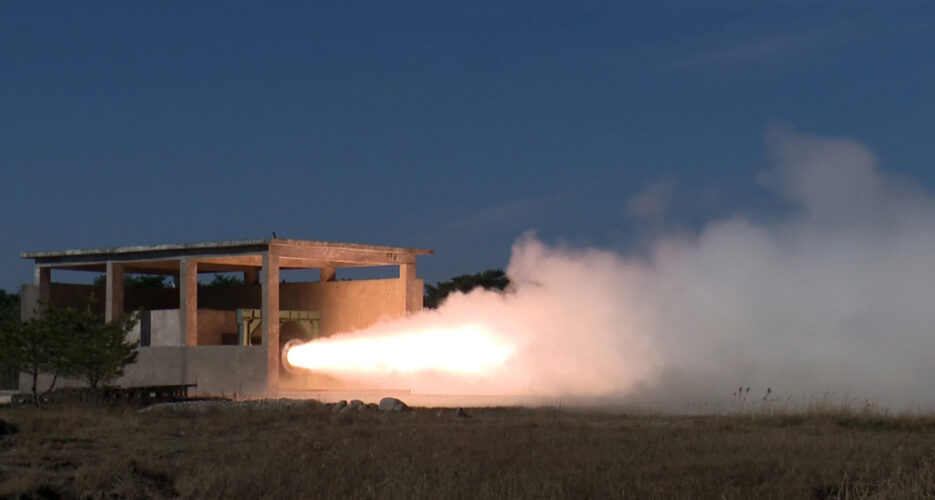 North Korea says it successfully tested solid-fuel motors for intermediate-range ballistic missiles (IRBMs) for the first time in recent days, another step toward developing nuclear missiles that can be launched on shorter notice at enemy targets in the region. According to the Korean Central News Agency (KCNA) on Wednesday, the General Missile Bureau carried out a test of the new first-stage “high-thrust solid fuel motor” on Nov. 11 and the second-stage engine on Nov. 14. The report said the test represents a “solid guarantee for pushing ahead with successfully developing a new IRBM system” ahead of an inaugural test launch, possibly in the coming months. It added that the test is in response to the “prospect of a severe and unstable security situation in the region due to the enemies’ military collusion.” 
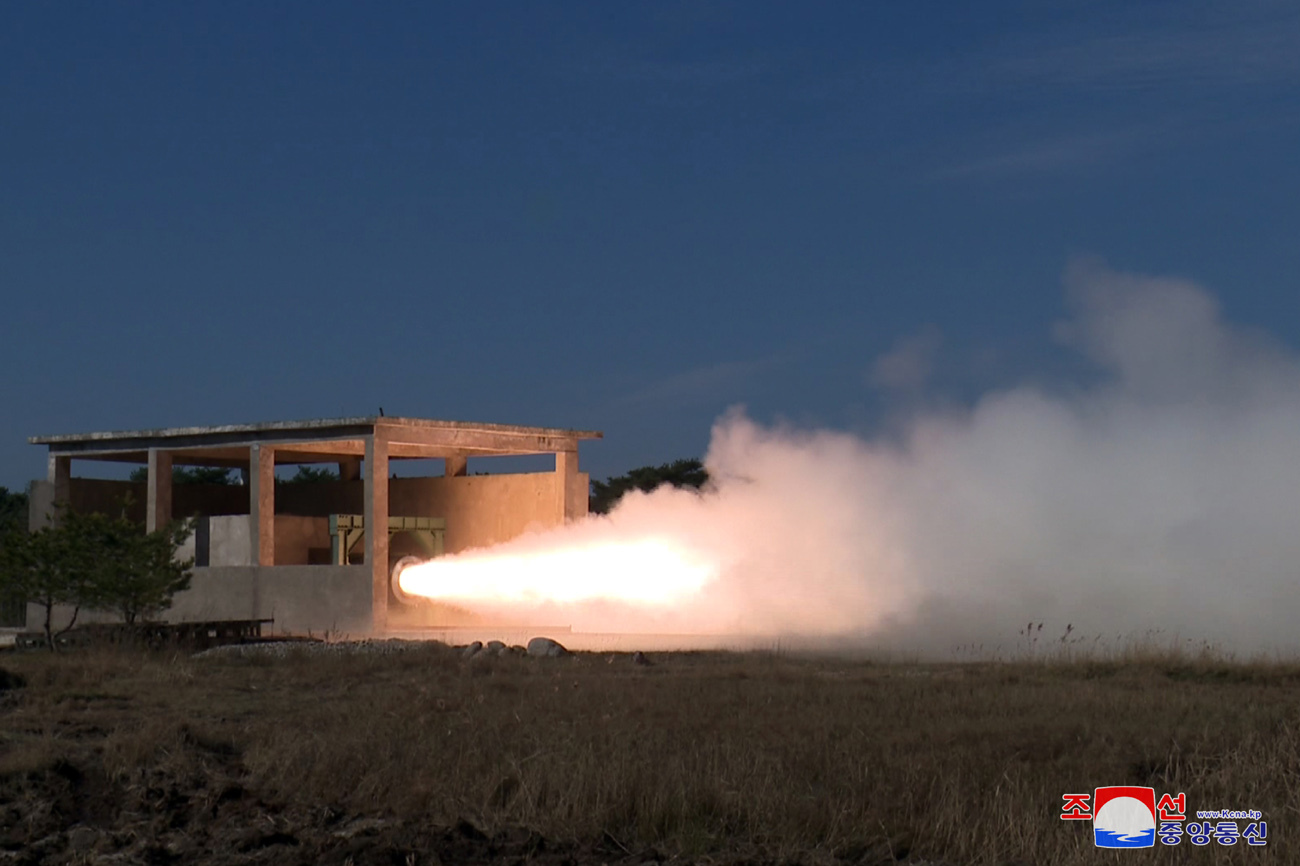
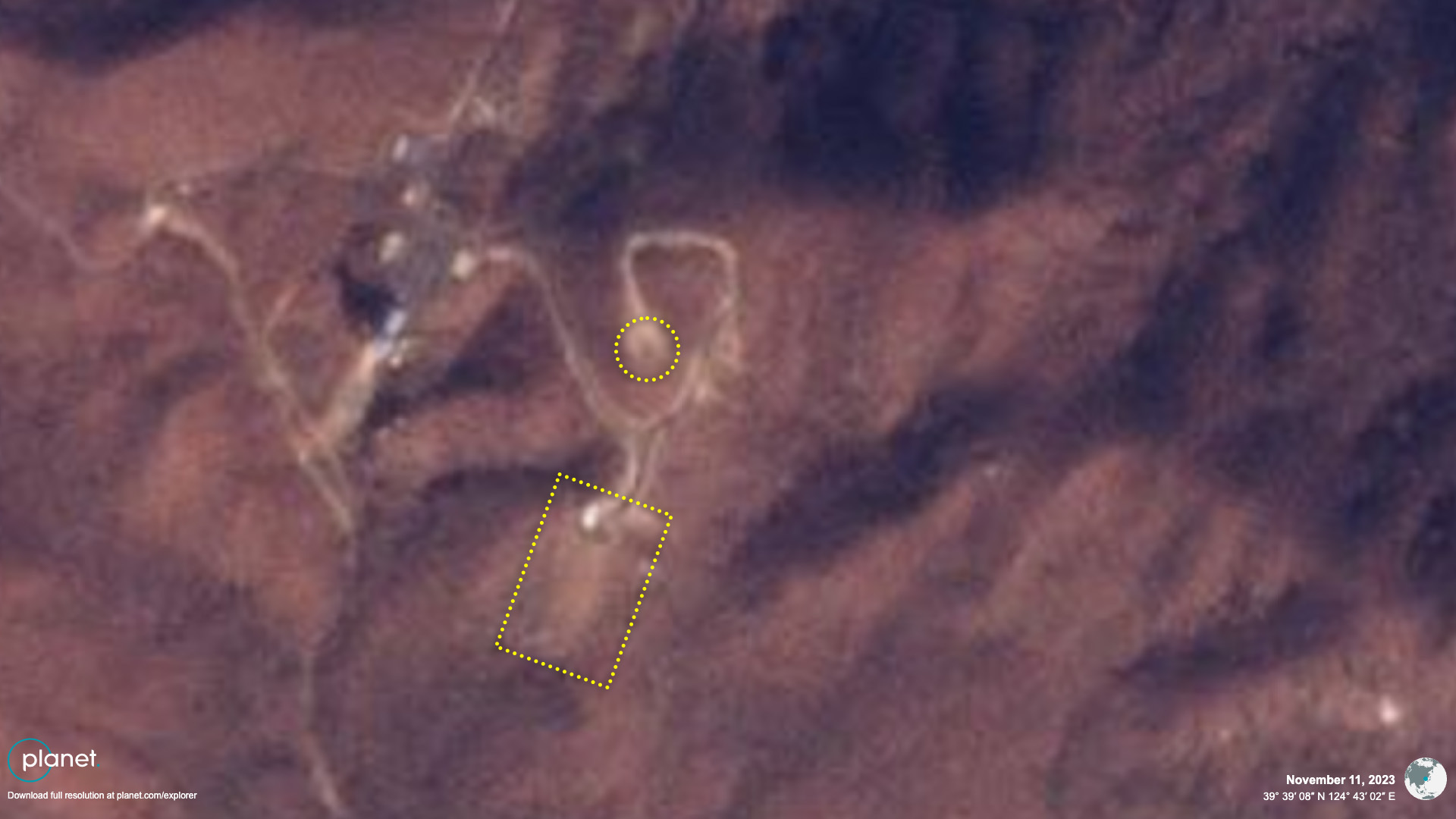
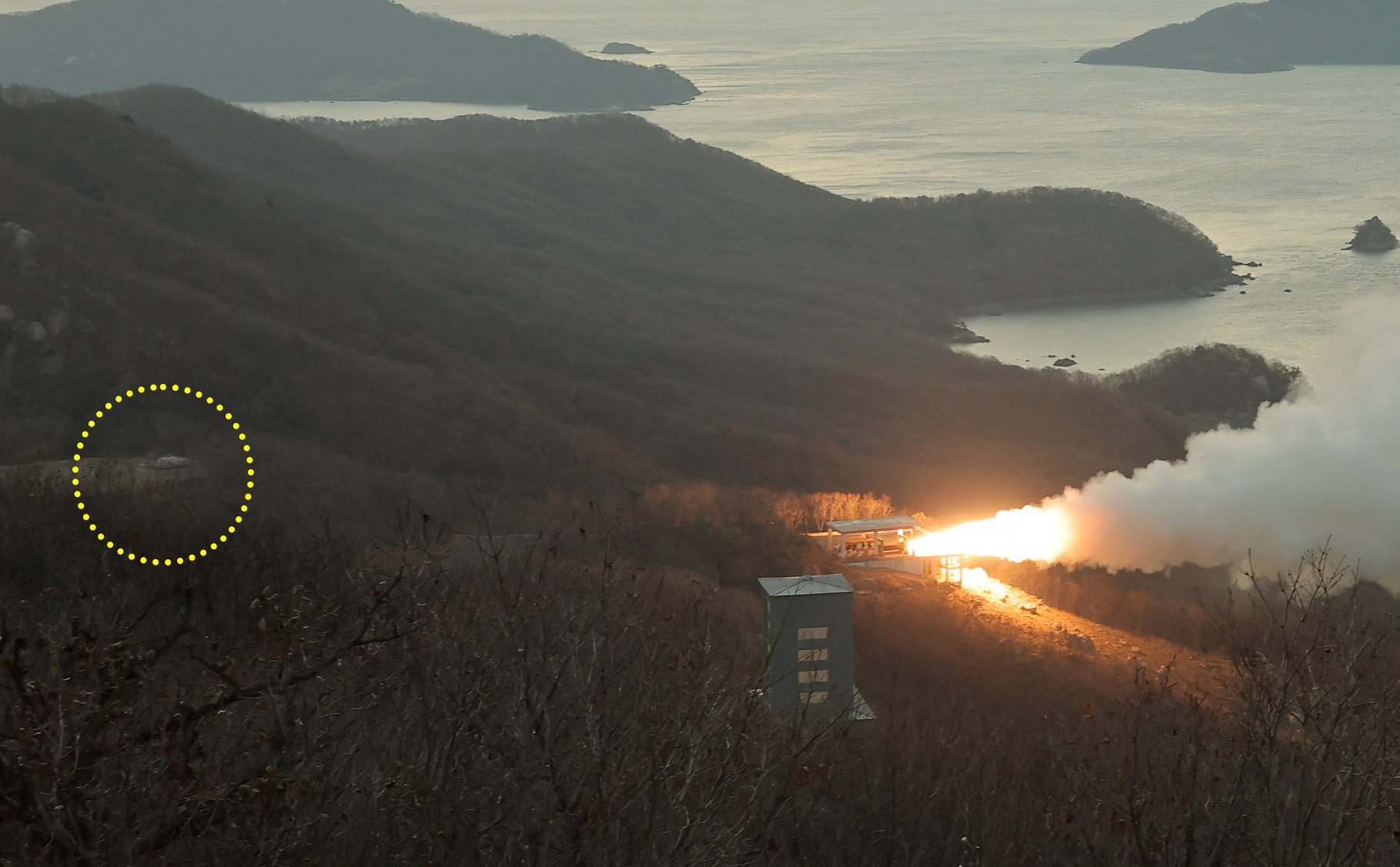
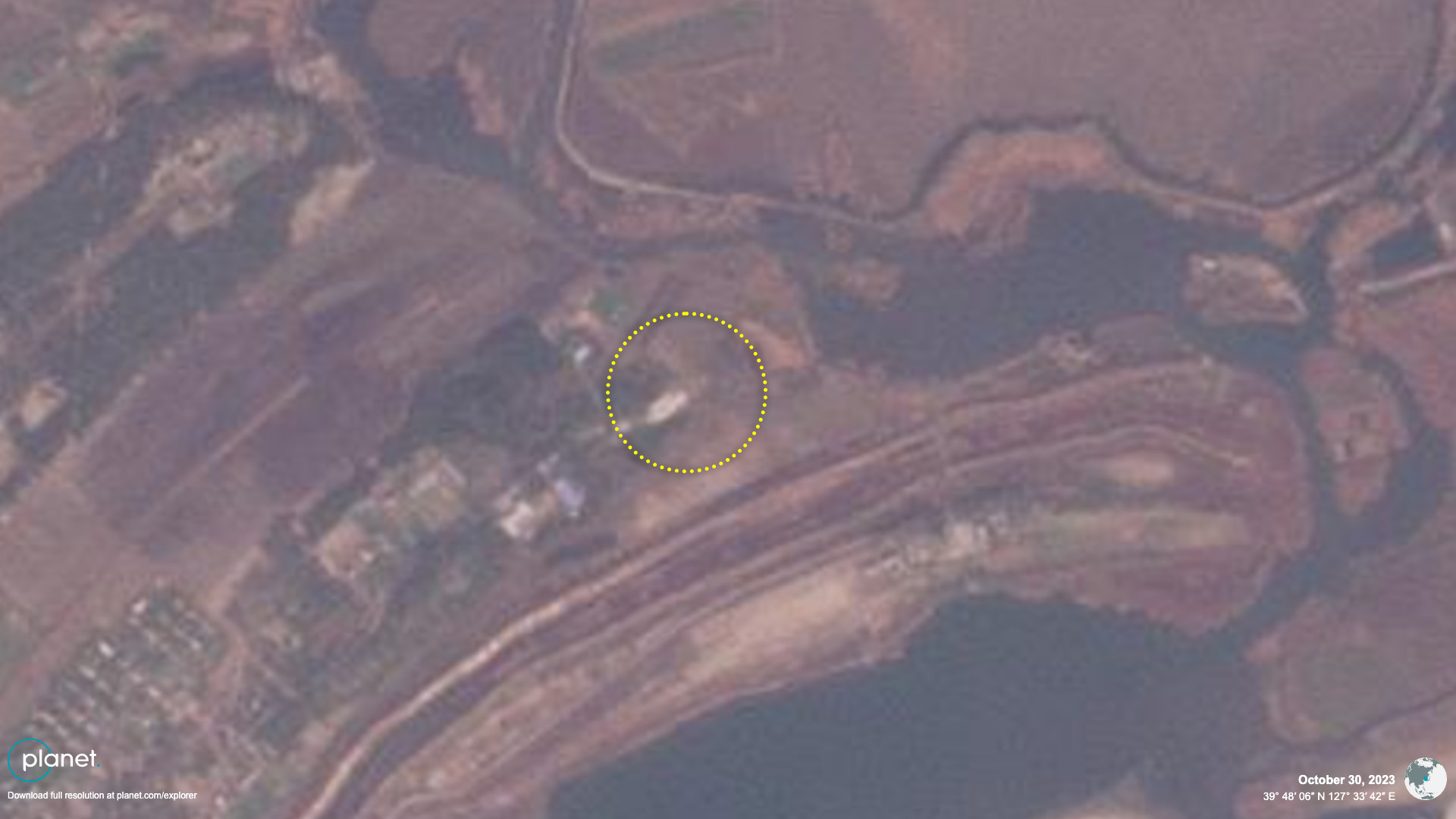
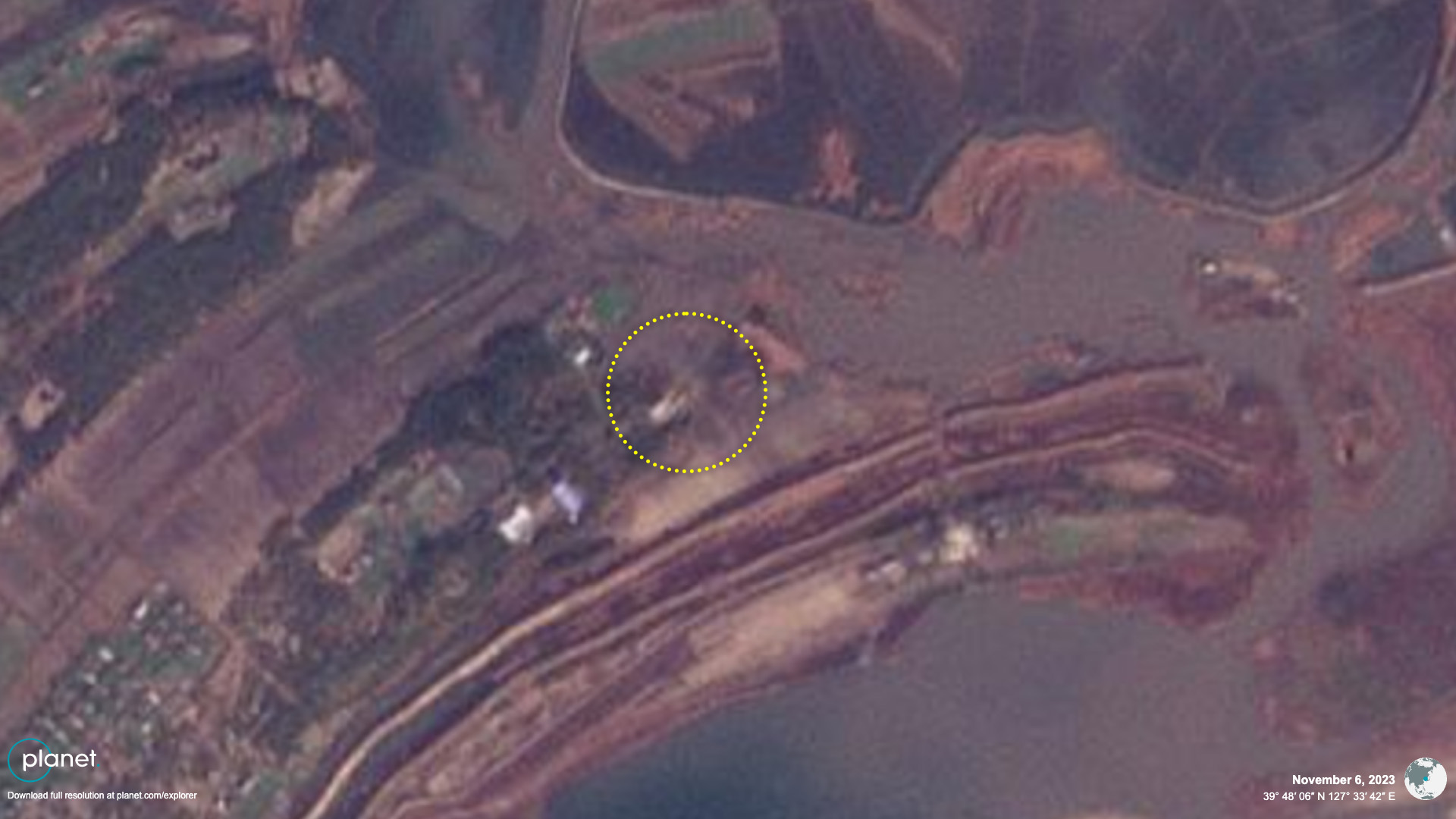
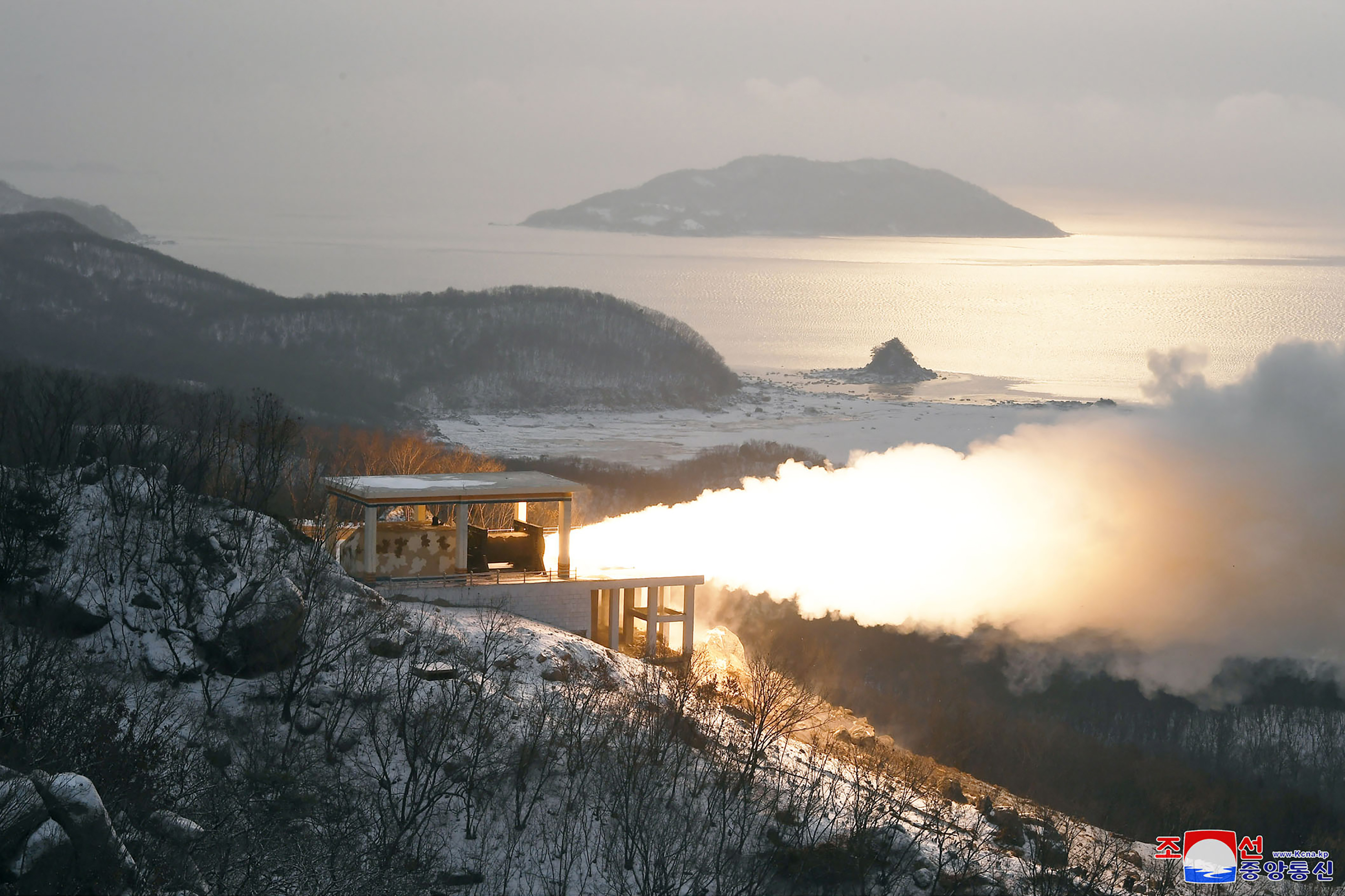 NK News analysis of the two images released with the report shows the first-stage test took place at the horizontal engine test stand built last year at the Sohae Satellite Launching Ground in the northwest of the country, likely on Nov. 11. The smaller second-stage engine test appears to have taken place at an upgraded test stand at Magunpho near Hamhung on the east coast, according to missile analyst Dave Schmerler. Planet Labs satellite imagery suggests at least one test also took place here in the first week of November, but it’s unclear if the claimed Nov. 14 date is correct. State media on Wednesday did not include any details about the duration of the engine firings as it has for past engine tests, making it difficult to assess technical details. The attendance of North Korean leader Kim Jong Un was not mentioned. North Korea has yet to reveal any other details about its development of a solid-fuel IRBM, but the KCNA report said Kim Jong Un oversaw orders to “renew the Hwasong-18 intercontinental ballistic missile (ICBM) and IRBM in the 2023 plan for developing defense science and weapons systems” at a Dec. 2022 party plenum and Feb. 2023 Central Military Commission (CMC) meeting. While liquid-fueled missiles can take a long time to fuel — not ideal when trying to quickly strike a target — solid-fuel missiles are built ready to arm and launch, leading to quicker launches. 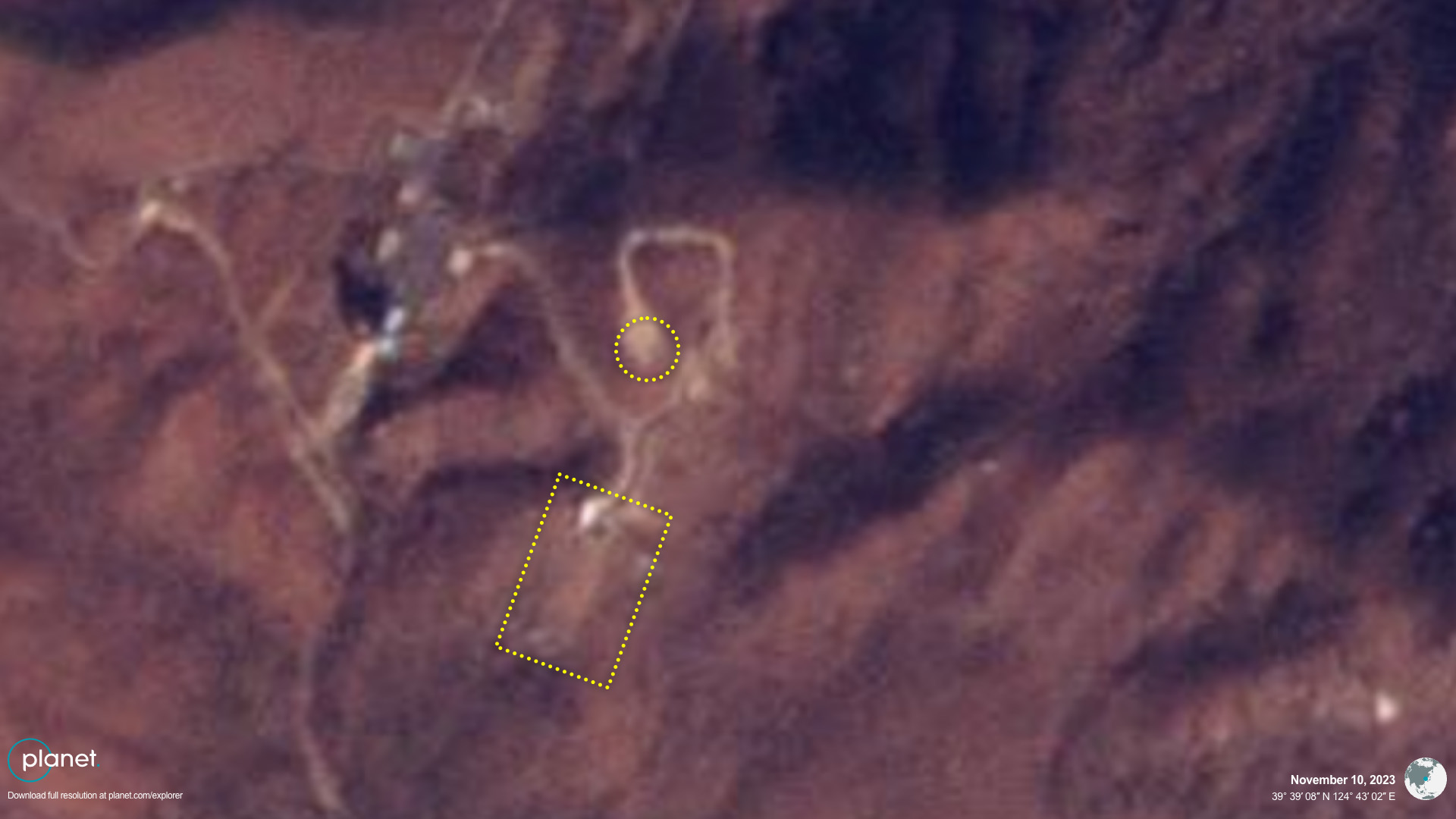
The country last tested a liquid-fuel IRBM in Oct. 2022. This range of missiles is considered to be targeted at Japan and U.S. missile bases in the region. Pyongyang announced a test of the country’s first solid-fuel ICBM motor last December, before the first test of the Hwasong-18 ICBM in April this year. “It’s certainly odd that they leapfrogged a solid-fuel IRBM and developed the Hwasong-18 first, but this [new development] makes a lot of sense,” Ankit Panda, Stanton Senior Fellow in the Nuclear Policy Program at the Carnegie Endowment on International Peace, told NK News. “I think this will be supplemental to the Hwasong-12 [liquid-fuel IRBM],” he added. “Long-term maintenance of solid propellant missiles is still a big risk for North Korea; these missiles can age poorly and so it may be worth their effort to hedge by sustaining a parallel liquid propellant program.” Edited by Arius Derr Updated on Nov. 15 at 8:15 a.m. KST with expert comments and additional details from state media, and at 1:27 p.m. with analysis of satellite imagery. © Korea Risk Group. All rights reserved. |


 SHARE
SHARE COPY LINK
 X
X MASTODON


Recent Stories