
|
Border Controls North Korea places new rules on diplomats following suspected COVID-19 caseRegulations place firm new restrictions on foreign envoys' freedom of movement, public gatherings
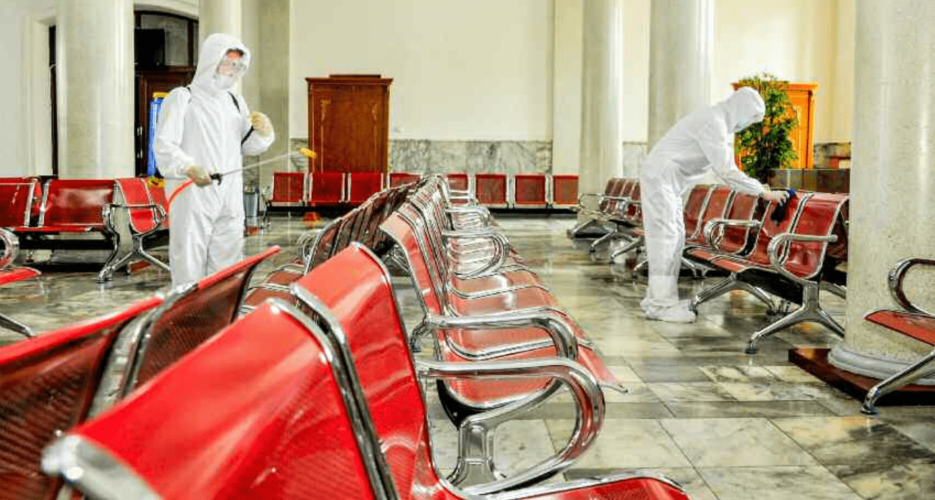 North Korea on Tuesday distributed new quarantine regulations to diplomats residing in Pyongyang, following news over the weekend that the country had detected its first suspected case of the COVID-19 virus. The rules, distributed to diplomats by the DPRK’s Ministry of Foreign Affairs (MFA) and seen by NK News, are reportedly part of recent changes to the country’s “national emergency anti-epidemic system,” raised to the level of “maximum emergency” on Saturday. Resident diplomats and staff at international organizations in Pyongyang are now prohibited from leaving the capital, the note said, and are required to ensure they are “thoroughly wearing masks… when going out,” especially while travelling in cars. The rules also include strengthened social distancing guidelines, warning against holding banquets and gatherings that “many people attend” and avoiding crowded places. “No more than 4-5 people” may accompany each other when taking a walk through the city, the note stipulated, while also banning “relaxing” at Pyongyang’s scenic Mount Ryongak. Recipients are asked to conduct regular medical check-ups, as well as conduct regular disinfection work in their offices. Those who have “abnormal symptoms such as fever or cough” must notify Pyongyang Friendship Hospital right away, the note added. A border lockdown — in place since late January — will also remain in place, it continued, urging diplomats and representatives of international organizations not to raise requests regarding “any and all personnel entering the country, and bringing in items through the border.” The new regulations represent a return to some of the more stringent measures previously imposed by DPRK authorities on foreign diplomats earlier in the year — steps subsequently relaxed in May.  The updated regulations follow a meeting of North Korea’s ruling party Central Committee on Saturday, at which authorities announced that a defector returning home from the South via Kaesong City was suspected to be carrying the virus. North Korea reportedly shifted to a “maximum emergency system” in response, placing the city under lockdown and quarantining the defector as well as those believed to have come into contact with them. But the DPRK authorities’ new rules against meeting in large groups and calls for residents to wear masks appear to be being applied inconsistently, and follow reports of a number of public gatherings in the country’s capital in recent days. Tuesday saw state media report that leader Kim Jong Un had overseen a meeting of Korean War veterans to mark the 67th anniversary of the Korean Armistice Agreement, in coverage showing thousands of elderly cadres gathered without masks or respect for standard social distancing conventions. Despite the recent scare, North Korea is yet to officially confirm any cases of COVID-19 within its territory. In a statement to Reuters Tuesday, the World Health Organization (WHO) — which relies on the DPRK authorities for information about the number of tests conducted in the country — said that 1,211 people had been tested for COVID-19 as of July 16. All were reported negative for the illness. 696 people, all North Korean nationals, were being held under quarantine, the statement added. The figures suggest that 94 people have been tested for COVID-19 since the WHO’s last publicized the data earlier this month, when it counted testing and quarantine numbers up until July 9. Following North Korean leadership’s weekend decision to put out a “top-class alert” on COVID-19 prevention in the country, the country’s state media has stressed the “serious situation” developing in the city of Kaesong, which lies just a few kilometers from the inter-Korean border. “Complete lockdown… and medical check-up work are ongoing strictly,” an article in ruling party daily the Rodong Sinmun read on Tuesday, featuring photos of quarantine workers wearing white hazmat suits and disinfecting public areas. Chad O’Carroll contributed reporting © Korea Risk Group. All rights reserved. |


 SHARE
SHARE COPY LINK
 X
X MASTODON

Recent Stories