
|
Cancellations and Postponements Four months since first approval, shipment of COVID-19 aid enters North KoreaIFRC blames border closures and global shortages of medical equipment for delay
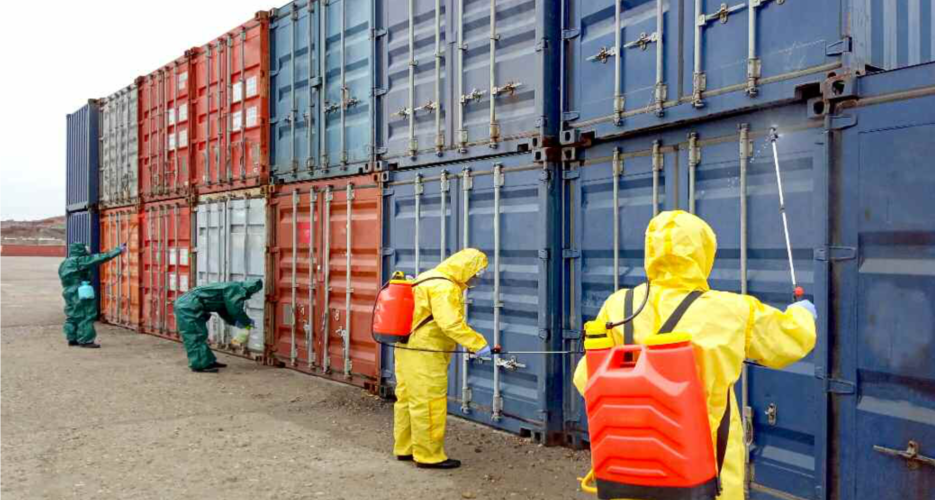 A shipment of COVID-19 aid arrived in North Korea last week, a spokesperson for the International Federation of Red Cross and Red Crescent Societies (IFRC) confirmed to NK News on Monday, over four months since first being approved by the UN. The IFRC was granted a sanctions exemption by the UN’s 1718 committee in late February to send 10,000 test kits, 10,000 pairs of gloves, and 4000 masks to North Korea. That aid has now arrived in the DPRK, Ellie Van Baaren, a Communications Manager for the IFRC, said in an email to NK News Monday. “The consignment of aid items to support COVID-19 prevention activities arrived in Sinuiju last week and is currently undergoing quarantine before being handed over to the Red Cross Society of DPRK to be distributed for use,” she said. The cargo, which also included one RT-PCR diagnostic machine and 200 medical gowns, had been held in Beijing awaiting “final clearance.” According to a letter made public in late February, all of the shipments were originally planned to be made by air. Those plans appear to have partially changed, however, with the IFRC spokesperson saying Monday said that the cargo was shipped across the Sino-DPRK border by land into the North last week. “The consignment was transported by road from Beijing to Dandong and then across the border from there,” Van Baaren said. “This is the consignment of items that were requested by the Red Cross Society of DPRK earlier this year.” The IFRC aid items to the North will now be required under DPRK regulations to stay at the Sinuiju import-export station for a 10 days’ quarantine before being released for use by the Red Cross Society of DPRK.  On July 3, IFRC’s Van Baaren told NK News in an email that all the requested aid items had been procured and was awaiting transportation into the North. The four-month delay, according to the organization, was caused by export controls and border closures imposed by the DPRK in a bid to stem a potential outbreak of COVID-19 in its territory. “[The] global shortage of personal protective equipment and the consequent export restrictions by some countries,” the NGO said in April, were hampering the organization’s plans to procure the items for North Korea. “Border closures and the restrictions on incoming goods to DPRK,” known to be still ongoing, were another factor delaying the delivery, Van Baaren said at the time. The country’s borders remain closed, aside from a limited number of shipments of medical equipment sent by NGOs and international organizations. North Korea has claimed to have detected no cases of COVID-19 in its territory, though the World Health Organization (WHO) reported last month that it had tested just 922 people for the virus. Edited by Oliver Hotham © Korea Risk Group. All rights reserved. |


 SHARE
SHARE COPY LINK
 X
X MASTODON

Recent Stories