
|
COVID-19 Sanctions “impeding” North Korea’s COVID-19 efforts, UN human rights chief warnsAfter accusing Pyongyang of crimes against humanity, statement is UN human rights chief's second on DPRK this month
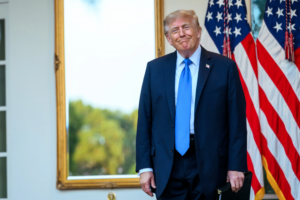
 Sanctions have “impeded” the ability of countries — including North Korea — to stop the spread of the coronavirus pandemic, the UN’s top human rights official said on Tuesday. The comment, from UN High Commissioner for Human Rights Michelle Bachelet, comes despite Pyongyang’s persistent claims — rejected by many experts as impossible — that the DPRK has had no infections of the highly contagious virus within its borders. North Korea is subject to a wide range of sanctions — including a ban on metal goods that blocks countries from sending certain medical equipment to the DPRK without special permission from the UN — as punishment for its nuclear weapons program. That permission was granted last month to three of the world’s biggest humanitarian organizations as the COVID-19 disease spread across East Asia, but it is unclear if officials in Pyongyang are allowing the three aid groups to bring all of their supplies into the country. “It is vital to avoid the collapse of any country’s medical system — given the explosive impact that will have on death, suffering, and wider contagion,” said Bachelet, the former president of Chile. “At this crucial time, both for global public health reasons, and to support the rights and lives of millions of people in these countries, sectoral sanctions should be eased or suspended,” she said. “In a context of global pandemic, impeding medical efforts in one country heightens the risk for all of us.” “Humanitarian exemptions to sanctions measures should be given broad and practical effect, with prompt, flexible authorization for essential medical equipment and supplies,” she added. Bachelet named five countries where she said sanctions may be getting in the way of medical efforts: Iran, Cuba, Venezuela, Zimbabwe, and the DPRK. Among those countries, however, only North Korea claims that it has had no cases of the coronavirus. North Korea is known to have one of the world’s worst-prepared public health systems for dealing with the rapid spread of a contagious virus. One study last year said North Korea ranks last among all nations in its ability to deal with an infectious disease outbreak. Humanitarian workers with experience in the country have told NK News that the North has a severe shortage of many basic medical supplies, including gloves and masks, that are essential during a pandemic. And even if the North had all of the equipment it needed, many medical facilities in the country still lack reliable sources of water, electricity, and heat. Tuesday’s comment marked the second time in recent weeks that the UN human rights chief has spoken out about North Korea. Earlier this month, Bachelet said the North Korean government may be guilty of committing crimes against humanity against its own people. “Our monitoring indicates apparently systematic human rights violations in detention centres in the DPRK, including sexual violence against women and girls,” she said. “We are seeking to identify those most responsible for such crimes.” In her statement on Tuesday, Bachelet said human rights should be considered when thinking about sanctioned countries’ public health systems — but added that those nations should still be supported during a crisis. “The majority of these states have frail or weak health systems,” she said, referring to the five sanctioned countries. “Progress in upholding human rights is essential to improve those systems – but obstacles to the import of vital medical supplies, including over-compliance with sanctions by banks, will create long-lasting harm to vulnerable communities,” she continued. “The populations in these countries are in no way responsible for the policies being targeted by sanctions, and to varying degrees have already been living in a precarious situation for prolonged periods.” Bachelet added that “international cooperation and solidarity” are “essential.” On Sunday, U.S. President Donald Trump told reporters at the White House that he had offered to help the DPRK fend off the coronavirus, despite the icy relationship between the two countries. “If they need help, we’ll give them help,” Trump said. “We are open for helping other countries. And this is a very serious time and North Korea is going through something.” North Korea acknowledged Trump’s outreach earlier in the weekend, but it remains unclear if Pyongyang said yes to the offer of help — or what type of assistance the Trump administration planned to give. © Korea Risk Group. All rights reserved. |


 SHARE
 COPY LINK
 X
 MASTODON


Recent Stories