
|
Analysis U.S.-North Korea talks: how to break the impasse with a temporary agreementIt’s increasingly clear that American diplomats should take a fresh approach
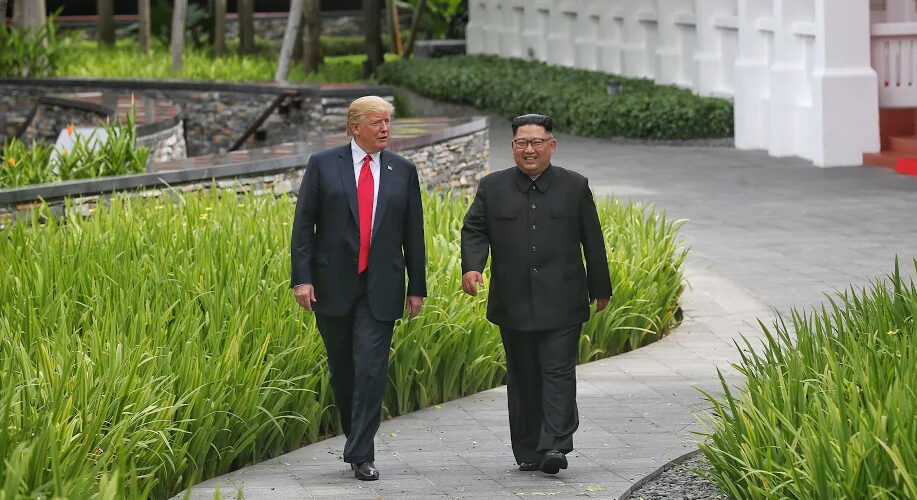 65 years ago this year, a U.S. Army Lieutenant General and a chain-smoking, pencil-breaking North Korean general locked in the status quo that defines the Korean peninsula today. The Korean War armistice — signed in 1953 after 400 hours of negotiation in over close to 200 sessions in which the North Koreans postured, delayed, and lied so much the Americans wondered if Pyongyang was at all serious about an agreement — was no one’s idea of a great outcome. It was intended to be temporary, a step on the way to a “final, peaceful settlement.” But in one of the © Korea Risk Group. All rights reserved. |


 SHARE
SHARE COPY LINK
 X
X MASTODON


Recent Stories