
|
News Kim Jong Un admits to ‘empty’ promises on rural development, vows changeAt new dairy farm opening, North Korean leader lays out regime’s failures and his plans to provide meat and milk
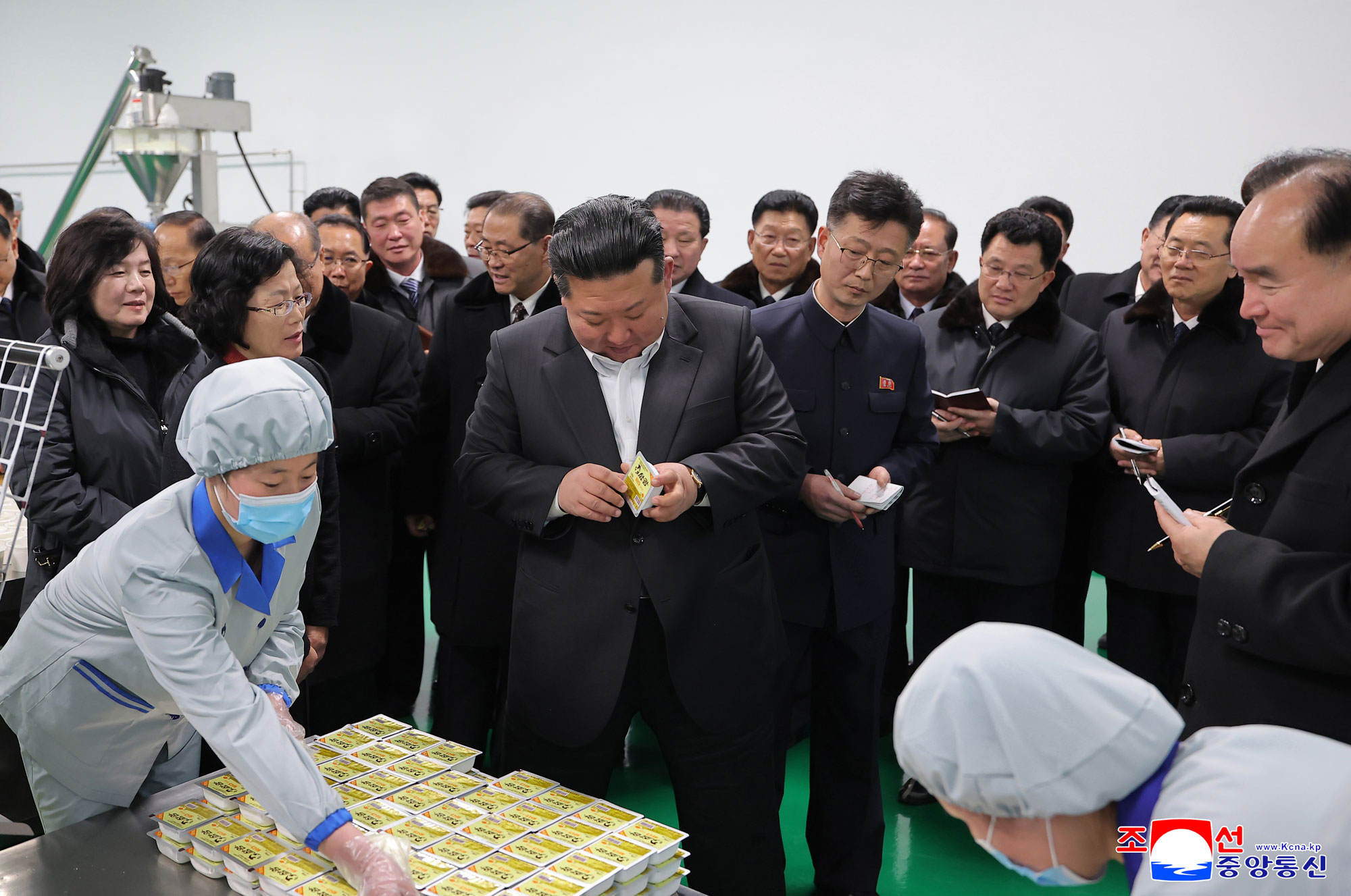
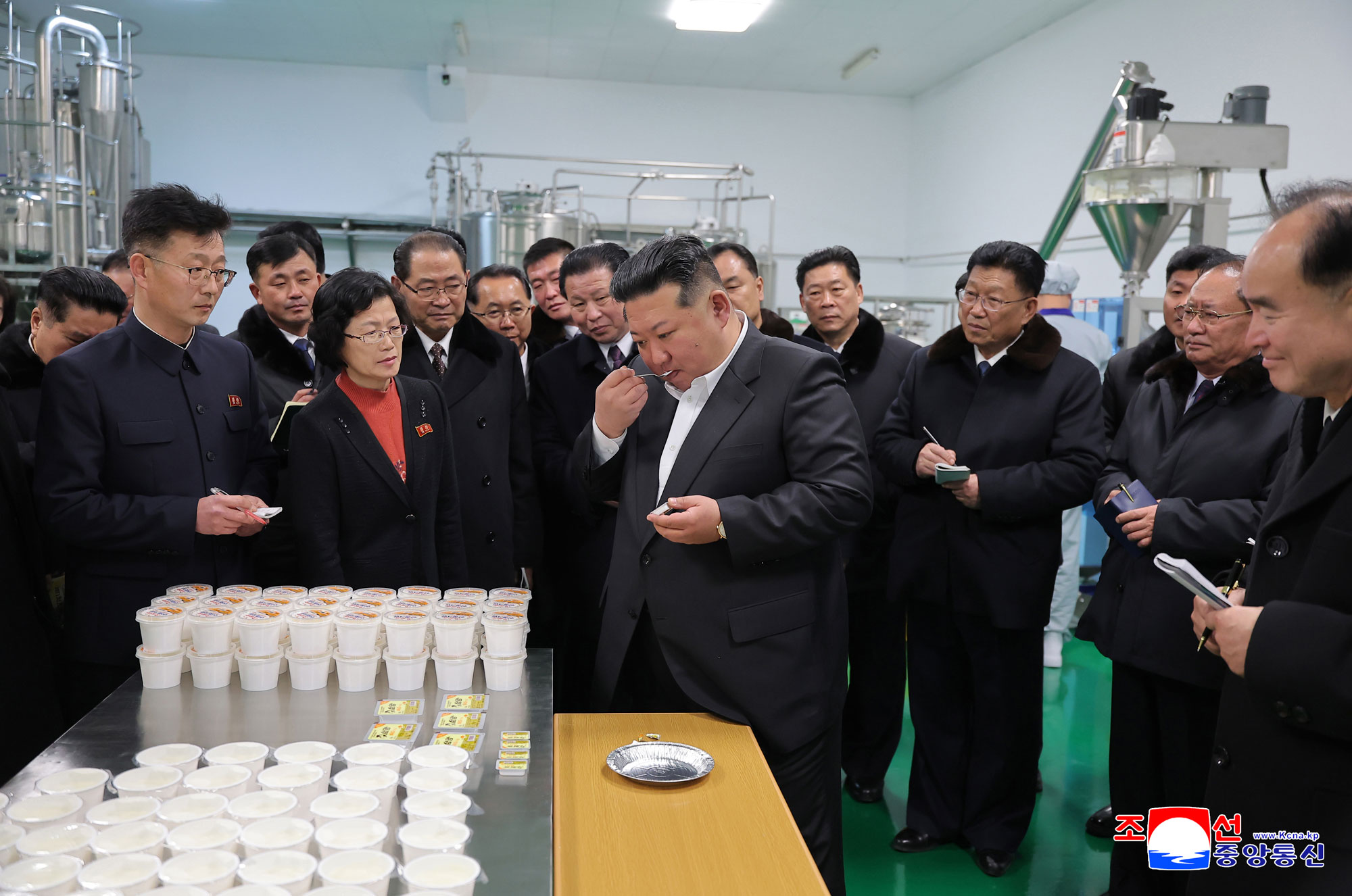
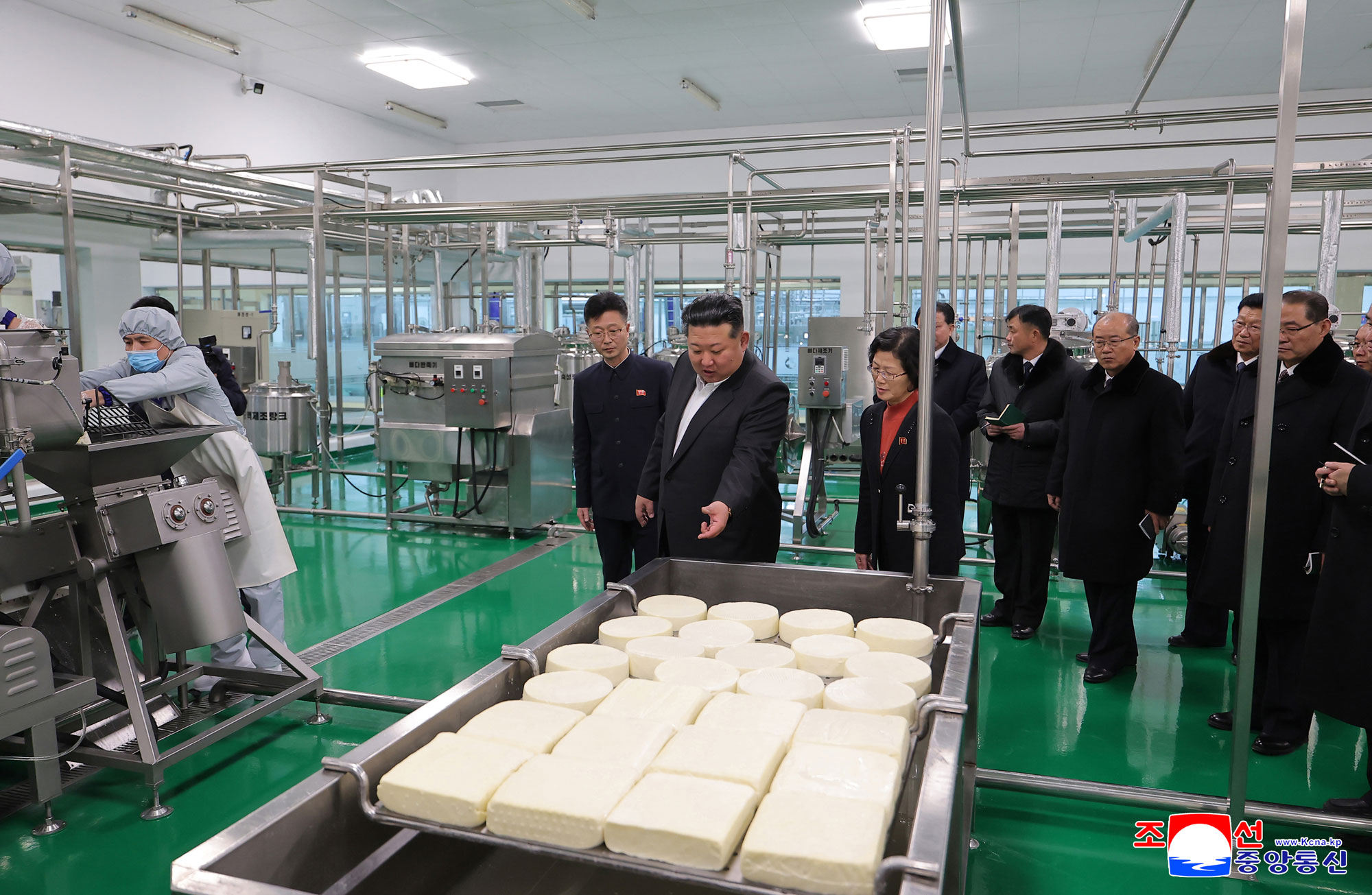
 North Korean leader Kim Jong Un opened a new dairy farm in the rural northwest on Monday, according to state media, delivering a lengthy speech on his past failures and promising he has started working to deliver “tangible” results on the regime’s “rural revolution” project. The Korean Central News Agency (KCNA) reported Tuesday that Kim and an entourage of dozens of officials attended the opening of the Samgwang Stockbreeding Farm (삼광축산농장) in a remote area of Unjon County in North Phyongan Province. The farm reportedly includes indoor facilities for raising grass-fed cows and goats, producing animal feed, and processing and packaging milk, milk powder, butter, cheese and yogurt products. New duplexes and apartments were also built across the area as part of the farm project. Kim announced in his speech that the party “must set a goal to ensure that not only infants but also elementary and middle school students, as well as all residents” are “always supplied” with processed meat and dairy products once his vision for a national livestock industry is established. This appears to be another reference to eventually reestablishing a public distribution system (PDS). He set a policy to provide dairy products to young schoolchildren at an unknown number of state institutions at a June 2021 party plenum, where he also opened up about a “food crisis” afflicting the country and promised grain distribution. Kim no longer talks about a food crisis when opening relevant facilities, like the country’s largest greenhouse farm in recent days, but state media frequently says there is an ongoing “food problem” that the party is seeking to solve. 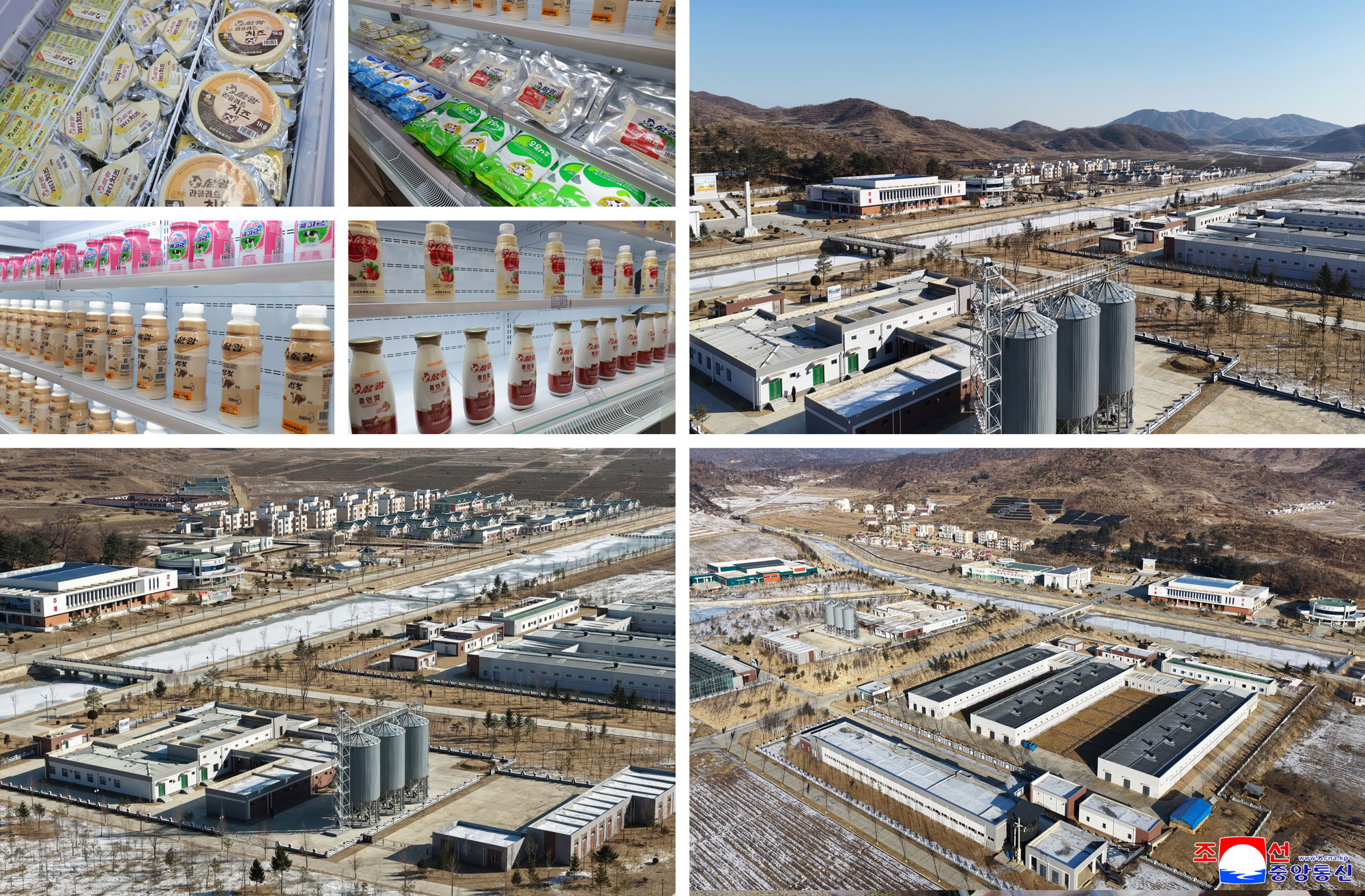 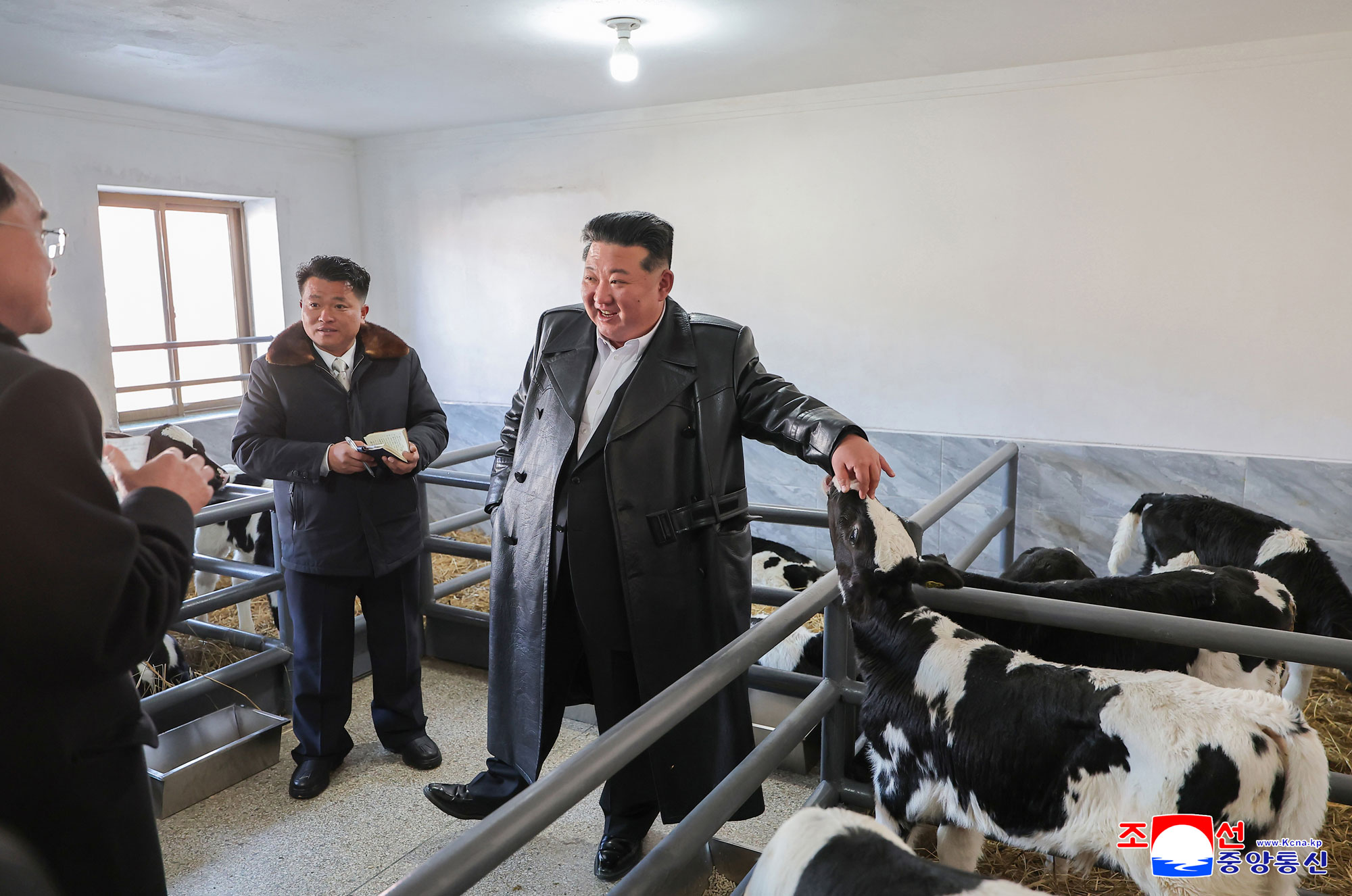
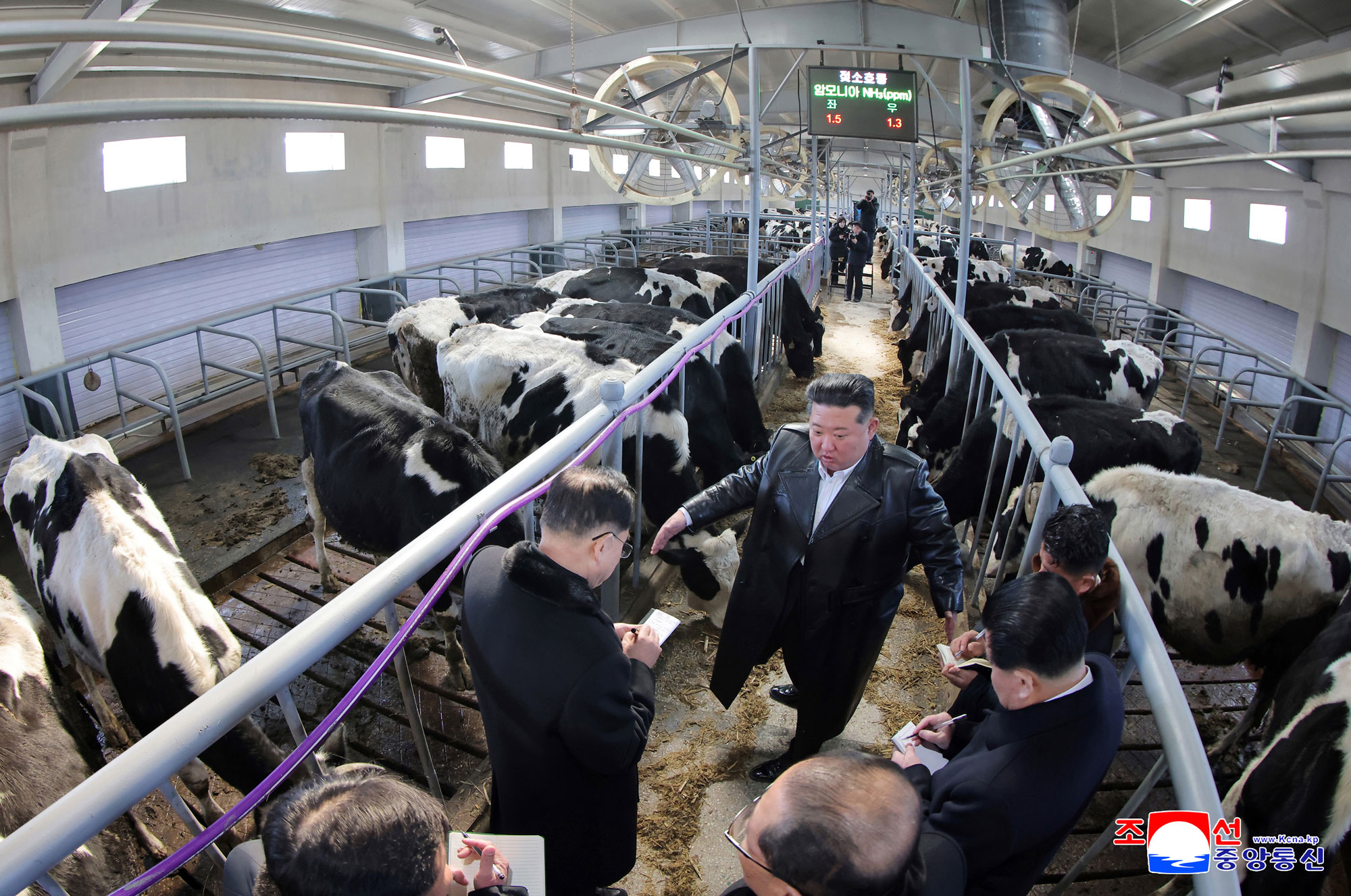
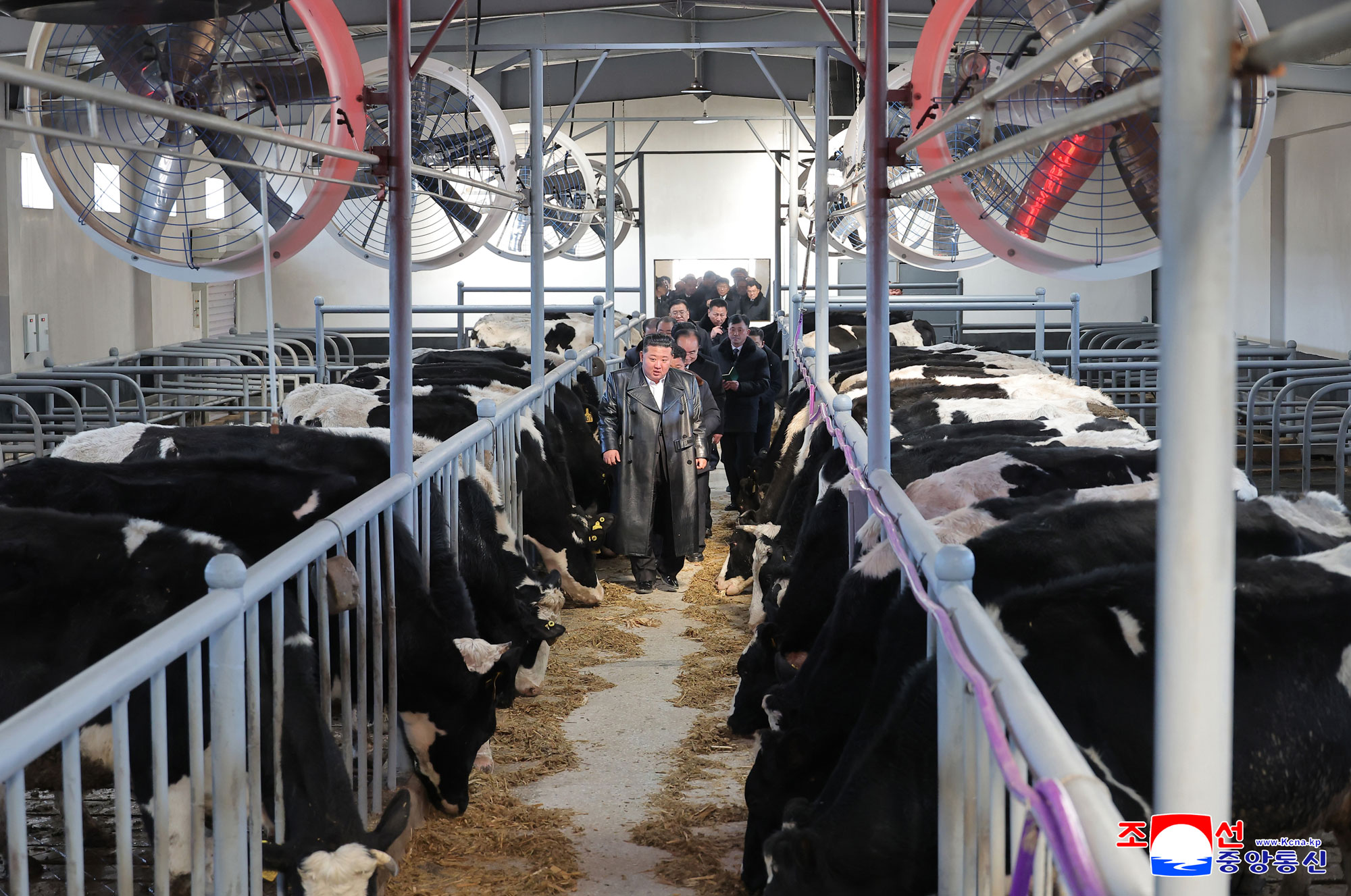
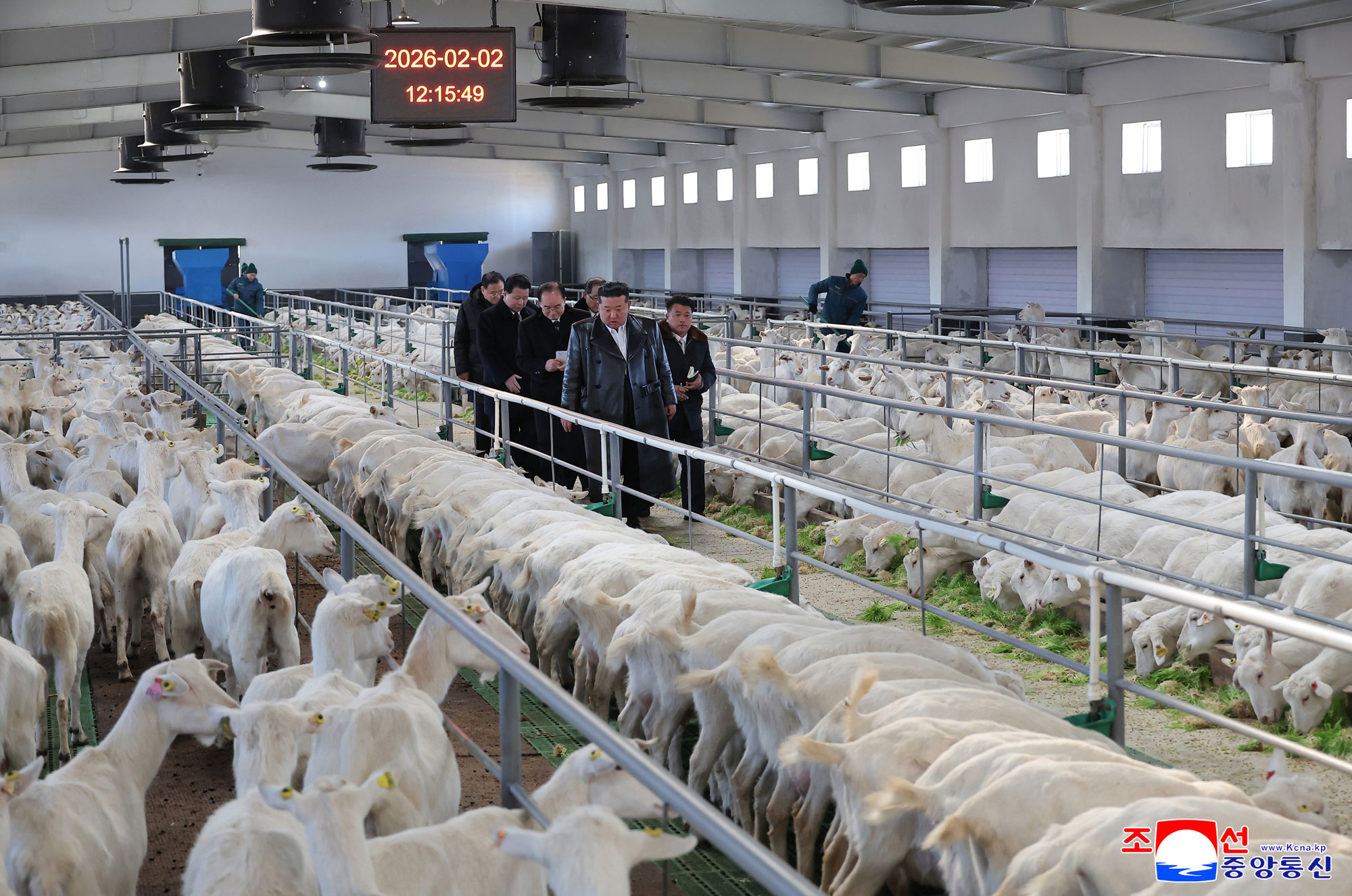
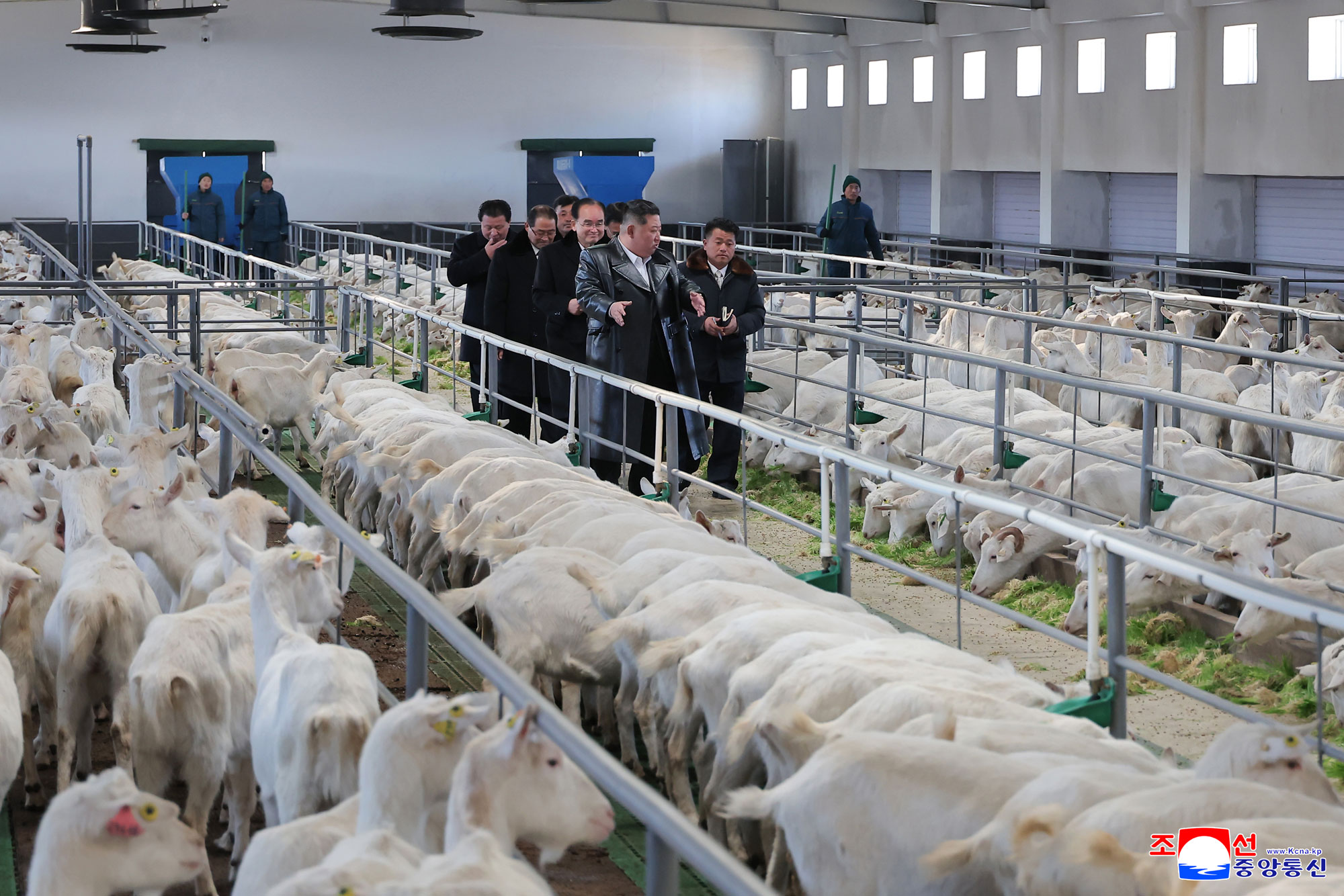
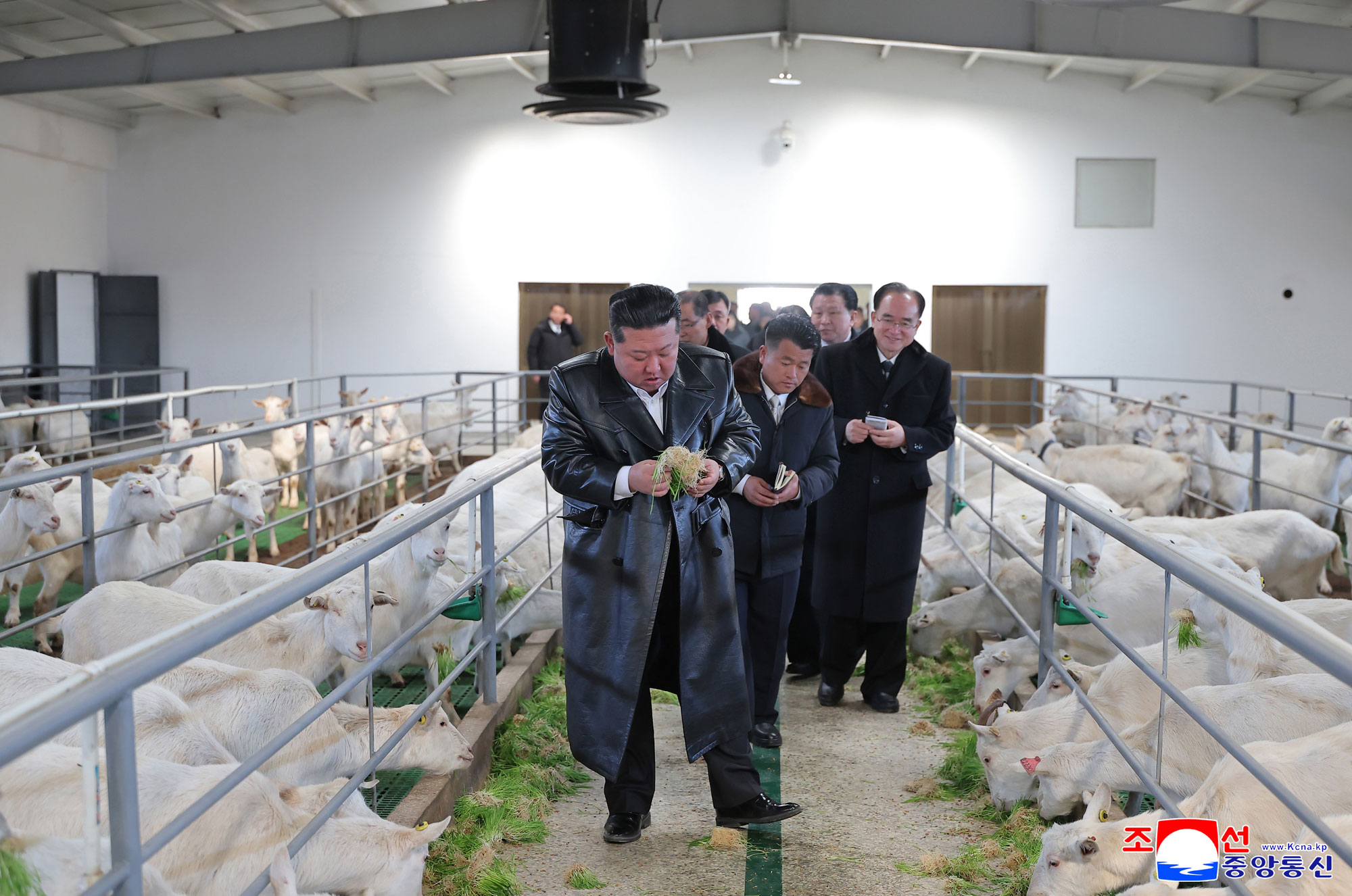
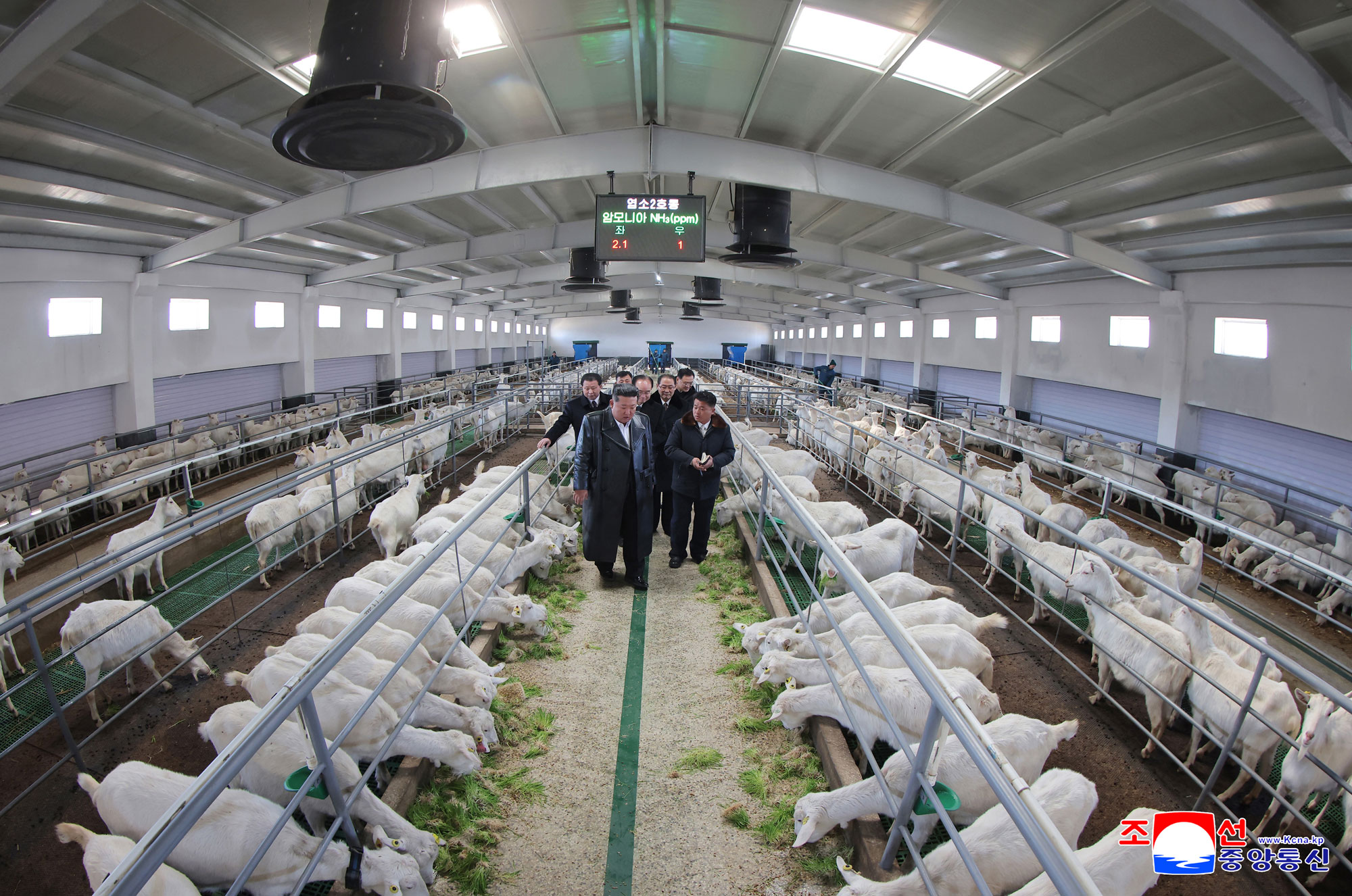
At the new Samgwang farm on Monday, Kim said the rural area experienced “centuries of backwardness,” as he has previously said in reference to many other areas of the country. He added that North Korea has generally “failed to establish effective measures to continuously increase agricultural production,” and that “with the current backward level and weak foundation, [the livestock industry] cannot satisfy qualitative and quantitative demand.” The country’s failing economic conditions have largely been due to “empty rhetoric” and slogans from his regime that haven’t led to action, he said, admitting negligence since coming to power in late 2011, as well as the 65 years of failed policies by his family’s dictatorship. Even Sepho County — frequently showcased as an example of successful livestock farm development in propaganda since 2017 — is not up to standards, the leader stated. But the new Samgwang livestock farm now serves as “a model entity, a blueprint, that provides a glimpse into the future of modern agriculture and livestock farming.” Going forward, Kim said he doesn’t want Samgwang to be seen as just a “propaganda piece or tour site,” but rather as a “new starting point and innovative standard that will chart the future development direction of our rural areas and livestock farming.” Officials working in his regime must “reduce the urban-rural gap” and “urbanize” rural areas by changing the current “sporadic, temporary, and ostentatious manner of investment and support” for rural areas. 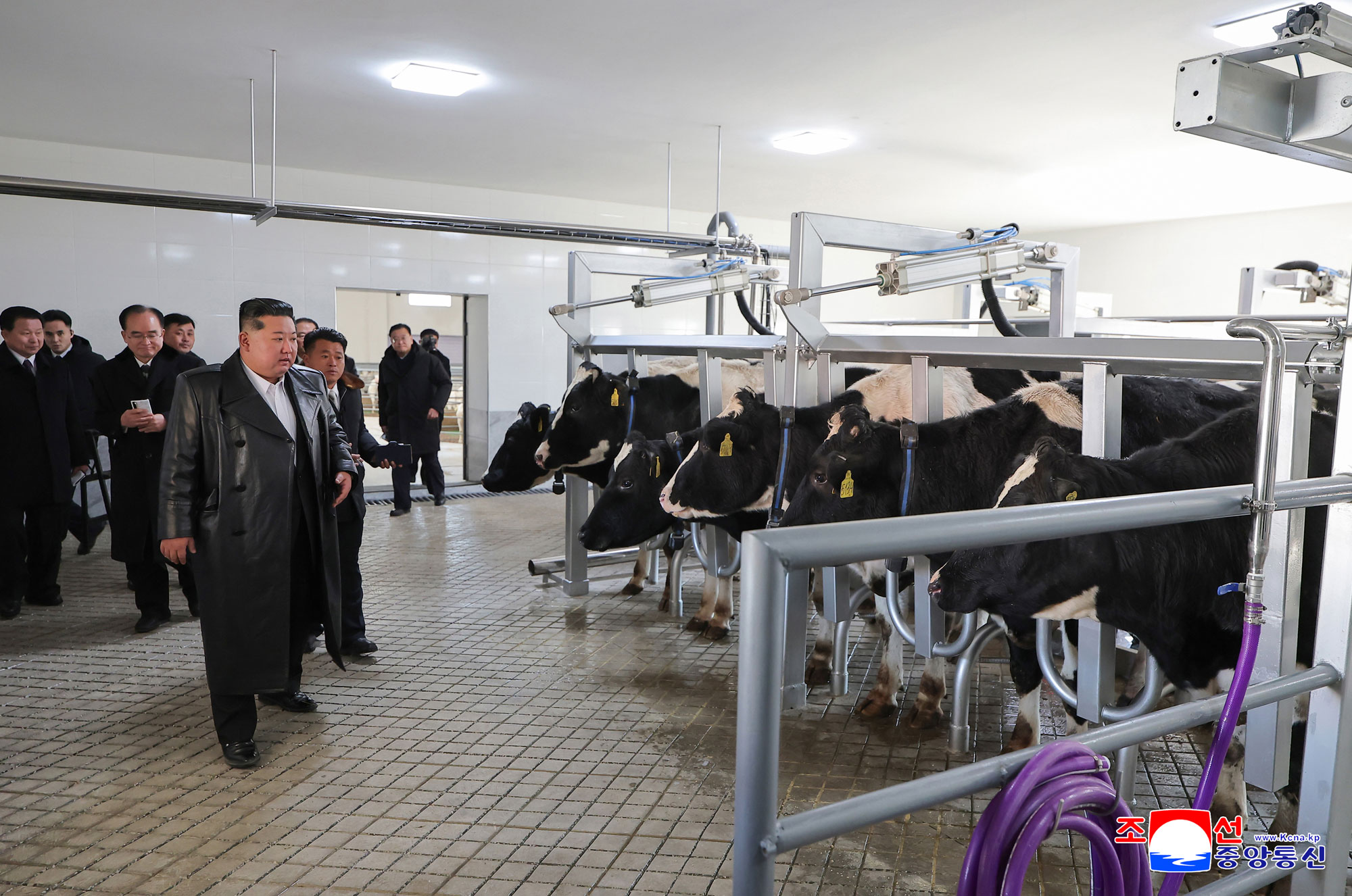
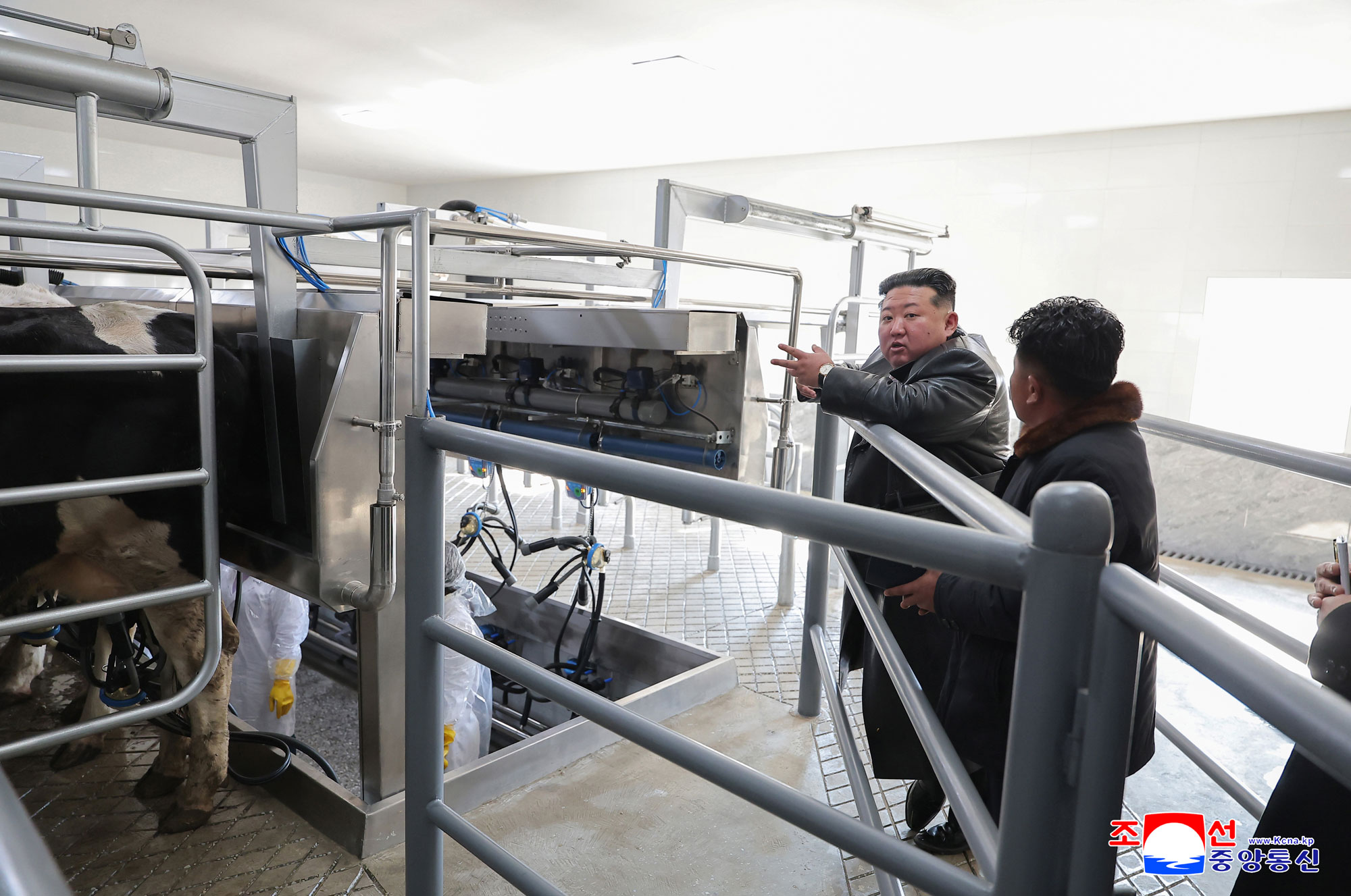
Kim began opening up about his regime’s economic failures and a “wealth gap” between Pyongyang and the rest of the country in early 2024, claiming to make a major pivot with the “20×10” rural development project requiring construction of factories, hospitals and recreation centers in all 200-plus cities and counties by the end of 2033. A large group of officials in the Party Central Committee were invited to tour the Samgwang facilities this week to “make this ideology tangible and real,” Kim said in his speech, following similar invitations in recent years to his inspections of both economic and military sites. He added that the largest problems facing the country’s livestock farms is the lack of modern technology, proper animal feed production and a national breeding system to spread innovation. The DPRK leader stressed that the industry must follow a new “five-point link in the development of stockbreeding”: 1) high-quality breeding stock, 2) stable and sufficient feed supply, 3) scientific livestock care and management, 4) strict disease prevention and veterinary control and 5) digital and intelligent production management. New indoor livestock facilities must also utilize “waste purification and recycling technology to prevent environmental pollution,” he said. The new policy on improving livestock farms began with instructions at the Dec. 2021 party plenum, according to Kim. 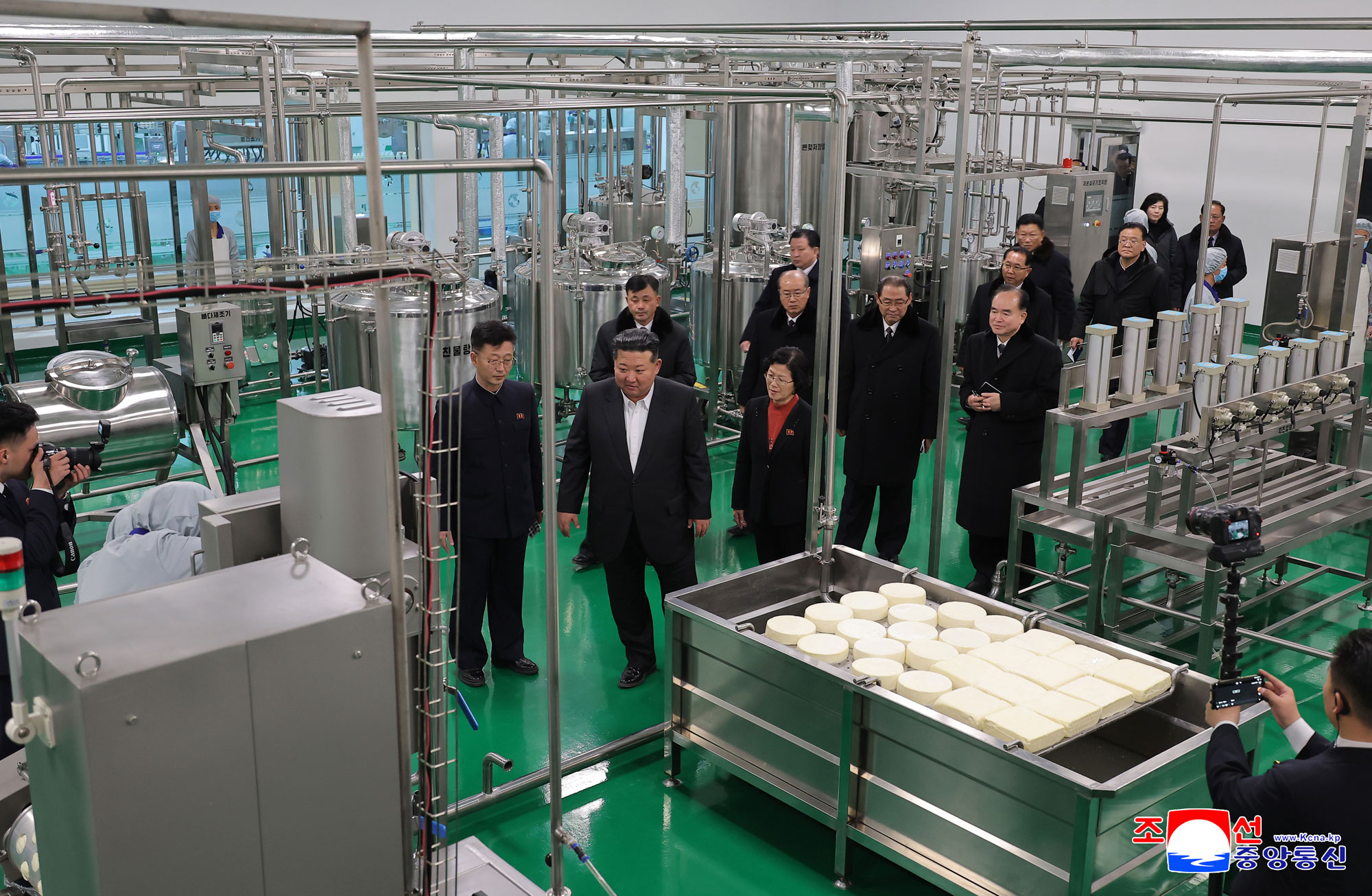
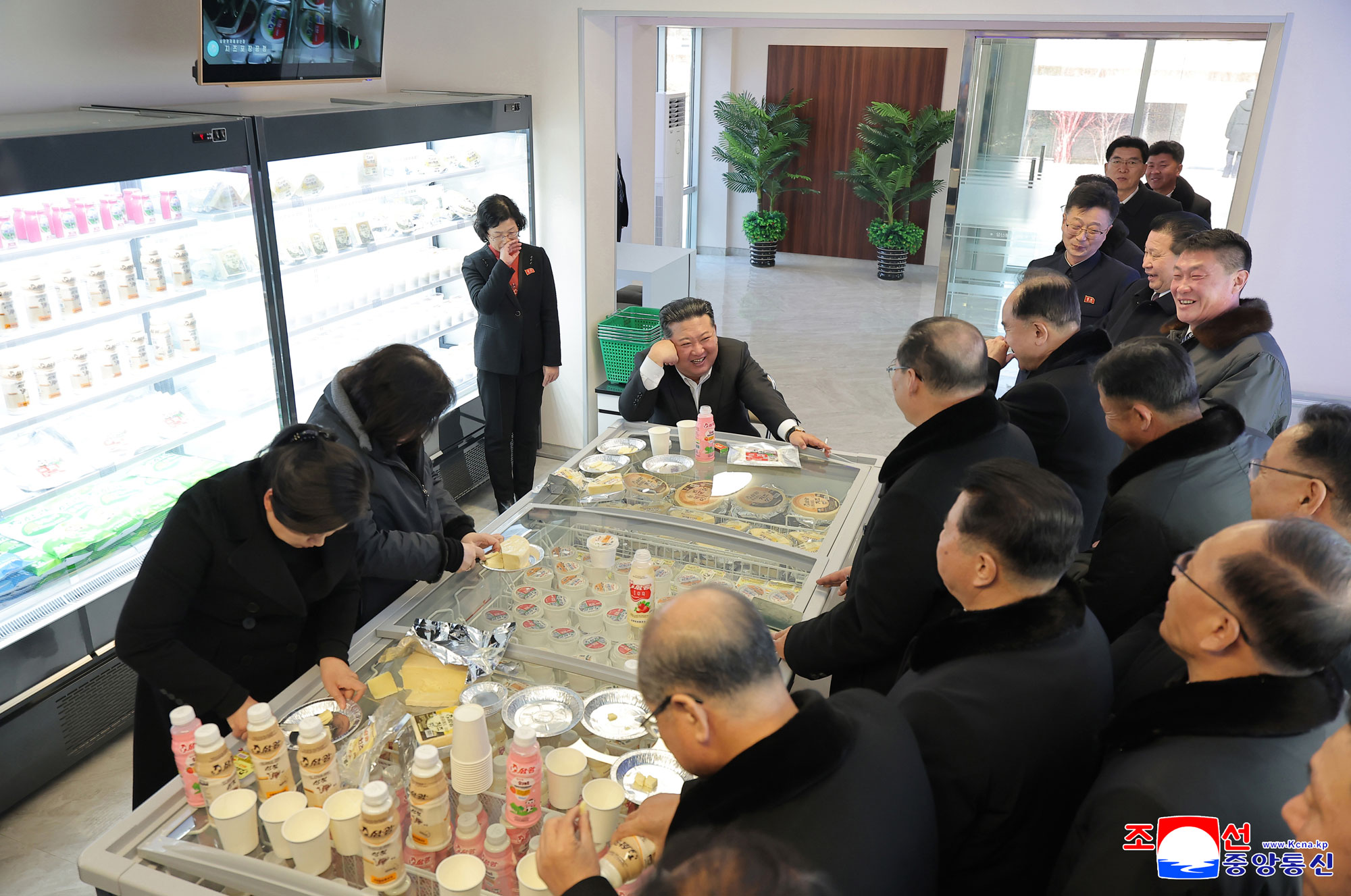
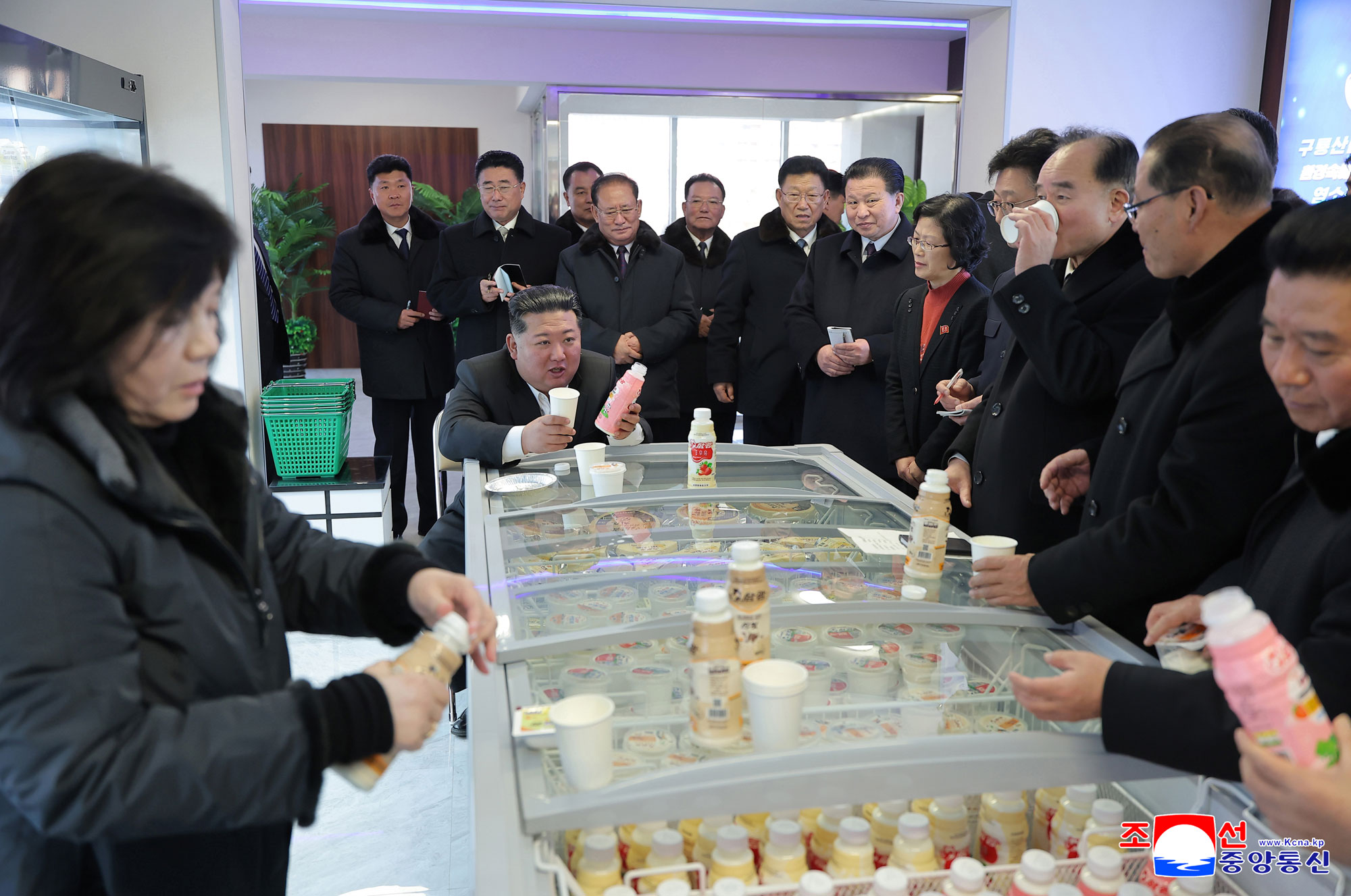
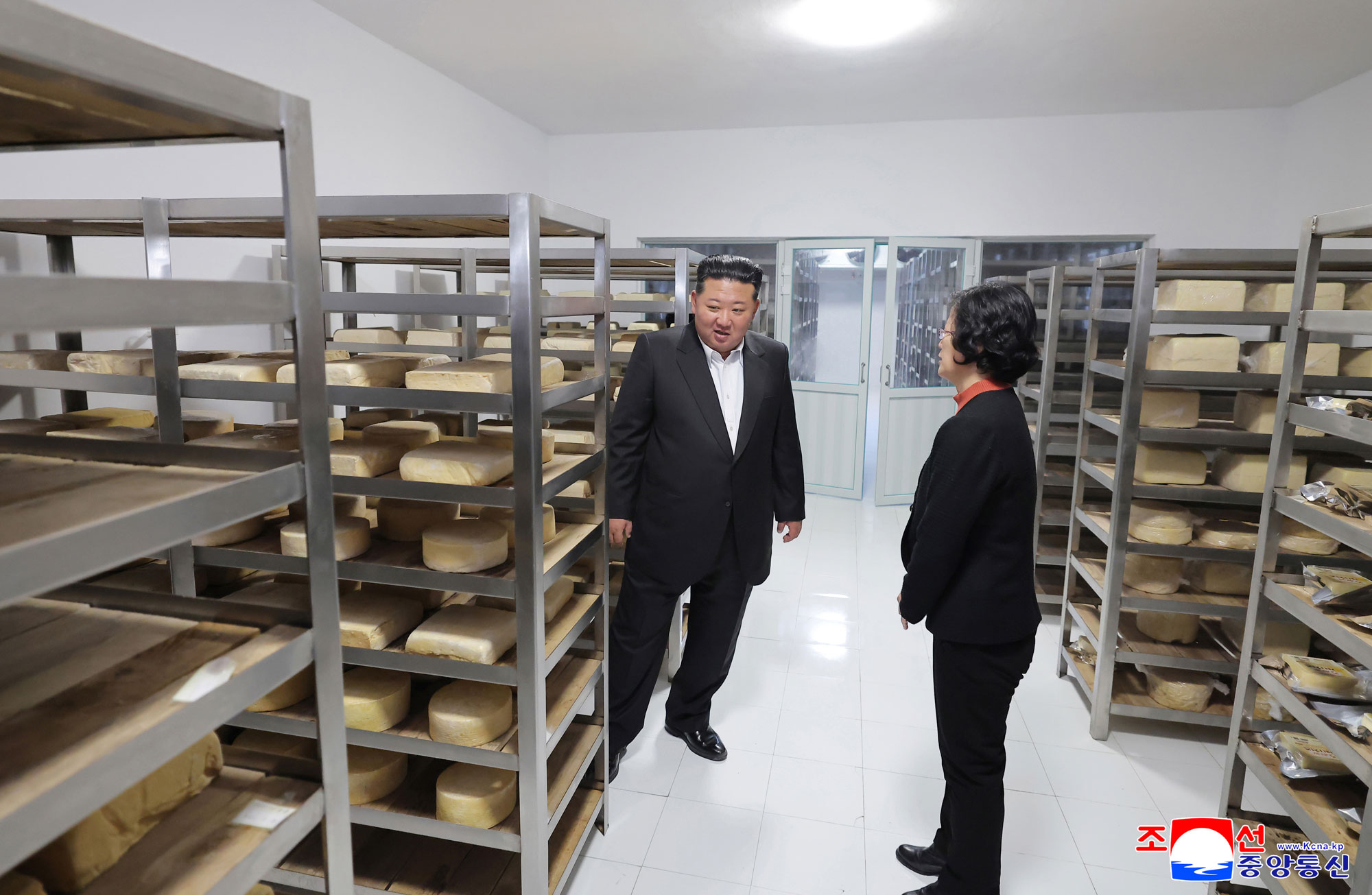
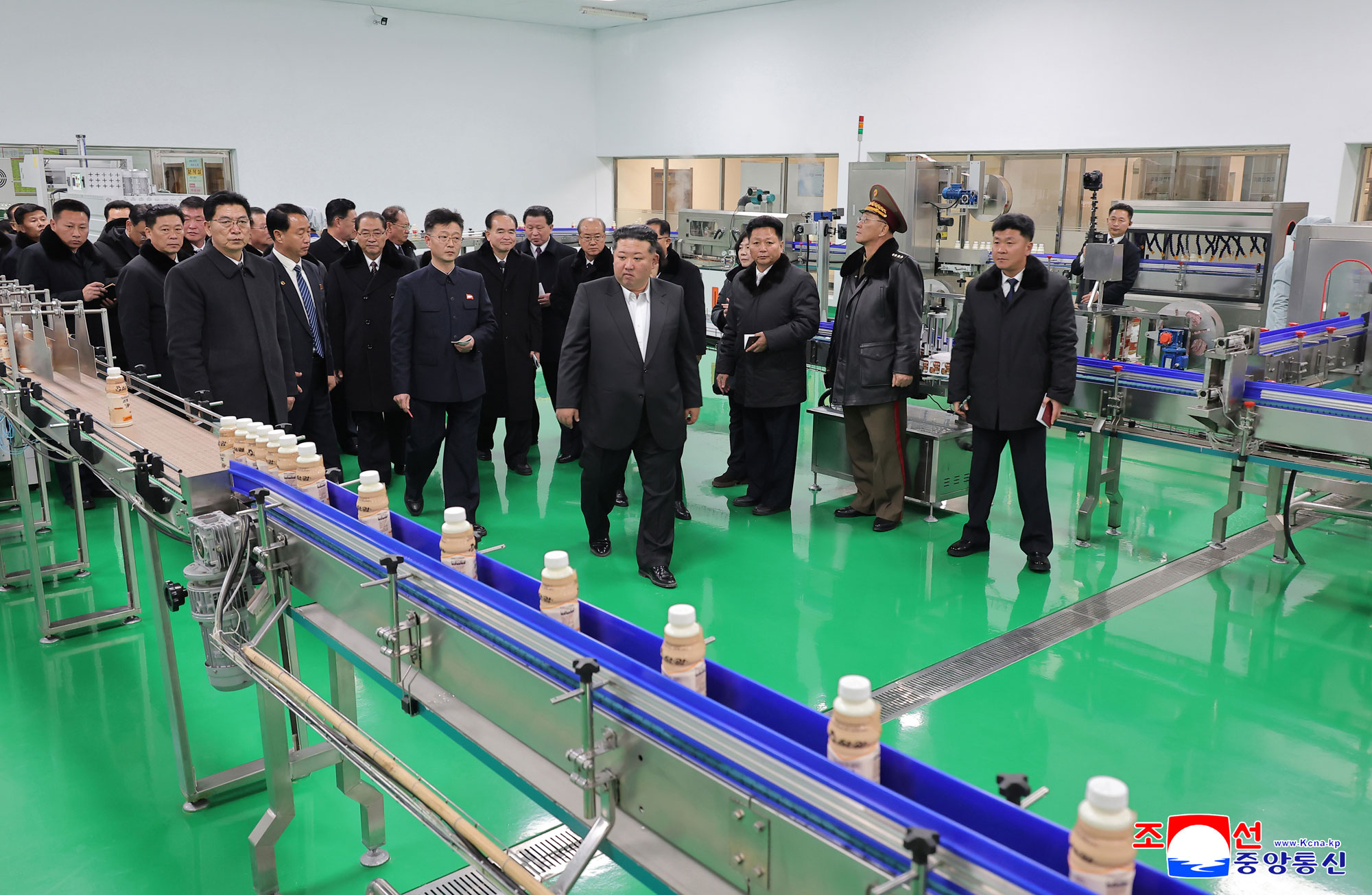
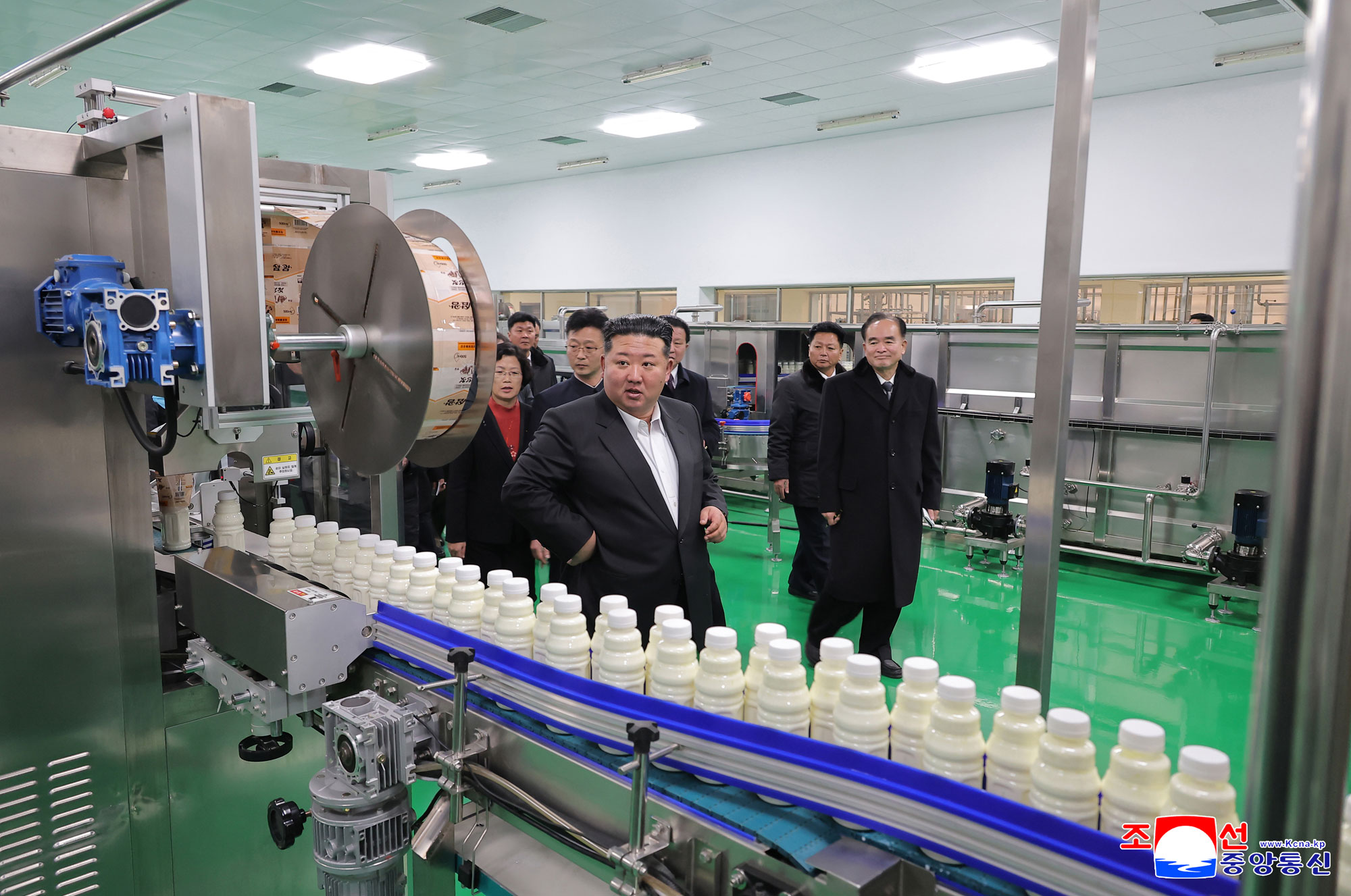
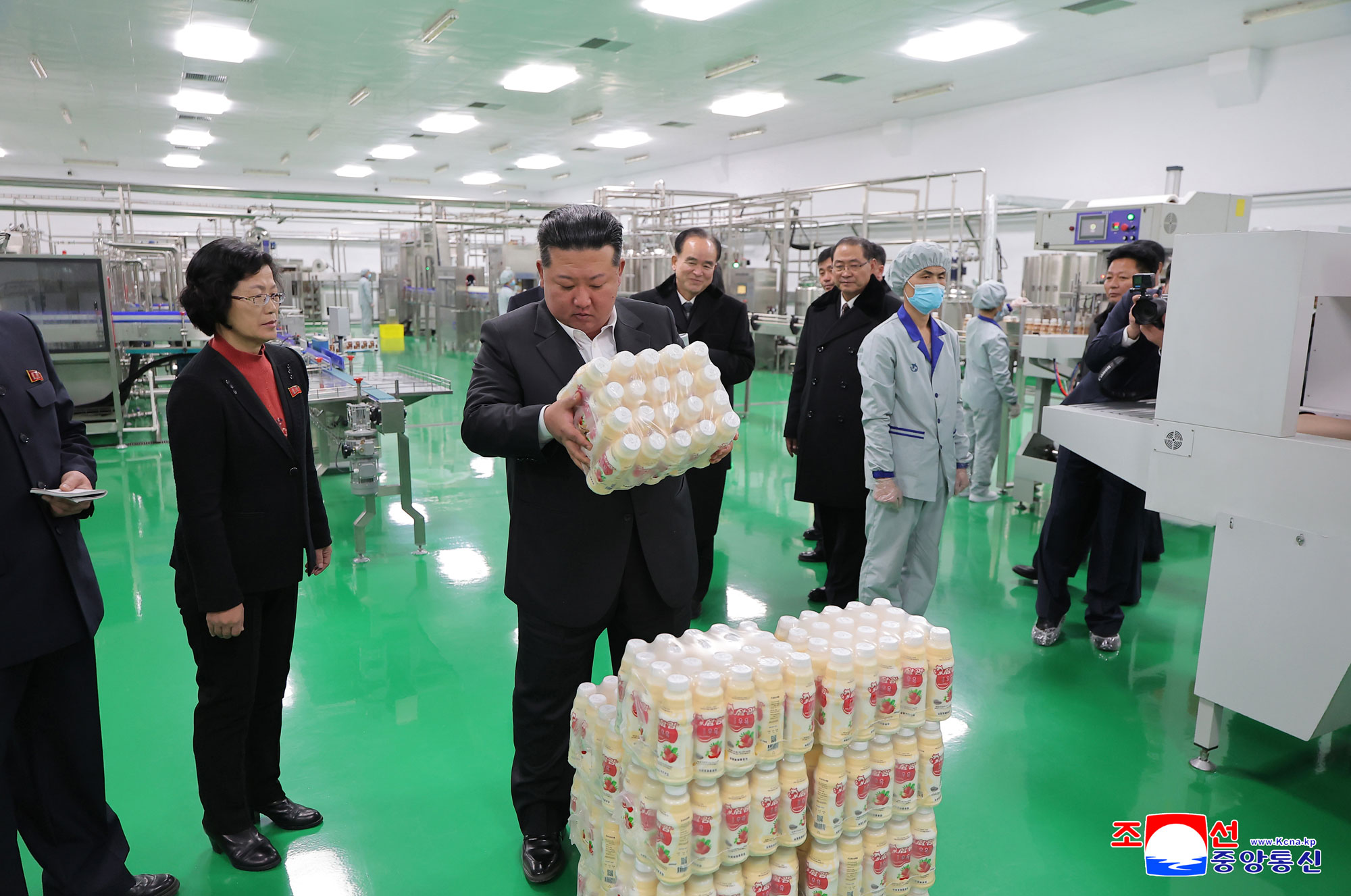
NK News analysis of Planet Labs satellite imagery shows construction of the farm project began in mid-2020 around a reservoir to the west of the main new village area. New homes were built across Samgwang-ri at the same time, before construction of the main village, public buildings and feed and dairy product factories between 2022 and 2024. Kim previously presented the Kwangchon Chicken Farm in 2024 as a parallel model for fixing broken systems and expanding poultry farms across the country. 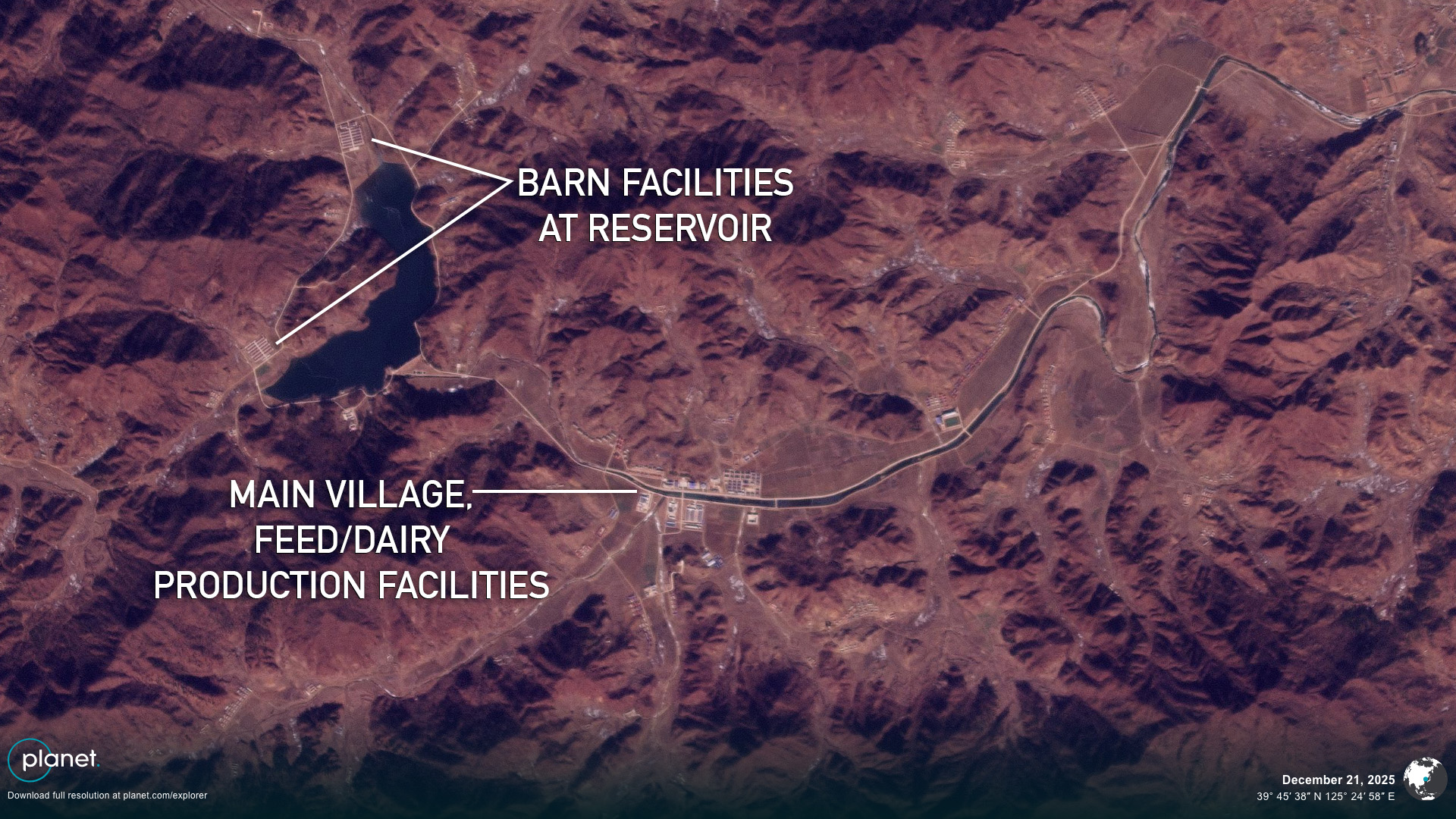 Edited by David Choi © Korea Risk Group. All rights reserved. |


 SHARE
SHARE COPY LINK
 X
X MASTODON

Recent Stories