
|
News Kim Jong Un calls out problems rebuilding flood-hit villages near weapons plantsSatellite imagery shows progress repairing broken bridges in Jagang as North Korean leader pushes back project deadline
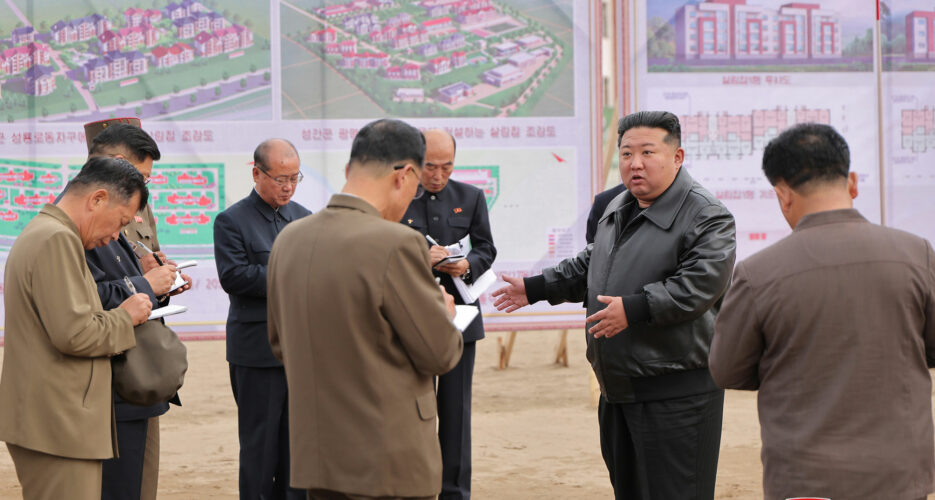 North Korean leader Kim Jong Un visited the site of this summer’s devastating floods in the northern Jagang Province for the first time on Monday, according to state media, where he called out problems with constructing new homes and extended his completion deadline. The villages Kim visited are mostly for workers from a series of important weapons factories, including one rapidly rebuilt earlier this year to improve domestic capabilities and possibly increase production of arms for export to Russia. Major landslides during a late July storm completely destroyed the entire village of Kwangmyong-ri in Songgan County, which Kim appeared to refer to Monday by saying it was “reduced into ruin in an instant due to unexpected natural disaster.” However, Kim did not mention or offer condolences for the victims who likely died in the event, according to the Korean Central News Agency (KCNA) report on Tuesday. 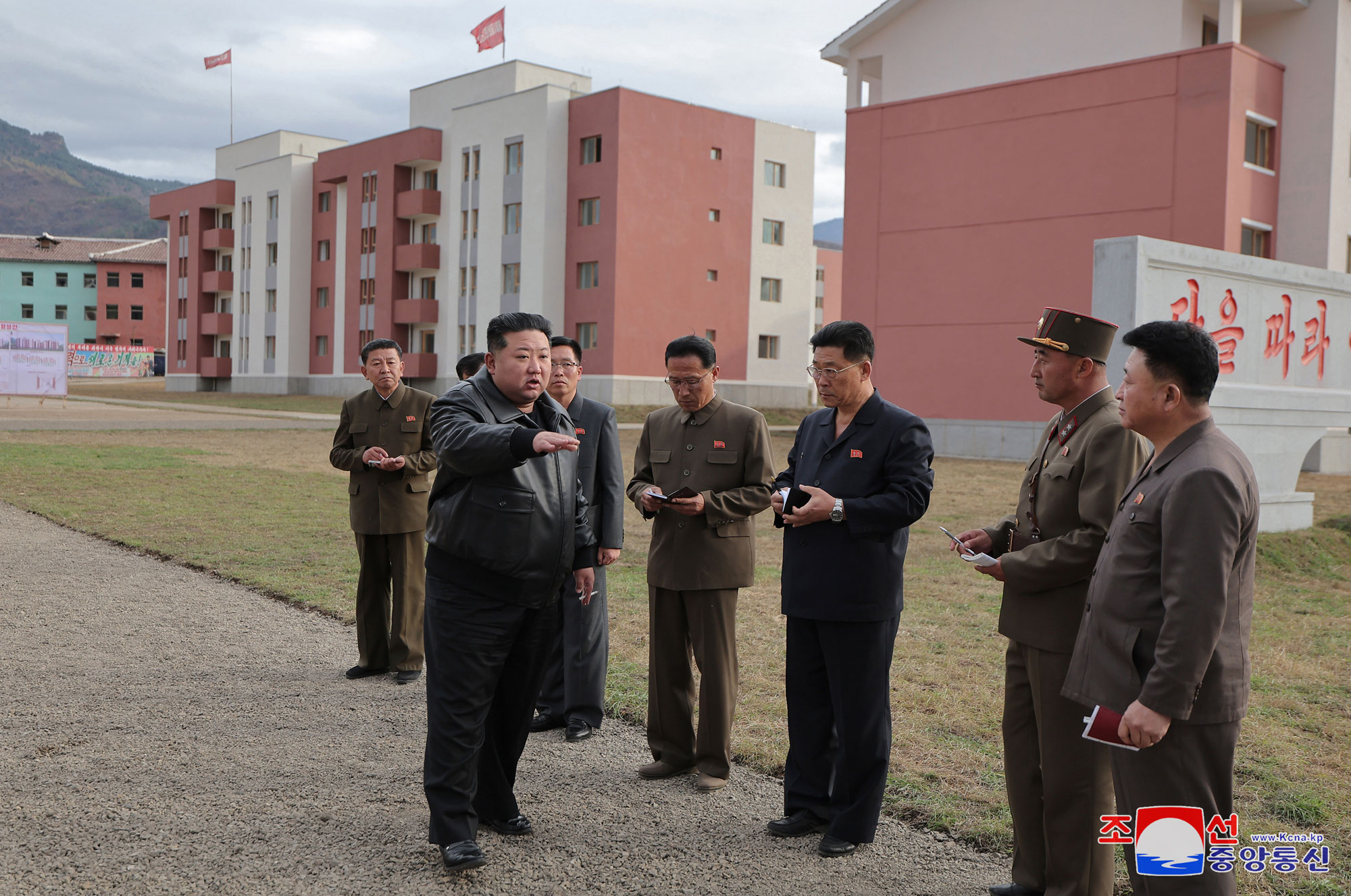
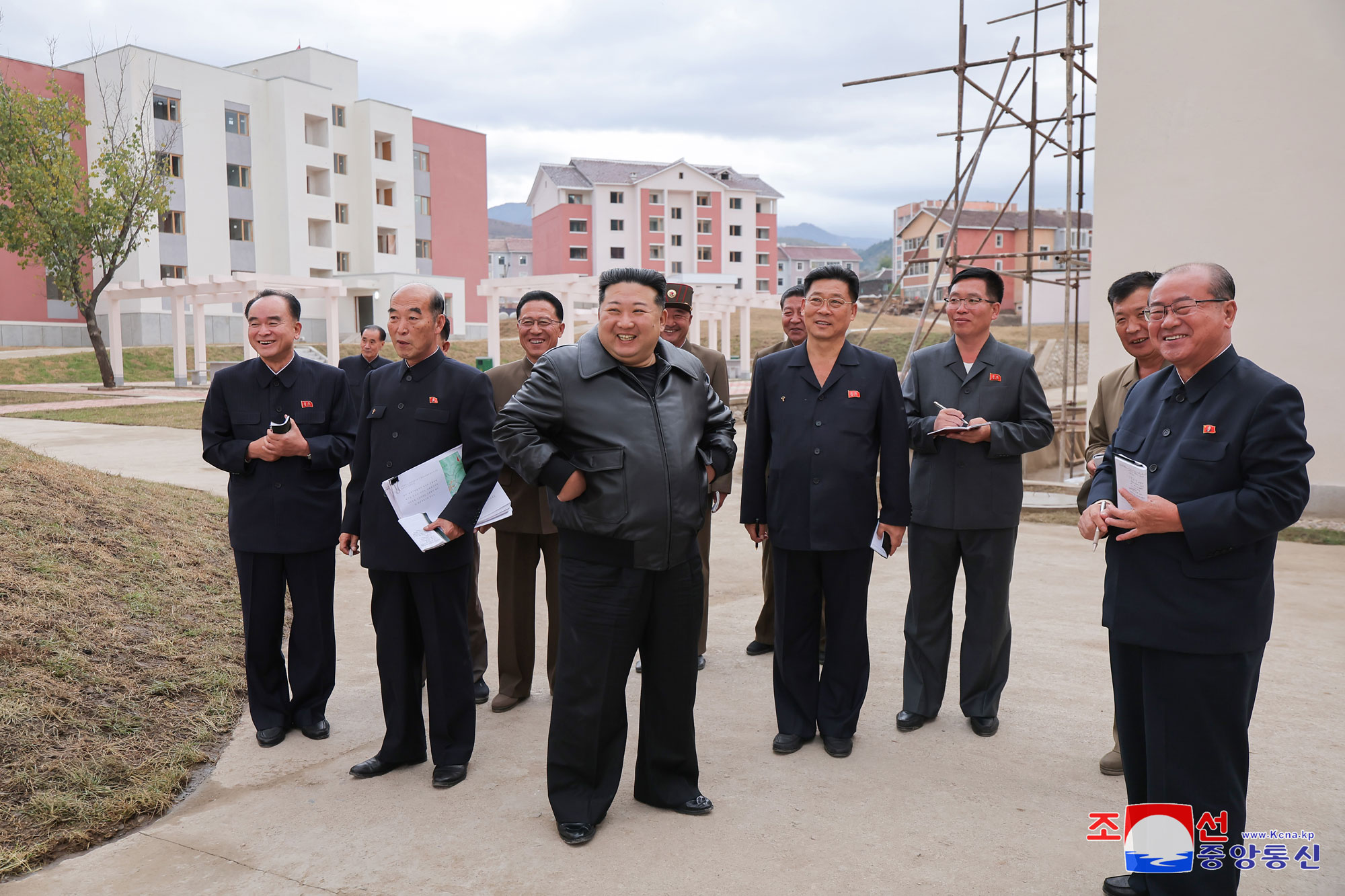
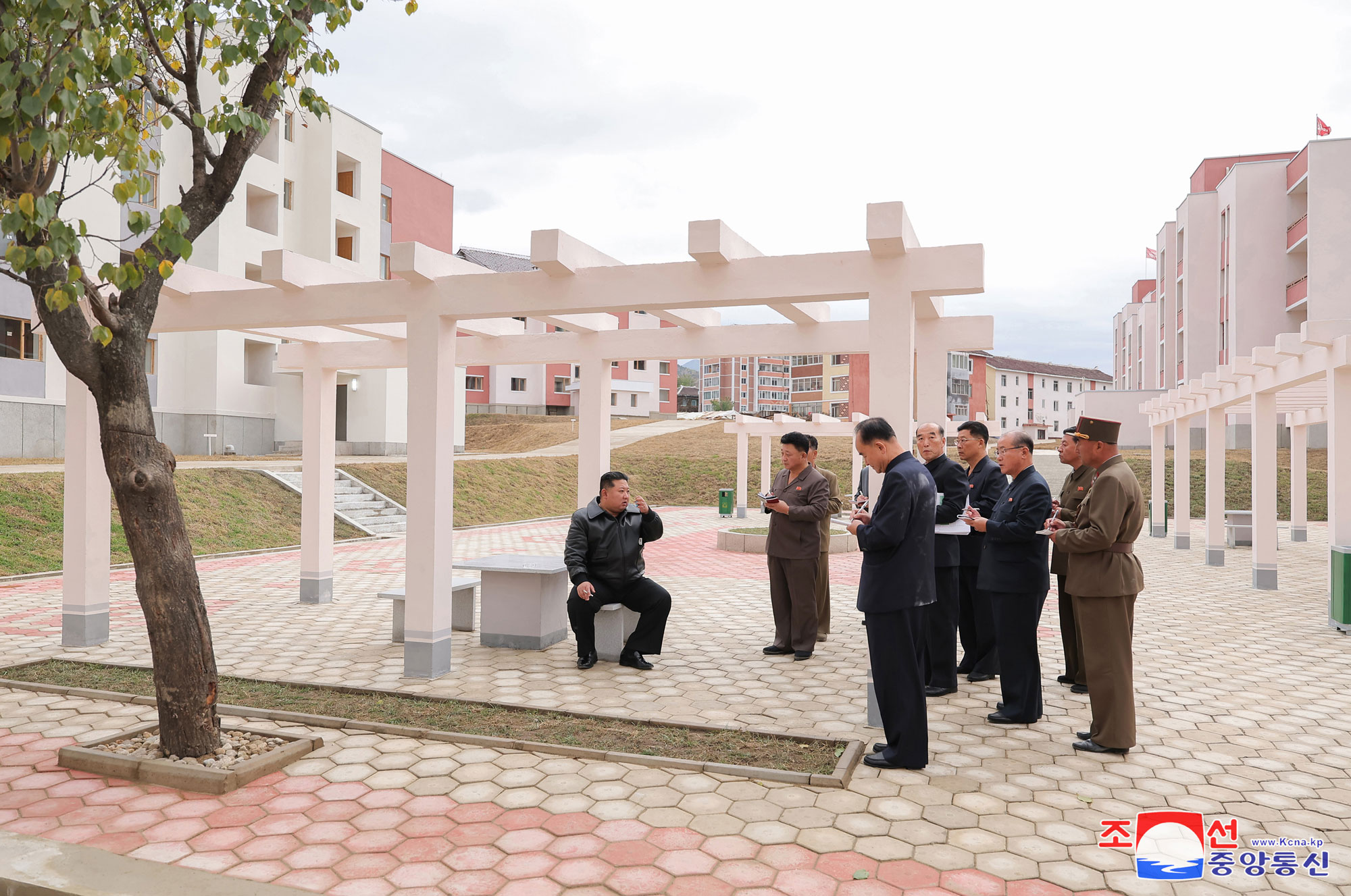
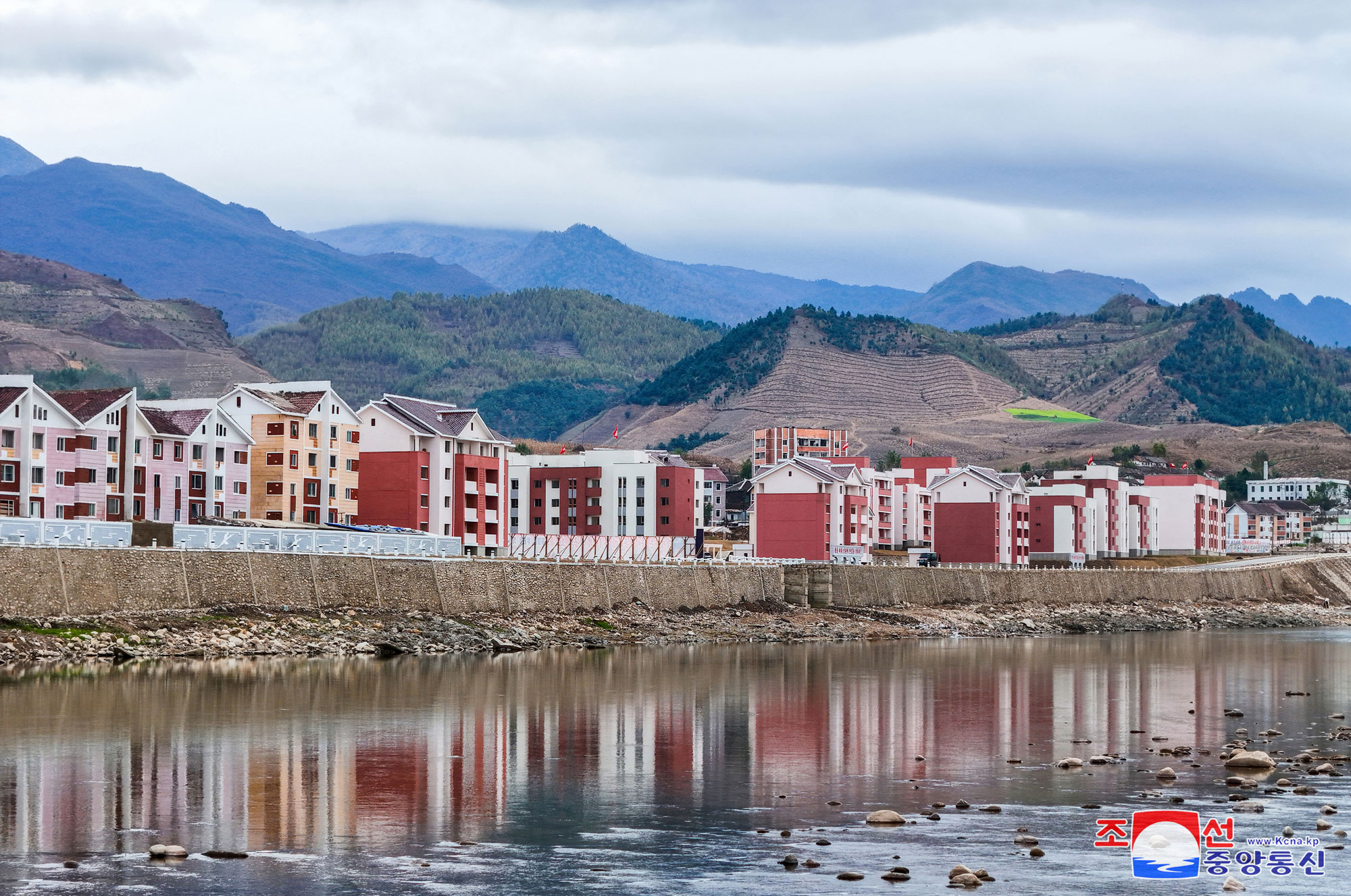
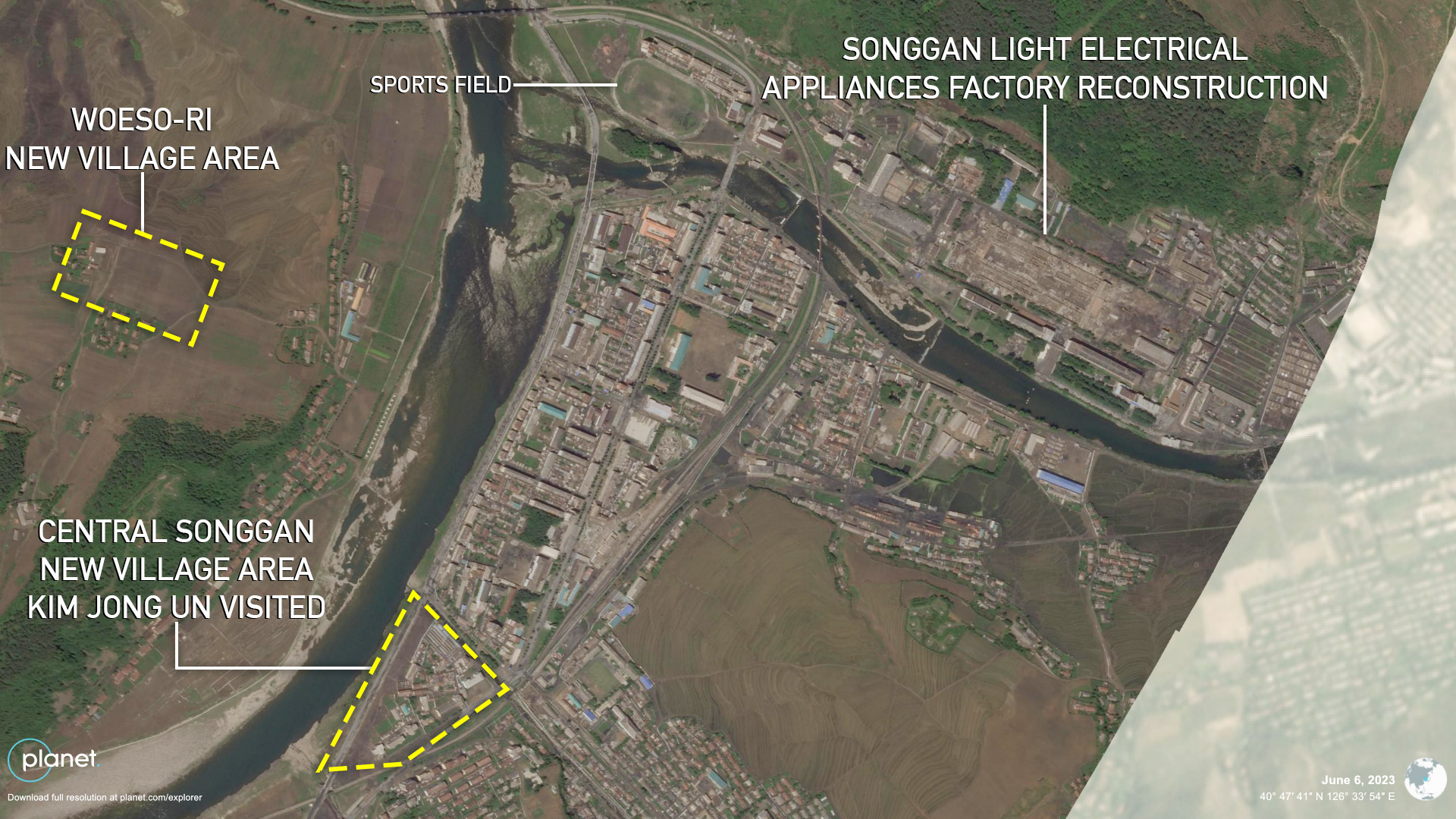
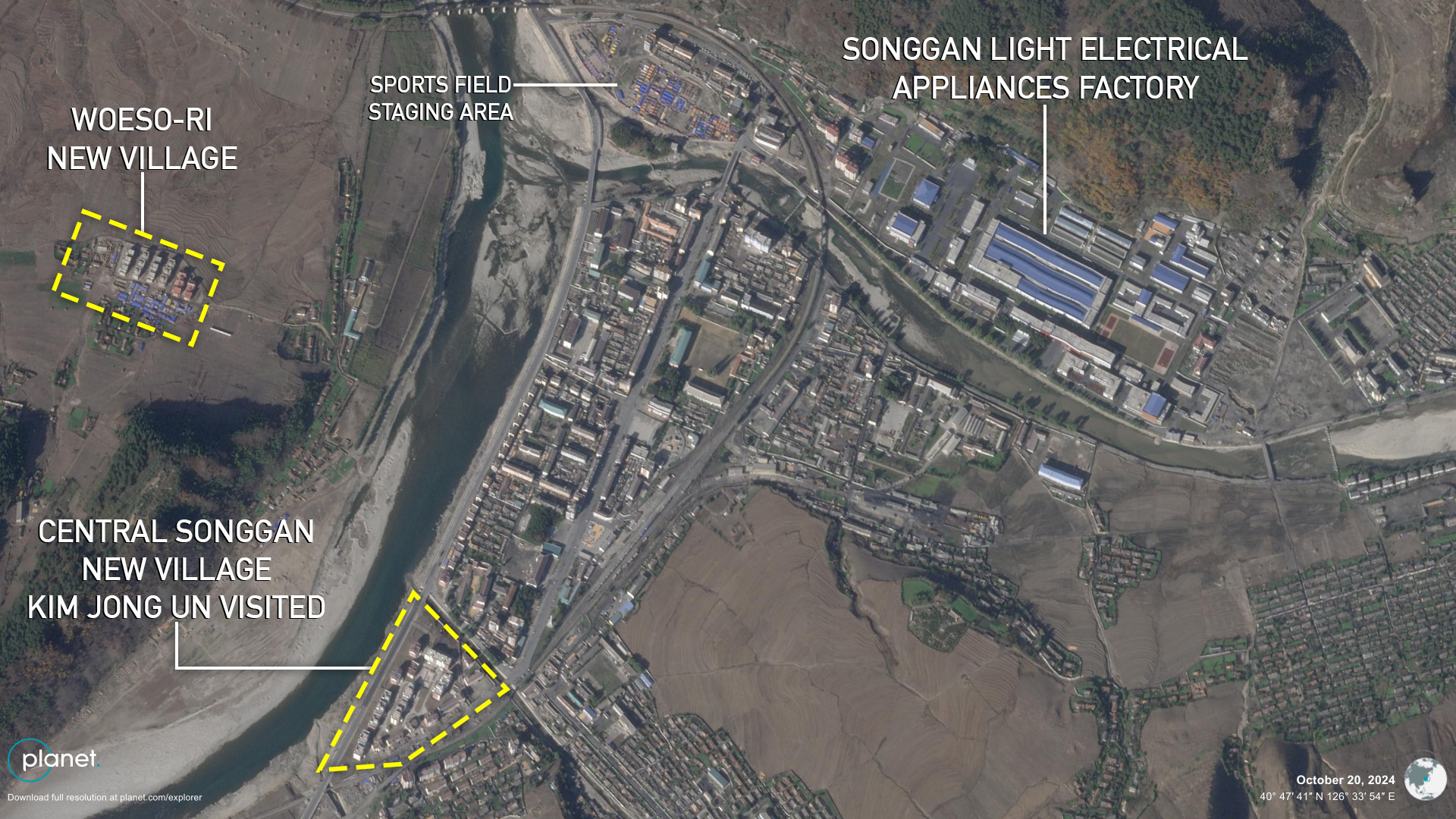
The No. 8 Ironworks, a factory related to the munitions industry in decades past, and other small homes at Unjong Station nearby Kwangmyong-ri were also damaged or destroyed by the landslides. The banks of the Jangja River running through Songgan appeared to overflow and damage homes, as well as the February General Steel Enterprise further north at the Songryong Workers’ District. This is a munitions plant colocated with the Jagang Machine Factory that produced artillery systems in the past. Exterior photos published with the KCNA report only showed Kim inspecting homes at a third village in the Songgan county seat center, close to the newly rebuilt Songgan Light Electrical Appliances Factory that produces “ultramodern precision munitions.” It is likely that Kim inspected the weapons factories in the area despite no mention in state media. While KCNA reported that Kim expressed overall “satisfaction” with progress on building new homes for flood victims, he also said there were “some deviations underrating the structural quality” of the buildings. He dismissed and replaced the “chief and the political chief of the field headquarters for rehabilitating the flood-hit areas in Jagang Province,” according to the report. 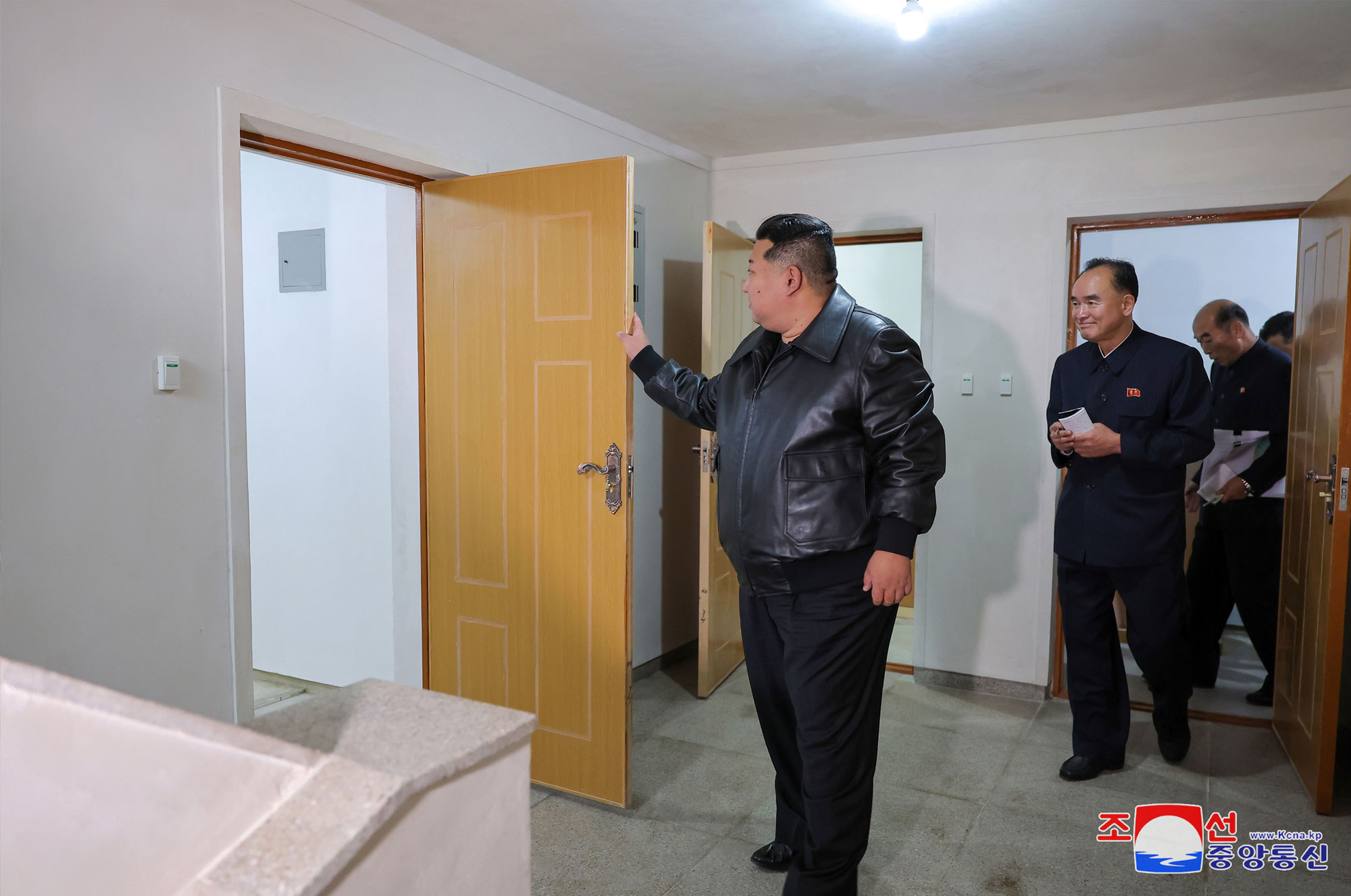
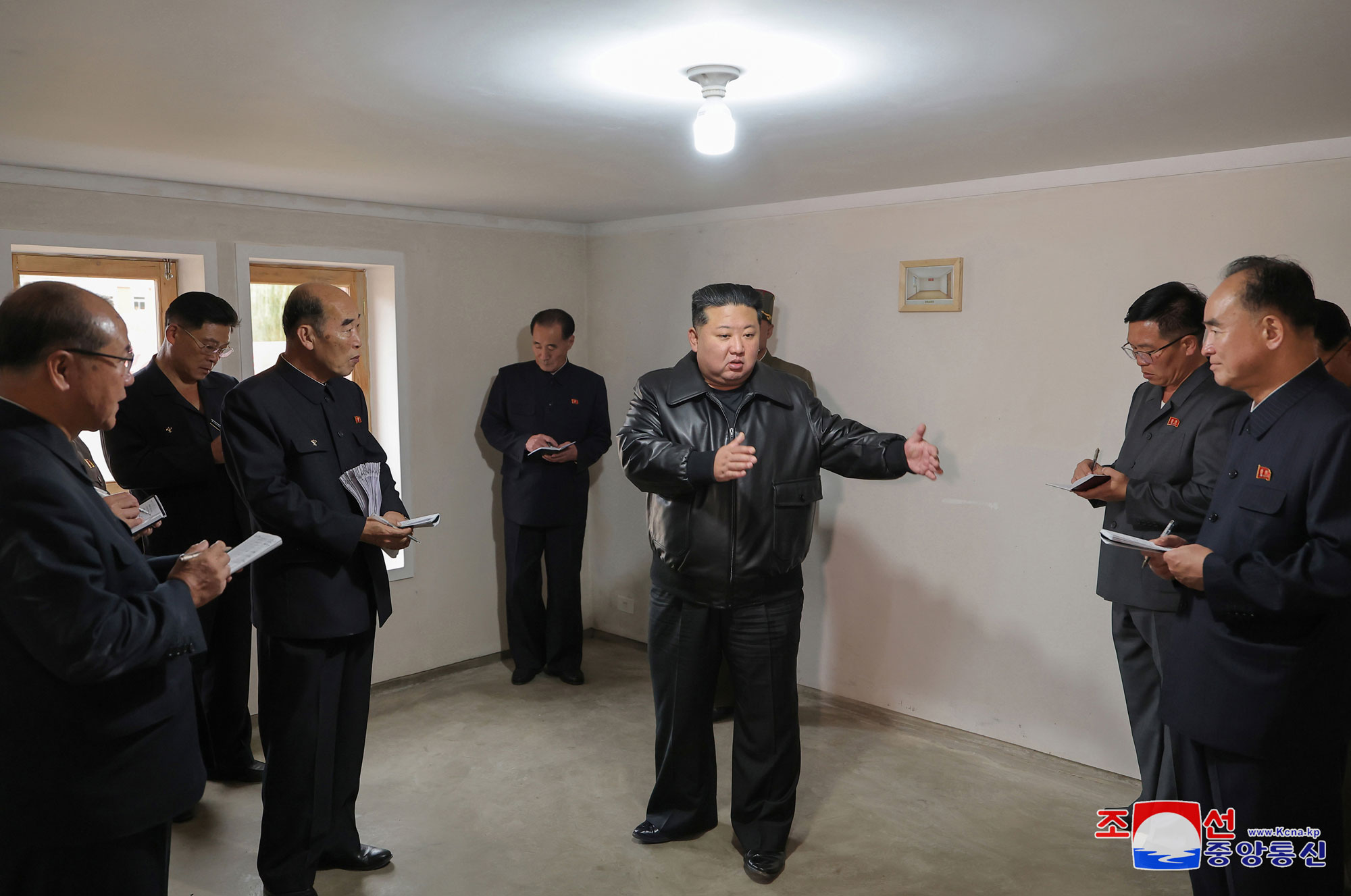
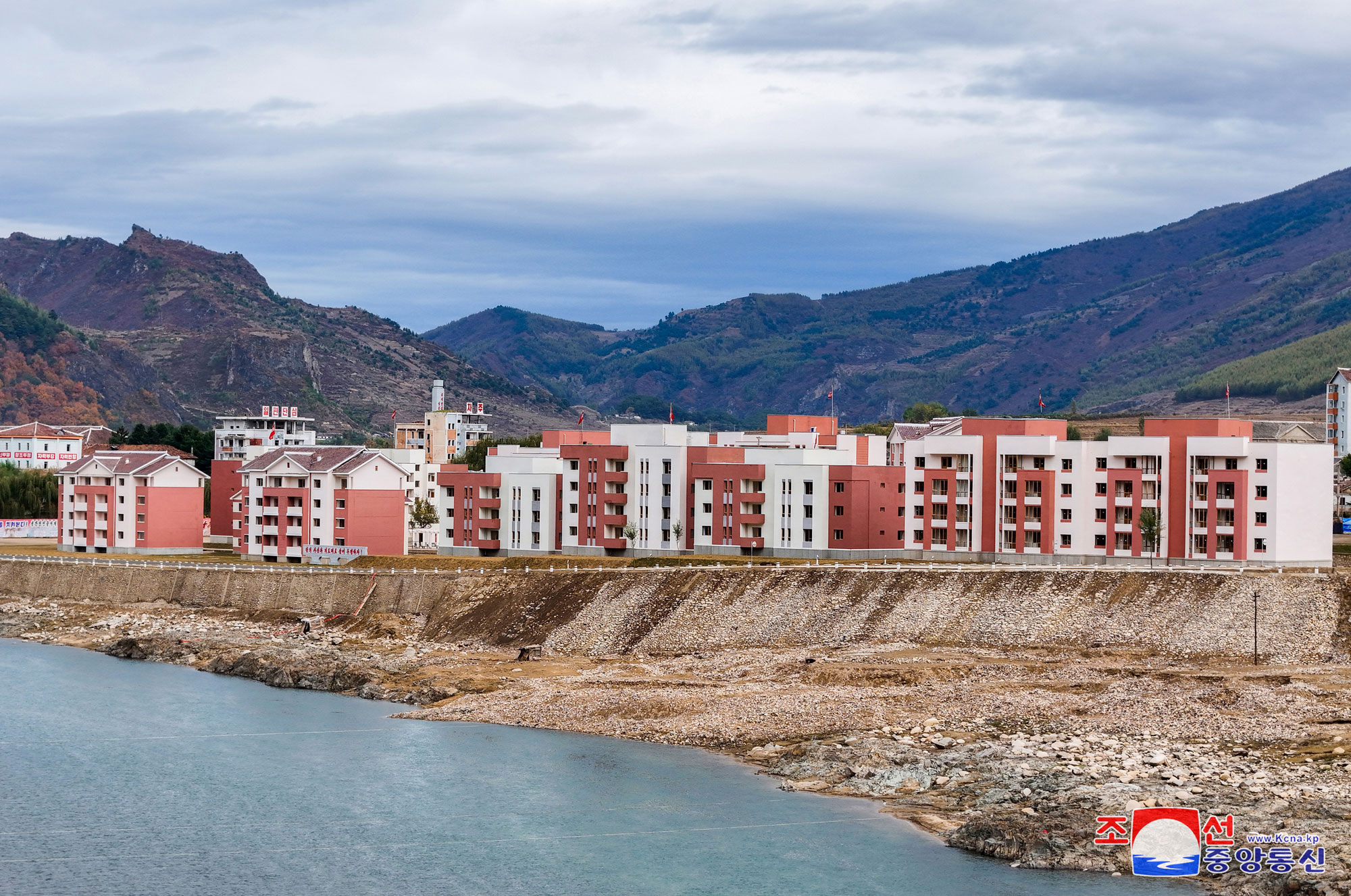
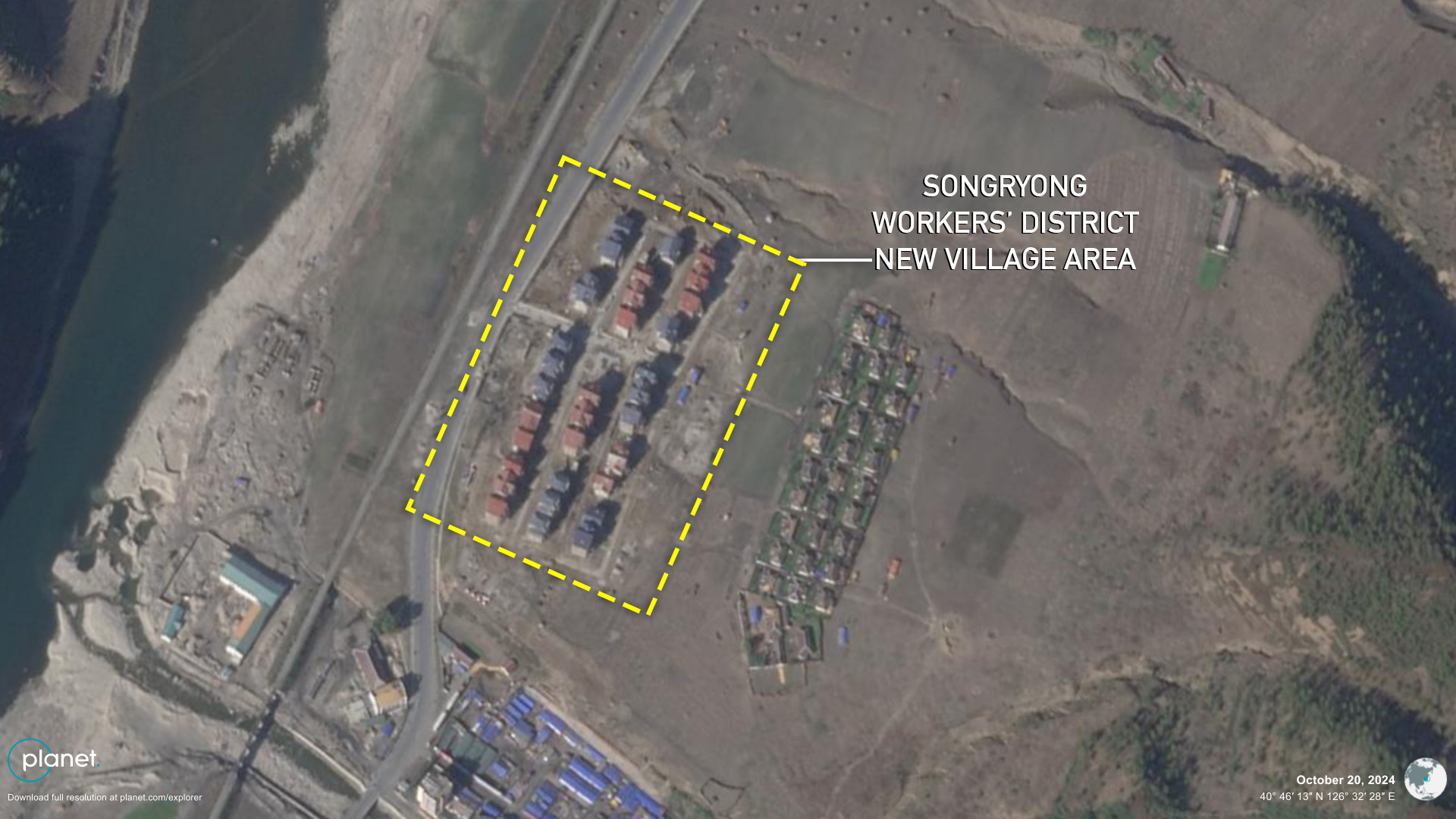
The DPRK leader also pushed the deadline for completing new homes in Jagang as well as North Phyongan and Ryanggang Provinces back from “early November to early December” and gave instructions on ensuring flood victims who he previously invited to stay in Pyongyang continue to receive care. “This gigantic work is not confined to the practical issue for housing construction but a crucial political issue of defending the character of our style socialist system based on the people-first principle and demonstrating its advantages,” he reportedly said Monday, framing the project as a litmus test of his regime’s capabilities. The military, party members and young “volunteers” mobilized by the state are carrying out the flood reconstruction projects in the three northwestern provinces. SATELLITE IMAGERY OF JAGANG RECONSTRUCTION A comparison of Planet Labs satellite images and computer renders seen in the KCNA photos of the three villages of Kwangmyong-ri, Songryong Workers’ District and central Songgan reveals that most planned apartments have been built, but work hasn’t started yet on some public buildings in Kwangmyong-ri. Project information displays seen outside at the central Songgan project site say the Songryong project includes 14 buildings and 205 households and that the Kwangmyong-ri project includes 17 buildings. It appears to say a “munitions factory sector shock brigade” (군수공장부문 돌격대) is in charge of the Kwangmyong-ri project and that party members from North Hwanghae Province are in charge of the Songryong project. 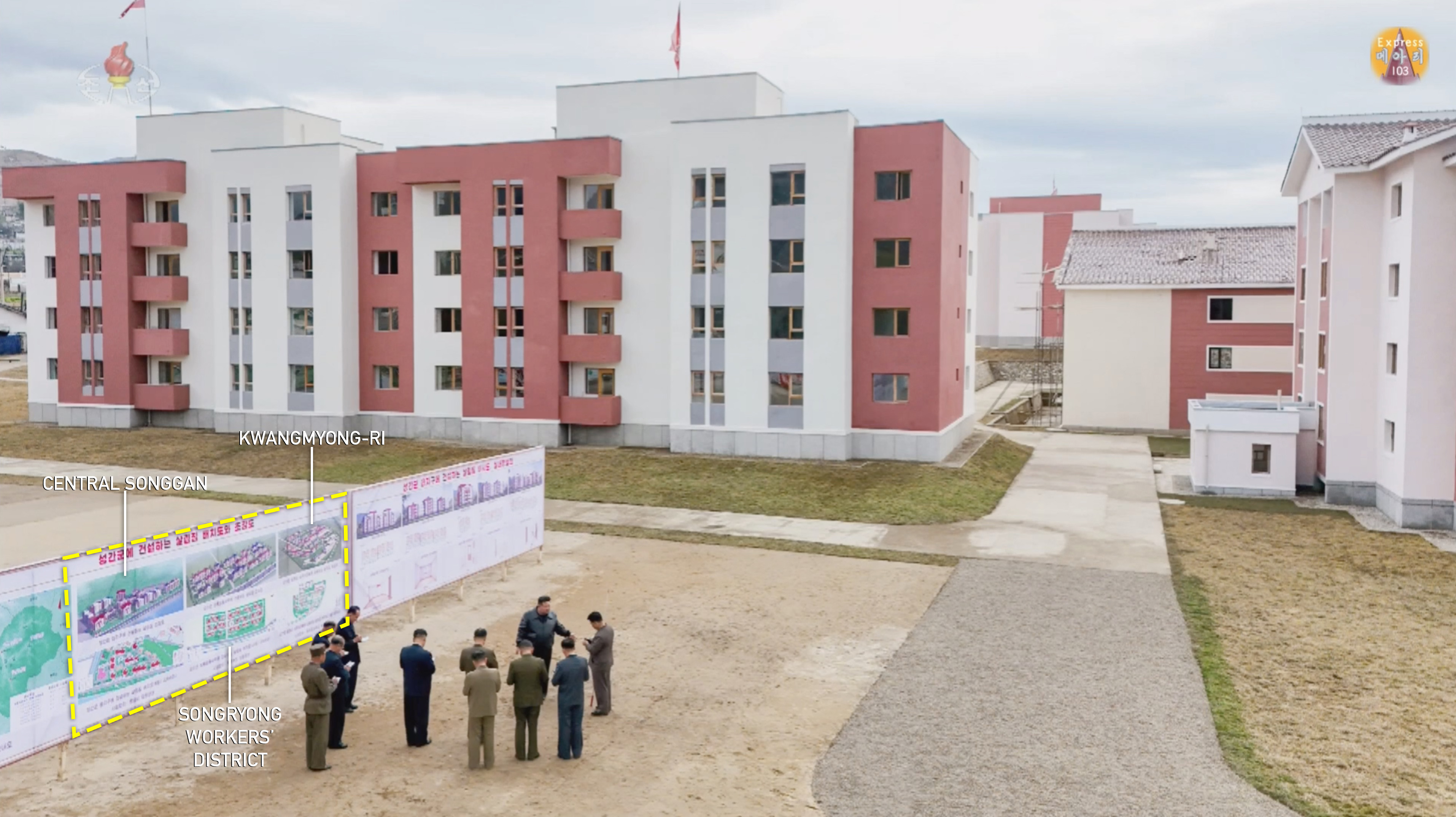
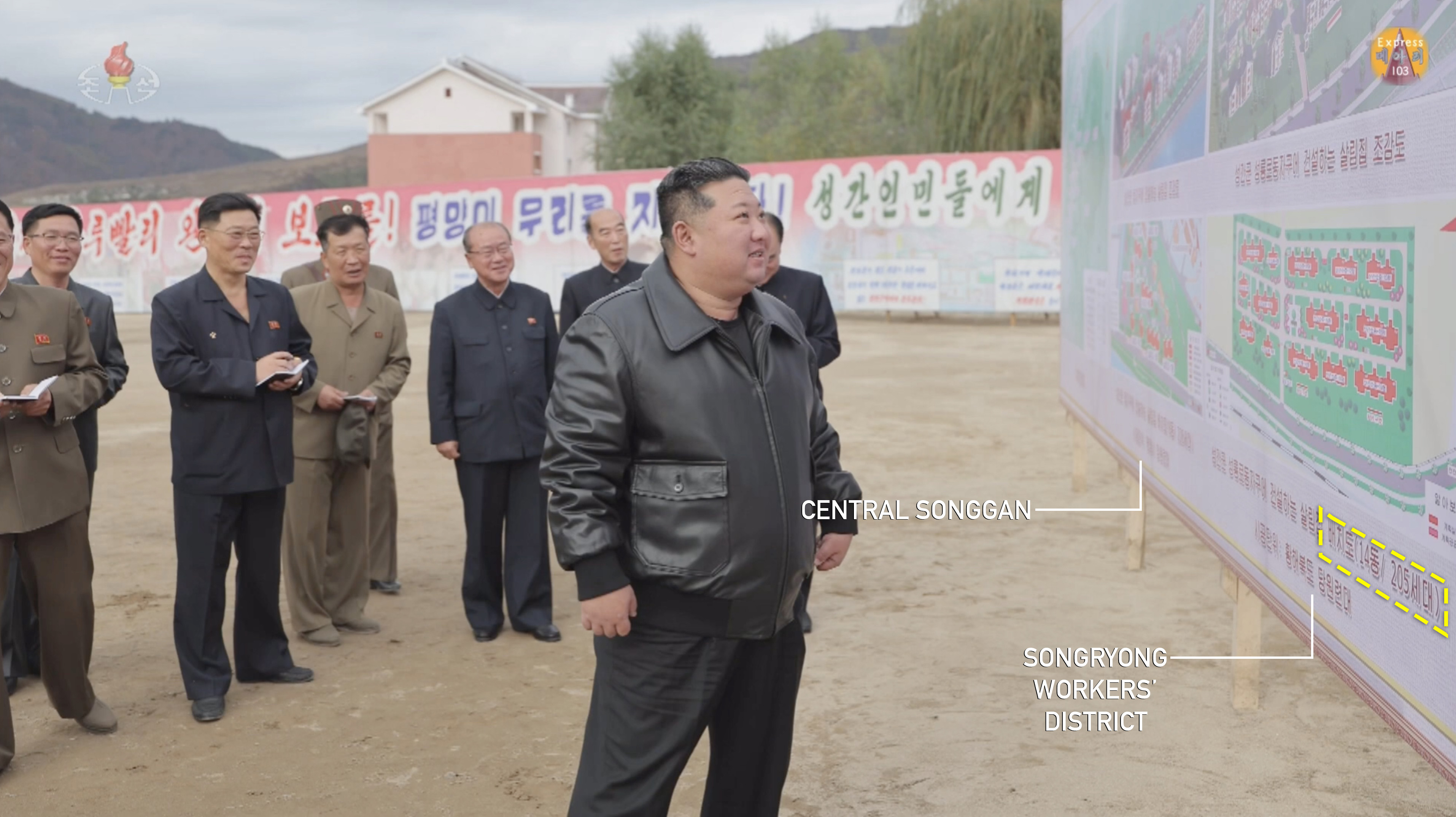
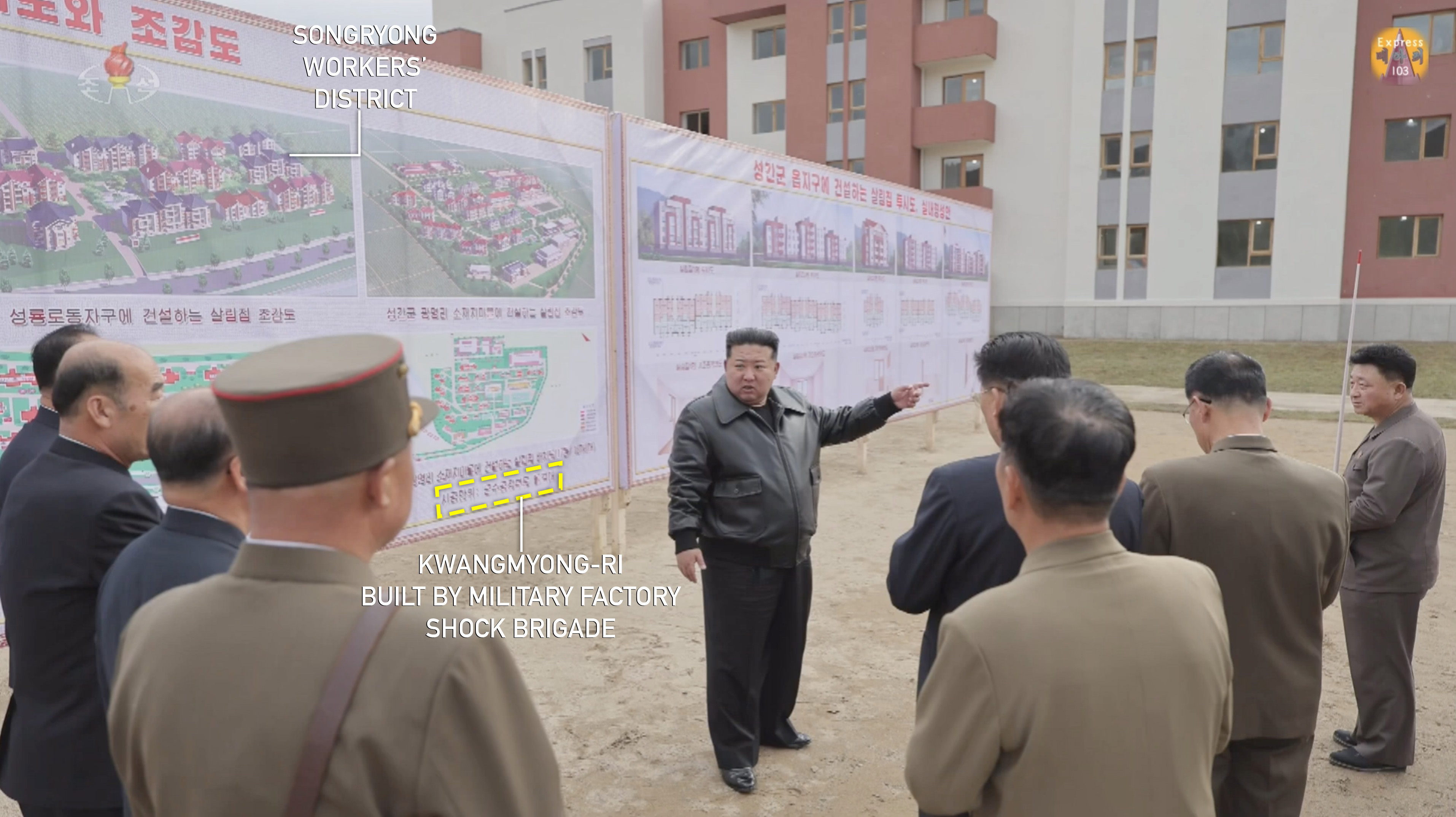
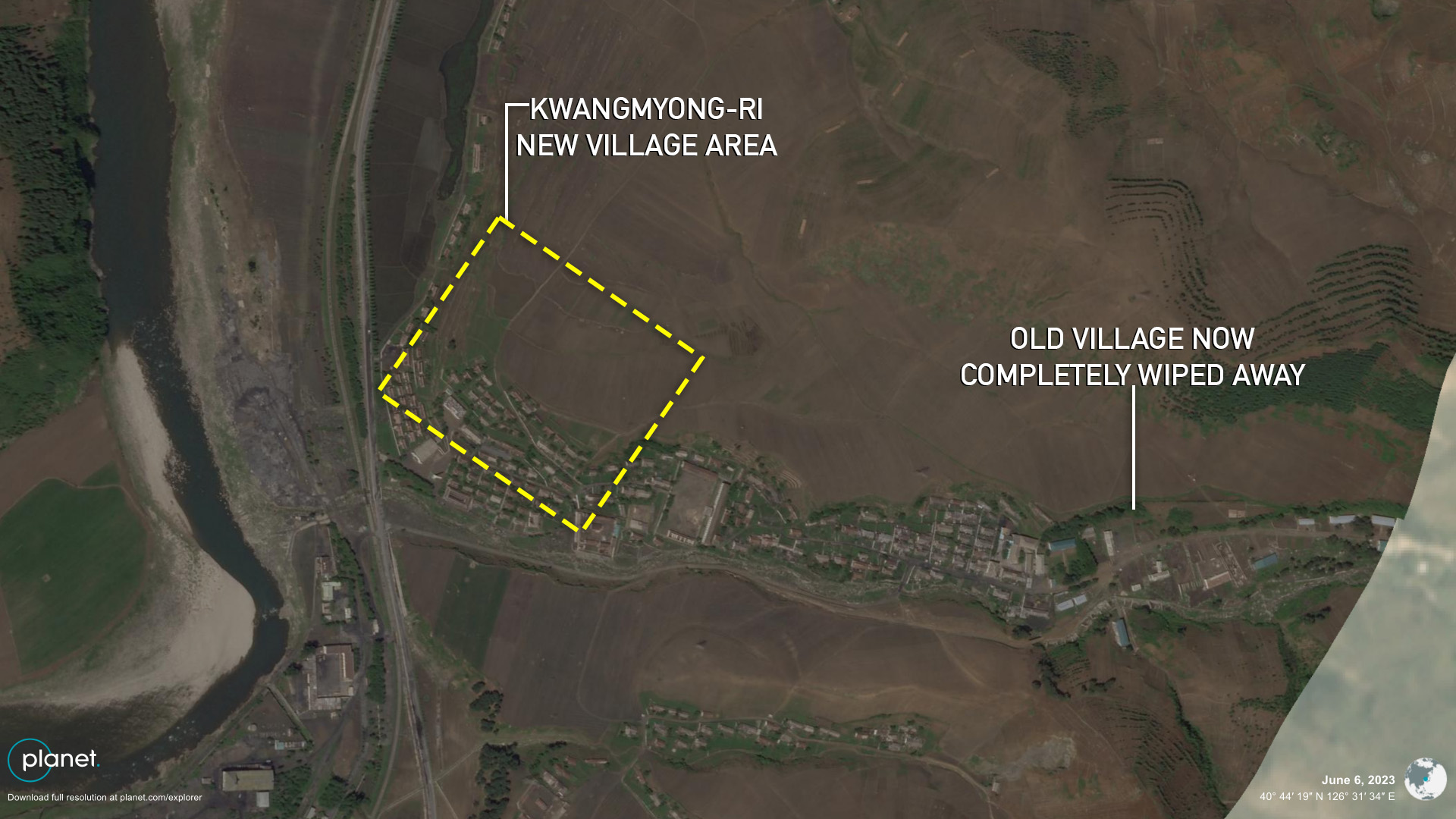
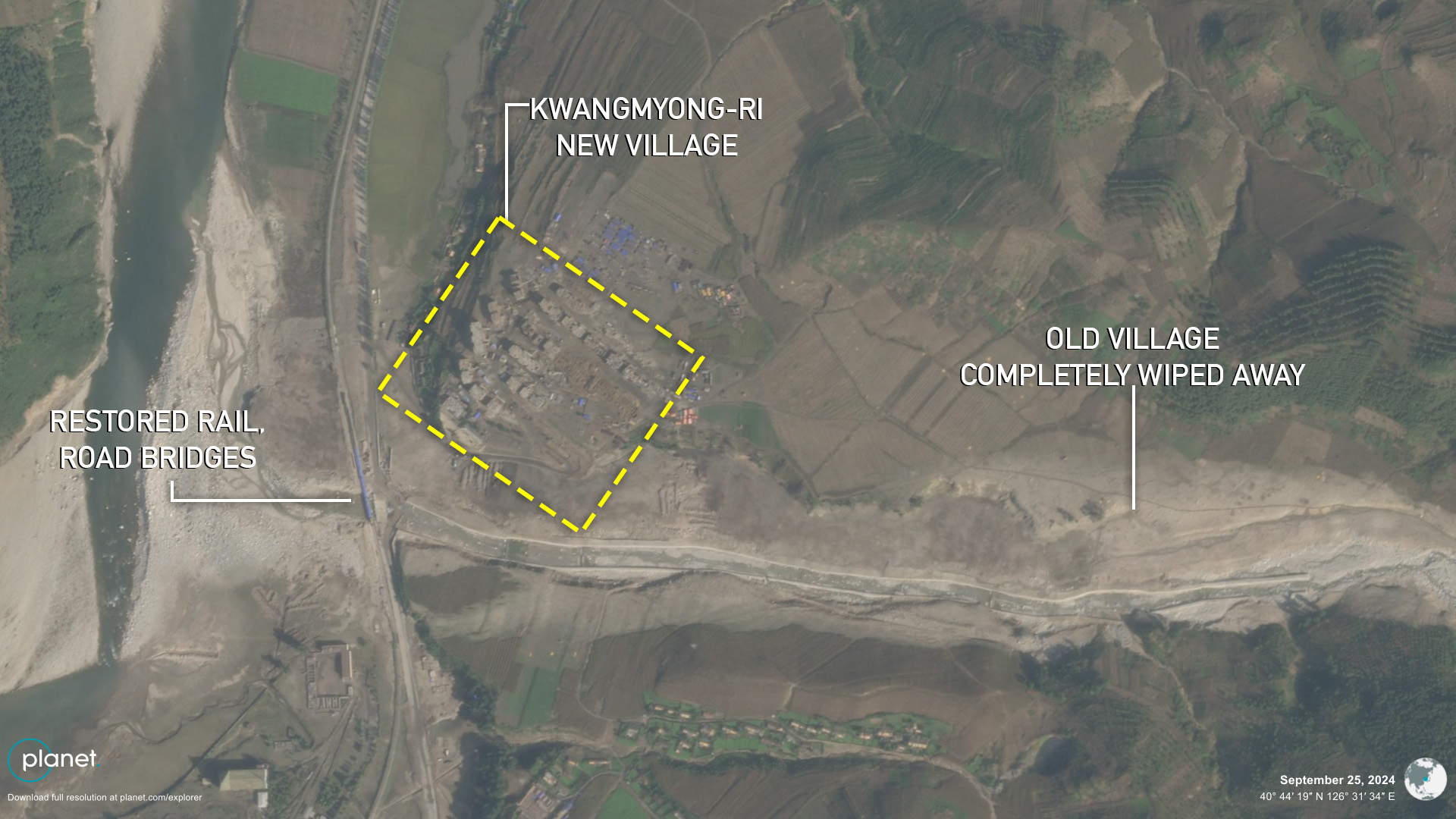
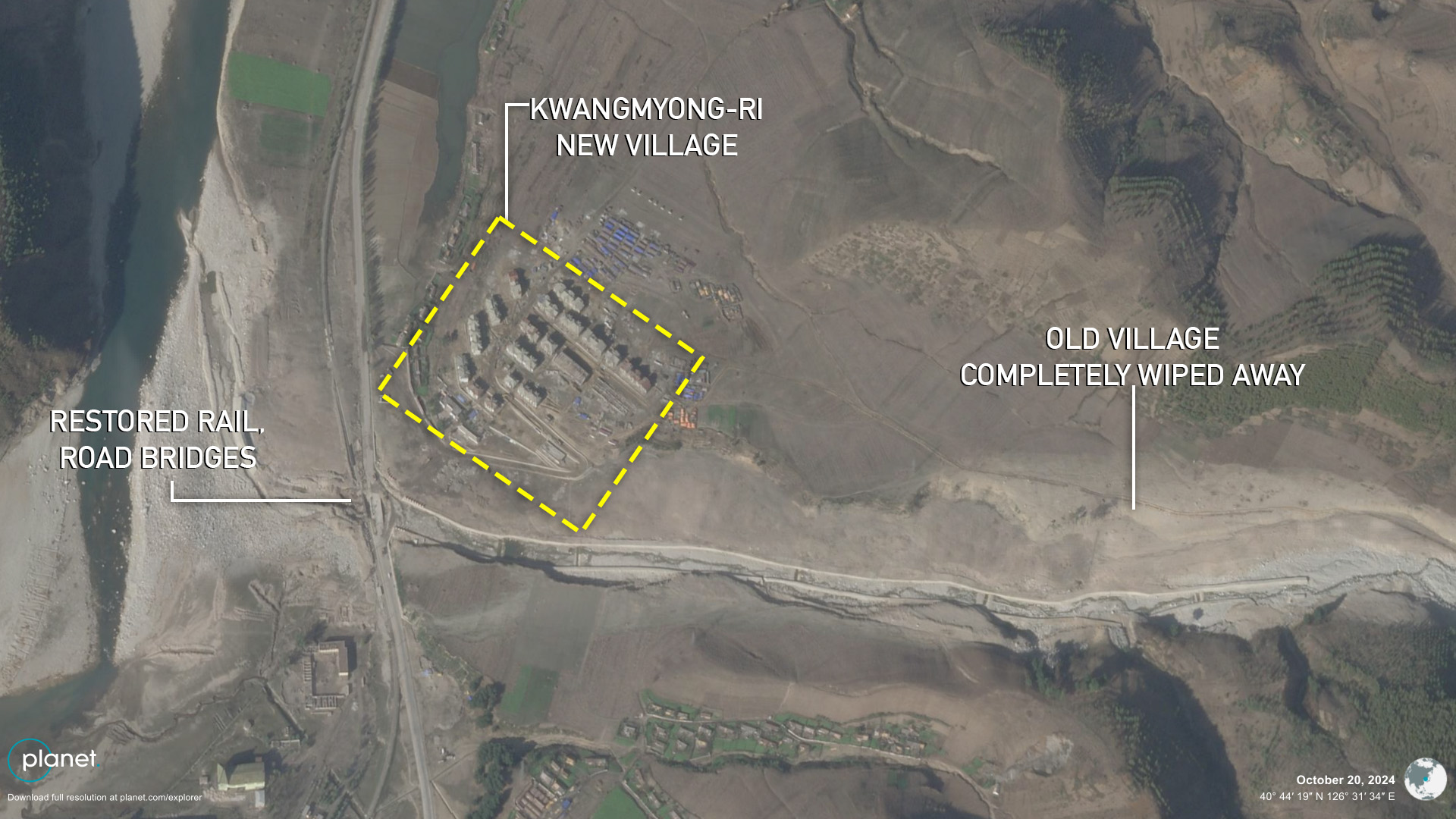
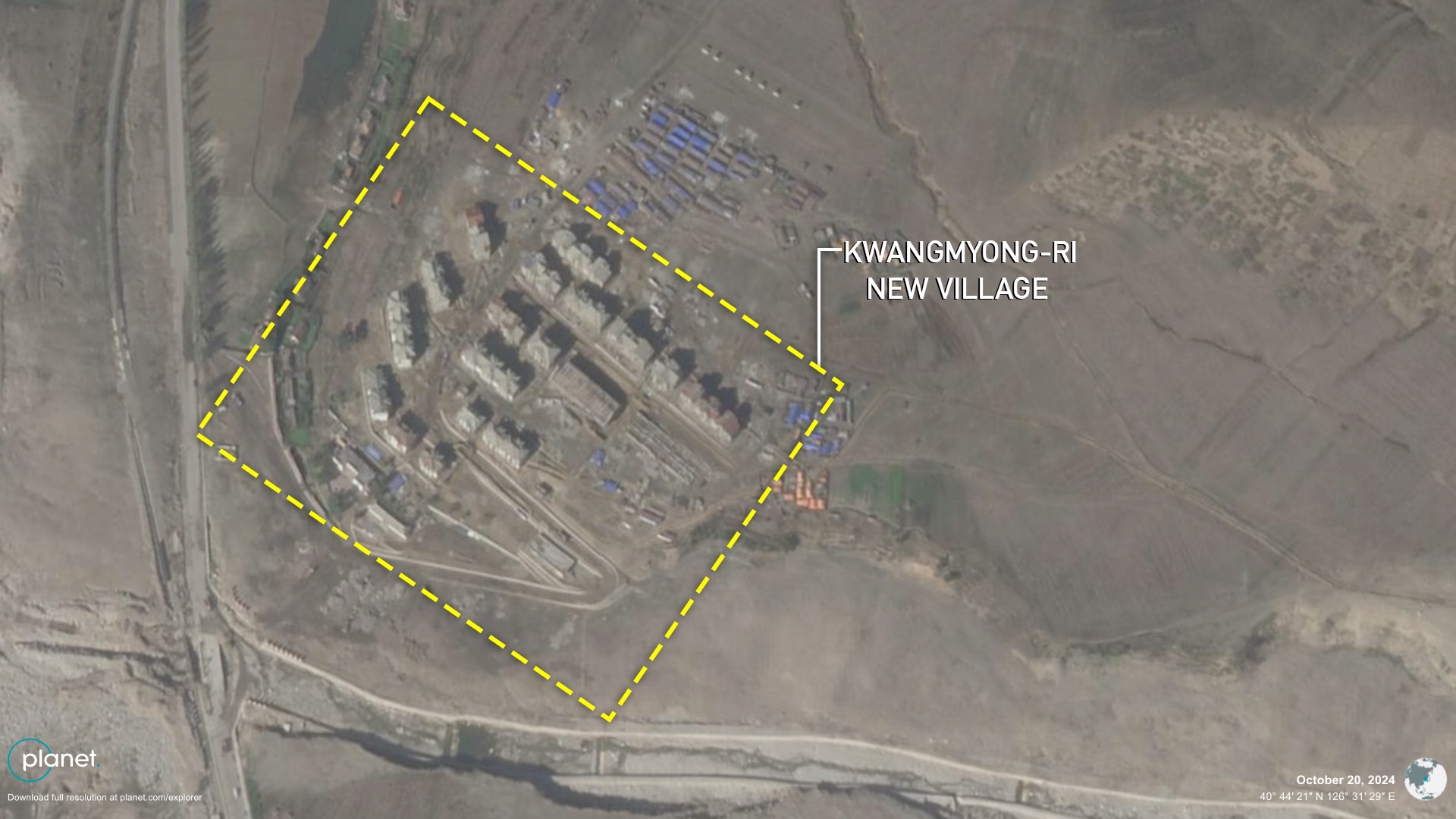
The KCNA images are slightly obscured and low quality so it is difficult to determine the precise number of homes slated to be built in Kwangmyong and central Songgan villages, but they may similarly be around or under 200 each. Satellite imagery suggests nine buildings are under construction in central Songgan. In addition to these three villages, satellite imagery shows that a smaller cluster of new apartment buildings is also under construction across the river from the Songgan precision weapons plant. The completely wiped-out Kwangmyong-ri village originally consisted of about 160 homes or duplexes, all now gone, while the number of new homes being built suggest the July floods damaged hundreds more around the county. A sports field in central Songgan near the precisions weapons plant has appeared covered with tents in recent months, suggesting it is being used as one of the main staging areas for the reconstruction project in the county, just as it was during the factory’s reconstruction earlier this year. 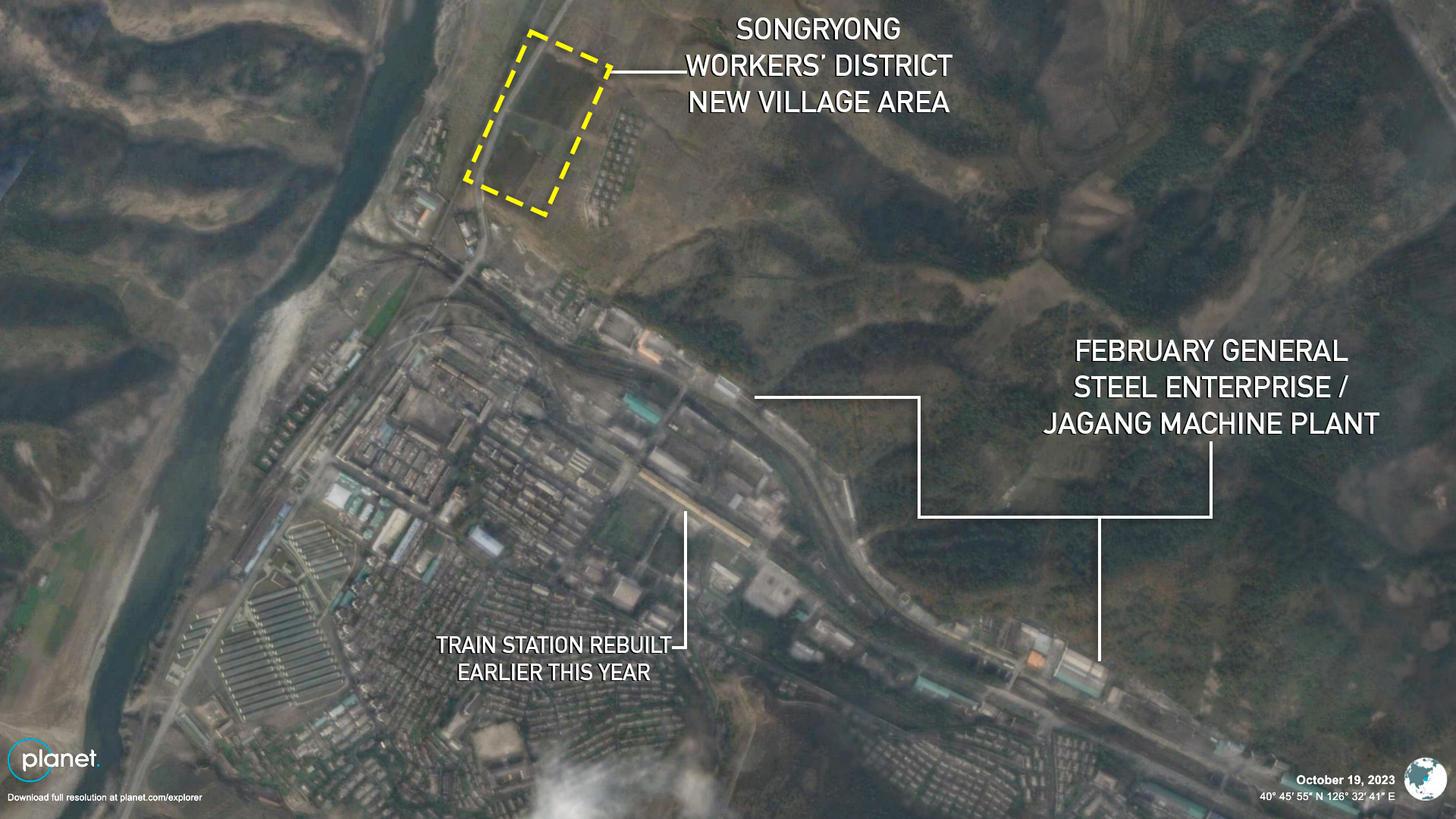
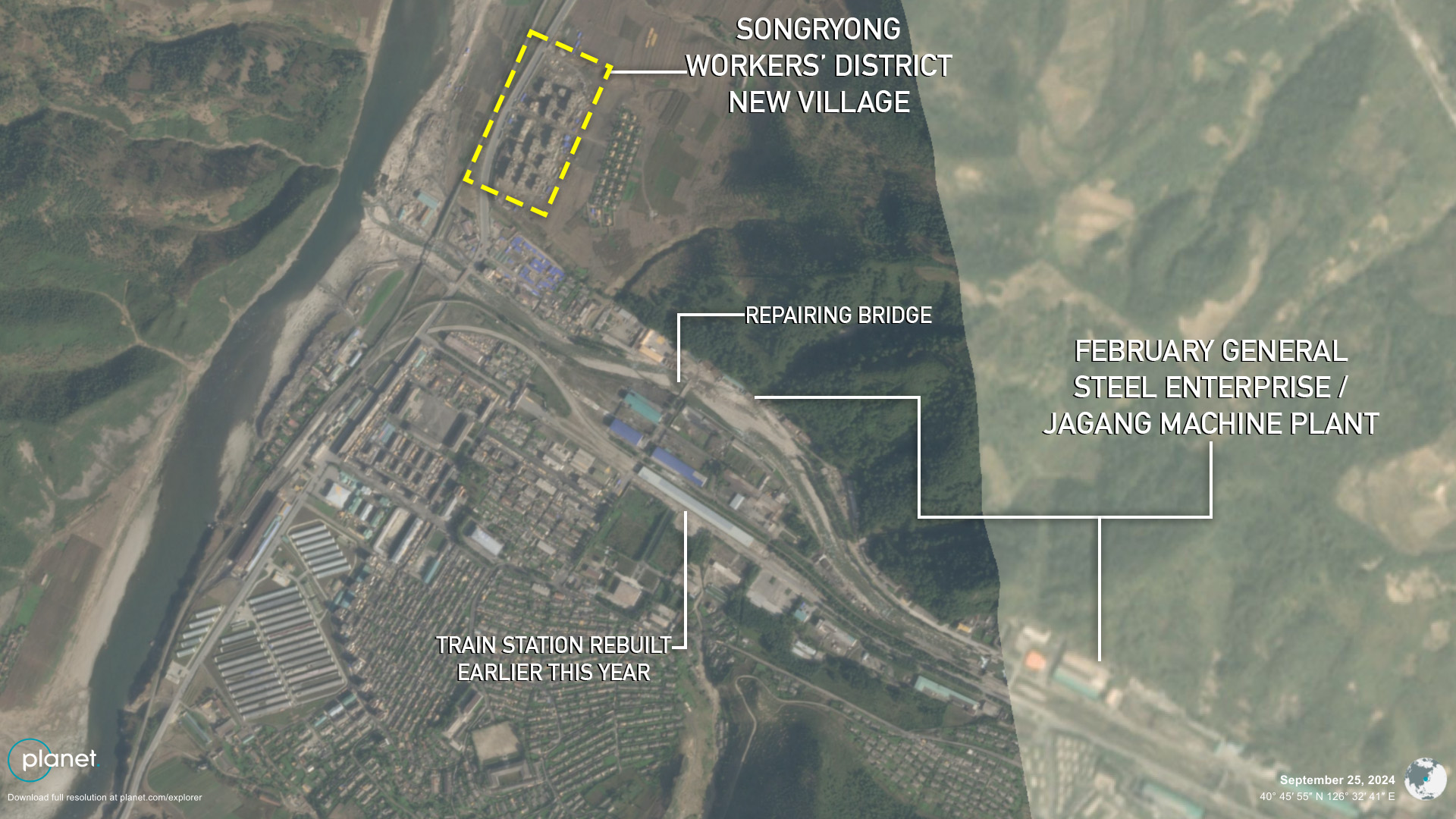
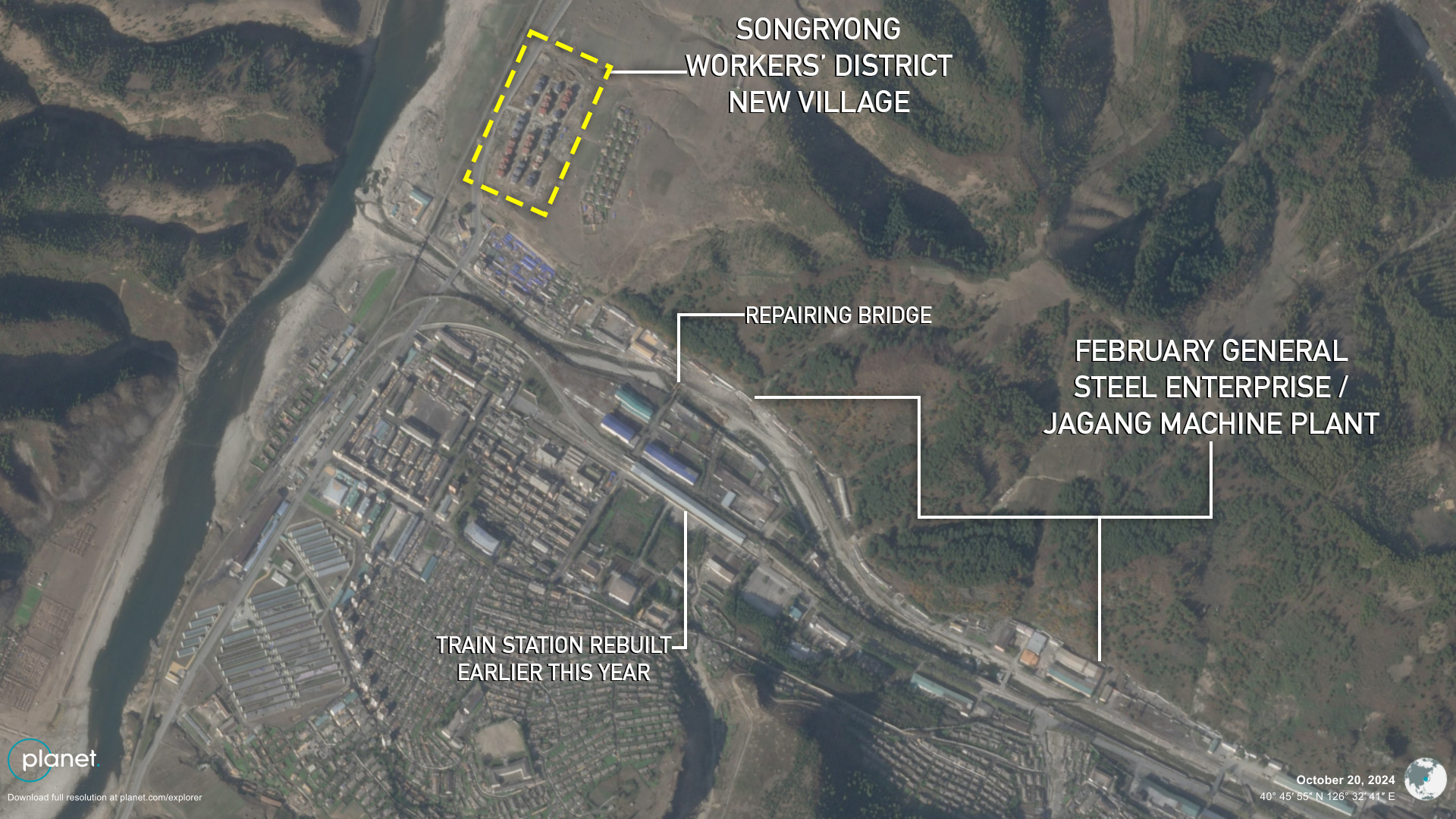
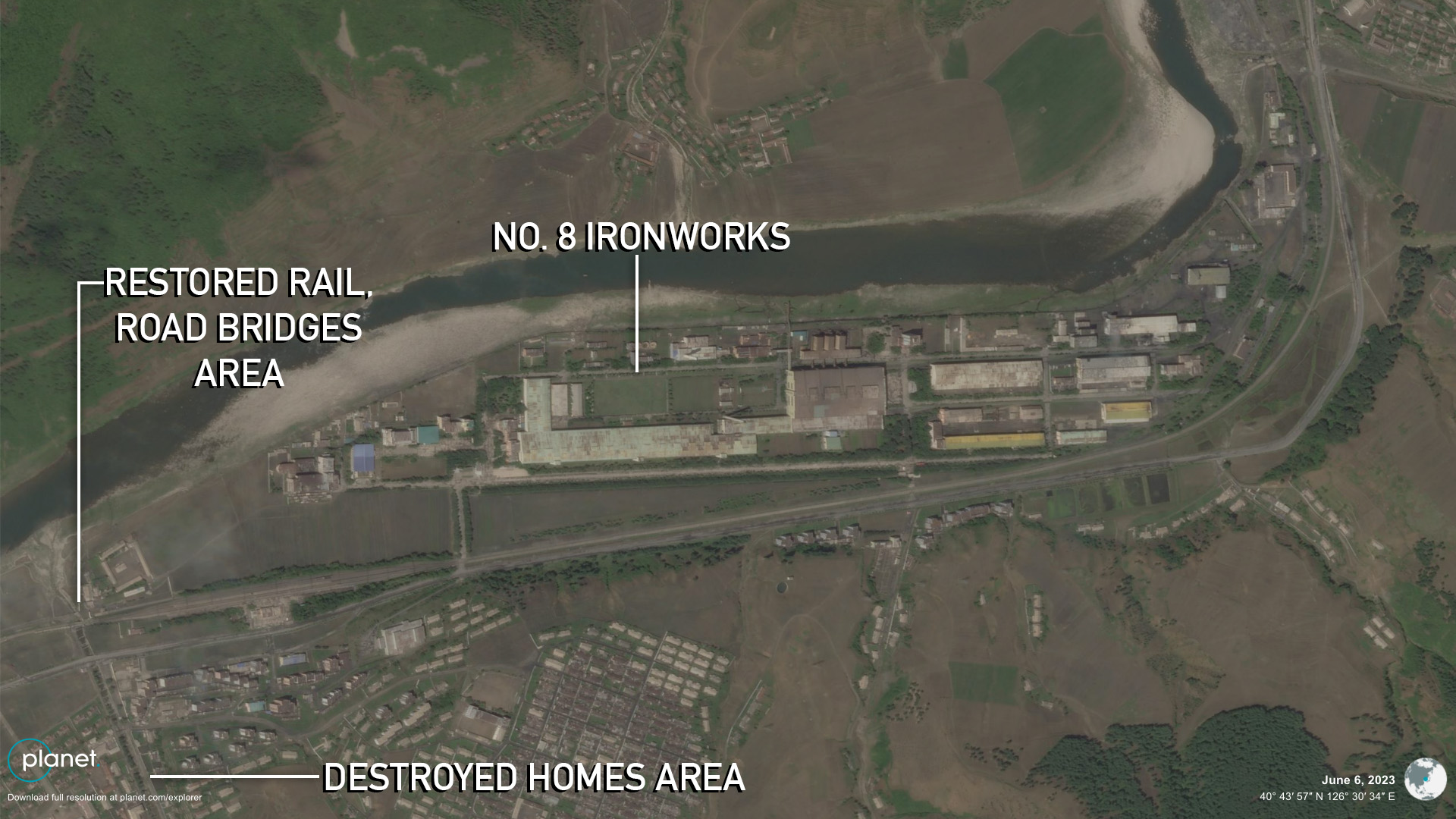
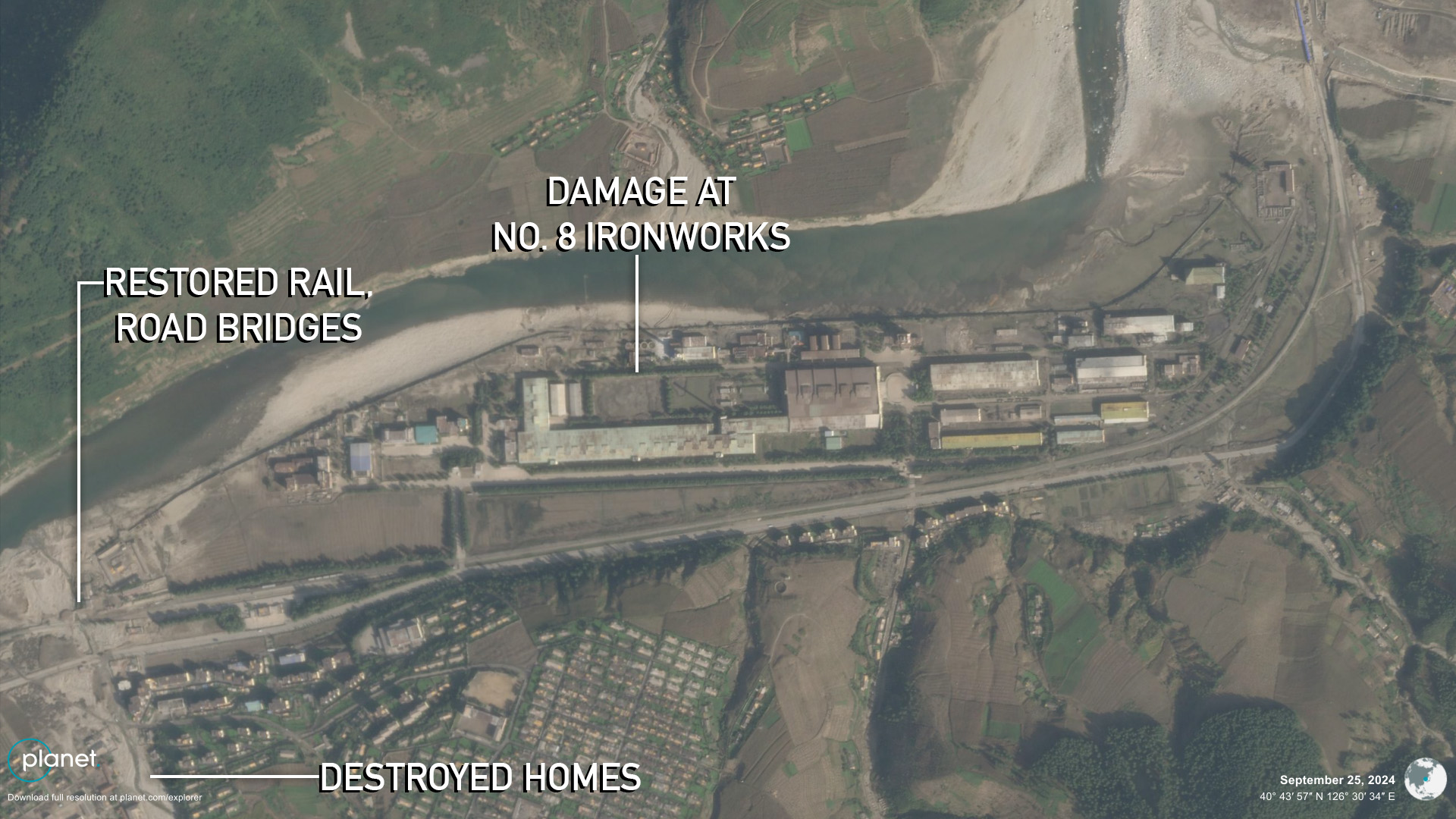
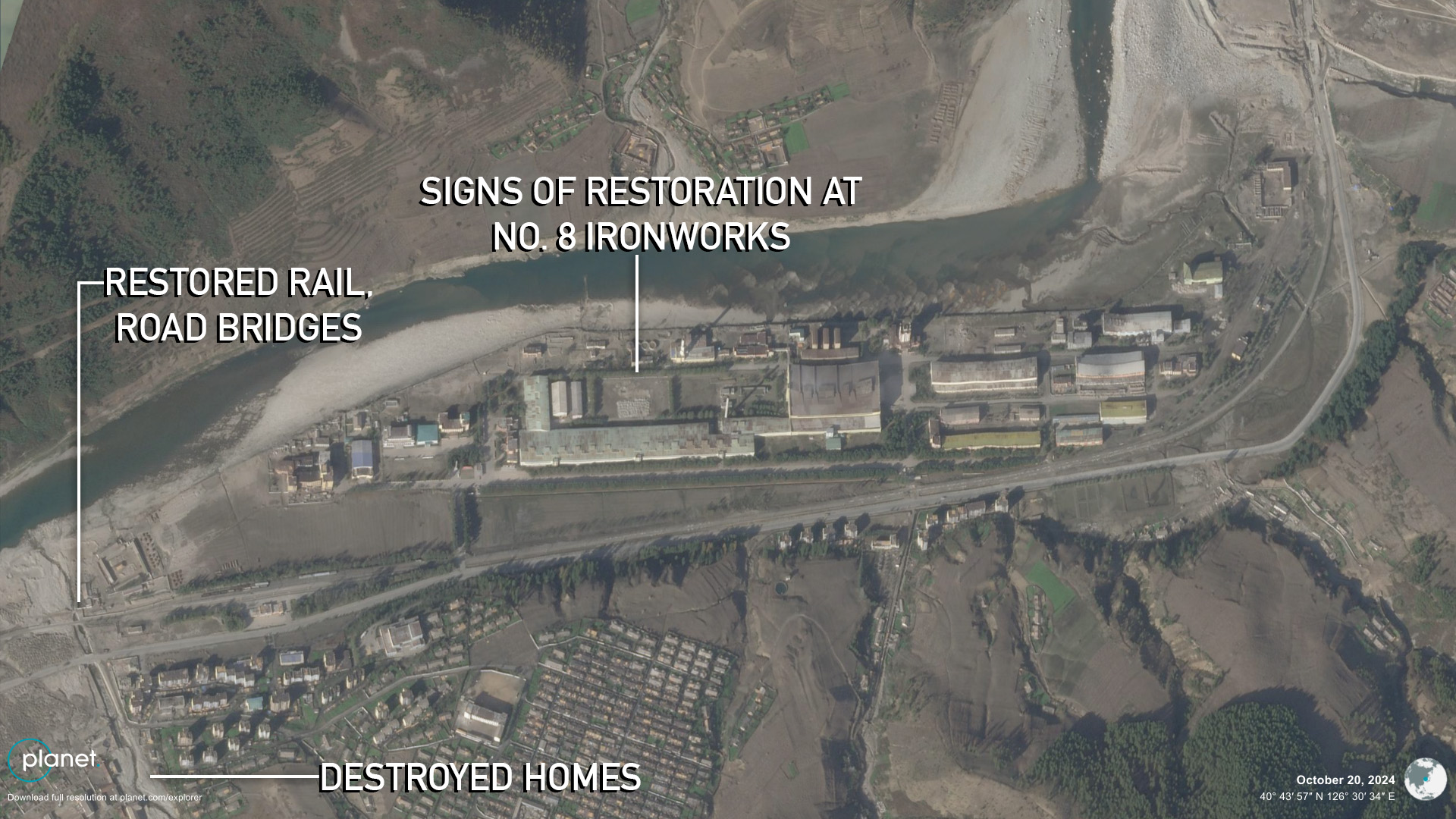
BROKEN BRIDGES AND ARMS TRANSPORT Another major project that state media did not mention in detail on Tuesday has been restoring broken road and rail bridges in the area that have likely disrupted shipments out of weapons factories since late July. KCNA only said Kim Jong Un instructed project officials to ensure “timely and responsible transport and supply of materials.” NK Pro previously reported that the storm broke apart two large road bridges and two small rail bridges between Songgan and Jonchon County to the south, as well as a major rail bridge in the middle of the provincial capital Kanggye to the north. This meant the transport of heavy items to and from Pyongyang would require complicated efforts like shifting packages between trucks and rail cars along the way. 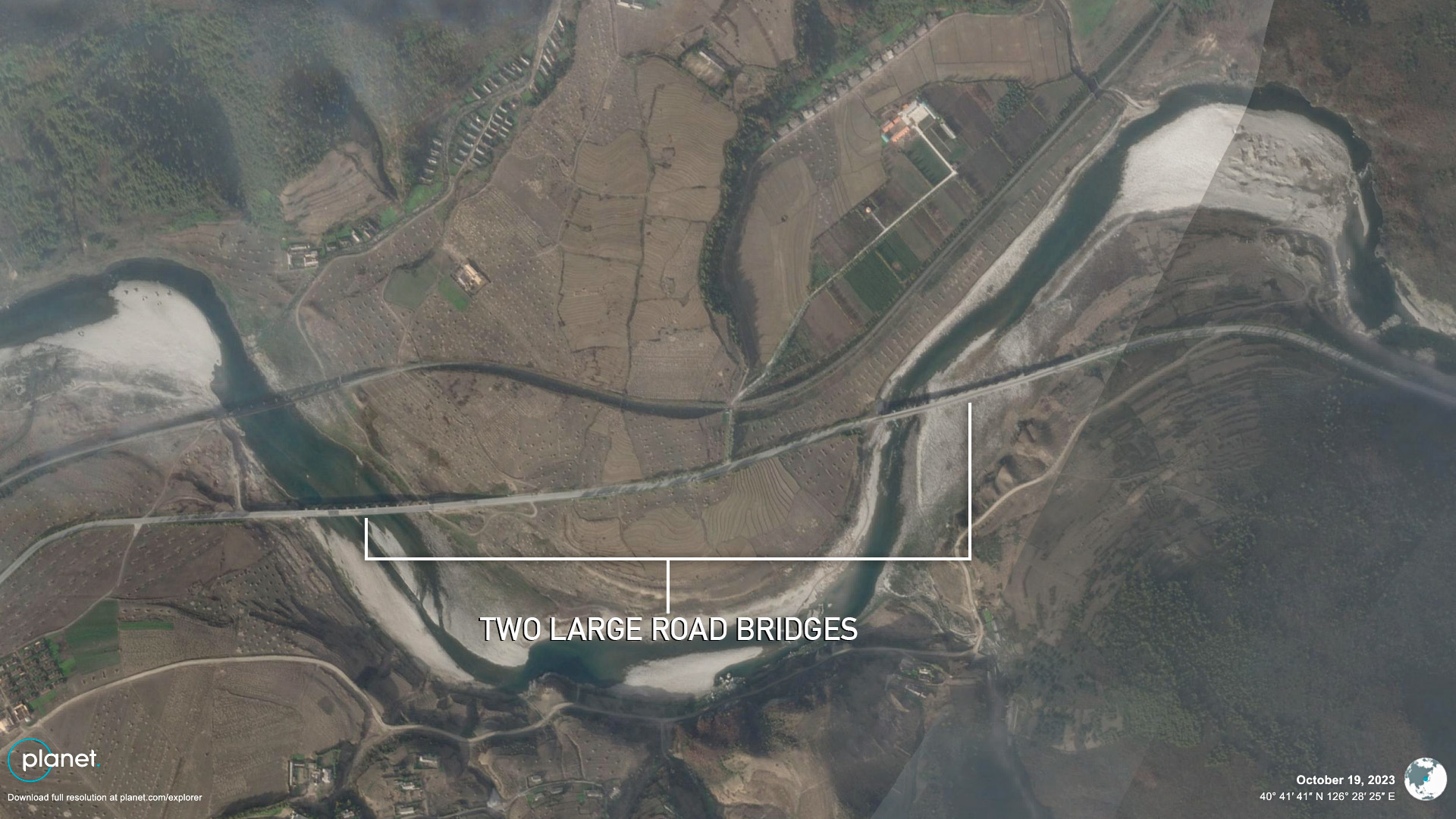
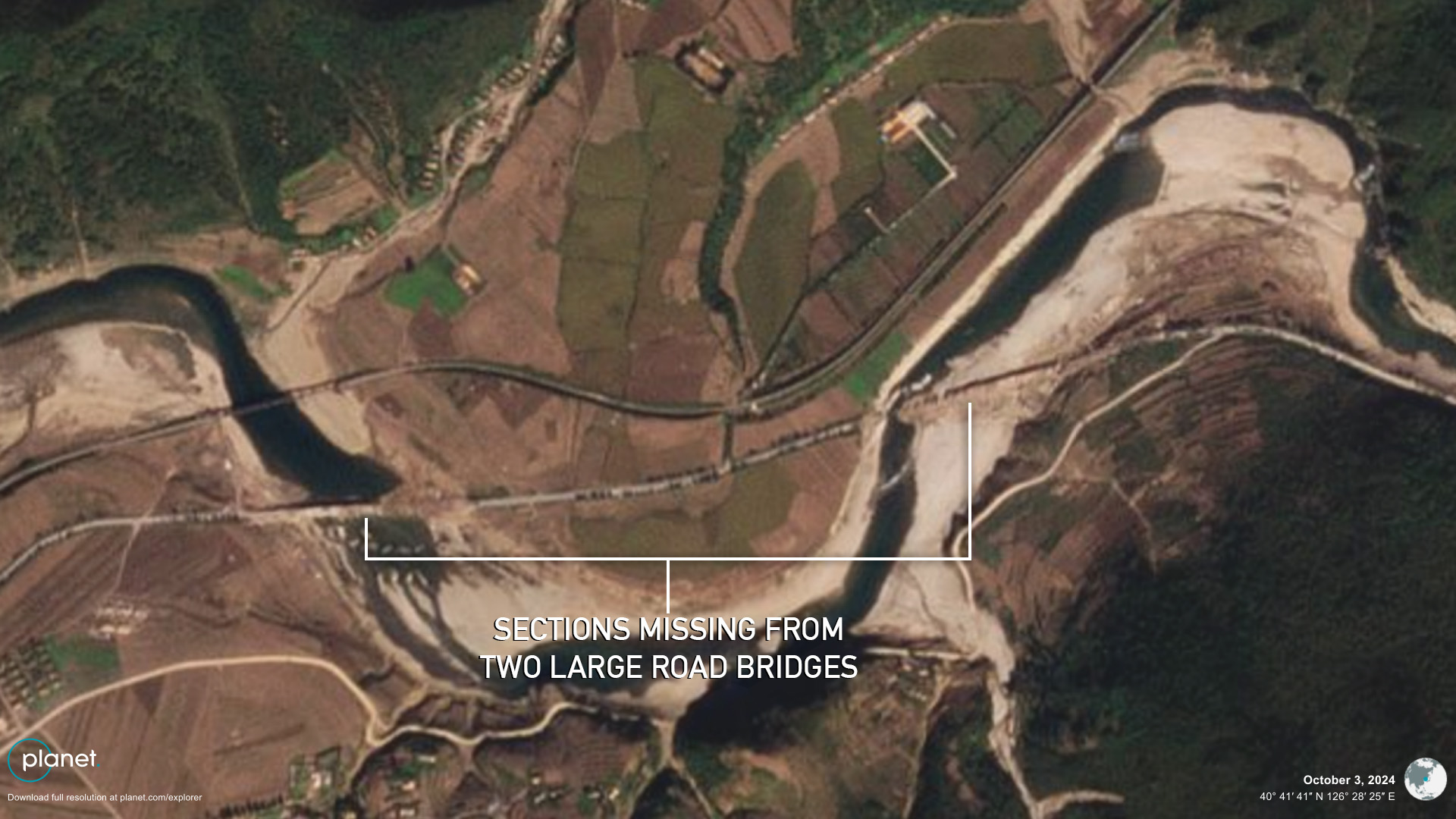
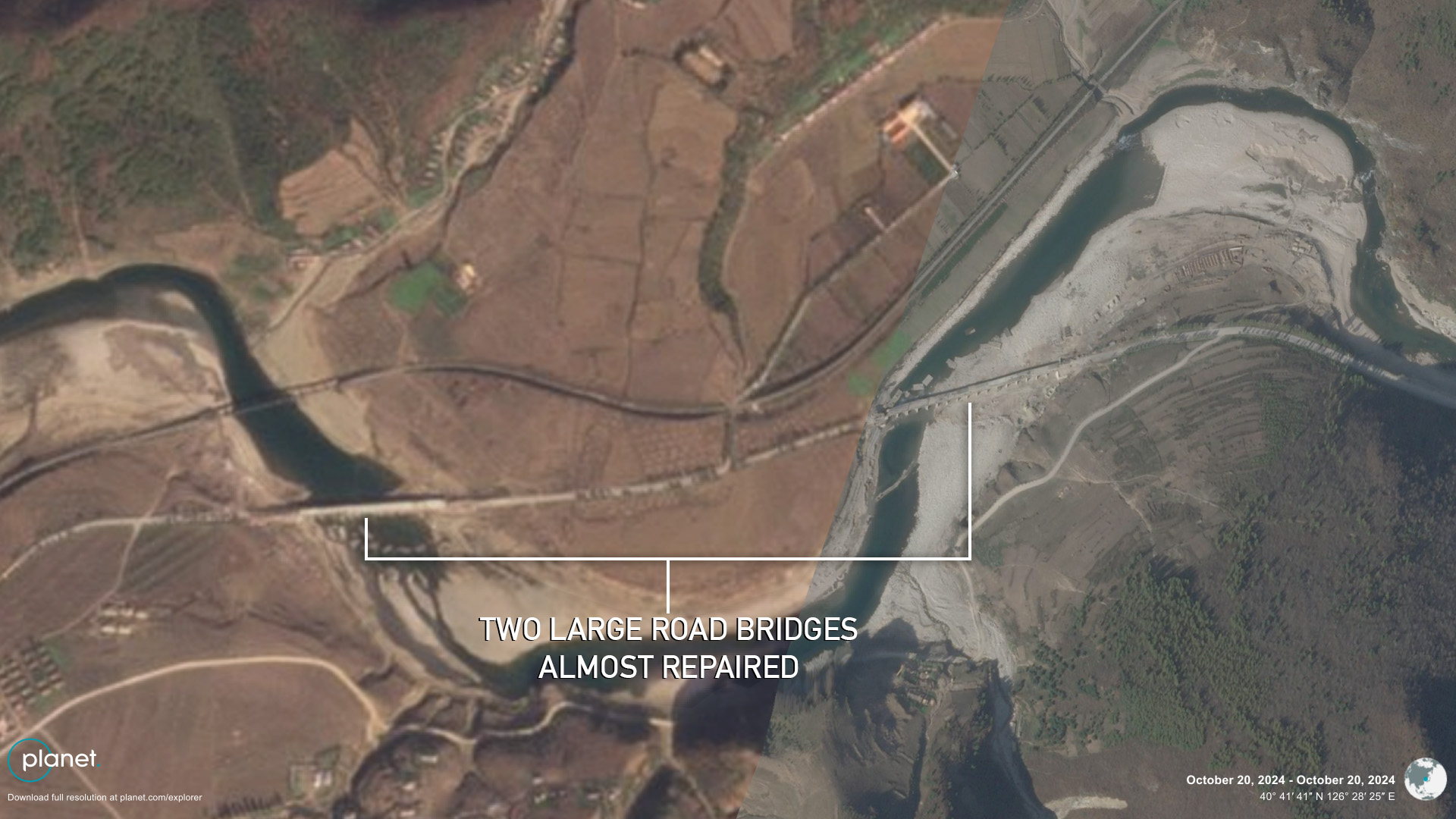
A high-resolution Planet Labs image taken on Sept. 25 showed a train crossing a newly rebuilt small rail bridge in Kwangmyong-ri, while other small road and rail bridges nearby also appeared restored. The two 300-meter long (985 feet) road bridges to the south were still not rebuilt by Oct. 20, the imagery showed, though they appear to be getting close. Restoration of the large rail bridge in the center of Kanggye also remains incomplete. This likely means that shipments by train from Kanggye south toward Pyongyang had resumed by September, though vehicles likely had to move out of the Kanggye Tractor Plant before freight could be loaded on trains elsewhere. The factory produces large-caliber rockets, some likely for Russia. Rail shipments of weapons or electrical components from the Songgan “ultramodern precision munitions” factory or of rifles and small arms from the February 8 Machine Factory further south in Jonchon have also likely resumed. Edited by Bryan Betts © Korea Risk Group. All rights reserved. |


 SHARE
SHARE COPY LINK
 X
X MASTODON


Recent Stories