
|
Border Controls Multiple flights between North Korea and China canceled amid coronavirus scareRoute to Vladivostok not affected, however, according to the Russian embassy in Pyongyang
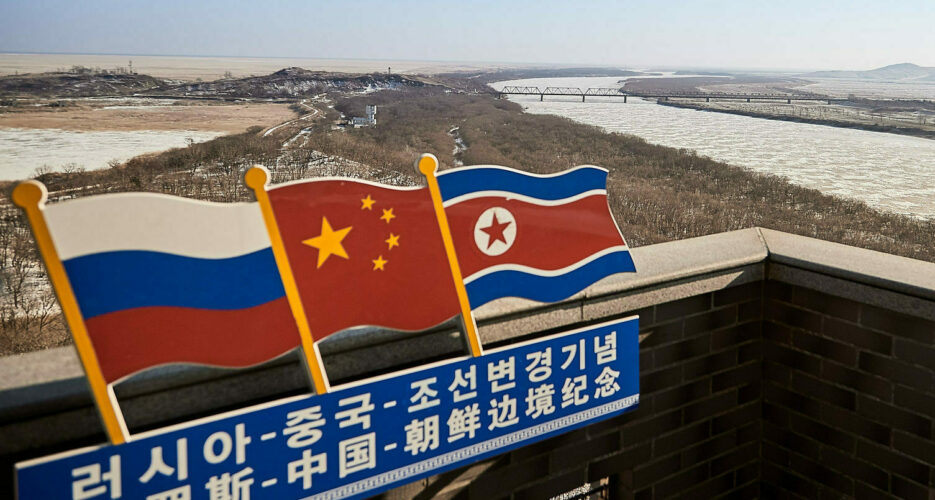 Multiple flights between the North Korean capital and Chinese cities operated by Air China and the DPRK’s Air Koryo have been canceled amid concerns over the spread of a new coronavirus, the Russian embassy in Pyongyang and other sources confirmed on Friday. The Russian embassy also said in a Facebook post Friday morning, however, that no further restrictions have been made on entry or exit to the DPRK through the Far East Russian city of Vladivostok. That post appeared to clarify concerns over the route following North Korea’s announcement this week of a complete tourism ban and a ban on foreign residents traveling to China. Regarding travel routes between North Korea and China, the embassy said that a suspension of Air China flights between Pyongyang and Beijing would last “until February 10.” This information is also reflected in flight availability on the Air China website disappearing until February 10, NK News can confirm as of noon on Friday. Air China had since late October been operating on a reduced winter schedule of two Beijing-Pyongyang flights per week, on Mondays and Fridays. The next scheduled flight to Beijing on the DPRK’s flag carrier Air Koryo, on the other hand, is on Saturday, though this and its scheduled Tuesday flight are expected to be canceled as well in line with the government’s restrictions. Air Koryo’s flights between Pyongyang and Shenyang every Saturday and Tuesday, as well as chartered flights to Shanghai and other cities, will likely see the same fate in the near future. The recently-established Pyongyang-Macau route, for example, has already seen cancelations, according to the Macau International Airport. The airport’s official website on Friday listed the Air Koryo flight scheduled to arrive the same day as having been canceled, with later flights scheduled for Sunday and Tuesday also not appearing. And while the Russian embassy said Friday “there are no restrictions on entry/exit through Vladivostok,” the Vladivostok International Airport website as of Friday afternoon listed the next Air Koryo flight to Pyongyang as having been “delayed.” The Russian embassy added, however, that the lack of restrictions at the DPRK border would only apply “if the passenger is not in transit from China,” suggesting delays could be related to extra passenger checks. The Vladivostok airport website listed an Air Koryo Ilyushin-62 plane as having arrived at 11:00 local time Friday with an originally scheduled departure time of just after noon. Air Koryo’s Monday and Friday Vladivostok-Pyongyang flights still appear scheduled over the coming weeks. The travel disruptions come as diplomats, aid workers, and tour companies have received word from the North Korean government this week over official measures being taken in response to the coronavirus outbreak. According to a notice issued by the DPRK Ministry of Foreign Affairs (MFA) and reviewed by NK News on Thursday, all representatives of foreign embassies and organizations have been banned from traveling to China, without specifying a time period. Notices issued by the Korea International Travel Company (KITC) and other state travel agencies since Wednesday, however, say explicitly that all tourism to the DPRK, without specifying any exceptions, would be halted “until relevant vaccines and preventative measures have been established.” The Russian embassy’s notice, despite general terms on the scope of the tourism ban in state notices over the past few days — and the cancelation of tours by tour companies due to the tendency to utilize routes through China — suggests that the North Korean government has not instituted a categorical ban on all tourism. Meanwhile, the North Korean government announced earlier this week it was working with the World Health Organization (WHO) on domestic awareness and other preventative measures over the new flu-like coronavirus that is believed to have originated in the central Chinese city of Wuhan. Edited by James Fretwell © Korea Risk Group. All rights reserved. |


 SHARE
SHARE COPY LINK
 X
X MASTODON


Recent Stories