
|
Analysis Why humanitarian agencies face difficulties in responding to needs in the DPRKMore than anything else, North Korea must implement "radical solutions" to solve its long-term food insecurity problem
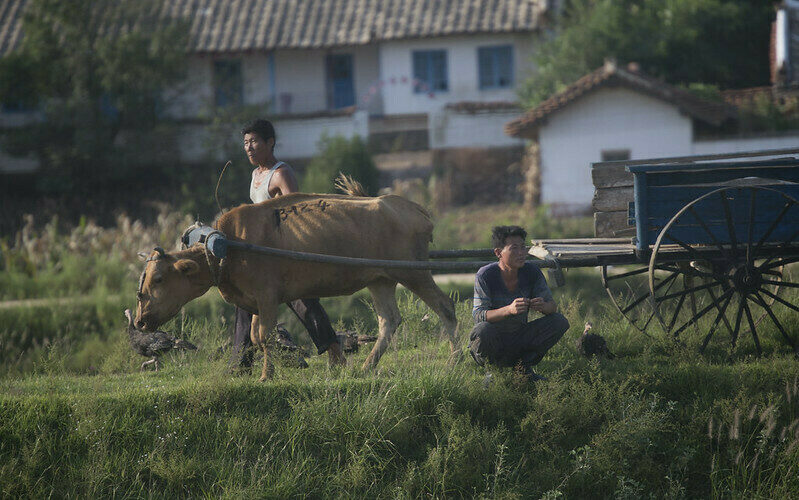 Understanding the humanitarian situation inside North Korea is challenging for several reasons. Aid agencies are present, including some on a resident basis, but their access is restricted and donor funding for programs is insufficient. Government data is inconsistent and lacks transparency. Humanitarian workers have been in the DPRK since the mid-1990s, when they responded to appeals for famine aid. The famine has ended, but food security has been a constant challenge. Humanitarian agencies have remained in the country, working in areas including food and agriculture, nutrition, health, disaster risk reduction, and water and sanitation. The global humanitarian sector as a © Korea Risk Group. All rights reserved. |


 SHARE
SHARE COPY LINK
 X
X MASTODON

Recent Stories