
|
Opinion One month after the Hanoi summit, ambiguity defines U.S.-North Korea diplomacyAs talks falter, it's clear neither side is willing to be transparent about what they can give up
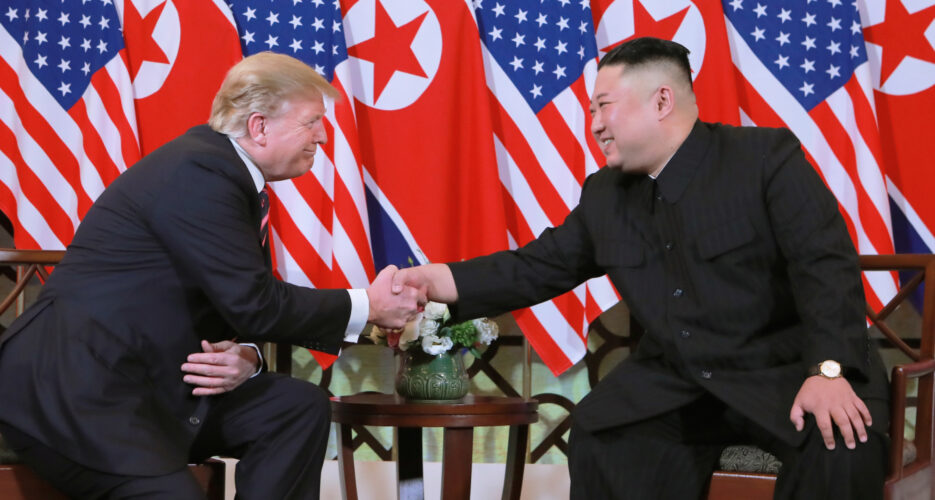 Diplomacy exists in a dual world of clarity and ambiguity. In a sense, it can be understood as a process clarifying points of ambiguity between two competing powers. Negotiators intentionally use the element of ambiguity for many reasons: they might want to bring rivals to the negotiation table, avoid a war, raise their leverage, force a rival to concede, or bring negotiations to an end. So, diplomatic ambiguity is in itself neither a winning or losing tactic, but a tool that negotiators can use one way or the other. Even before it began, it was clear the historic Trump-Kim summit © Korea Risk Group. All rights reserved. |


 SHARE
SHARE COPY LINK
 X
X MASTODON


Recent Stories