
|
Analysis North Korea’s capital, Juche and a towering achievementContinued changes to the cityscape push Pyongyang toward Kim's ideas, away from Soviet influence
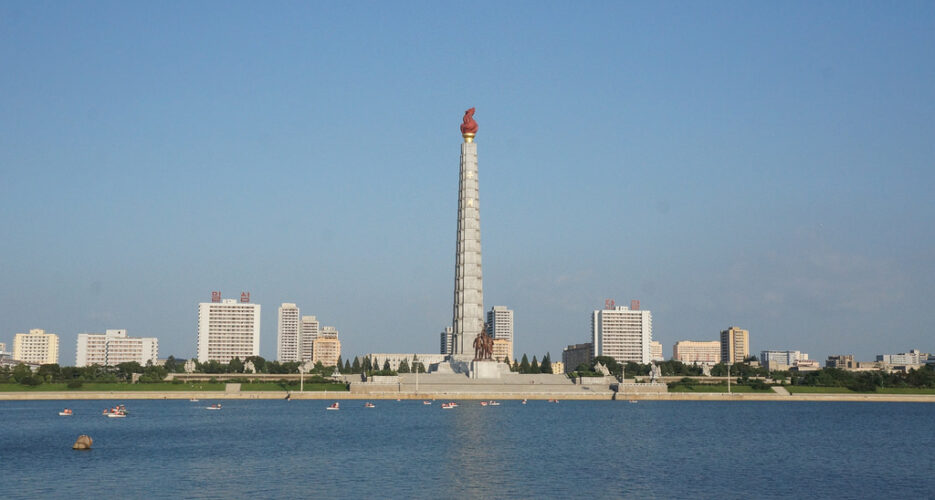 The first post-war plans for Pyongyang included many “socialist” elements common to cities in Eastern Europe, and the city’s earliest building styles were heavily influenced by European architecture. As Kim Il Sung consolidated power amidst a turbulent international environment and his Juche philosophy gained prominence, Pyongyang’s architecture and public spaces underwent many changes, eventually obscuring the city’s roots. Read part one here. In 1962, Kim initiated a precipitous rhetorical shift toward his Jucheideology in the face of worsening relations with Russia and domestic political instability. However, it was not until 1967, shortly after the onset of the Cultural © Korea Risk Group. All rights reserved. |


 SHARE
SHARE COPY LINK
 X
X MASTODON


Recent Stories