 SHARE
SHARE COPY LINK
 X
X MASTODON


About the Author
Natalia Matveeva
Natalia Matveeva holds a Ph.D. in modern Korean history from the London School of Oriental and African Studies (SOAS) and is a research fellow at the Institute of Oriental Studies, Russian Academy of Sciences.


Get behind the headlines
|
Evergreen Why the USSR tried — and failed — to slow North Korean collectivizationKim Il Sung's 1950s agrarian reforms further deepened the gap between Moscow and Pyongyang
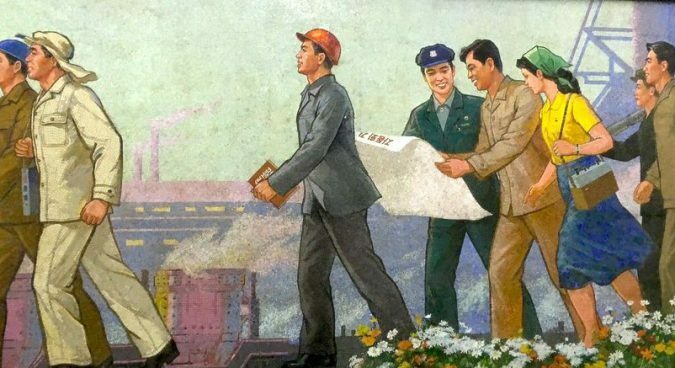 This article is the first in a series by Natalia Matveeva on North Korea’s early economic history. Organizing the agricultural sector into collective farms, or collectivization, is often viewed as one of the characterizing features of the Soviet economic model, and of those countries that followed and emulated it. In carrying out its collectivization campaign, North Korea did not simply learn from the Soviet Union, but in some aspects managed to, paraphrasing Lenin’s words, “catch up and outdo” it, often going against Soviet advice and suggestions. The idea to introduce centralized management to the agricultural sector preceded the Korean War. © Korea Risk Group. All rights reserved. |





Specialist news and analysis,
research tools, and unique data sets
Internet Explorer is not compatible with this website. We instead recommend using Chrome, Edge, Firefox or Safari.
Microsoft ceased supporting IE 10 and older in 2016.
In addition, Microsoft cyber-security chief Chris Jackson has been urging users to stop using the browser since February 2019.