
|
Evergreen Films for the beloved ones: the Gwangju Uprising in North Korean cinemaIdealistic youth versus reactionary generals - it was a story too good for Pyongyang to ignore
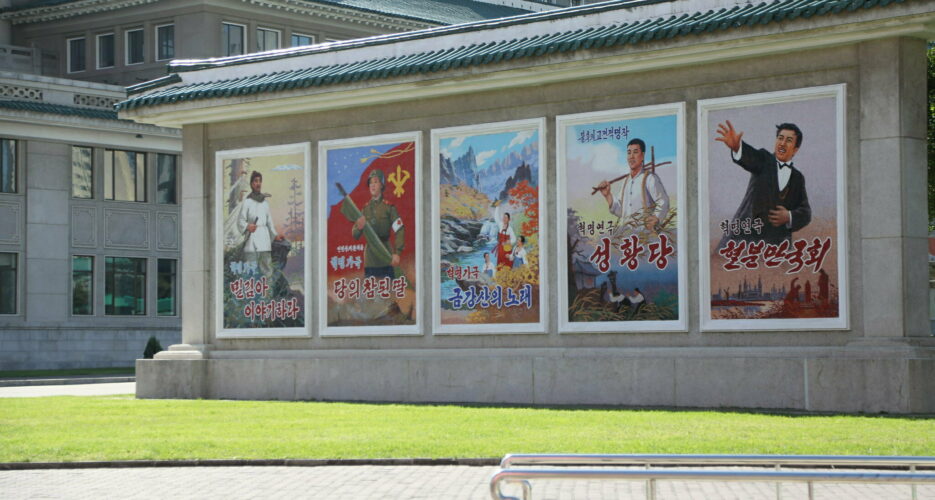 South Korea came to modernity and prosperity during its precarious “developmental dictatorship,” a regime which, expectedly, violated the rights of the working class and suppressed democratic freedoms. The 1970s and 80s saw a mass of South Koreans, with radical students and labor unions at the forefront, oppose the authoritarian governments of Park Chung-hee and Chun Doo-hwan. The struggle reached its pinnacle with the Gwangju democratization movement of May 1980, when protests against Chun’s seizure of power after Park Chung-hee’s death were suppressed with military force and ended in the killing, by some estimates, of over 600 people. The tragedy of © Korea Risk Group. All rights reserved. |


 SHARE
SHARE COPY LINK
 X
X MASTODON


Recent Stories