
|
News North Korea has earned up to $14.4B from military deals with Russia: ReportResearchers find most proceeds stem from arms shipments for Ukraine war, followed by payments for troop deployments
 North Korea has earned as much as $14.4 billion from military support to Russia over a two-year span, according to a new estimate by an ROK think tank. In a report published Monday, the Seoul-based Institute for National Security Strategy (INSS) estimated North Korea’s total revenue from military ties with Russia at between $7.7 billion and $14.4 billion. It added that confirmed deliveries of fuel, weapons and food have reached $580 million to $1.5 billion.  North Korea’s total projected earnings do not necessarily reflect the acquisition of hard currency but rather the estimated worth of military transfers, the research center said. Cash represented only a limited portion of transactions between Pyongyang and Moscow. A major piece of North Korea’s wartime windfall gains stemmed from artillery deliveries to Russia, amounting to between $7.05 billion and $13.78 billion, the INSS estimated, building on Friedrich Naumann Foundation (FNF) research published in September. The remainder of $620 million comes from the earnings of DPRK soldiers deployed to the conflict between Oct. 2024 and Dec. 2025, the think tank wrote. It estimated that frontline troops in Kursk earned the DPRK some $590 million, while engineers and military construction workers brought in around $35 million. The INSS assessed that North Korea carried out four troop deployments to Russia as of last December, dispatching a total of 21,000 soldiers and suffering 6,000 casualties. It estimated that some 10,500-11,000 DPRK soldiers are currently stationed in Kursk. Regular North Korean soldiers earned $2,800 per month, while non-commissioned officers and commanders made $3,000 and $5,000, respectively. Compensation for deaths stood at $6,000-$10,000 per person, the report said. The INSS expects North Korea to rake in $560 million per annum from the deployment of troops if the current scheme persists, undermining sanctions aimed at limiting Pyongyang’s access to foreign currency. The new findings appear largely in line with FNF’s previous research, though that report found that the compensation North Korea received was only a tenth of the nearly $10 billion it provided Russia in military supplies. Olena Guseinova, who authored the FNF report, told NK News in September that North Korea can “tolerate the imbalance” thanks to the other benefits it receives from cooperation. “So far, cooperation with Moscow … has helped Pyongyang break out of overwhelming isolation, enhanced the regime’s prestige, and given access to valuable military exchanges,” she said. SHOW MUST GO ON The INSS report comes as North Korea continues a suspected operation to ship arms to Russia out of its northeastern port of Rason, according to NK News analysis. Planet Labs high-resolution satellite imagery shows a vessel matching the hull parameters of the Lady R, one of four ships connected to the arms smuggling scheme, docked at Rason’s northern pier on March 13. 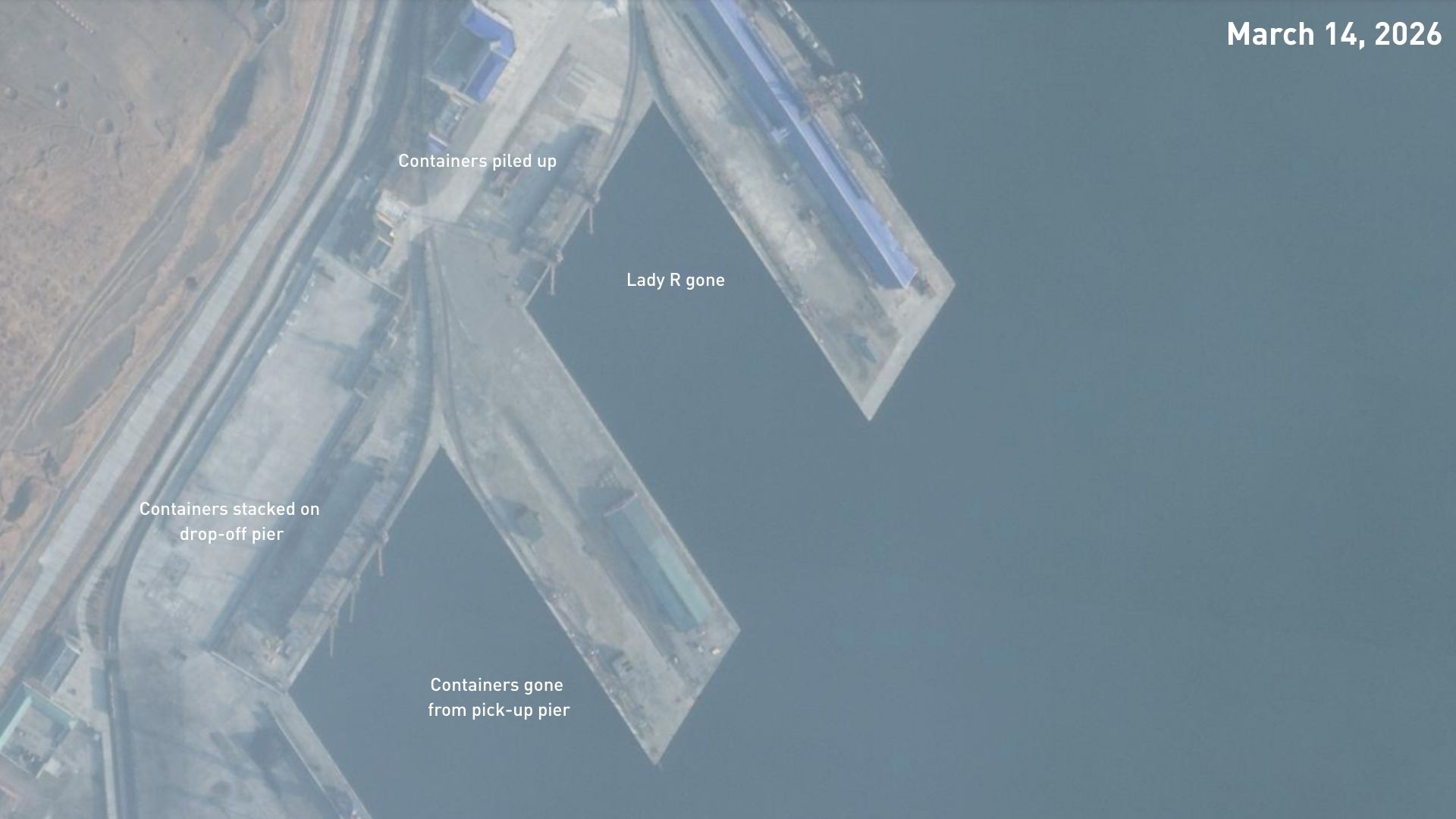
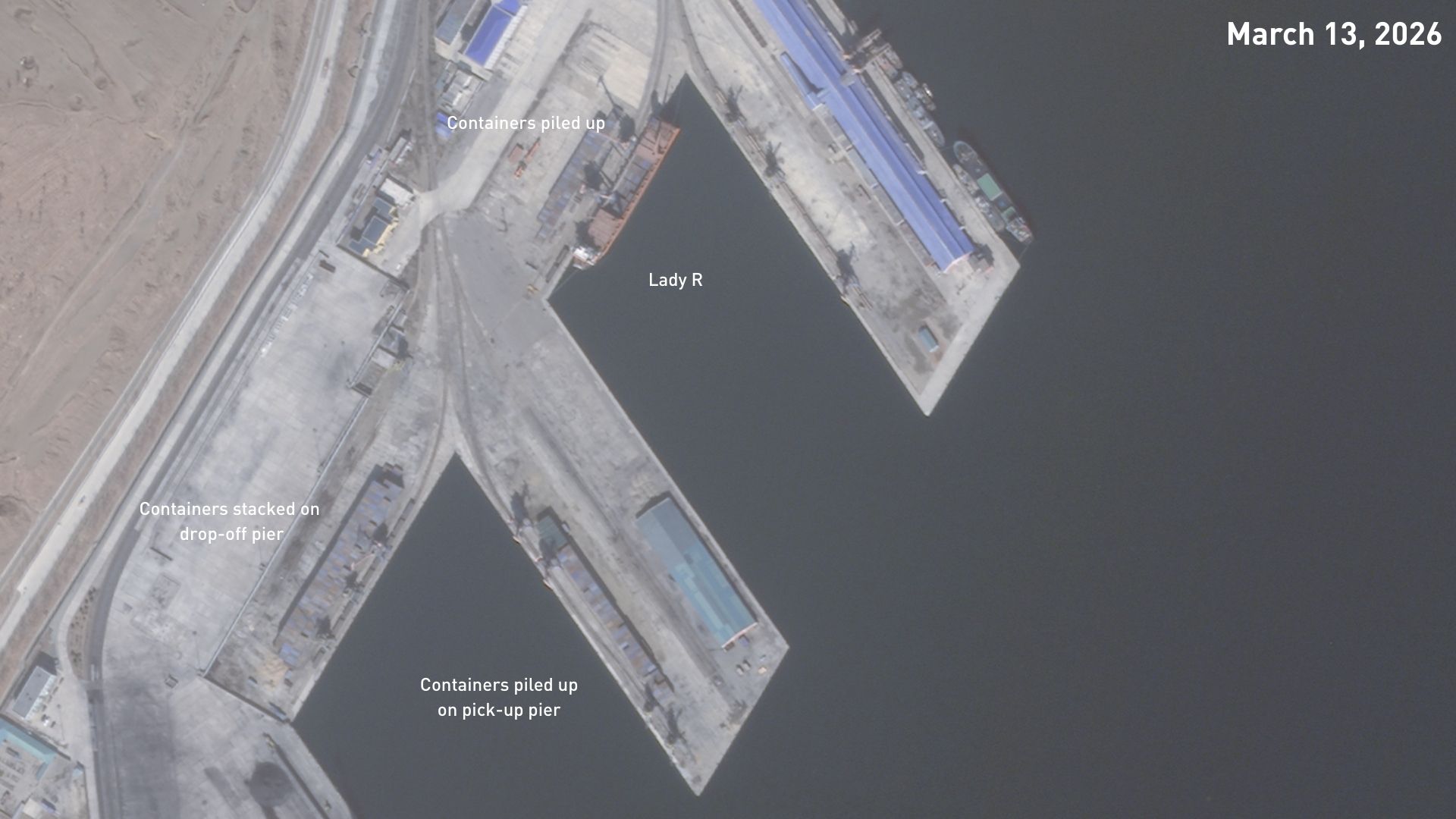
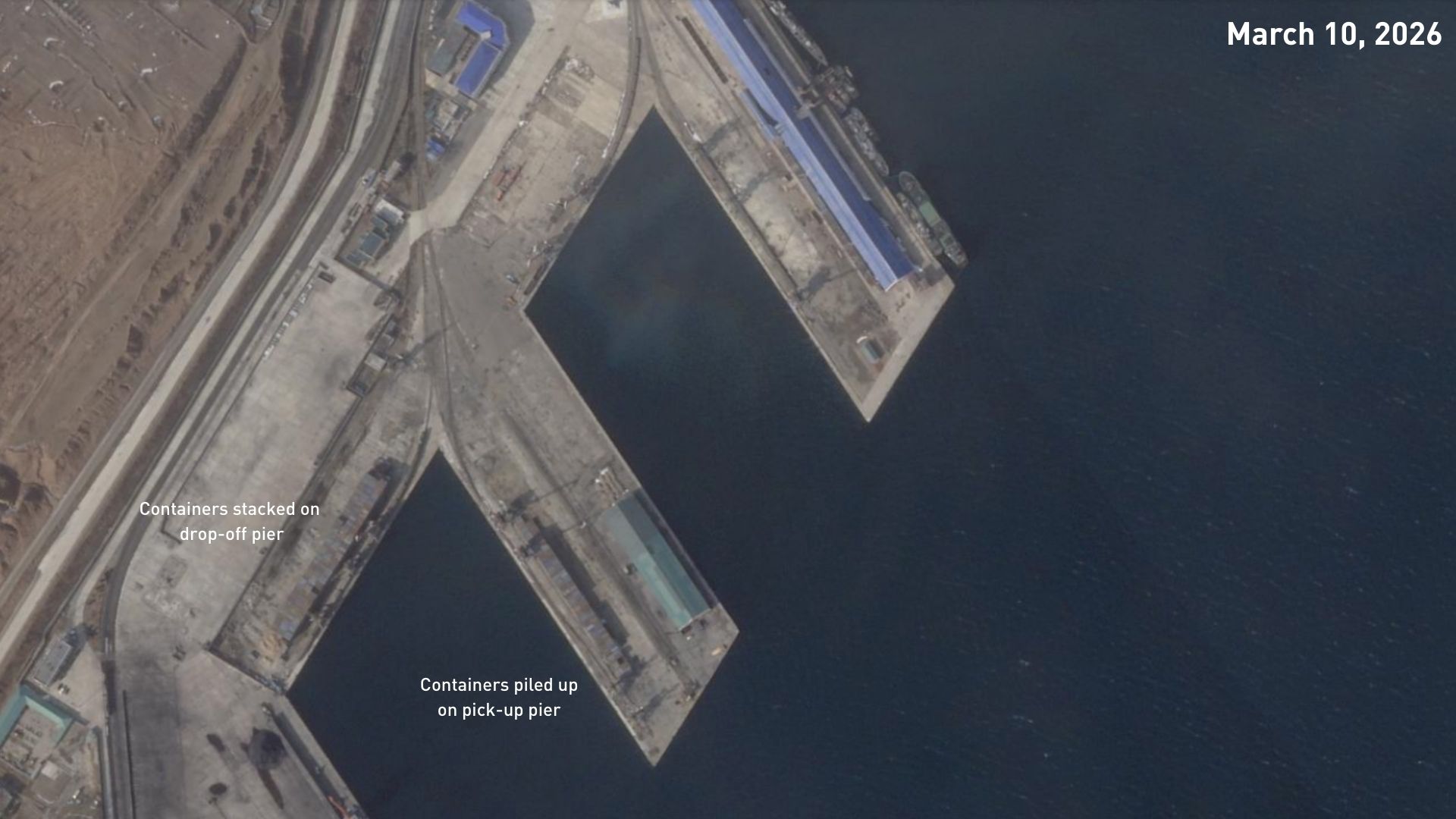
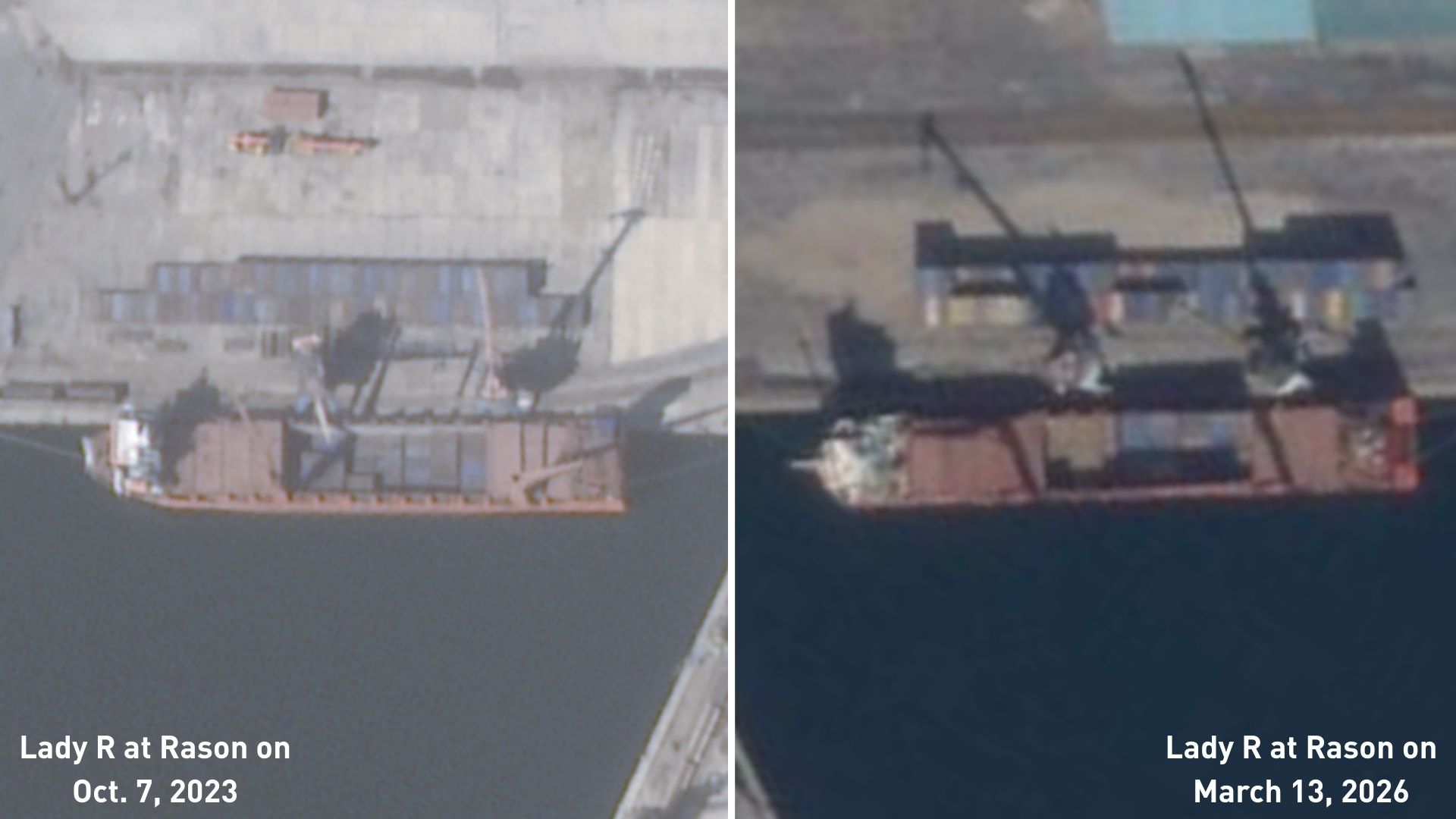
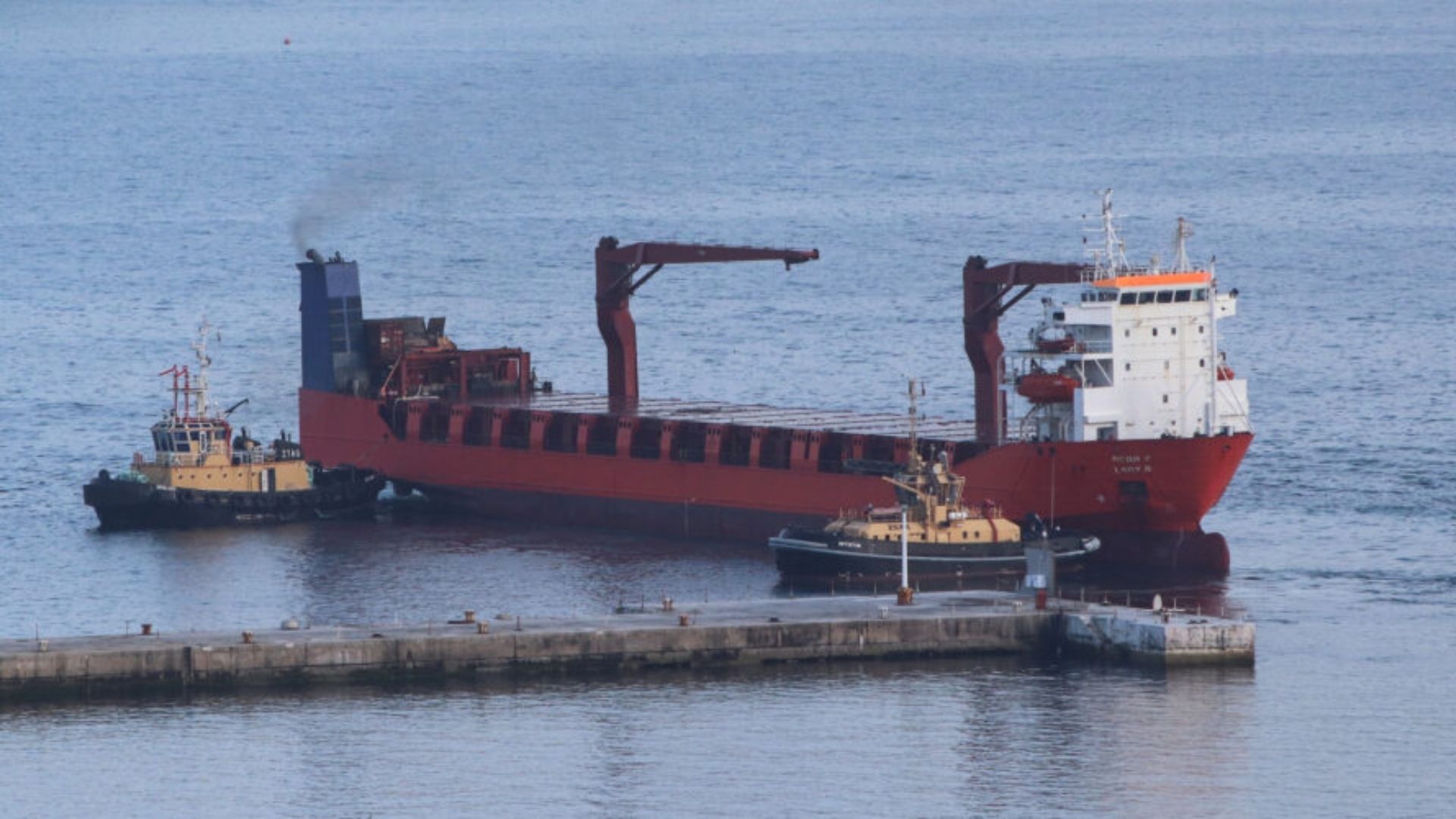
The location is unusual as Russian ships have favored the southern pier since 2023. It is unclear whether the ship was dropping off or picking up containers. The ship’s appearance at the port marks the first observed visit by a vessel linked to the operation since January. According to a new report by the Open Source Center (OSC) and Russian outlet IStories, the four Russian ships connected to the operation have made 112 voyages to Rason since Aug. 2023, delivering 8 million to 11 million artillery shells in some 30,000 containers to Russia. The researchers identified 32 more trips that previously went undetected, using shipping documents and social media posts by crew members. NK Pro previously identified 80 voyages through Dec. 2025. The artillery round count is more conservative than estimates by the ROK’s Defense Intelligence Agency, which have placed the number of shells at 15 million and containers at 33,000. The researchers also found the vessels frequently operated in substandard conditions, while listing Busan as their destination in manifest records while secretly sailing to Rason. The OSC and IStories attributed the recent slowdown in visits to Russia’s diminished need for North Korean artillery after ramping up domestic production. It assessed that the DPRK’s own production constraints may have further limited the trade. North Korea has emerged as Russia’s key ally in its war against Ukraine, at one point covering up to 50% of Moscow’s artillery needs. The DPRK has supplied shells of various calibers like 122mm, 152mm and even 100mm rounds used in vintage Soviet-era T-54 and T-55 tanks. Edited by David Choi © Korea Risk Group. All rights reserved. |


 SHARE
SHARE COPY LINK
 X
X MASTODON


Recent Stories