
  News North Korea’s official oil imports hit zero in May amid COVID-19 outbreakBut imagery tells different story, as expert says Nampho has received at least 30 oil deliveries from China this year  North Korea’s official oil imports slowed considerably between April and June, newly released U.N. data shows, as the country clamped down on foreign trade to quash the spread of COVID-19 within its borders. But the official figures appear to clash with available satellite imagery showing likely oil deliveries, in a sign the country continued clandestine imports of the U.N.-sanctioned commodity. According to figures that Beijing submitted to the U.N., China exported no refined oil to North Korea in May and just 3,460 barrels in June. On paper, the latest imports mean the DPRK has imported just 44,200 of the U.N.-set 500,000 barrel cap. At first glance, zero fuel imports in May makes sense: In the early part of the month, Pyongyang acknowledged the first known outbreak of COVID-19 within its borders, leading to sharp reduction of trade with China. But previous NK Pro analysis of satellite imagery from the same period identified at least three ships docked next to known oil terminals in May, suggesting some deliveries took place despite Chinese figures and Pyongyang’s heavy-handed epidemic measures. 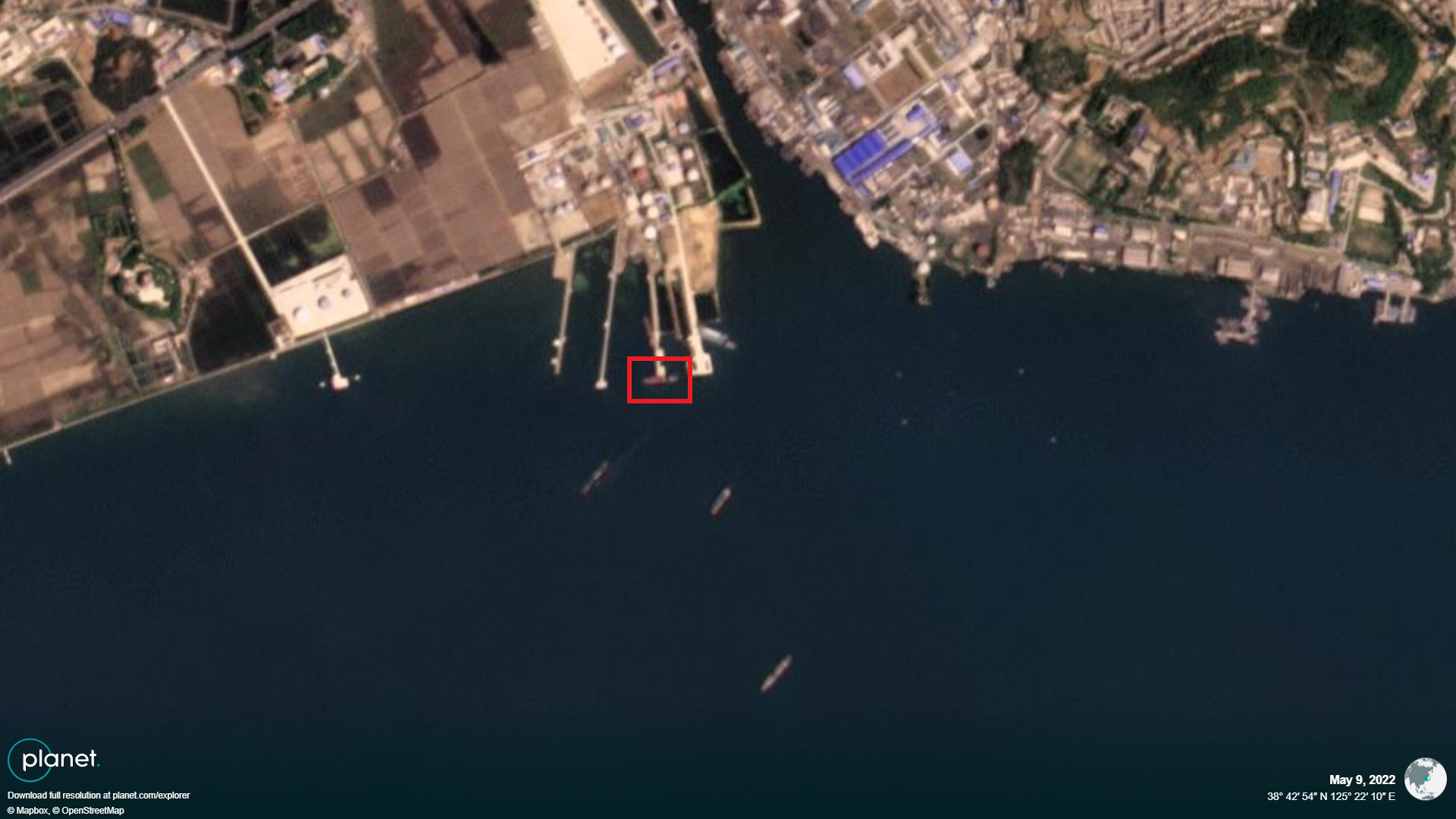 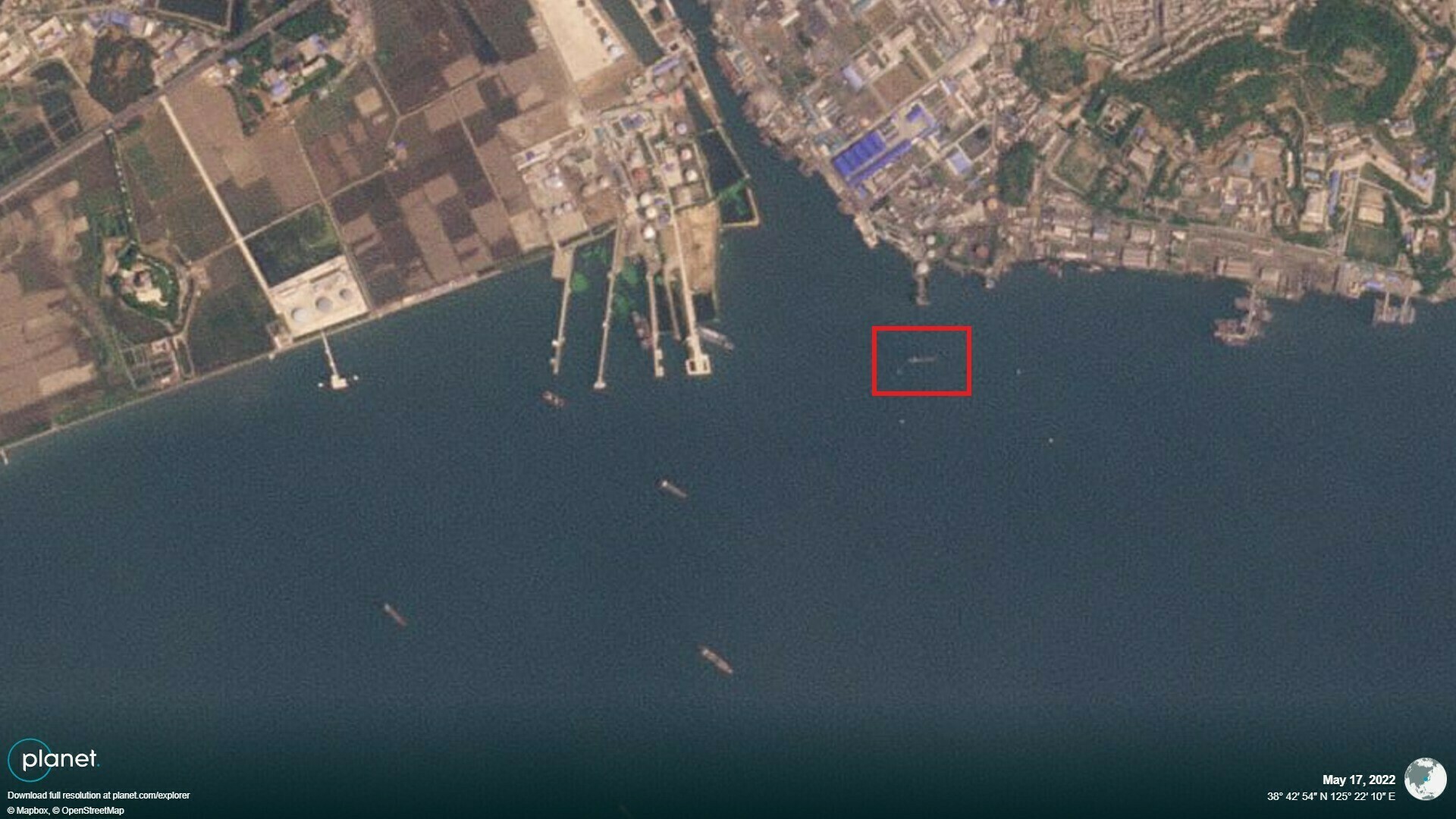 Moreover, limited satellite imagery due to poor weather raises the possibility that the true number of deliveries was higher than what’s observable from space. While it’s possible other states exported oil to North Korea in May, China is the only country to report oil exports to the DPRK so far this year. U.N. sanctions require all countries to report refined oil exports to North Korea. “North Korea has continued to import oil in significant quantities over the course of the year, with at least 30 deliveries to oil facilities in Nampho alone,” said James Byrne, a researcher with the Royal United Services Institute who keeps tabs on North Korea’s illicit fuel trade. “While the procurement chains are now more fragile because of international pressure, these deliveries show Pyongyang is still able to procure oil, even if at a reduced scale.” Sanctions also prohibit the DPRK from exporting coal entirely, though low-resolution satellite imagery shows large cargo ships continue to frequent piers used almost exclusively for loading the fuel. Although the U.N. Security Council originally resolved to tighten fuel import restrictions should Pyongyang test more long-range missiles, the international body failed to do so earlier this year after North Korea launched multiple intercontinental ballistic missiles. Edited by Bryan Betts © Korea Risk Group. All rights reserved. |

October 08, 2026Oct 08, 2026

The ultimate resources for professionals working on North Korea
 SHARE
SHARE COPY LINK
 X
X MASTODON