  Analysis North Korea plans massive train factory as it struggles to produce new designs120-acre facility in Pyongyang likely to become new manufacturing base for trains, trams and subway cars 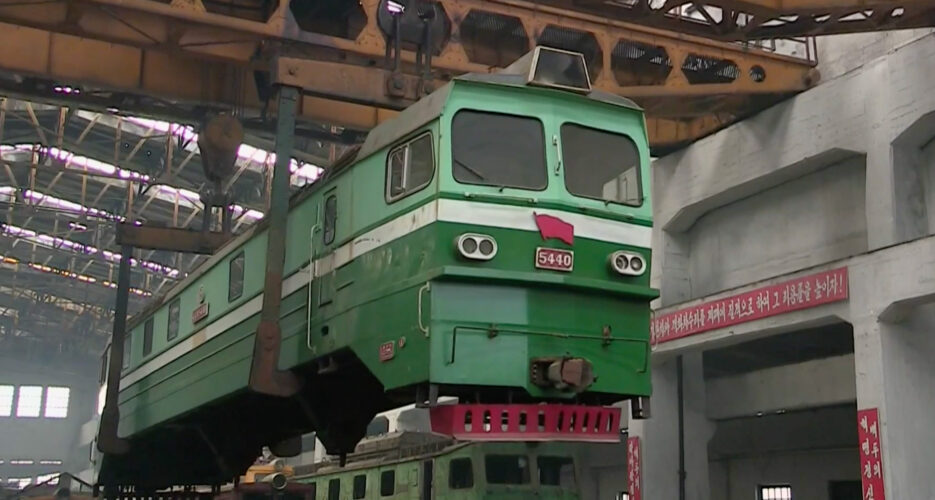 A top North Korean train manufacturer plans to build a massive new factory in Pyongyang, according to NK Pro analysis of state media and satellite imagery, after struggling to produce new train designs for nearly a decade. State TV showed employees of Kim Jong Thae Electric Locomotive Complex briefing top ruling party official Choe Ryong Hae on the plans for the brand new factory complex during his visit Monday to celebrate the May 1 workers’ holiday. A large map and 3D render of the new complex partially appeared in the background of the news segment, but the report did not offer details such as the project’s construction timeline. NK Pro has geolocated the new construction site to an empty field in northern Pyongyang’s Sunan District, around 1.25 miles (2 km) away from the existing factory complex. 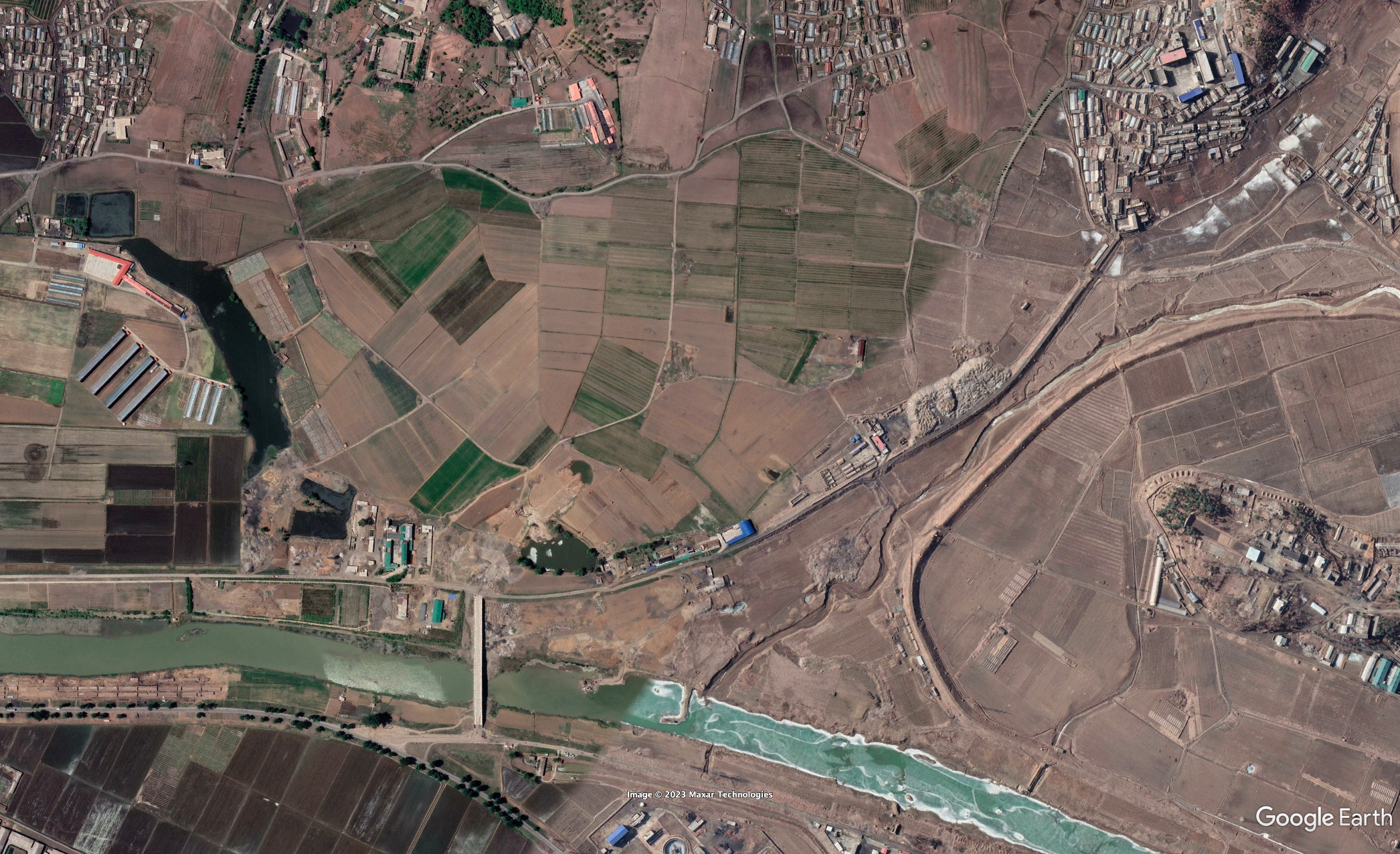 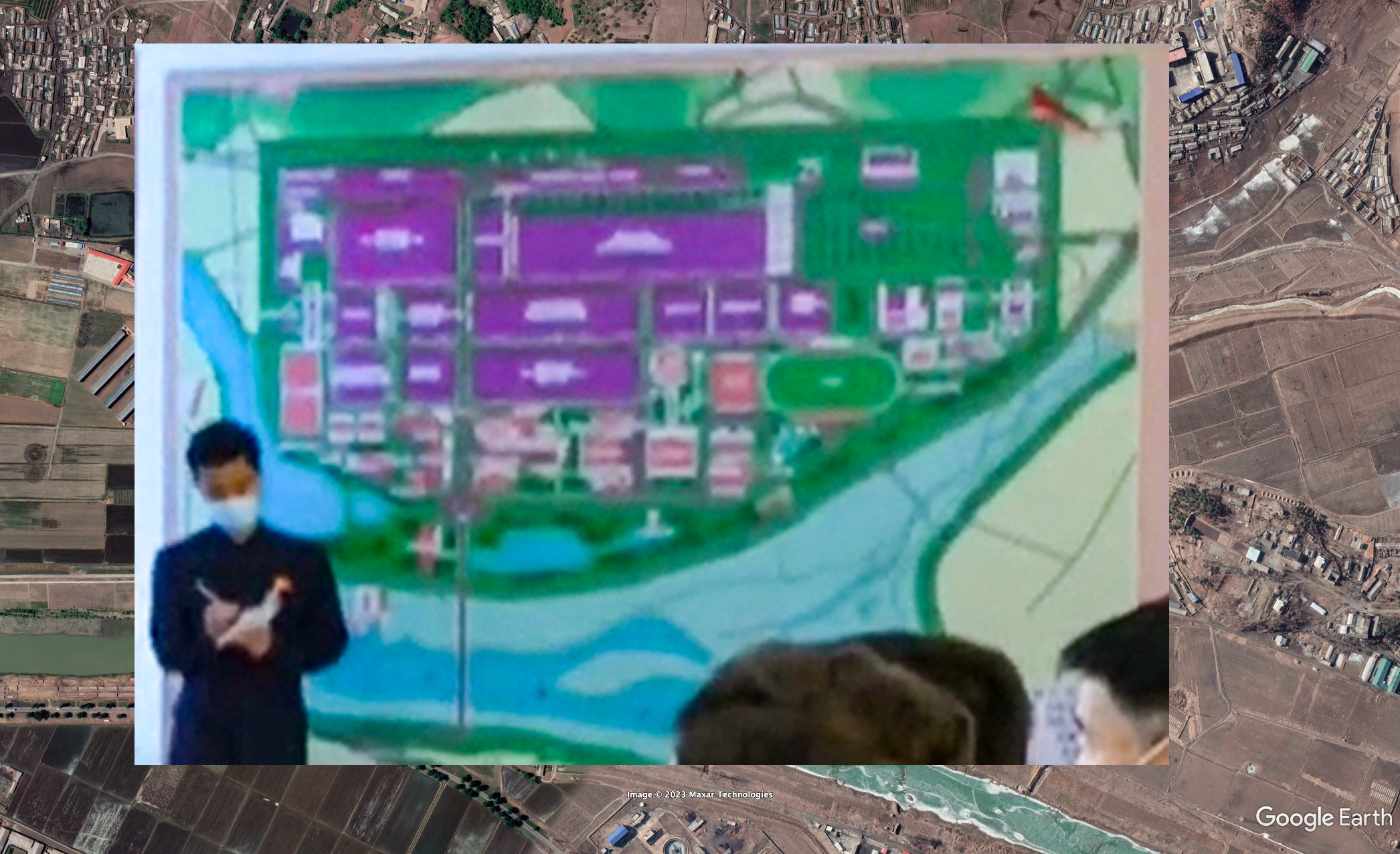 Drag slider to compare satellite image view (left) of the new Kim Jong Thae train factory complex location and a new project blueprint (right). Construction on the bridge at the bottom of the image started in 2018 and finished in 2020. | Coordinates: 39.060606°, 125.698131° | Images: Google Earth (May 2021); KCTV (May 1, 2023); edited by NK Pro 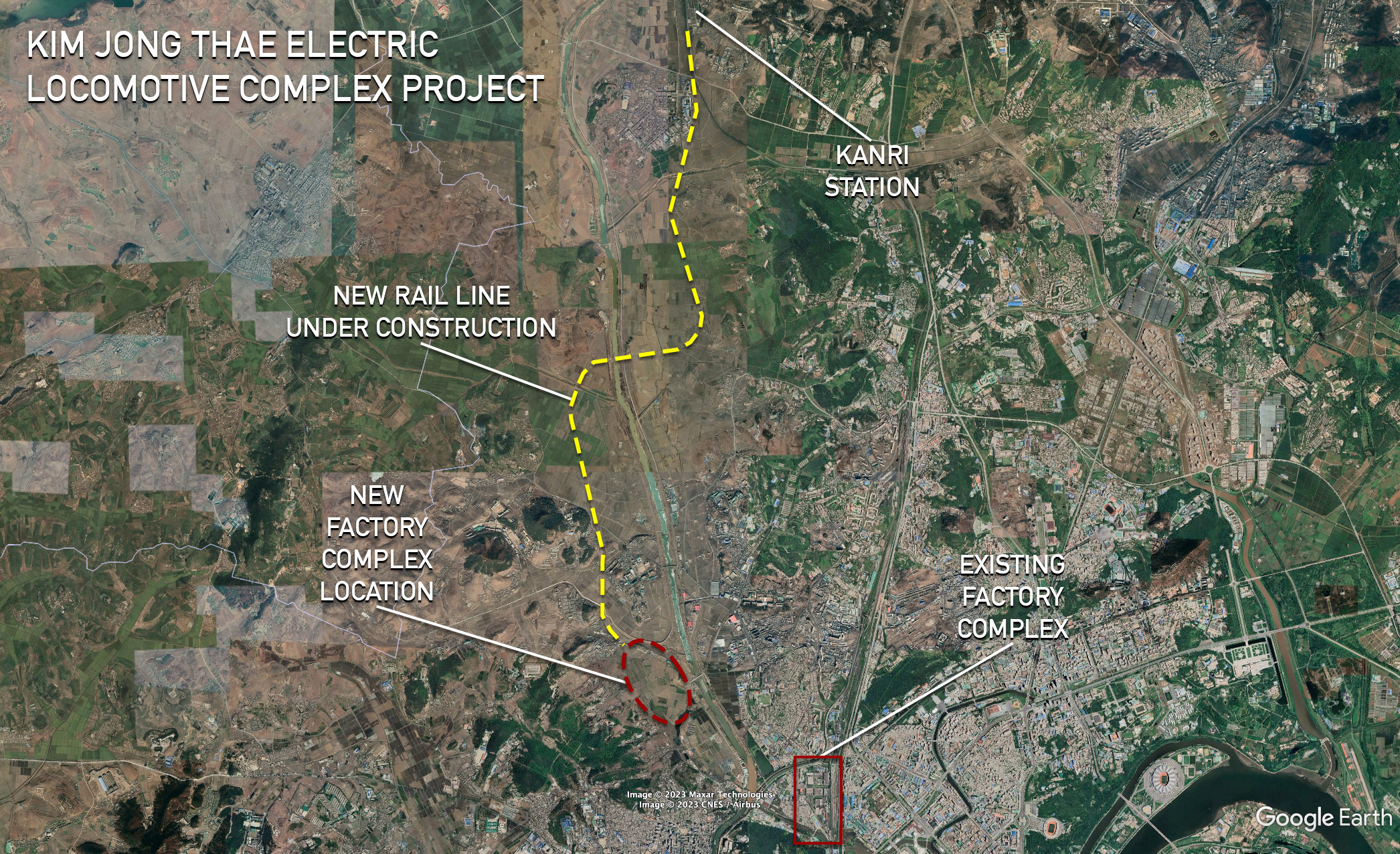 Google Earth and Planet Labs satellite imagery shows that construction on the project began as early as late 2018, when work started on a new road bridge across the Pothong River from the old factory’s Sosong District to the new factory entrance. Workers then started in early 2019 to build a 6.2-mile-long (10 km) rail line heading south from Kanri Station, located between Pyongyang’s Sunan and Sopho areas, to the new construction site. This included building a large rail bridge spanning the Pothong River and four smaller rail bridges between 2019 and late 2021. The latest imagery shows the complete stretch of railway is still not finished. Large-scale construction also does not appear to have started yet on the roughly 120-acre (50-hectare) project site itself, though Planet Labs imagery shows that land-clearing efforts around the perimeter began between Aug. and Sept. 2022. The complex is set to include four large train construction and assembly halls and over a dozen more manufacturing-related buildings, in addition to a gym, sports field, administrative buildings and likely worker dormitories, according to low-resolution shots of the complex building plans aired on Korean Central Television (KCTV). 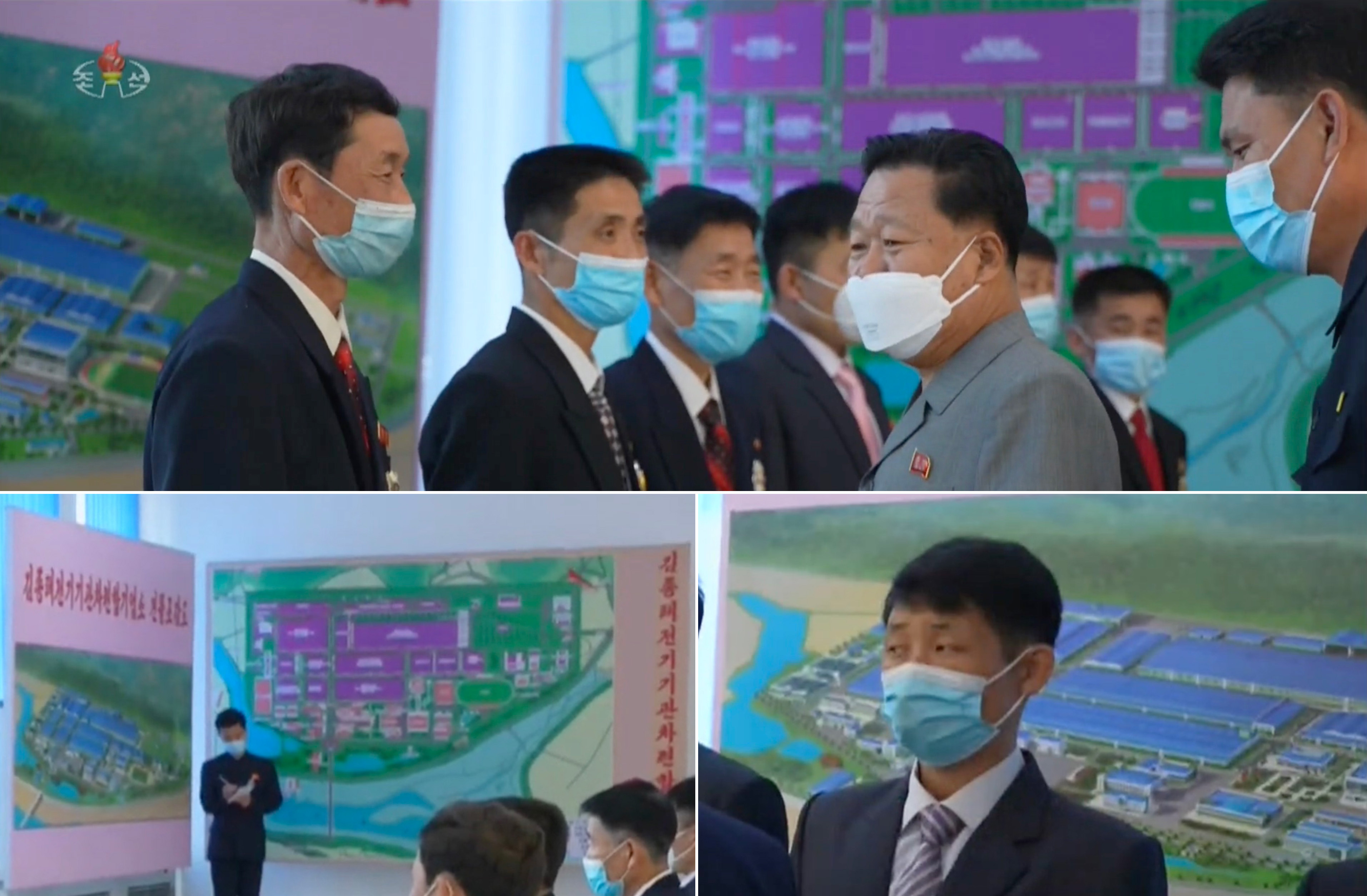 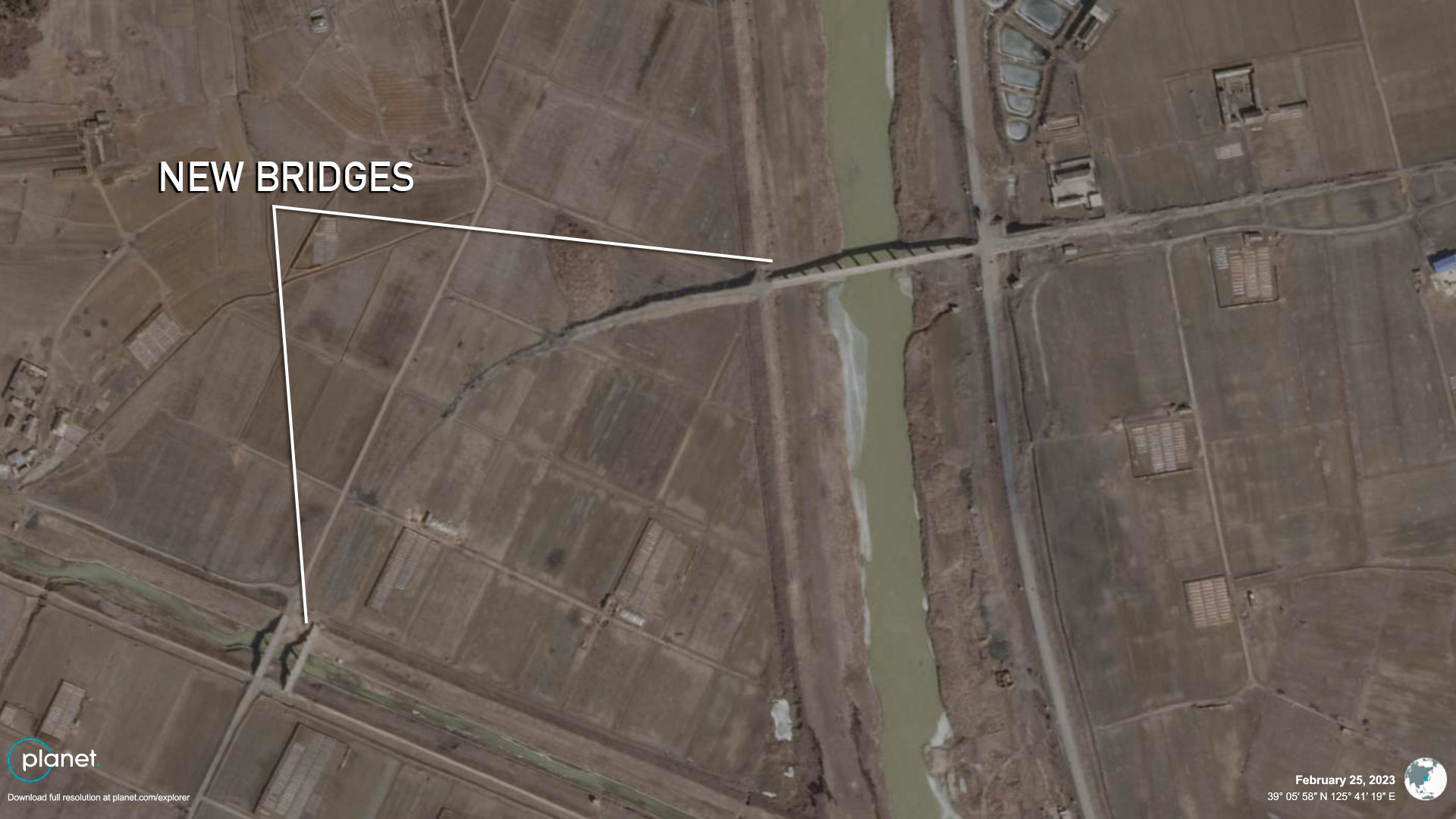 State media has reported that the Kim Jong Thae complex was established in 1945 and has undergone modernization projects numerous times in the last two decades. Google Earth satellite imagery shows it has not changed dramatically since the year 2000. DPRK leader Kim Jong Un last publicly visited the factory in 2015 to guide work on a new metro train design. A few of these cars have since appeared in use in Pyongyang’s limited subway system. The factory also showed off test models for a Wonsan-Kalma beach tourist resort street tram last year and a new electric locomotive model in recent years, while state media said a new funicular system built at the factory was installed at Mount Paektu in 2020. However, the factory has been unable to produce a number of other new metro and passenger train designs that Kim officially approved over the last eight years, likely due to the country’s widespread material and equipment shortages or issues with project direction. Such shortages are likely also behind the lack of significant progress on the Kim Jong Thae factory project in recent years, even though construction appeared to begin prior to the pandemic. The project could accelerate if North Korea continues to roll back pre-pandemic trade restrictions in the near future and evade U.N. sanctions to acquire equipment needed for its construction. 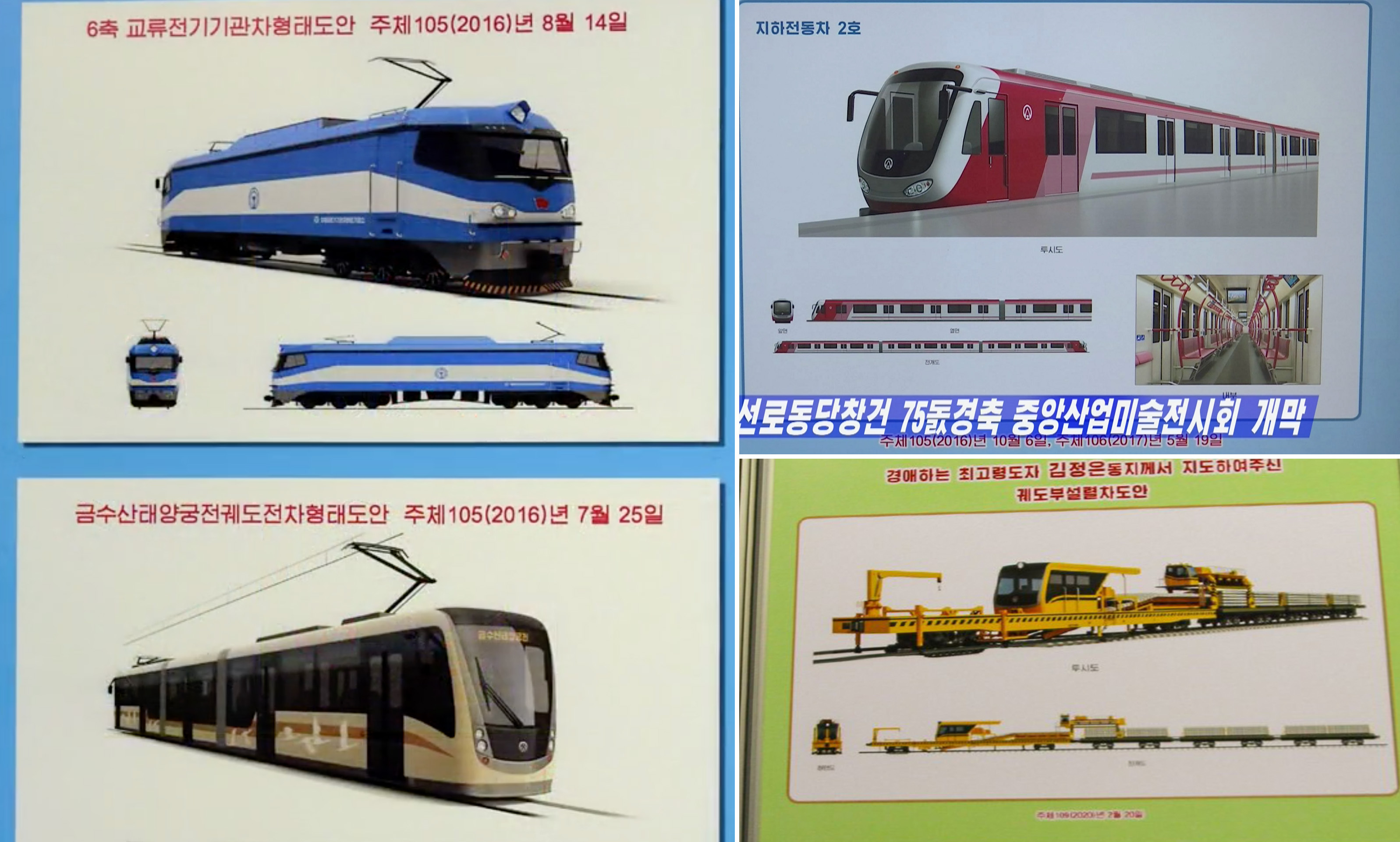 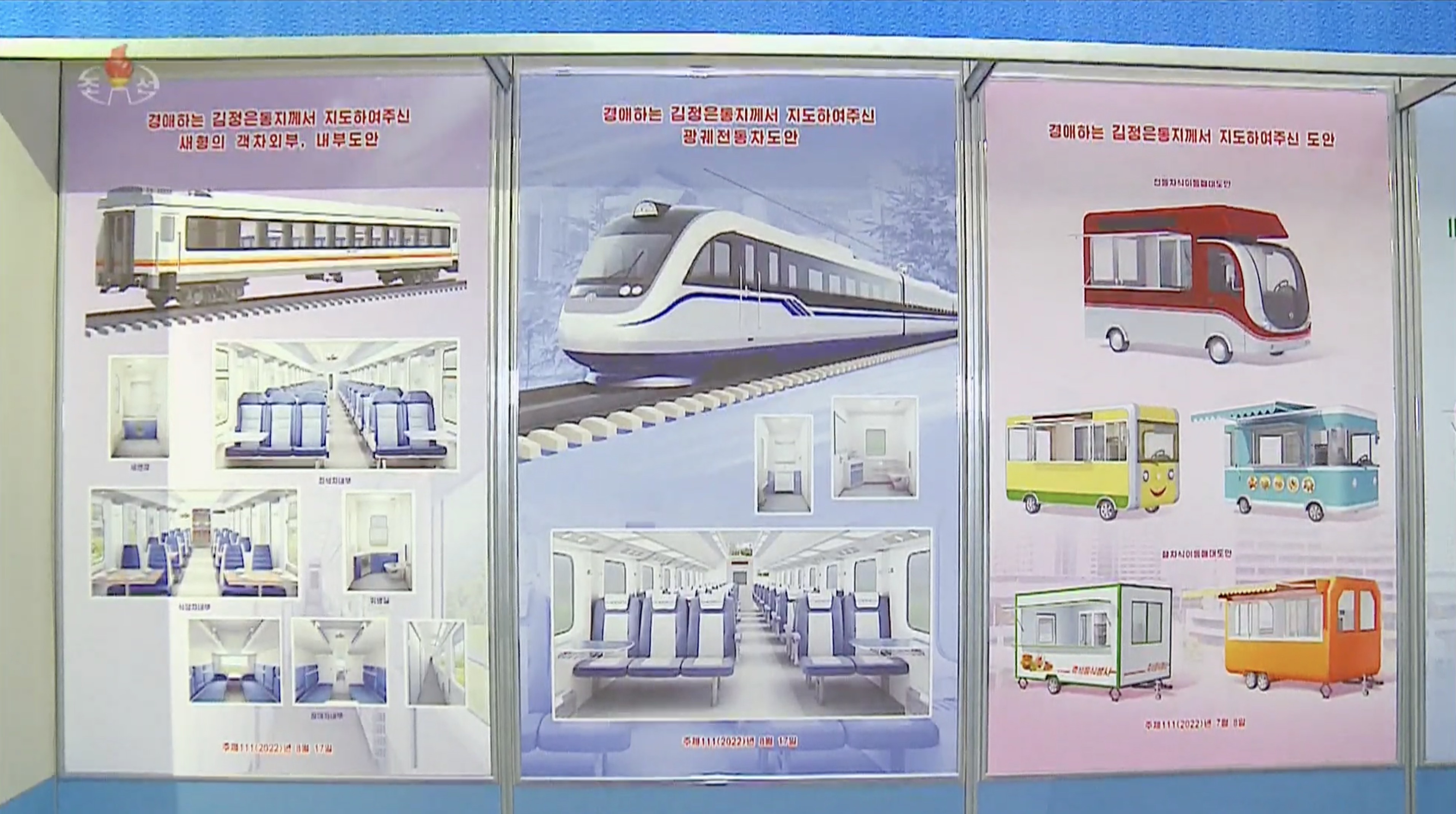 Edited by Bryan Betts © Korea Risk Group. All rights reserved. |

September 30, 2026Sep 30, 2026

The ultimate resources for professionals working on North Korea
 SHARE
SHARE COPY LINK
 X
X MASTODON