  Analysis South Korean outlets censor North Korean satellite images of Seoul areaFear of ROK security laws appears to drive decision to blur photos, even though this impedes accurate domestic analysis 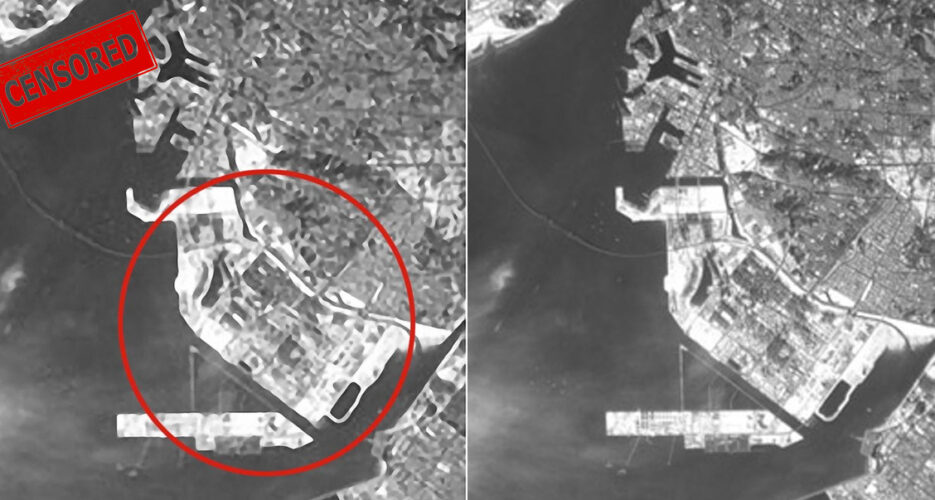 Multiple South Korean media organizations censored purported satellite images of Seoul that North Korea published on Monday, a move that could prevent readers and independent analysts from evaluating Pyongyang’s claims for themselves. DPRK state media released the images of Seoul and Incheon in a report about a test launch for a military reconnaissance satellite the day before, but Yonhap News Agency and other outlets only published pixelated versions of the already low-resolution images, which showed the Yongsan area where South Korea’s presidential office is located. The self-censorship by ROK media appears to stem from fears about violating laws on national security. South Korea’s information and communications act prohibits publishing “content that divulges a secret classified under statutes and regulations or any other State secret.” But in order to assess whether North Korea actually took the photos of Seoul and Incheon on Sunday as claimed, it is first necessary to compare the highest-quality versions of the images published in DPRK state media to ones taken by other providers on the same day, namely Planet Labs and Sentinel-2 imagery. 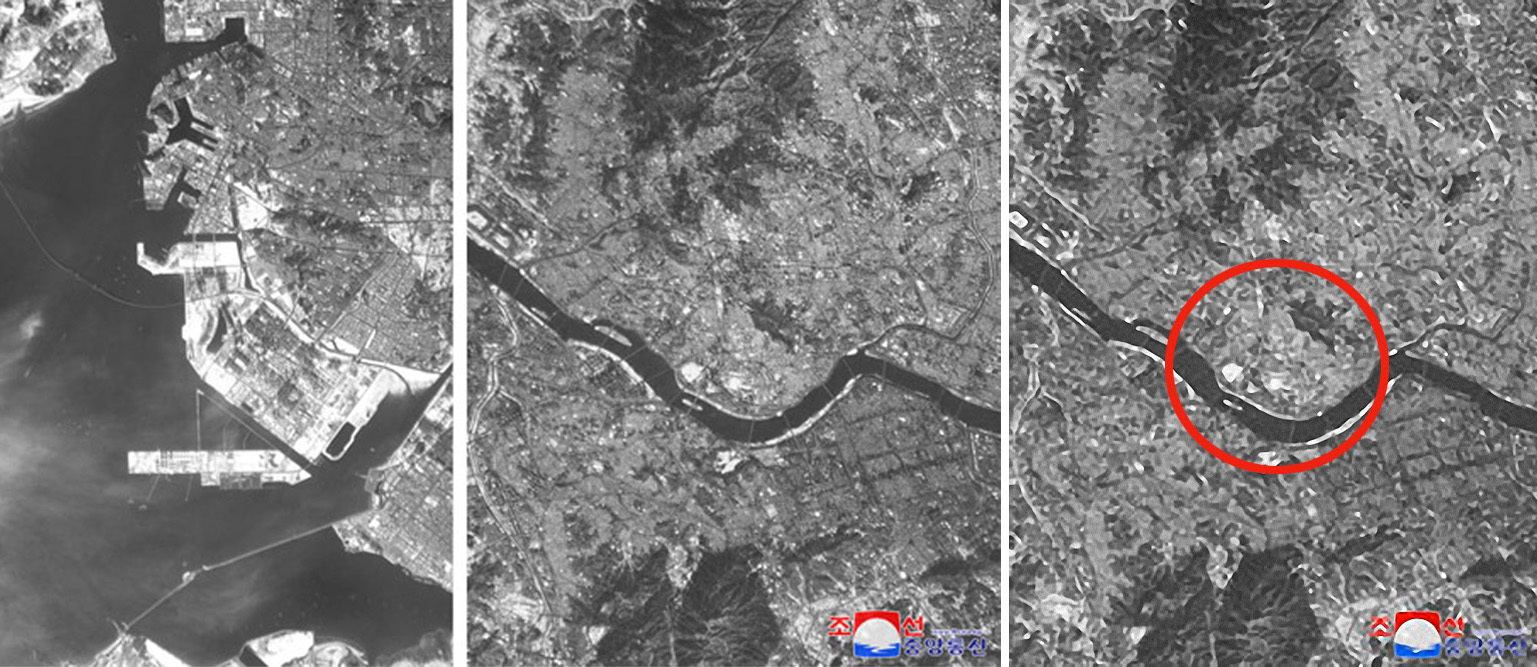 North Korea has already made this difficult by only releasing low-resolution versions of the images themselves — reportedly taken at 20-meter ground resolution, meaning 20 meters per pixel. However, matching patterns of where snow patches appear and the locations of ships in the waters off Incheon suggest the photos may well have been taken on Sunday. It remains unclear whether North Korea took the photos with its test satellite as claimed or utilized access to an existing foreign commercial asset. South Korean law — or at least the way local media interpret it — makes this type of analysis more difficult. 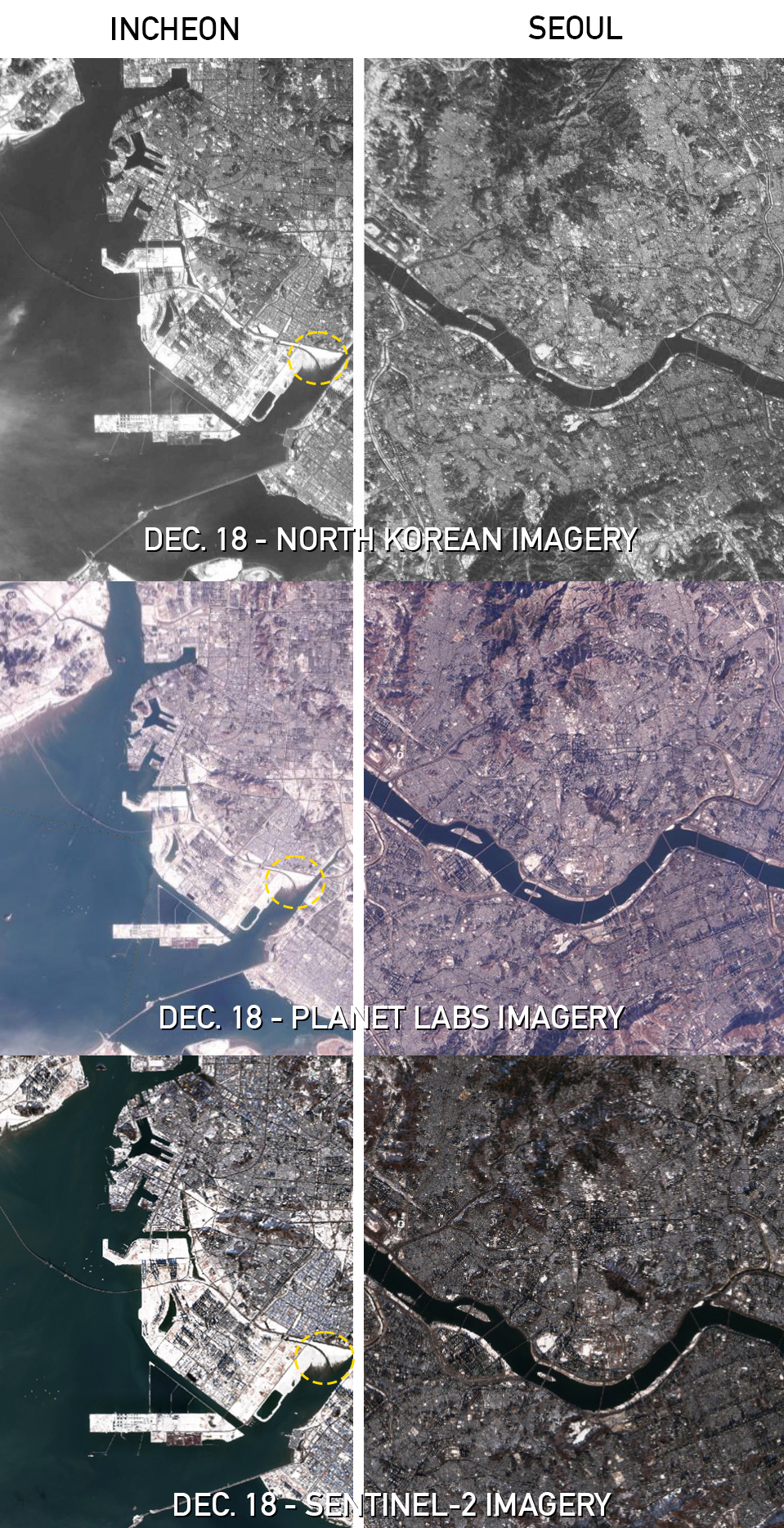 First, South Korean readers can’t rely on popular domestic map services for cross-referencing since they are heavily censored. They are still able to access foreign, uncensored map sites such as Google at any time. In addition to the information act, the National Security Act also prevents South Koreans from freely accessing the websites where North Korean state media published the original photos. Readers’ only legal option is to access original photos via international news outlets such as NK News. South Korean news outlets can access the original photos as well under media exemptions and can report their analysis through text descriptions, but readers cannot check their work when ROK media censor the images. This could become a larger issue going forward: North Korea has set its sights on launching a military reconnaissance satellite next year, and when it does, it could begin publishing higher-quality images of South Korean and U.S. military assets on the peninsula. 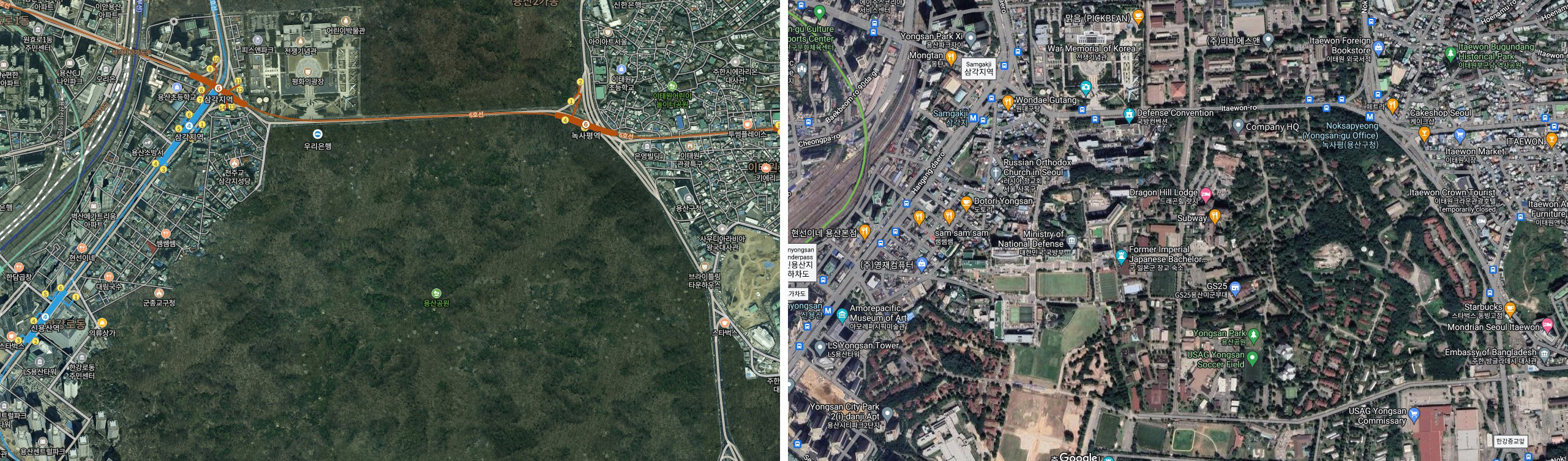 While some ROK news outlets didn’t blur the satellite image North Korea released Monday — where it’s difficult to make out any specific buildings — they could change tack if the DPRK releases higher-quality images in order to abide by relevant laws. Including visual comparisons with detailed descriptions to help the reader follow analysis is now standard in satellite imagery reporting, but this will not be possible in the ROK media sphere if North Korea decides to start making accusations based on visual evidence. This limits readers’ ability to assess evidence and make up their own minds about claims made by the North and South Korean governments, who are technically still at war and thus are incentivized to to make questionable or exaggerated claims about the other side. For now, it’s unclear whether South Korean readers are even aware of their lack of access to the full story: No major ROK news outlet disclosed their own blurring of the North’s satellite images in coverage as of Monday afternoon, disposing readers to believe the images are of worse quality than they actually are. Edited by Bryan Betts © Korea Risk Group. All rights reserved. |

October 25, 2026Oct 25, 2026

The ultimate resources for professionals working on North Korea
 SHARE
SHARE COPY LINK
 X
X MASTODON