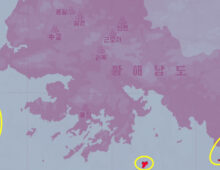
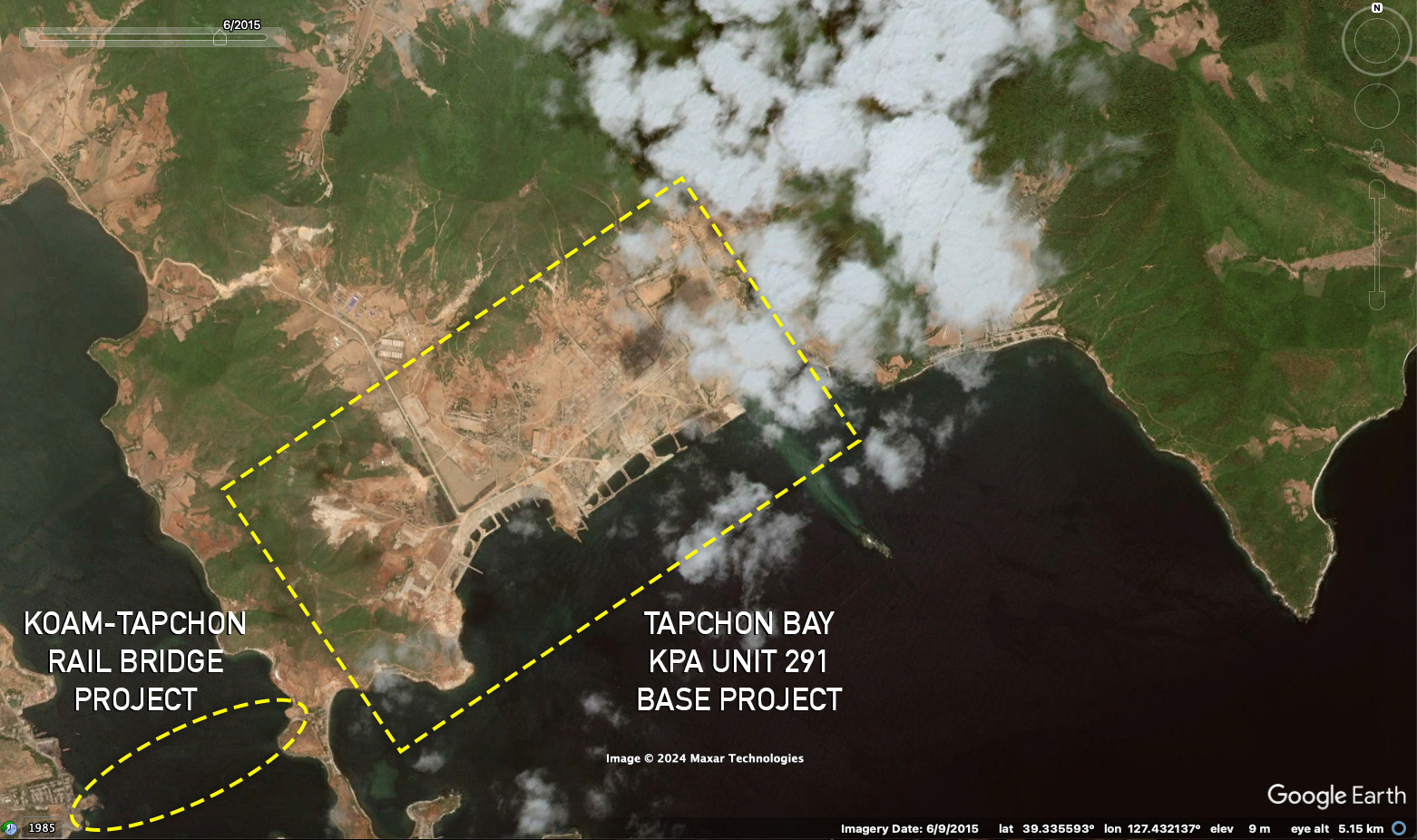
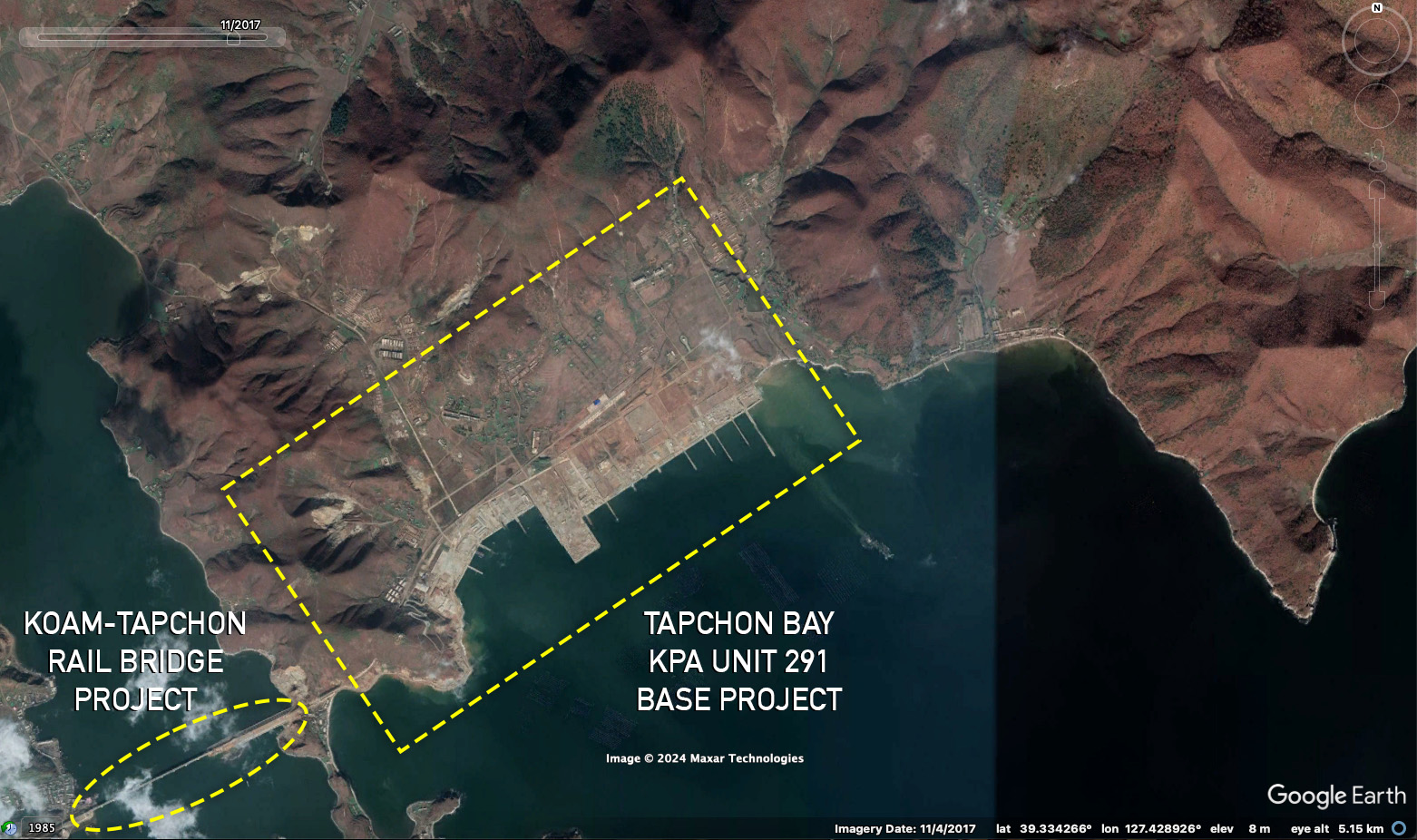
  Analysis North Korea’s ‘urgent’ new naval base project actually faced decade of delaysRevival of construction on largest naval base on east coast underscores push to revamp navy and deploy new warships 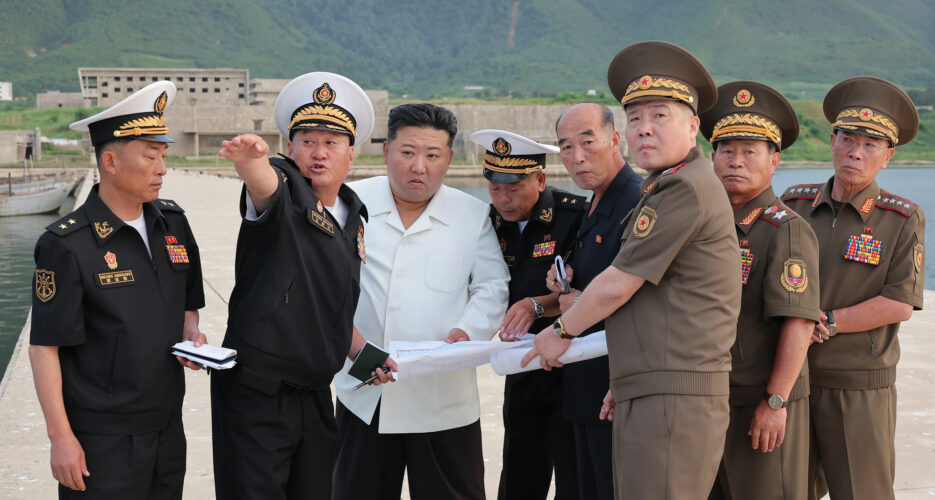 The “urgent” naval base construction project North Korean leader Kim Jong Un inspected in recent days actually started a decade ago and has suffered long delays, according to NK Pro analysis. The leader’s renewed focus on the east coast project, however, suggests the DPRK state finally has the funds and resources to prioritize the construction as part of Kim’s ongoing push to revamp the navy and deploy more ballistic missile submarines and advanced warships. NK Pro has also identified key details about Kim’s visits to an important artillery academy and military factories reported in state media on Sunday, including names and locations of several facilities not included in official coverage. NAVAL BASE The navy base project Kim visited on an undisclosed date is located at Tapchon Bay in Munchon City on the east coast, just north of Wonsan, according to NK Pro analysis of state media photos and satellite imagery. Kim Jong Un previously visited the site in 2013, when existing facilities belonged to the Korean People’s Army (KPA) Navy Unit 291 and before construction on the large new base commenced in 2014. Workers partially built new port infrastructure and docks for large ships by 2017, as well as a large new rail bridge to improve access to the base, but then the project slowed and only minor work on new buildings has appeared sporadically since 2018. 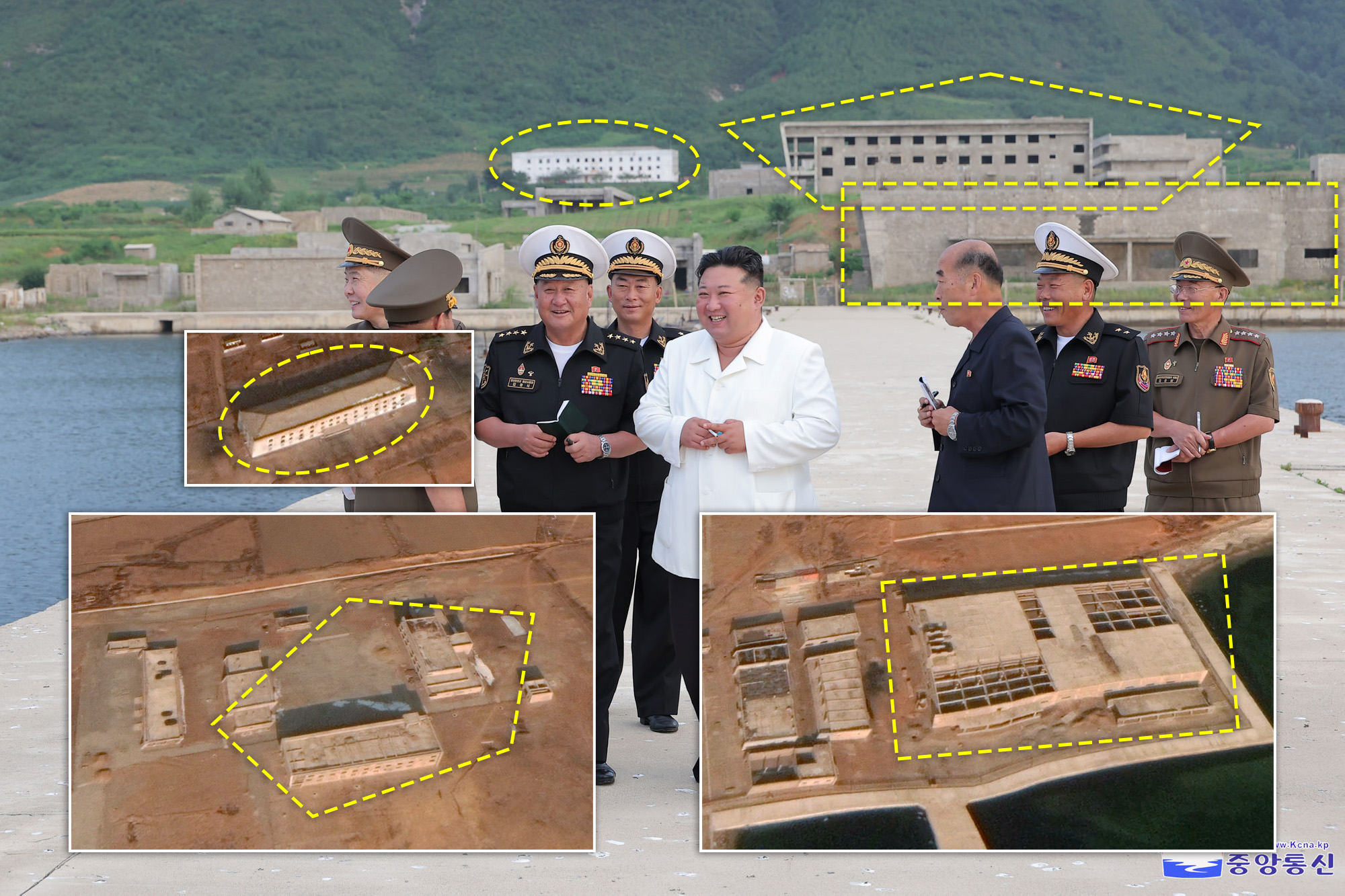 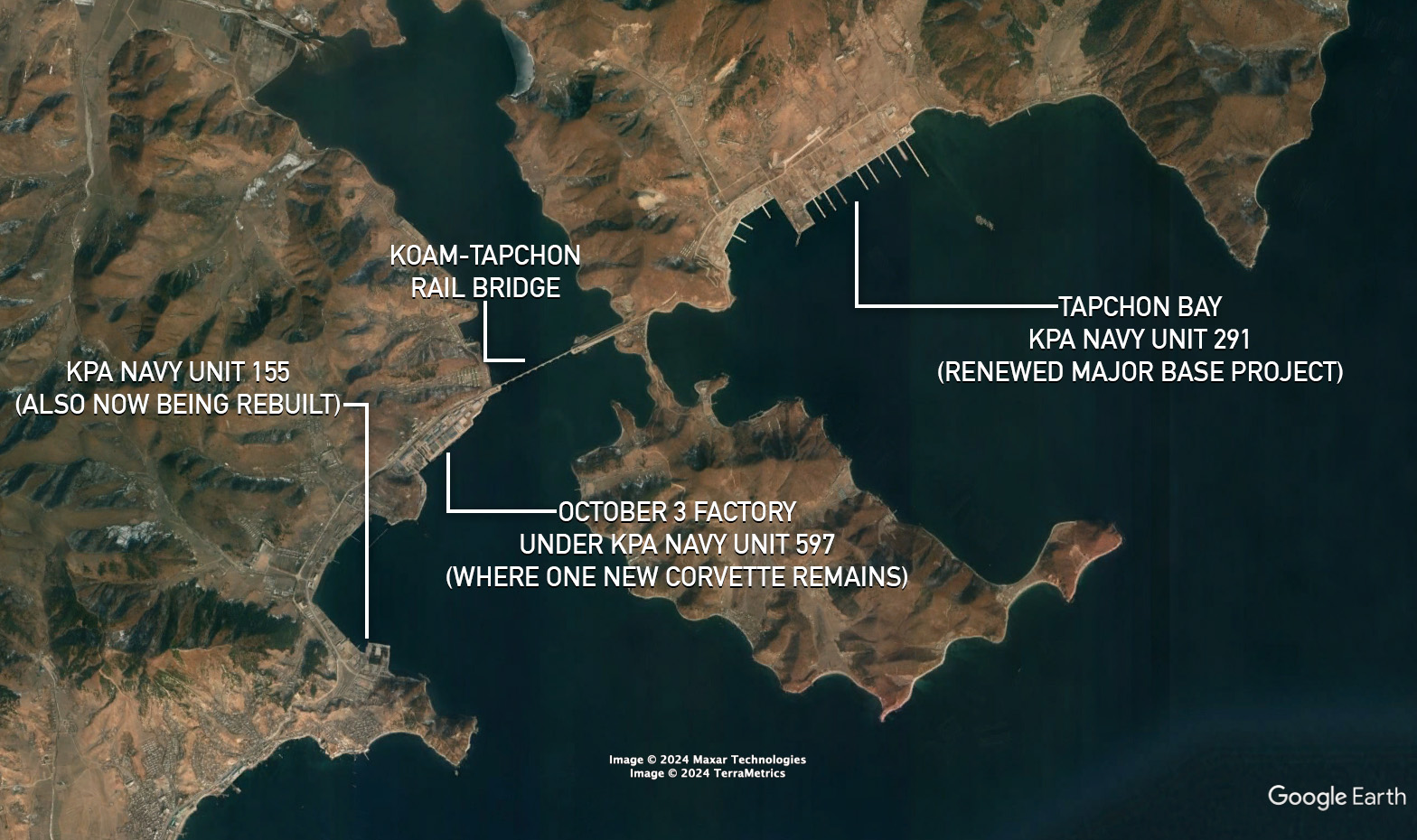 The likely high cost of the Koam-Tapchon bridge project and large size of the base — with at least 10 piers, six slipways and space for dozens of buildings and entire villages on the adjacent mountainside — suggests Kim intended to significantly upgrade the navy a decade ago. The delays in doing so point to funding and resource shortages as he prioritized the development of nuclear missiles. Now, Kim appears to have secured new funding avenues, possibly due to increasing missile sales to Russia, as he renews his push for a naval revival that will make the navy a key player in his nuclear attack contingencies. The Korean Central News Agency (KCNA) reported Sunday that Kim wants to “build a modern and multifunctional naval base” in the bay, believing in the “geopolitical advantage of the site … as a strategic vantage point” that will help in “evolving the naval forces into a strong military organization that can respond quickly to the regional security environment.” This suggests Kim intends to more actively patrol the strategically important East Sea (Sea of Japan) and challenge Japanese, South Korean and U.S. military activities in the area. The DPRK navy has already deployed one of its new warships near the South Korean border on the east coast — a 77-meter corvette that Pyongyang says can be equipped with nuclear-armed long-range cruise missiles. Kim could also follow through with an Aug. 2023 promise to “constantly deploy a ship loaded with new-type anti-aircraft missiles” off the east coast in order to back up threats to shoot down U.S. spy planes. North Korea appears to have mostly finished work on four of the new corvettes as well as its largest ballistic missile submarine, while a project to build the country’s first nuclear-powered submarine is reportedly underway. 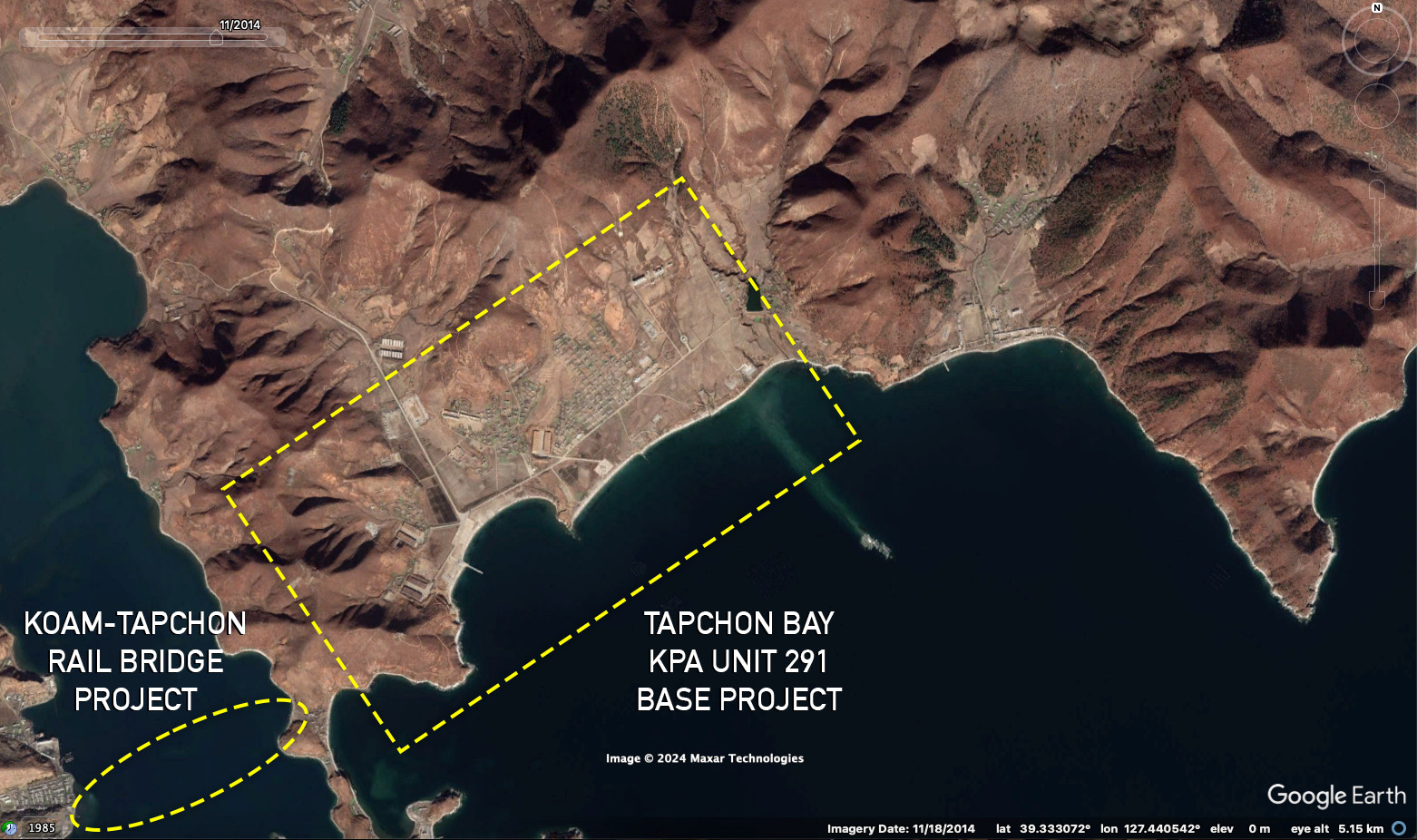

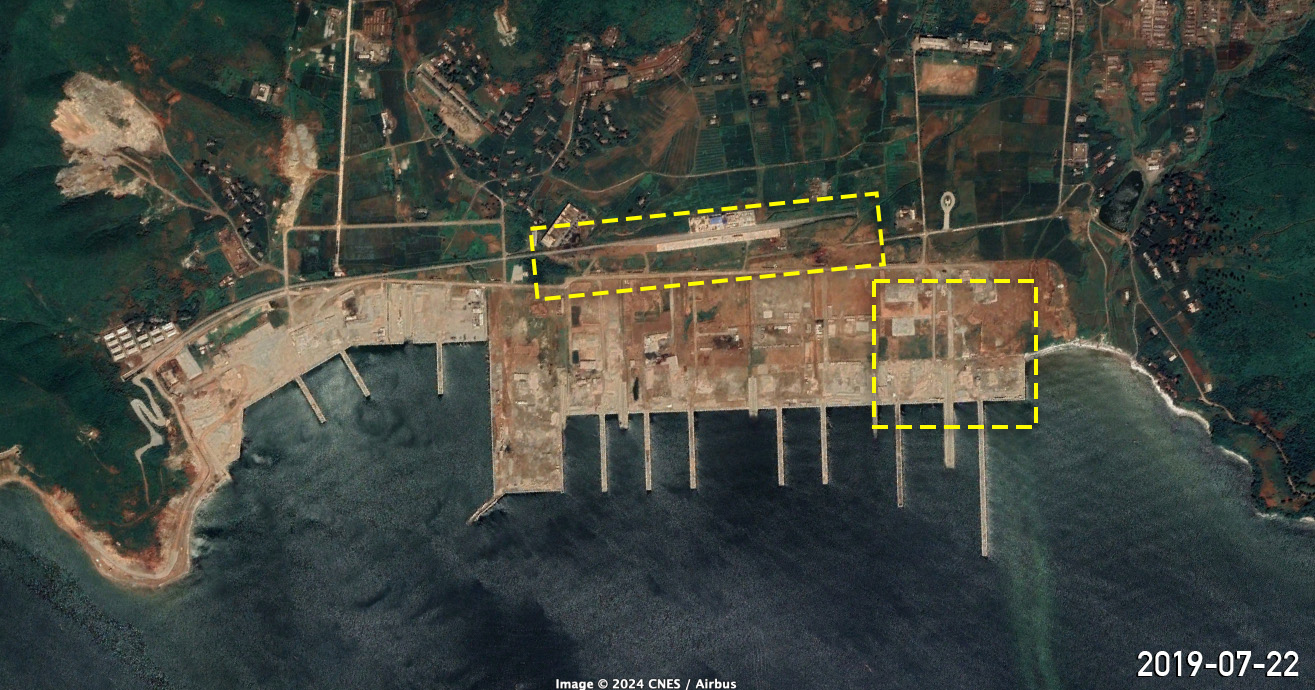
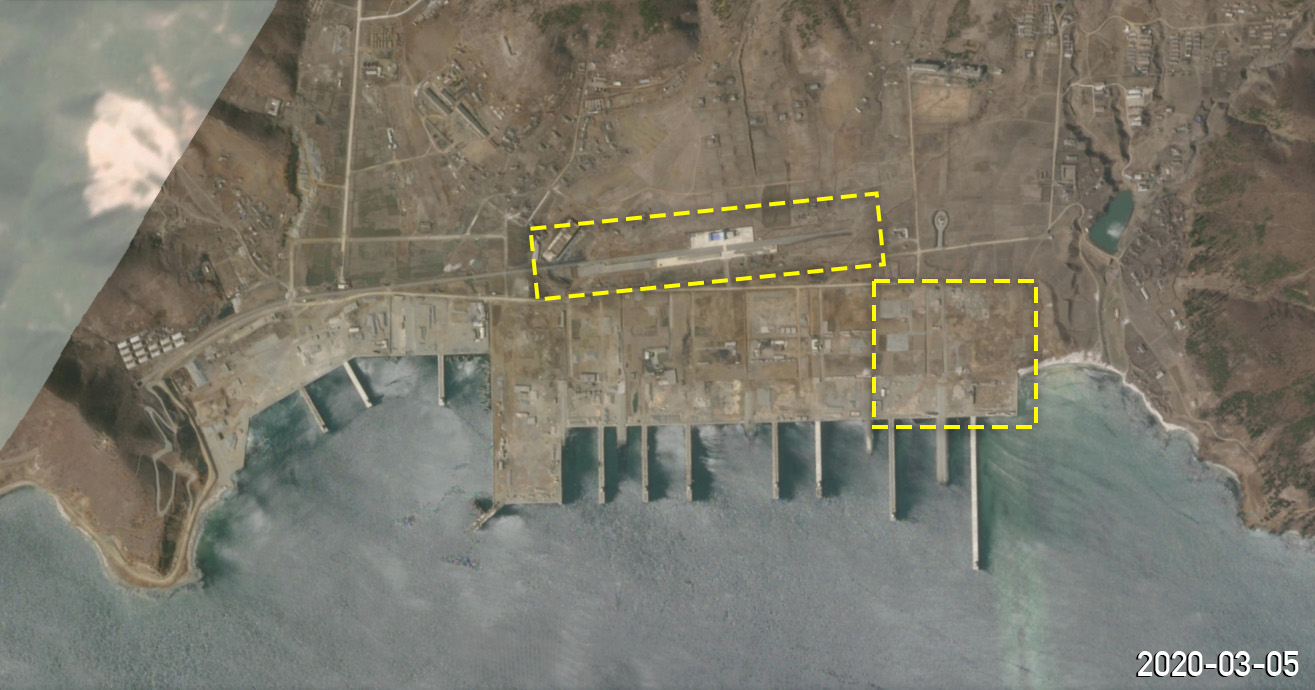
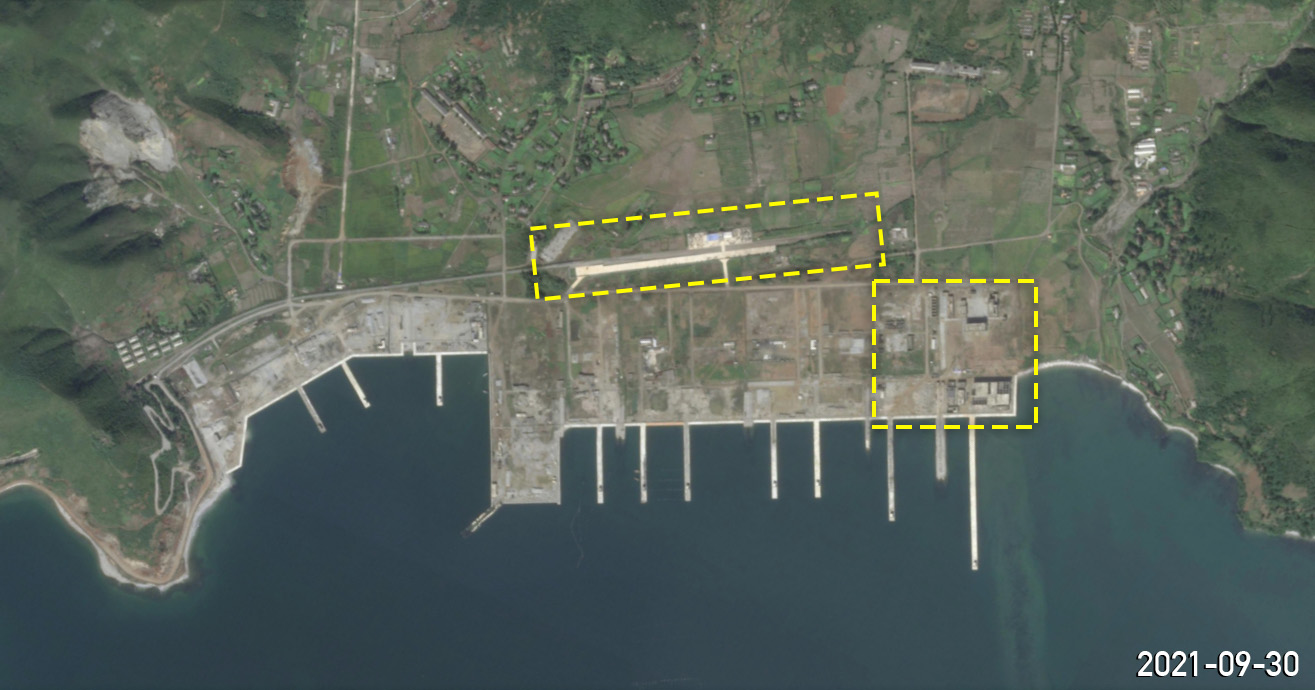
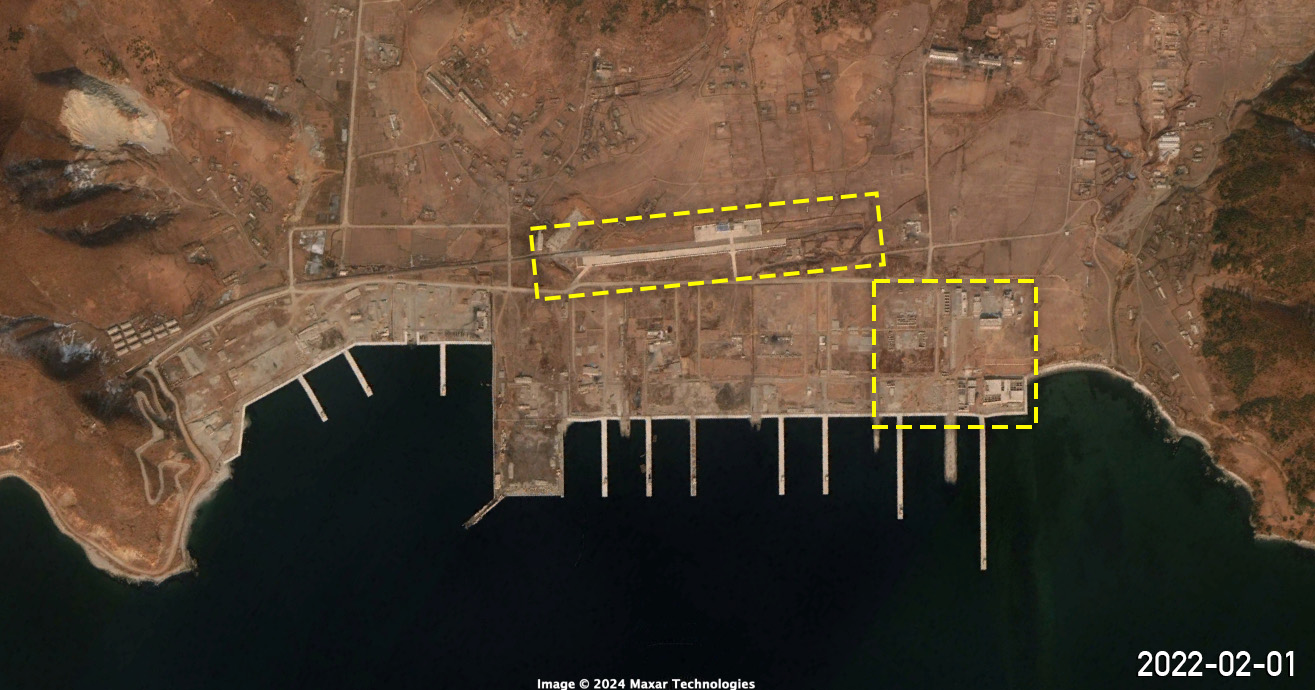
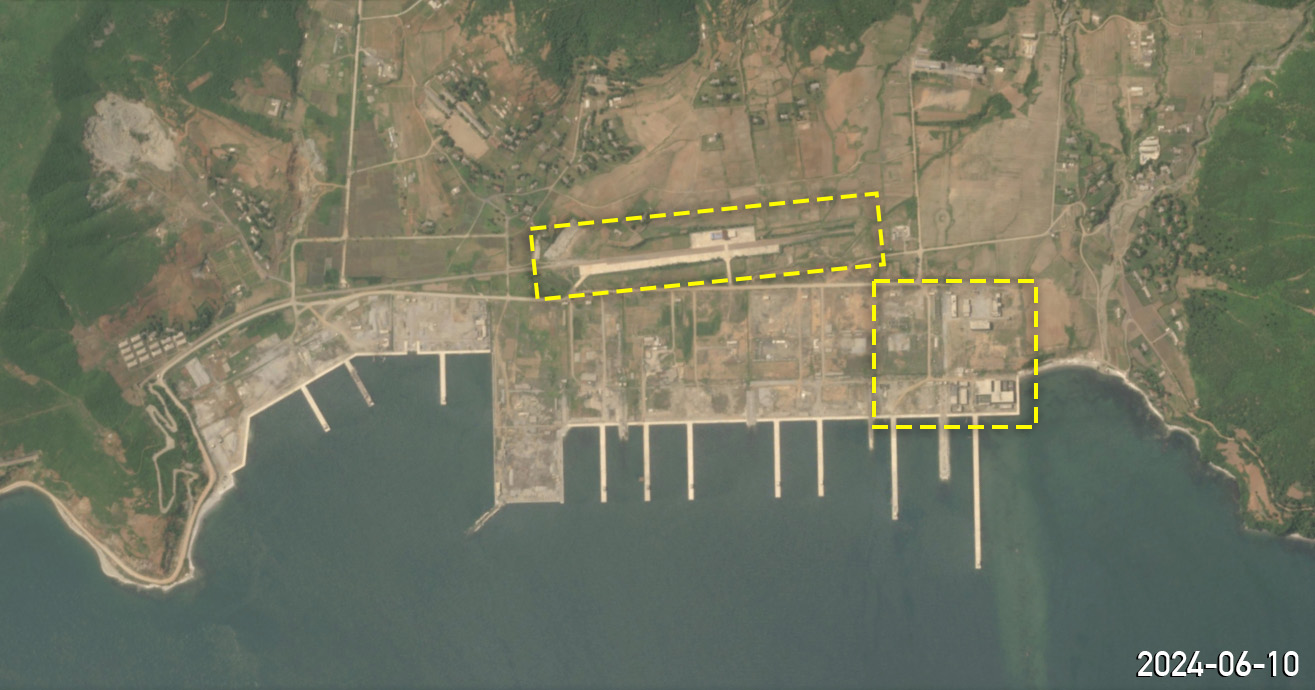
 “Now that we are soon to possess large surface warships and submarines which can not be anchored by the existing facilities for mooring warships, the construction of a naval base for running the latest large warships has become a pressing task,” Kim reportedly added during his visit to Tapchon Bay. The project will also involve building “a modern port city as a symbol of the naval force of the DPRK and a center of the naval operational command.” Planet Labs satellite imagery shows the project remained dormant ahead of his visit, though activity is likely to pick up in the coming weeks. Construction crews have already been busy rebuilding the KPA Navy Unit 155 naval base nearby since May, the location where Kim inspected one of the new corvettes in Aug. 2023. SHIPYARD VISIT KCNA reported that Kim Jong Un also inspected “various production lines” and “learned in detail about the recent modernization of the shipbuilding process” at an unnamed shipyard on an undisclosed date. State media published just one photo of the visit, depicting Kim and managers with their faces blurred out walking past a large ship under construction, but only showing a glimpse of the side of its hull. It may have been taken outdoors as puddles appear on the ground. 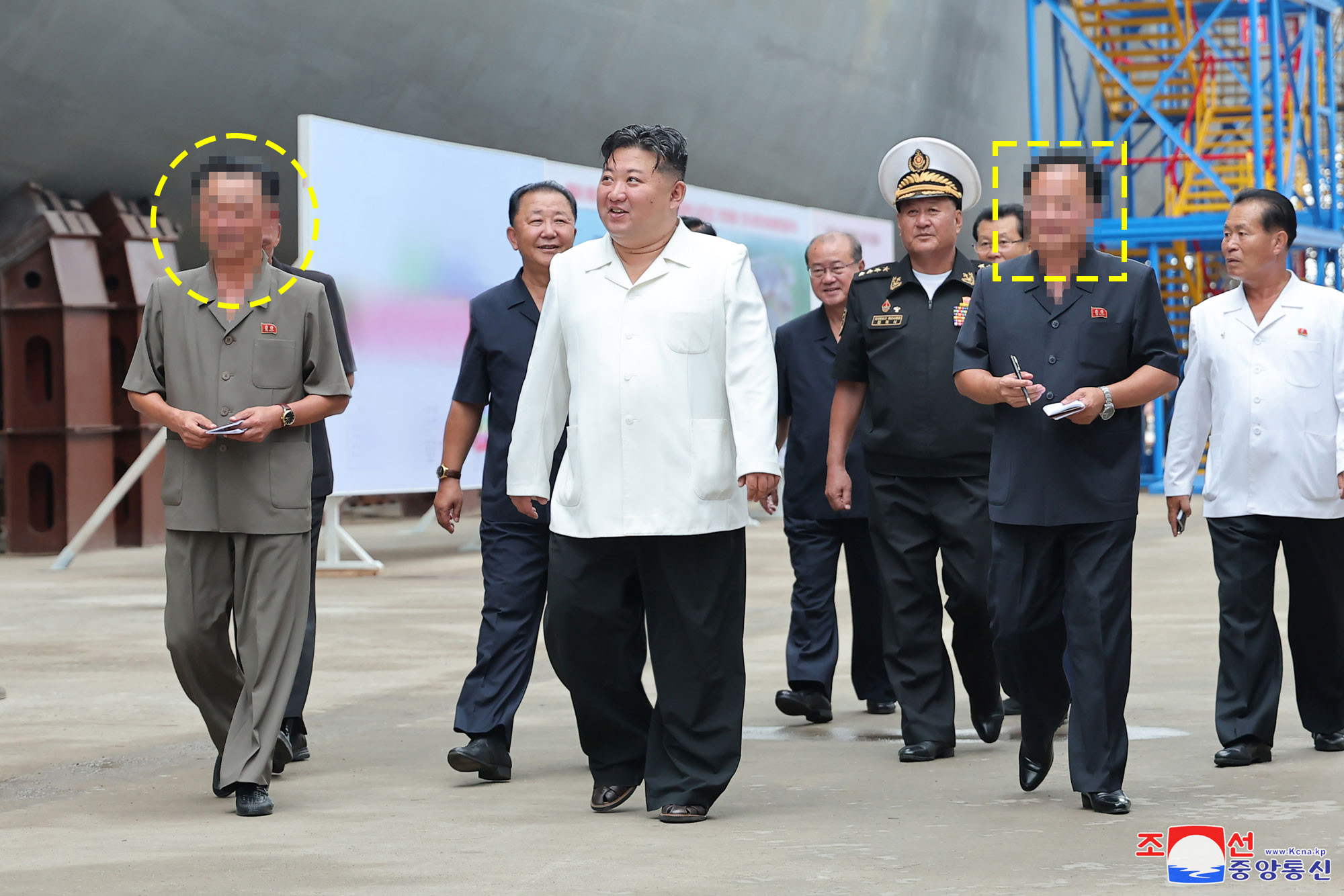
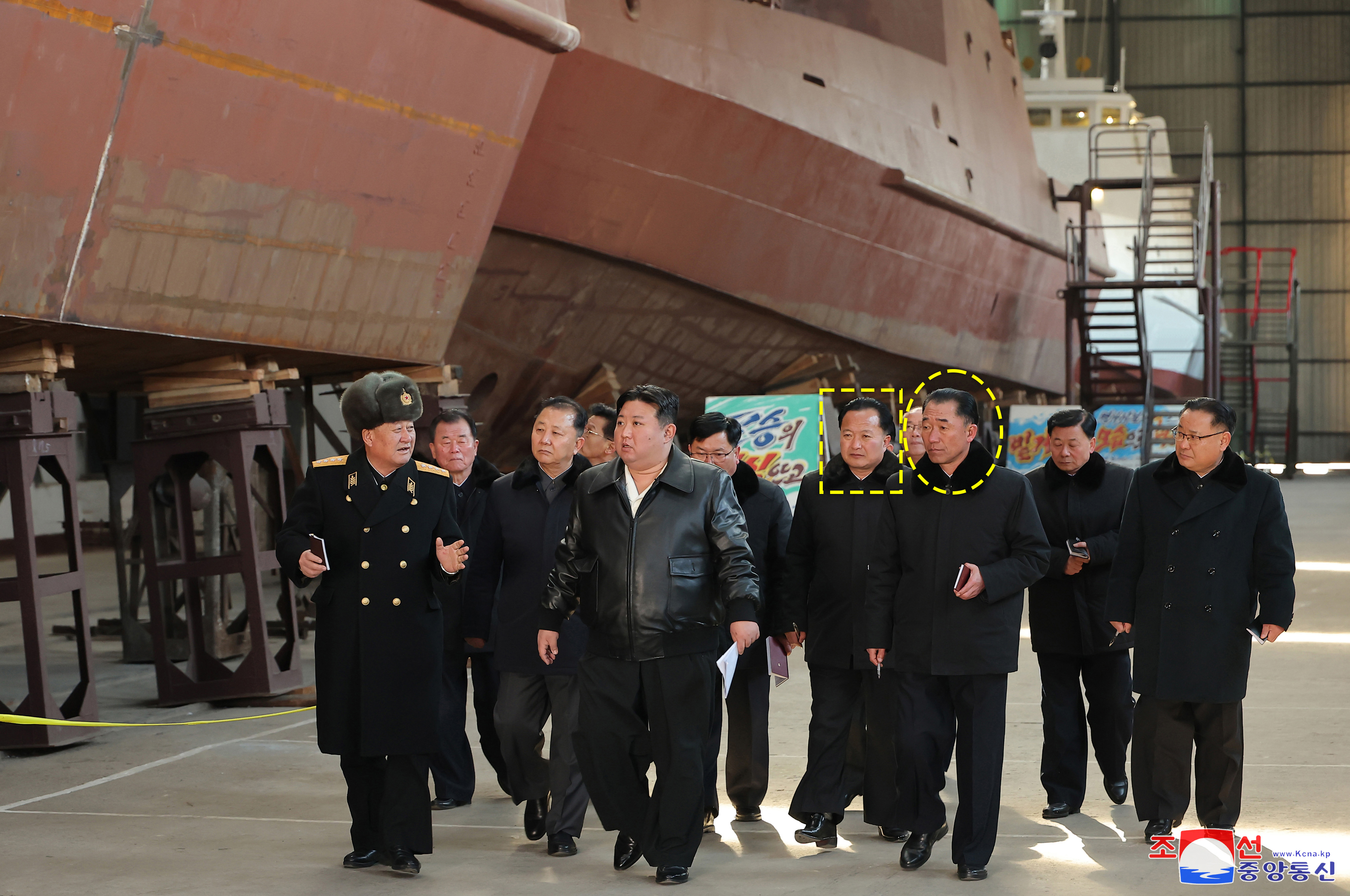
Kim previously visited the Nampho Dockyard in February, where a “new huge plan” to build “various warships” was reportedly underway. State media named the factory and showed its managers at the time. It’s possible Kim’s latest visit was to Nampho to follow up on his previous instructions, but it will be difficult to determine this for certain unless new photos or footage appears in state media later or if distinct features shown in state media can be identified in photos or satellite images of a known location. ARTILLERY ACADEMY State media reported Sunday that Kim made a ceremonial visit to the O Jin U Artillery Academy (오진우명칭 포병종합군관학교), the “pedigree establishment for training the backbone of the artillery force,” on Sept. 6, without disclosing its location. NK Pro has found that the school is located in Unsan County to the northeast of the capital and was formerly called the Kim Chol Ju Artillery Academy (김철주포병종합군관학교). The DPRK leader inspected multiple-launch rocket system (MLRS) vehicles and education rooms displaying various calibers of rockets, as well as a “ground-based artillery firing research room and the artillery tactical research room” where soldiers appeared to be using a 3D simulator to conduct artillery strike training. 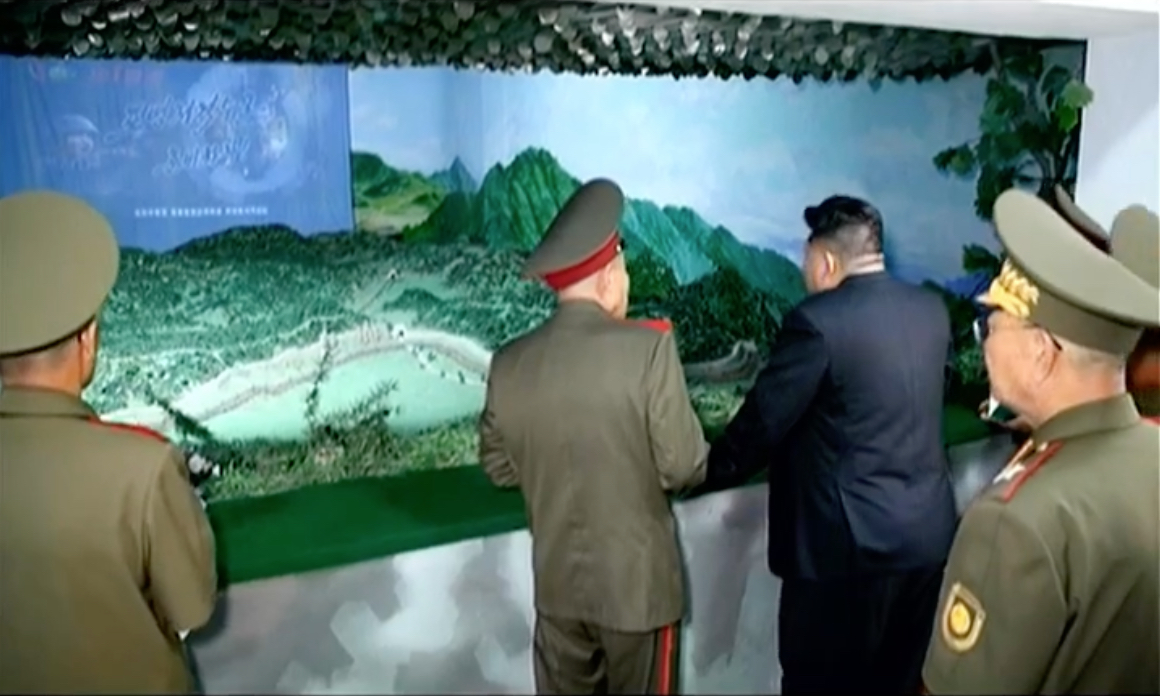
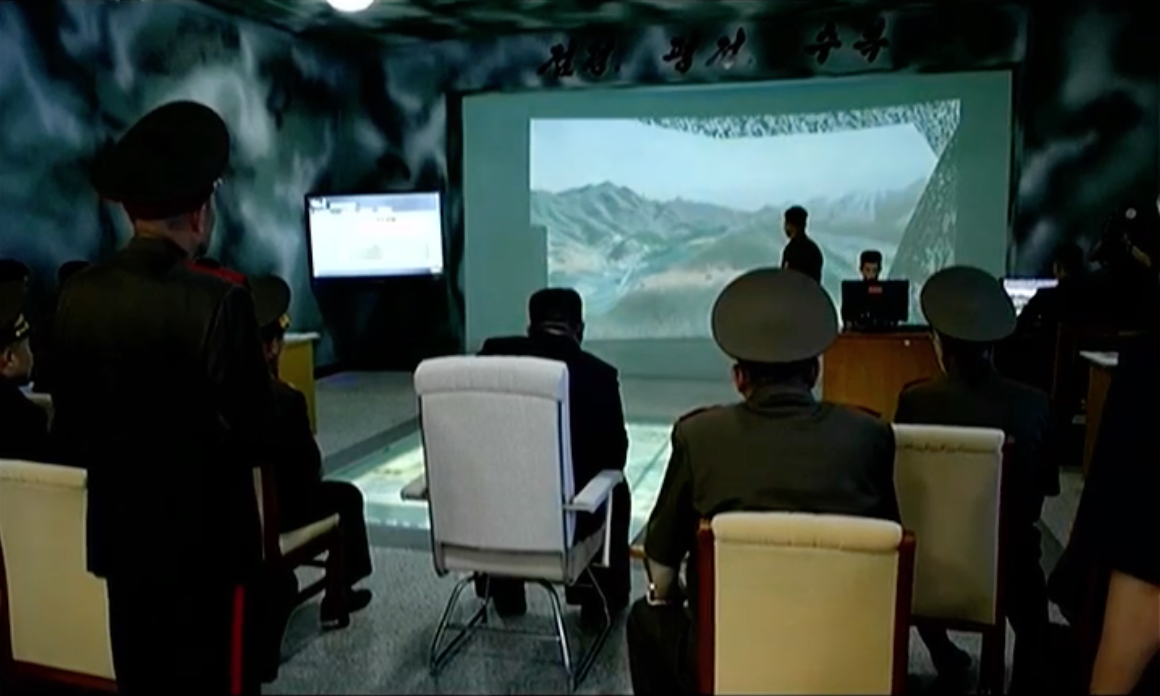
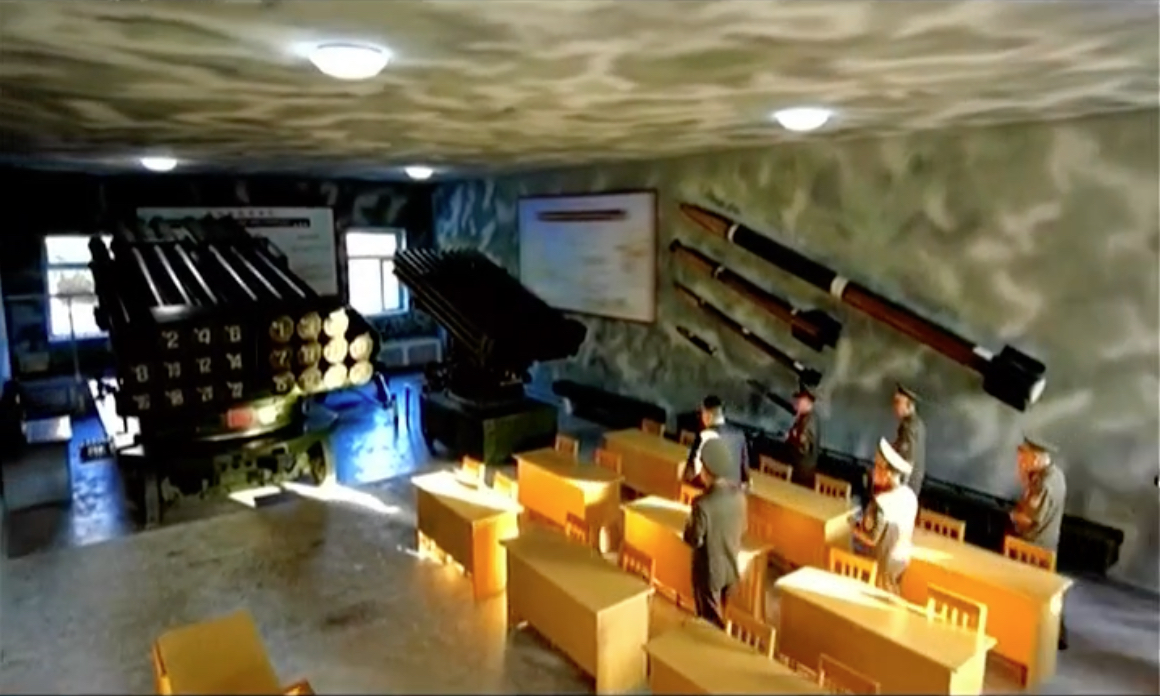
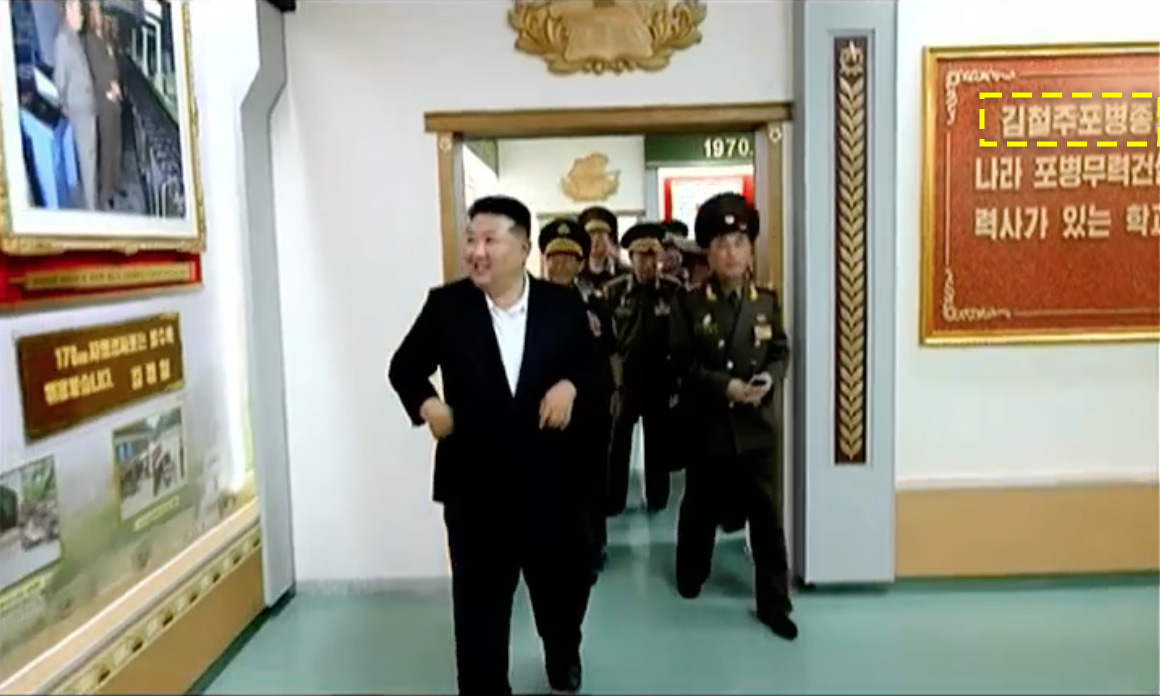
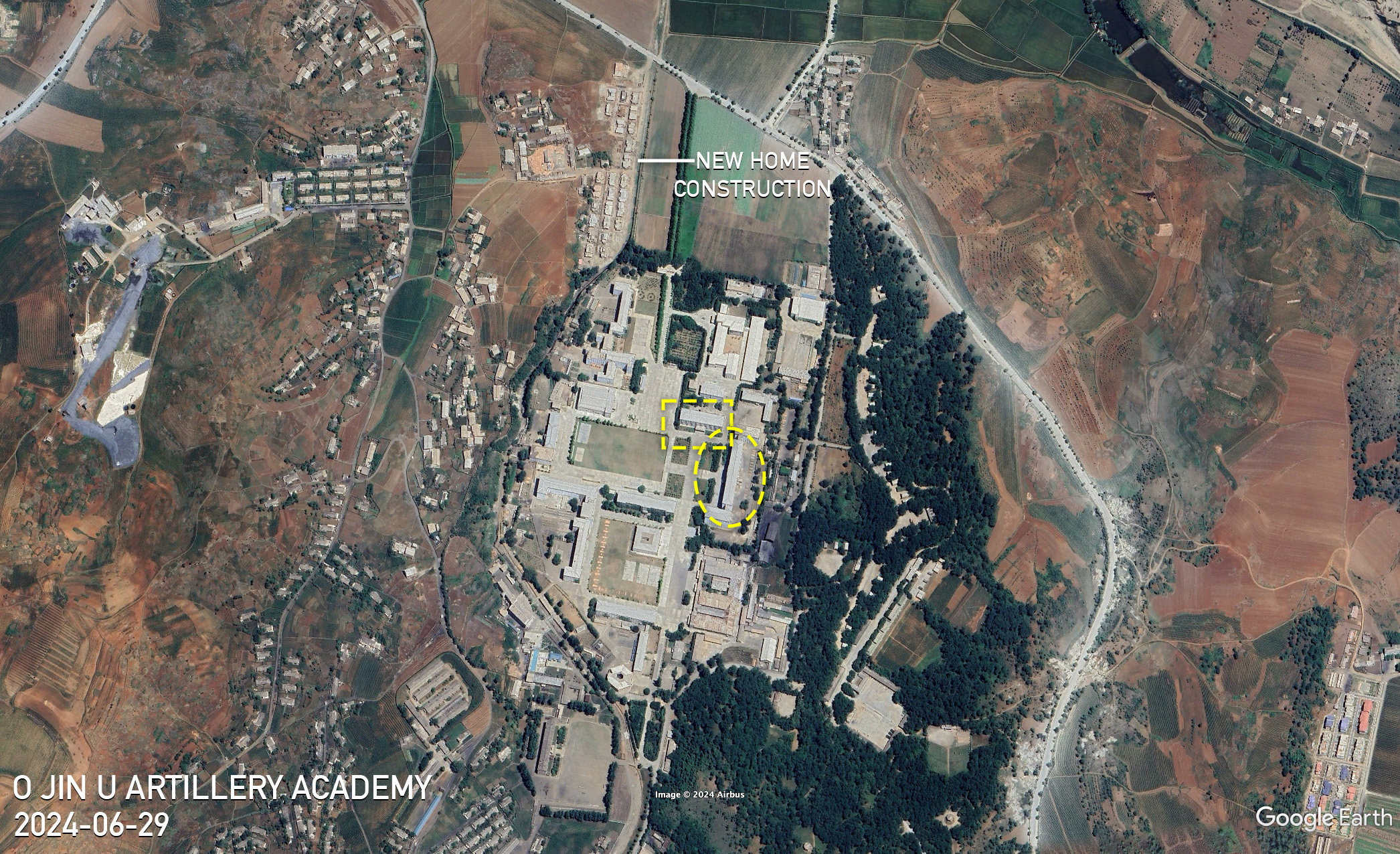
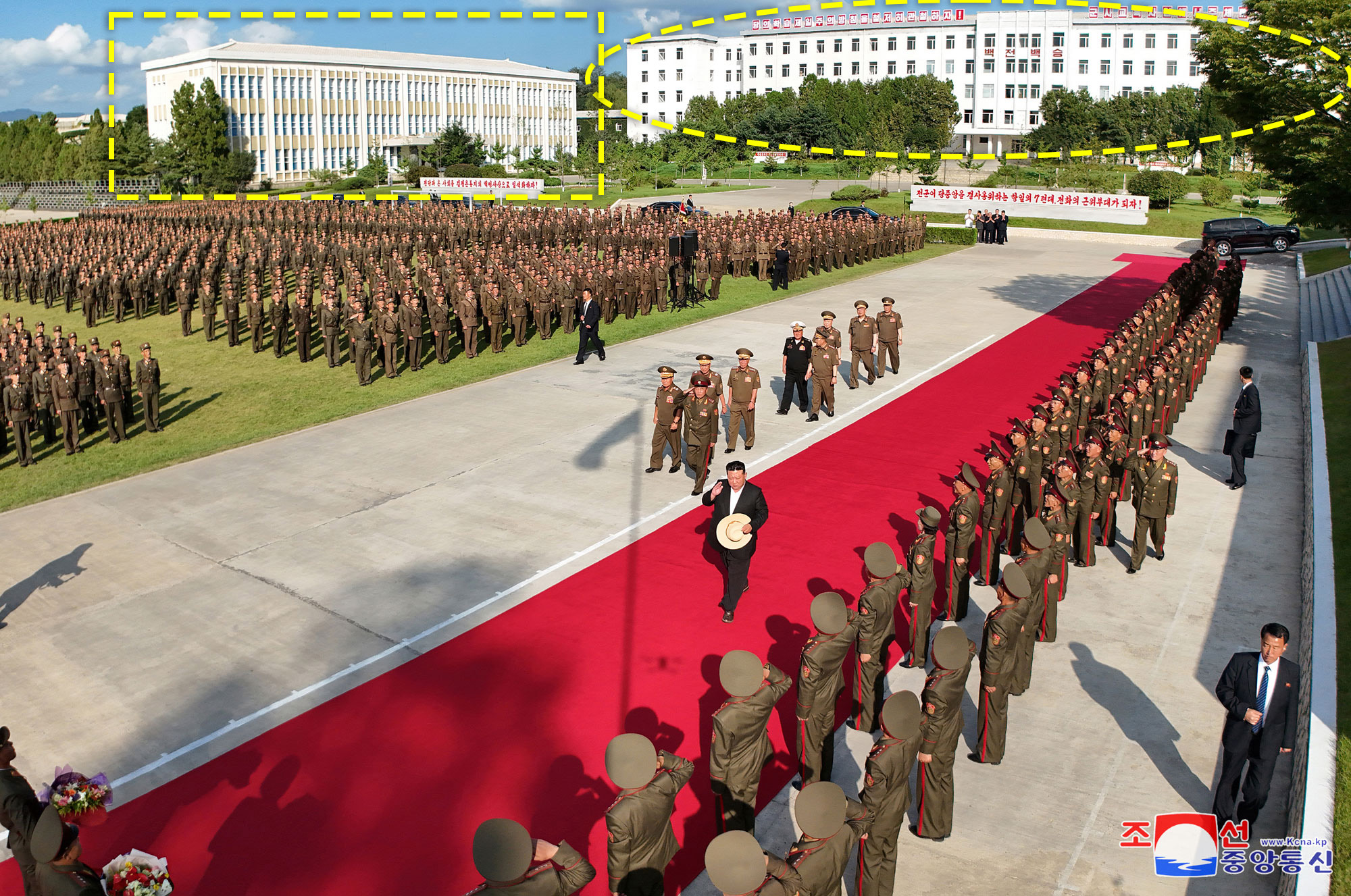
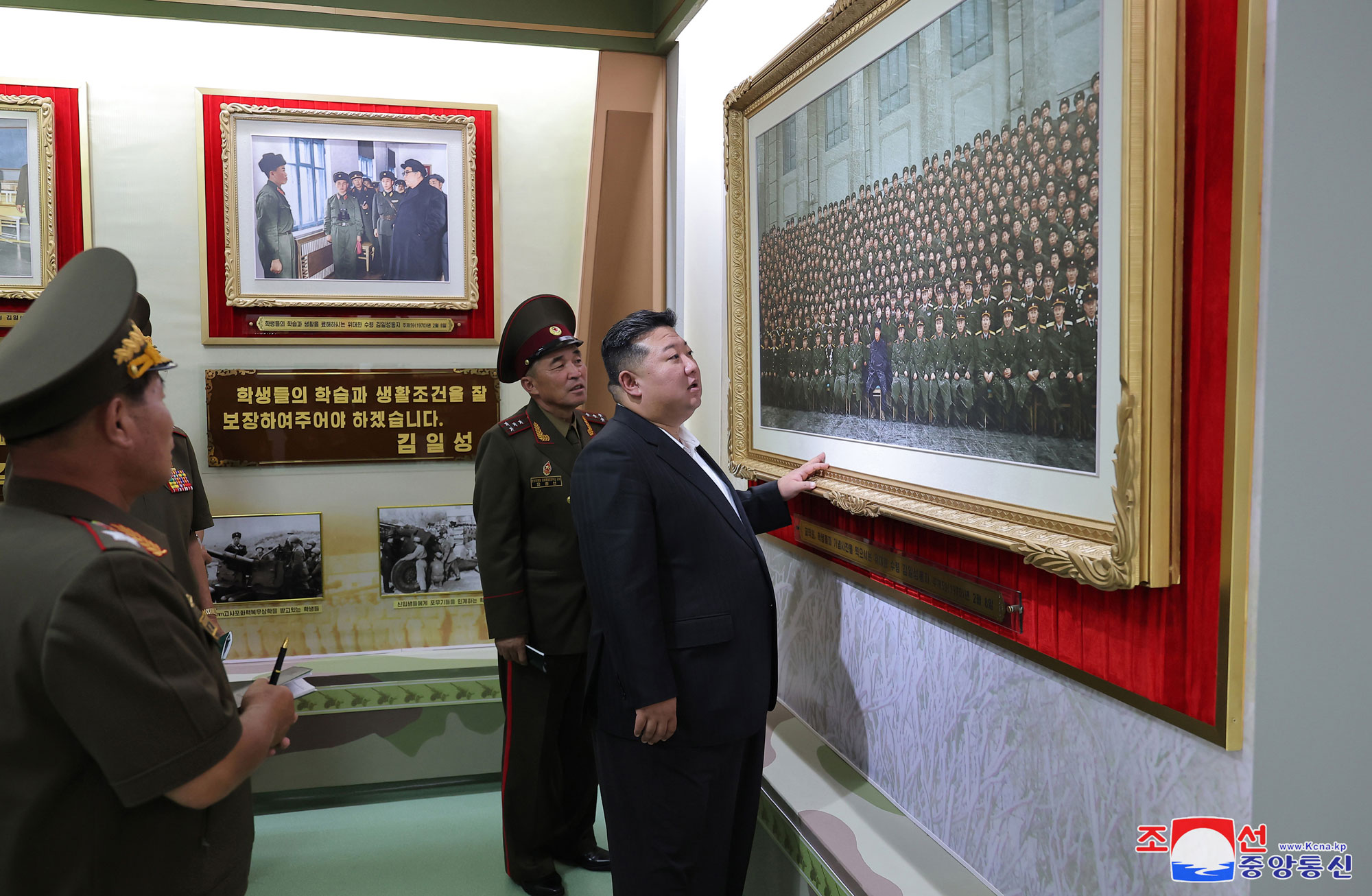
Kim reportedly “took an important measure” to turn the academy into a “model of the military educational institutions,” indicating plans to possibly upgrade the campus. Satellite imagery shows not much has changed at the school in recent years besides the building of new homes. The academy’s former name last appeared in state media in Oct. 2015 and the new name (오진우포병종합군관학교) first appeared in April 2017. Both reports were about the school’s participation in military parades. Kim Chol Ju was the younger brother of DPRK founding leader Kim Il Sung and is still revered as a top anti-Japanese revolutionary fighter. O Jin U is also revered in North Korea for his reported role as a revolutionary fighter, but while Kim died in 1935, O went on to hold high-level positions in the DPRK military until passing away in 1995 at the age of 77. It’s unlikely the name change sought to erase Kim’s legacy as Sunday’s state TV report showed that Kim’s name still appears on displays inside the academy’s history museum. State media also reported on another school named after him, the Kim Chol Ju University of Education, as recently as August. The museum featured photos of Kim Il Sung visiting the school on Feb. 8, 1970, and Kim Jong Il on May 10, 1998. MISSILE LAUNCHER FACTORY As NK News reported on Sunday, Kim Jong Un’s inspection of new transporter erector launcher vehicle (TEL) production, likely for a new and larger intercontinental ballistic missile (ICBM), appeared to take place at the March 16 Factory in Phyongsong. KCNA did not disclose the name of the factory, merely calling it a “defense industrial enterprise” (국방공업기업소), but photos show Kim inside a building with interior details matching the appearance of the March 16 Factory during previous visits in the last year. 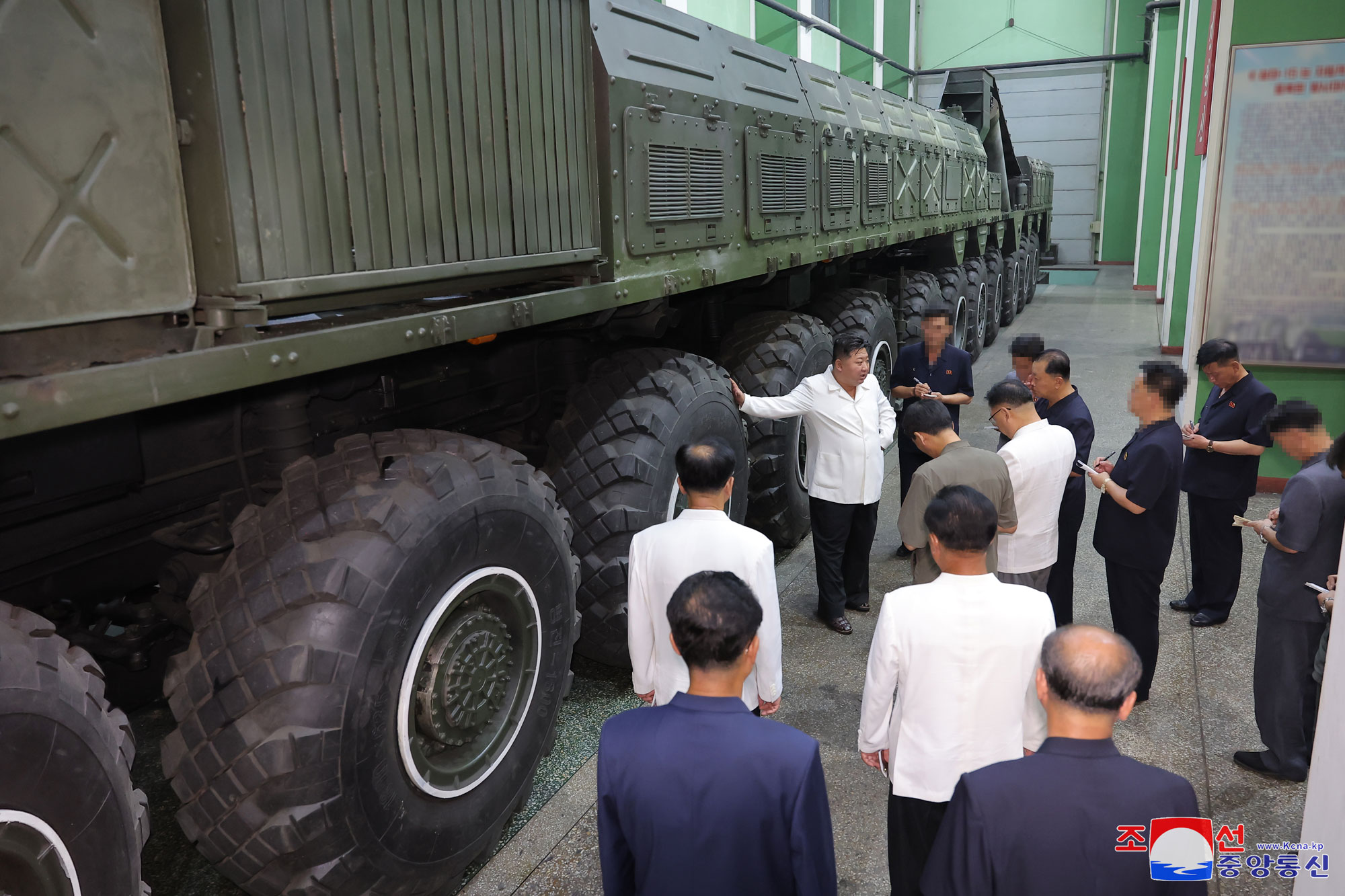 
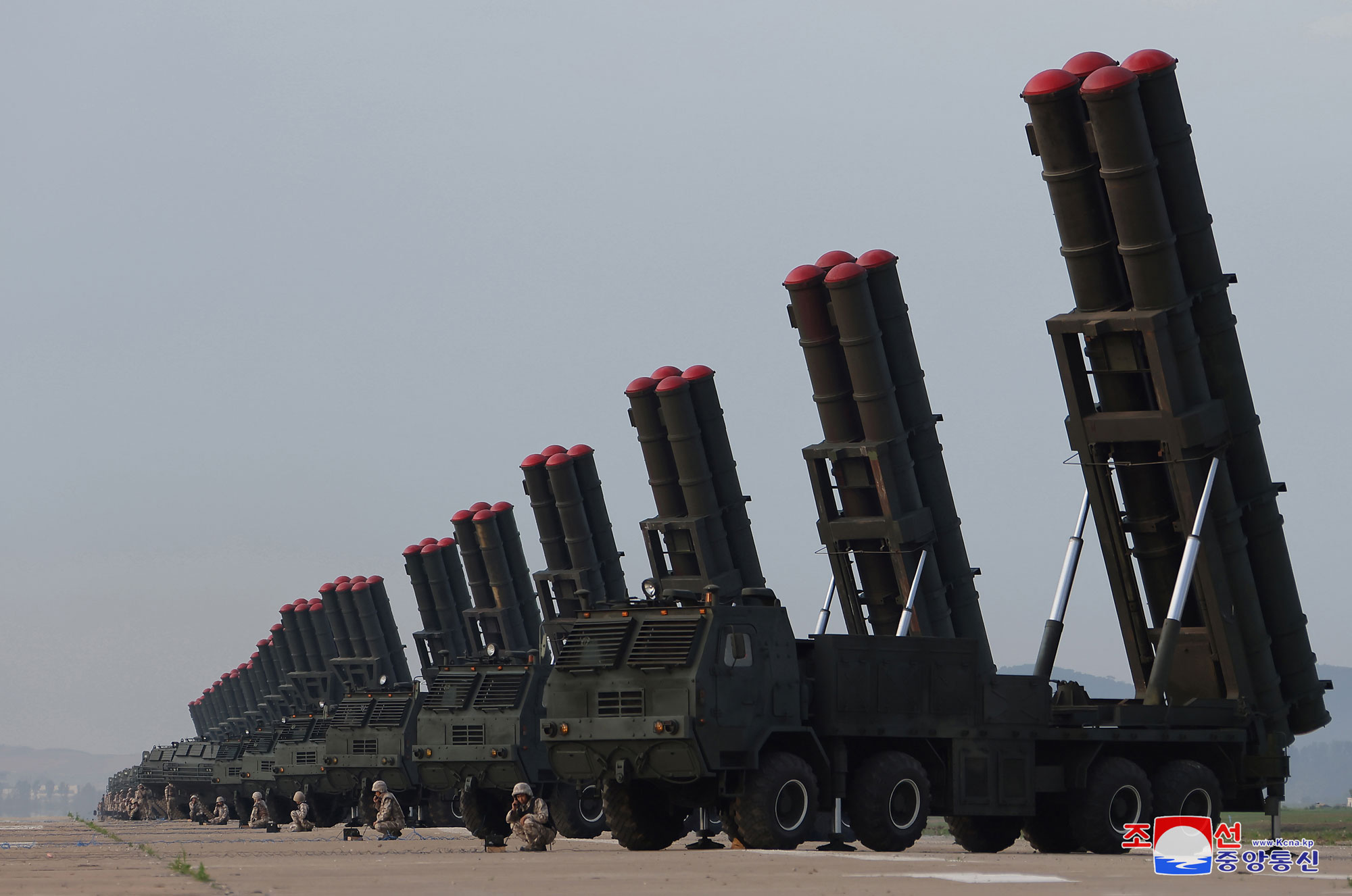
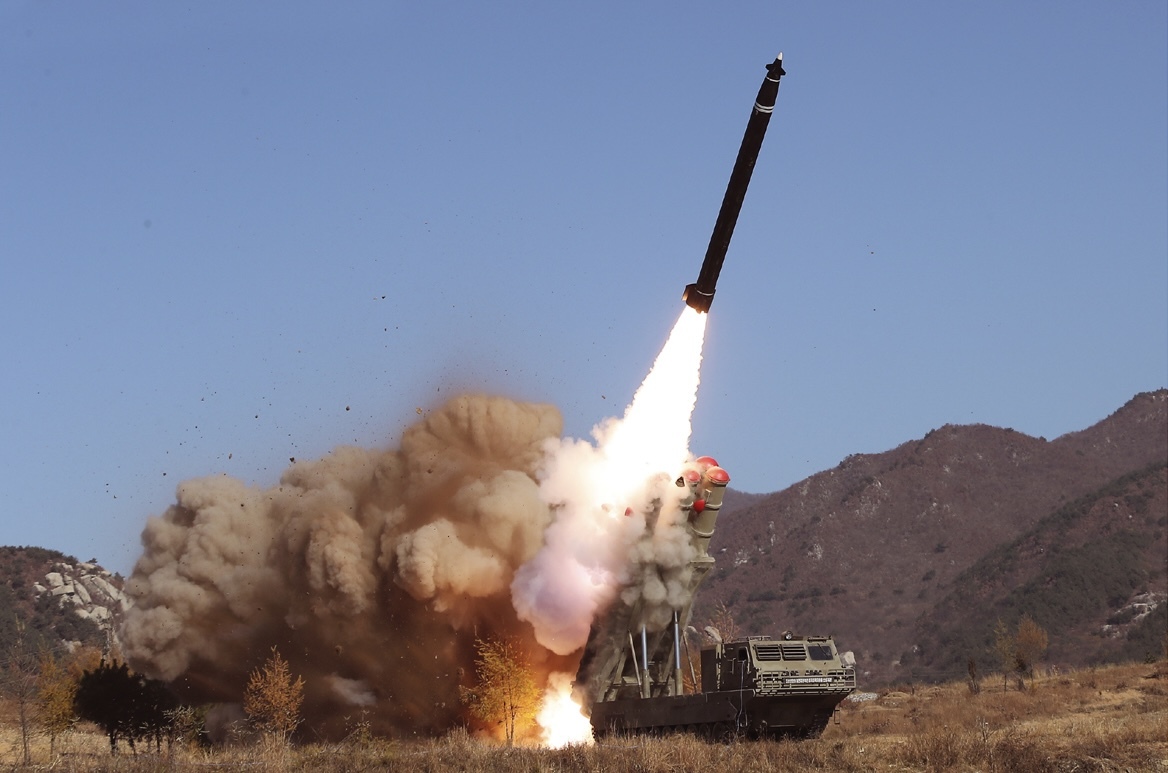
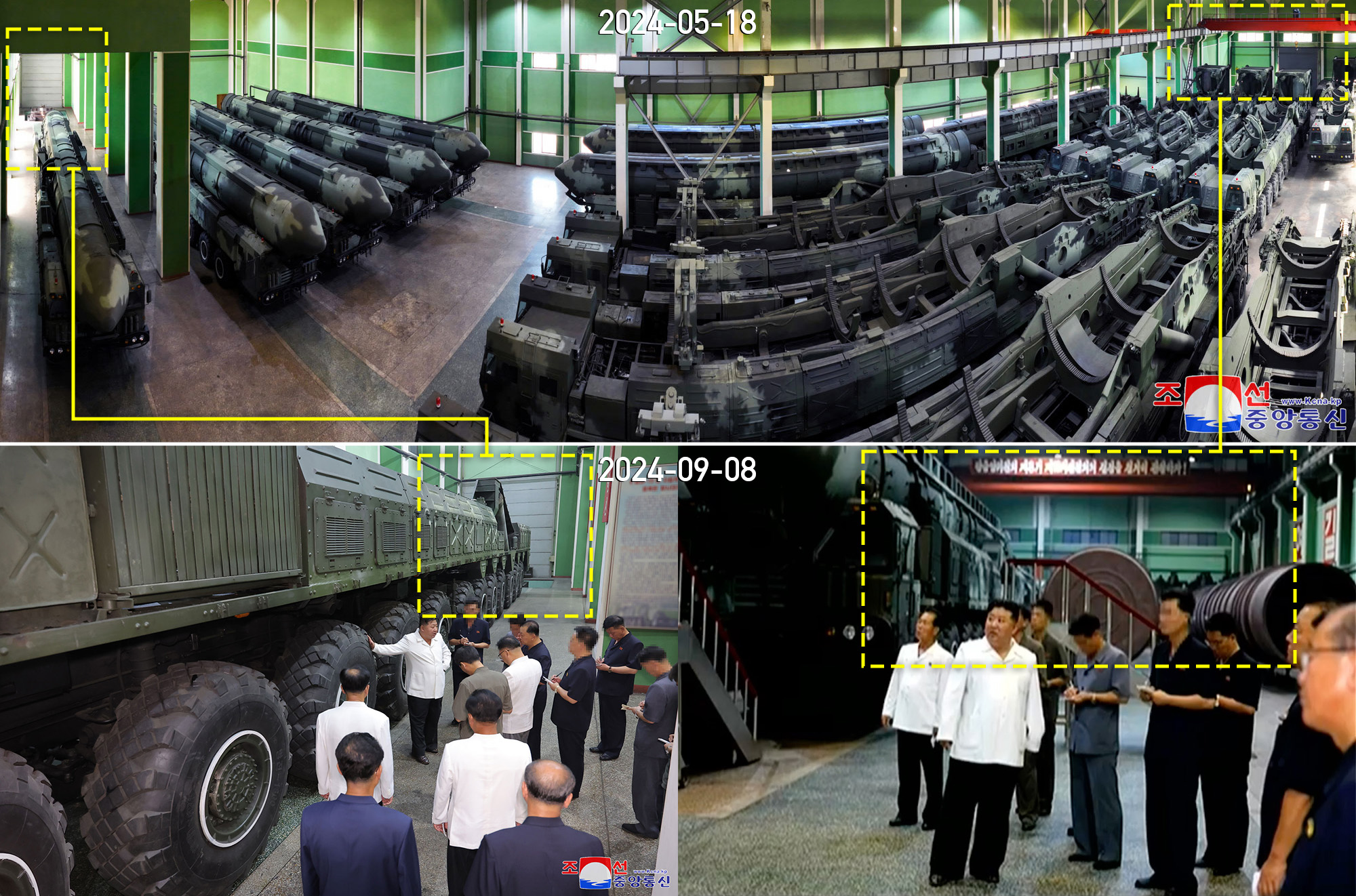 A new wheeled TEL design for the 600mm MLRS (KN-25) — a rocket system North Korea claims can be equipped with tactical nuclear warheads — also appeared in state TV coverage of the visit, featuring six launch tubes. Previous wheeled versions only featured four, while tracked versions featured six. The tracked TELs have more off-road ability but are slower, so this means Kim could theoretically deploy six tactical nuclear missiles on each of the relatively agile wheeled vehicles. This follows a trend Kim has exhibited recently in increasing production of mobile launch vehicles with multiple tactical nukes on board, seeking to overwhelm South Korean missile defenses. He led large-scale salvo launch drills in March, April and May involving up to 18 of the 600mm MLRS TELs at once to test their maneuverability before launch as well as command and control systems. Edited by Bryan Betts © Korea Risk Group. All rights reserved. |

October 11, 2026Oct 11, 2026

The ultimate resources for professionals working on North Korea
 SHARE
SHARE COPY LINK
 X
X MASTODON