  Investigations Petty theft case exposes North Korean worker at key Russian drone facilityCourt records point to man’s presence at economic park where thousands of DPRK nationals are believed to work illegally  A North Korean’s theft of a credit card nearly landed him in a Russian prison, while inadvertently exposing his employment at a key facility manufacturing drones for Russia’s war against Ukraine. The Yelabuga City Court in Tatarstan found North Korean national Kang Chol Hun guilty of stealing and using a credit card to purchase $133 worth of goods, including food and shampoo, on Oct. 15, court records reviewed by NK News show. Kang, identified as a “trainee” from a redacted educational institution working for an unspecified firm, was given a one-year prison sentence that was downgraded to one year of probation after reconciling with the victim. Despite the ruling’s numerous redactions, it placed the incident within an “industrial-technological park” near Yelabuga. The only nearby enterprise that matches the description is the Alabuga Special Economic Zone (SEZ), just north of the settlement. 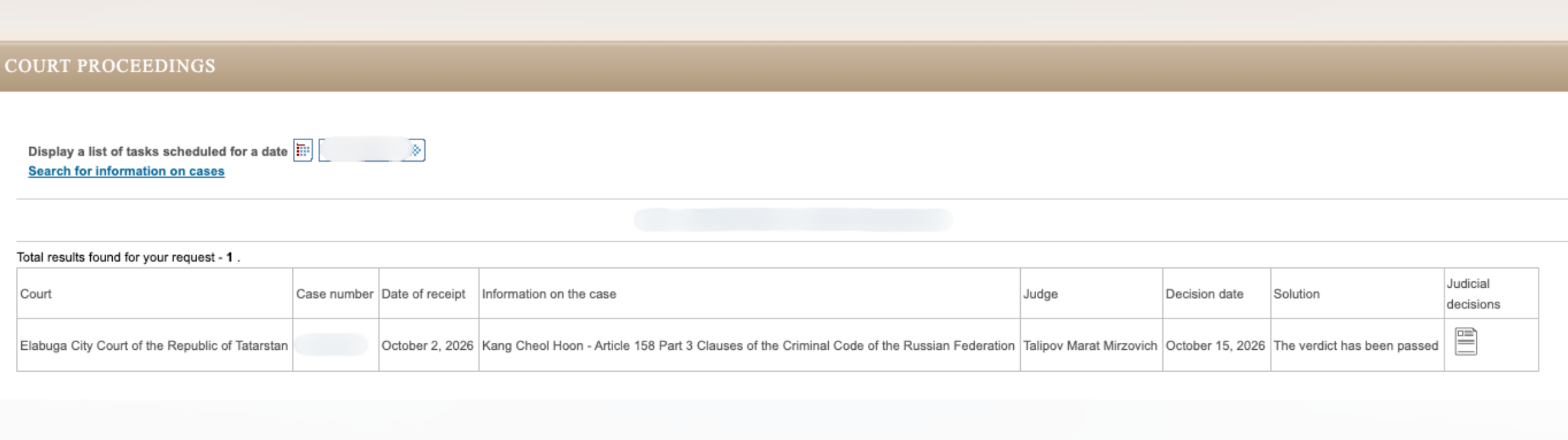 Other clues like building labels were not redacted from the document, and other landmarks indicate that Kang was at the SEZ and within walking distance of Alabuga’s main unmanned aerial vehicle (UAV) production facility, which manufactures Russian Geran 2 variants of Iranian Shahed-136 strike drones. The facility is reportedly capable of creating thousands of Geran 2 drones a month. Russia uses them in swarm attacks on Ukrainian targets, overwhelming the country’s air defenses. Kyiv previously claimed that Moscow had offered Pyongyang help with setting up domestic Geran 2 production lines. NK News’ findings represent the first official records of a North Korean at the SEZ, following media reports of Russia actively recruiting foreign workers from countries in Africa, South America and Asia to help assemble drones in Alabuga. The Multilateral Sanctions Monitoring Team (MSMT) assessed in its September report that the Alabuga site employs as many as 25,000 DPRK laborers. Other researchers cited Ukrainian intelligence pointing to around 12,000 North Korean workers stationed at the SEZ, earning $2.50 hourly. 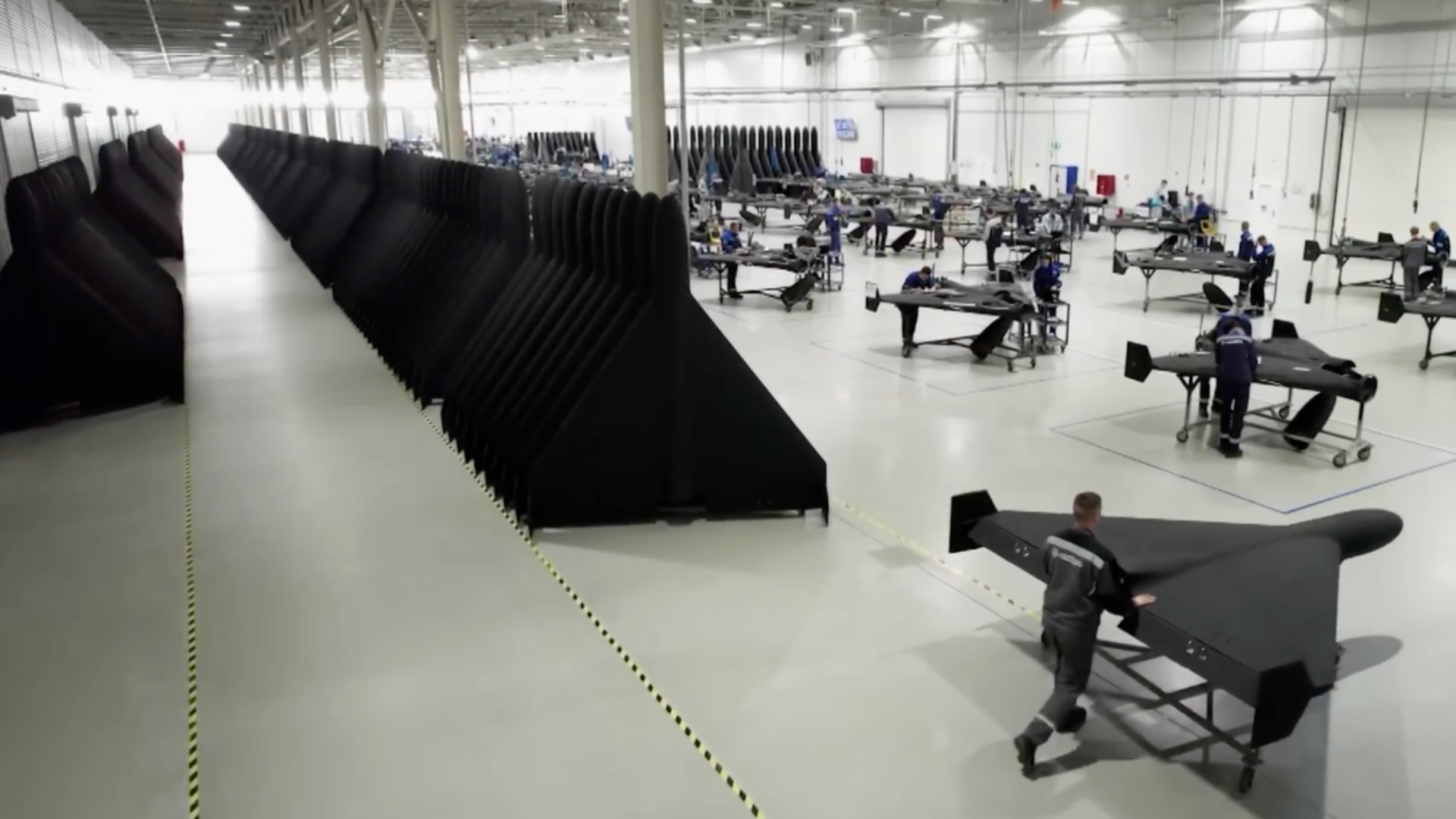
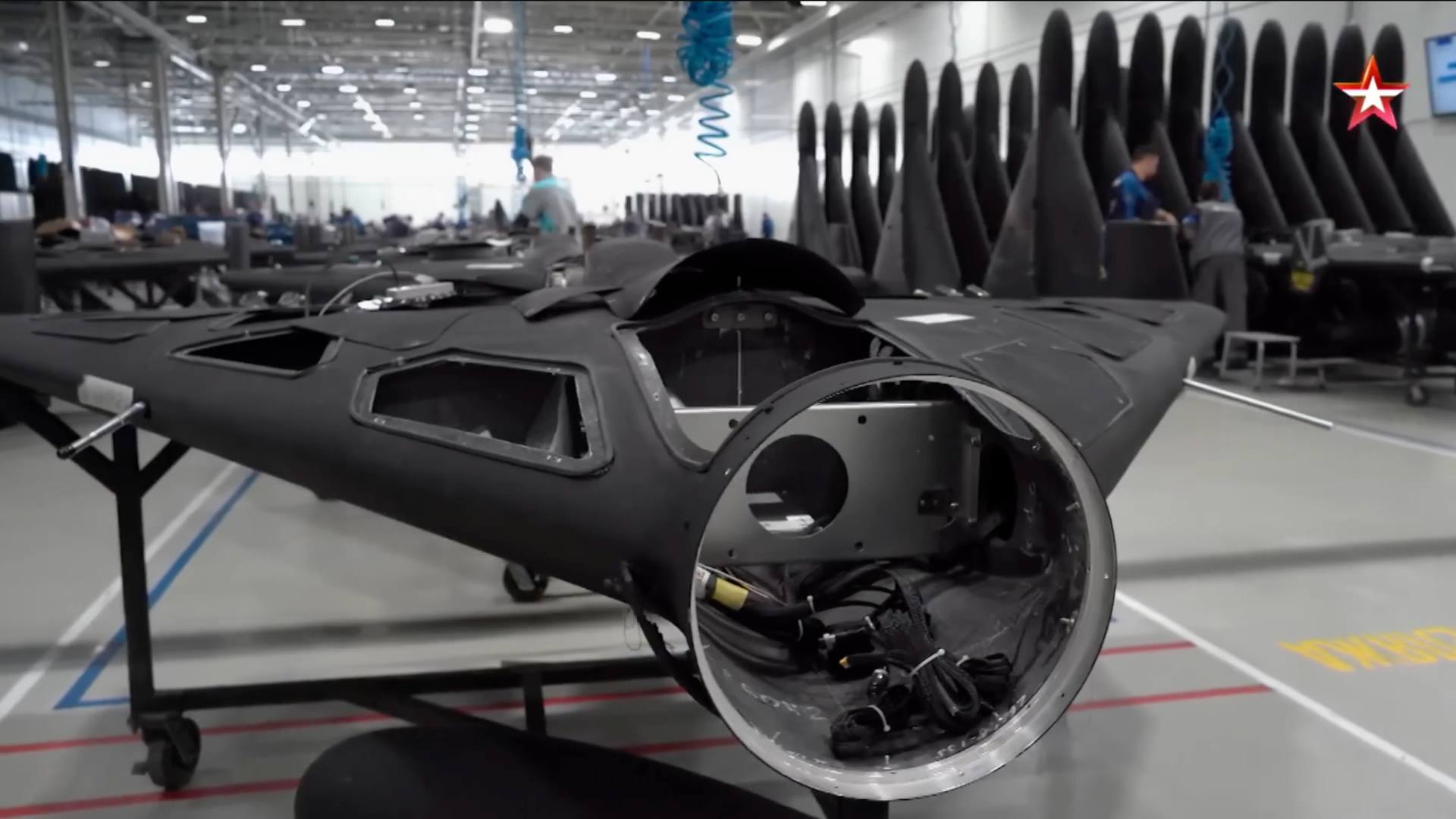
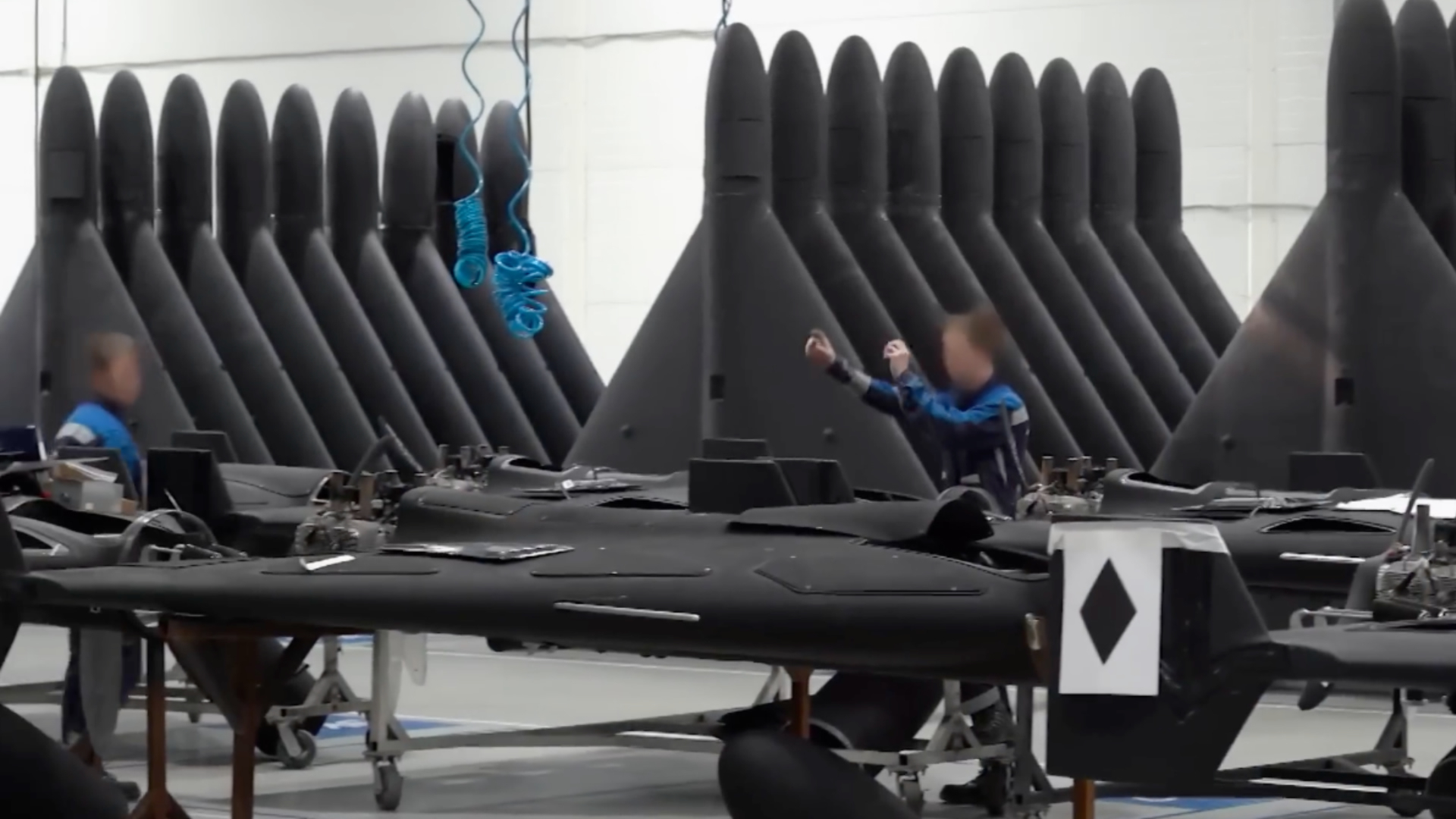
The new evidence of a DPRK national present in Alabuga also corroborates a recent investigation by the Committee for Human Rights in North Korea (HRNK), which provided photographic proof of DPRK women on site last month. Shuji Sue, a former member of the U.N. Panel of Experts charged with monitoring DPRK sanctions, suggested that the presence of North Korean workers at the drone facility represents a “major threat.” “By getting directly involved in production in a country at war,” North Korea is gathering “mass-production know-how, which also contributes to building its procurement, research, development and production systems,” he told NK News. Former North Korean workers in Russia say the state seizes most of their wages earned overseas, with experts assessing that the money funds the regime’s weapons programs. CRIME SCENE The ruling provides multiple clues that help retrace Kang’s movements on the day he was caught for theft in Alabuga. The document specifically lists four locations the police and internal security service investigated in the aftermath of the crime: Synergy 24.1, Synergy 23 and Synergy 13.2, as well as a Prosto Market grocery store. The Synergy buildings are a key clue that indicates the incident occurred on the Alabuga SEZ premises, as Synergy is the industrial technological park within the special economic zone. 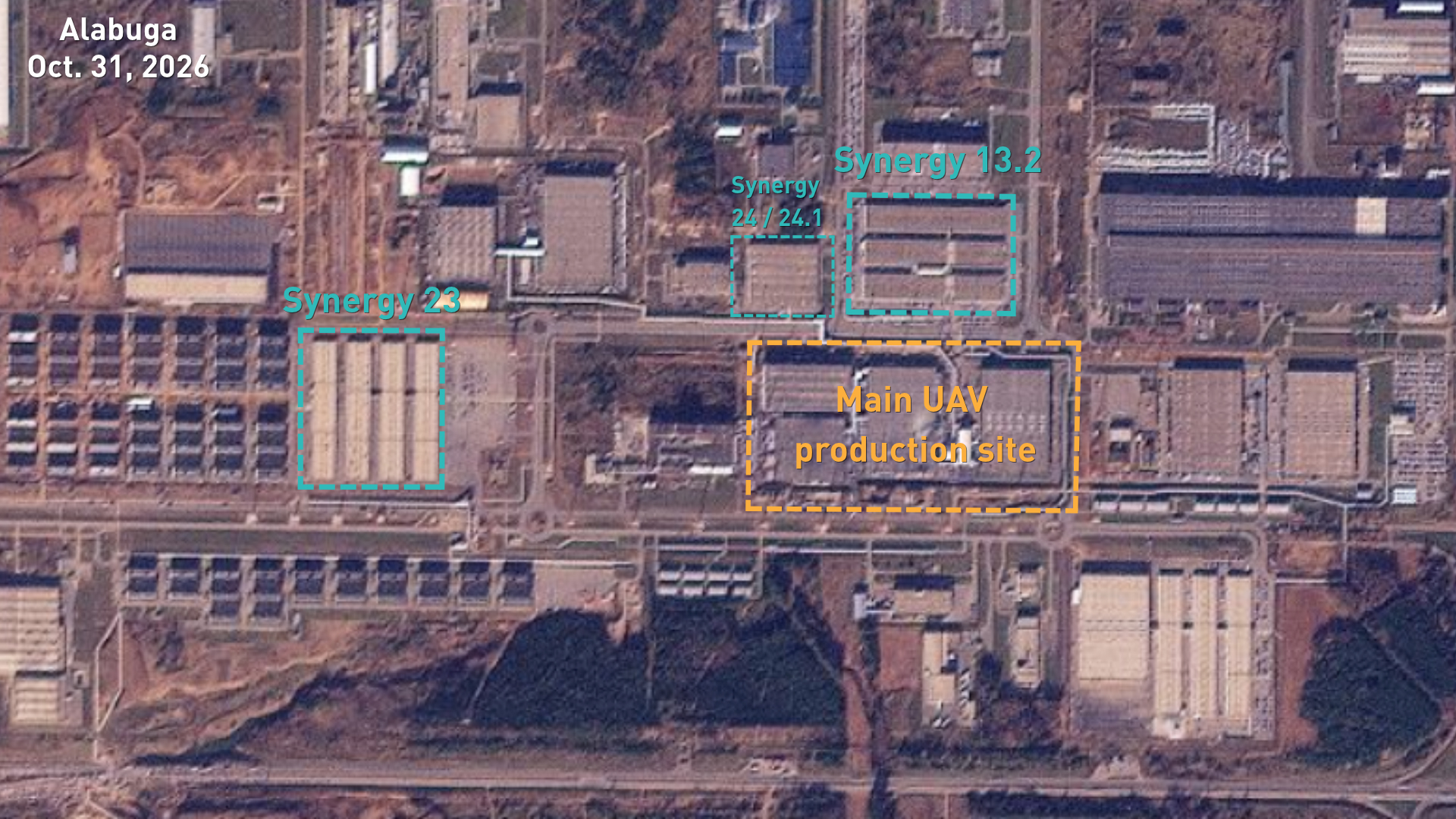 Court records place Kang at Synergy 24.1’s cafeteria, where he saw an unattended credit card on a table. He admitted to using the card to buy water at a vending machine, checking to see if it worked, before purchasing shampoo and soap at another building. Hours later, he used the same card to make unspecified purchases at a Prosto Market near his dormitory for 10,469 rubles ($127.50). The police and the SEZ’s security service inspected Synergy 24.1 and other locations where Kang presumably used the card, like Synergy 23 and Synergy 13.2, according to the ruling. Synergy 13.2 and Synergy 24 are located 138 meters north of what the Institute for Science and International Security (ISIS) and other researchers have identified as the primary Shahed-136/Geran production plant. NK News could not independently verify whether the documented Kang was directly involved in UAV production. However, ISIS senior research fellow Spencer Faragasso assessed last year that the Synergy 13 complex housed “offices for Alabuga staff, including those working on the Shahed drones,” in the aftermath of a Ukrainian drone strike in the vicinity of the UAV factory and the building. Synergy 23, or “Synergy Industrial and Technological Park Building No. 23. Korolev,” was similarly expected to house offices once its construction was completed in the western part of the SEZ, near a major dormitory development. But the buildings listed in Kang’s court case could also be “workshops part of Geran production, as indicated by the covered walkways installed along the roads connecting all the production buildings,” Faragasso told NK News. “It’s unclear exactly what is occurring in them, but they could include assembly lines and facilities related to constructing airframes or other drone components, like assembling electronic modules,” the expert said. Faragasso added that the appearance of DPRK workers at Alabuga is “unsurprising” given Pyongyang’s involvement in the Ukraine war, while the “shortage of workers available in Russia” is another area North Korean laborers could assist on. POOR LABOR CONDITIONS DPRK nationals are not the only foreign workers employed at the Alabuga site, and the SEZ has gone to great lengths to attract African, South American and South Asian laborers through the Alabuga START recruitment program. 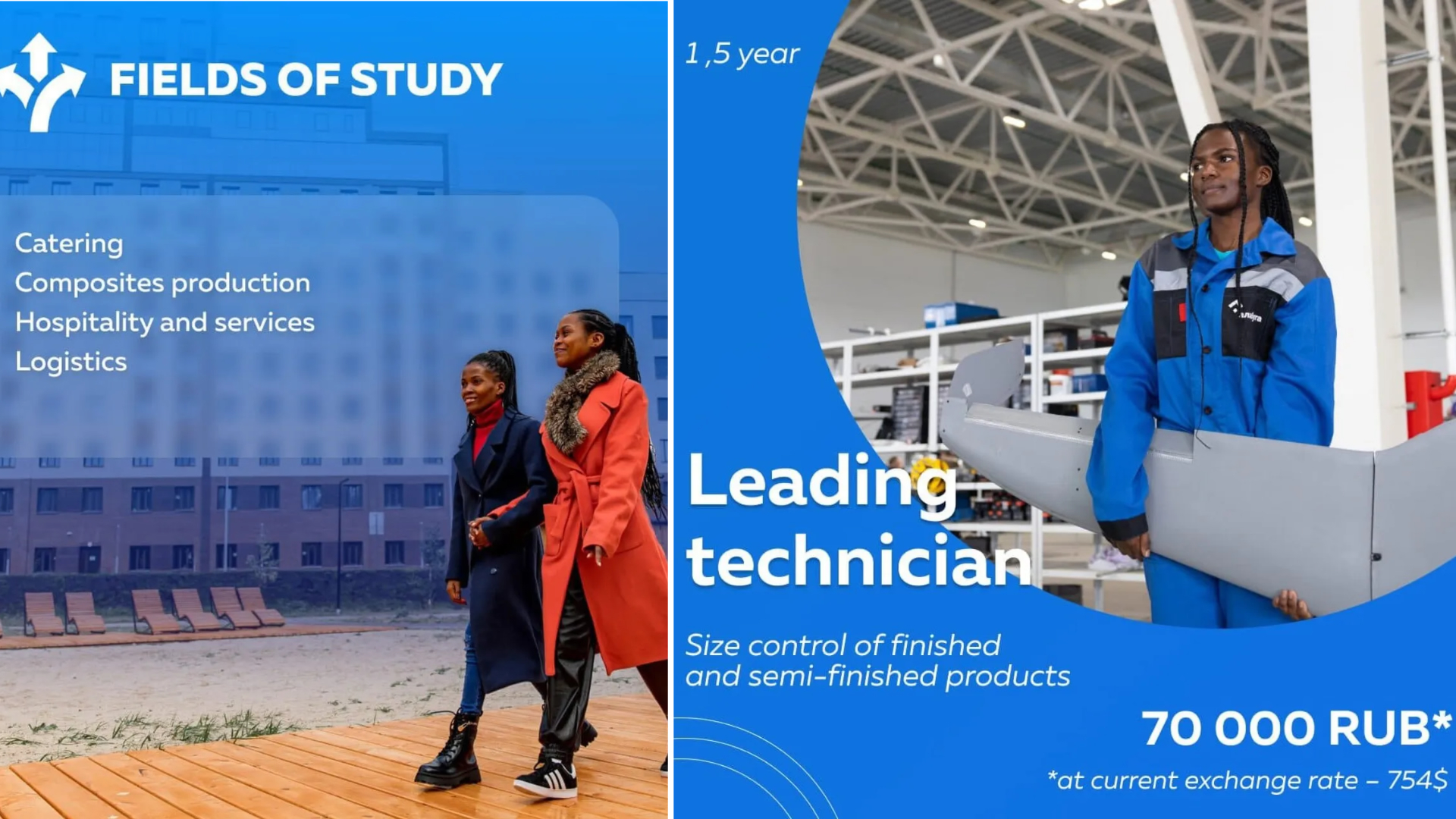 But the North Koreans’ work and security conditions are drastically different compared to other foreigners at the SEZ, according to Jaewoo Park, a former Radio Free Asia reporter and author of the latest HRNK report on DPRK laborers in Russia. “These days, workers from Southeast Asia, Africa or South America … use their phones all the time when they’re off work,” Park told NK News. “But North Koreans are a different case: They just talk among themselves” and don’t use smartphones, he said Park also said the North Korean workers are being kept apart from other foreigners to limit their exposure to outside information, explaining that they “feel isolated.” The North Koreans occasionally appear in groups of 100, with both men and women visible there, Park said, citing sources with knowledge of the site. He estimates there are roughly 3,000 to 4,000 DPRK laborers present at the SEZ. Park reported that men are likely involved in construction while women appeared to be working at the SEZ’s factories. The researcher didn’t rule out that some North Koreans could be working in “manufacturing goods, janitorial jobs like cleaning and construction” for other firms in the SEZ. Faragasso similarly noted that DPRK workers who are involved in UAV production “would likely be employed in labor intensive roles that require a lot of manhours, such as building and painting the airframes, assembling drone electronics and testing out engines.” “It’s unlikely that they would be employed in managerial roles, as those are traditionally reserved for Russian nationals,” the expert said. Alabuga has also neared completion of a “large number of housing units” that ISIS estimates could hold “roughly 41,000 people,” an equivalent of a small city, according to Faragasso. 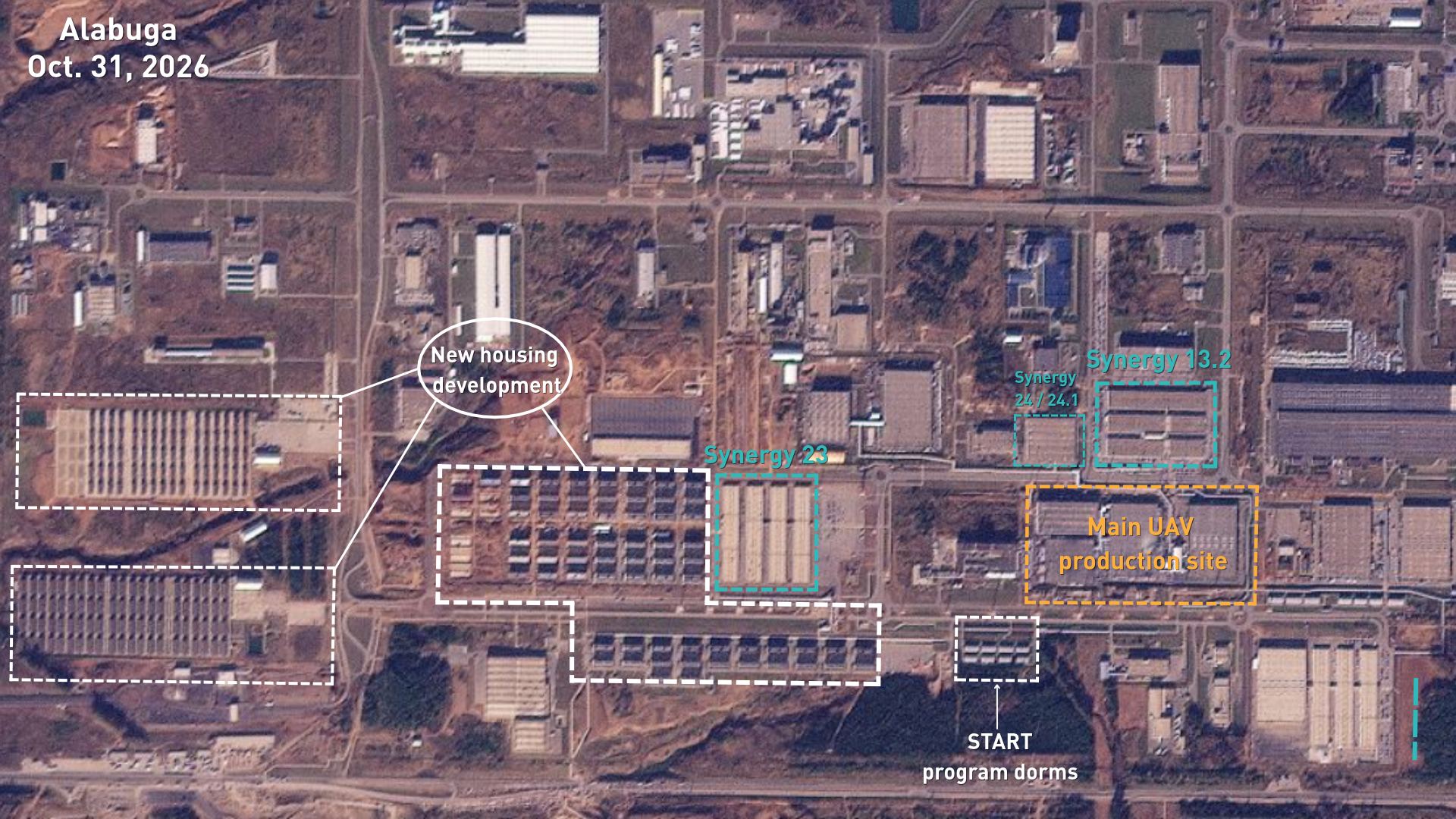 “The new housing developments provide ample room to house a very large number of incoming workers, presumably DPRK nationals or others recruited from abroad,” he said. The MSMT reported around 25,000 DPRK laborers are stationed in Alabuga alone, while their total number in Russia could exceed 30,000, given Moscow’s issuance of nearly 35,000 educational visas to DPRK nationals in 2025. These visas are suspected of masking North Korean laborers under the guise of students to bypass U.N. restrictions on employing DPRK nationals overseas. Ukraine’s military intelligence found last year the DPRK’s Jihyang Technology Trade Company had struck a deal with Russian authorities to supply workers to Alabuga. The firm has been under sanctions for years as a successor to the Korea Mining Development Trading Corporation, North Korea’s main arms dealer. Joon Ha Park contributed reporting to this story. Edited by David Choi © Korea Risk Group. All rights reserved. |

November 20, 2026Nov 20, 2026

The ultimate resources for professionals working on North Korea
 SHARE
 COPY LINK
 X
 MASTODON