  Analysis North Korea’s broken bridges: Photos show typhoon and flood wreckage nationwideRecent storms cut off dozens of bridges, including those that serve as key transport links in major DPRK cities 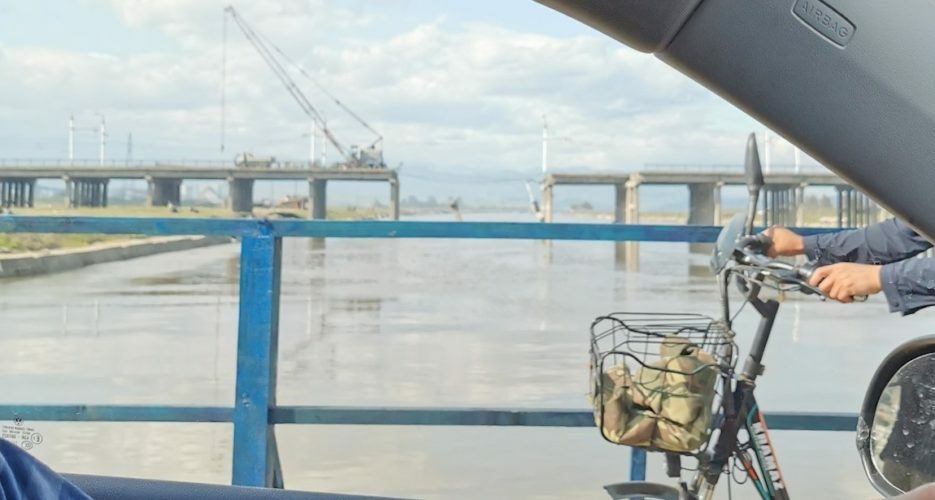 North Korea’s outdated infrastructure suffered severe damages during a series of heavy storms and typhoons in the last two months, leading to large road and rail bridges breaking in several large cities. The wind and rain severed sections and collapsed supports on some larger bridges, and completely washed away smaller bridges, according to satellite imagery and photos from on the ground. North Korean state media has been somewhat open about the damages, at times describing ongoing repairs to areas like the main bridge in Chongjin, the country’s third-largest city. State media also showed images of broken bridges and temporary solutions in smaller towns, with DPRK leader Kim Jong Un even acknowledging earlier this month that 59 bridges collapsed in the northeastern Komdok mining region alone. But North Korea has otherwise hidden the real scope of damage, with propaganda reports instead focusing on the hope to complete nationwide reconstruction before major upcoming state events in October and January. This task is likely to be significant, with major bridges broken apart in large northeast cities and towns, including Chongjin, Hoeryong, Kyongsong, Orang and Tanchon, according to NK Pro analysis. “Getting materials up to the northeast takes time. If there’s railway bridges down, that makes the job extra difficult,” said Rowan Beard, a tour manager with Young Pioneer Tours. Beard has traveled multiple times to many of the affected areas.  Beard told NK Pro that bridges destroyed in previous floods went unrepaired for years on end in the past, and that many North Korean bridges are currently old and in disrepair. “This is going to be a long recovery process for the North Koreans,” he said. The following images shed light on the implications of coping with severed and inoperable bridges for weeks or months on end, especially as the winter season approaches: CHONGJIN Typhoon Maysak severed at least two large road bridges in the northeastern city of Chongjin. The storm battered the east coast in the early hours of Sept. 3. Planet Labs satellite imagery taken on Sept. 4 shows a section missing in the Susong bridge, which connects the main street from the city center with a largely industrial district in the southwest. A road bridge located further north, crossing the wide river that flows into Chongjin’s bay, also appeared cut off on the same day.  The Russian consulate in Chongjin posted images to Facebook on Sept. 19 showing streams of locals on bikes utilizing a temporary pontoon bridge built across the river and near downtown. Planet Labs satellite imagery shows that this temporary bridge was under construction on Sept. 15, but was not yet completed — almost two weeks after the typhoon. Another storm, Typhoon Haishen, also hit Chongjin and the entire east coast on Sept. 9, likely complicating initial recovery efforts. Both large bridges were not yet repaired as of Sept. 26, according to Planet Labs imagery. Meanwhile, state media reported as recently as Sept. 24 that repairs to bridges in Chongjin were ongoing.  HOERYONG The situation is arguably worse in the city of Hoeryong, where both the main road and rail bridges were severed over the river, which runs through town. The city is located directly on the border of North Korea and China. Sept. 4 satellite imagery shows that Typhoon Maysak broke the rail bridge apart. But the Obonggyo road bridge just to the south did not appear severed until after Typhoon Haishen on Sept. 9. The latest satellite imagery, taken on Sept. 28, shows that two large sections of the road bridge and the western half of the rail bridge were still missing.  Roads along rivers heading south and east from Hoeryong also still appeared flooded and destroyed almost a month after Typhoon Maysak. These roads connect the remote city to the economic hubs of Chongjin and Rason through mountainous terrain. KIM’S MARQUEE PROJECT IN KYONGSONG In December last year, North Korean leader Kim Jong Un attended the opening of the giant Jungphyong Vegetable Greenhouse Farm near the east coast town of Kyongsong, located just south of Chongjin. Kim reportedly said that the greenhouse farm would improve access to food for the entire province, and would serve as a model to be replicated across the country.  But now, as of Sept. 28, a rail bridge and two road bridges that directly link the farm to Kyongsong and Chongjin sit broken and unusable — weeks after being damaged by Typhoon Maysak, according to satellite imagery. Another bridge further up the river in Kyongsong was also destroyed. Thankfully, one other road bridge between Kyongsong and the Jungphyong complex did not appear to be catastrophically damaged by the recent storms. It also appeared that temporary pontoon bridges or dirt roads through a low section of the river were established sometime after Sept. 14 in order to reconnect to the farm. It’s unclear if the sprawling new greenhouse farm suffered output losses due to this month’s typhoons, but the bridge collapses likely caused significant distribution problems, affecting local residents. ORANG, TANCHON AND OTHERS In Orang county, NK Pro analysis found Typhoon Maysak destroyed at least five bridges surrounding the local airport, which serves areas like Kyongsong and Chongjin.  As of Sept. 28, none of these bridges appeared to be fully repaired, though other surviving bridges are likely able to mitigate overall transport problems for the region. Further down the coast in Tanchon, two rail bridges were partially destroyed, one after Typhoon Maysak and another after Typhoon Haishen just days later. The town’s largest road bridge was apparently spared by the storms.  One of the rail bridges appears to have been repaired as of Sept. 27, likely because its collapsed section was closest to the riverbank, according to Planet Labs imagery. But the other bridge closer to downtown remained broken on that day. Meanwhile, state-run television showed broken and severed bridges in the small towns of Kimhwa, Hochon, Kilju, Kumgang and Unpha counties, with workers carrying out repairs in some cases.    Edited by Kelly Kasulis © Korea Risk Group. All rights reserved. |

October 25, 2026Oct 25, 2026

The ultimate resources for professionals working on North Korea
 SHARE
SHARE COPY LINK
 X
X MASTODON