  Investigations North Korea scrubs ROK Blue House replica from drill photos in latest deceptionNK Pro analysis finds DPRK also doctored missile factory images from Kim Jong Un visit in likely effort to hide location  North Korean state media doctored recent photos of Kim Jong Un inspecting sniper drills to hide a replica of South Korea’s Blue House presidential office, according to NK Pro analysis, raising questions about the intention behind the fakery as Pyongyang shuns all engagement with Seoul. In a separate case, state censors also appeared to manipulate photos of Kim inside a short-range ballistic missile (SRBM) factory a few days later, likely in an attempt to hide the factory’s location. Taken together, the deceptive editing of official images underscored the need to exercise caution when analyzing DPRK propaganda. BLUE HOUSE The Korean Central News Agency (KCNA) reported that Kim watched sniper drills on Aug. 27 at what NK Pro identified as the Korean People’s Army (KPA) Unit 525 campus, located south of Pyongyang. Kim appeared posing with snipers in multiple photos with urban warfare training grounds behind them, but a one-third-size replica of the Blue House at the north end of the grounds was conspicuously missing from the photos. NK Pro has determined that the Blue House replica was intentionally removed from the KCNA photos, since digitally inserted forest backgrounds that were used to cover up the building appeared different from each other in two photos taken from almost the same spot. Planet Labs satellite imagery of the Unit 525 base also shows that the building remained standing in images taken before and after the reported drills date, meaning its absence from the photos was not due to it being demolished. 
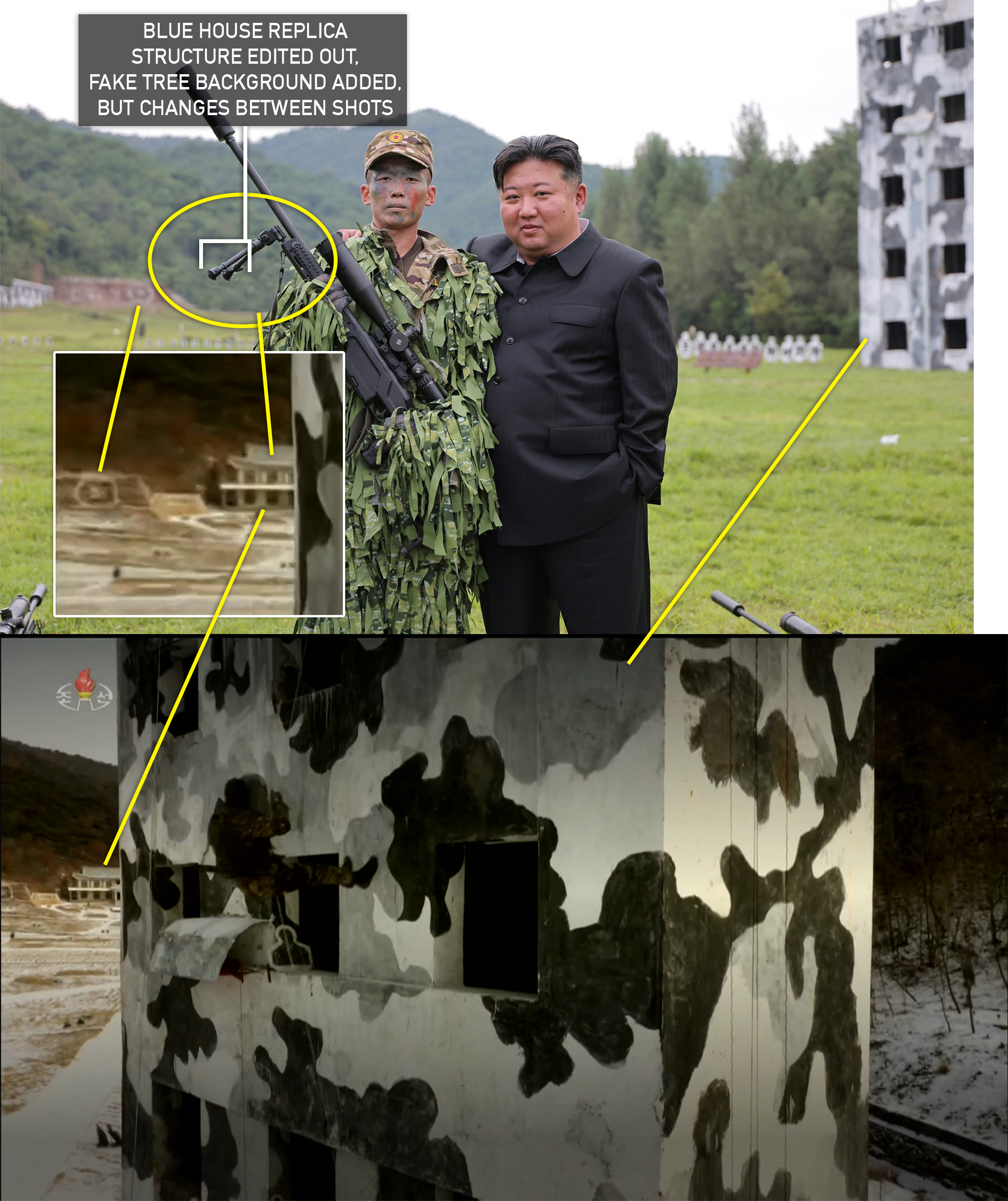
 Satellite imagery expert Jacob Bogle was first to identify the smaller Blue House replica at the base earlier this year. It was constructed in late 2021. The reason for censoring the Blue House now is unclear, as North Korea has shown little hesitation in openly promoting preparations for infiltrating South Korean government and military sites, including plans targeting the ROK Strategic Missile Command headquarters as recently as Sept. 2024. It’s possible that the move reflects a more measured approach toward Seoul’s new Lee Jae-myung administration or an attempt to avoid unnecessary provocations, contrasting with more confrontational rhetoric directed at President Yoon Suk-yeol, who tried to provoke a military conflict with the North late last year before he was removed from office in April. North Korea’s use of the replica is especially relevant now since Lee has vowed to restore the Blue House (called Cheong Wa Dae in South Korea) as the official presidential office and residence, after Yoon moved the office at the start of his term in May 2022. It remains unclear when Lee will move back in. Overt DPRK displays of military preparations against the ROK, including showing Kim inspecting maps of South Korea at military meetings, have not appeared since the pro-engagement Lee took office this past June, though Pyongyang has continued to release strong rhetoric against Lee and suggest in vague terms that military drills were directed at the South. The Blue House censorship may have also been intended to create strategic ambiguity: While intelligence analysts can deduce that such facilities exist and are actively used, removing them from official imagery allows Pyongyang to maintain plausible deniability about its current operational focus. 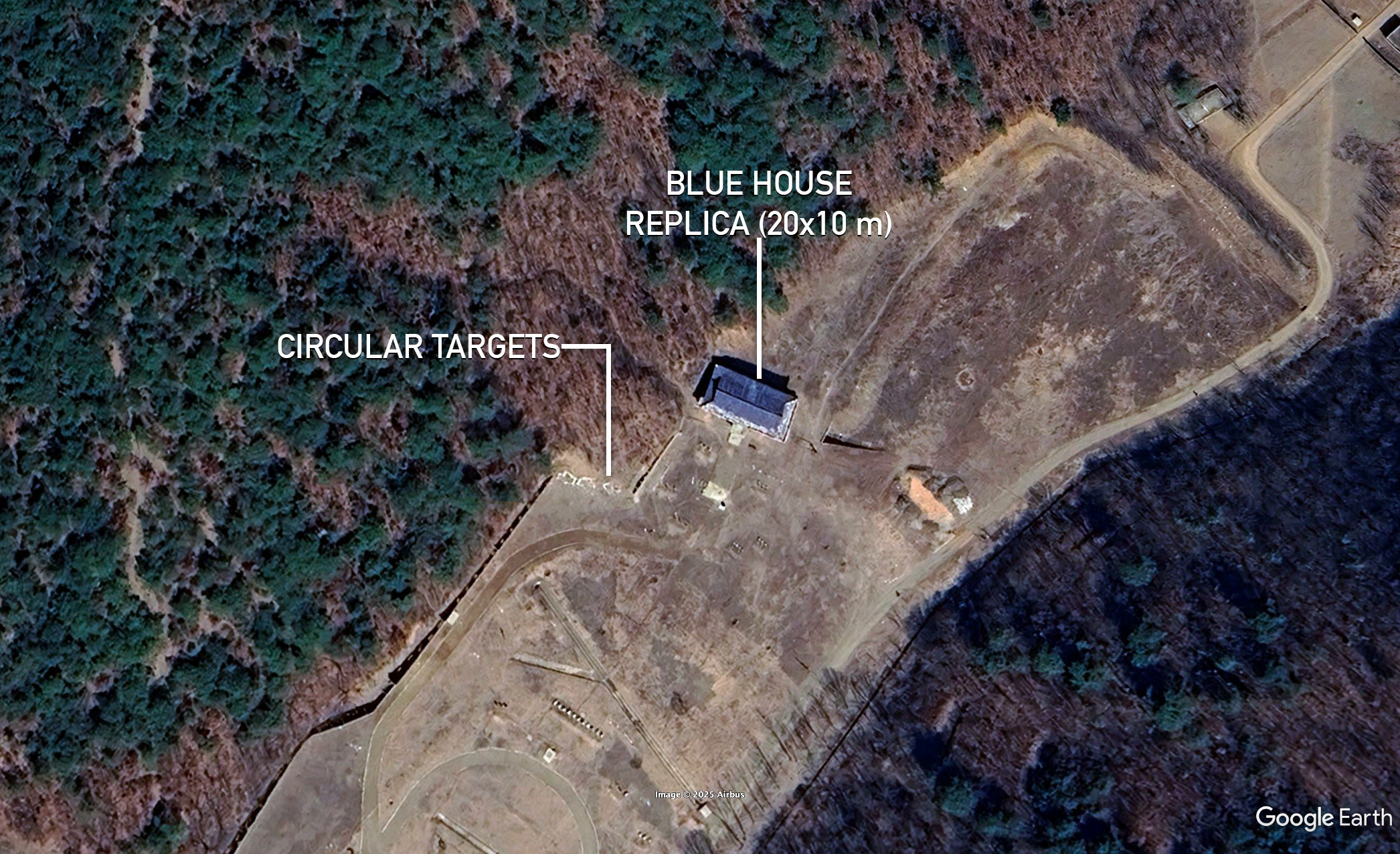
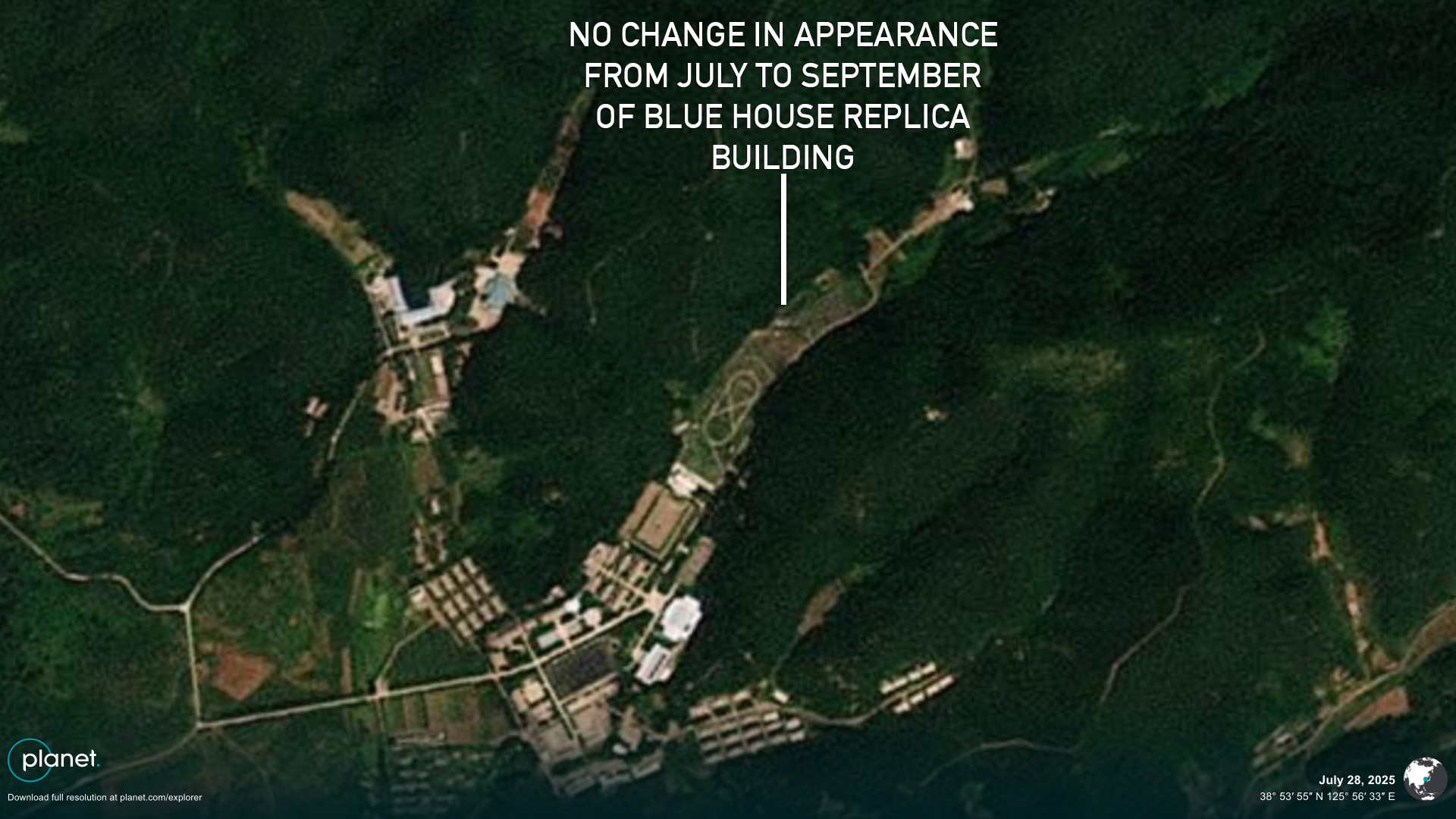
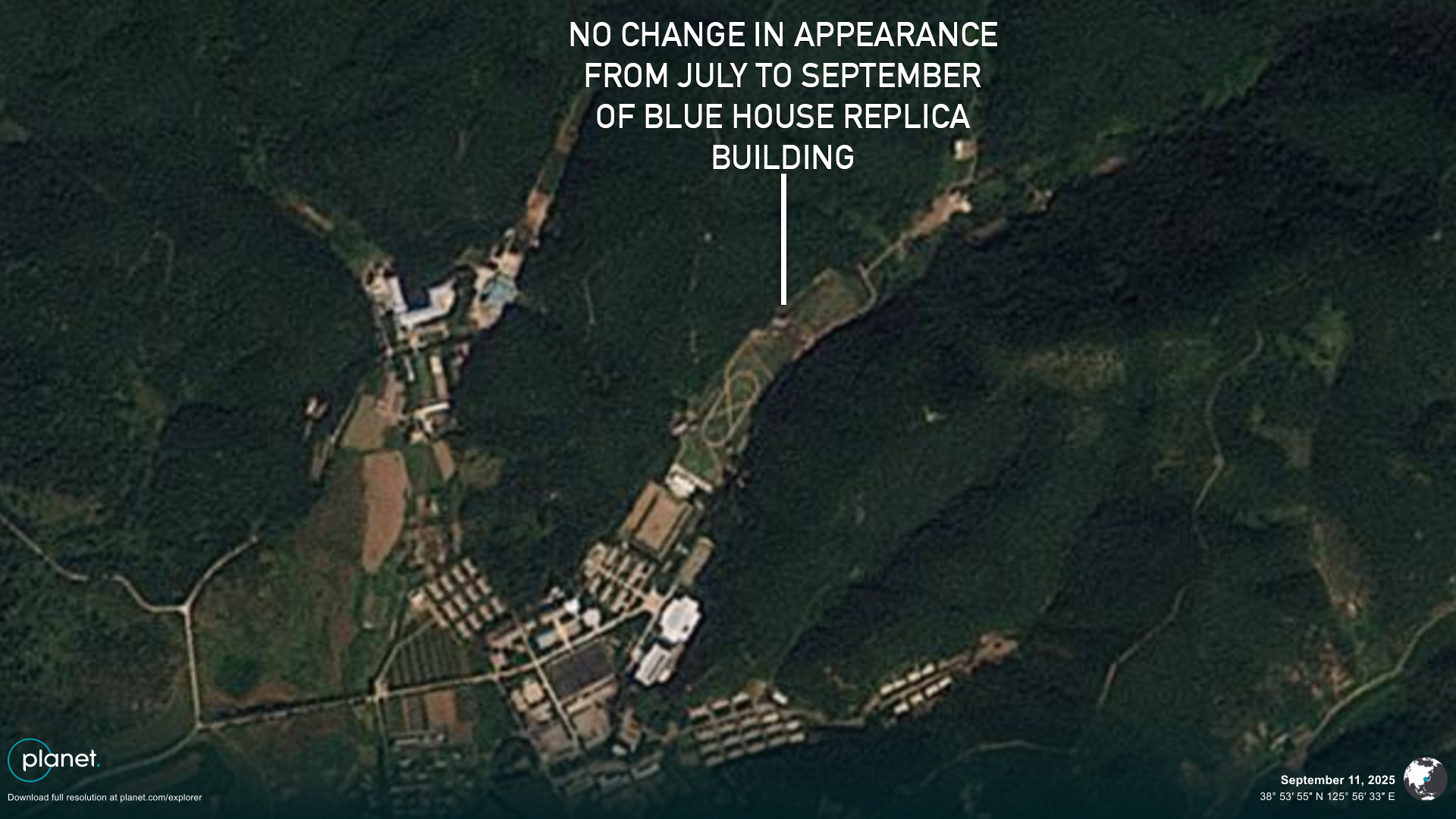
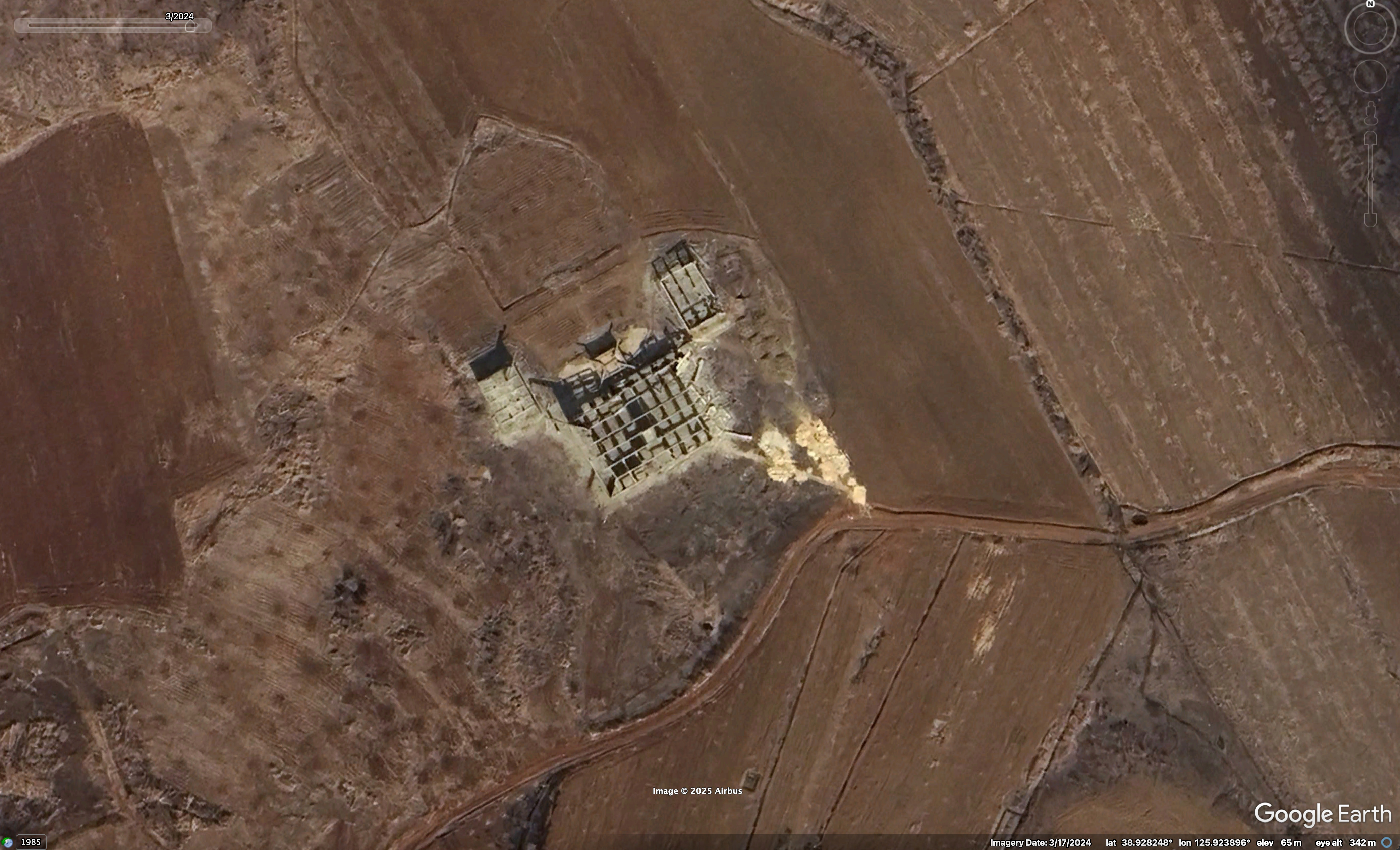
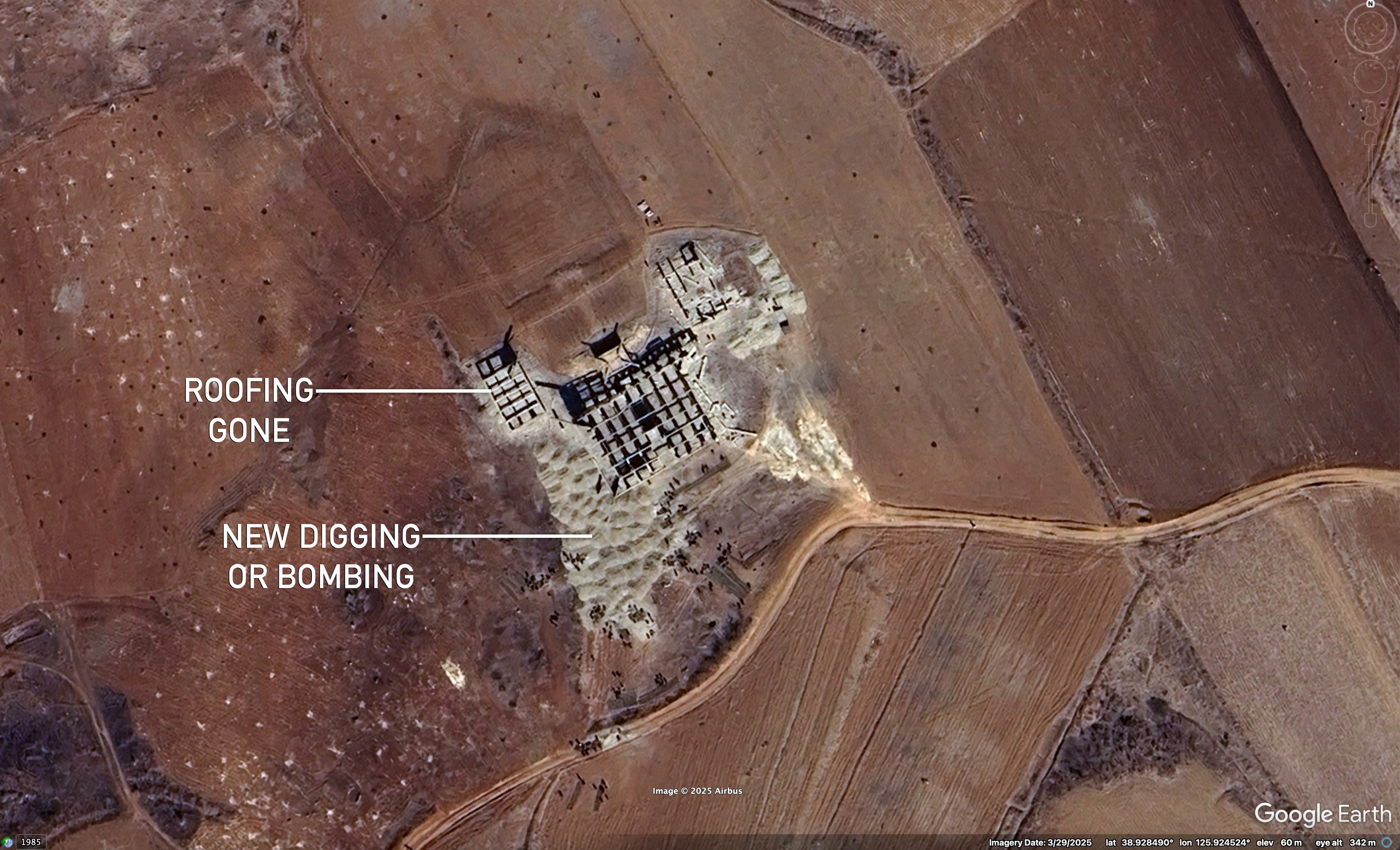
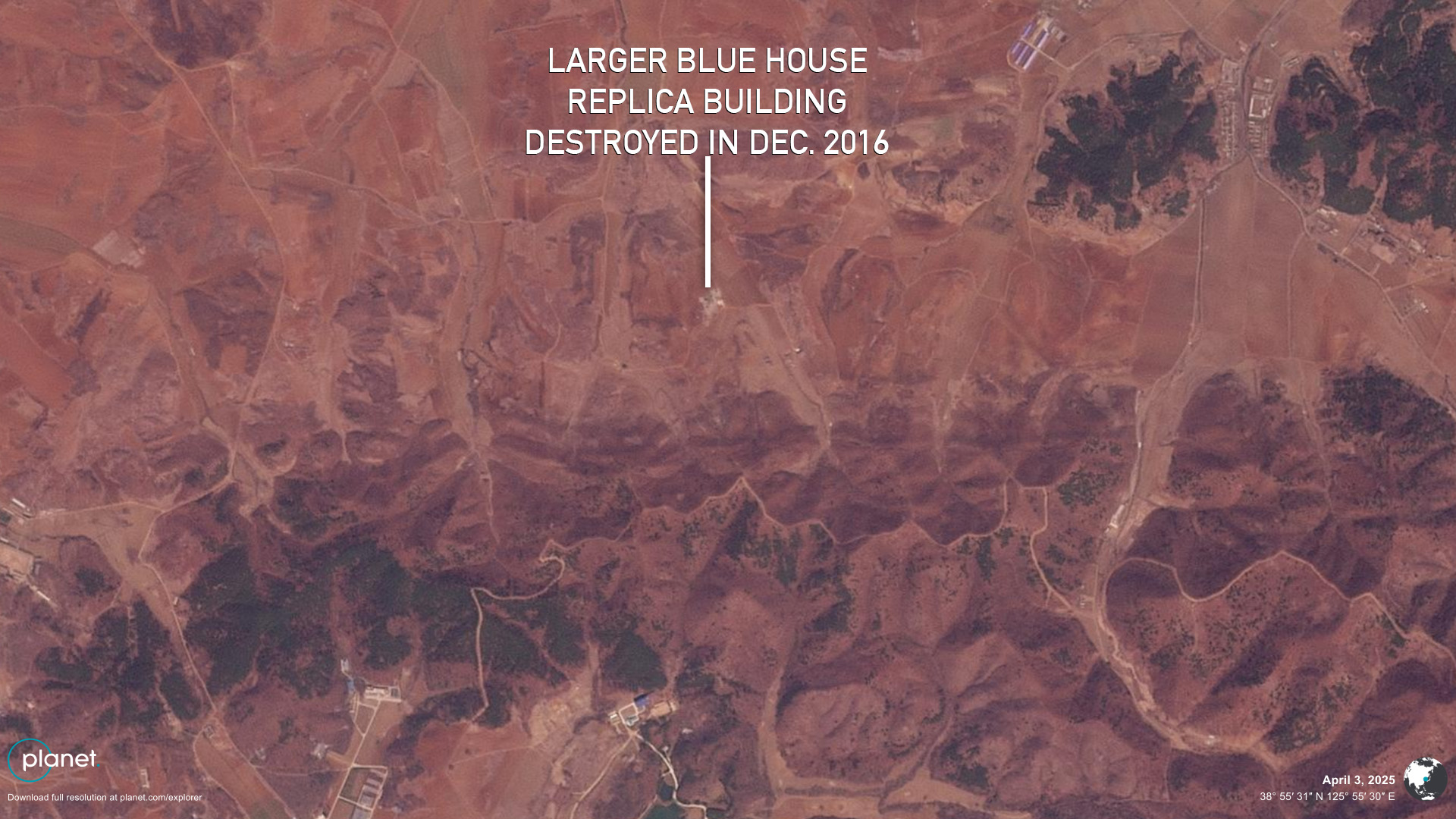
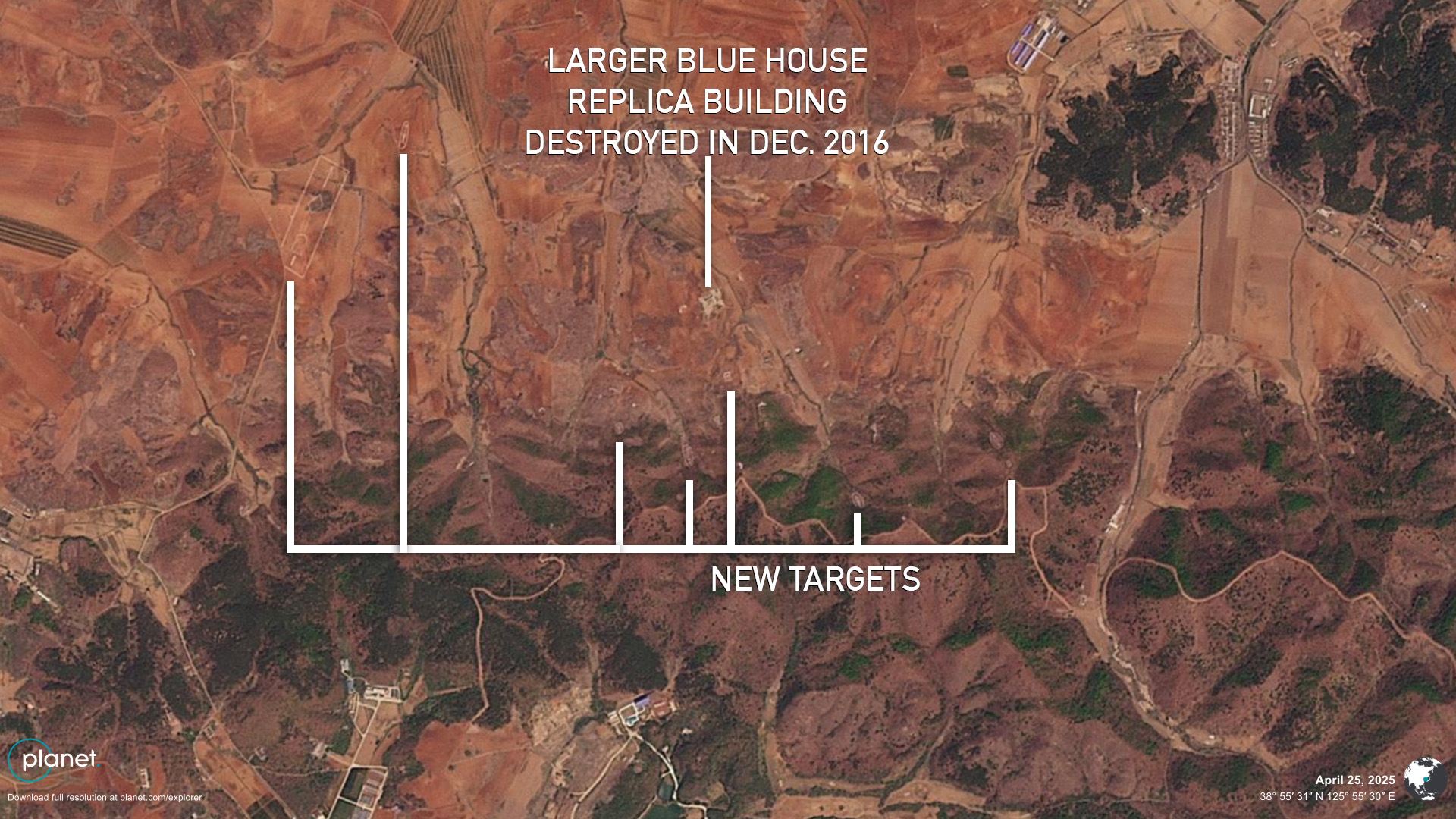
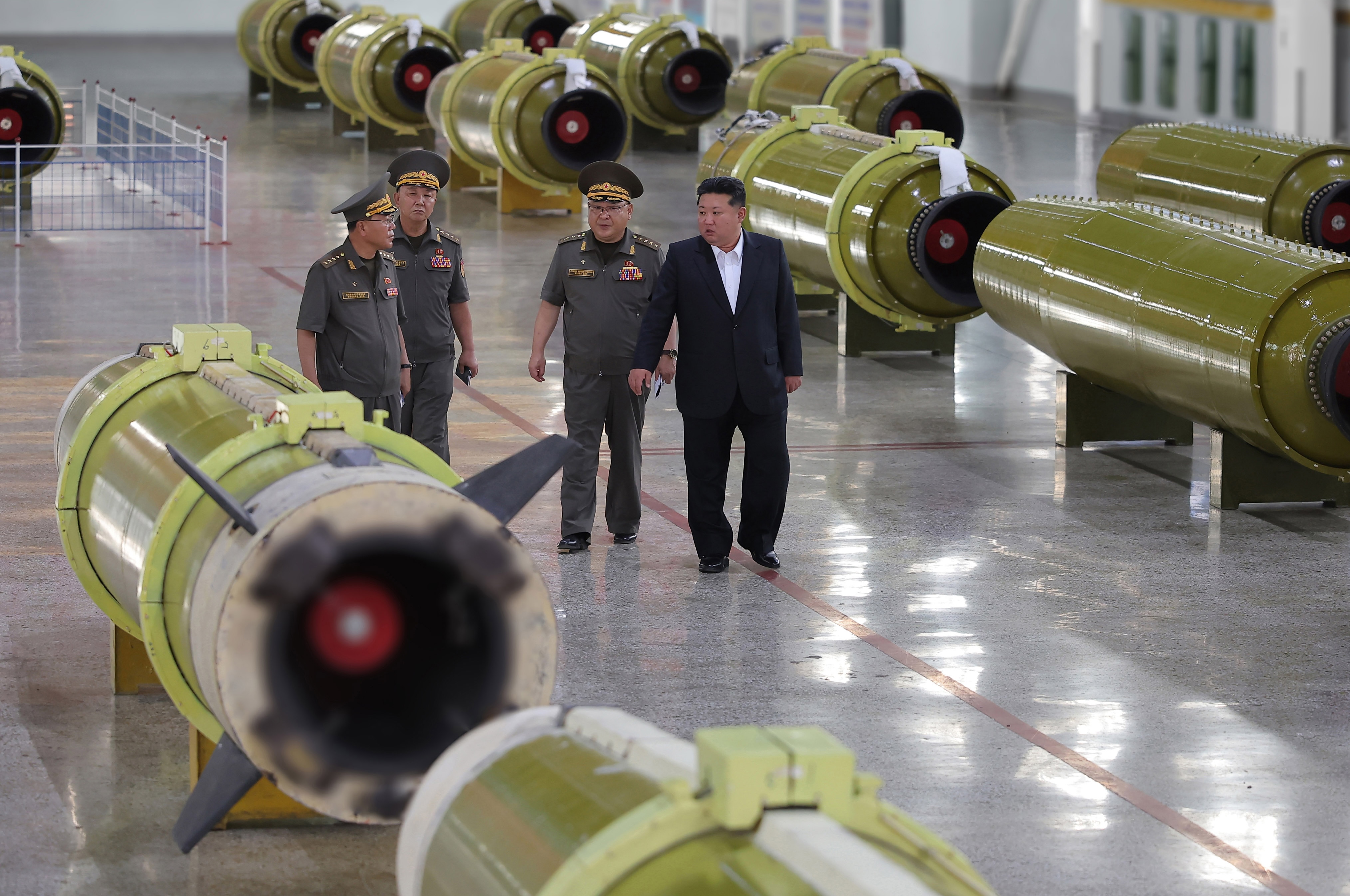
However, Seoul is unlikely to be convinced that Pyongyang isn’t using the Blue House replica during drills until it is physically torn down. North Korea previously publicized Unit 525’s large-scale raid on a different, half-sized Blue House replica located nearby their base to the north in Dec. 2016. This replica also appears to remain in active use by the military. Imagery shows that in March this year — after Yoon was arrested but before officially being removed from office — the grounds around the building were dug up for unknown reasons. Large circular targets were installed on the adjacent hillside for artillery drills in April 2025, and previously in April 2021 and Aug. 2023, Planet Labs imagery shows. MISSILE FACTORY KCNA also appeared to digitally alter photos released on Sept. 1 of Kim inspecting a factory that has reportedly received upgraded production capabilities for Hwasong-11 series SRBMs, according to NK Pro analysis. There are several inconsistencies when comparing two photos showing the same interior side wall of an assembly hall, indicating that censors likely tried to make it look like the wall features large displays of missile test photos, when in reality there are no such photos hung there. The move appears intended to obfuscate the true location of the factory, as analysts often use interior windows as key indicators to match with the exterior appearance of buildings in high-resolution satellite imagery. 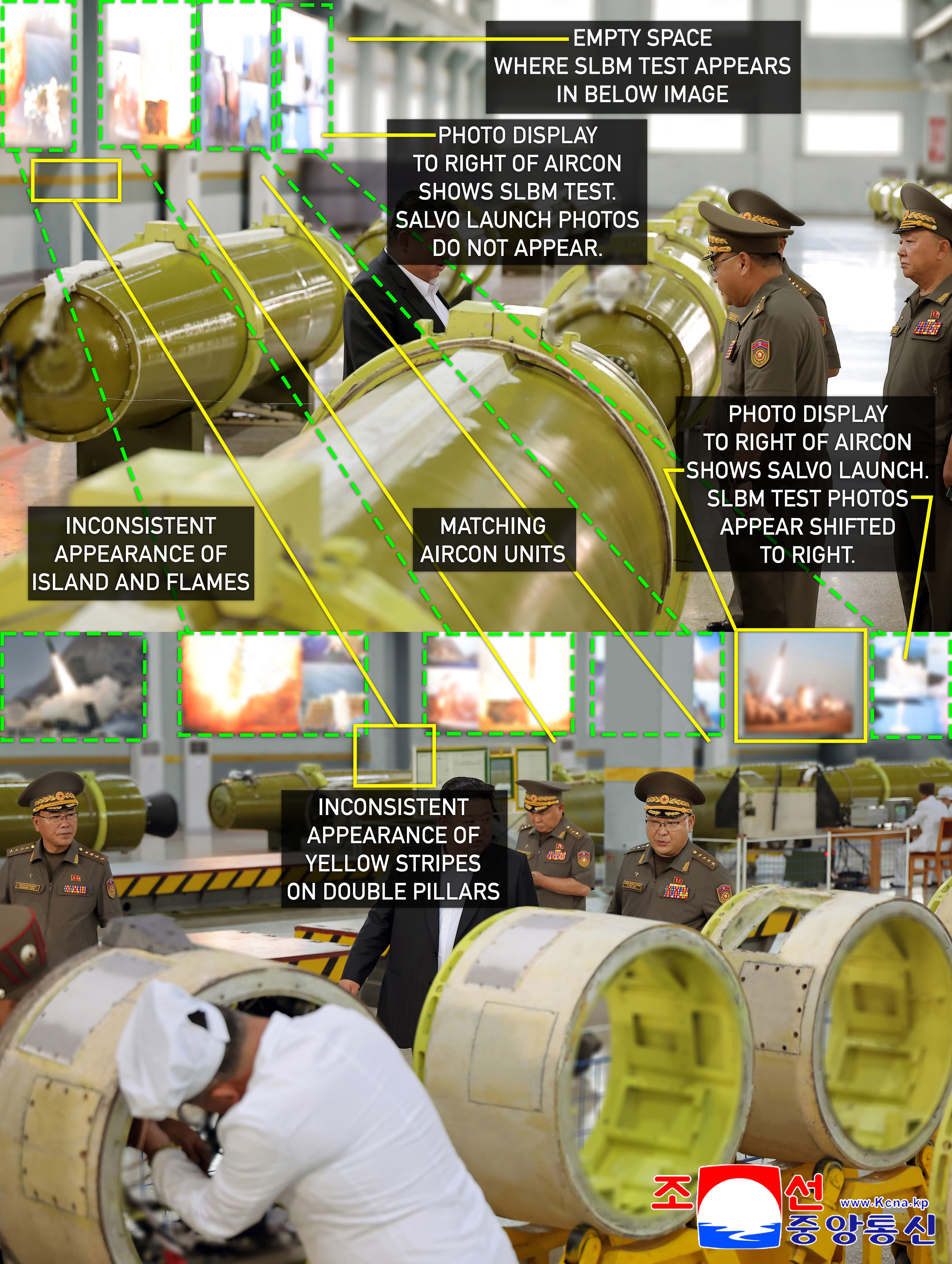 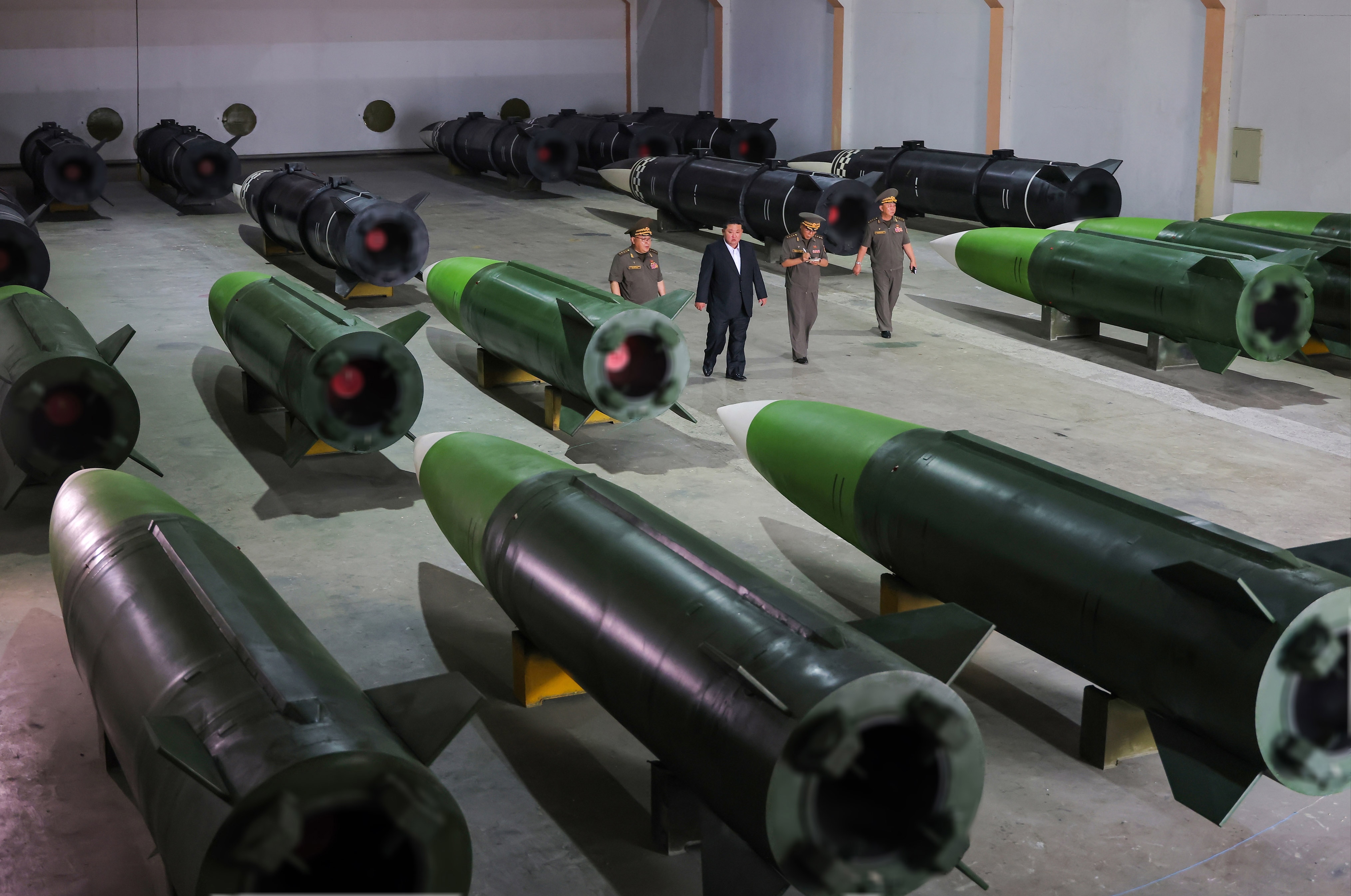
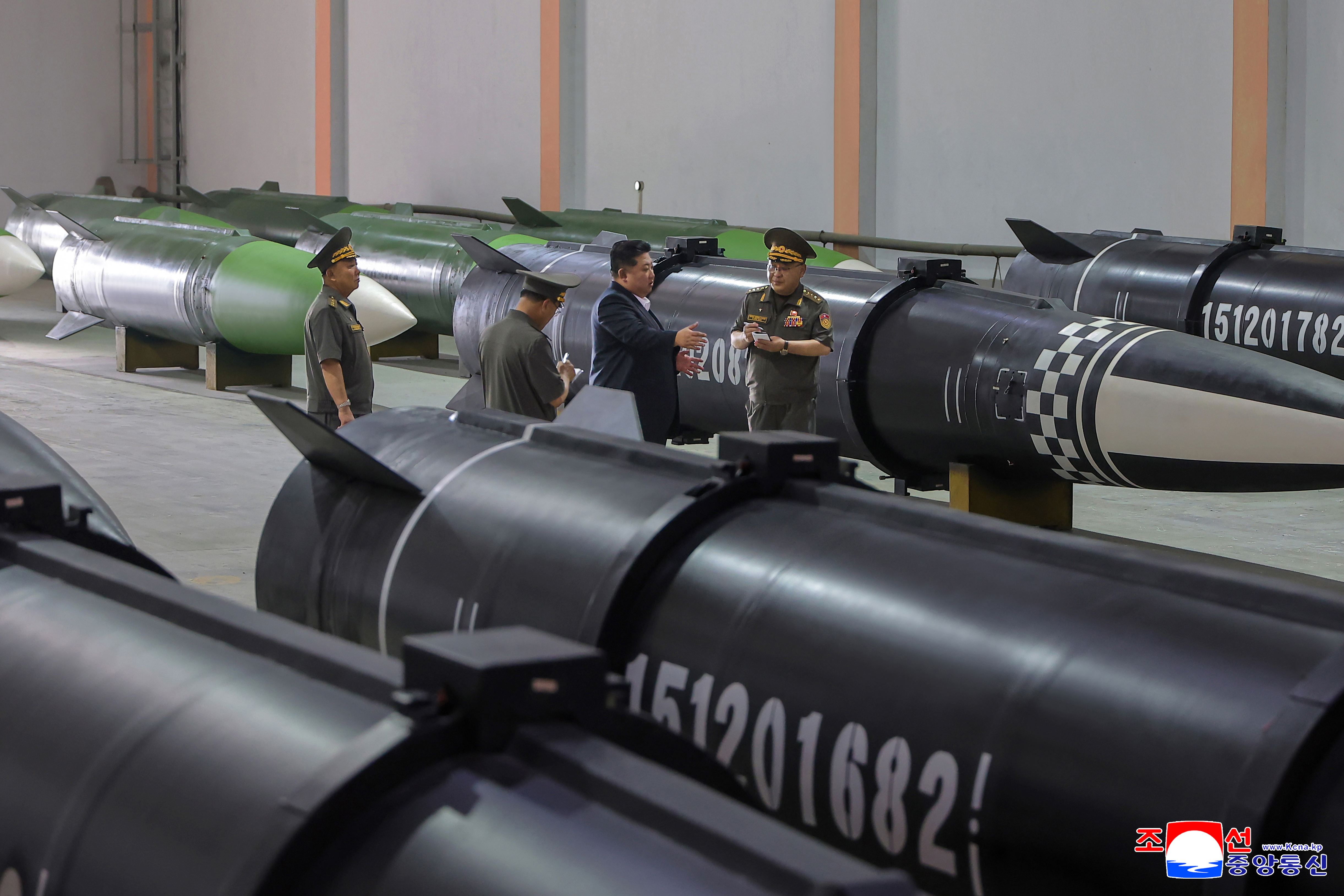
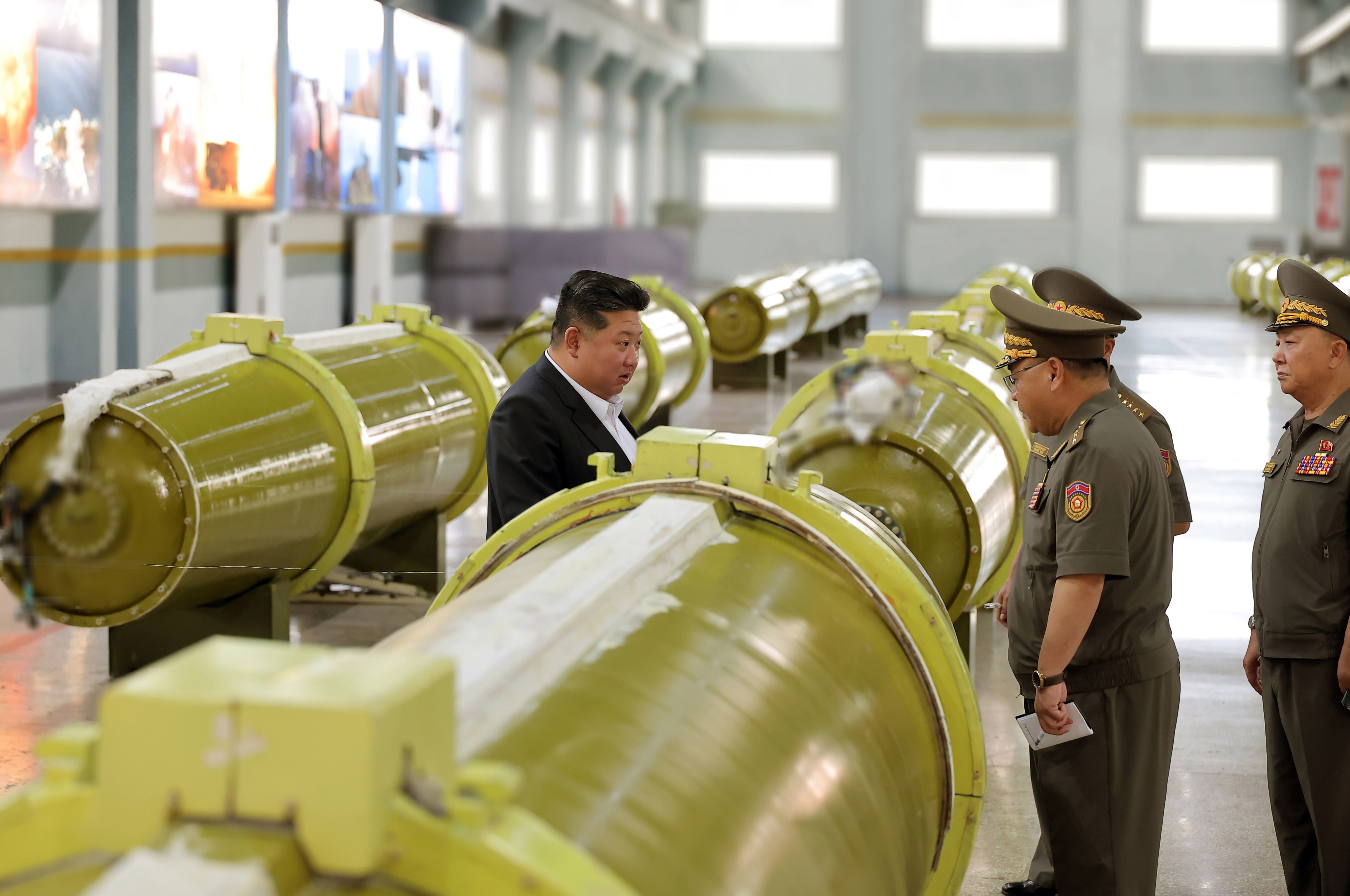
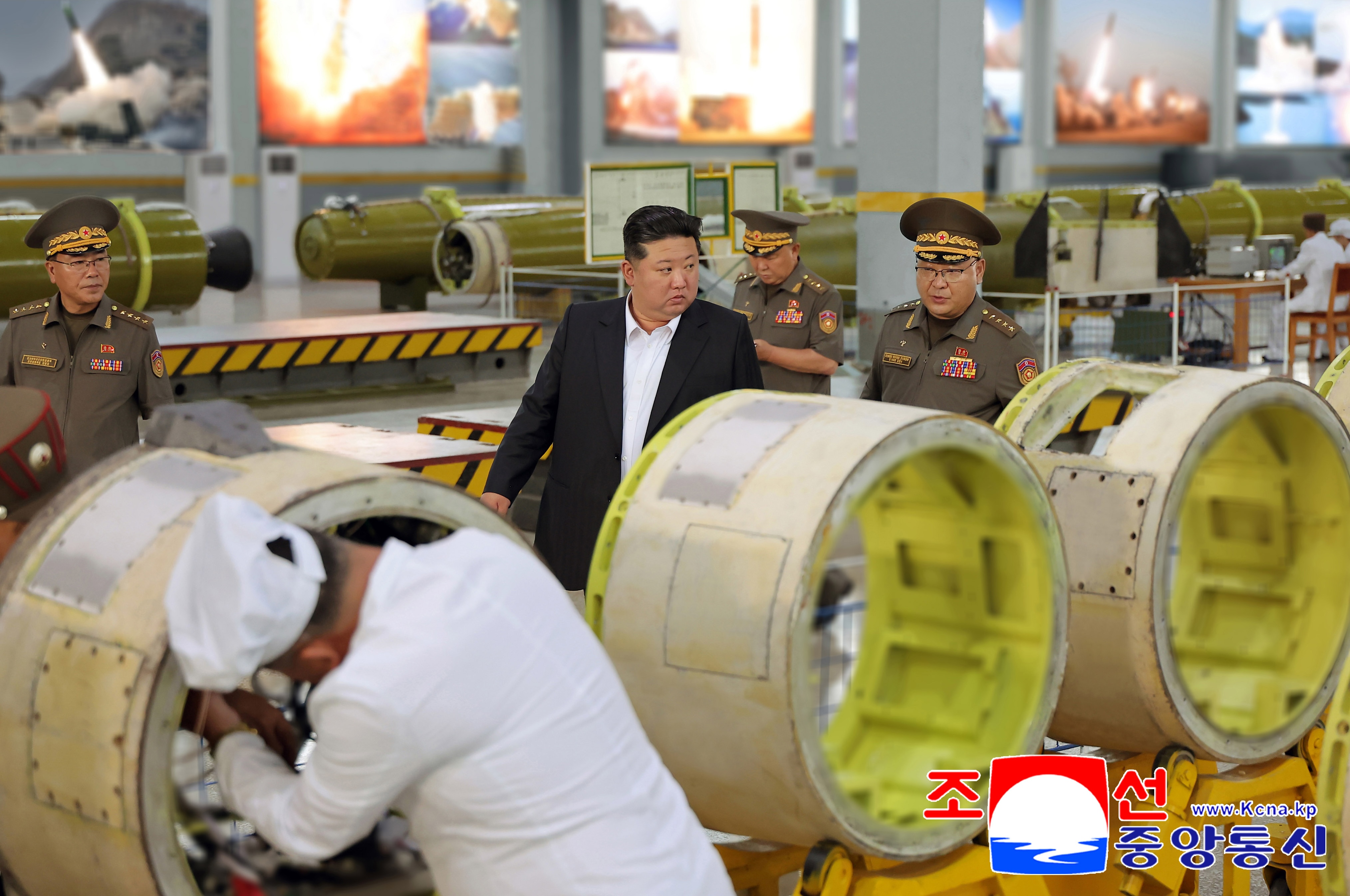
In one KCNA image, there appeared to be large missile test photos fully covering two wall sections to the right of a standing air conditioning unit, but in the other image, the arrangement of missile photos was different and only one of the wall sections to the right of the matching air conditioner was covered while the next one was blank. NK Pro worked with researchers with the James Martin Center for Nonproliferation Studies Open Source Team to try and determine the location of the factory, honing in on the February 11 Plant in Hamhung since it is the only North Korean factory known to produce the Hwasong-11 series missiles. Jeffrey Lewis of the Open Source Team found that a set of double wall pillars in one KCNA image featured a horizontal yellow stripe across them, while the stripe was missing in the other image, another indicator of image manipulation on the side wall. Given that the arrangement of short, wide windows visible on the back wall in one image do not match any buildings at the February 11 Plant, it is possible that North Korea also altered these windows and covered up the side wall to prevent outside analysts from confirming the building’s location. Even if the actual missiles visible in the photos are genuine, the active use of fakery still serves as a reminder of Pyongyang’s propensity to misdirect, lie and inflate its claims related to military development, like in May state media added extra combat drones into a photo of Kim watching air force drills. It will only become easier for North Korea to accomplish such manipulation with the growing availability of AI image technology. Video footage remains a more reliable form of documentation for the DPRK’s weapons advancements, but even AI videos are becoming easier to create. The findings underscore the importance of verifying state media images using independent sources of information whenever possible. 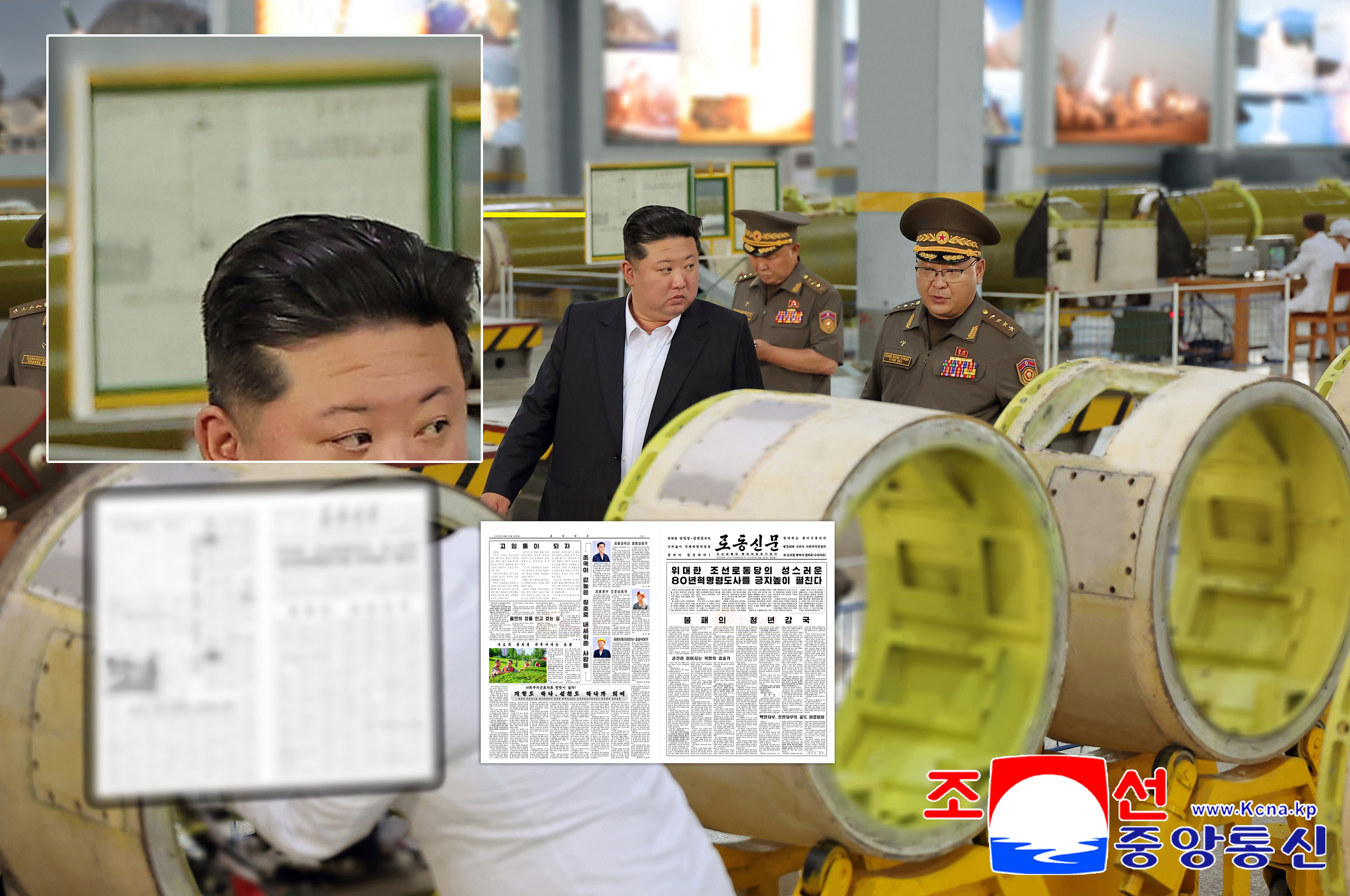 Additionally, North Korea may have lied about the date of Kim’s inspection of the Hwasong-11 factory to reduce circumstantial evidence linking it to the February 11 Plant’s location in Hamhung. While state media said he visited on Aug. 31, the edition of the party daily Rodong Sinmun on a standing display behind Kim in one photo was from Aug. 26 — the same day he was reported to be at a fishery opening ceremony near Hamhung in Ragwon. It’s unlikely that party officials at one of the most important missile factories in the country would fail to replace the primary propaganda newspaper, which workers are required to study daily, for five straight days. Overall, these signs suggest that Kim visited the February 11 Plant and that state media hoped to hide as many clues about its location as possible, though these manipulations still prevent complete confirmation of the location. Edited by Bryan Betts © Korea Risk Group. All rights reserved. |

October 11, 2026Oct 11, 2026

The ultimate resources for professionals working on North Korea
 SHARE
SHARE COPY LINK
 X
X MASTODON