  Analysis Chinese ship makes first known voyage to DPRK, flaunting maritime conventionsVoyage marks rare appearance of a foreign-flagged ship outside a North Korean port since start of COVID-19 pandemic 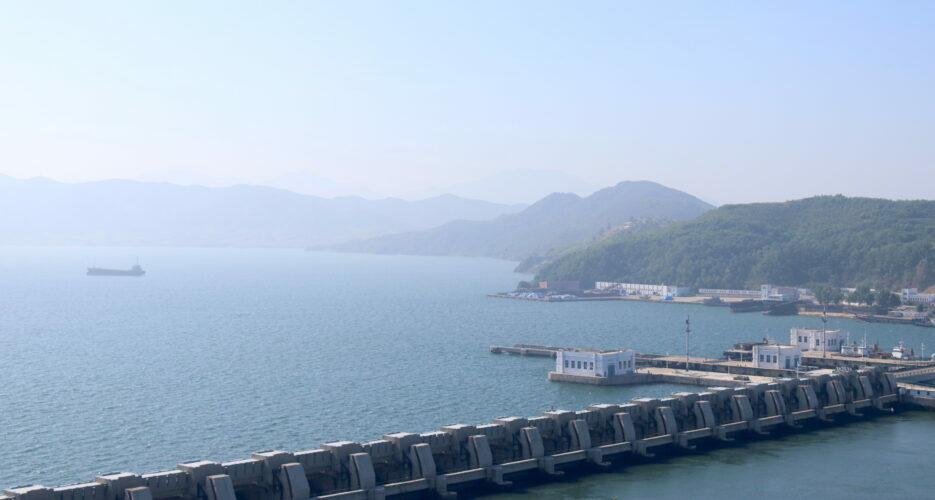 A Chinese-flagged cargo ship known to sail exclusively within Chinese waters arrived outside the key North Korean port of Nampho last week, ship tracking data shows, a likely illegal voyage that suggests Pyongyang may have loosened its maritime COVID-19 trade restrictions. According to automatic identification system (AIS) data from MarineTraffic, the Shun Chang 78 set sail from Rongcheng, China around 21:00 UTC on April 20 toward Nampho. It disappeared from AIS the next day, only to reappear on April 30 anchored alongside dozens of ships waiting to enter Nampho’s lock gates. Even then the ship continued to broadcast — perhaps accidentally — its destination as Dandong, a Chinese city that straddles North Korea’s northwest border over 90 miles (150 kilometers) away. Ship records from FleetMon, another maritime intelligence platform, indicate the Shun Chang 78 is an 82-meter long cargo vessel. Low-resolution satellite imagery confirms the presence of a vessel matching this length at the same spot outside Nampho on April 27 as indicated by AIS. 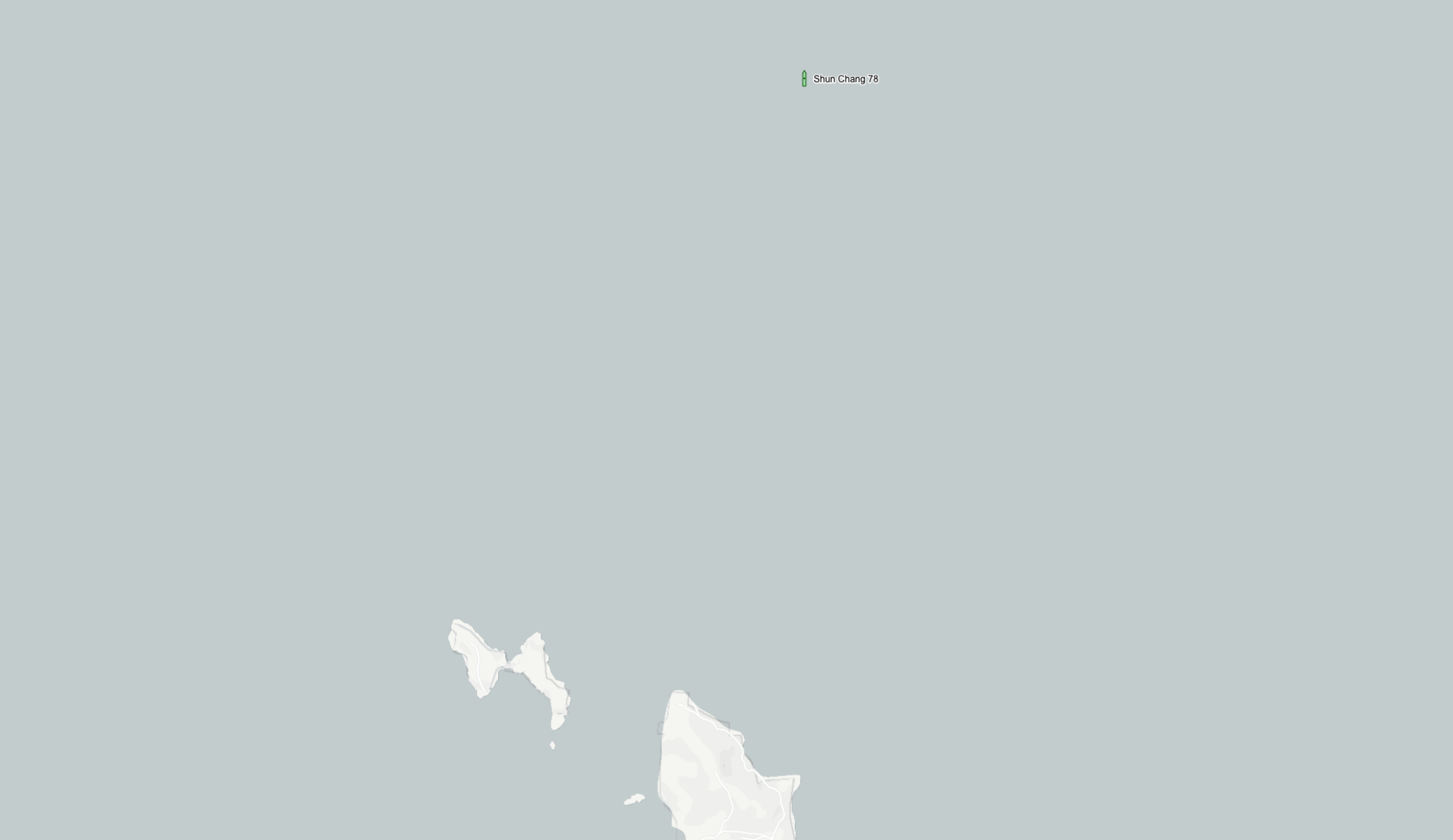 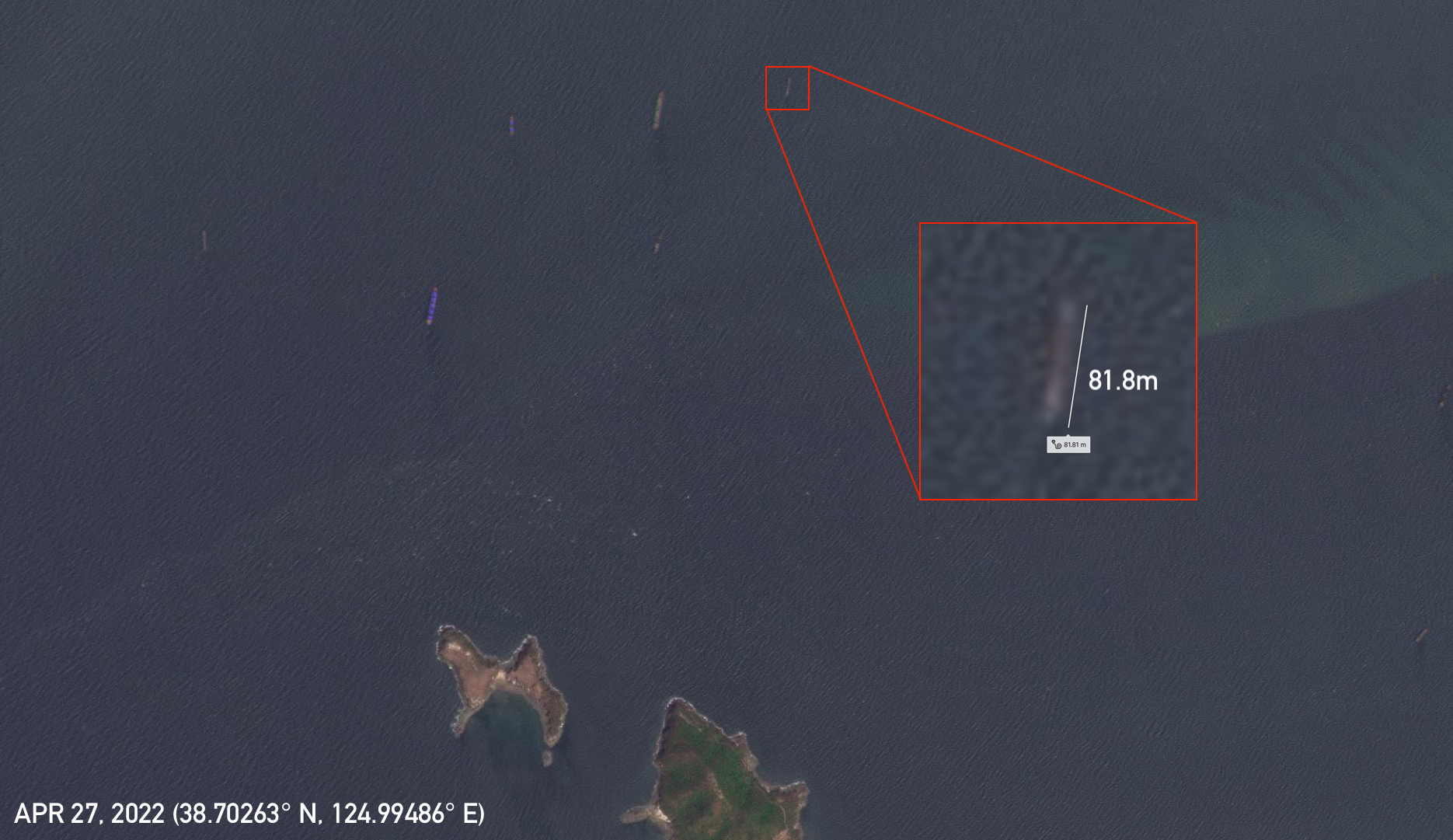 AIS refers to a collection of ship-based radios, ground stations and satellites that provide vessel locations and other identifying information. Although FleetMon records list the Shun Chang 78’s IMO number as 4026538, a spokesperson for the International Maritime Organization (IMO) confirmed to NK Pro that this is incorrect. The Shun Chang 78, in fact, does not have an IMO number, nor has it applied for one. However, International Telecommunications Union (ITU) records indicate that the Shun Chang 78’s stated MMSI number (412427130) is legitimate and that the ship is nearly 1,600 gross tons. According to VesselFinder, other ships of similar gross tonnage also fall between 77 to 83 meters in length, which aligns with the ship’s 82-meter length per FleetMon. These findings suggest the Shun Chang 78 is not spoofing another ship’s identity and is indeed a Chinese-flagged vessel on its first international voyage — and of all places to go, it ended up in North Korea. This raises questions about the legality of the ship’s voyage, as international maritime convention requires all cargo vessels of 300 gross tons or more to apply for an IMO number. “Until the vessel’s voyage to North Korea, the Shun Chang 78’s lack of an IMO number was likely perfectly legal given that IMO numbers are only required by the IMO for vessels that travel internationally,” said Andrew Boling, an analyst with the Center for Advanced Defense Studies (C4ADS) who tracks North Korea’s maritime activity. “Given that the vessel’s AIS history since 2014 shows it appears to have exclusively traveled within Chinese waters, the vessel would not have required an IMO number.” The IMO spokesperson agreed, saying the owner of the vessel should have applied for an IMO number before sailing to the DPRK. Moreover, they said the Shun Chang 78 appears to be part of a Chinese classification society controlled by China’s Maritime Safety Administration (Zhongguo Changjian) that does not share data with foreign entities, making it difficult to learn more about the ship’s owners and operators. It remains unclear what type of cargo the Shun Chang 78 may have taken on before departing for Nampho. AIS data and satellite imagery show the vessel docked outside a heavy industrial district near Changzhou on the Yangtze River a few weeks before it arrived outside Nampho, but cargo is not visible. The Shun Chang 78’s visit to Nampho is the latest evidence that Pyongyang may have eased COVID-19 rules, at least for maritime traffic. Late last year, analysts with the Royal United Services Institute (RUSI) noted that the country seemed to have entirely shunned foreign-flagged tankers in 2021, making the Shun Chang 78 one of the few outsiders to arrive outside the port since. Nampho, the DPRK’s largest port, also saw an unusual uptick in traffic over AIS starting around late March, and at least one ship appeared to skip the country’s lengthy quarantine in early April. On April 29, China’s foreign ministry announced the suspension of rail freight between Dandong and Sinuiju, a North Korean city directly across the Yalu River. Sea trade has continued apace, however, pushing bilateral trade to volumes not seen since the start of the pandemic in early 2020. Edited by Arius Derr © Korea Risk Group. All rights reserved. |

October 21, 2026Oct 21, 2026

The ultimate resources for professionals working on North Korea
 SHARE
SHARE COPY LINK
 X
X MASTODON