  
Analysis Likely Russian ship docks in North Korea’s Rason port for first time since MaySatellite imagery shows mystery vessel at pier tied to suspected arms shipments as DPRK steps up weapons activity.  A likely Russian cargo vessel recently appeared to dock at a North Korean port known to play a key role in the Russia-North Korea arms trade, marking the first such visit since May, according to NK Pro analysis of satellite imagery. The freighter appeared at Rason in the northeastern corner of the DPRK on Sunday, docking at a pier previously used for Russia-bound container shipments suspected of carrying arms and munitions, Planet Labs high-resolution satellite imagery showed. The 113-meter-long vessel remained berthed at the same pier featuring multiple containers through Tuesday and its subsequent whereabouts is unclear. The last known visit by a Russian vessel with ties to transporting DPRK military equipment to Rason came in late May, according to NK Pro analysis. Imagery suggested that vessel was the internationally sanctioned Lev Yashin, formerly known as Maria (IMO 8517839), which has frequented the port since 2023. 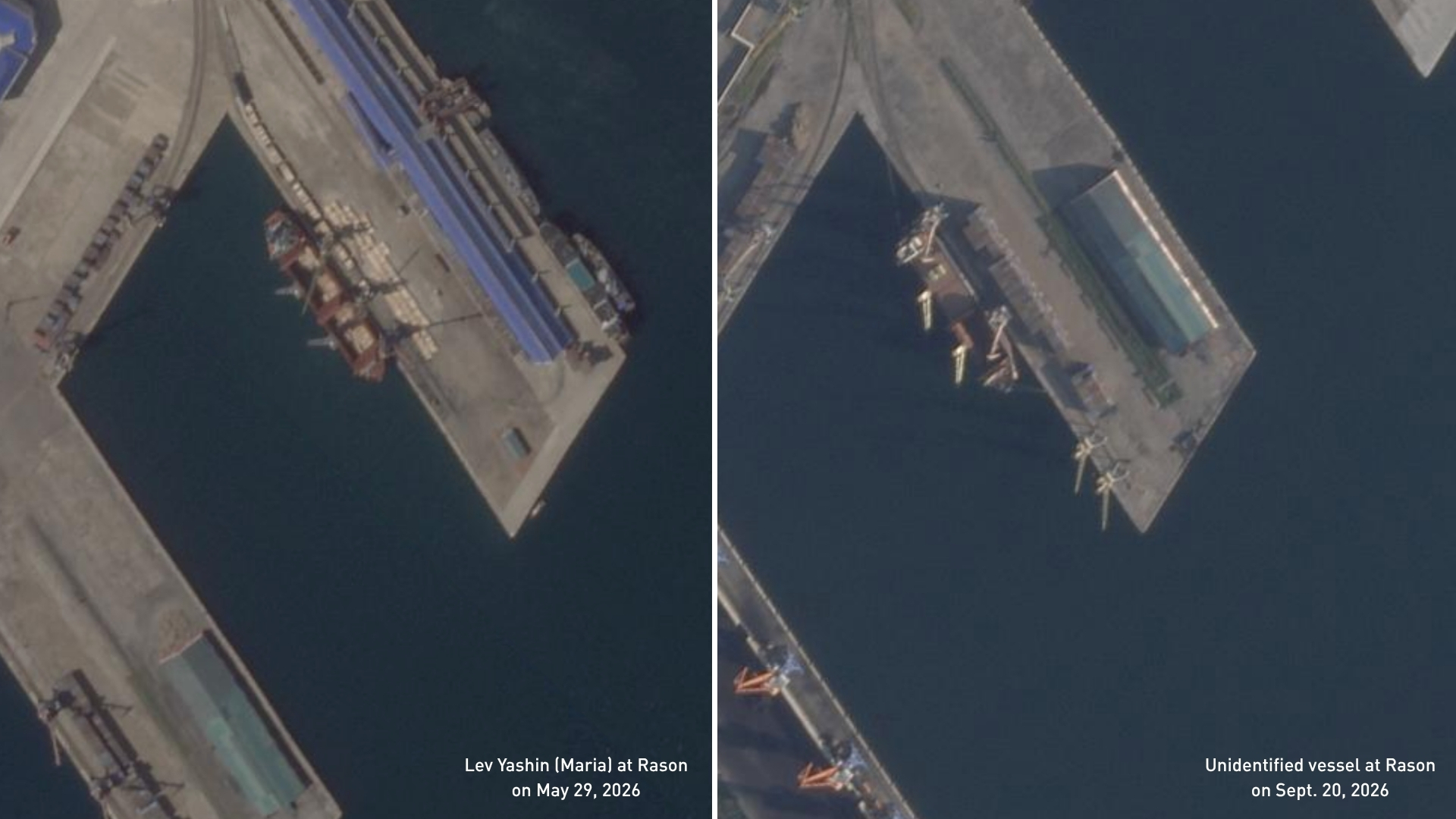 Rason’s northern pier saw another unknown boat berth on June 30. Its much smaller size (90 meters) sets it apart from known Russian boats that previously visited the port, although low-resolution imagery doesn’t definitively indicate whether it was a North Korean or foreign vessel. It is possible that Russian vessels may have picked up cargo at Rason during the summer, but confirming outbound shipments through satellite imagery remains difficult due to clouds obscuring the port throughout July and August. Rason has frequently hosted Russia’s Lev Yashin, Maia-1, Lady R and Angara, vessels that researchers and NK Pro have linked to the Moscow-Pyongyang arms trade going back to Aug. 2023. Of the four known visitors to Rason, the latest vessel closely matches the Lev Yashin’s external features, such as its length of around 113 meters, red-painted cargo holds and two cranes positioned along the starboard side. But the Lev Yashin’s geolocation signals from Russia’s northern regions, including Kamchatka and Chukotka near Alaska, in recent weeks suggest it was hundreds of miles away from Rason during the observed port call. The Lev Yashin has been recently engaged in delivering coal to remote settlements in the north, according to local authorities. Barring spoofing or manipulation of its Automatic Identification System (AIS) signals, it is unlikely the Lev Yashin is the vessel observed at Rason from Sept. 20-22. The three remaining Russian boats implicated in the smuggling of arms and munitions out of Rason have also broadcast their signals from various locations around the globe following their exodus from the Sea of Japan (East Sea) area, under a Russian military convoy in May. 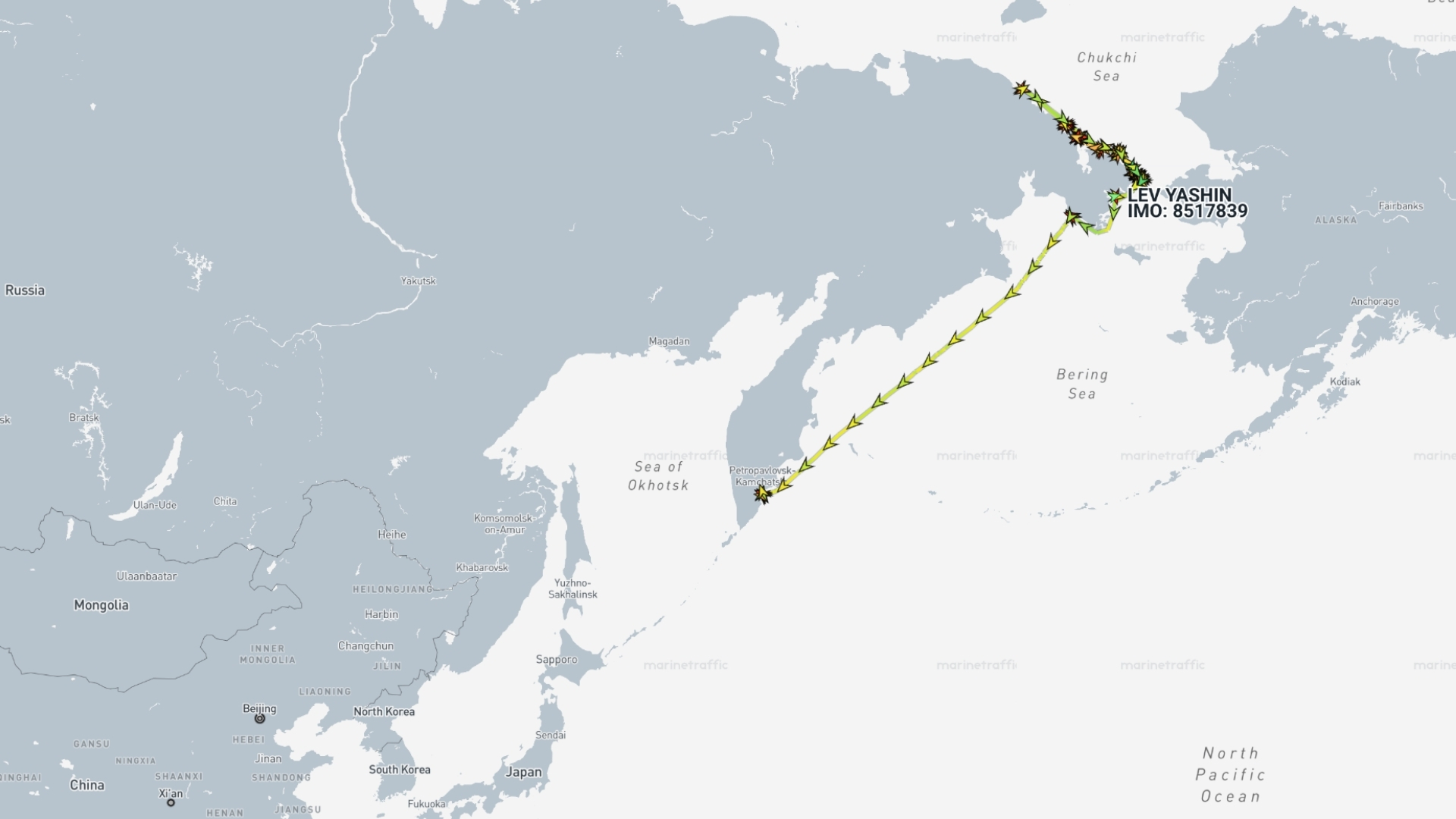
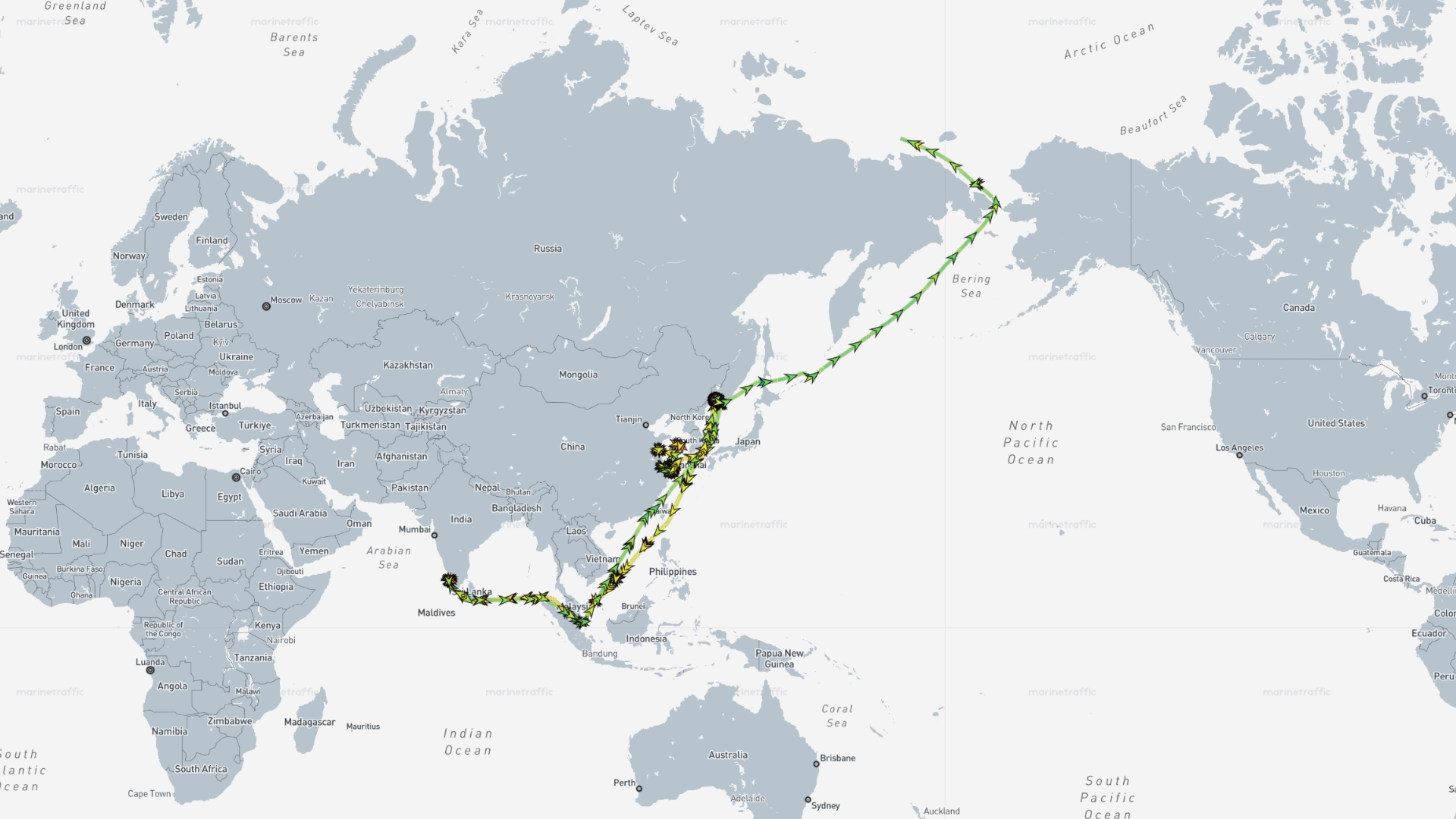
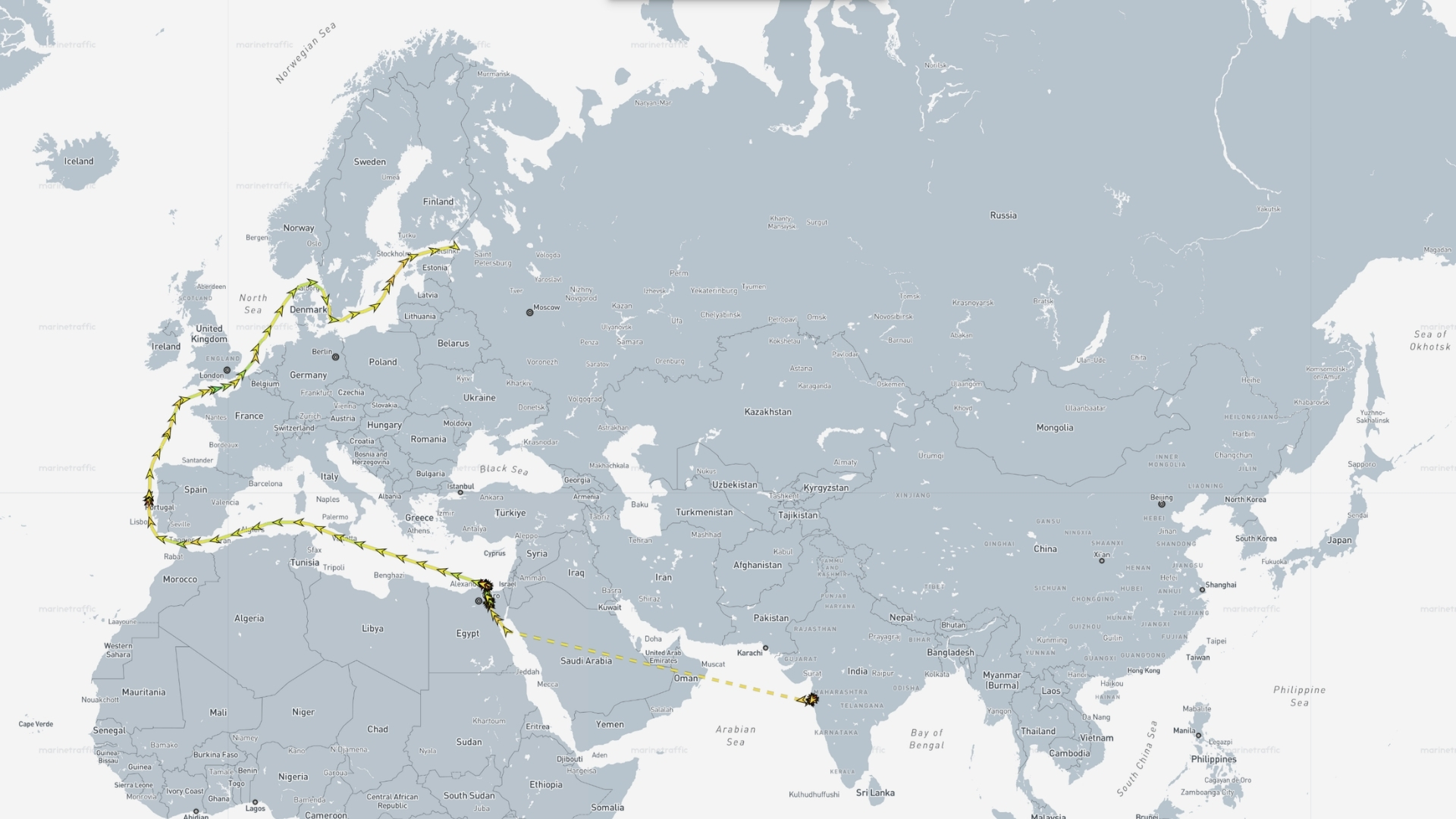
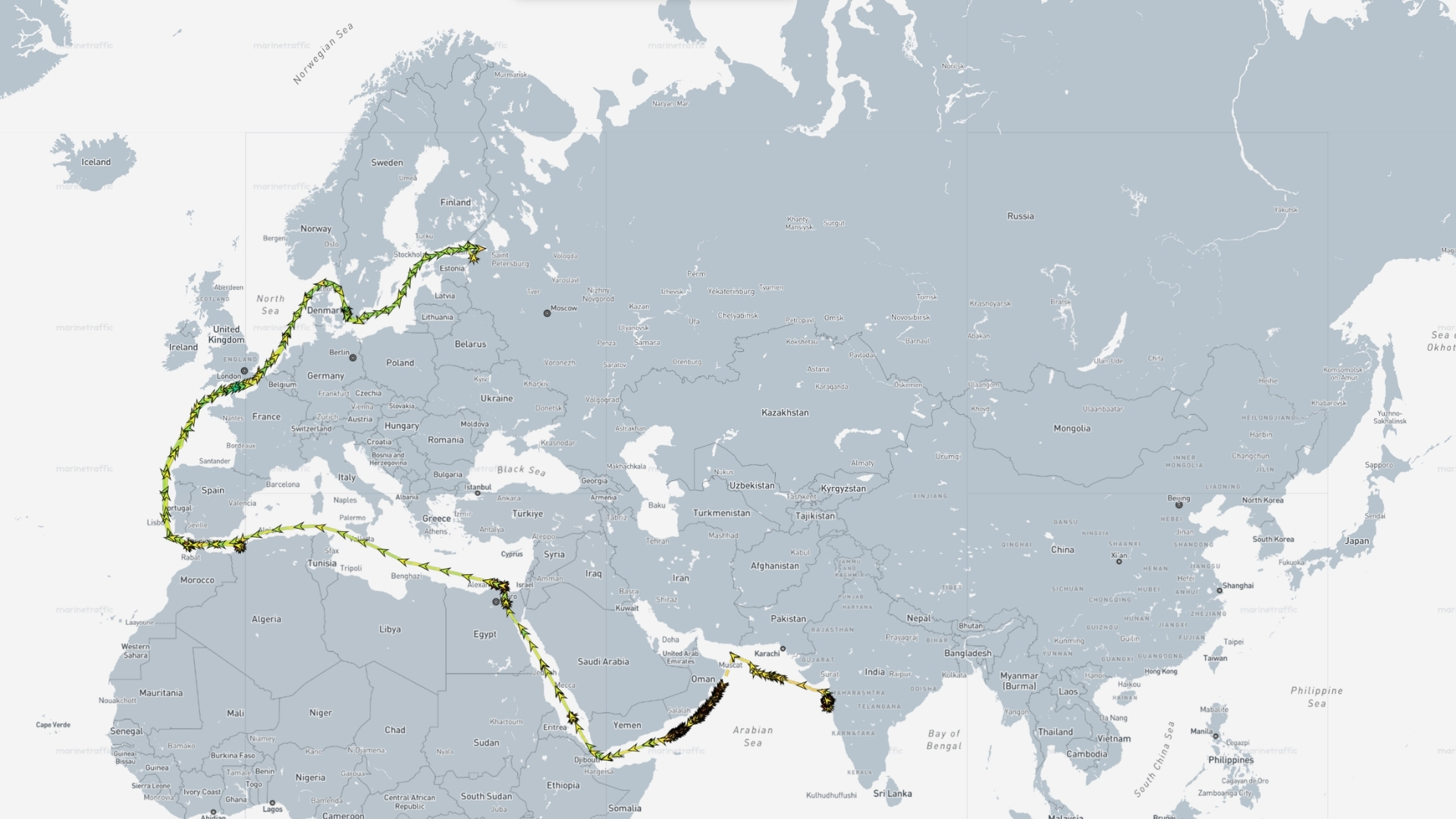
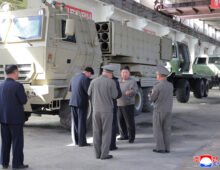
The Maia-1 (IMO 9358010), the largest of the three, passed the Bering Sea around Sept. 20 and is currently sailing through the East Siberian Sea in the Arctic, according to MarineTraffic. It previously sailed to the Indian port of Kochi in early June and set sail northward after a Vladivostok voyage and two subsequent trips to China in August, its geolocation broadcasts show. The Angara (IMO 9179842) was last recorded transmitting its location in late August from the vicinity of Russia’s St. Petersburg. Similarly, the Lady R (IMO 9161003) last broadcast from the same area on Monday, according to MarineTraffic. The Angara and Lady R belong to a Roll-on/Roll-off type of cargo vessels, making them distinctly different from general cargo freighters in satellite imagery. Along with the Lev Yashin and Maia-1, the vessels are under heavy international sanctions over their involvement in arms deliveries for Russia, including those imposed by the U.S., EU, South Korea and Japan. The unidentified vessel’s appearance at Rason comes as North Korea resumed a flurry of weapons tests in recent days, launching ballistic and hypersonic missiles, multiple-launch rocket systems and drones. DPRK leader Kim Jong Un has also inspected rocket and drone facilities as part of a broader push to modernize the country’s military capabilities. Researchers estimated earlier this year that North Korea delivered between 8 to 11 million artillery shells in some 30,000 containers to Russia since Aug. 2023. Russia also resumed using North Korean ballistic missiles against Ukraine this summer for the first time in nearly a year. Pyongyang is believed to have supplied around 150 KN-23/24 missiles by Aug. 2025, with Kyiv expecting North Korea to provide Russia with an additional 120 missiles. Edited by Alannah Hill © Korea Risk Group. All rights reserved.

|

September 24, 2026Sep 24, 2026

The ultimate resources for professionals working on North Korea
 SHARE
SHARE COPY LINK
 X
X MASTODON