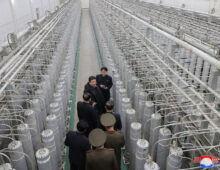
  Investigations North Korea builds, then buries new facility at main SRBM factory for RussiaSatellite imagery also shows other new construction at missile plant has stalled for almost a year  North Korea has built and then buried a new facility at its main factory producing short-range ballistic missiles for Russia, according to NK Pro analysis of satellite imagery. The factory makes Hwasong-11 series short-range ballistic missiles (SRBMs), which have been used by Russian and DPRK troops for attacks on Ukraine since late 2023. Photos of the factory published during visits by leader Kim Jong Un in recent years have suggested it may also manufacture airframes for long-range missiles and satellite launch vehicles (SLVs). Planet Labs imagery of the February 11 Factory in Hamhung shows that a building measuring 65 by 35 meters and two or three stories high was built between late 2024 and Feb. 2026 in a secluded area in the valley at the north end of the complex. The building looks similar to production and assembly halls common at the North’s weapons factories, with office or storage rooms on outer walls and a large open area in the center. 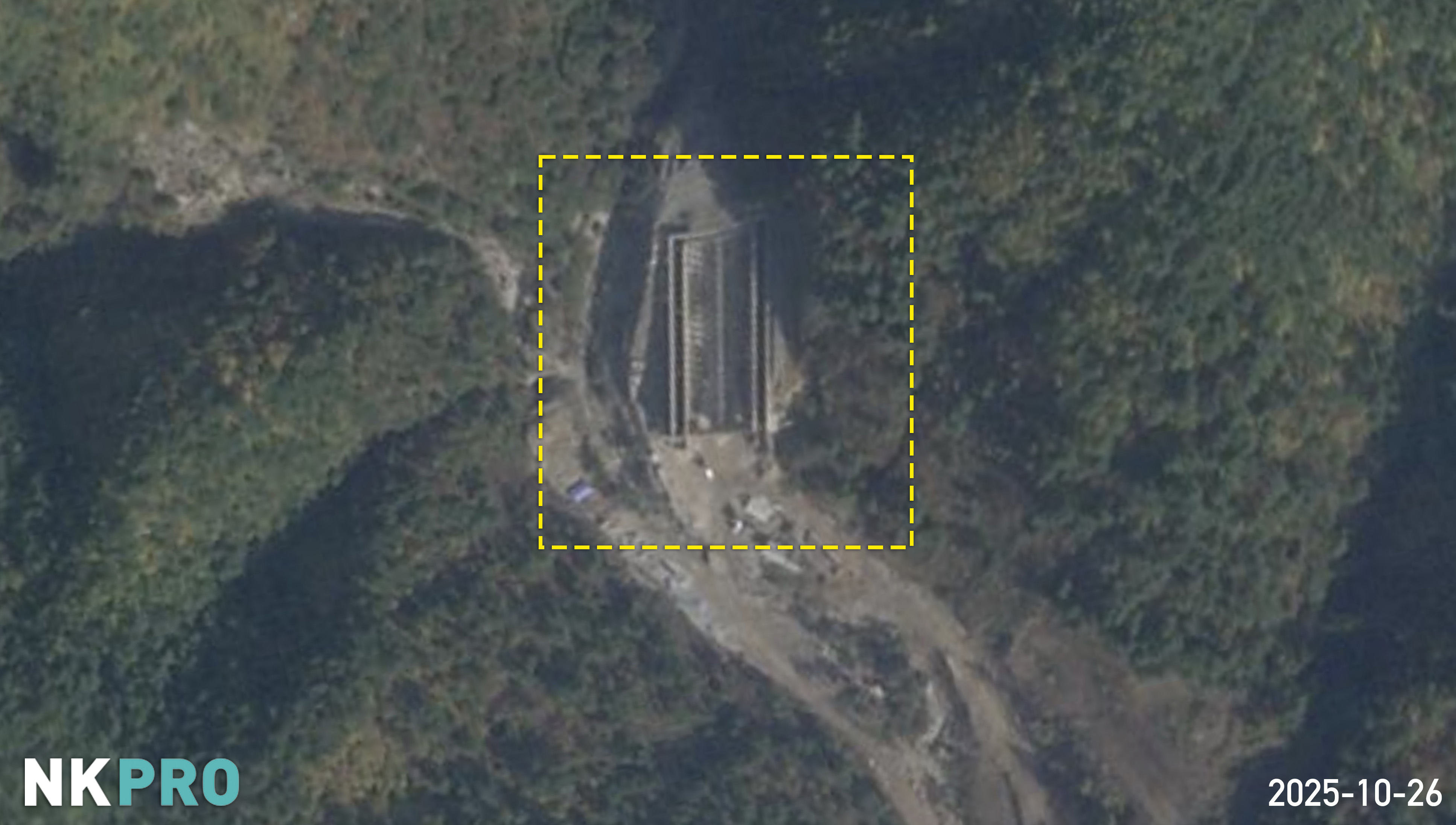
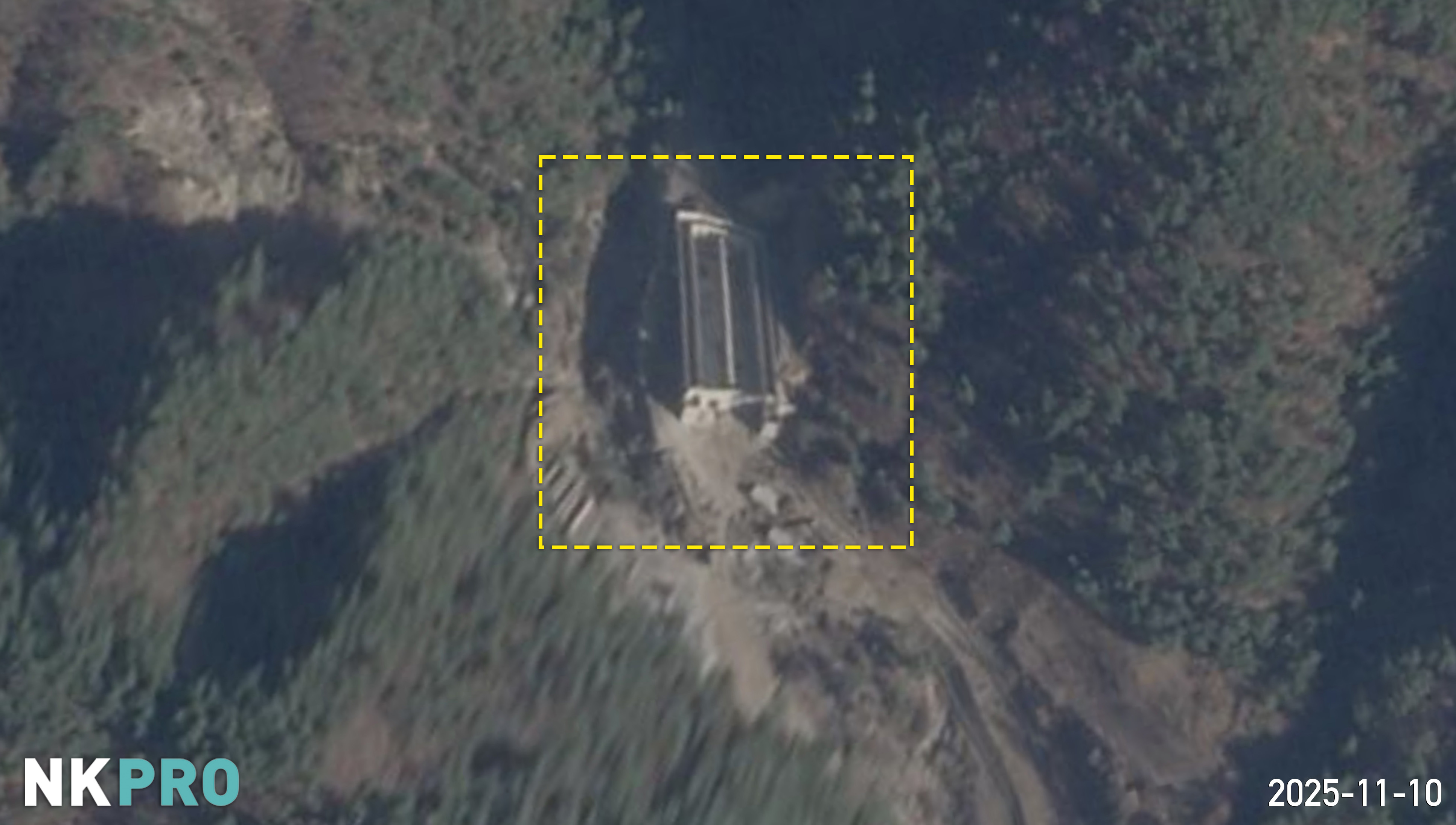
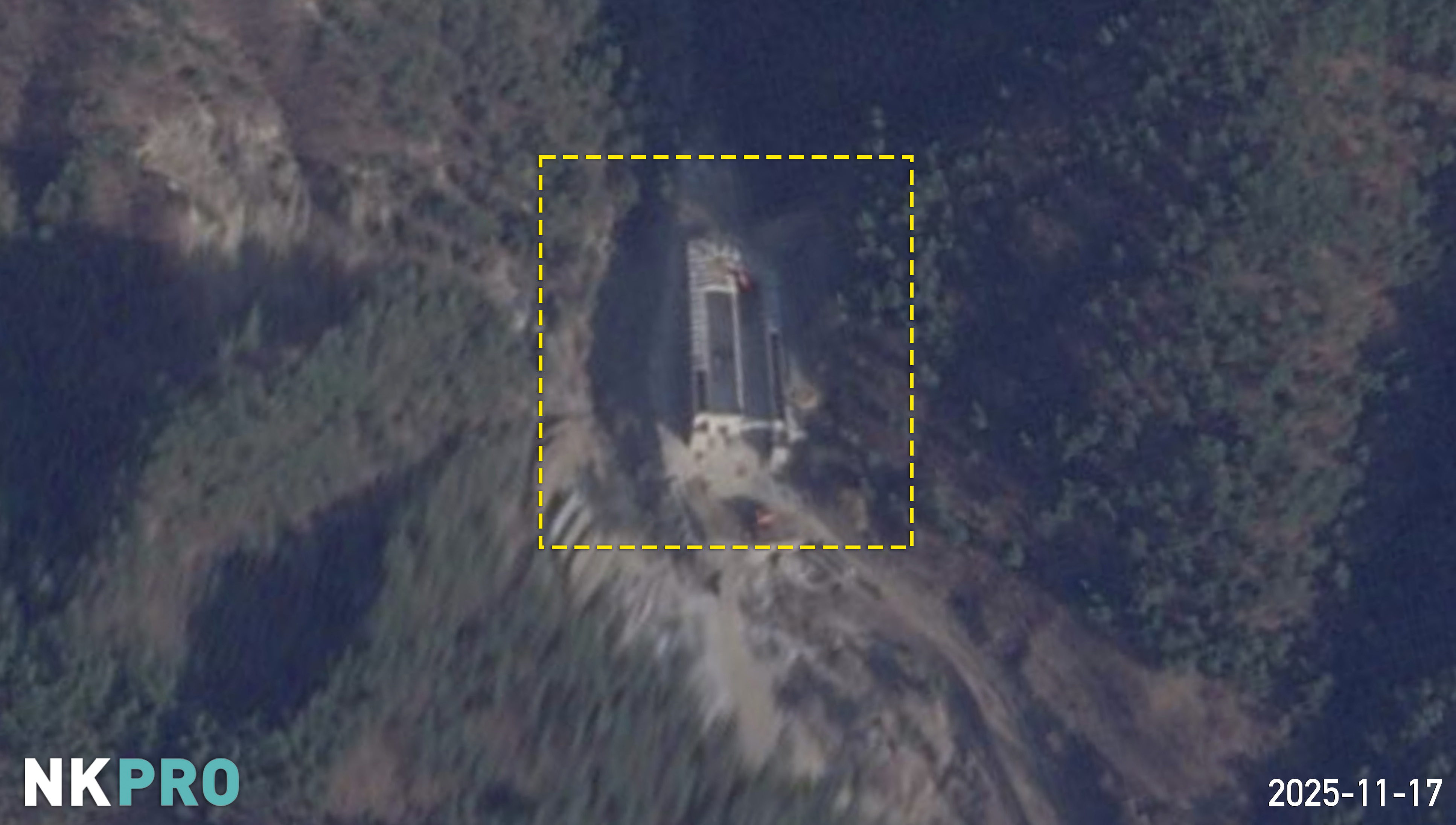
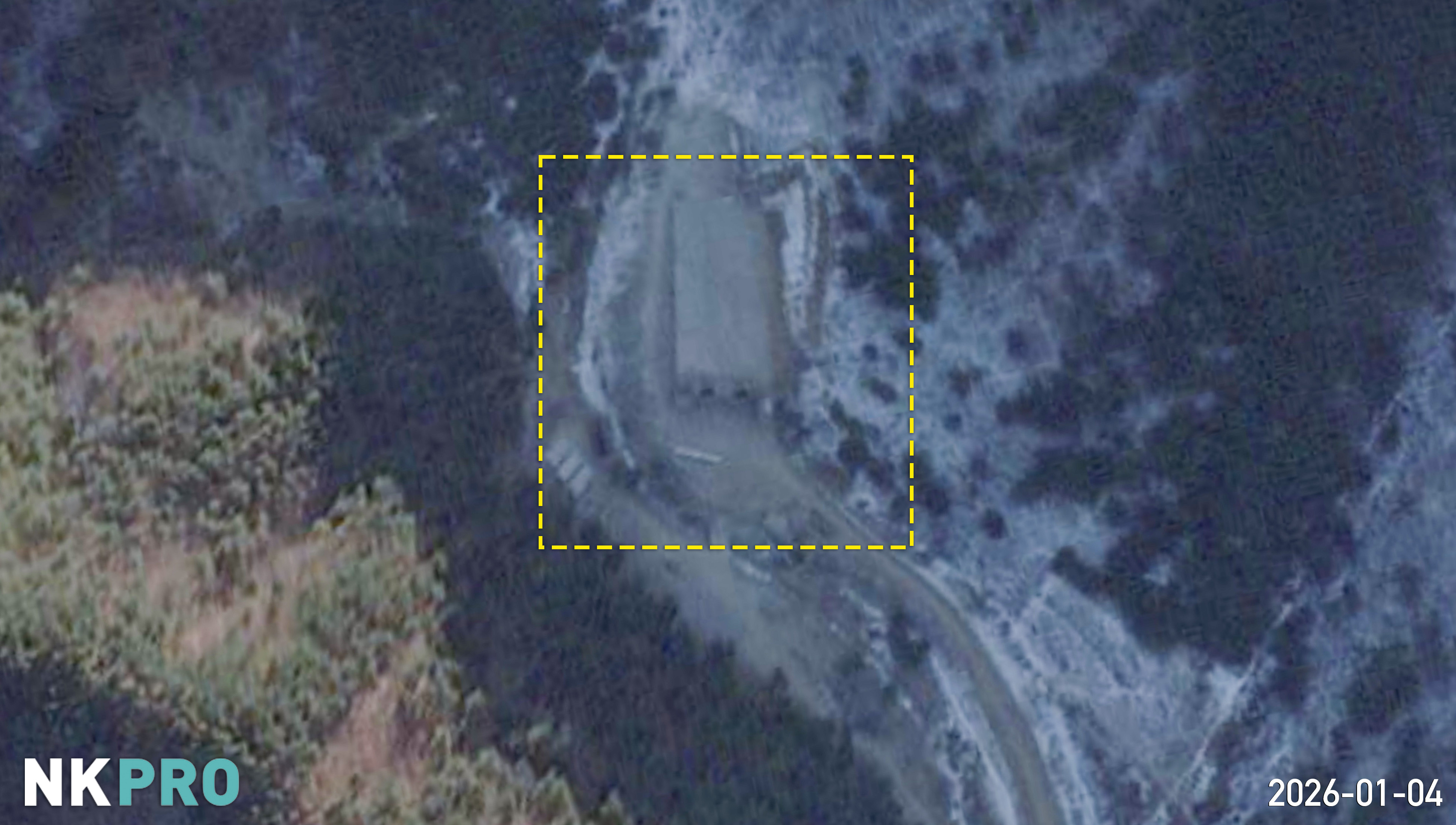
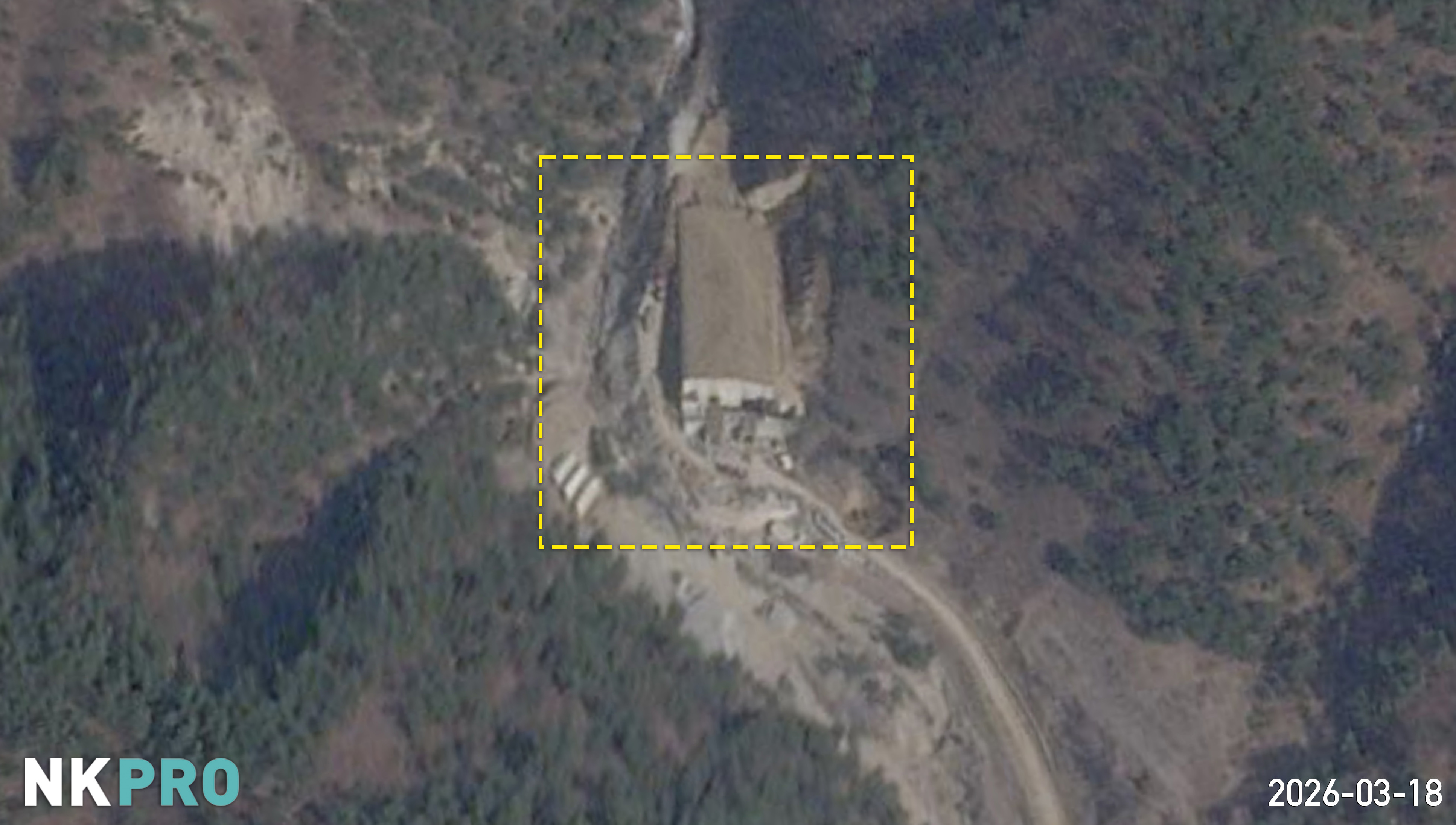
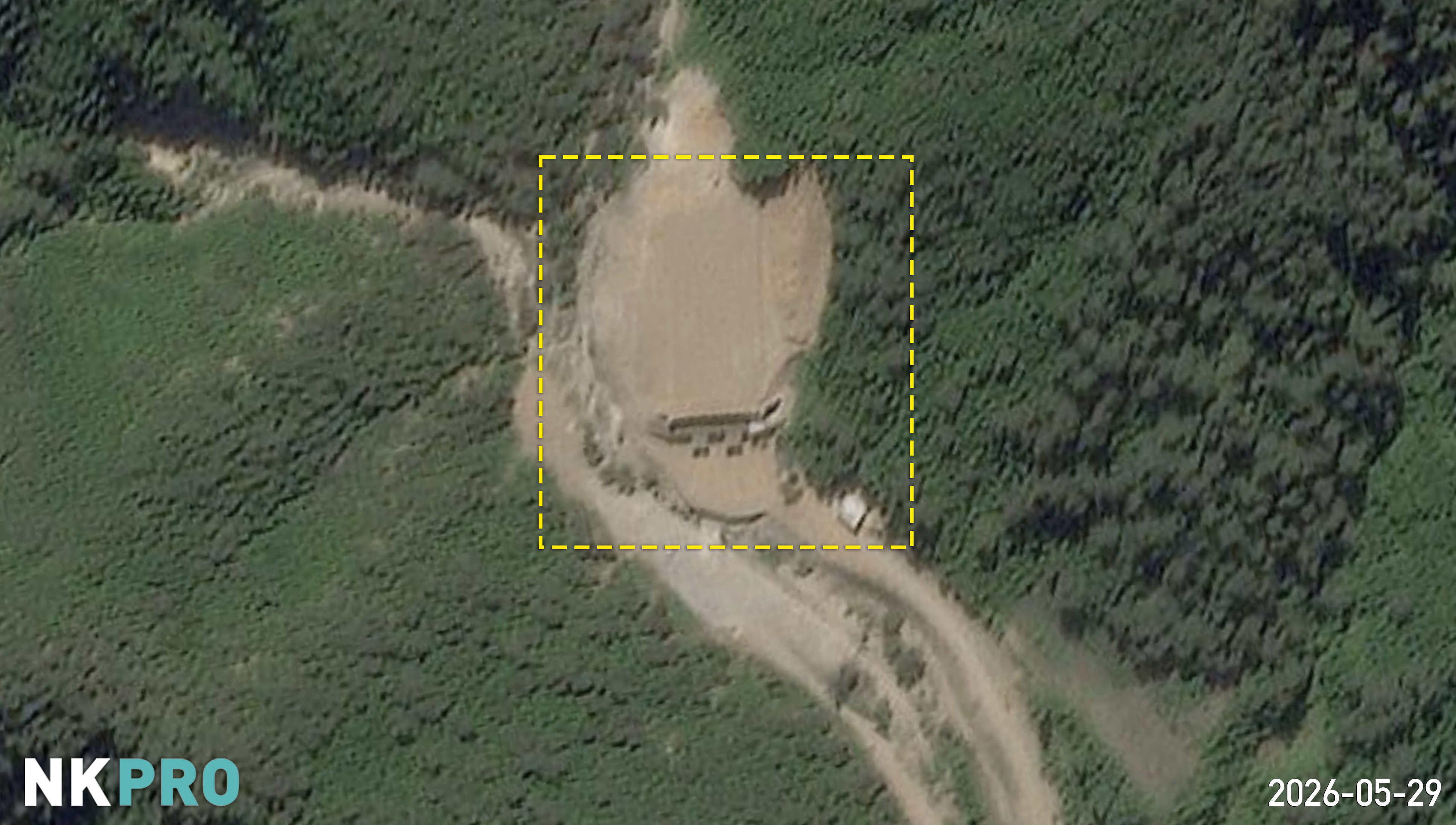
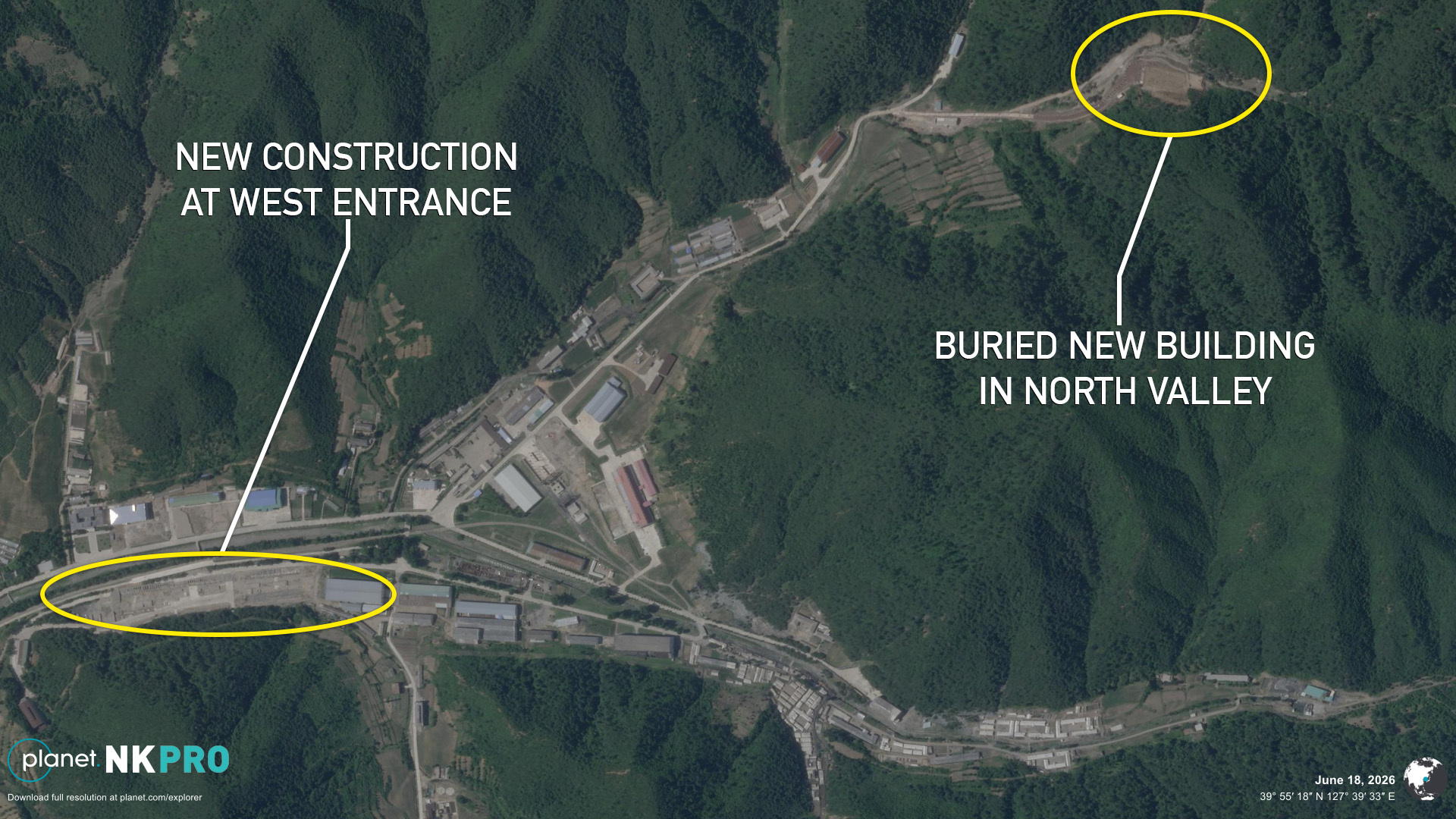 But something unusual happened: it was buried in dirt and incorporated into the adjacent mountainside between March and May this year. Photos from Kim’s visits have suggested that existing missile production lines are located in underground tunnels, keeping the most expensive and sensitive equipment safe from aerial bombardment. Assembly and inspection of finished parts — like those seen during a visit last month — take place in above-ground buildings. Some buildings in the complex also feature packed-earth berms around them, which serve to prevent accidental explosions from affecting surrounding facilities. While the purpose of the new building is unclear, its burial and remote location are likely part of safety measures that go beyond berm construction. Burying the building may also contribute to protecting it from aerial attack, though it would not be as protected as a true underground facility dug out of a mountain. 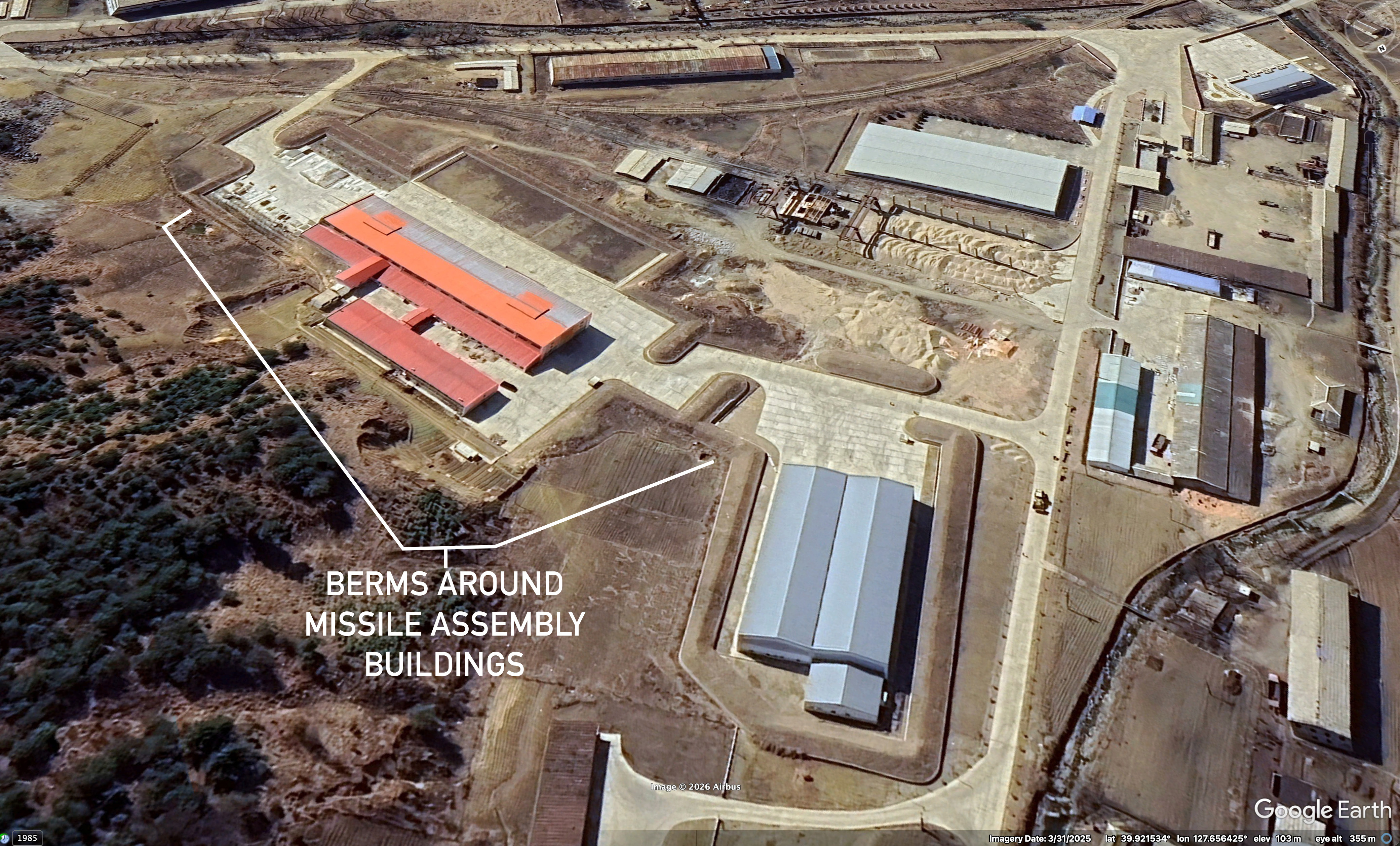 North Korea has conducted similar cut-and-cover construction at another site known as Hagap in recent years, which is suspected of links to the country’s nuclear program. Tunneling remains an active construction method at sensitive North Korean military sites like Songgan and Kusong. Elsewhere at the February 11 Factory complex, construction on a new building that started going up in May 2025 near the west gate appears nearly finished. It may be a new history museum focused on Kim Jong Un, with an existing building next door for former leaders Kim Il Sung and Kim Jong Il. The factory’s main “tower of immortality” for the former Kim leaders, located in front of the new building, was taken down in mid-June for unknown reasons, Planet Labs imagery shows. These obelisks exist at most enterprises and villages in the country. However, another large construction site at the February 11 Factory has appeared stalled since late last year, according to the imagery. 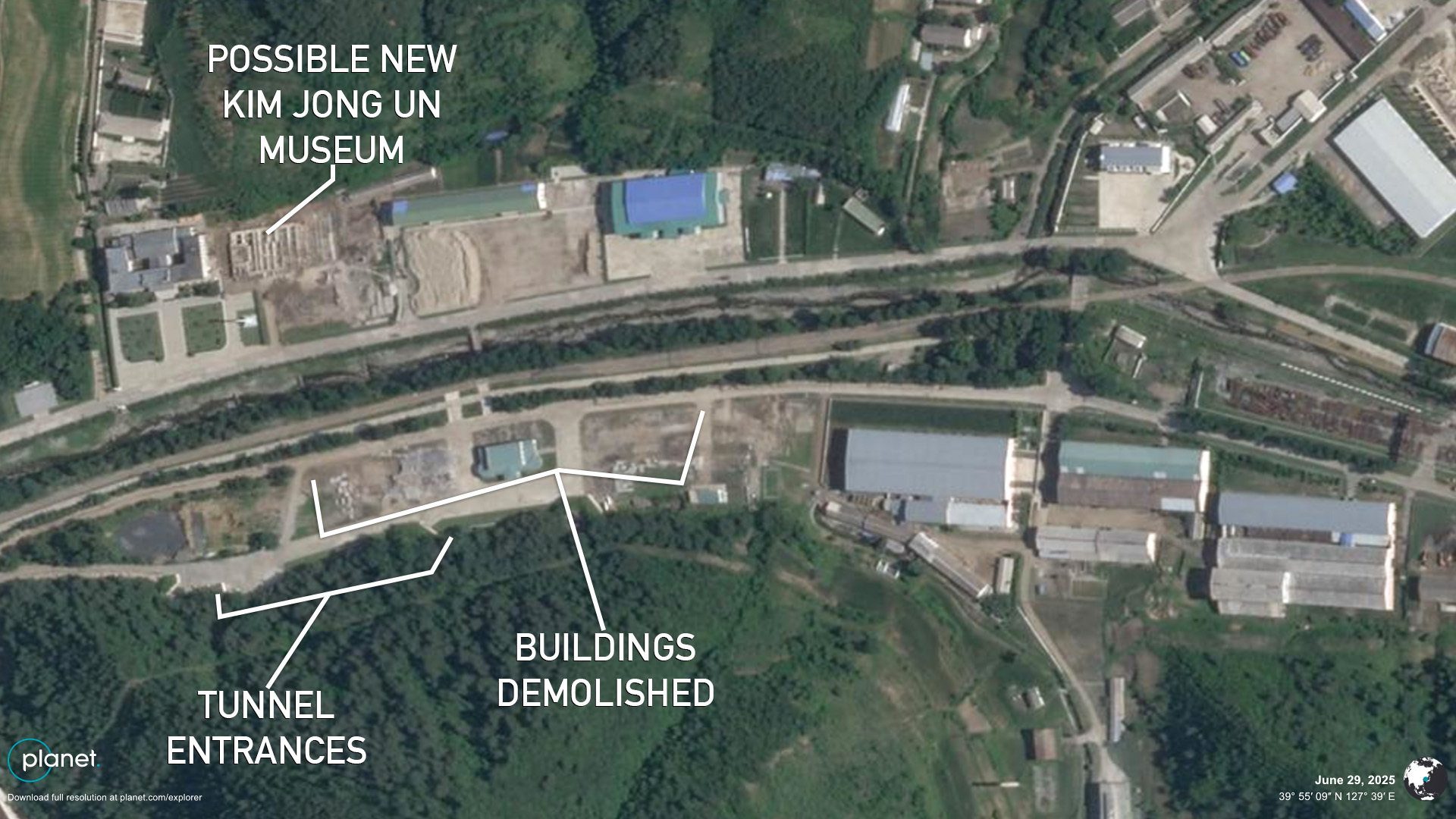
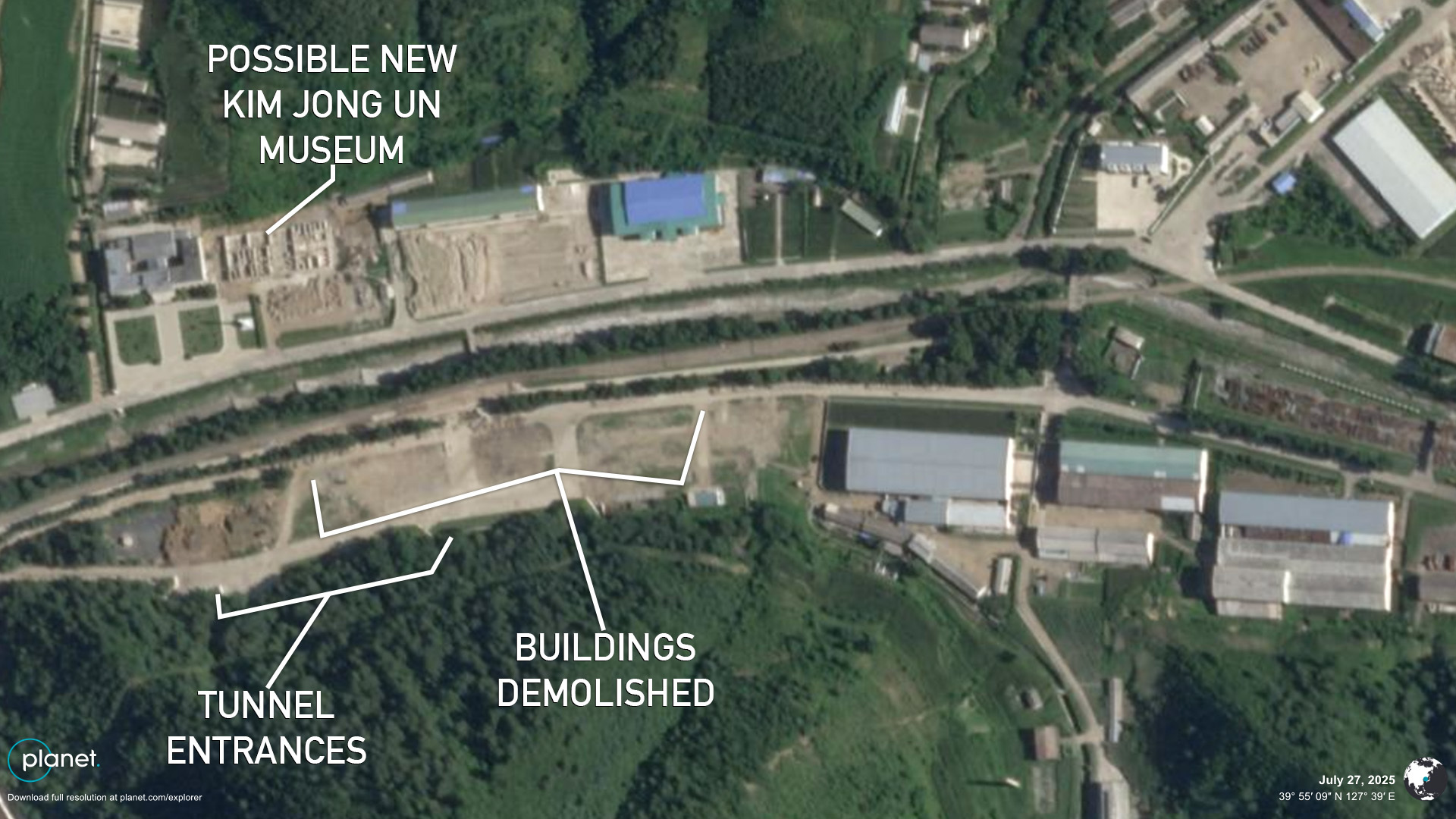
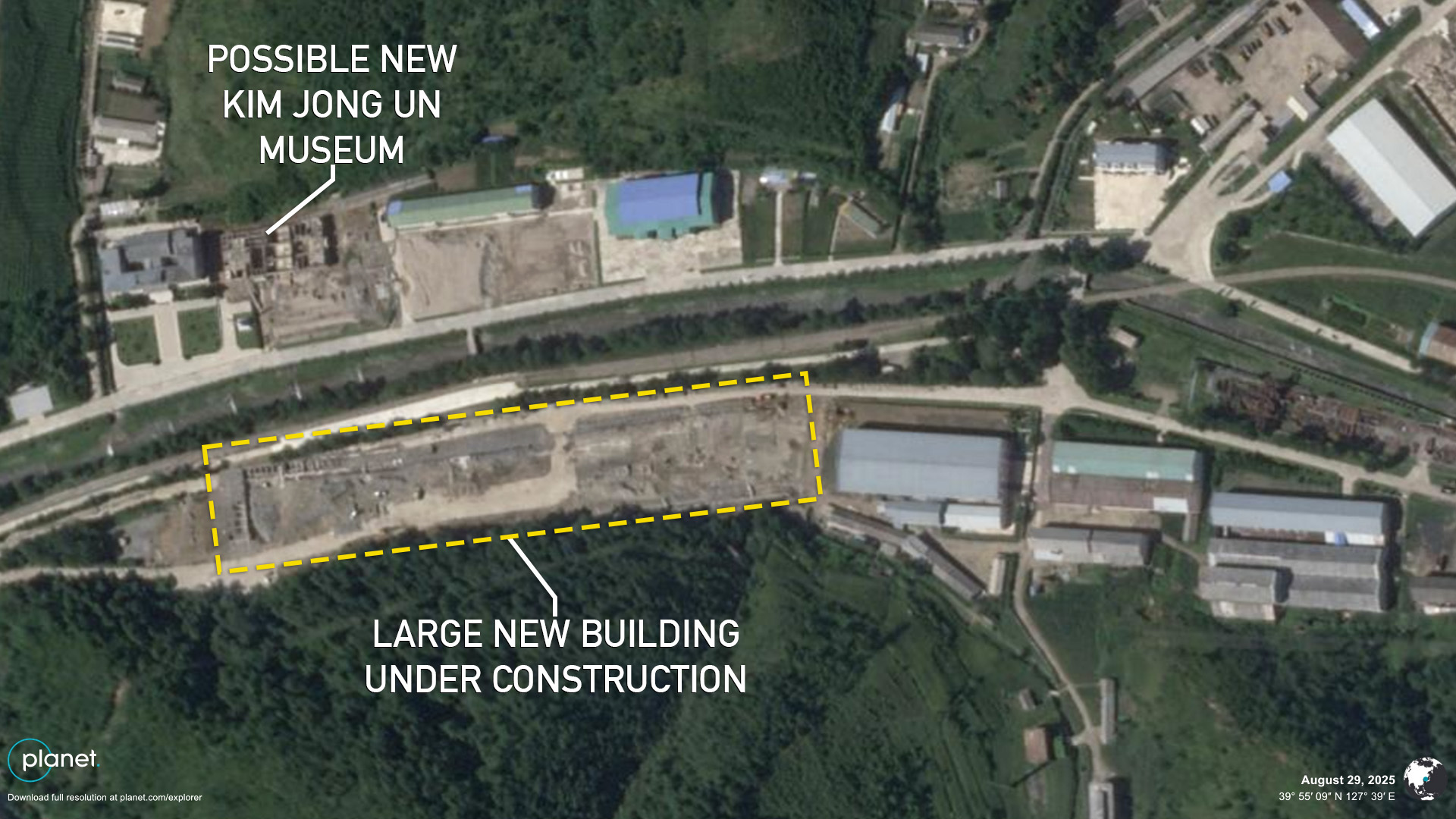
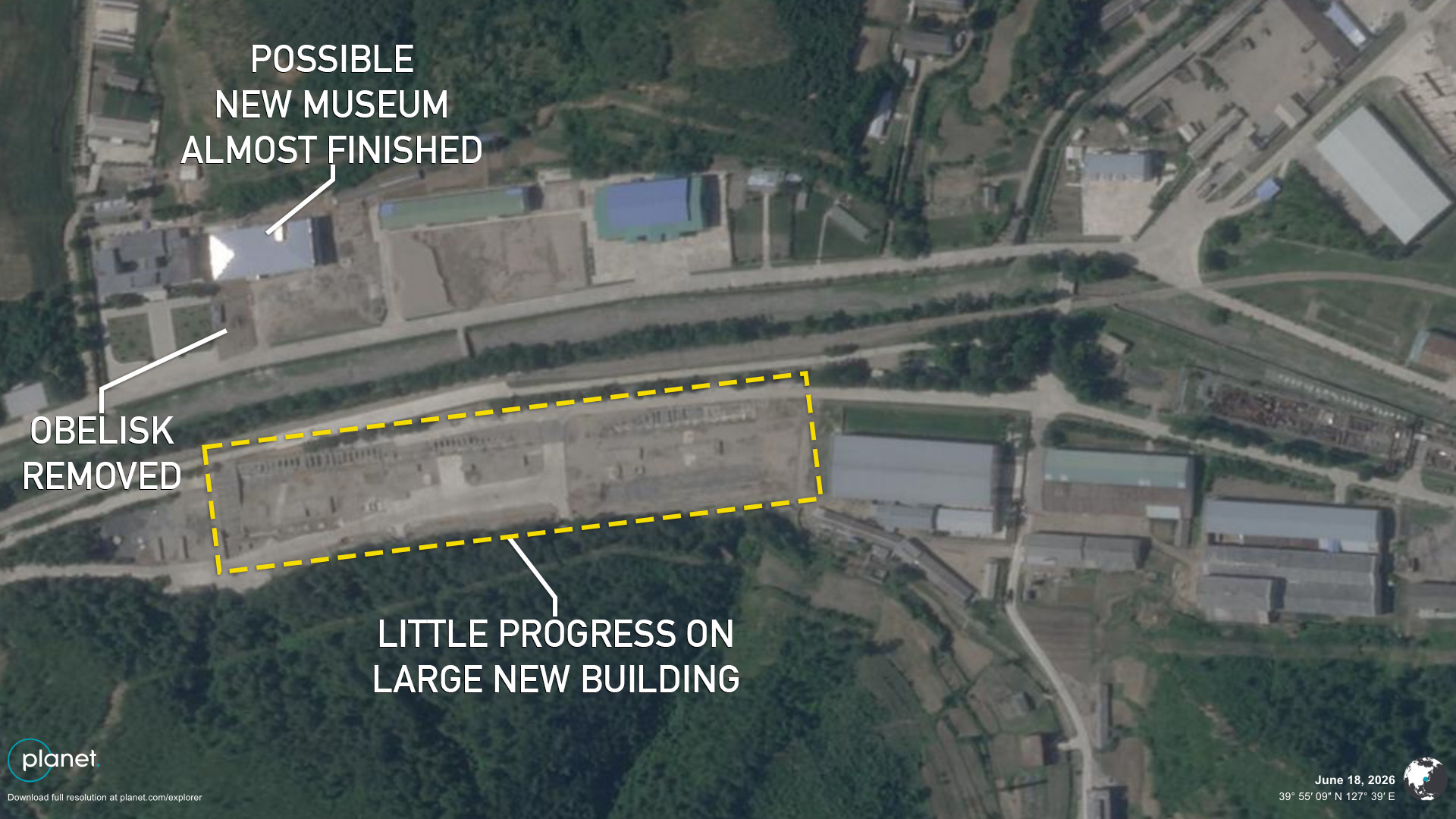
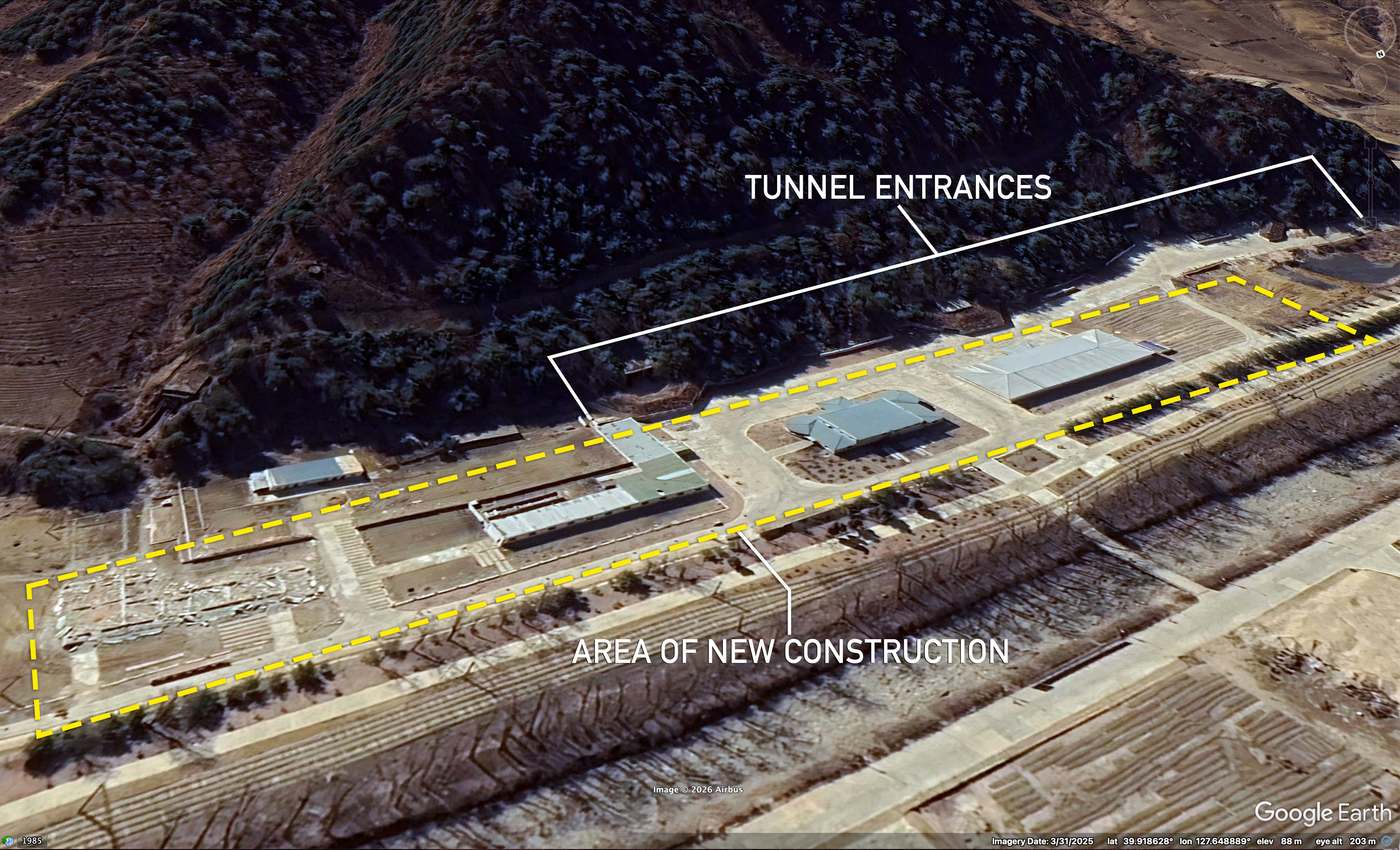 A large building measuring at least 330 meters long and 50 meters wide started to be built in front of the entrances to underground missile production tunnels at the west end last August, but the project appeared to be abandoned around November. Three existing buildings were demolished to make way for the construction. The walls for small rooms around the edges have been built on the north and west ends of the building and foundations dug out around the rest of the perimeter. It appears to feature a large open area in the center, suggesting it is slated to be another facility for missile assembly or inspections. Its eventual construction could signal plans to increase missile production for use in the war against Ukraine, as well as for building up its own stockpiles to account for exports, or even expanding exports to other countries. Edited by David Choi © Korea Risk Group. All rights reserved. |

October 01, 2026Oct 01, 2026

The ultimate resources for professionals working on North Korea
 SHARE
SHARE COPY LINK
 X
X MASTODON