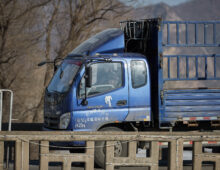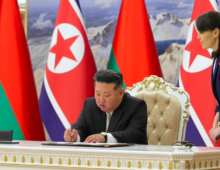
  
Analysis Why the risks of an Omicron outbreak in North Korea are getting worseSpikes in neighboring countries, economic impact on China and a stagnant containment strategy add to old problems 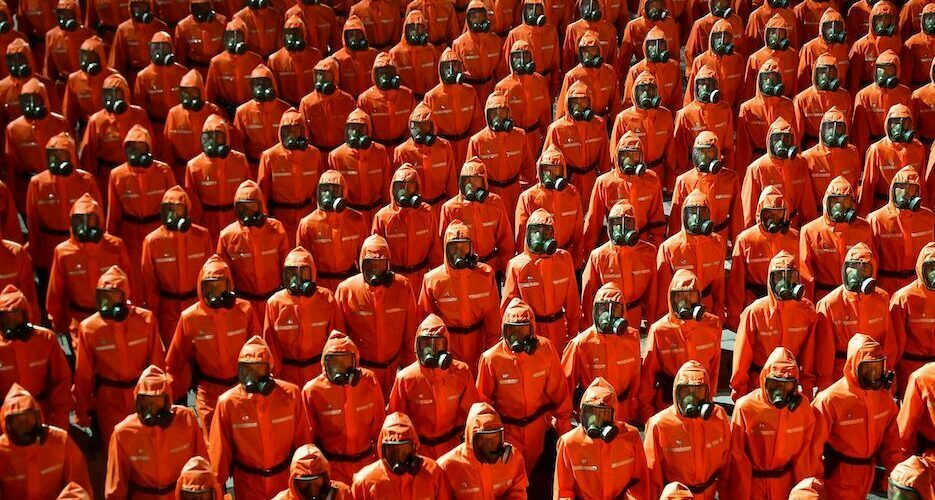 While North Korea continues to claim it is free of COVID-19, the DPRK is surrounded by countries that have all experienced significant waves of the virus. The presence of the highly contagious Omicron variant on all three of North Korea’s borders means there are growing risks of an inadvertent breakthrough – putting the country in an increasingly precarious position. In light of China’s problems in controlling recent outbreaks, the tools available to Pyongyang to manage potential outbreaks appear increasingly ill-suited. And because of China’s renewed commitment to attaining zero COVID infections in the country, there are a range of growing short-term problems that the DPRK now has to contend with, compounded by the long-term risks of a potential virus outbreak. SURROUNDED ON ALL SIDES Despite high levels of boosted vaccination, even South Korea endured a significant Omicron spike between Feb-April 2022, peaking at more than half a million cases a day. Russia, which had lower vaccination rates and less reliable testing data, saw a big spike at the same time. And China, despite good levels of vaccination and a robust “COVID Zero” strategy, experienced a major uptick of the virus in Shanghai and Jilin province, which neighbors DPRK. 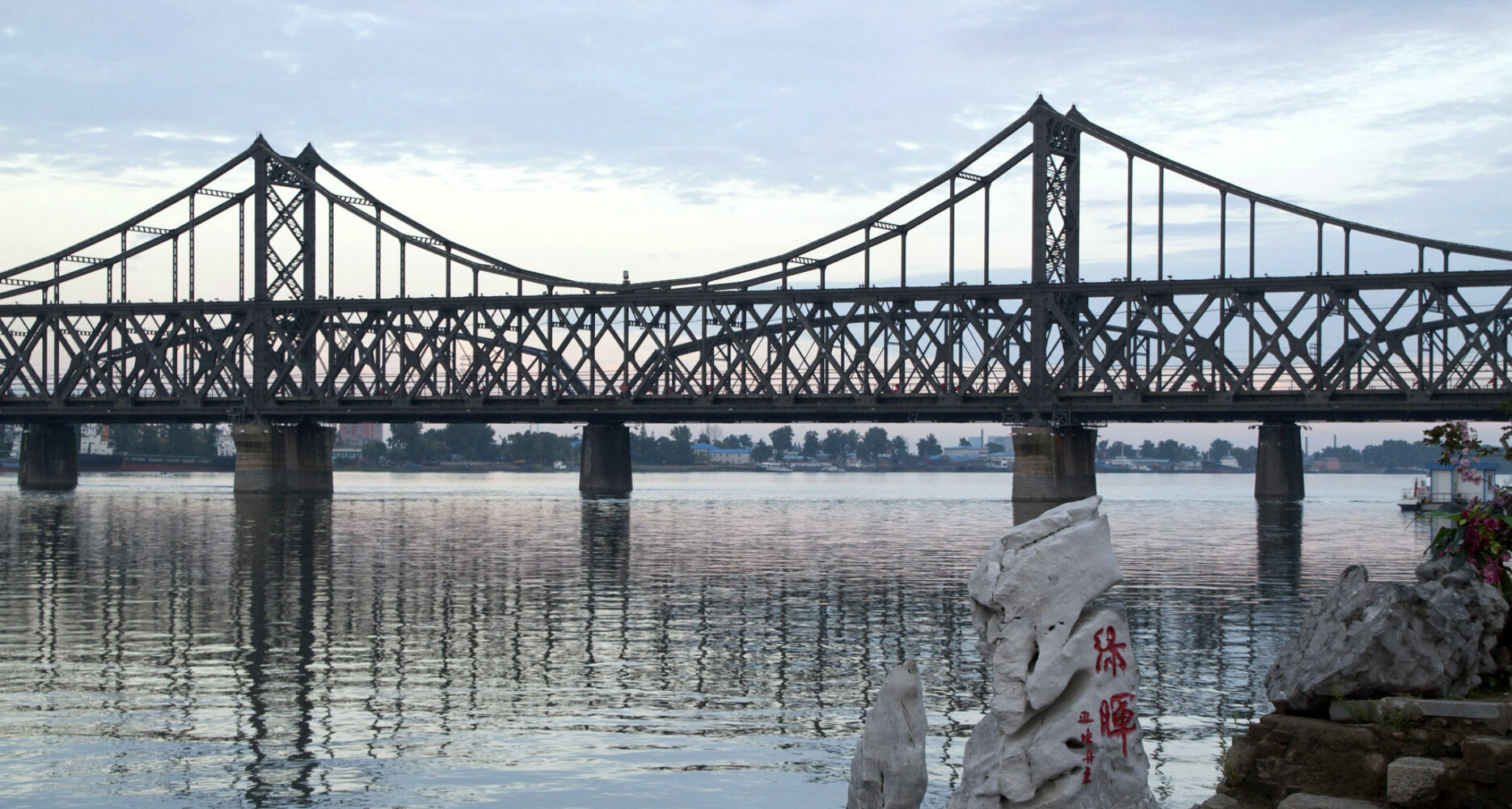 Faced with this growing regional risk, North Korea’s policies to prevent the virus from entering are quite robust, with multiple layers of defense aiming to minimize chances for transmission across any of its three land borders:
However, the risk of Omicron entering North Korea despite these measures increases as time goes by. China’s attempts to prevent the spread of Omicron show that even robust systems in a country with significant advantages over North Korea in technology and manpower can fail. 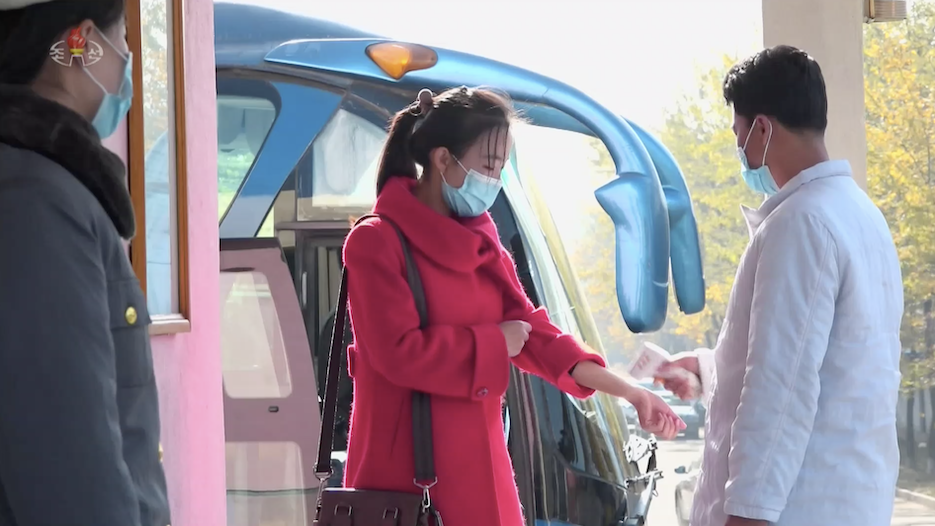 Like China, there are risks that even the most stringent measures may not fully mitigate:
While the likelihood of these scenarios is low, the probability of a failure in the DPRK’s stringent border defense system continues to increase as the pandemic rages on. As Omicron continues to spread in neighboring countries, the higher the chance that an illegal entrant to the DPRK carries the virus into the country and spreads it. 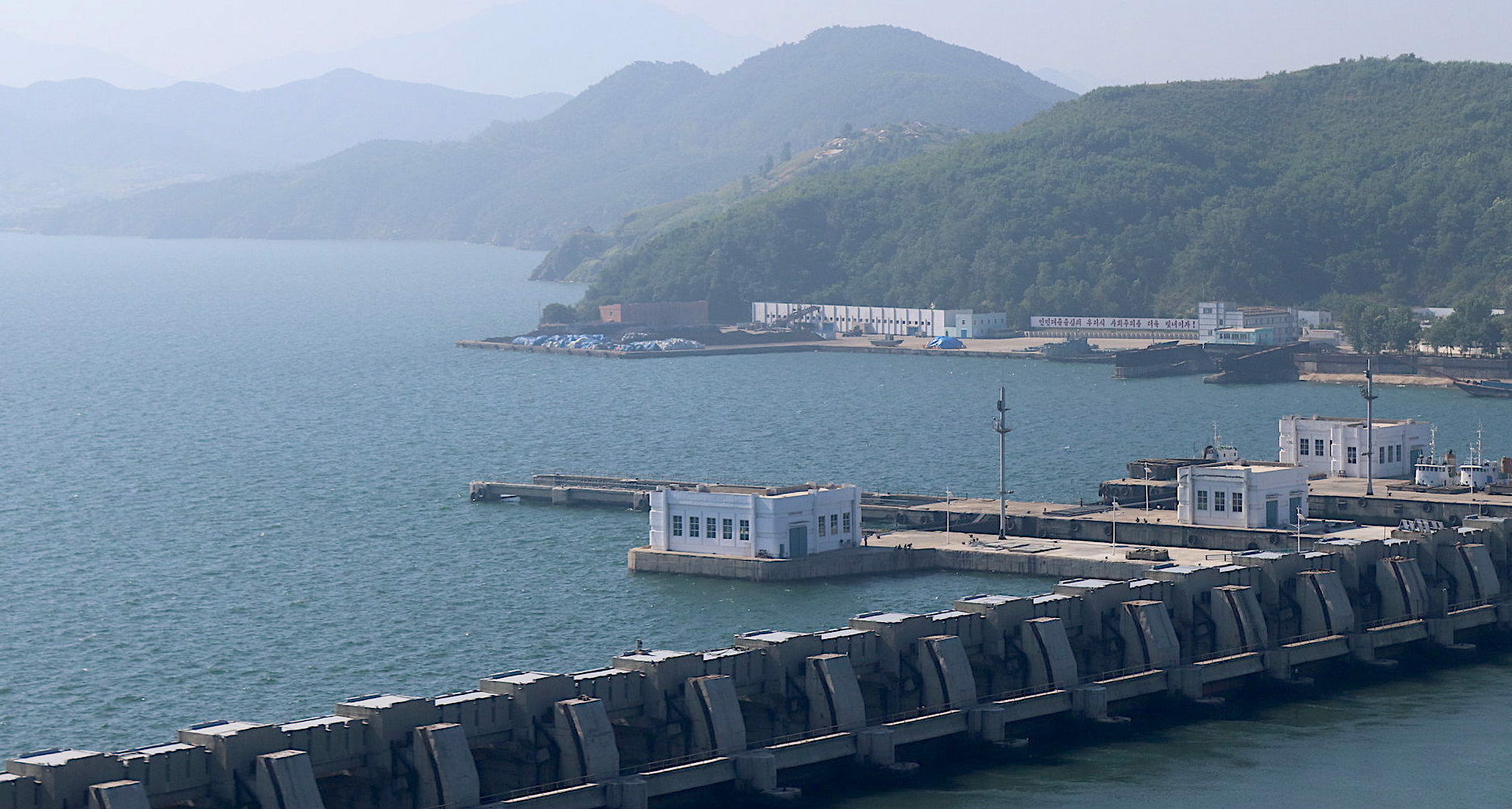 A DAMAGED TOOLBOX The experiences of North Korea’s three land border neighbors have shown that disinfection, quarantine, as well as track and trace policies, are insufficient to prevent outbreaks of Omicron. They have also shown the limitations to nationwide vaccination campaigns: Highly vaccinated, mask-wearing countries like South Korea can still experience severe outbreaks, while those with patchy protection of the most vulnerable segments of society risk a significant death toll.
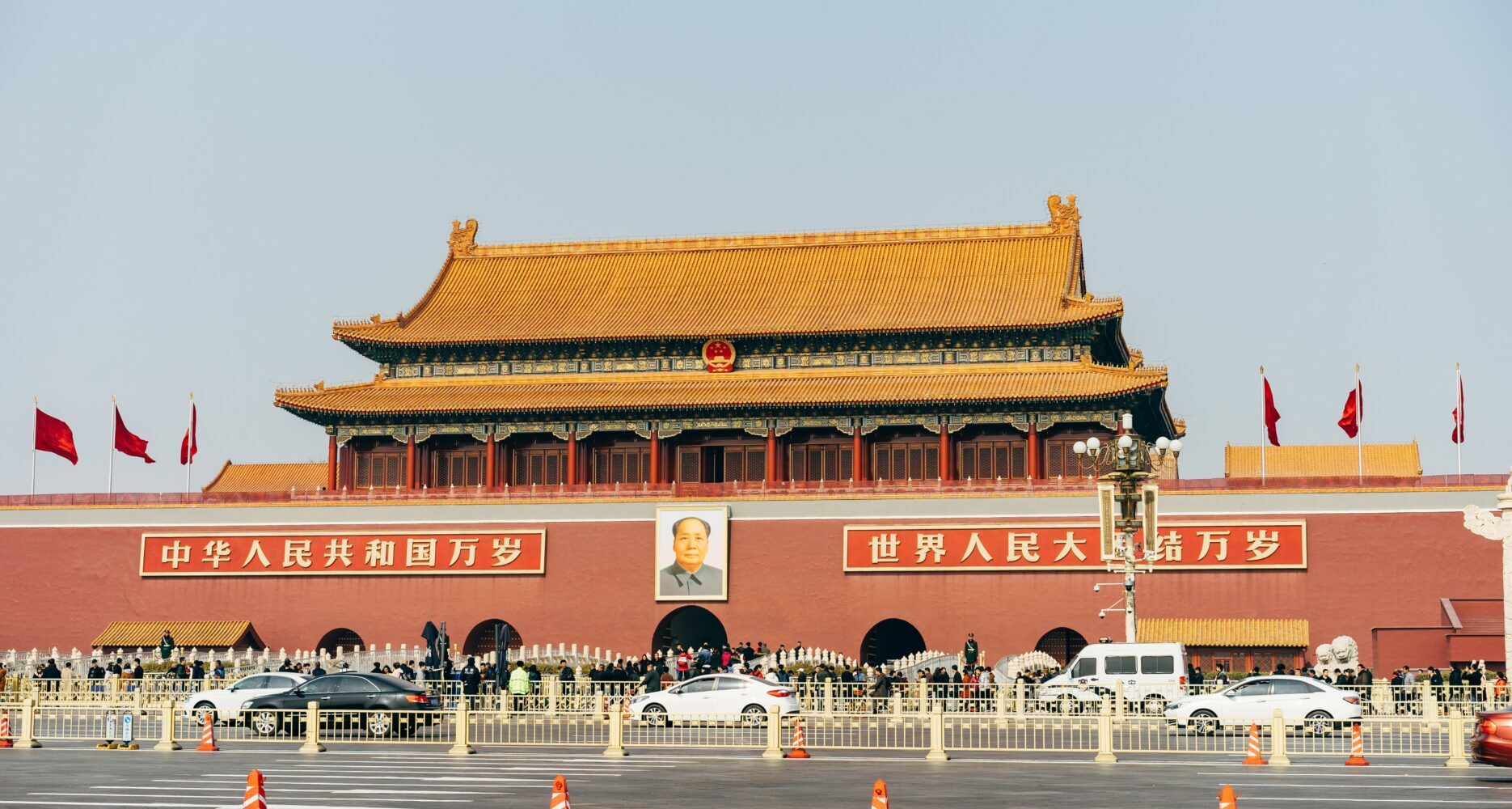 CHINA CONSEQUENCES Last Thursday, the Standing Committee of the CPC Central Committee doubled down on Beijing’s anti-epidemic strategy. Even though economic costs are mounting for China, the readout indicated that the Chinese government would continue its “dynamic zero-COVID” policy. Leaders in Beijing appear to believe that the economic impact on China would be even worse if COVID got out of control. But China’s reliance on lockdowns, mass testing and movement controls have the most serious short-term impact on bilateral trade with North Korea. In the event of extended lockdowns in key Chinese cities, North Korea is likely to suffer from a reduced ability to import a wide range of goods. The Dandong-Sinuiju rail cargo line has already ground to a halt, and maritime traffic in and out of China has been significantly delayed. This means that fewer foreign products like luxury consumer goods, car parts and electronics will make it into North Korea. More importantly, the slowdown will eventually impact fertilizer, grain and humanitarian cargo, which could have devastating consequences during another food crisis in the months ahead. With China’s failure to contain the spread of Omicron in the country, Beijing may also become concerned about the viral risks of illicit ship-to-ship transfers that North Korea relies on to sell coal and import refined fuel. A crackdown on these transfers would likely cause a spike in DPRK fuel prices in the medium-to-long term. A drop in trade may noticeably diminish the financial resources at Pyongyang’s disposal.  WHAT’S NEXT Access to vaccines, China’s anti-COVID policies, and the impact of rising temperatures on virus spread will remain major factors in North Korea’s Omicron risk posture. While South Korea and Russia appear to have passed recent peaks in infections, and China seems to succeed in slowing down the spread of Omicron, the positive short-term outlook may change as winter approaches and temperatures fall. And while there are no signs that Pyongyang is still working to obtain COVID-19 vaccines from international sources like the UN, which require high degrees of monitoring and transparency, it is possible that North Korea is discreetly working with partners that are less worried about how vaccines will be used. If the DPRK can obtain large volumes of vaccine elsewhere and rapidly inoculate a significant proportion of the population, the impact of an outbreak would decrease. Lastly, the national and global economic fallout from China’s zero COVID policies will likely have a significant impact on North Korea. Besides problems North Korea may encounter to access imported goods, China’s economic slowdown may reduce Beijing’s appetite to support the DPRK switch major humanitarian aid packages as it has done in the past. And if global inflation and supply chain shortages continue, Pyongyang will face significantly higher prices, which could mean it will become more difficult to import much-needed goods. Edited by Nils Weisensee © Korea Risk Group. All rights reserved.

|

September 22, 2026Sep 22, 2026

The ultimate resources for professionals working on North Korea
 SHARE
SHARE COPY LINK
 X
X MASTODON