  Analysis Why skyscrapers for families of North Korean war dead could just be gilded cagesSatellite imagery suggests work underway on houses that could enhance surveillance of a politically sensitive group  North Korea’s plan to move the families of soldiers who died in Russia’s war on Ukraine into a new housing development in the capital has troubling implications for those still grieving lost loved ones, NK Pro analysis suggests, enabling stronger surveillance of those who have suffered the most from the unprecedented overseas military deployment. Construction on the new “Saebyol Street” may also already be underway, with satellite imagery showing skyscrapers emerging at Kim’s chosen site. At a ceremony on Aug. 29 where North Korea confirmed that at least 250 soldiers were killed or committed “heroic” suicides in the war on Ukraine, leader Kim Jong Un said that “soon, a new street shall be built in Taesong District, Pyongyang, for the bereaved families of the soldiers who fell to our great sorrow at such young ages.” “We are going to name it Saebyol Street (새별거리, Morning Star Street) in praise of our soldiers’ exploits as brilliant as the star.” Kim added that “we will lay the remains of the martyrs to rest in the best place of the arboretum just in front of the street, and erect a monument to immortal combat feats in memory of the great soldiers who displayed the tenacity of the Korean people and defended the dignity and honour of the Korean People’s Army.” Additionally, he gave each family a Gold Star Medal to ensure they are taken care of financially, while also vowing to take children of dead soldiers away to turn them into “hard-core elements of the revolution” at military boarding schools. GRAND GIFT OR GILDED CAGE? The families of soldiers killed in the Ukraine war will no doubt welcome state support, new homes and a life in the capital despite the tragedy of losing their loved ones, but Kim’s unilateral decisions on moving the soldiers’ relatives also pose troubling implications. The biggest issue is that DPRK authorities will be able to improve surveillance of those most personally affected by the deployment of North Korean soldiers to fight with Russia against an unknown enemy on the other side of the world — and most likely to complain about and threaten official narratives. Authorities of the totalitarian state already install visible speaker systems in all new homes to deliver propaganda and local messages, which likely include recording devices as well. Given the high likelihood of surveillance equipment being installed in homes on Saebyol Street, the move will make it possible to manage all families of dead soldiers under a single state security operation, with a unified system for recording and reviewing behavior. The operation has likely already been active since the first soldier deaths last winter, and difficulties managing the families across the country may have led to Kim’s decision to move them all to one location. 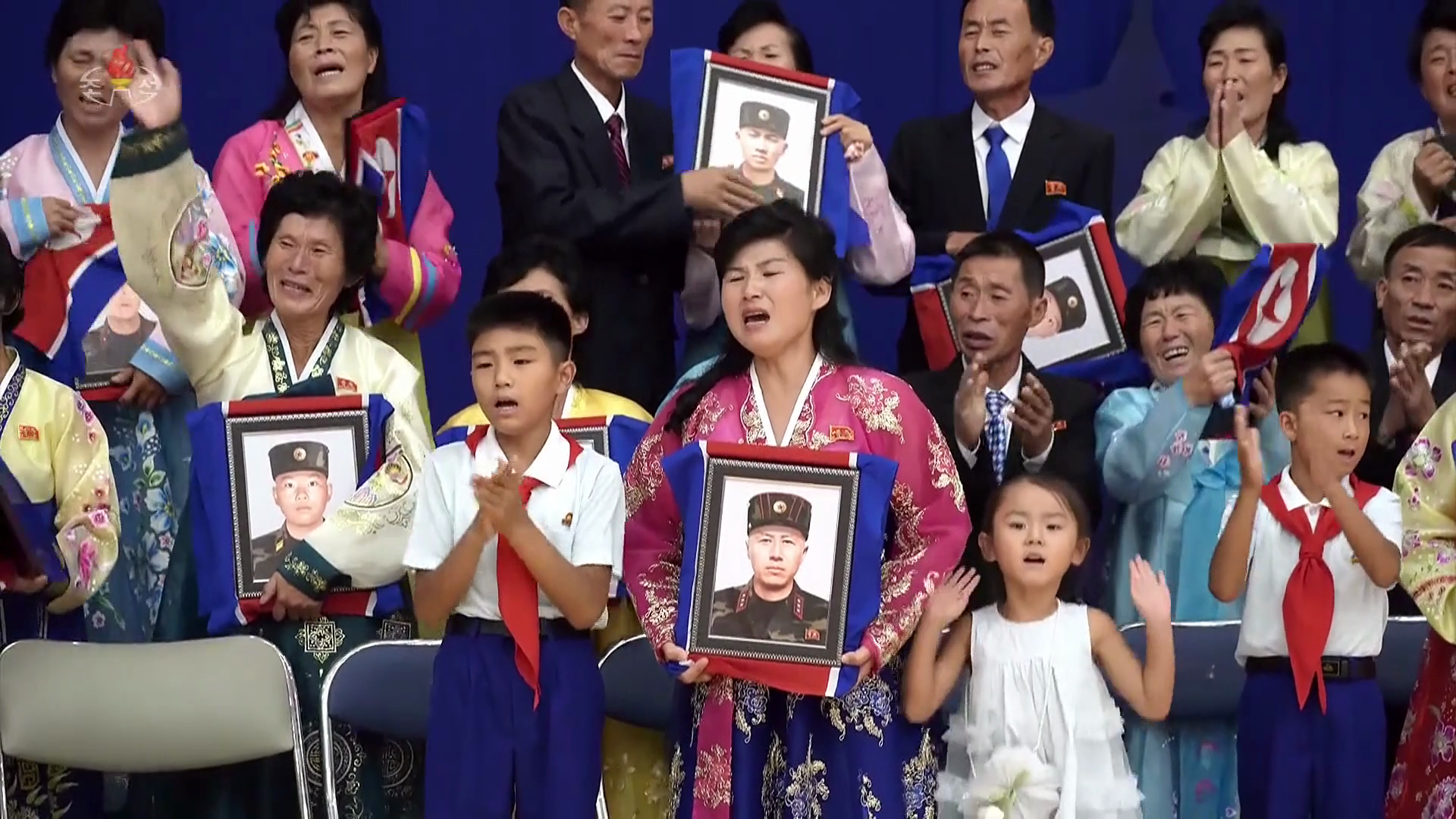
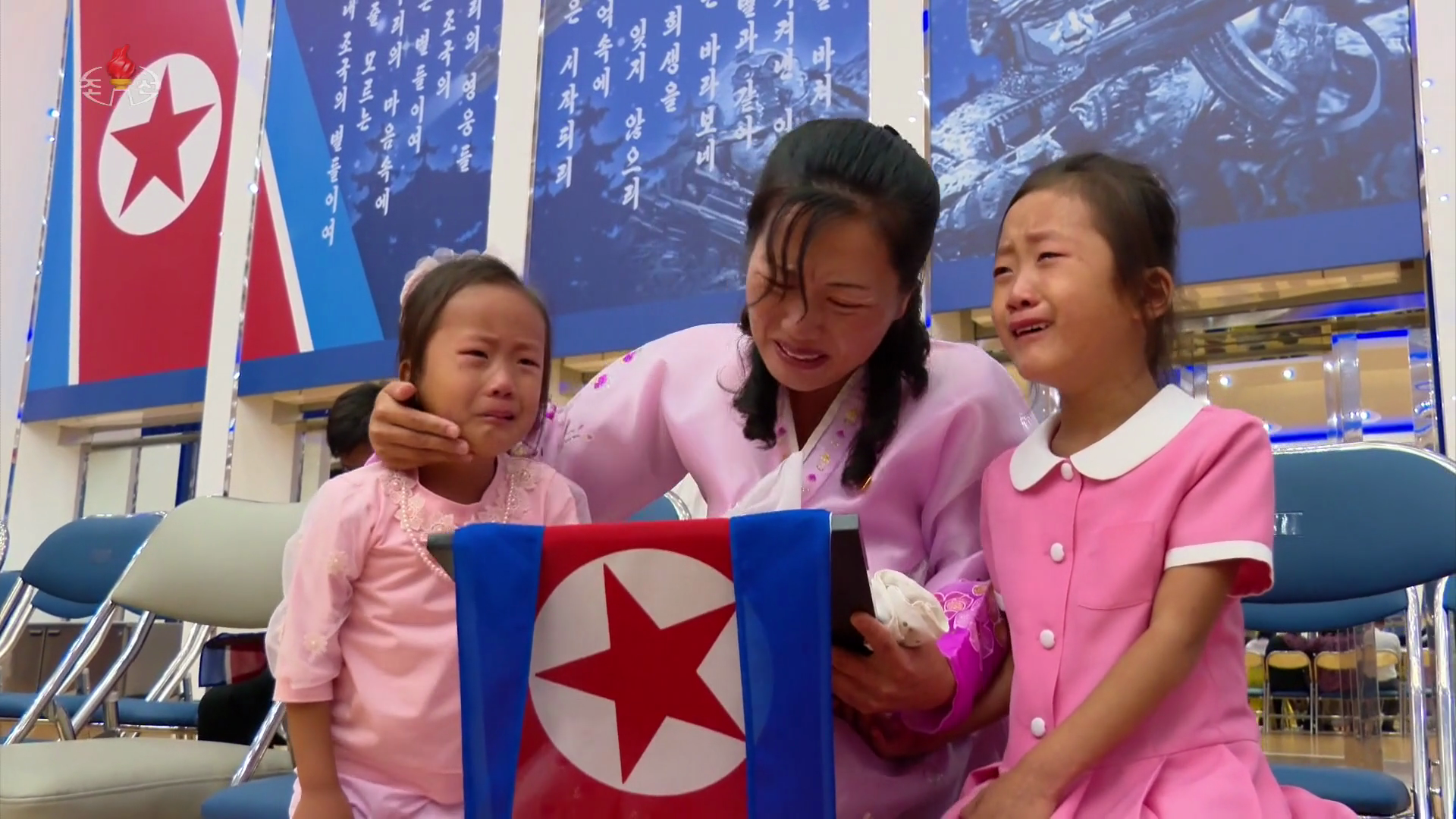
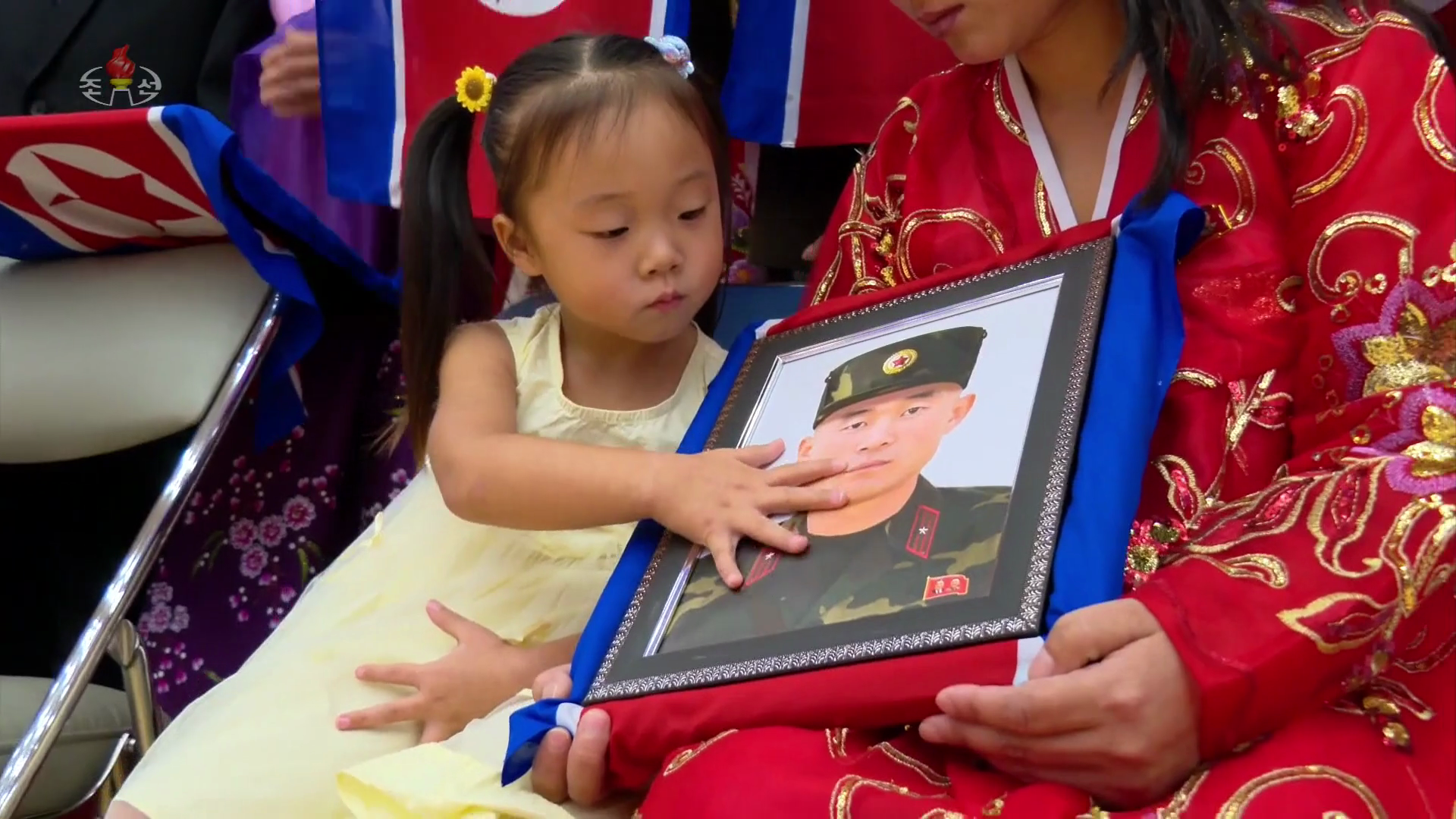
The goal is likely to prevent people from talking about the war in unapproved terms, or expressing negative comments even in the privacy of their own homes, thus ensuring little chance for fomenting opposition to one of the riskiest decisions Kim has made as leader. It is evident that Kim is extremely sensitive to the population’s reaction to his deployment of troops since he kept the war hidden from Aug. 2024, when he made his initial decision, until April this year, when state media first admitted the truth. He then prevented any public mourning or commentary on the death toll until last month, when he finally placed a spotlight on the families of dead soldiers at just a few tightly controlled state-hosted events. However, even those ceremonies were mainly focused on boosting Kim’s cult of personality as the “father” of the nation who knows best. The families, holding large portraits of their loved ones, also appeared to be instructed to jump and cheer for the man who sent the soldiers to their deaths. Another implication of Saebyol Street is that while the families will benefit at first from mutual support and solidarity from neighbors going through the same tragedy, they will be facing a lifetime of being surrounded by reminders of the deaths of their loved ones. With the cemetery and memorial on site as well, and possibly even propaganda displays about the war and soldiers installed around the buildings, each family may struggle even harder to find peace. CONSTRUCTION PROGRESS NK Pro analysis of Planet Labs satellite imagery shows that the first signs of construction on around 50 apartment buildings started in March at the large arboretum in Taesong District, located across the street from the Pyongyang Central Zoo and the luxurious Kumsusan Guesthouse compound recently built for visiting heads of state. Part or all of the buildings could belong to the Saebyol Street project, given its location in front of the arboretum that Kim mentioned and its construction timeline. Though it is located near this year’s Hwasong District 10,000-home project site — where construction started in February on dozens more apartment towers under Kim’s five-year, 50,000-home project — work started on the buildings at the arboretum more than a month later than the others. 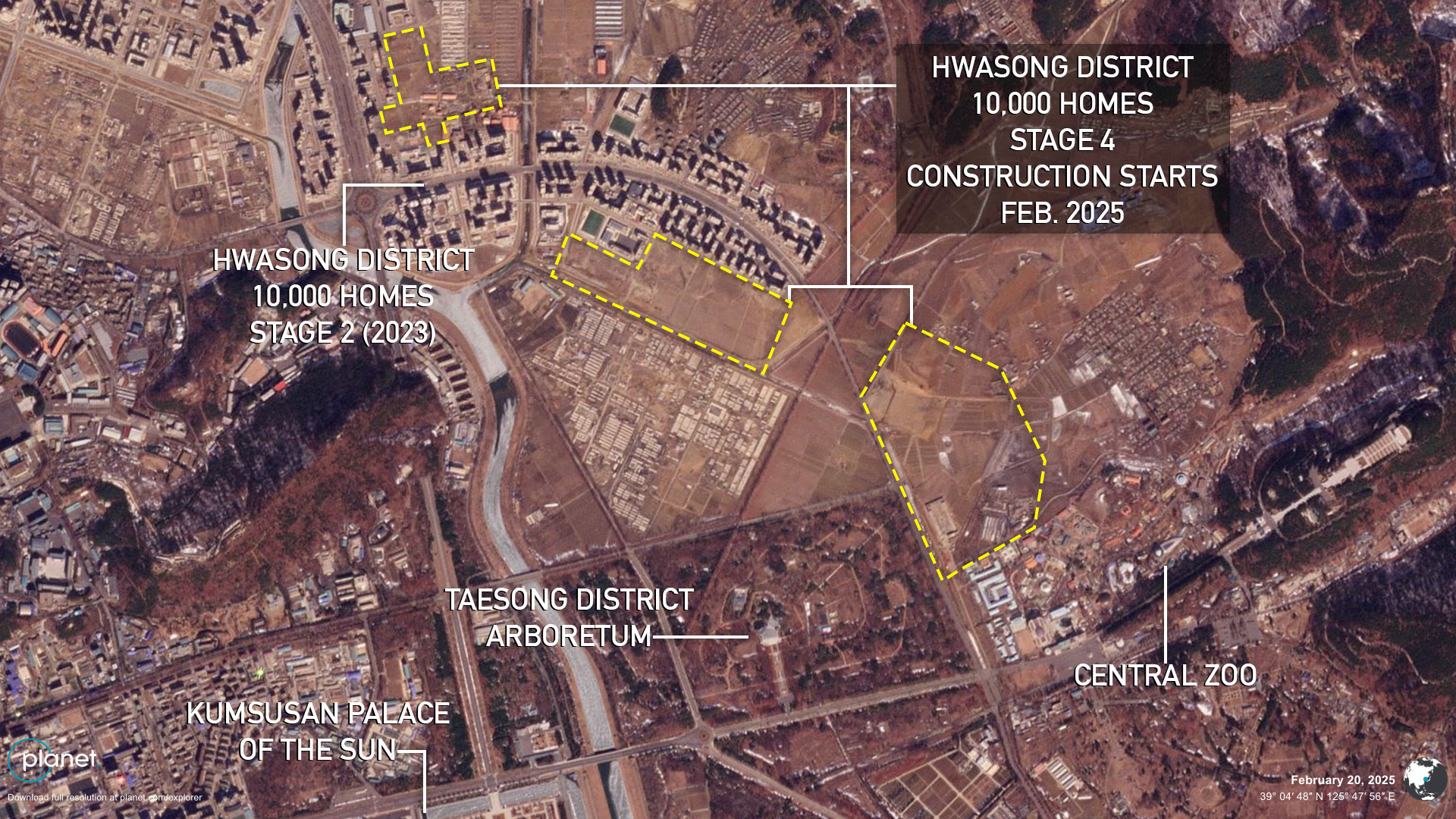
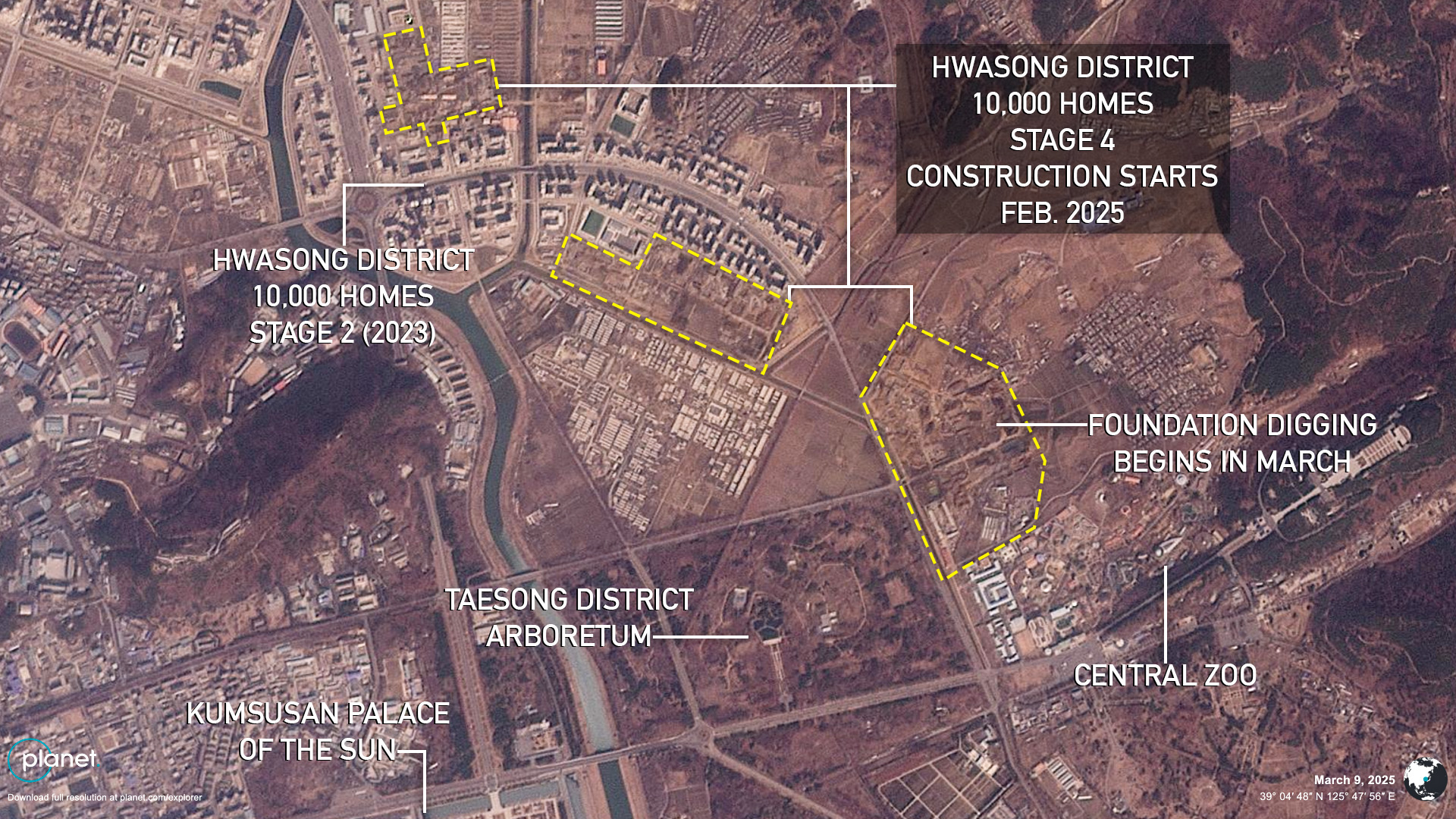
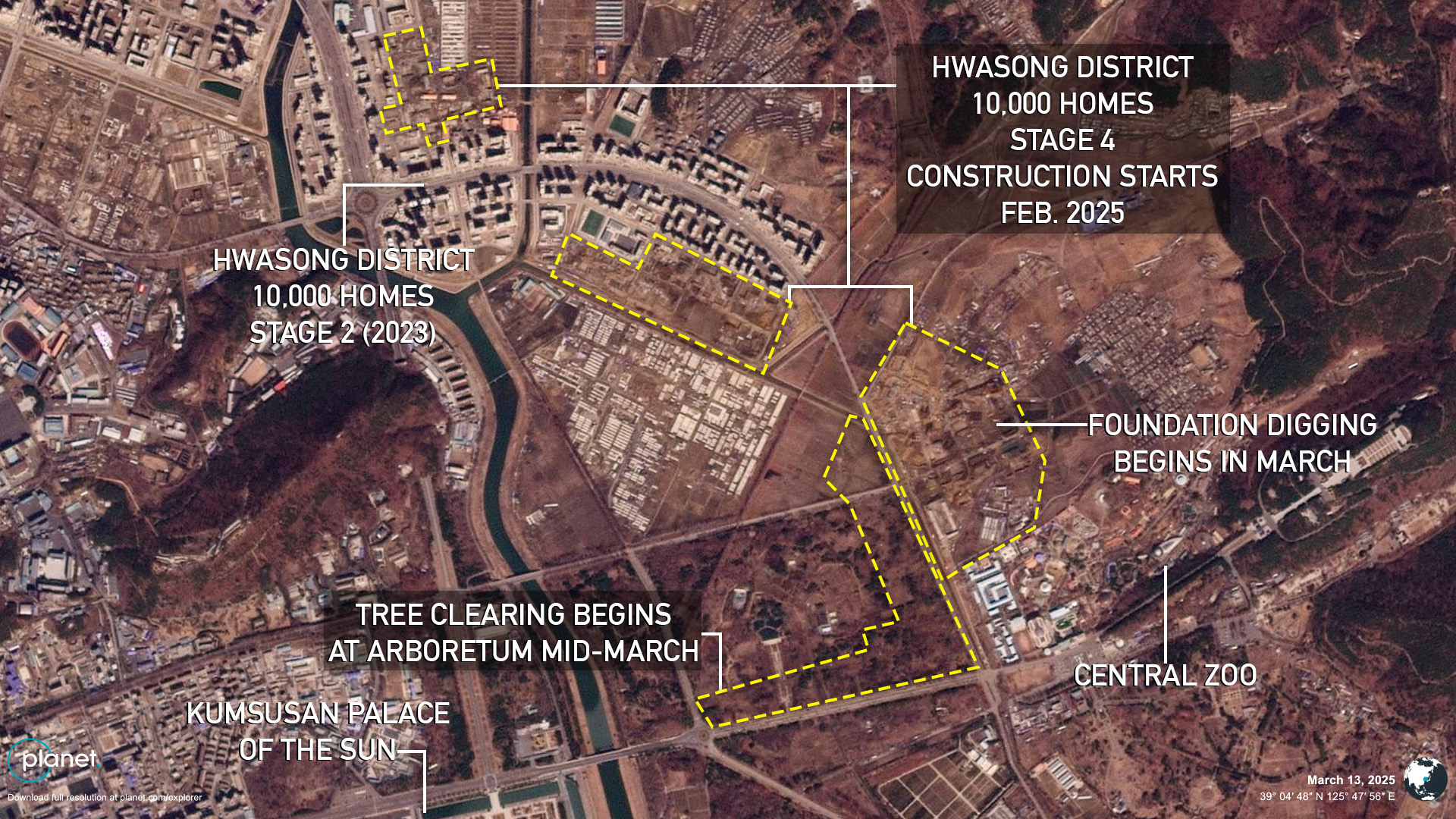
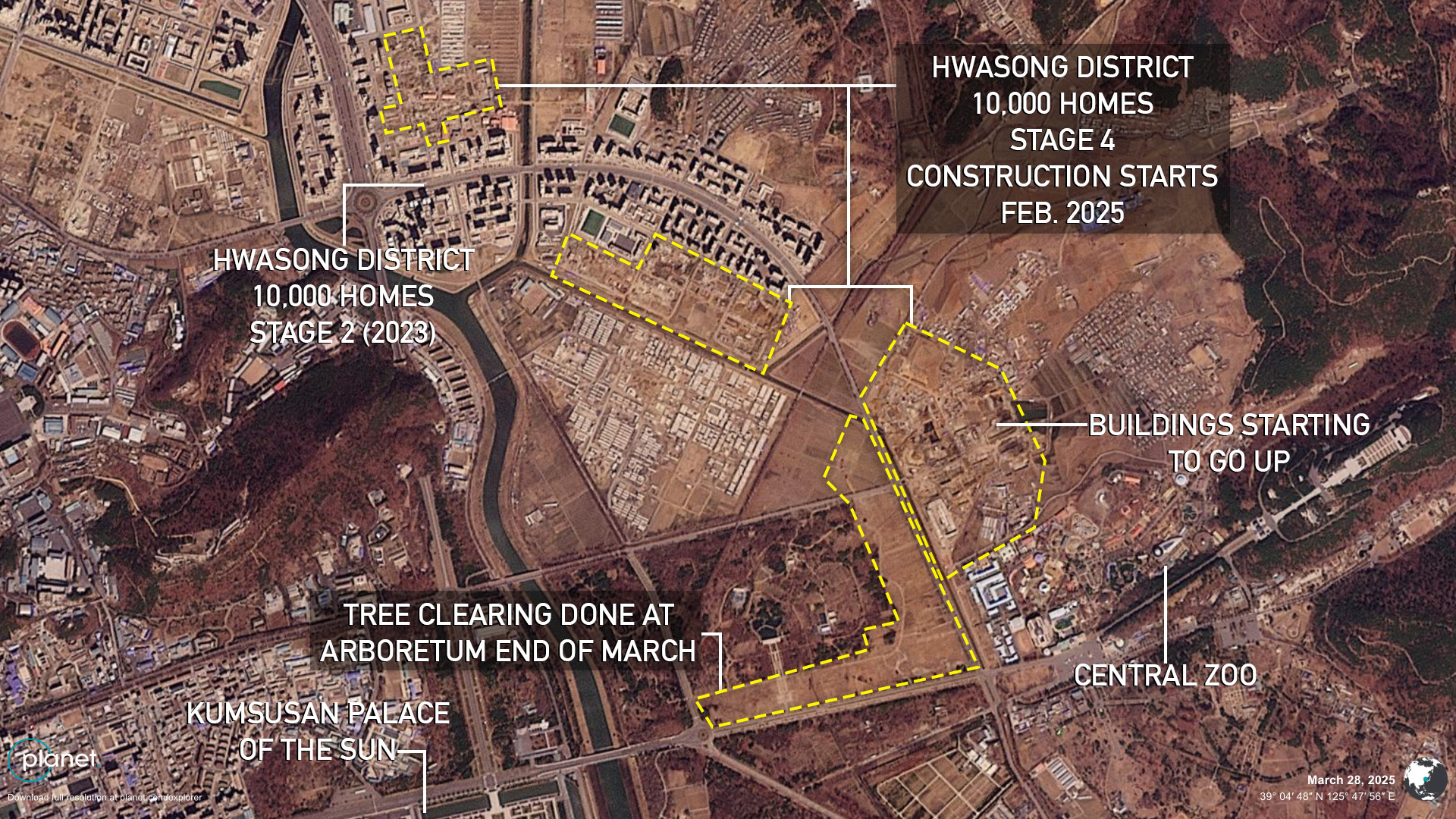
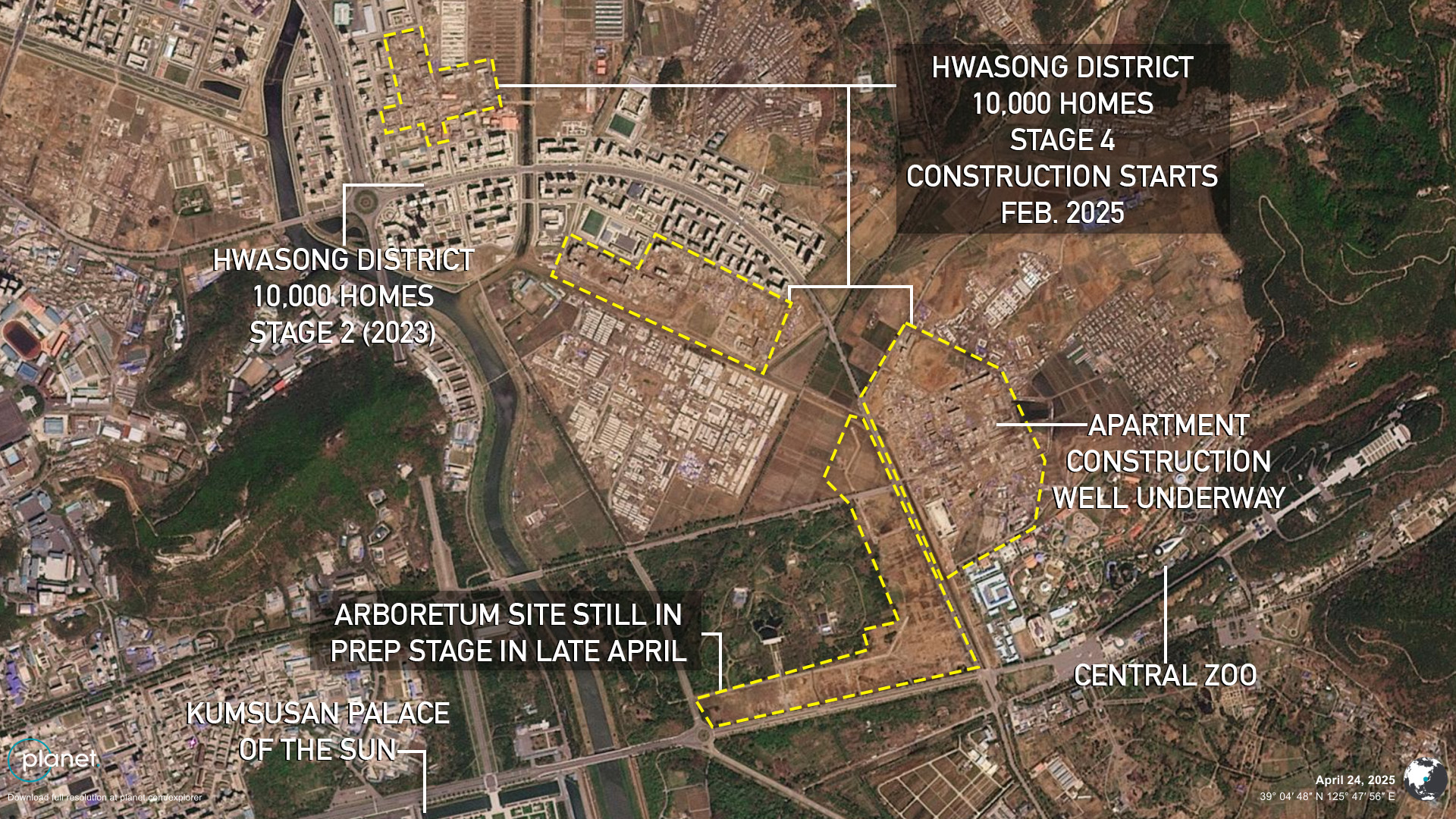
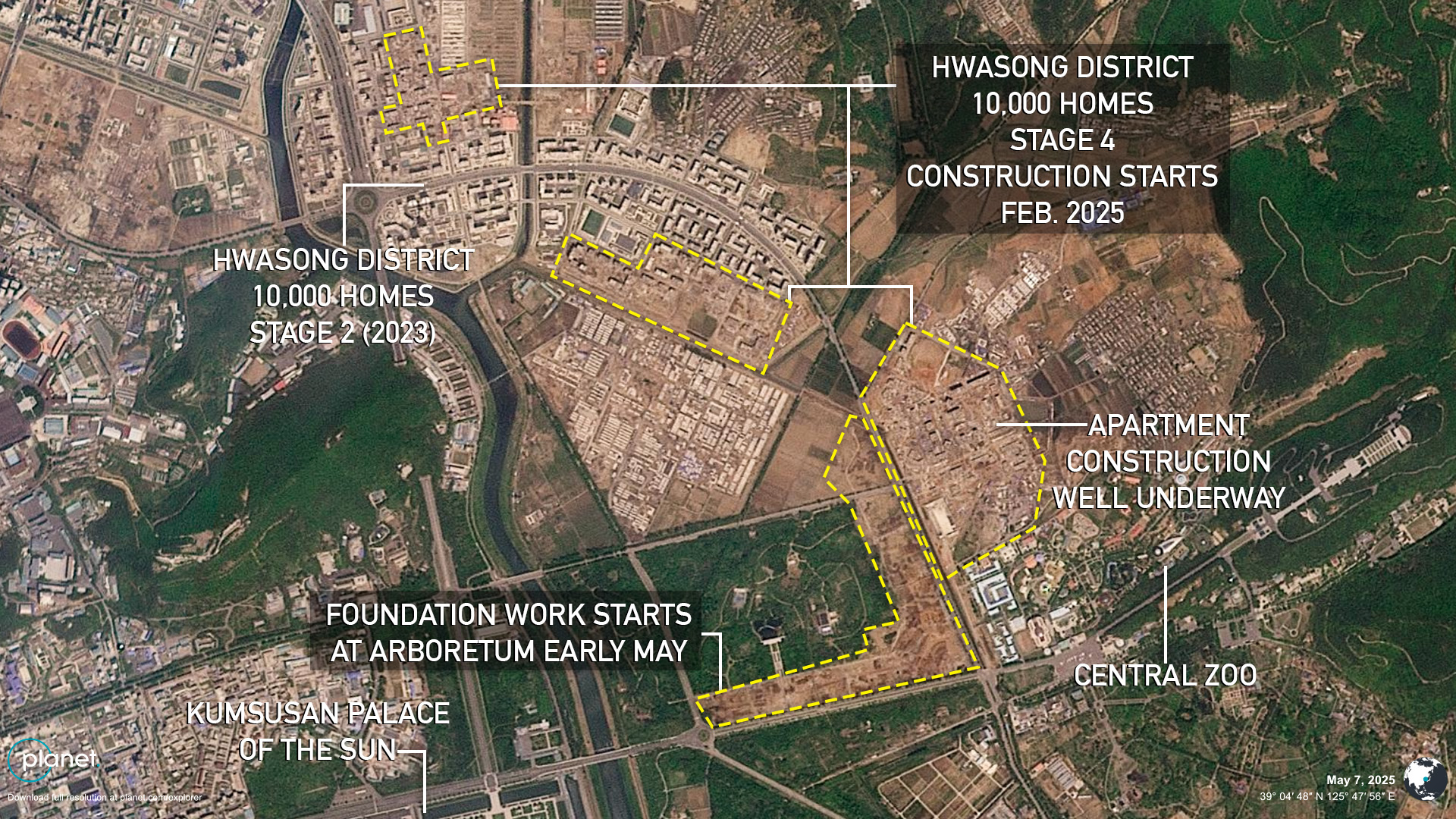
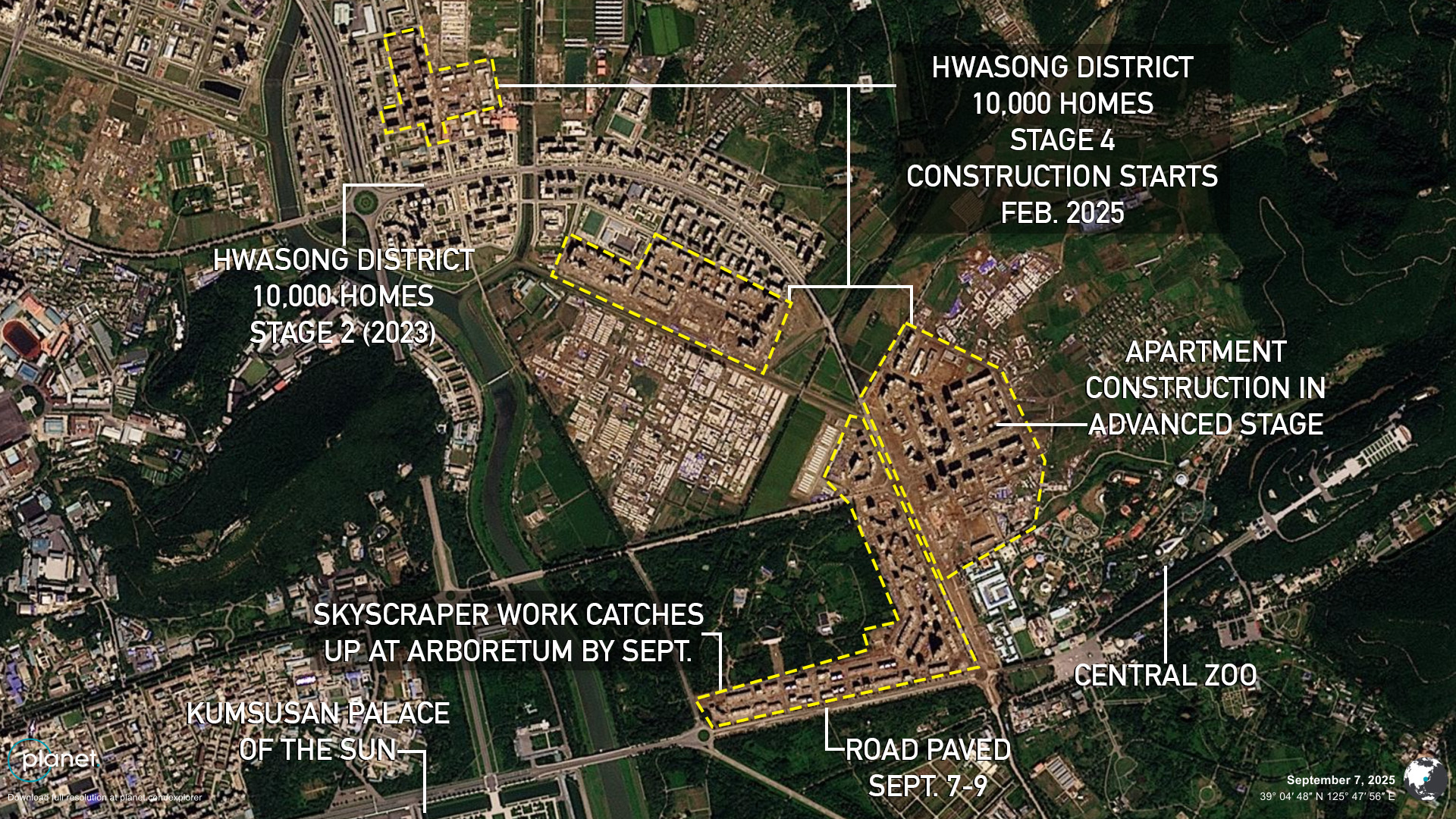
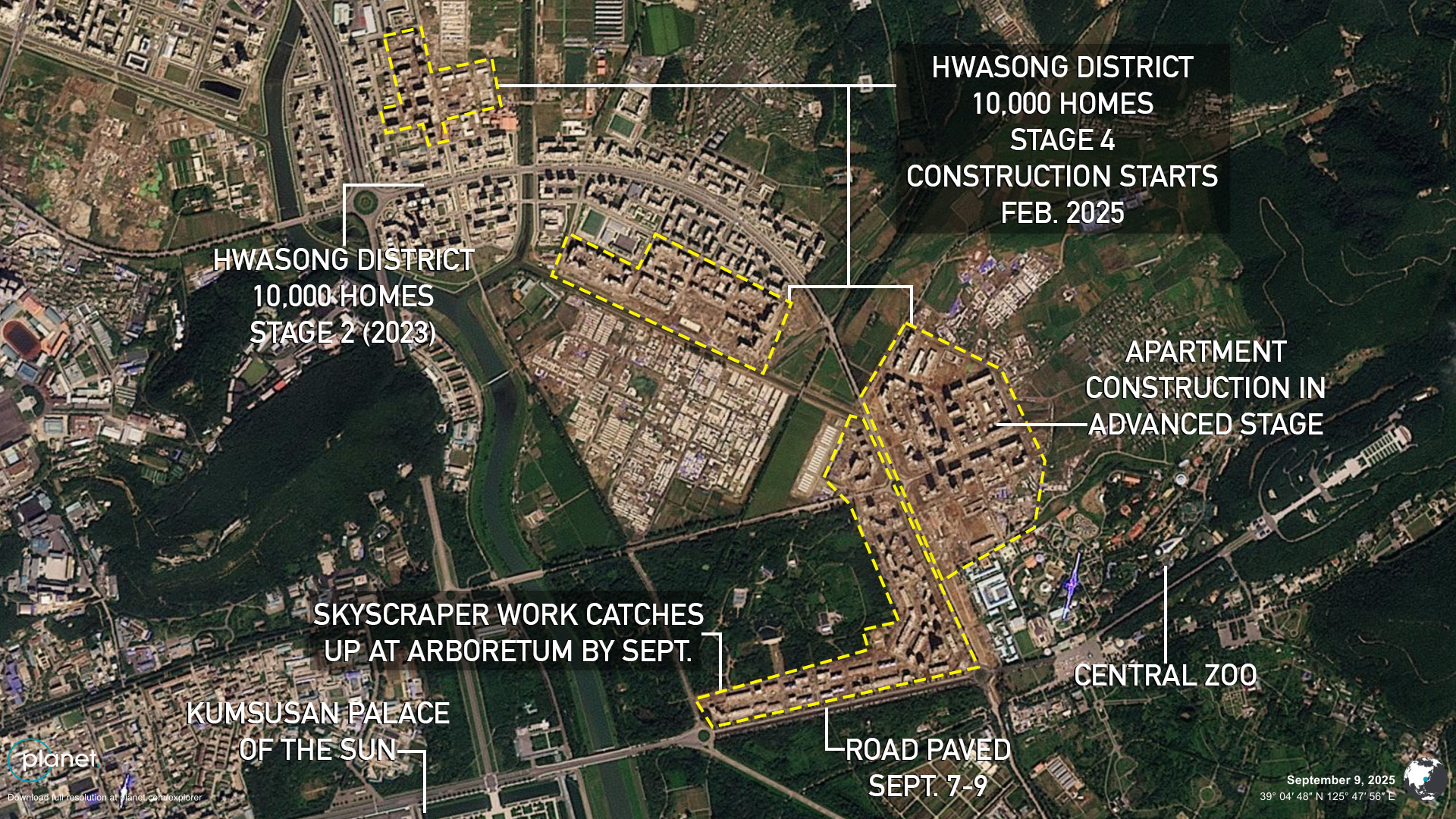
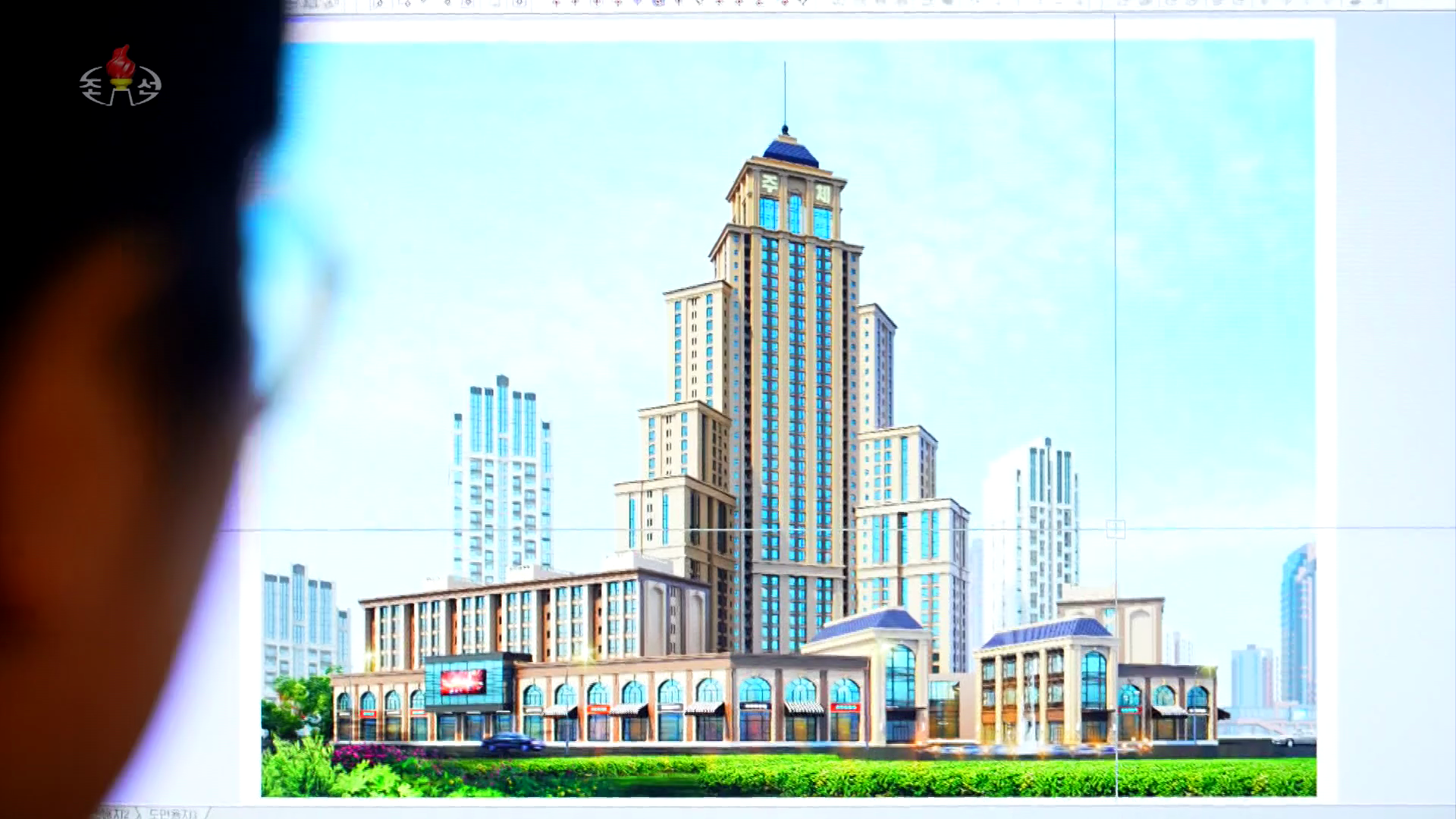

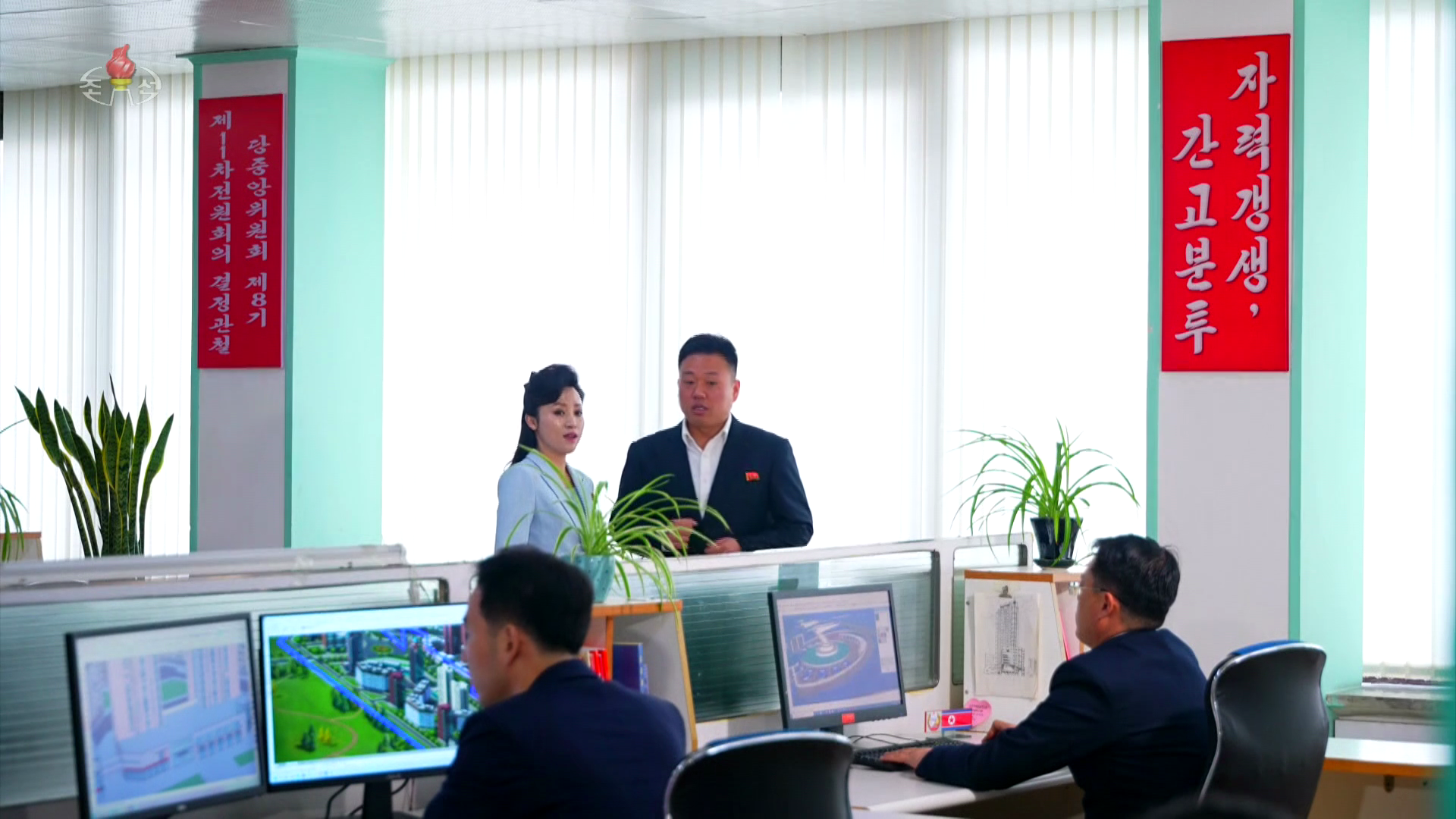
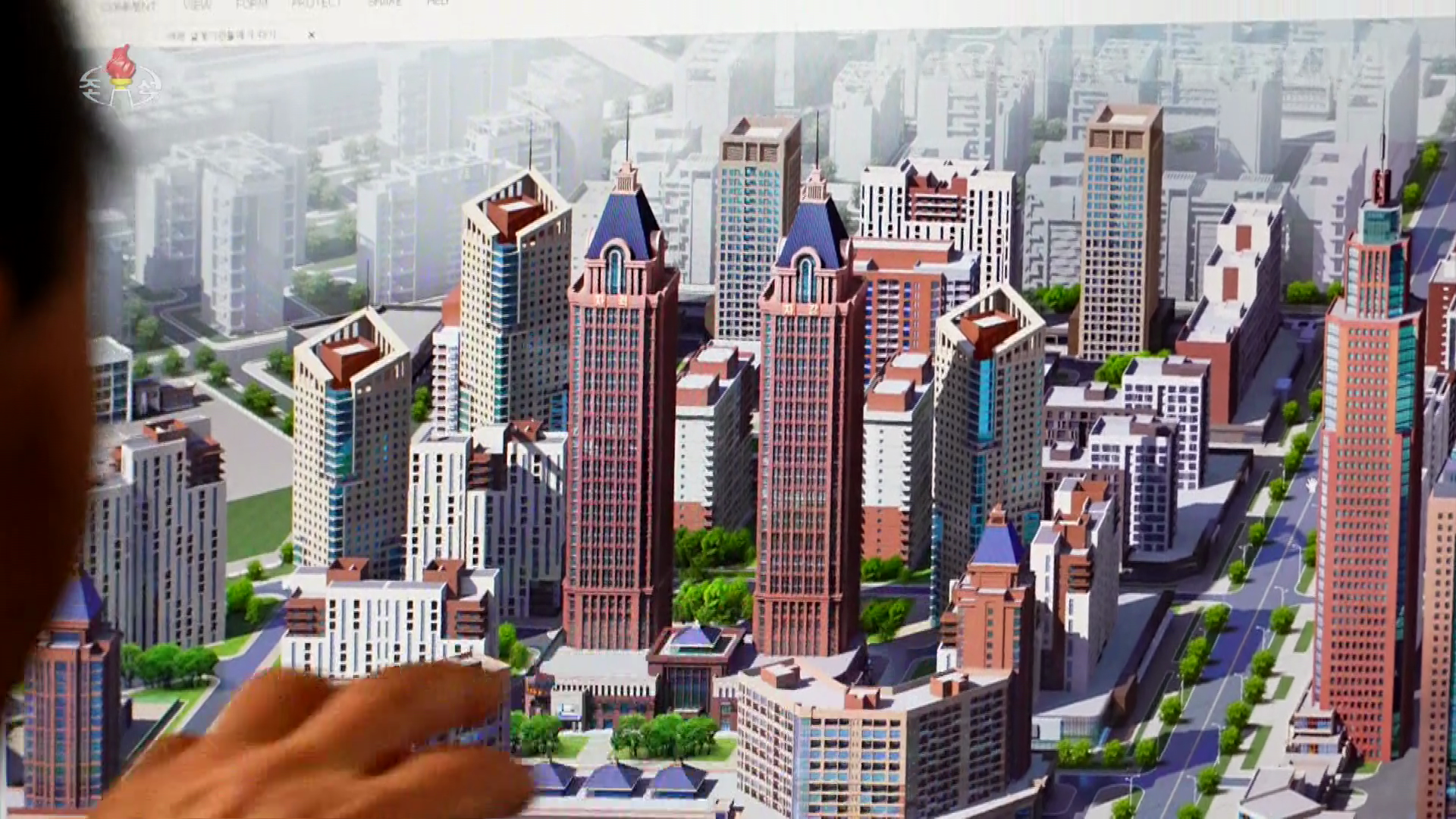
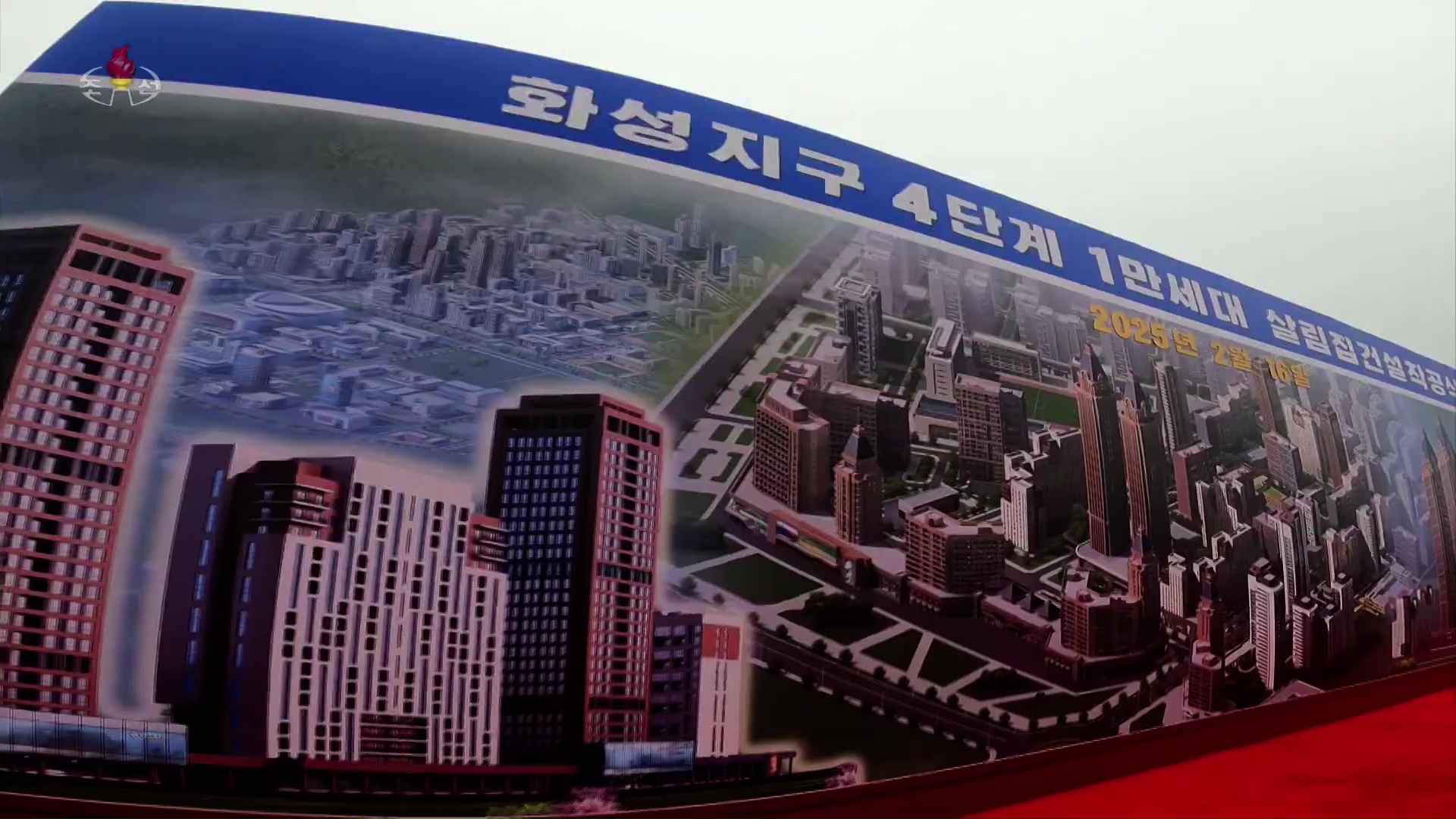
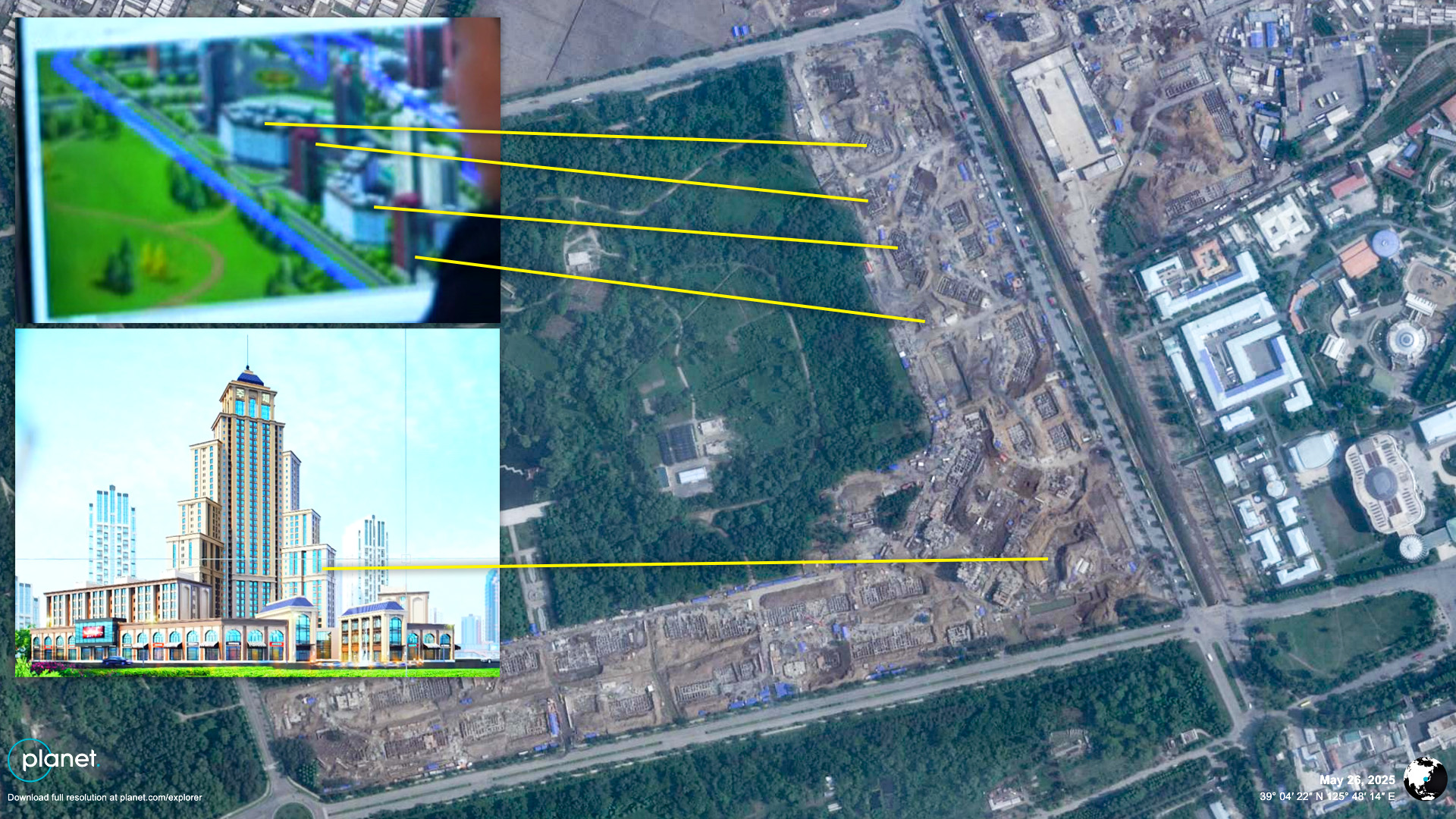
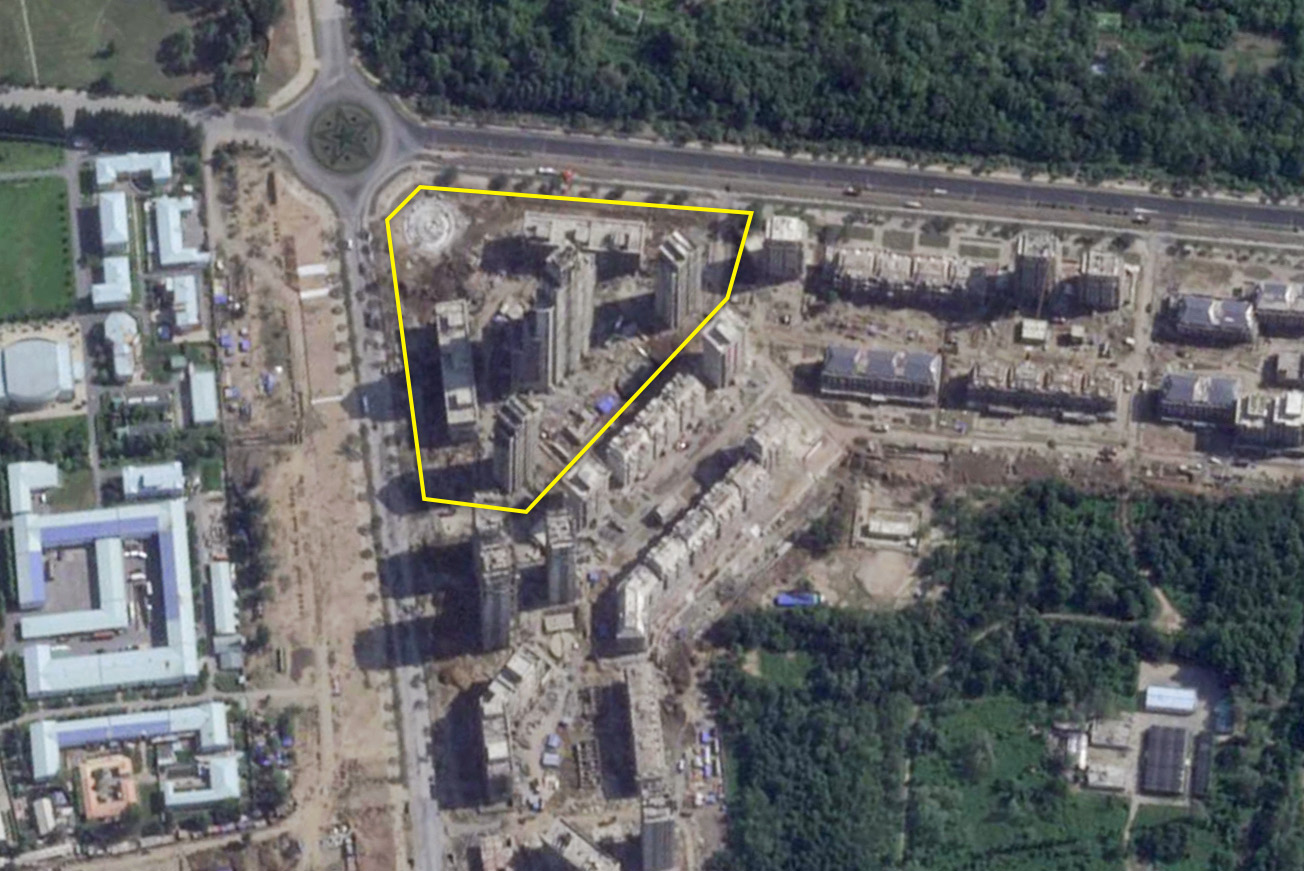
A 3D rendering produced by the Paektusan Institute of Architecture of what NK Pro has identified as a 35 to 40-story high-rise intended as the arboretum project’s centerpiece also did not appear on large posters displayed at the Hwasong project’s groundbreaking ceremony in February. However, combining the number of high-rises being built and the footprints of ongoing apartment construction — at the arboretum and the other clusters under this year’s Hwasong District stage four project — would result in a comparable size and number of buildings to the first three stages nearby. This suggests that Saebyol Street could either comprise only one area of the arboretum construction site, or that work hasn’t started yet on the apartments for the families of dead soldiers — but that it will soon begin in the same general location. The 3D renderings of the arboretum area apartments seen on state TV, while only showing the main corner of the block located across from the zoo, suggests the 50 buildings will include multiple towers over 30 stories tall, as well as longer and shorter apartment blocks likely around 10 stories tall. It’s difficult to estimate occupancy capacity without a full rendering showing the sizes of all buildings in the arboretum area project, but given its size relative to annual Hwasong District housing projects in recent years, it could be over 5,000 households. This is perhaps too large a number to be related solely to Gold Star families, with North Korea only admitting a few hundred deaths and South Korean intelligence recently revising its number to 2,000 killed in action. The design of the planned graveyard and memorial for dead soldiers may have also appeared in the state TV program: One scene showed a worker looking at a 3D design of apartments consistent with the shapes of buildings seen in satellite imagery of the arboretum site, while another worker sitting next to him inspected designs for what looked like a round structure with a monument and fountain at the center. Meanwhile, Planet Labs imagery shows that the main road on the southern edge of the arboretum construction was paved between Sept. 7 and 9, suggesting Kim Jong Un may also make a public visit soon to inspect progress and possibly offer clarification on the project. 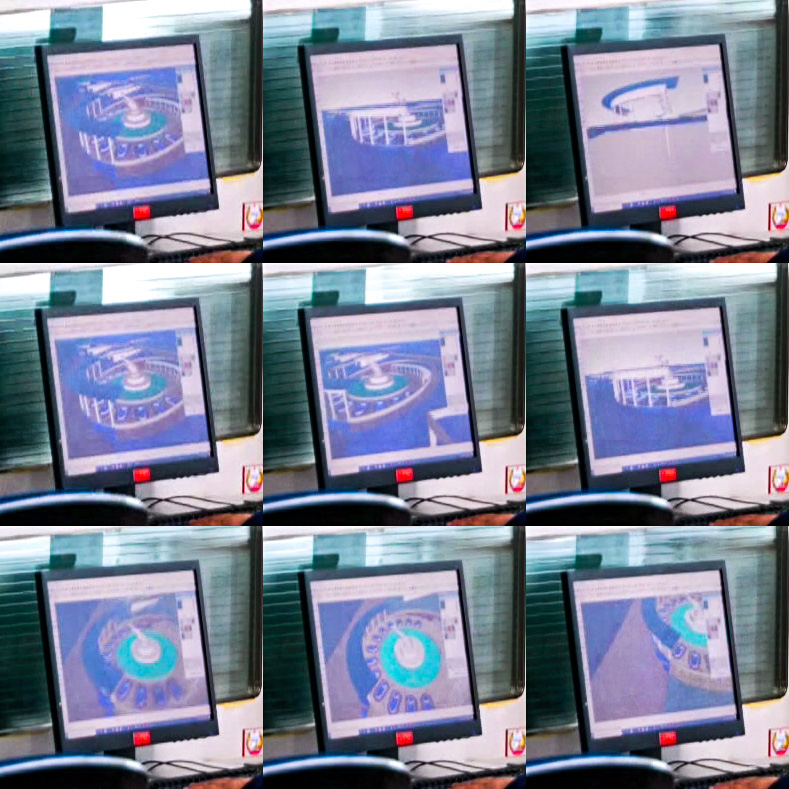 Edited by Alannah Hill © Korea Risk Group. All rights reserved. |

October 21, 2026Oct 21, 2026

The ultimate resources for professionals working on North Korea
 SHARE
SHARE COPY LINK
 X
X MASTODON