  Analysis What to expect at North Korea’s Ninth Party Congress, from nukes to US tiesKim Jong Un likely to consolidate military gains rather than break new ground, doubling down on Russia and anti-ROK line  North Korea’s imminent Ninth Party Congress is poised to serve as a key inflection point for the regime, 15 years into Kim Jong Un’s rule. The Korean People’s Army can boast of significant progress on modernization goals since the last congress in 2021, developing capabilities ranging from tactical nuclear warheads and solid-fuel missiles to new submarines. The DPRK has also reaped benefits thanks to Russia’s transformation from a marginalized player on the peninsula to a treaty ally, placing Kim in a stronger position on the global stage despite some friction with China. A look back at the last five years shows that not everything has gone according to plan, however: North Korea has faced persistent economic challenges, including a food crisis, and the influx of outside information presents an existential threat to the Workers’ Party’s ideological control. Under these circumstances, NK Pro analysis suggests that the Ninth Congress will focus on consolidating gains toward existing military goals rather than prioritizing new weapons development, while recalibrating economic plans around qualitative targets that make it easier to claim victory. But big questions remain around the potential for diplomacy with the U.S., redefining the inter-Korean border and leadership succession — all of which could increase the risk of conflict on the peninsula and beyond in the years to come. THE 2021 SCORECARD Military: Significant progress across an array of systems After the 2021 Congress, a 12-item weapons wishlist emerged that analysts initially dismissed as aspirational. Five years later, NK Pro analysis showed significant progress across the majority of systems. These include tactical warheads, solid-fuel intercontinental ballistic missiles, a tactical nuclear attack submarine, reconnaissance satellite, hypersonic vehicles and underwater drones. Some critical gaps remain, however. State media released photos of the nuclear-powered submarine, but it remains far from deployment. “Super-large” warheads received no updates over the last five years, and progress on a multiple independently targetable reentry vehicle (MIRV) remained unclear until late 2024. In short, the overall record supports a genuine modernization achievement rather than propaganda theater, and there have been many conventional reveals as well. 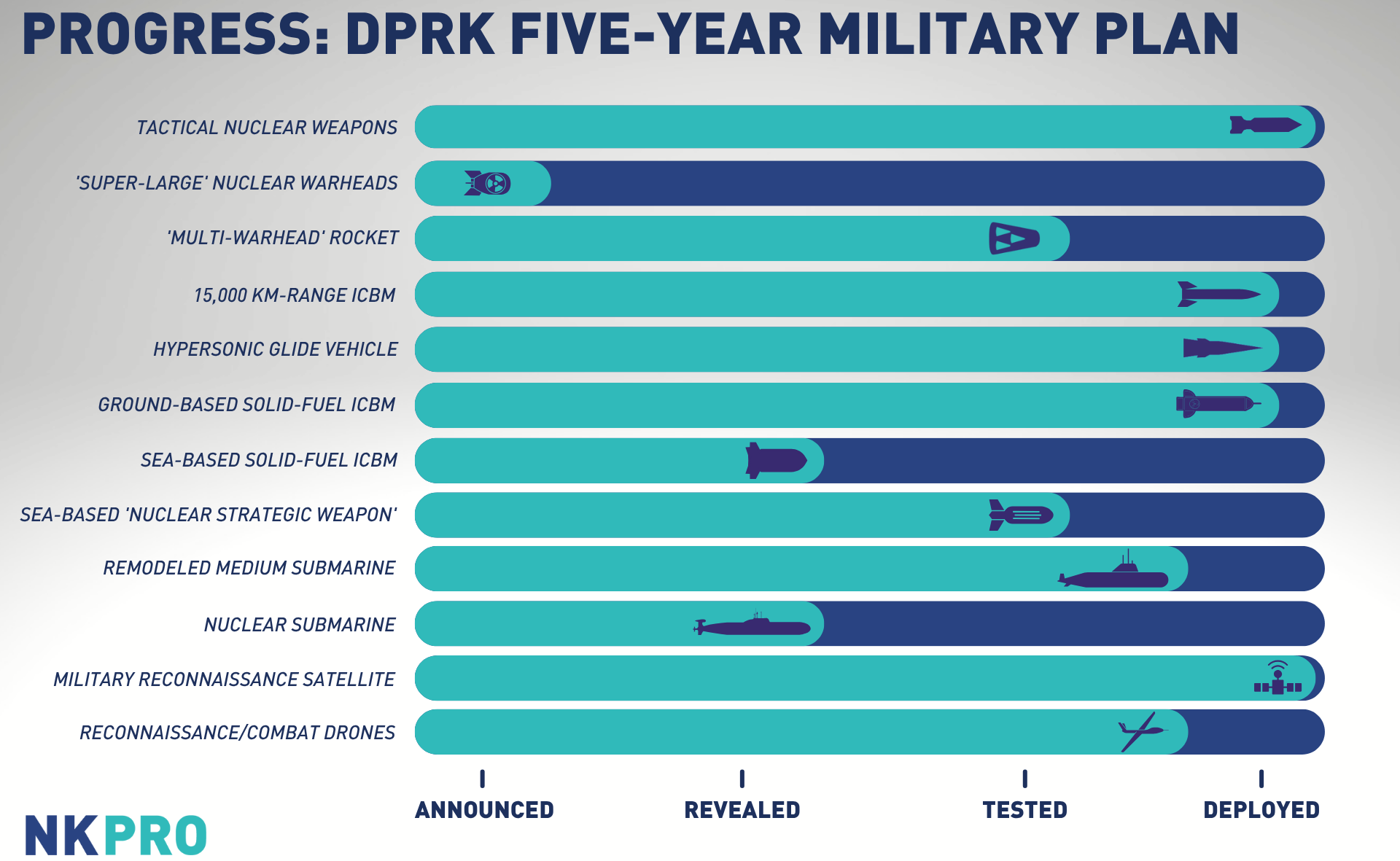 Economy: Major development, but rhetoric often exceeded reality Kim Jong Un’s drive to increase self-reliance produced several notable outcomes: new factories under the 20×10 regional development program, construction at military-industrial complexes and consumer goods exhibitions. The problem is that construction doesn’t prove increased production capacity or an ability to substitute for imports. U.N. and ROK assessments through 2024 continued reporting significant food insecurity and medical supply shortages, though some disagreed with these claims. Agricultural performance was uneven. Increased spending on farming and evidence of improved harvests due to favorable growing conditions were positive developments, but neither pointed to structural reform. Instead, the regime reasserted central farm control. Construction delivered major progress on physical structures — Hwasong Street, the Komdok mining town and tens of thousands of new rural homes. North Korea appears likely to achieve its 50,000 Pyongyang homes target before the 2026 Congress. However, missed deadlines likely reflected frequent materials shortages, while quality problems indicate the regime prioritized unit counts over habitability. Kim Jong Un also candidly criticized the state’s performance on flattening regional disparities at the end of 2024, noting failures to build up regional industry, poor planning and inadequate support for farmers, housing and other basic needs. Similar comments in Dec. 2025 highlighted the wealth gap between Pyongyang and the rest of the country. Foreign relations: Russia up, strained China ties The 2021 Party Congress sought “special” relations with China and noted improvements in ties with Russia since the 2016 Party Congress, while offering few details about new goals. What has materialized in the years since has been a dramatic strategic alignment that saw wishy-washy Russia ties transform into a “comprehensive strategic partnership” due to North Korea’s support for the war against Ukraine. High-profile leader summits, weapons transfers to Russia and the deployment of DPRK soldiers to the conflict represented a major breakthrough that wasn’t forecast in 2021. All of this appeared to have a cost for China ties. The 75th anniversary of DPRK-China relations passed with muted ceremony and fewer leader messages in 2024. Trade fell in early-to-mid 2024 as Pyongyang’s alignment with Moscow created visible Beijing discomfort. The relationship recovered modestly in 2025, with Kim participating in a Victory Day summit in Beijing, renewed delegation activity and a trade rebound. But North Korea has hardly made good on its pledge of “tactical cooperation.” Meanwhile, the Eighth Party Congress designated the U.S. as the “biggest, main enemy” obstructing DPRK development and declared that American policy “never changes,” regardless of who holds the White House. The regime proved it meant this: Pyongyang has shunned engagement with Washington, not only under Joe Biden but also since Donald Trump’s return to office in Jan. 2025. As for South Korea, the 2021 Congress left open the possibility of restoring cooperation if Seoul ceased “hostile acts.” But the reality is that North Korea shut the door over the last five years, even dropping reunification as an official state goal. 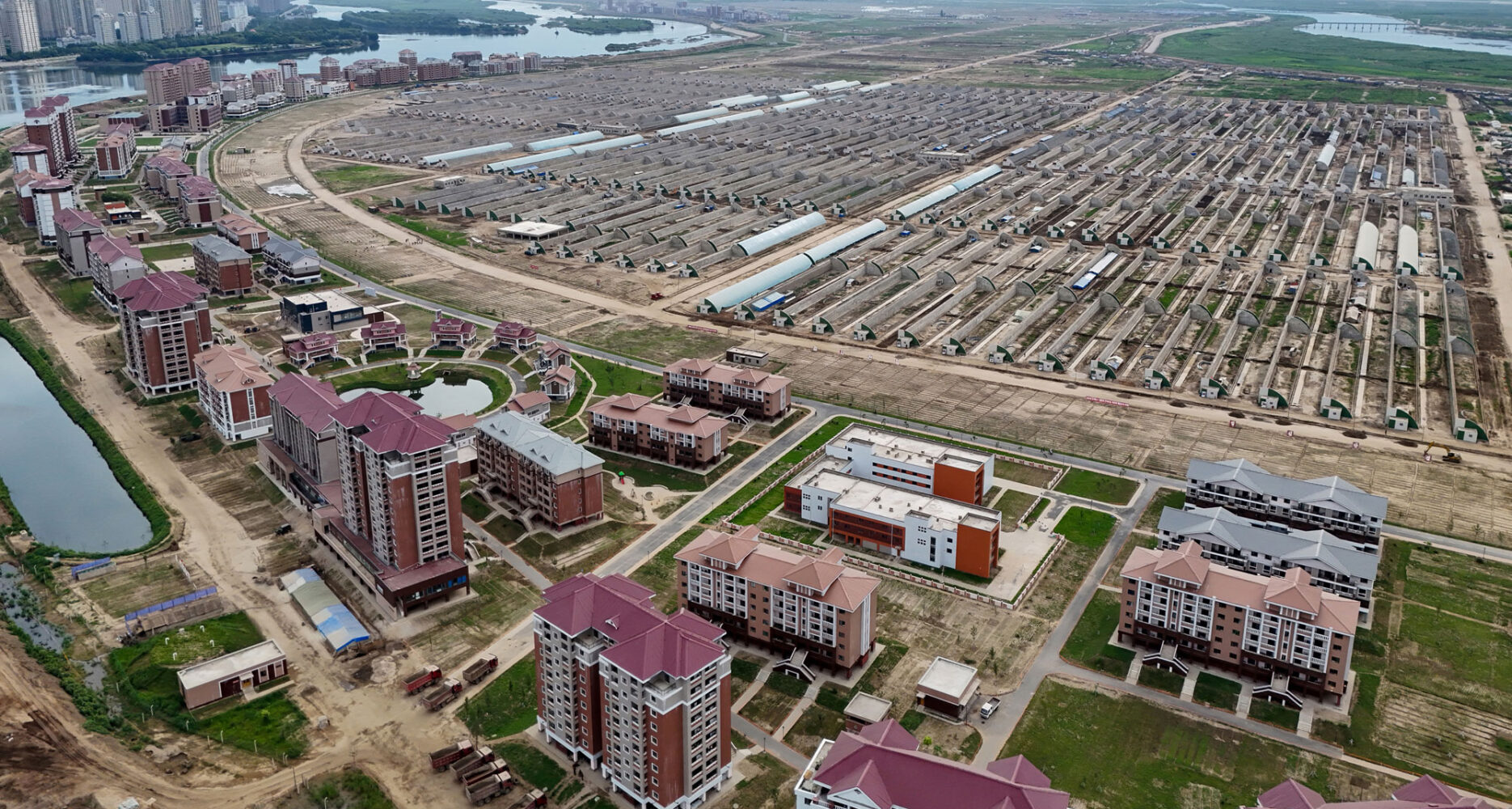 Politics and society: Heightened controls, health modernization, political North Korea made significant progress on Kim Jong Un’s order to “thoroughly eliminate non-socialist elements.” This included adoption of the Law on Rejecting Reactionary Ideology and Culture, cracking down on the use of South Korean expressions and words and strengthening the work of “non-socialist groups” that enforce ideological conformity. Public health modernization finally made progress after years of delays with the opening of the Pyongyang General Hospital last year, as well as regional hospital launches (Kangdong, Ryonggang, Kusong). Education initiatives provided some tangible deliverables like new uniform supply, even as school renovations stalled. The Eighth Party Congress outlined plans for party institutionalization through procedural changes. The meeting codified the five-year congress cycle and empowered the Presidium, streamlining decision-making authority. But little is known about how the Workers’ Party of Korea has otherwise transformed its operations over the last five years. On the financial side, North Korea’s central bank issued money coupons (dongpyo) in response to trade shocks from the pandemic, while broadening tax collection in a move that supported greater central control. Overall performance A look back at 2021-2025 shows that North Korea delivered on military modernization but only made cosmetic progress elsewhere. This gives the regime the option of claiming comprehensive victory, but Kim’s recent speeches suggest he’ll instead opt to repeat the 2021 pattern of candid criticism. The leader has repeatedly leaned on public criticism of regional development failures and poor planning to strengthen his legitimacy, demonstrating accountability while blaming external challenges (sanctions, the pandemic) and corrupt officials. Kim is likely to modulate his message by sector. Military achievements will receive triumphalist coverage, capped by a parade after the congress. On the economy, the leader will boast of qualified progress while acknowledging unmet targets. Progragandists will emphasize progress on ideological control as essential to keep out ideological pollution from enemy nations like South Korea. Foreign policy realignment presents the most sensitive messaging challenge and will likely receive vague treatment. 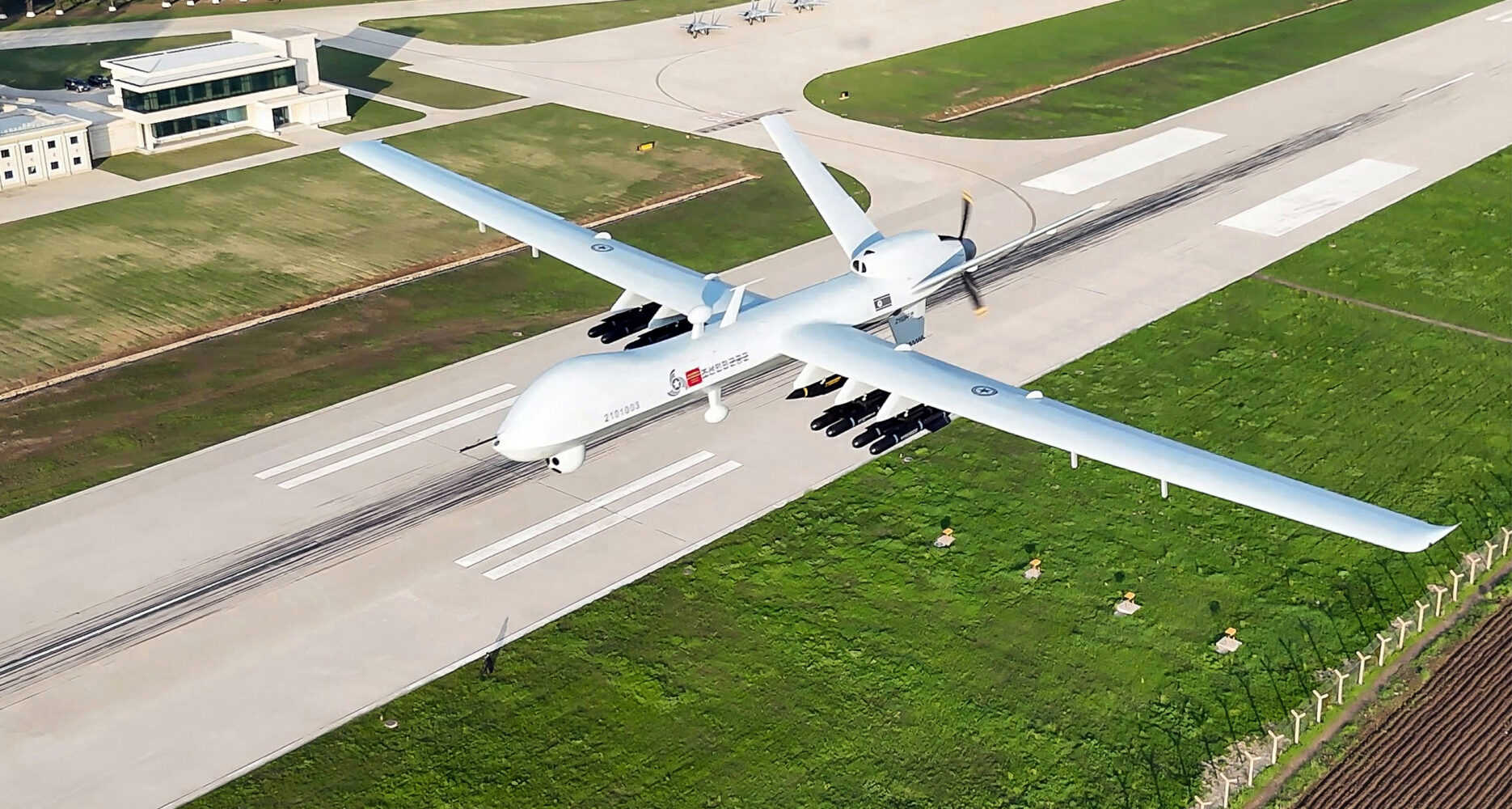 WHAT TO WATCH AT THE NINTH PARTY CONGRESS Military/WMD: Consolidation over new frontiers The 2026-2031 plan will likely emphasize operational deployment of demonstrated systems rather than new capabilities. Expect goals centered on:
What’s unlikely for the next five-year plan is the introduction of fundamentally new weapons categories. The 2021 wishlist covered the strategic spectrum, so the 2026 goals will likely focus on quantity, reliability and deployment, rather than novel capabilities. Economy: Recalibrating targets North Korea’s economic goals are likely to face the most significant adjustment. Given mixed progress on 2021 targets, the Ninth Party Congress could opt for more vague formulations allowing flexible interpretation of success.
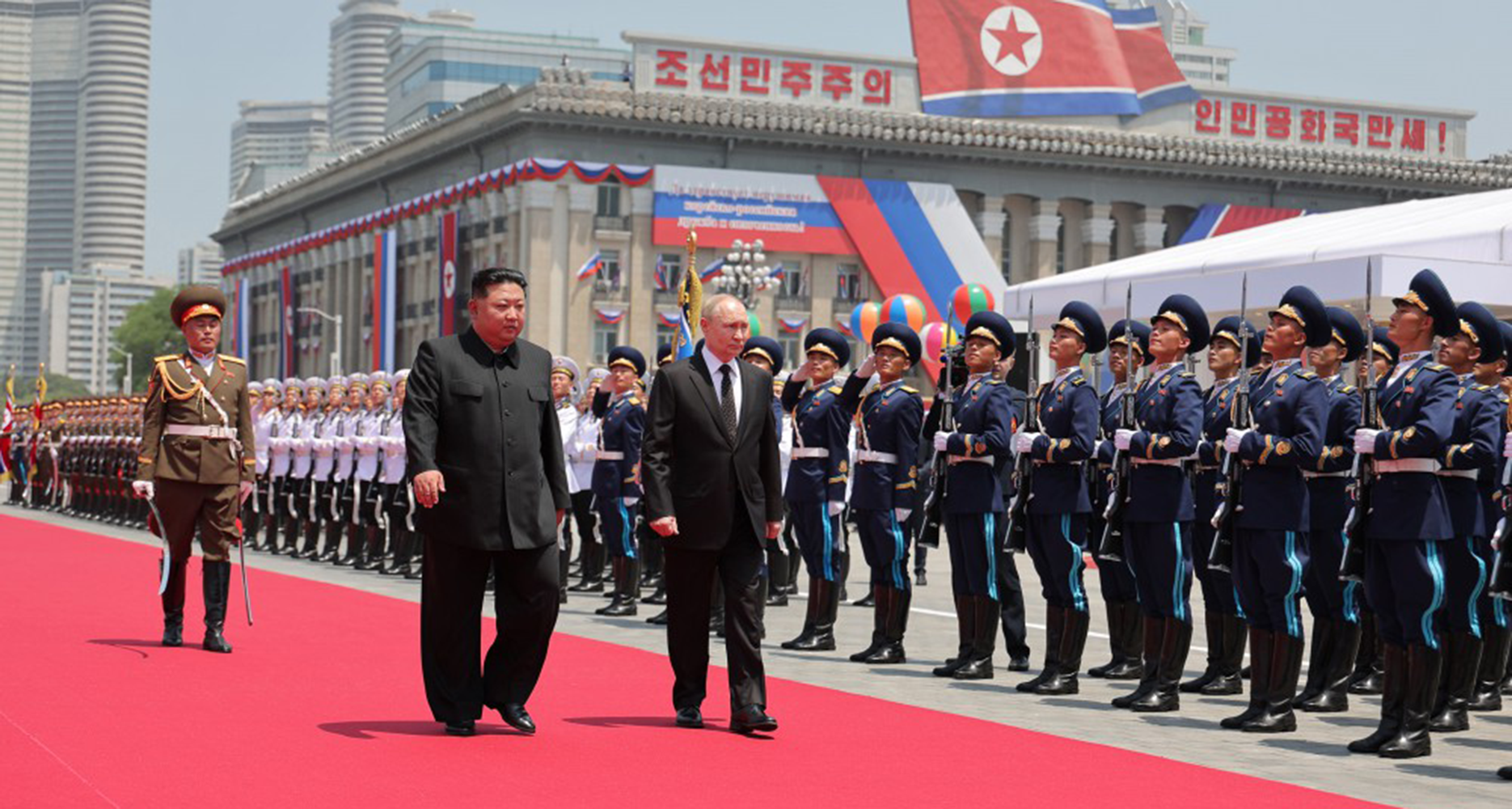 Foreign policy: Managing the new reality Foreign policy goals will formalize the recent realignment with Russia, while attempting to manage its consequences.
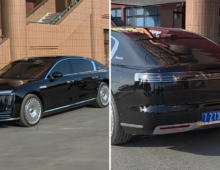
Internal goals: Control and legitimacy North Korea will continue to place great emphasis on ideological control given the enormous threat posed by outside information and South Korean culture, calling for eliminating “non-socialist practices.” The congress will present public health and education goals in a show of its commitment to improving people’s welfare. The ruling party will also stress “discipline” and “accountability,” code for eliminating corruption and improving performance. A key area to watch will be whether the congress acknowledges market activity and private ownership (like recent change allowed car ownership), or intensified rhetoric emphasizing state control over the economy in line with recent trends. Another big question remains whether the regime will announce new titles or roles will be declared for women close to Kim Jong Un, in particular his daughter Kim Ju Ae and sister Kim Yo Jong. There could be movement on formalizing his daughter’s suspected position as successor, though this likely won’t be a key topic of discussion even if she participates in the congress. 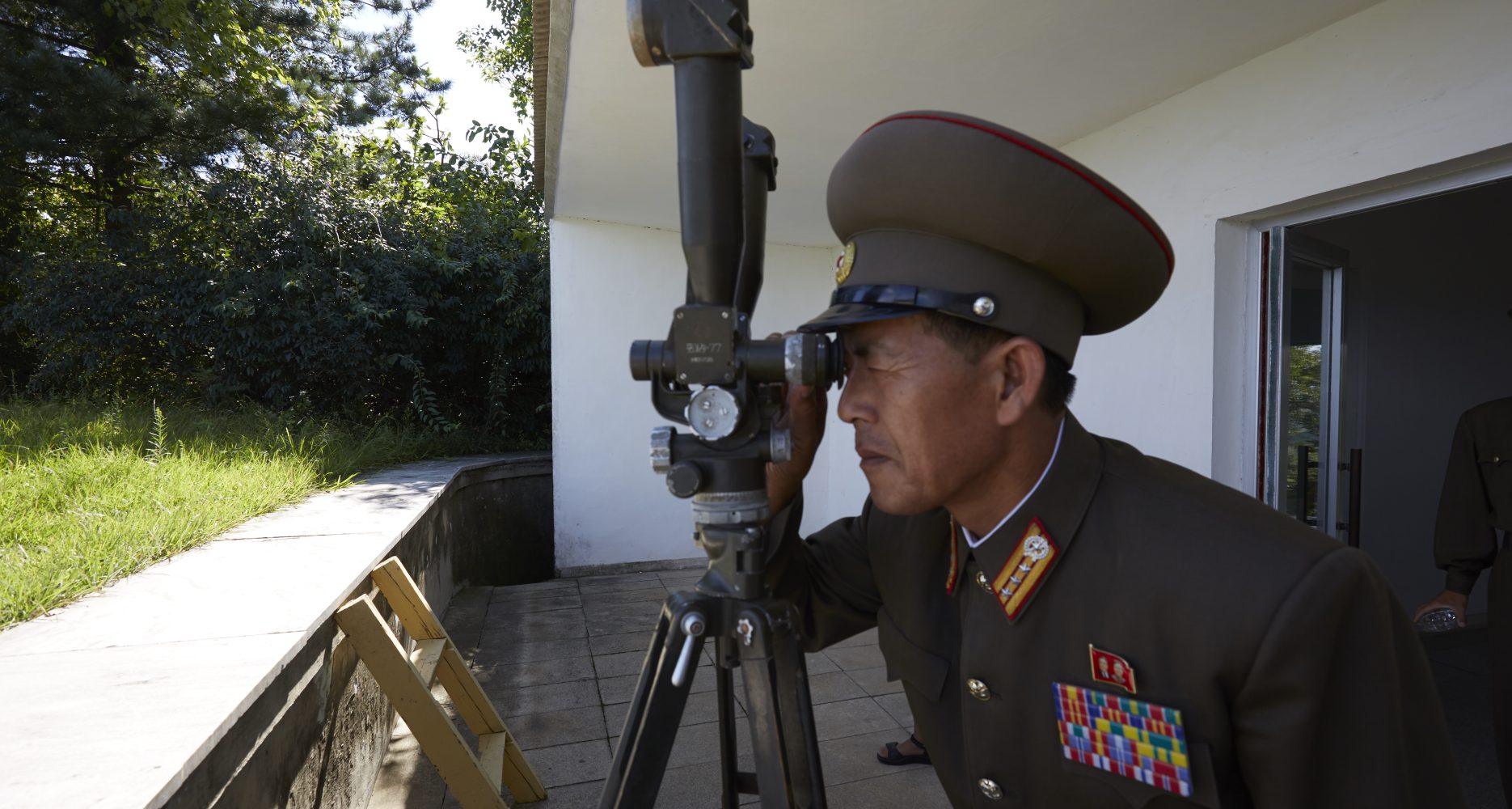 LOOKING AHEAD The overarching message of the Ninth Party Congress will almost certainly be one of triumph, showcasing the extent of progress under Kim Jong Un’s leadership while blaming others (enemy states, self-serving officials) for occasional problems. But what’s far more important to watch are the specific decisions and conditional language that the congress adopts, which will have major consequences for peninsula stability and beyond. Any reinterpretation of Yellow Sea boundaries would create immediate flashpoints in contested waters, where prior skirmishes have brought the Koreas to the brink of war. A formal designation of Kim’s daughter as successor — while highly unlikely for someone so young — could betray acute health concerns about the leader, introducing greater uncertainty into the domestic politics of a nuclear-armed state. Doubling down on drone warfare and expanding foreign troop deployments will further demonstrate that North Korea is not just an isolated regional problem, potentially extending its reach beyond the war in Ukraine. As such, the congress will reveal whether Kim sees the next five years as a period to consolidate under constraints, or to embrace an aggressive strategic posture that poses bigger global risks. Edited by Bryan Betts © Korea Risk Group. All rights reserved. |

October 25, 2026Oct 25, 2026

The ultimate resources for professionals working on North Korea
 SHARE
SHARE COPY LINK
 X
X MASTODON