  Analysis Up in smoke: Satellite imagery captures North Korea’s war against wildfiresNK Pro analysis shows dozens of fires raged this spring, and expert say DPRK isn’t ready for bigger blazes to come 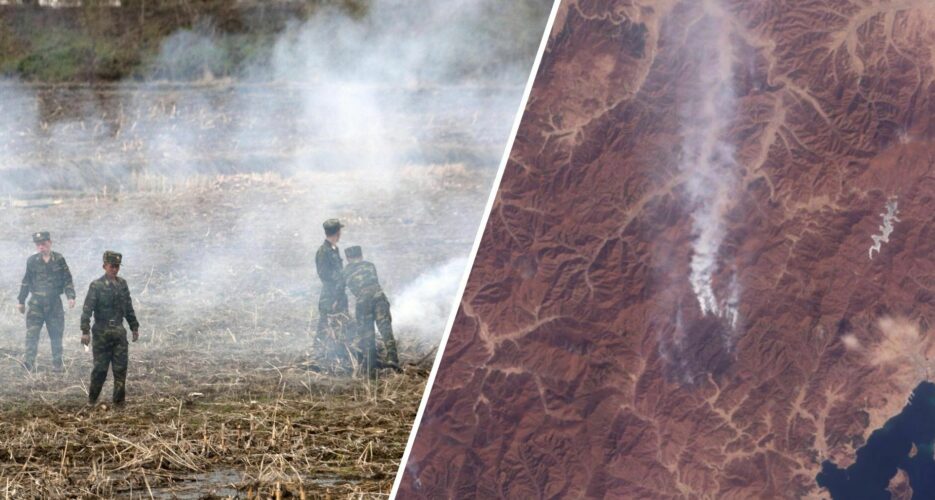 North Korea has repeatedly threatened to turn Seoul into a sea of fire over the years, brandishing artillery and nuclear weapons aimed at its adversaries in the South. But as global warming drives temperatures up and farmers defy rules against slash-and-burn agriculture, the risk is growing that the DPRK will be the one to find itself going up in flames. NK Pro analysis of satellite data shows that there have been dozens of confirmed fires across the country’s farmlands and mountain slopes in recent months, from Kangwon Province near the inter-Korean border and the agricultural breadbasket of South Hwanghae Province to the remote, mountainous regions of North Hamgyong and Ryanggang Provinces in the far north. NASA’s Fire Information for Resource Management System (FIRMS) data and Planet Labs satellite imagery show that fire scorched both relatively small plots and much larger areas of farmland and mountain forests between March and May. Data from NASA’s Visible Infrared Imaging Radiometer Suite (VIIRS) also shows an increase in thermal anomalies — hotspots that emit relatively more infrared radiation than their surroundings — across the country from March to May, up from 703 last year to over 1,300 this year. Experts attributed these fires to a combustible combination of unsustainable agricultural practices and environmental conditions, underscoring North Korea’s limited ability to control fires that pose significant risks to crops, forests, people and property. And while authorities are aware of the dangers and doing what they can to prevent fires, the DPRK has a limited capacity to fight the wildfires that result from controlled burns, while refusing to take the steps necessary to disincentivize farmers from setting fires in the first place. NORTH KOREA ON FIRE North Korea experiences wildfires across the country during the spring dry season, typically from March to May. And the fact that the fires occur when major agricultural work takes place doesn’t appear to be a coincidence. NK Pro analysis of thermal anomalies between 2020-2024 shows major hotspots concentrated in North Korea’s northeast, while also showing fires in other areas like alongside the Demilitarized Zone separating the two Koreas. Clive Coetzee, a senior lecturer of economics at Stellenbosch University, observed that the locations where fires appear in the DPRK has been “stable” in recent years, suggesting they are prescribed burns organized for agricultural purposes rather than random wildfires. James Banfill, a humanitarian aid professional who has worked on projects in the DPRK, similarly assessed that some burned areas at the edges of farmland — visible in satellite imagery analyzed by NK Pro — may be from controlled burns aimed at “clearing crop residues, trying to control pests and/or unleashing nutrients in the soil before planting.” He added that “the practice isn’t sustainable, so they may either be rotating the fields to burn or just opening up new land on the margins of what is already cultivated.” Another possibility is that authorities are conducting controlled burns of mountainous areas as part of forest management practices, aiming to open areas where new trees can grow, according to Jerry Nelson, a professor of plant science at the University of Missouri who has also worked in the DPRK. These improved forests would “contain a mixture of ages (and species) that would add sustainability to the ecosystem,” while aiding local residents with new sources of fuel and building materials, the expert told NK Pro. But Peter Ward, a North Korean economy expert, said local farmers are likely starting the fires without official permission. He noted that DPRK farmers often illegally clear forests on mountainsides to create hillside farms, a practice that began during the famine of the 1990s as a way for families to grow more crops to feed themselves. The state has a “limited capacity to completely stamp out” such practices in remote areas, Ward said, despite state efforts to crack down on illegal logging and promote reforestation under leader Kim Jong Un. Satellite imagery specialist Jacob Bogle similarly emphasized that fires resulting from slash-and-burn farming remain a serious threat to nearby forests, although they tend to happen less frequently now due to the government’s crackdowns on illegal farming plots in recent years. The mountainous regions where farmers start fires to clear land or boost crop growth often lack access to water sources as well, Banfill added, increasing the likelihood that controlled fires burn out of control and cause unintended damage. 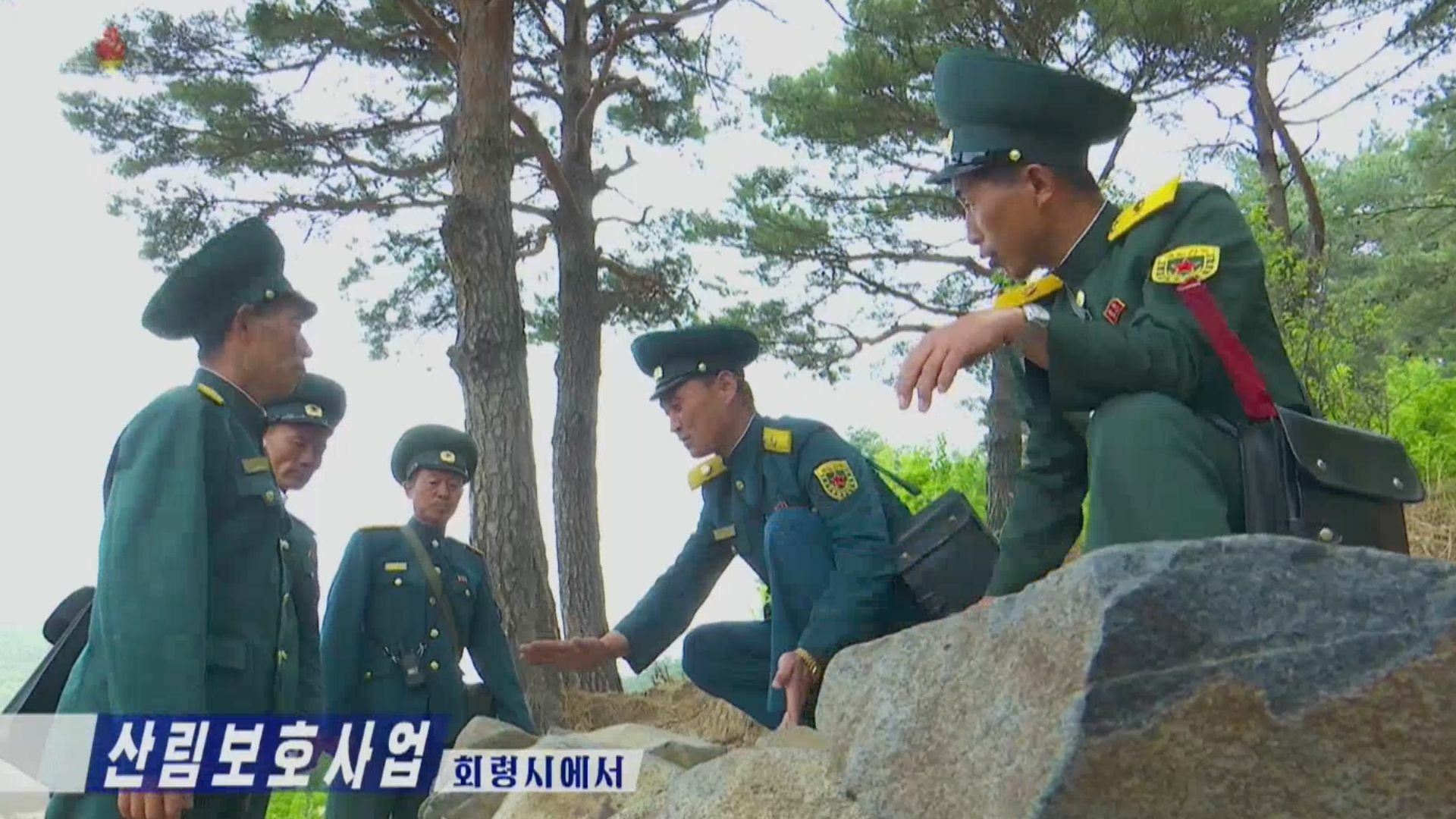
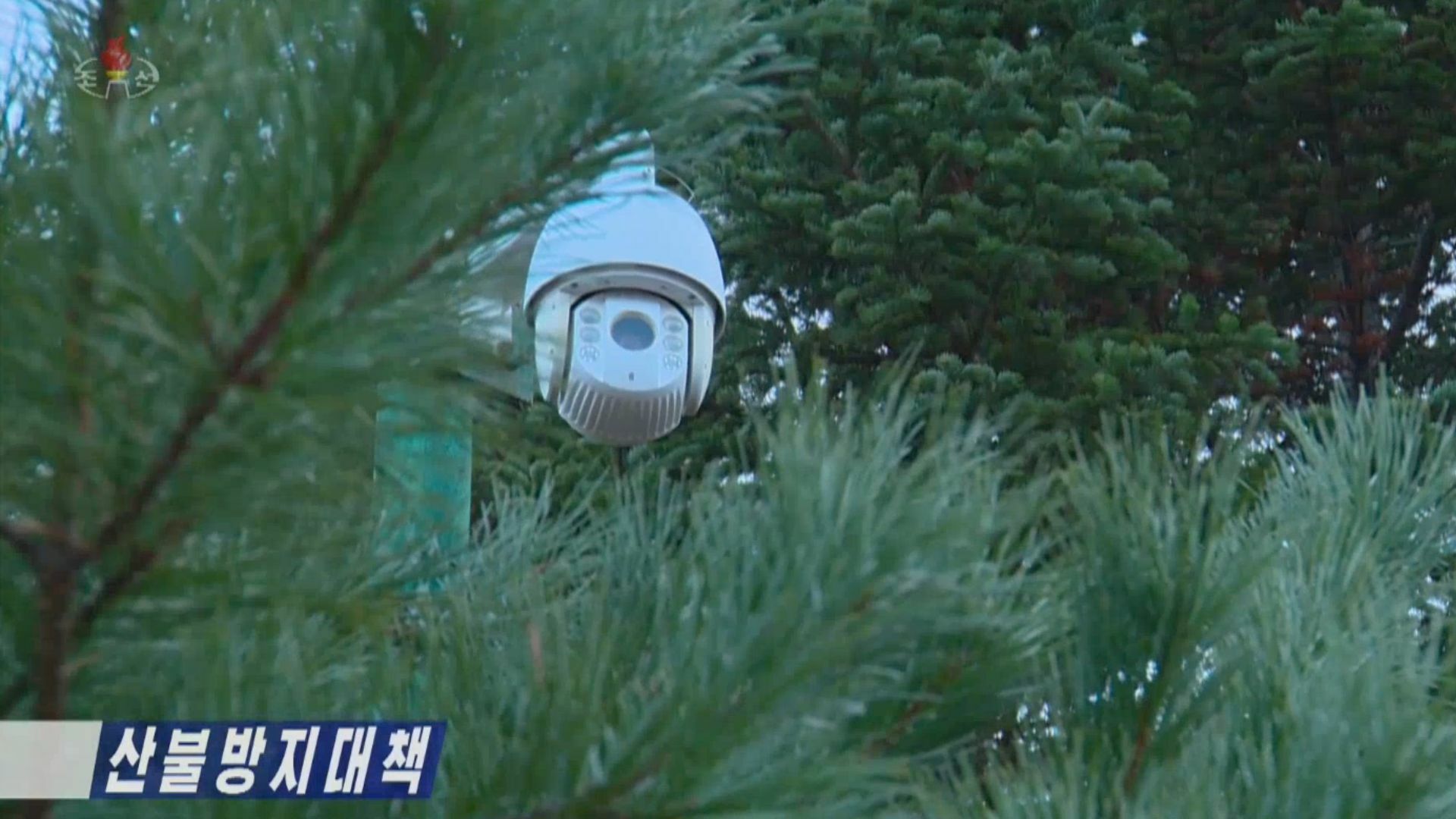
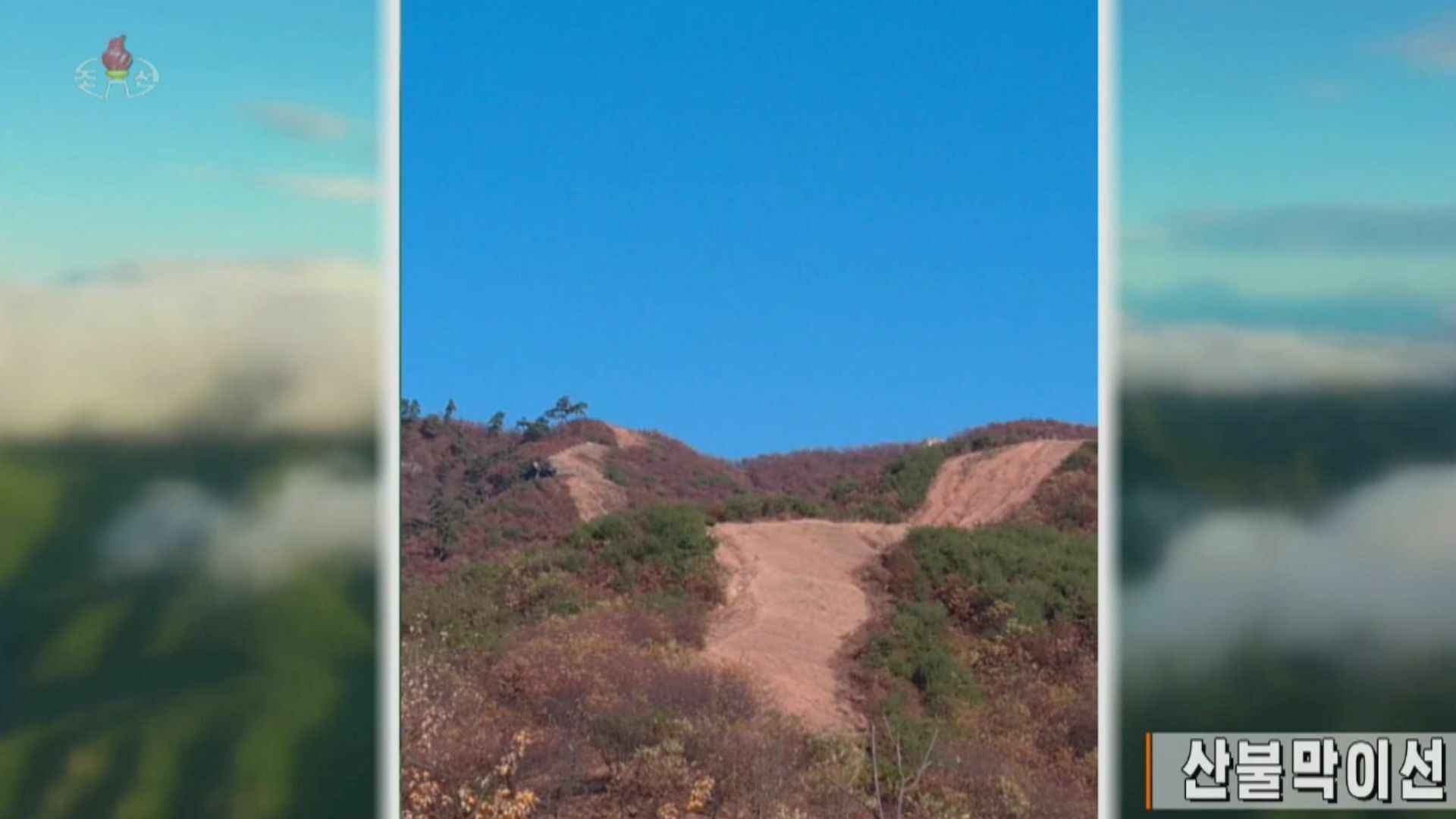
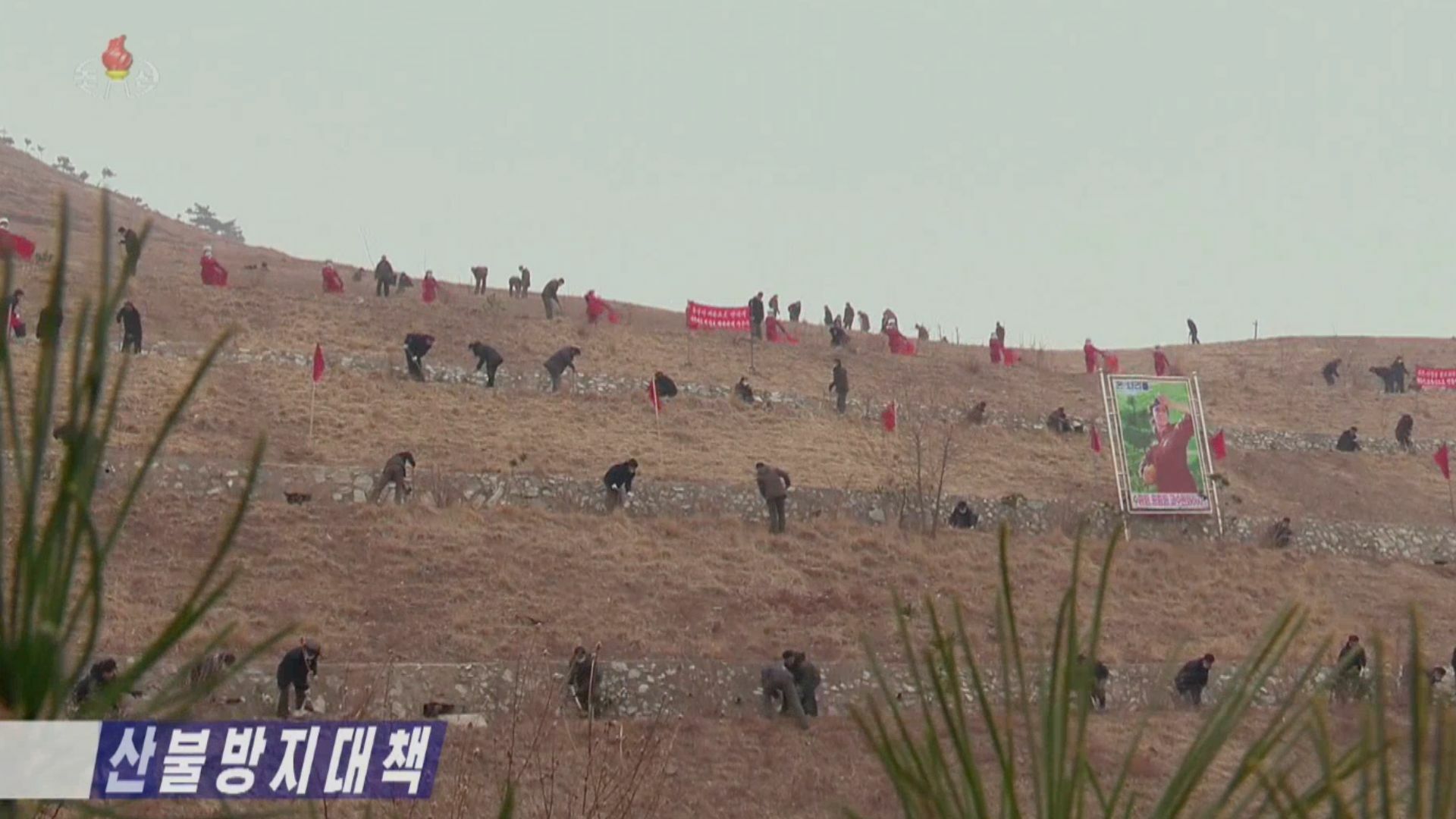
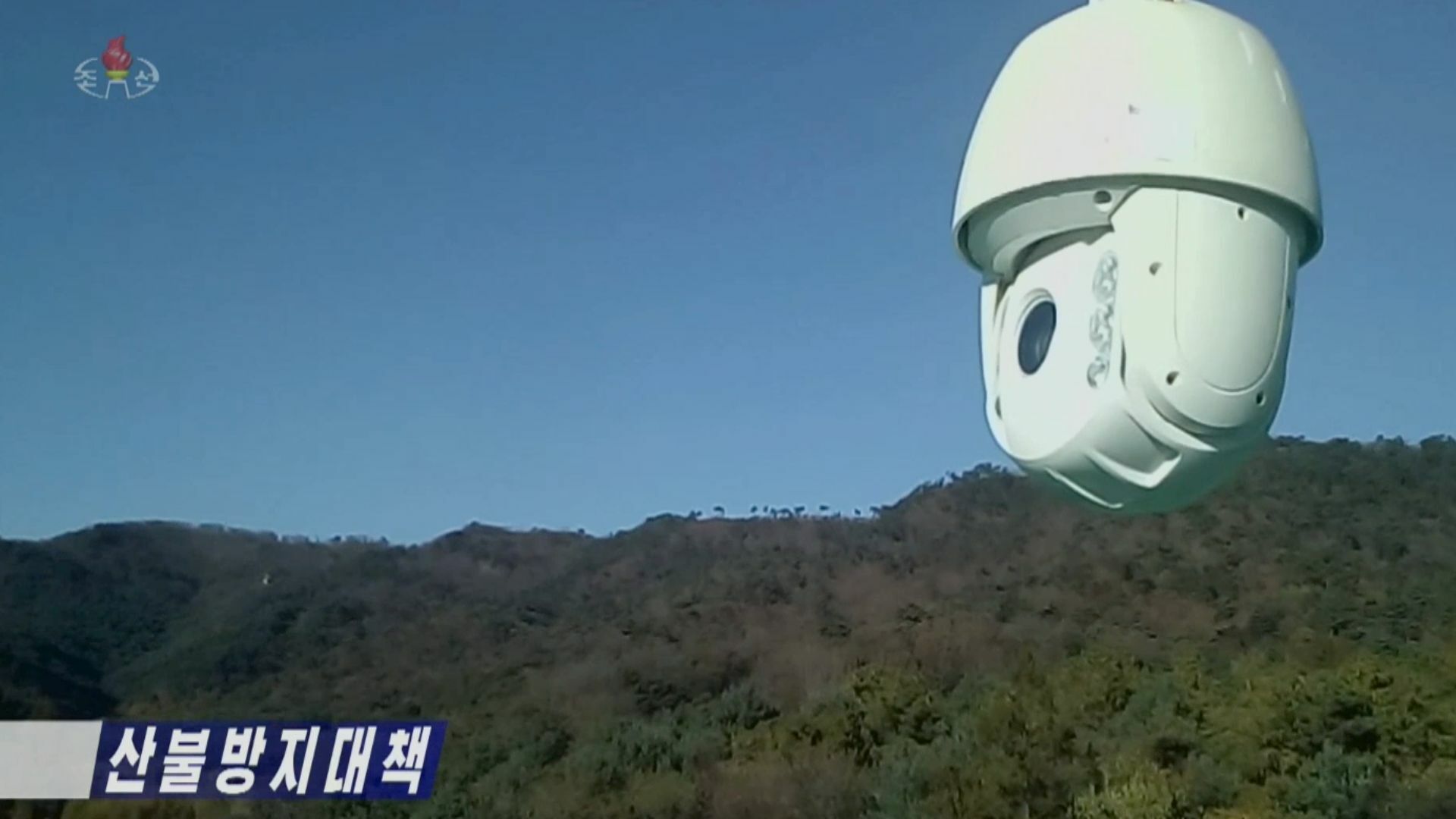
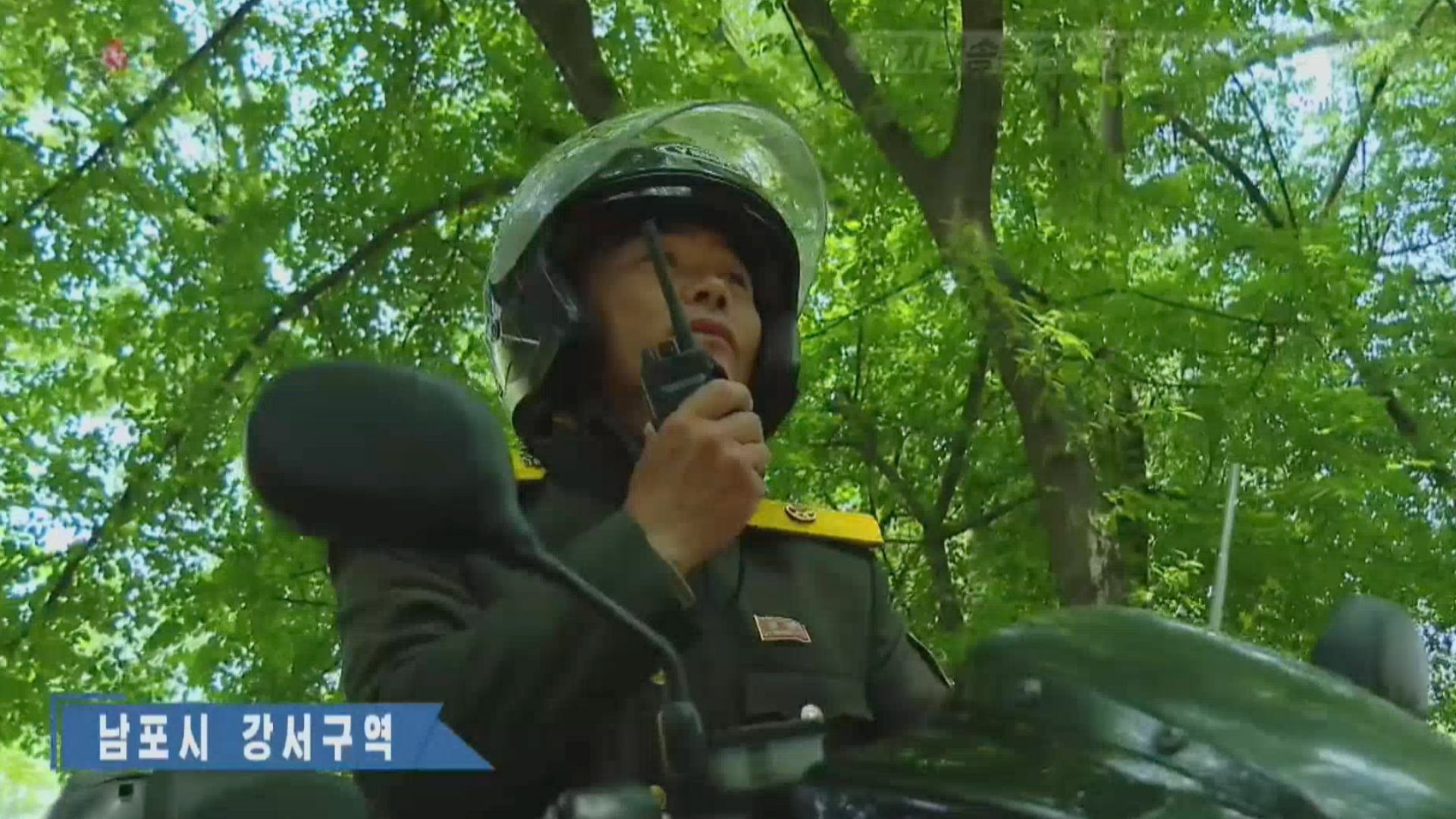
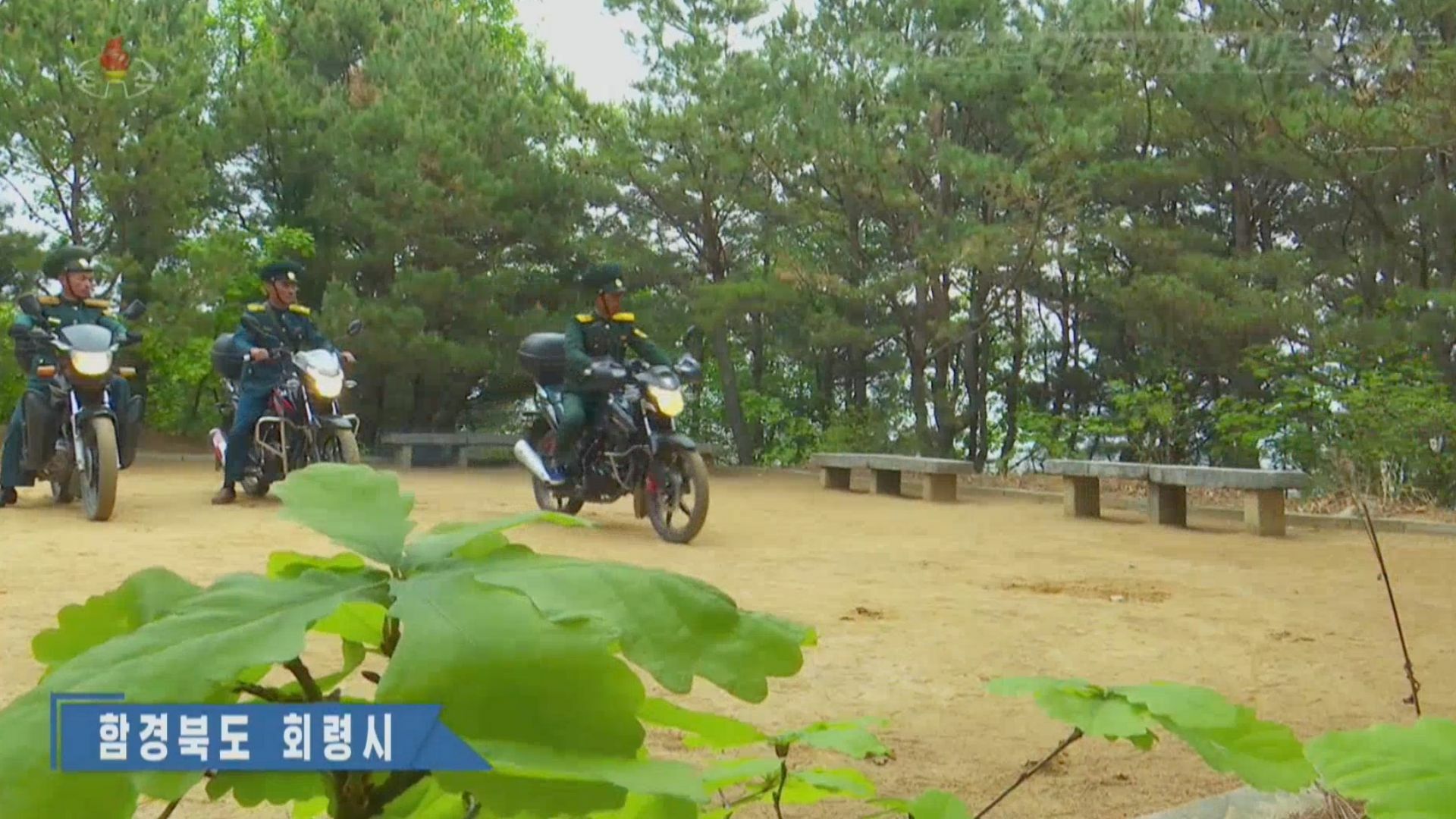
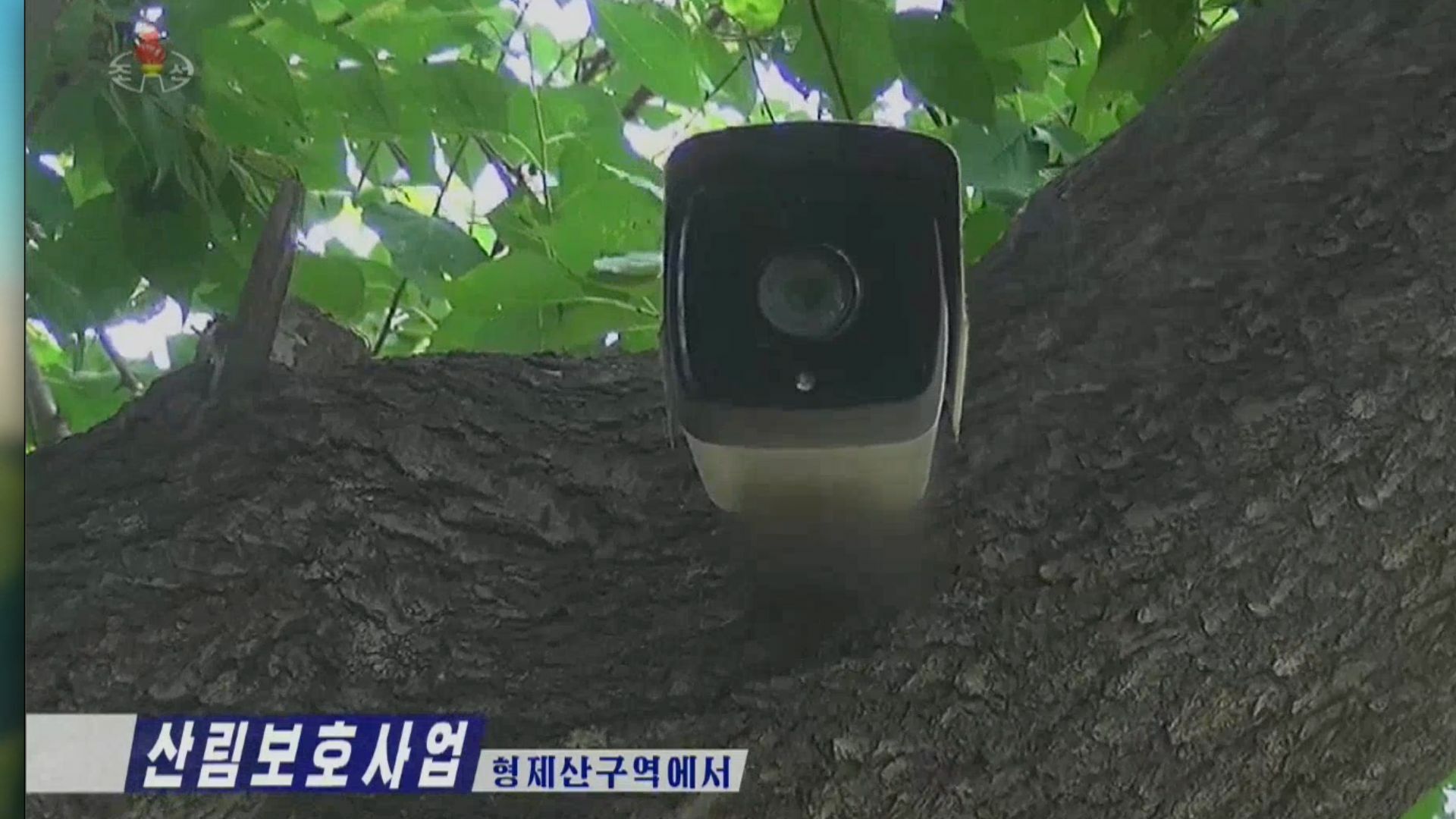
FIRE PREPAREDNESS North Korea relies heavily on fire prevention rather than modern firefighting techniques due to limited resources, with surveillance and educational campaigns targeting local residents among the best tools in the state’s arsenal. According to state media, local officials of the DPRK Ministry of Land and Environmental Protection have set up monitoring posts, built stone fences and cleared wide strips of land as part of efforts to prevent wildfires and keep them from burning out of control. State propaganda has also repeatedly warned North Koreans of the risks associated with forest fires and the measures taken to prevent them. Meanwhile, state television has promoted efforts by forestry workers to patrol areas prone to fires on motorcycles, while also monitoring conditions using cameras installed in forests. It is unclear how widely North Korean authorities are using these new technologies to prevent forest fires in North Korea. 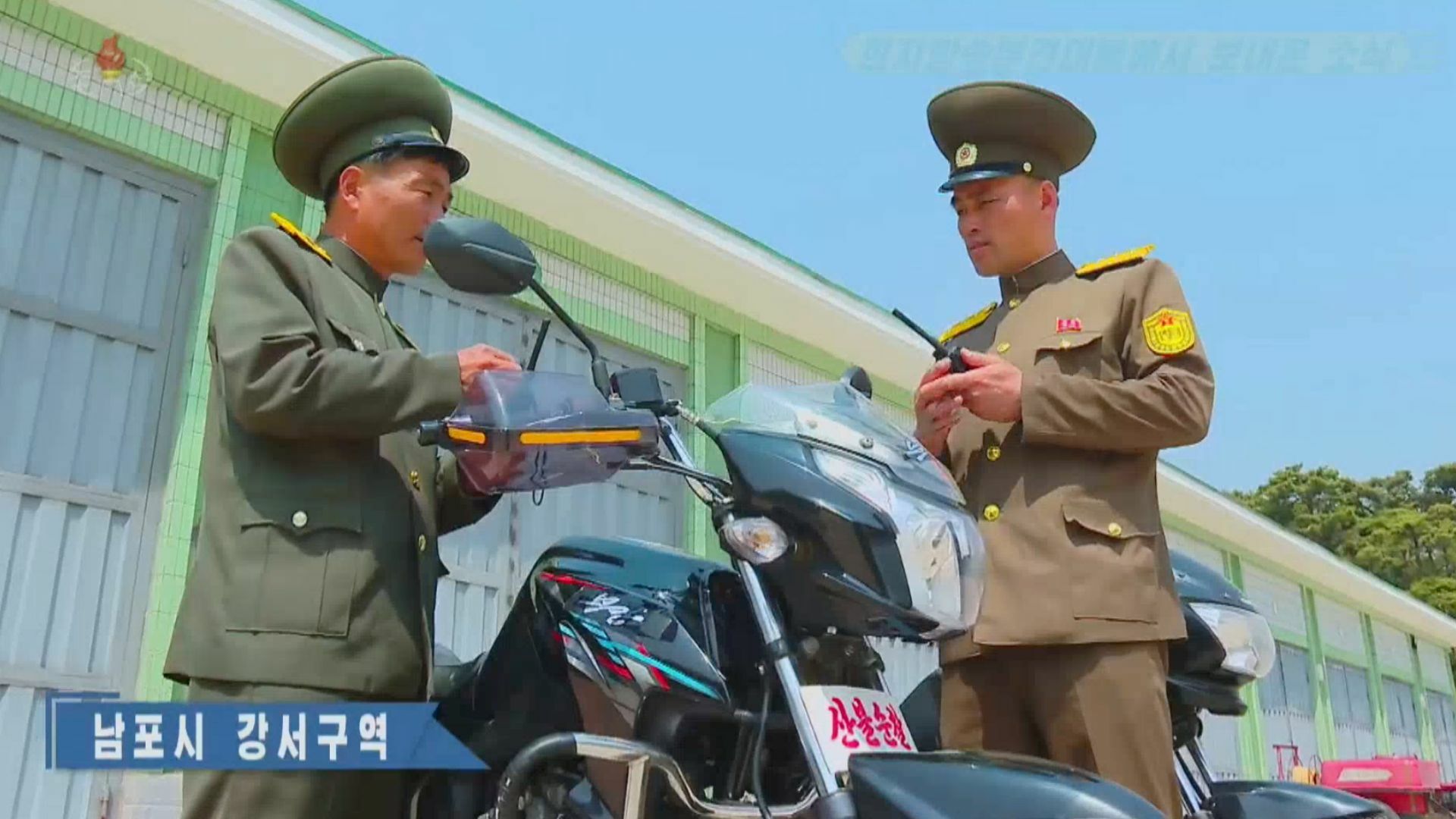
But Nelson of the University of Missouri noted that farmers in rural areas normally lack the training and equipment to fight fires. He said he never saw “any hint of fire-fighting equipment” during his trips to North Korean farms. On top of this, the lifestyles of rural residents, who mostly live in wooden houses and use wood as their main source of fuel, increase the risks of fires breaking out, the expert said. “There will be occasional fires in the housing areas and barns, shops and farm buildings that would be hard to control,” Nelson explained. Bogle assessed that limited road access in the countryside, coupled with generally poor transportation infrastructure, hampers authorities’ ability to quickly respond to fires in remote areas “There’s no logistical way to fully fight large-scale fires and North Korea also lacks adequate technological capabilities,” he said. Banfill expressed concern that the situation could grow worse in the future due to the impacts of climate change and higher temperatures in the DPRK. “North Korea may one day face larger or more frequent fires in the future, as have been happening around the world in places like Canada, the United States, Russia and elsewhere.” WHAT FUTURE HOLDS The North Korean state relies on its ability to enlist its population for forced labor to complete projects, whether that be to construct houses, factories and seawalls or carry out agricultural work. In the case of a major wildfire disaster, North Korea would have no option but to “engage the Korean People’s Army,” Banfill said, explaining that the military is the only institution with the capacity to mobilize people and equipment” on a country-wide scale. But as the threat of wildfires grows, relying on sheer manpower to put out flames that rage across large swaths of land could prove ineffective, requiring technologies and expertise the country simply doesn’t have. Banfill suggested that only China and Russia — the DPRK’s closest neighbors — might agree to send firefighting teams and aircraft to help in case wildfires grow big enough to cause a national crisis in the future. Yet even if Pyongyang’s allies agree to send support, the country would suffer serious damage from fires while waiting for assistance to arrive, he said. The destruction of both collective farms and private household plots could also exacerbate food insecurity in the DPRK, even as the Kim leadership has prioritized efforts to address “food problems” in recent years. The North Korean leadership appears to be aware of the dangers and is already looking to its allies for help on this front, sending a delegation of its State Emergency Disaster Committee to visit Russia this month to attend the General Security 2024 exhibition organized by Russian first responders. The head of the delegation reportedly said that he was “particularly impressed by the level of training of Russian firefighters and their high technical equipment,” indicating the DPRK’s growing interest in Russia’s know-how and further collaboration. 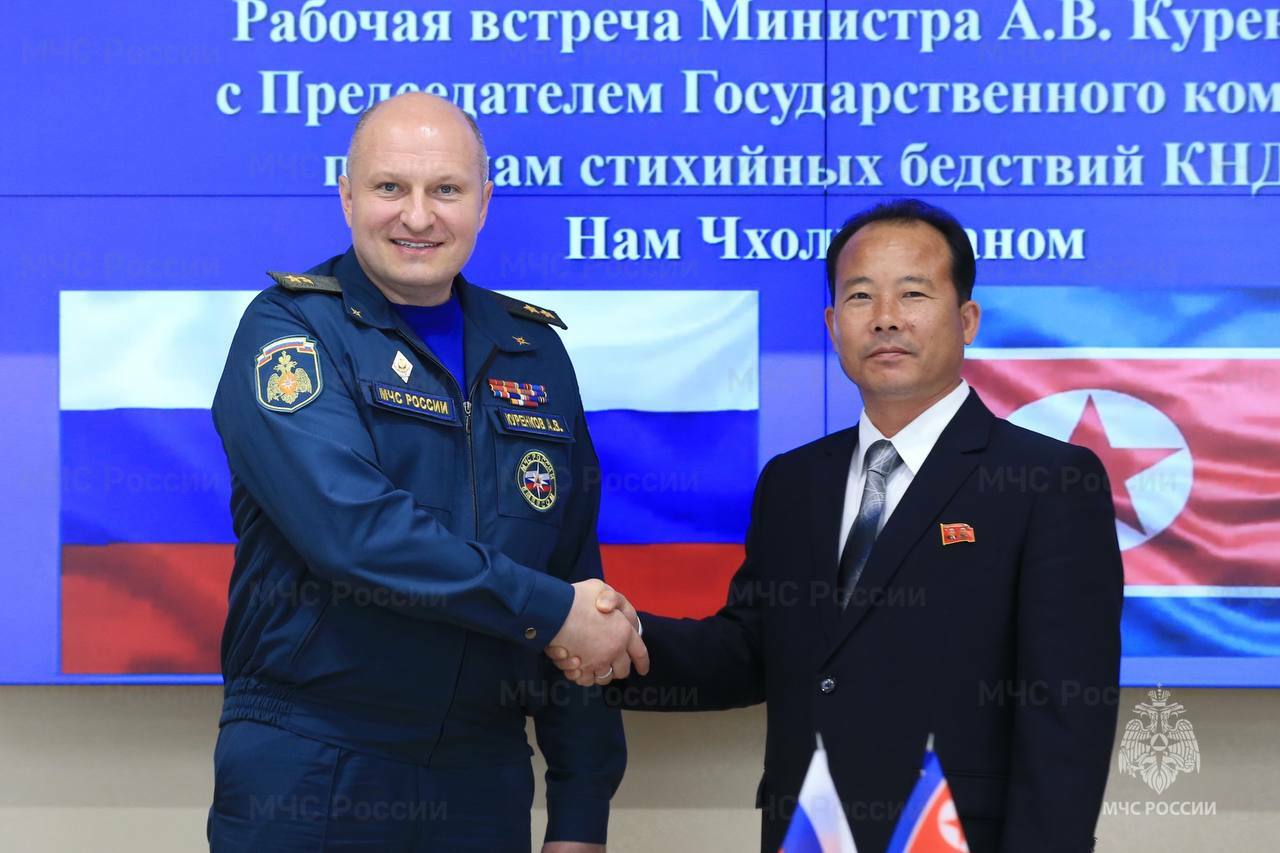 Experts told NK Pro that North Korea needs to ramp up investment in fire management systems and modernize its equipment, especially in the face of risks arising from climate change, as drier conditions lead to more frequent and intense fires. Ward of the Sejong Institute said the state will need to incentivize farmers to refrain from illegal activities like clearing forests for hillside plots and provide them with decent means of living. However, that would require a pivot away from collectivized agriculture at a time when the state is shunning reforms that would privatize farms and provide more incentives to farmers to increase production. Bogle argued that growing food and earning an income from illegal hillside plots “is always going to take precedence over following government guidelines” for North Korean farmers, despite the dangers of deforestation and forest fires. “Until North Korea stops trying to control every aspect of food production, illegal farms will continue to operate and the government’s ability to control the risks of associated fires will remain limited.” For now, the DPRK appears to be out of the woods when it comes to wildfire risks this year, as summer monsoons promise to bring heavy rains that will end the dry spell, along with new dangers like typhoons and flooding that have wreaked havoc in the past. But when the dry winter season rolls around and farmers start preparing for spring planting again, the country’s farms and forests will once again become tinder, only needing a spark to go up in flames. Seungyeon Chung contributed reporting to this article. Edited by Bryan Betts © Korea Risk Group. All rights reserved. |

October 10, 2026Oct 10, 2026

The ultimate resources for professionals working on North Korea
 SHARE
SHARE COPY LINK
 X
X MASTODON