  Analysis Space radar tech reveals hundreds of ships hiding outside North Korean portNew application of AI and space radar can see so-called dark vessels rain or shine, a boon for sanctions monitors 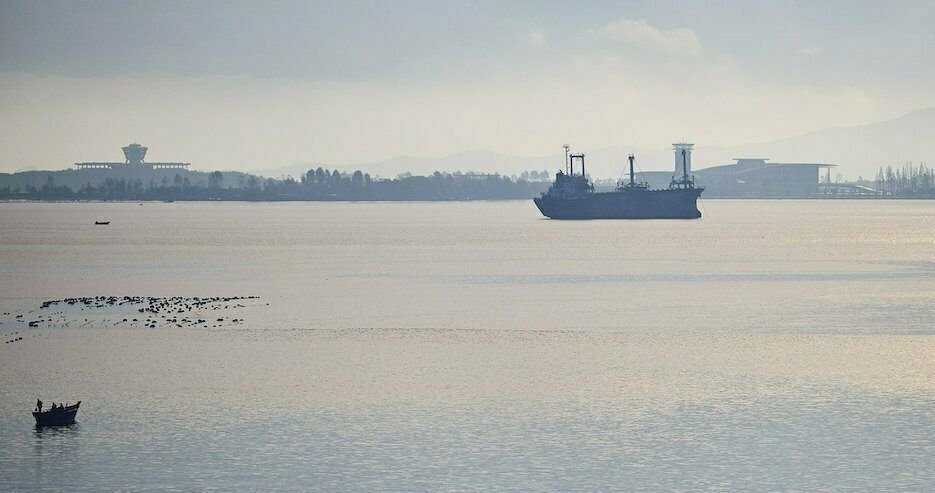 New artificial intelligence and space radar technology has uncovered scores of vessels hiding outside North Korea’s largest port, laying bare the sheer number of ships looking to cover their tracks in unprecedented detail. The finding comes courtesy of Global Fishing Watch’s (GFW) synthetic aperture radar (SAR) data, which reveals hundreds of vessels, many of them cargo ships, outside of Nampho in recent weeks despite not broadcasting over traditional maritime channels. While vessels entering North Korean waters often switch off their automatic identification system (AIS) transponders to avoid detection by sanctions monitors, open-source satellite imagery has often provided an incomplete picture of such activity due to the vast areas that analysts must survey and obstructions like cloud cover. SAR nullifies these shortcomings, using a form of electromagnetic echolocation from space to pierce through storms, darkness and even dense tropical canopies. The technology could provide a valuable source of information for automatically estimating traffic at the port, as well as for U.N. investigators keeping tabs on illicit shipments to and from the North. When applying SAR to a stretch of water outside Nampho on Aug. 26, for instance, GFW’s neural network was able to detect nearly 200 ships outside the port. Observing the same area through terrestrial AIS revealed just a handful, and using satellite imagery to identify the hidden vessels would require manually finding and counting each of them. 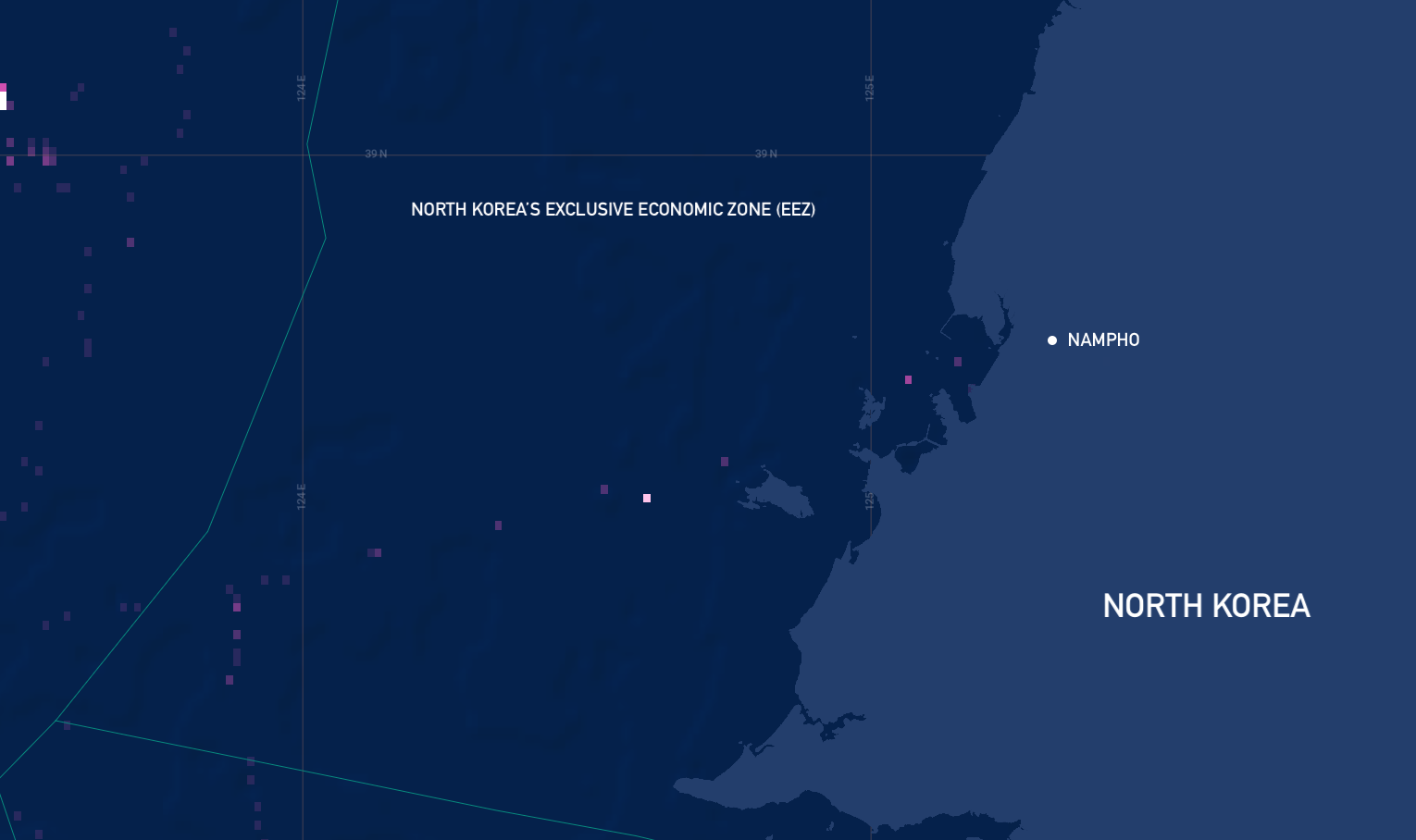 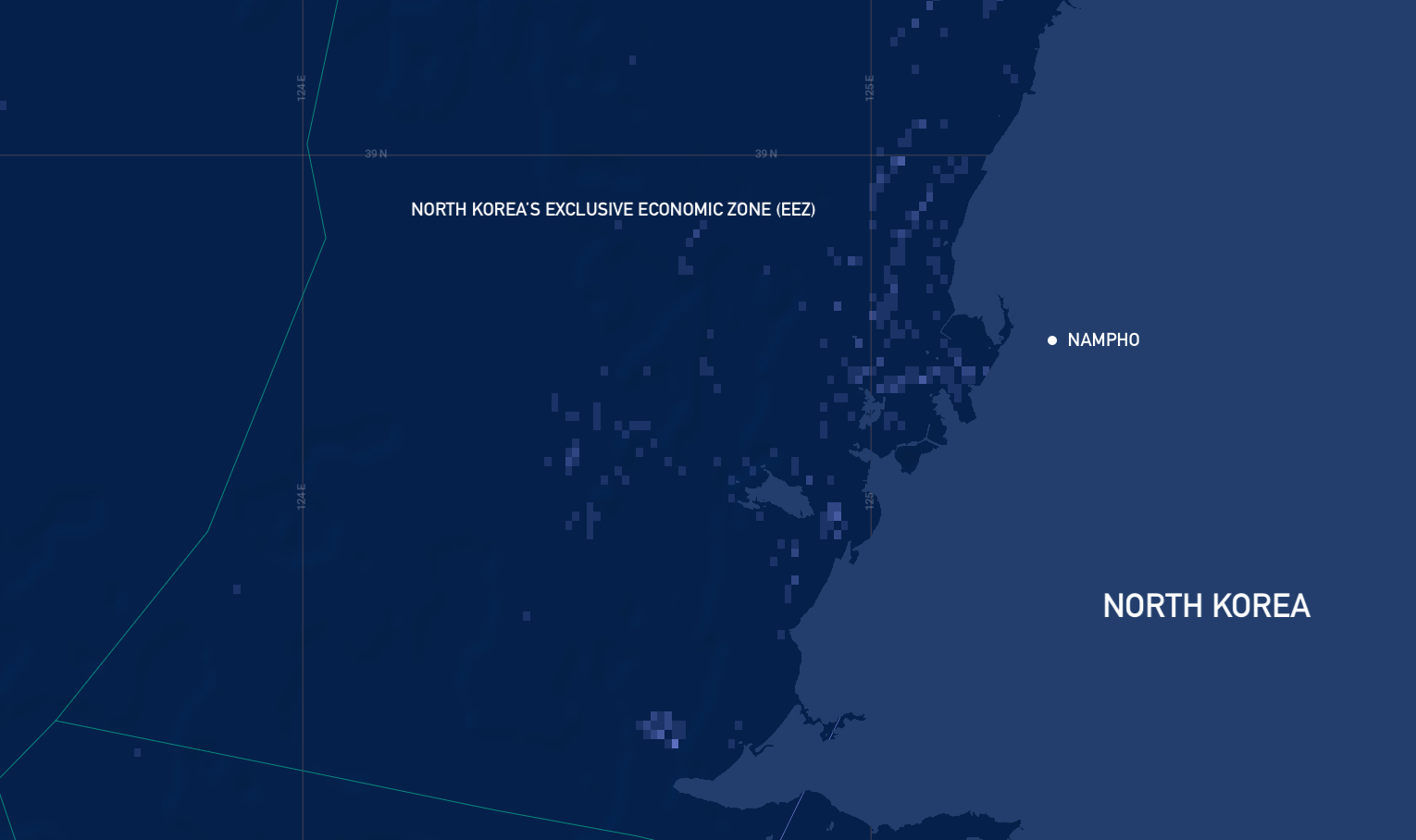 SAR data (right) reveals hundreds of ships outside Nampho, while AIS data (left) shows just a handful, Aug. 26, 2022 | Images: Global Fishing Watch, edited by NK Pro When surveying a smaller area likely to contain higher concentrations of cargo vessels that day, SAR data shows nearly 70 ships outside Nampho. Low-resolution satellite imagery confirms nearly all of these vessels are cargo ships of some kind, suggesting they’re large enough to fall under maritime conventions requiring AIS transmissions. Though GFW’s data map does not currently support filtering out suspected fishing vessels, the organization told NK Pro that it plans to implement this feature in the future. According to Katsu Furukawa, a former U.N. expert who analyzed North Korea’s illicit maritime activities, the technology also has huge potential for other national security purposes, such as detecting nearly imperceptible movements of the Earth’s surface indicative of underground structures. “But you really need deep experience and training to be able to utilize this tool effectively,” he said, adding that there are only a few programs currently providing training on how to use the technology. SAR WILL FIND YOU The technology also makes it easier to identify ships congregating in obscure stretches of water, where they might be prepping for illicit ship-to-ship transfers. Without AIS data, analysts must either comb through a sea of optical satellite imagery or rely on naval intelligence assets. GFW’s AI accomplishes the same task in the blink of an eye: On Aug. 26, the model detected seven cargo vessels between 90 and 150 meters long, nearly 40 miles (70 kilometers) southwest of Nampho’s lock gates, despite none of the ships broadcasting over AIS. 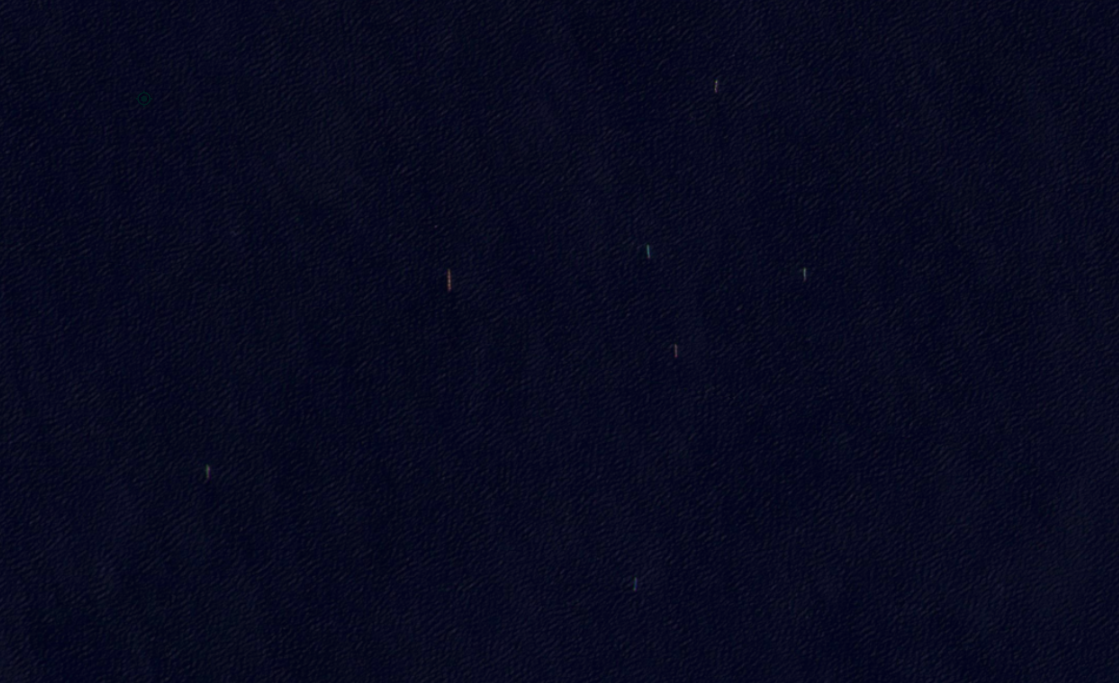  Ships roughly 70 kilometers from Nampho’s lock gates, Aug. 26, 2022. SAR data (right) can easily detect cargo vessels lingering in obscure stretches of water, a task that is much more time-consuming with just optical satellite imagery (left) | Images: Planet Labs PBH (left) and Global Fishing Watch (right) Such obscure stretches of water are often the site of ship-to-ship transfers, which the North Korean regime leans on to smuggle fuel to and from the country. Detecting transfers, however, has always required time, energy and often luck. Now, GFW’s algorithm can detect even the most remote rendezvouses in the dead of night, thanks to the efforts of the Ukrainian machine learning engineer who helped develop the model. Edited by Bryan Betts © Korea Risk Group. All rights reserved. |

October 18, 2026Oct 18, 2026

The ultimate resources for professionals working on North Korea
 SHARE
SHARE COPY LINK
 X
X MASTODON