  Analysis Sea of North Korean greenhouses takes shape on China’s doorstep: ImageryNK Pro analysis confirms Kim Jong Un’s claim that project is larger than last 3 major greenhouse farms combined  North Korean leader Kim Jong Un visited construction sites of the “largest-ever” greenhouse farm and flood prevention infrastructure on the border with China on Friday, according to state media — a claim supported by NK Pro analysis of satellite imagery. NK Pro took a closer look at the Wihwado Combined Greenhouse Farm in new Planet Labs, finding the project is indeed larger than his three previous major greenhouse farm projects combined. The size of the project suggests Kim is confident he can apply logistical lessons learned in running the other three greenhouse farms. It also points to improved economic conditions possibly related to North Korea’s increased weapons sales and troop deployments to Russia as well as cryptocurrency theft operations abroad. The greenhouse and embankment construction is being carried out 24 hours a day on a series of islands in the Yalu (Amnok) River between China and the DPRK by thousands of North Korean workers, according to posts by Chinese observers watching progress and posting videos on social media. Kim previously said he entrusted the project to the military and youth shock brigade members. 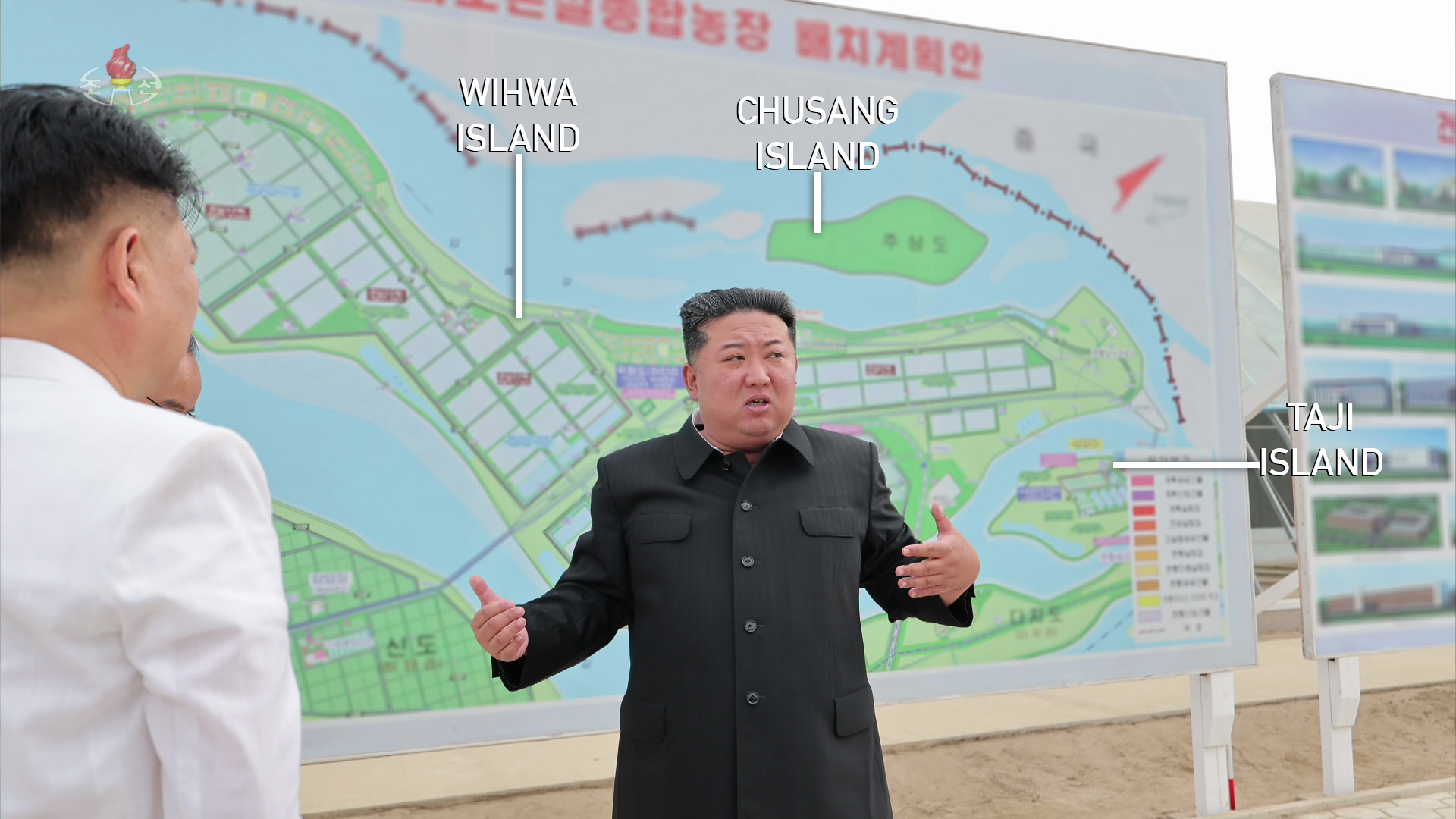
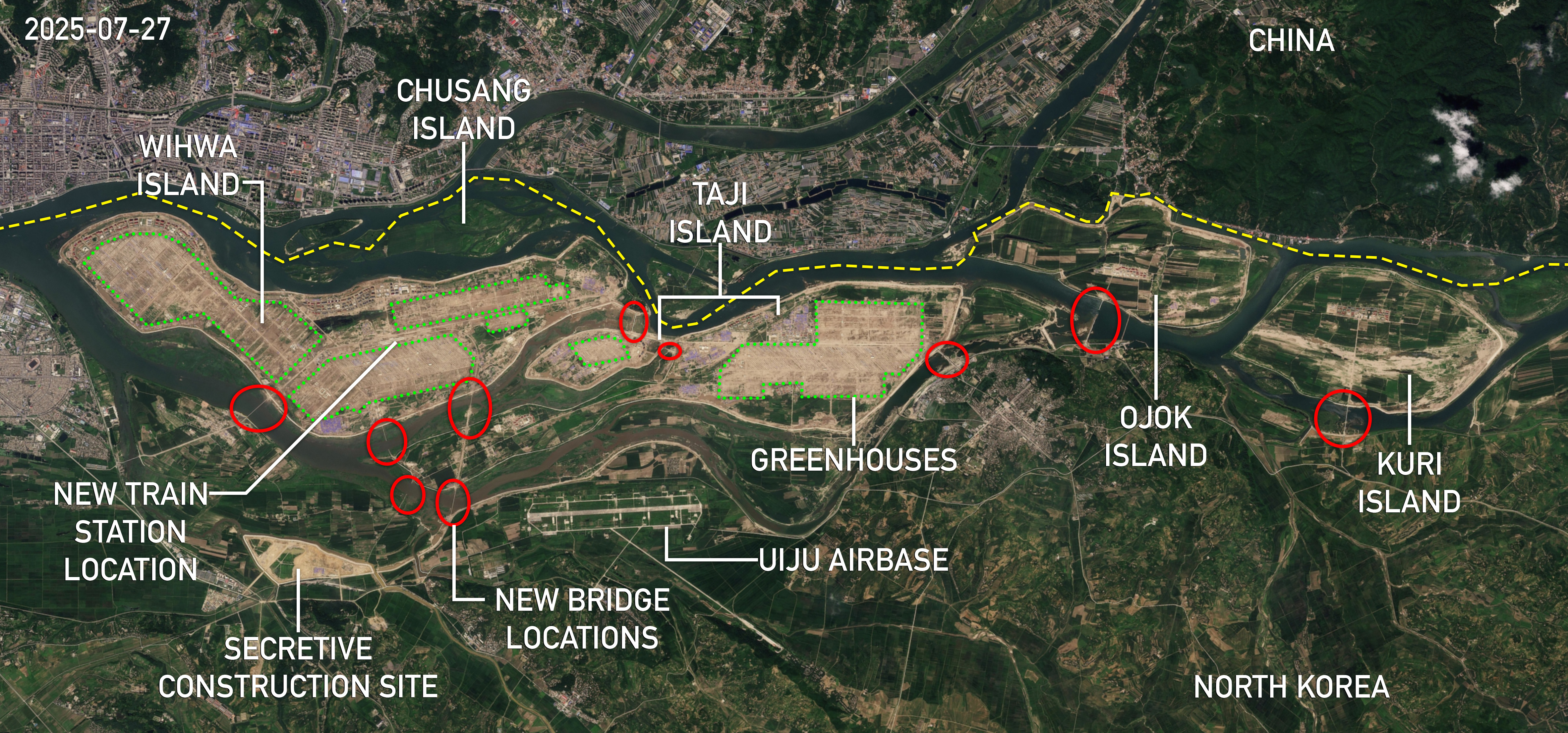
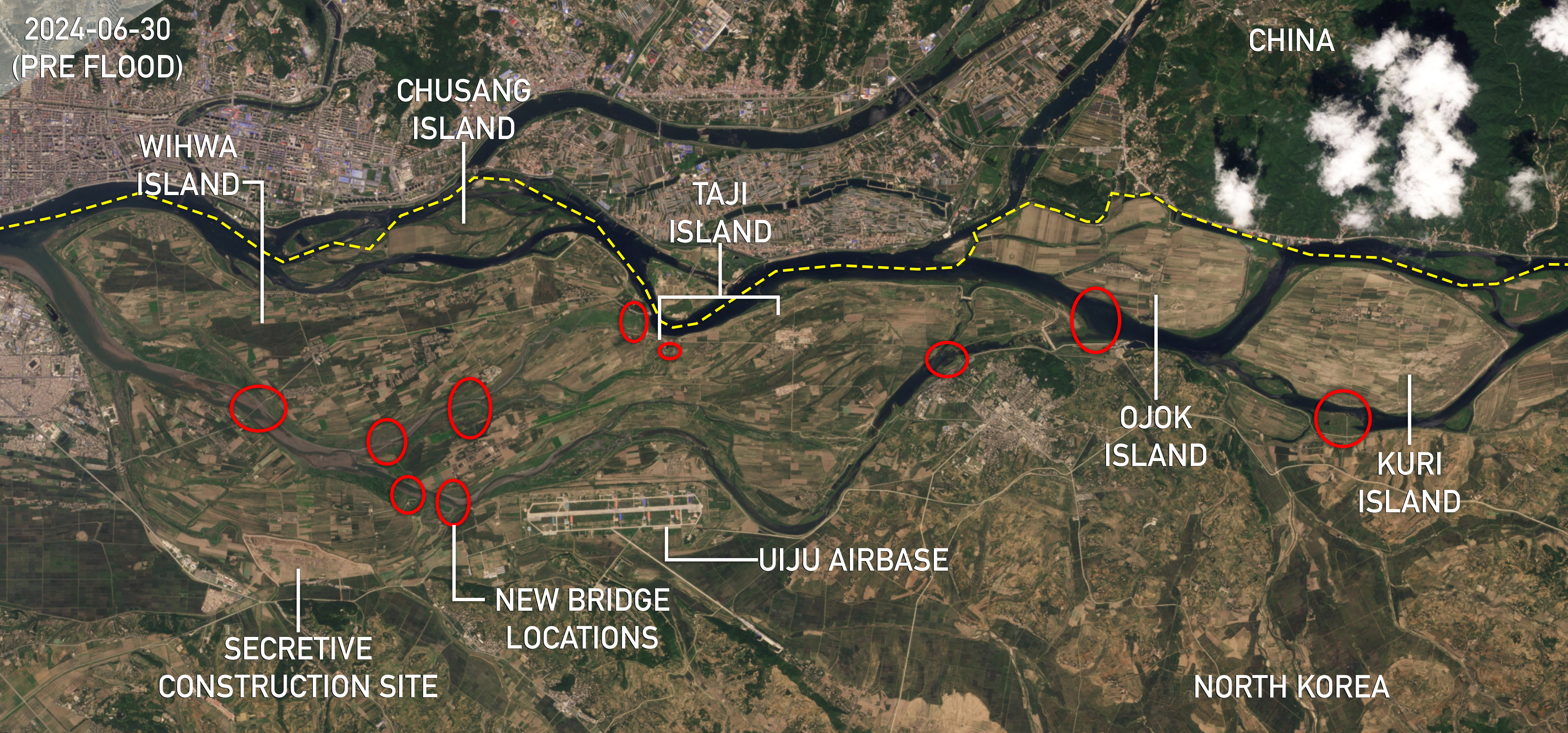
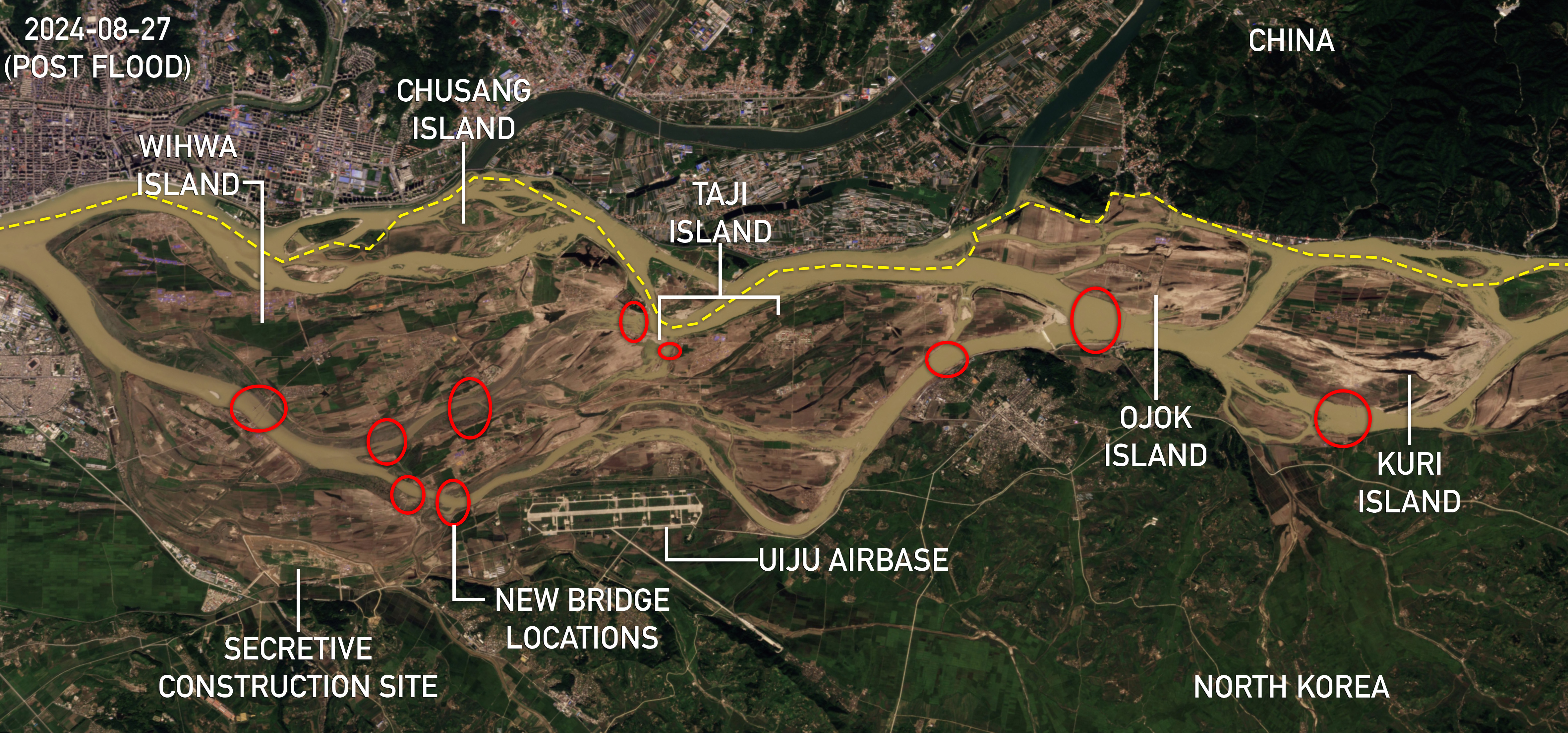
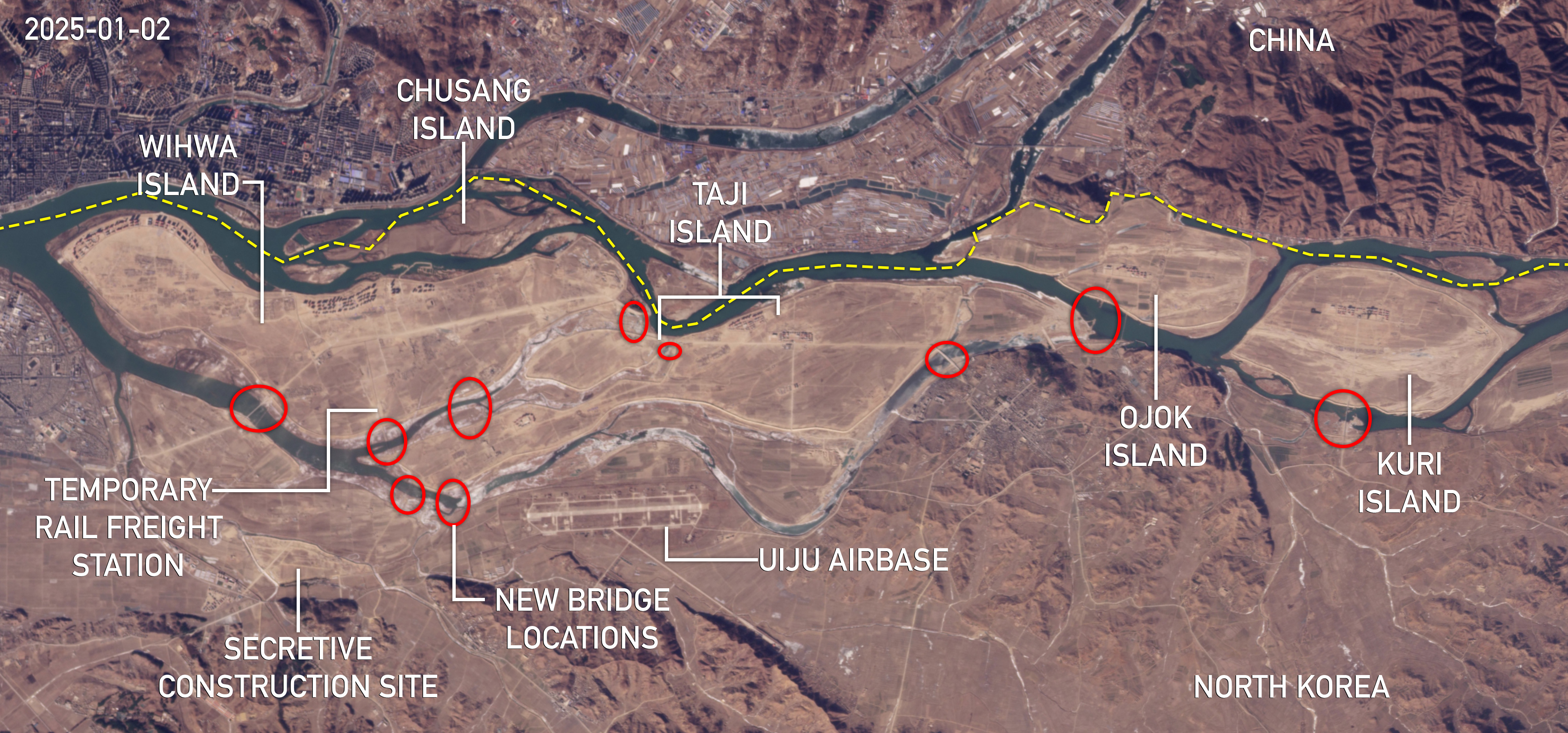
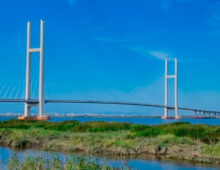
He set a project deadline during his inspection on Friday of around the end of this year, the Korean Central News Agency (KCNA) reported, ahead of the Ninth Party Congress which may take place in December or January. Planet Labs imagery taken at the end of July shows footprints for roughly 2,026 acres (820 hectares) of greenhouses carved out across Wihwa Island of Sinuiju City and Taji Island split between Sinuiju and Uiju County. This is around 35% larger than the combined footprints of the Jungphyong greenhouse farm built in 2019, the Ryonpho farm built in 2022 and the Kandgong farm built last year. The Wihwado project will challenge a still-growing complex in Egypt for the title of world’s largest contiguous and centrally managed greenhouse farm. The basic concrete structures for hundreds of greenhouses measuring up to 720 feet long (220 meters) already appeared complete in the KCNA photos published Saturday. “A vegetable science research center, trial cultivation greenhouses and hundreds of flats” are also planned for the area,” the report added, quoting Kim as saying the farm will be bigger than “all the large-scale greenhouse farms built in recent years put together.” Satellite images reveal that ten new large bridges have been built to link the islands in the last year, since the area suffered severe floods in late July 2024. 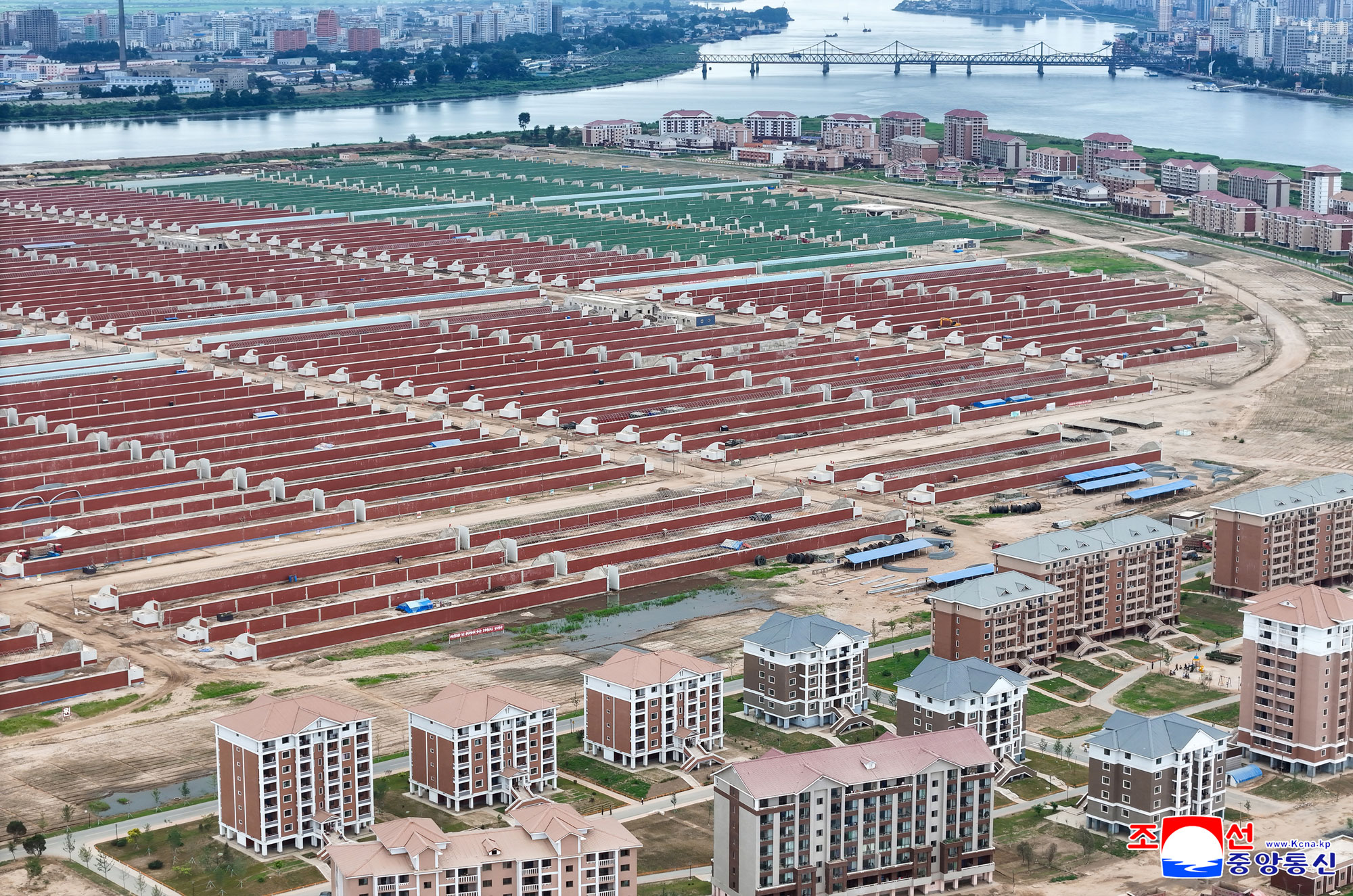
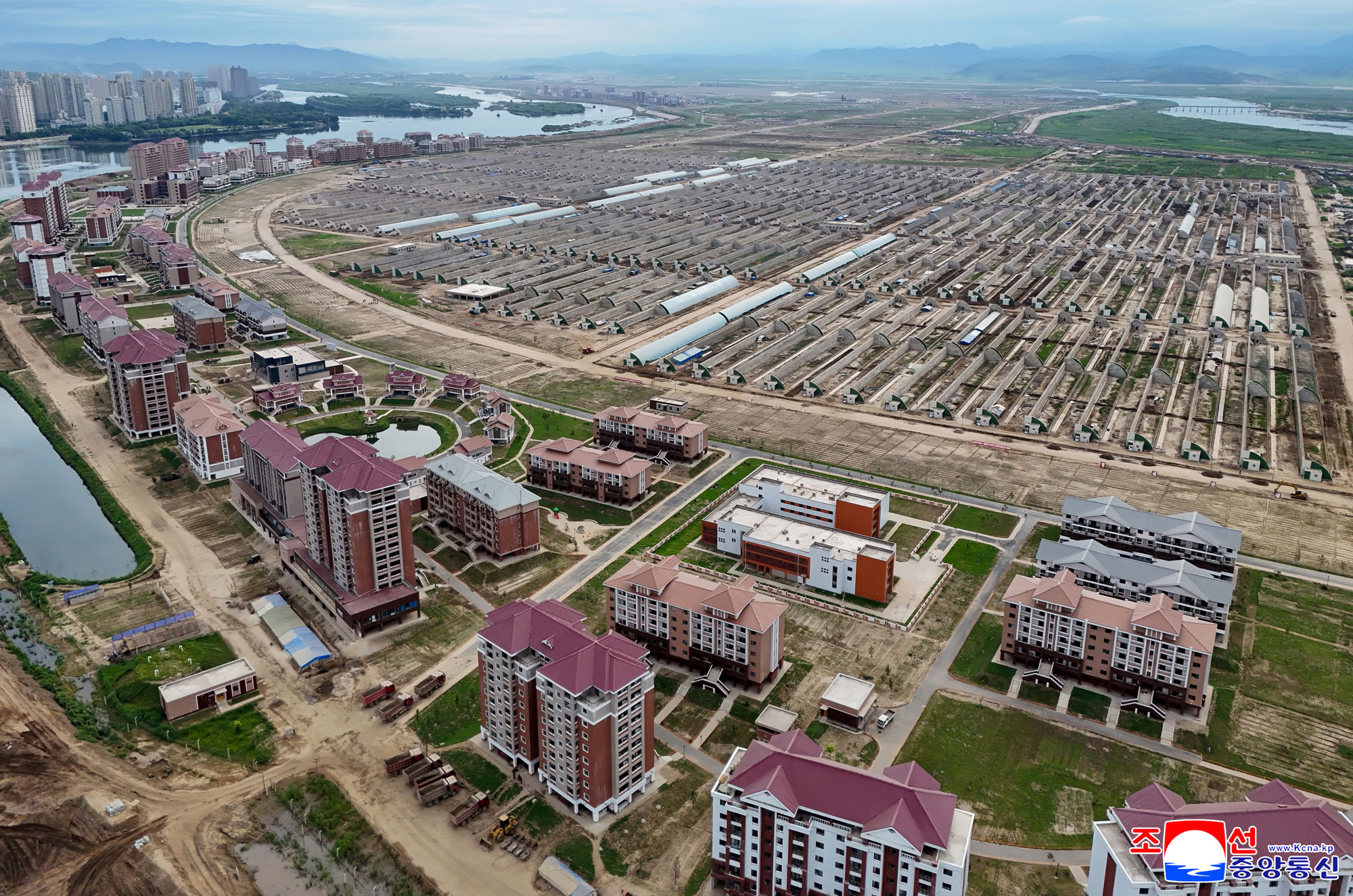
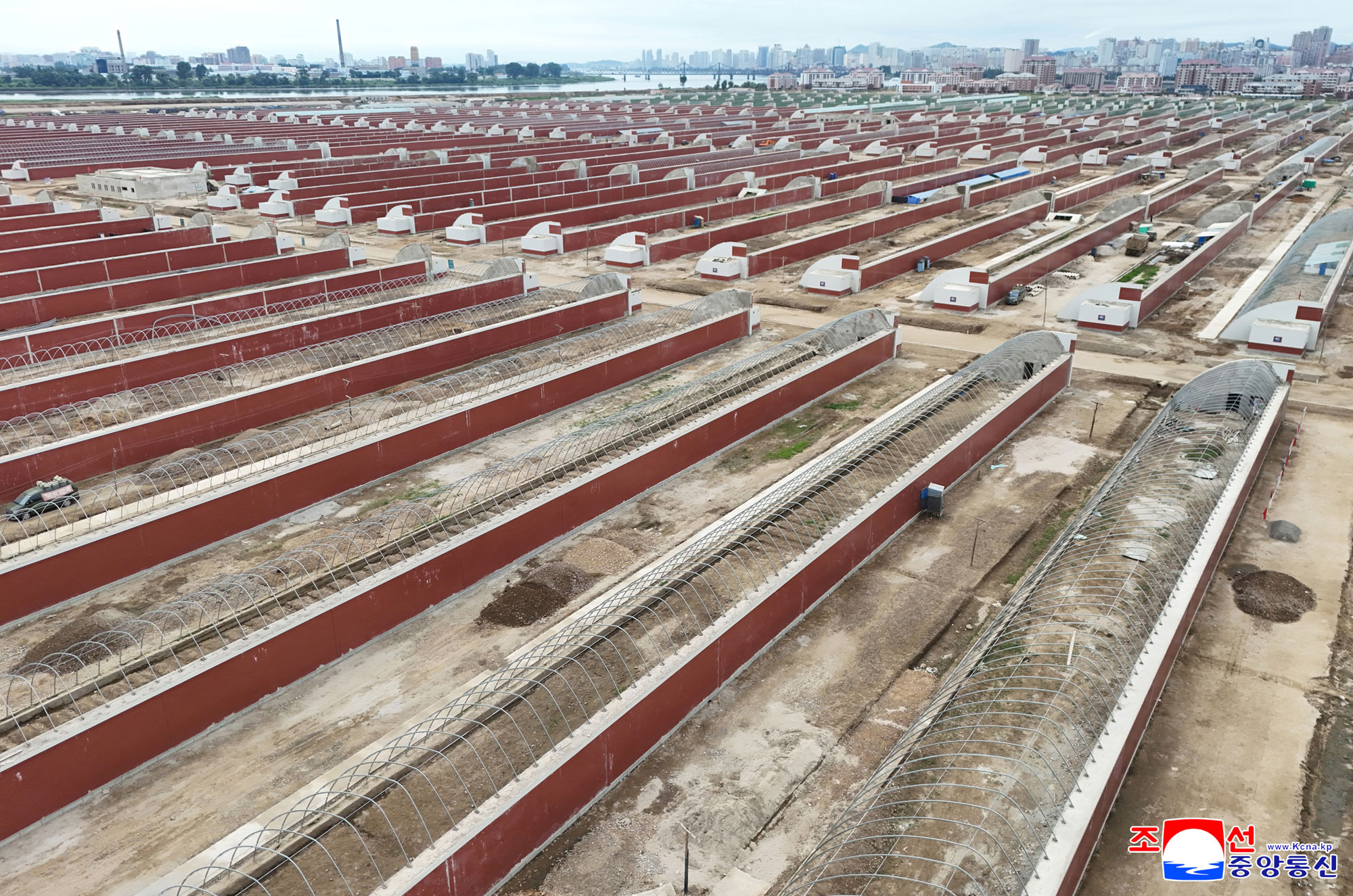
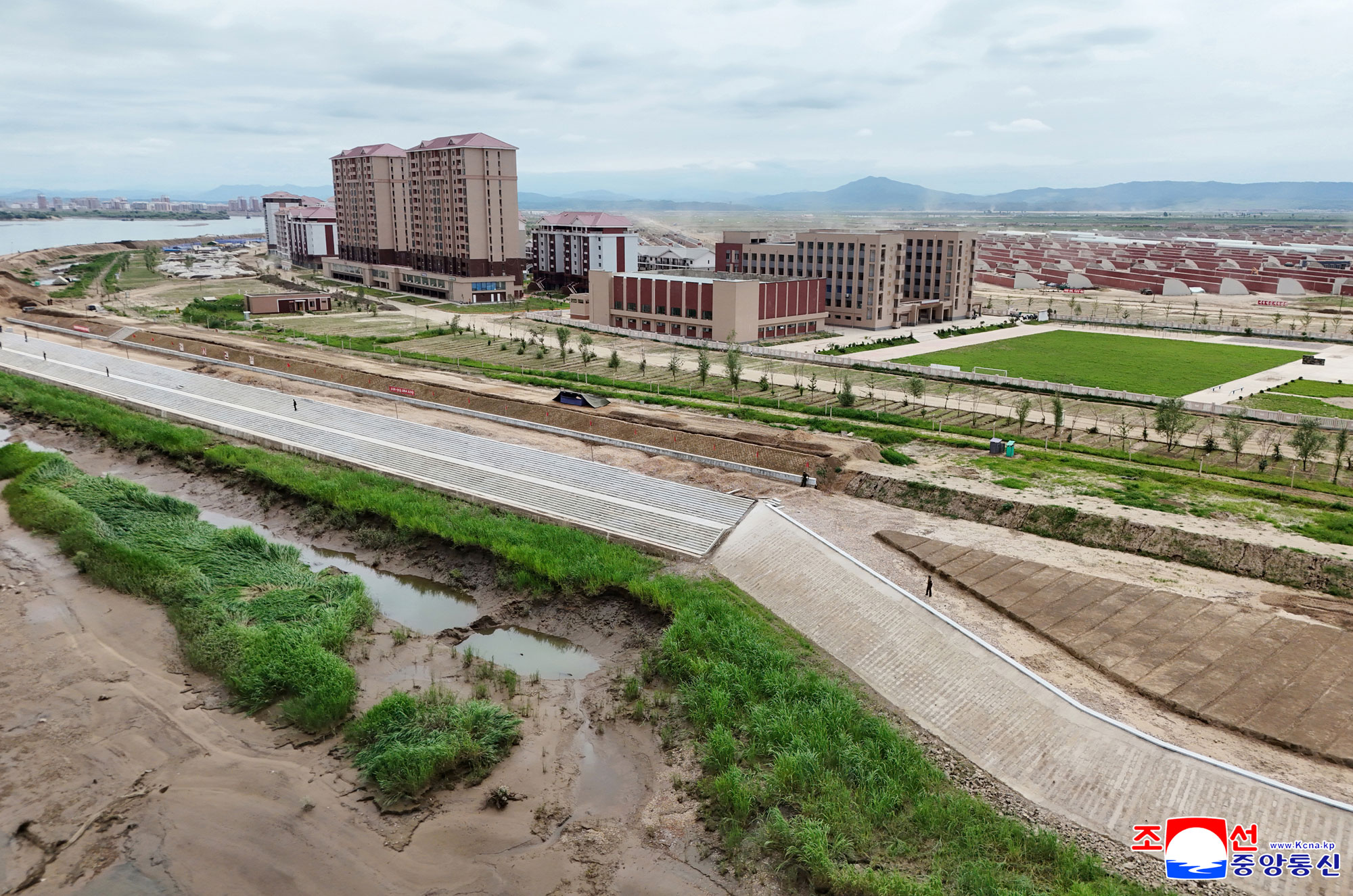
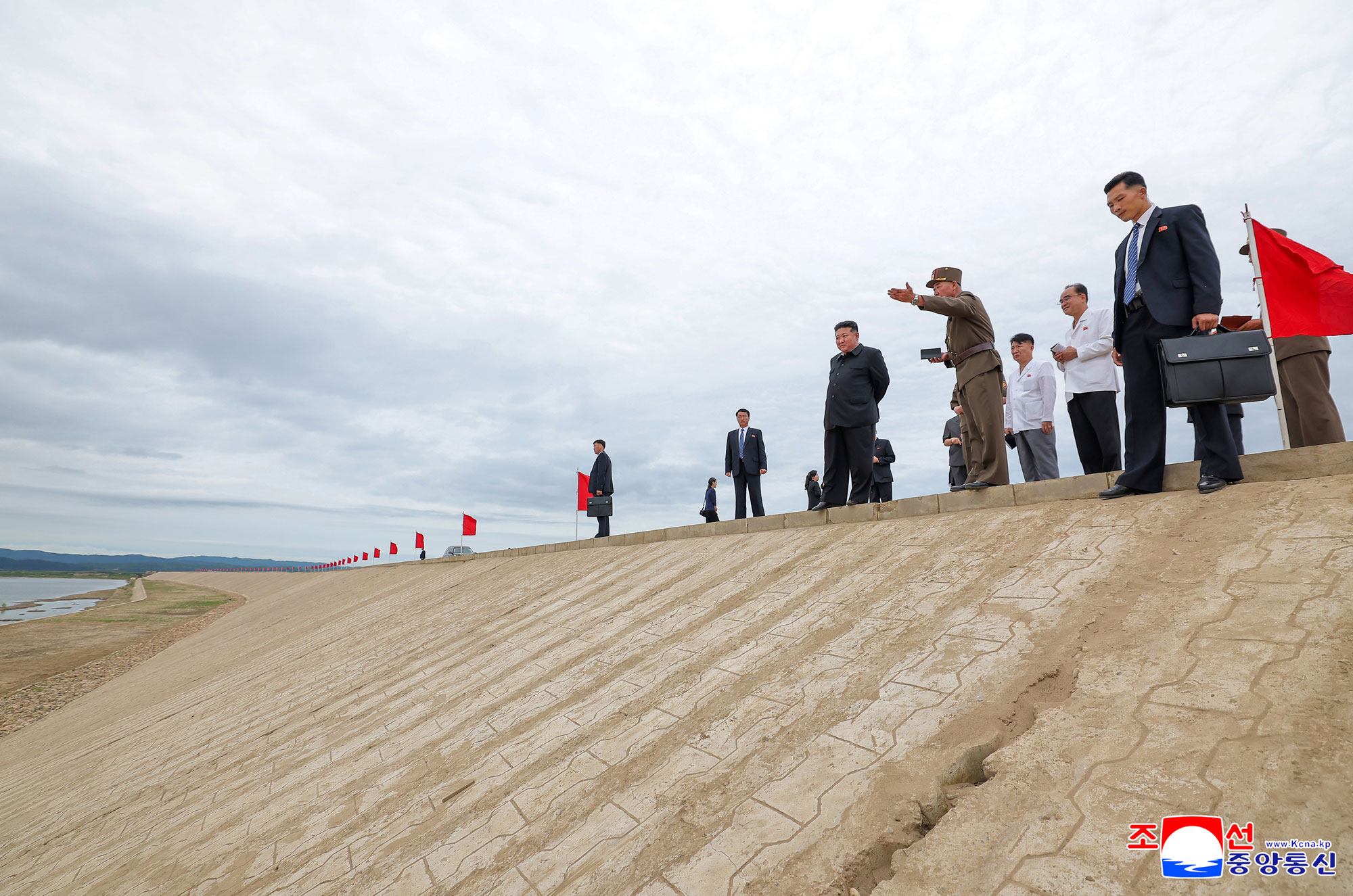
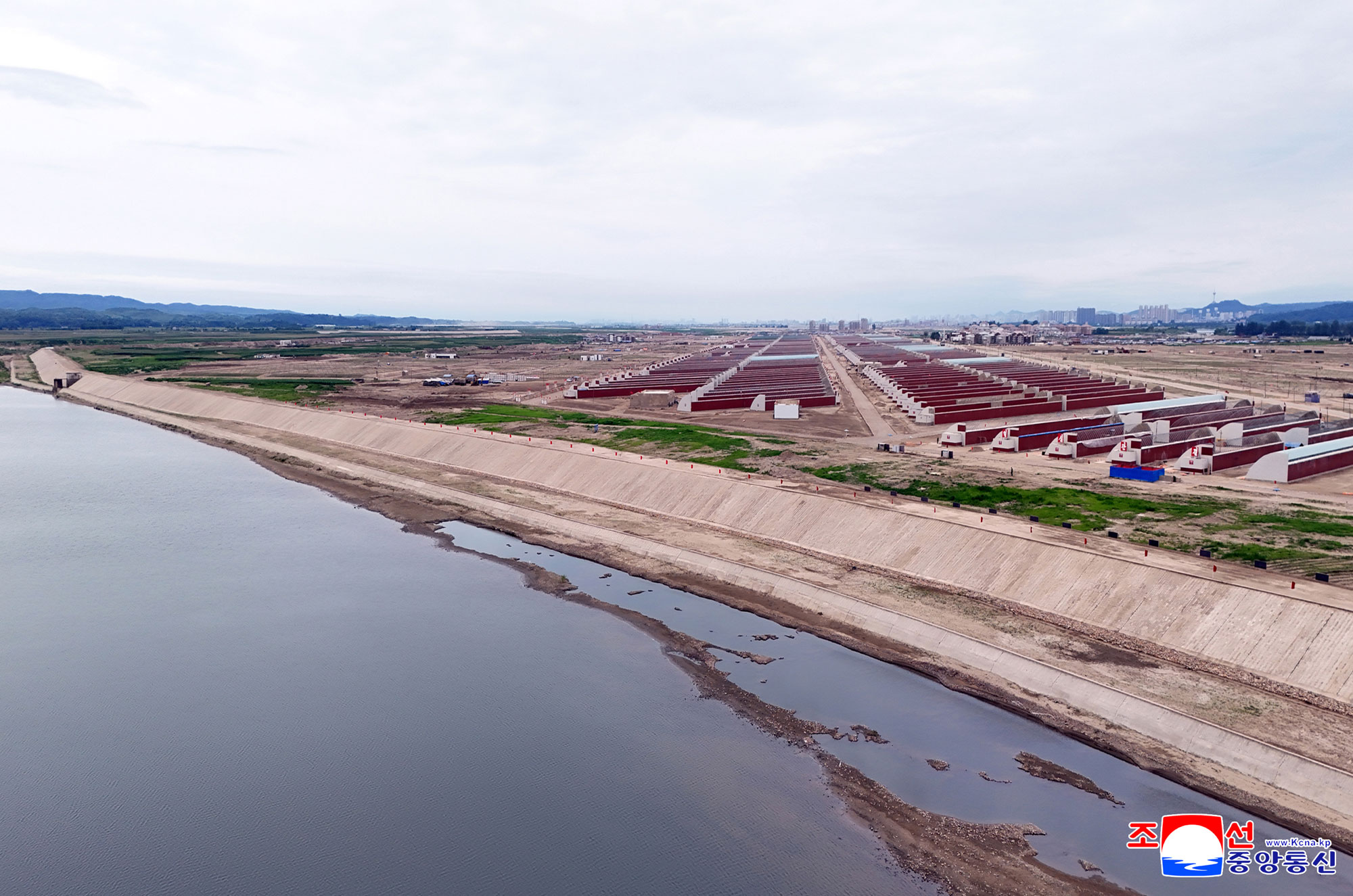
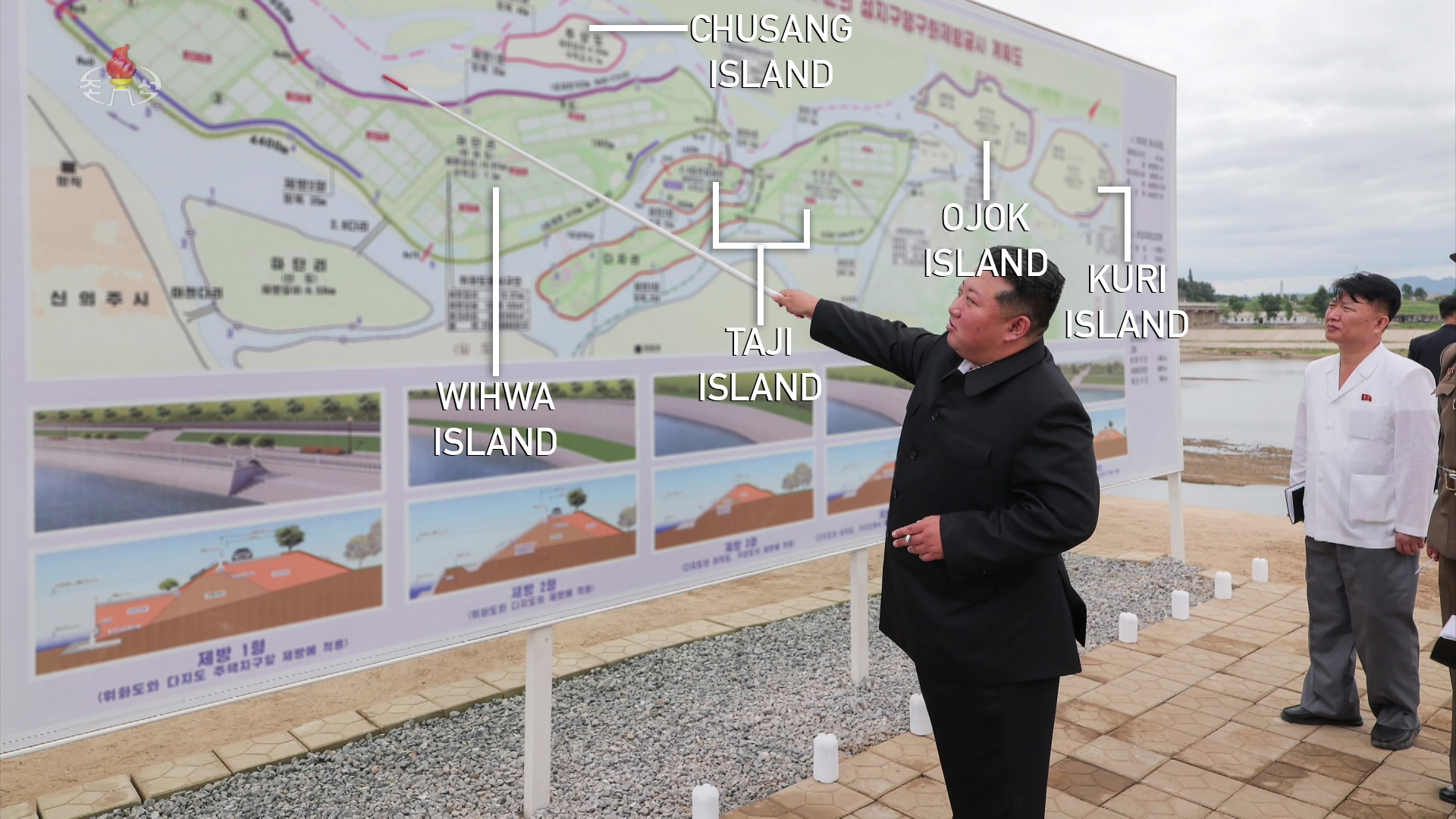
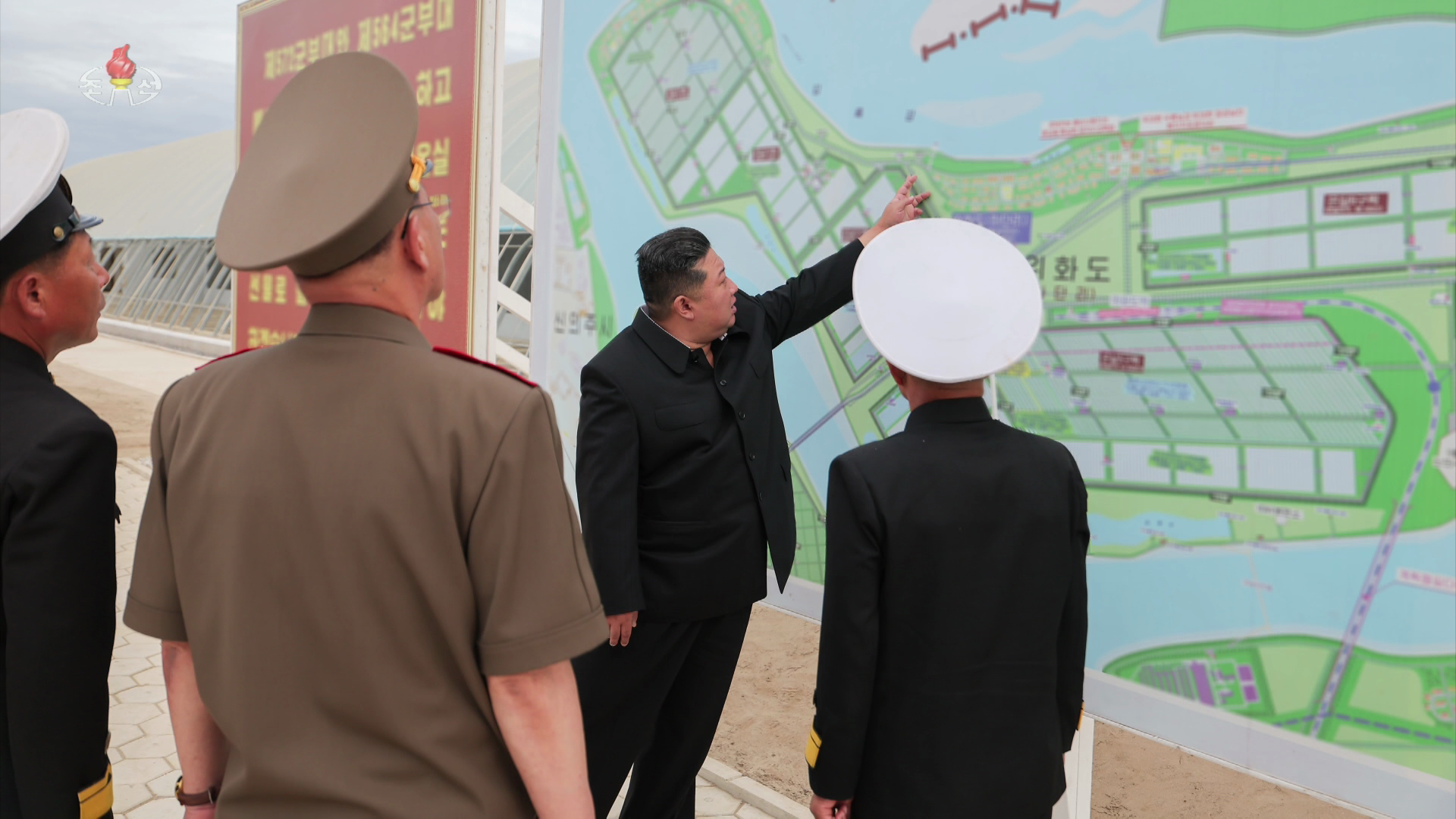
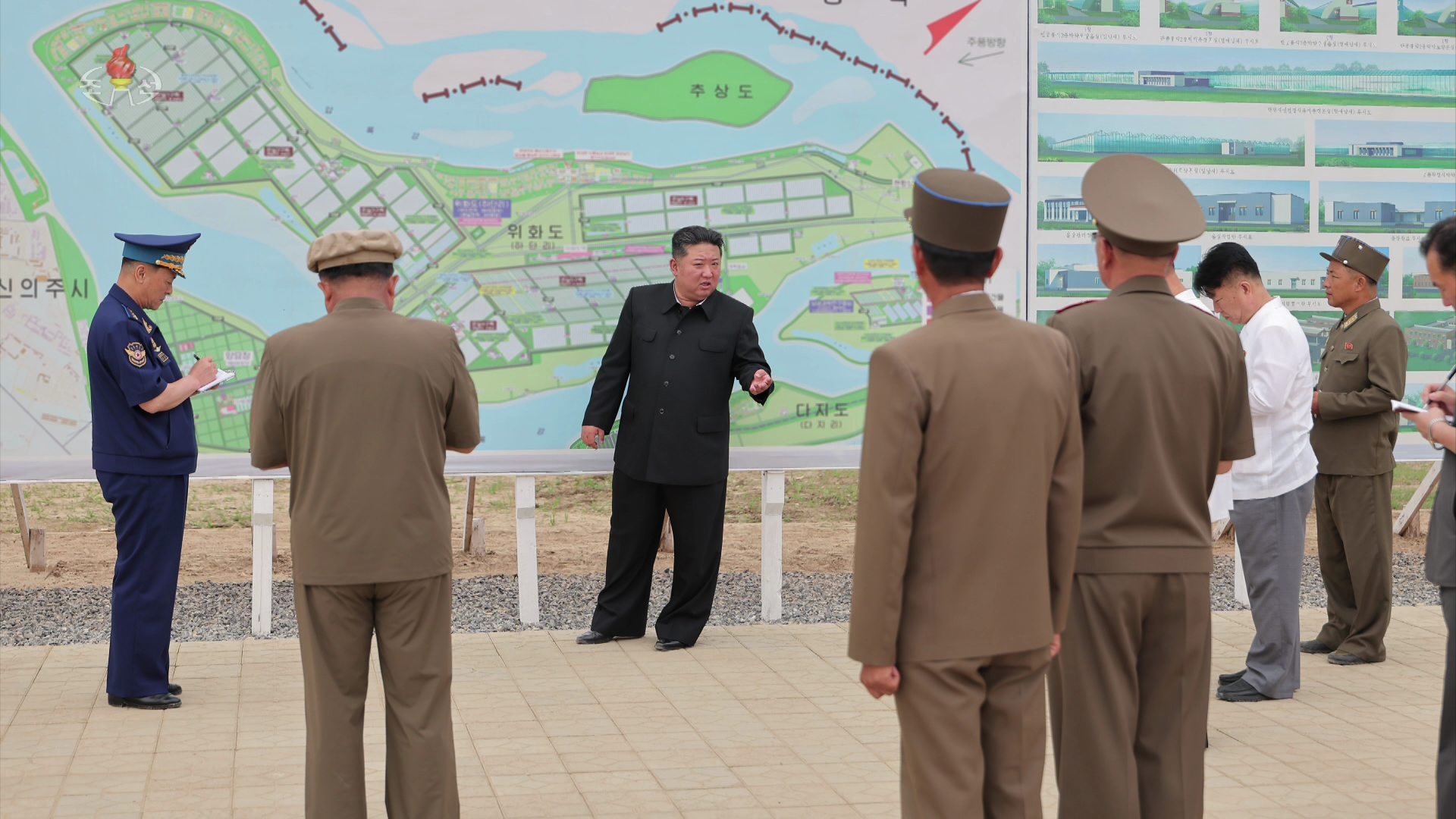
Kim previously visited to inspect construction on flood prevention embankments as well as new homes for flood victims last December and to kick off the greenhouse farm project in February this year. In his latest visit on Aug. 1, Kim was reportedly happy with progress and said the project is on schedule, but he also said organizers lack “proper economic calculation and logical thinking” for failing to plan appropriate rail station facilities on site. According to KCNA, nobody involved in his project thought of building a freight station to facilitate distribution of the tons of produce that will be grown at the farm, only planning a passenger station instead. Kim has now ordered construction of rail freight infrastructure and an attached vegetable storehouse and processing factory. State media previously suggested Kim guided all aspects of project planning from the beginning, raising questions over who was truly responsible for the failure. Workers previously built two new rail bridges each over 400 feet long and a temporary rail freight station on Wihwa Island (Wihwado) late last year to facilitate housing construction, before building two more larger rail bridges nearby heading toward the new passenger station location. While inspecting large embankments last week surrounding the islands of Wihwa, Taji, Ojok and Kuri, Kim reportedly said locals believe their land will never flood again. These islands appeared on a planning map displayed on site and were shown in state TV coverage of Kim’s visit. The only island where work has not yet started, according to satellite imagery, is the uninhabited island of Chusang to the north of Wihwa. This suggests the DPRK may have plans to develop it at a later time. The map showed only a blank area in a location NK Pro previously revealed as a secretive and top priority project of Kim’s. It was the only flooded area state media showed him inspecting during his July 2024 tour of the region. Satellite imagery shows embankments have been built around this project site and digging has continued across the area in recent weeks, but its purpose remains unclear. Edited by Alannah Hill © Korea Risk Group. All rights reserved. |

October 08, 2026Oct 08, 2026

The ultimate resources for professionals working on North Korea
 SHARE
SHARE COPY LINK
 X
X MASTODON