  Investigations Remote Chinese city revives North Korea border bridge project to boost tradeNew customs construction on Chinese side of Tumen bridge comes years after progress ground to halt  The remote Chinese city of Tumen has restarted a cross-border bridge project to boost trade with North Korea, according to NK Pro analysis of satellite imagery and local Chinese media, over five years after the bridge was completed but abandoned. The project is one of several expensive but so far failed attempts by local Chinese administrators in recent years to build up transportation infrastructure with North Korea in hopes of expanding trade and joint economic cooperation. Pyongyang’s decision to close the country’s borders during the pandemic helps explain why these projects stalled — including the much larger Sinuiju-Dandong “bridge to nowhere” — but while trade volumes have rebounded, questions remain over the health of Beijing-Pyongyang political ties as many trade links are still closed. New construction on the Chinese side of the Tumen bridge, connected to the small northeast North Korean town of Namyang, started in March and is scheduled to finish by Oct. 2026, according to the Yanbian Morning News. 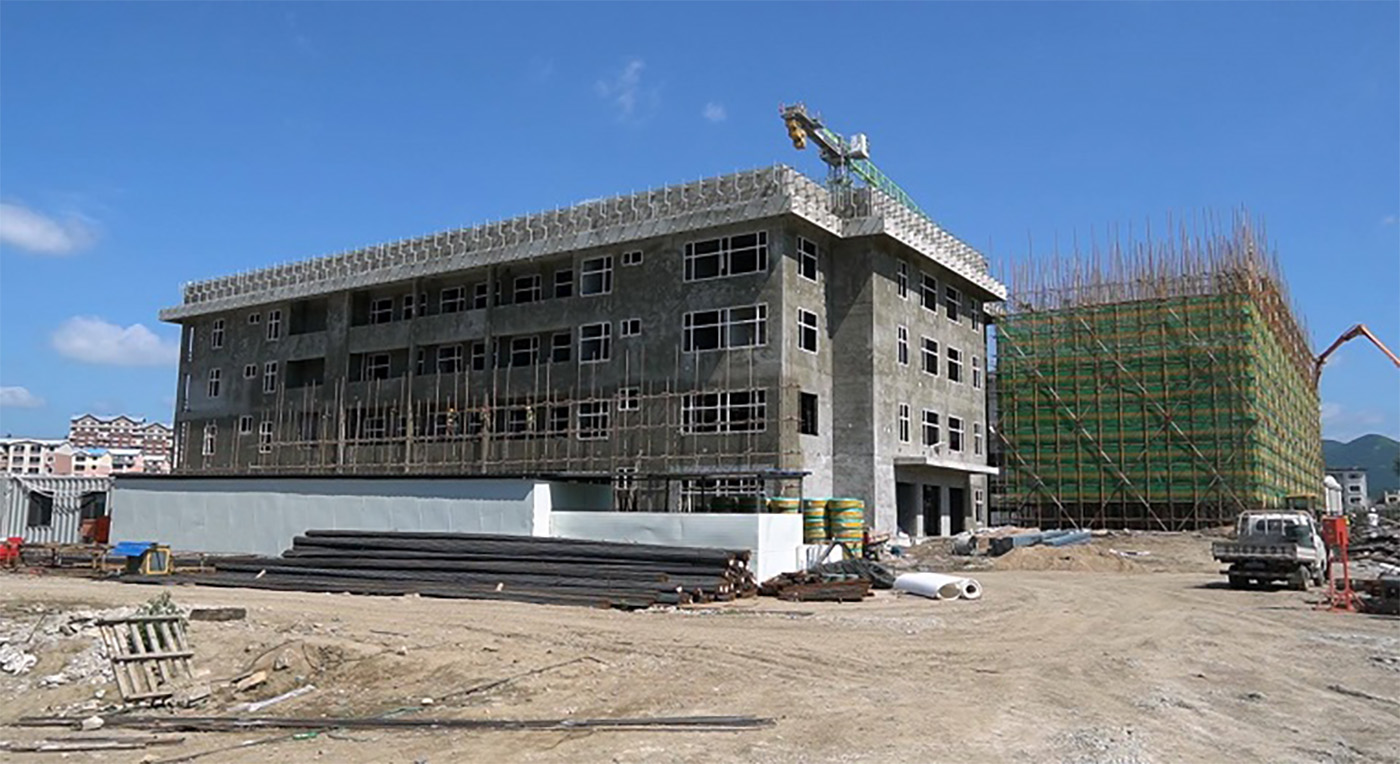
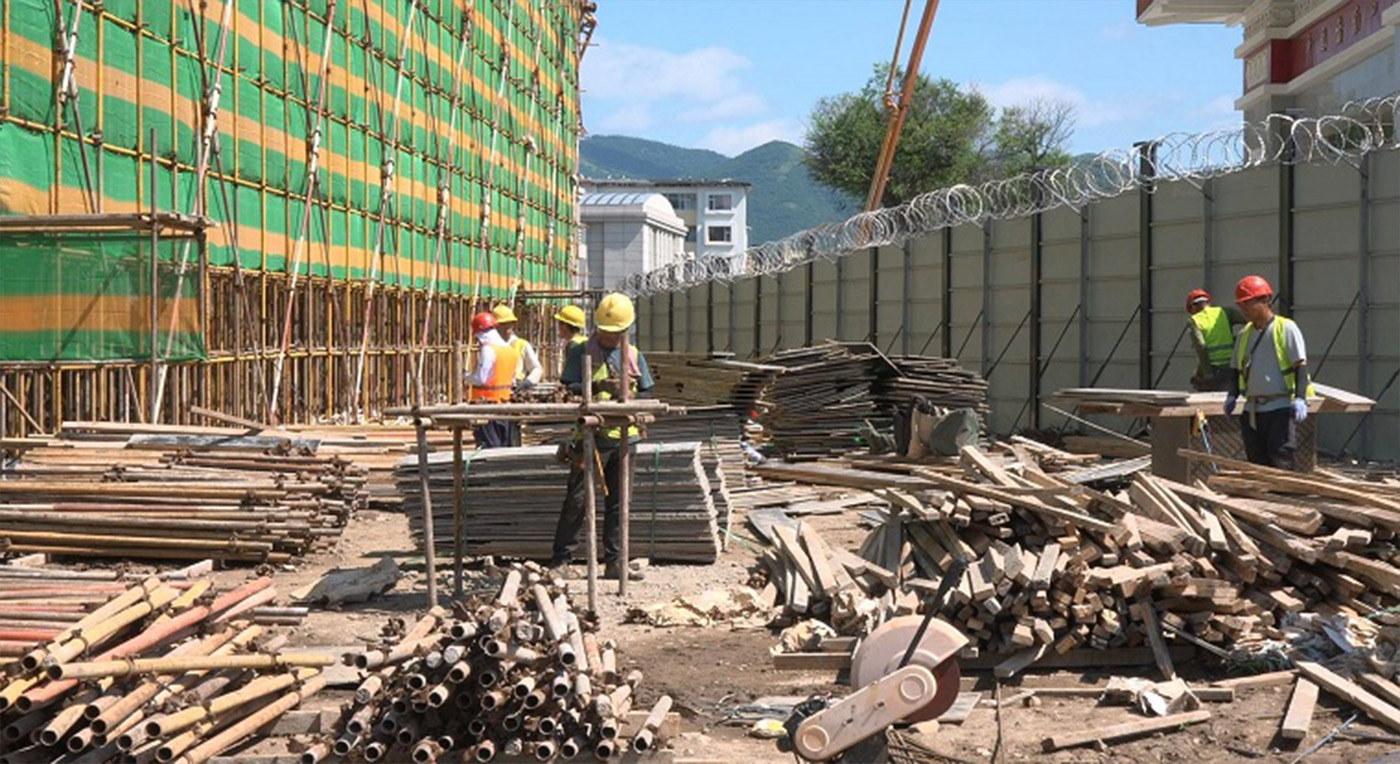
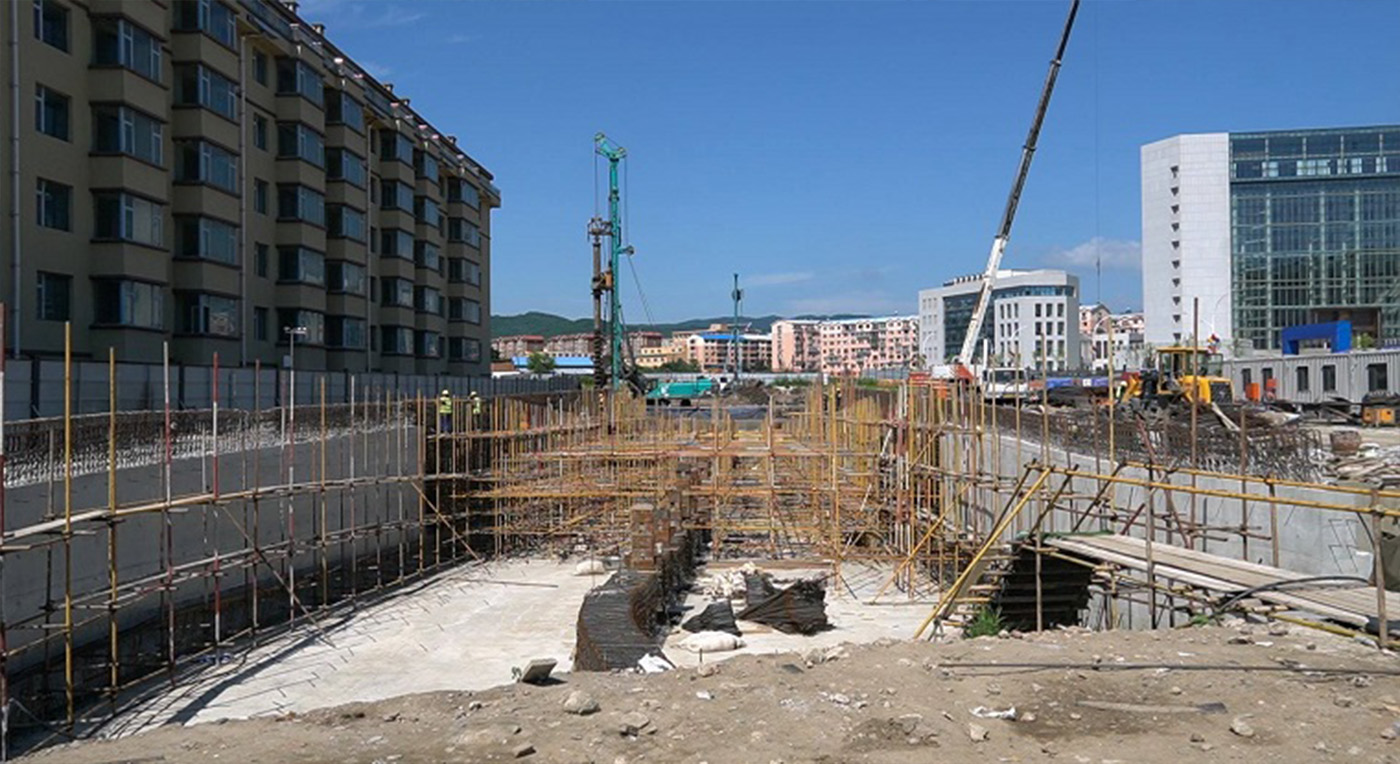
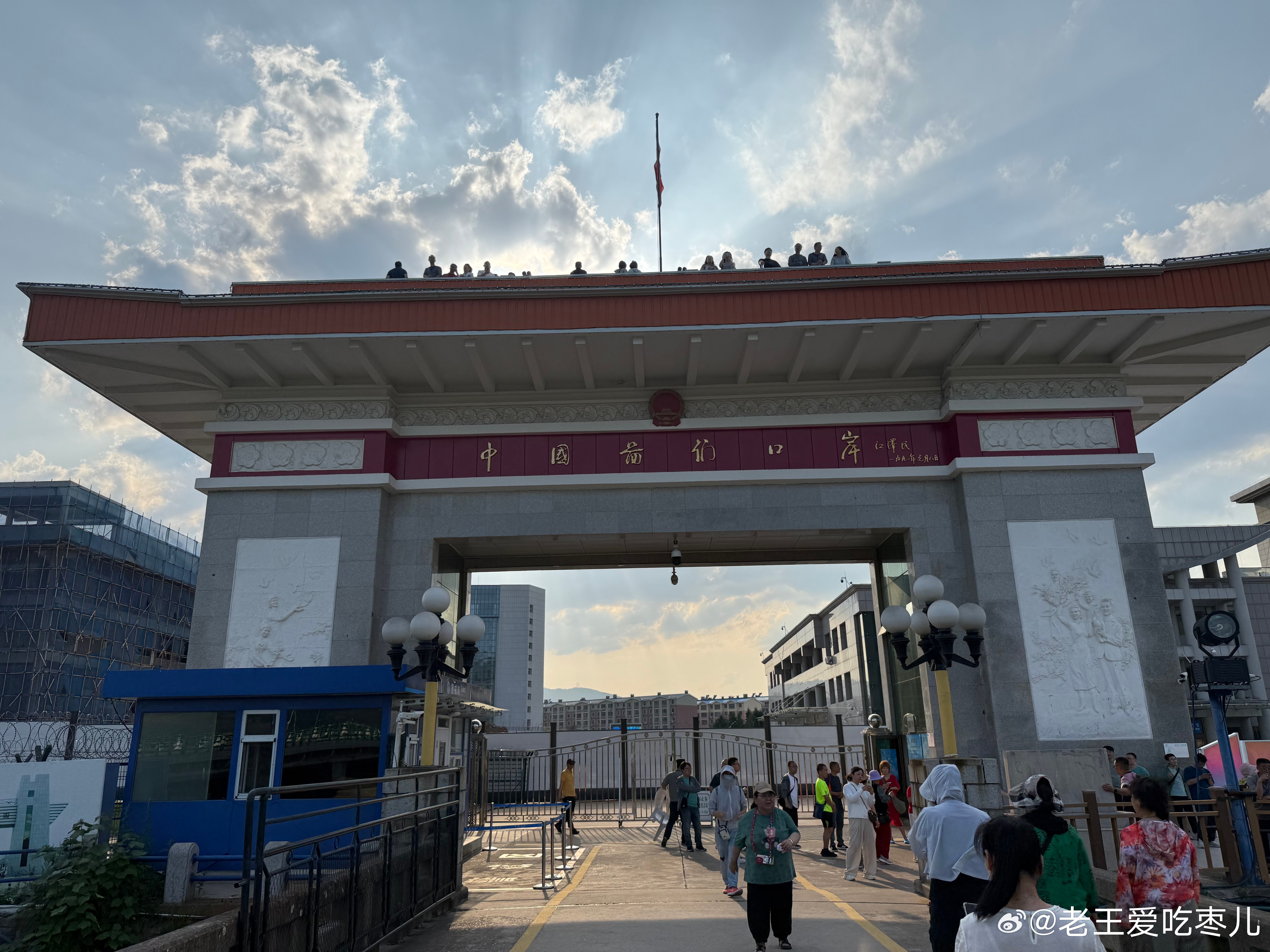 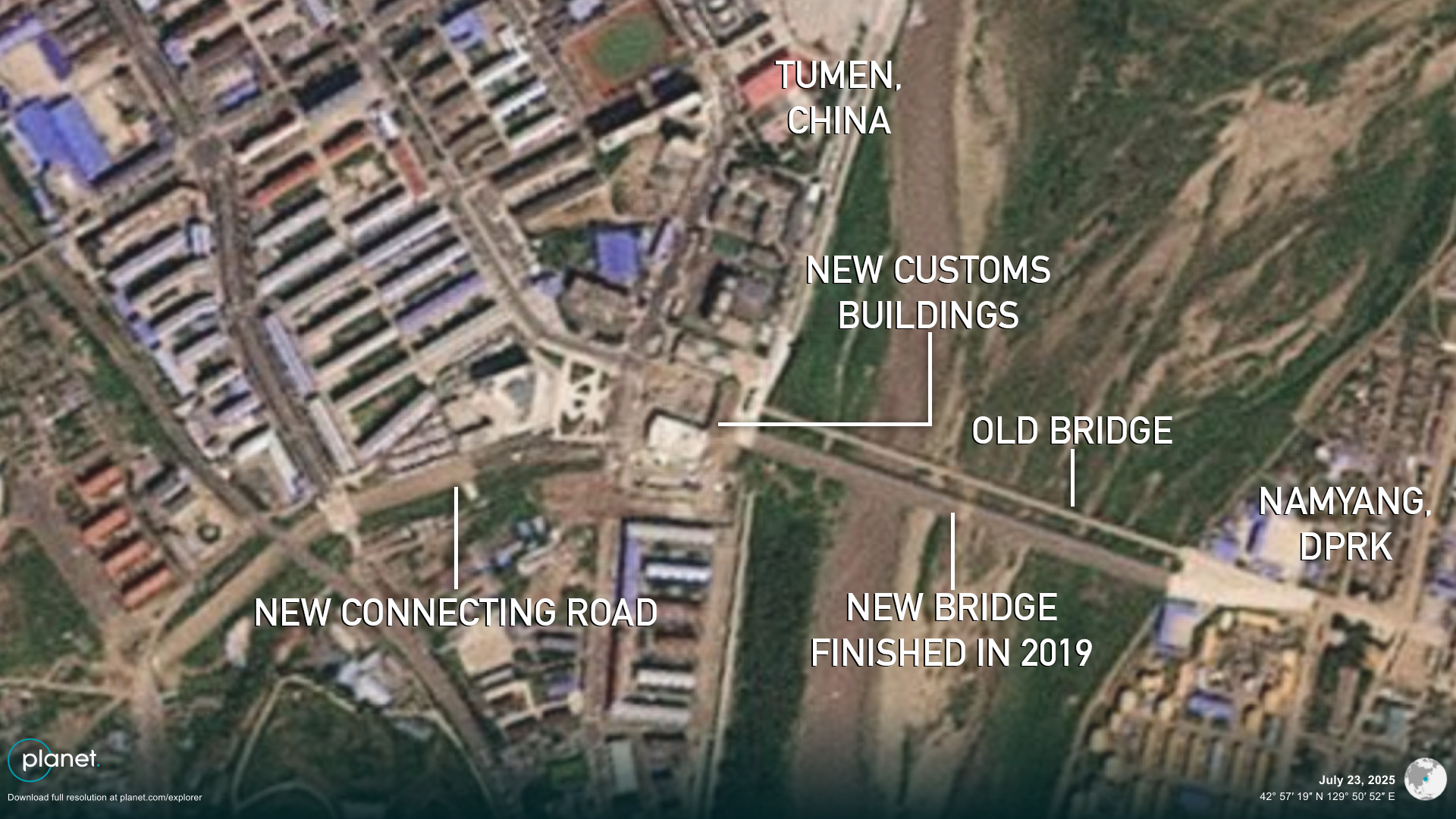
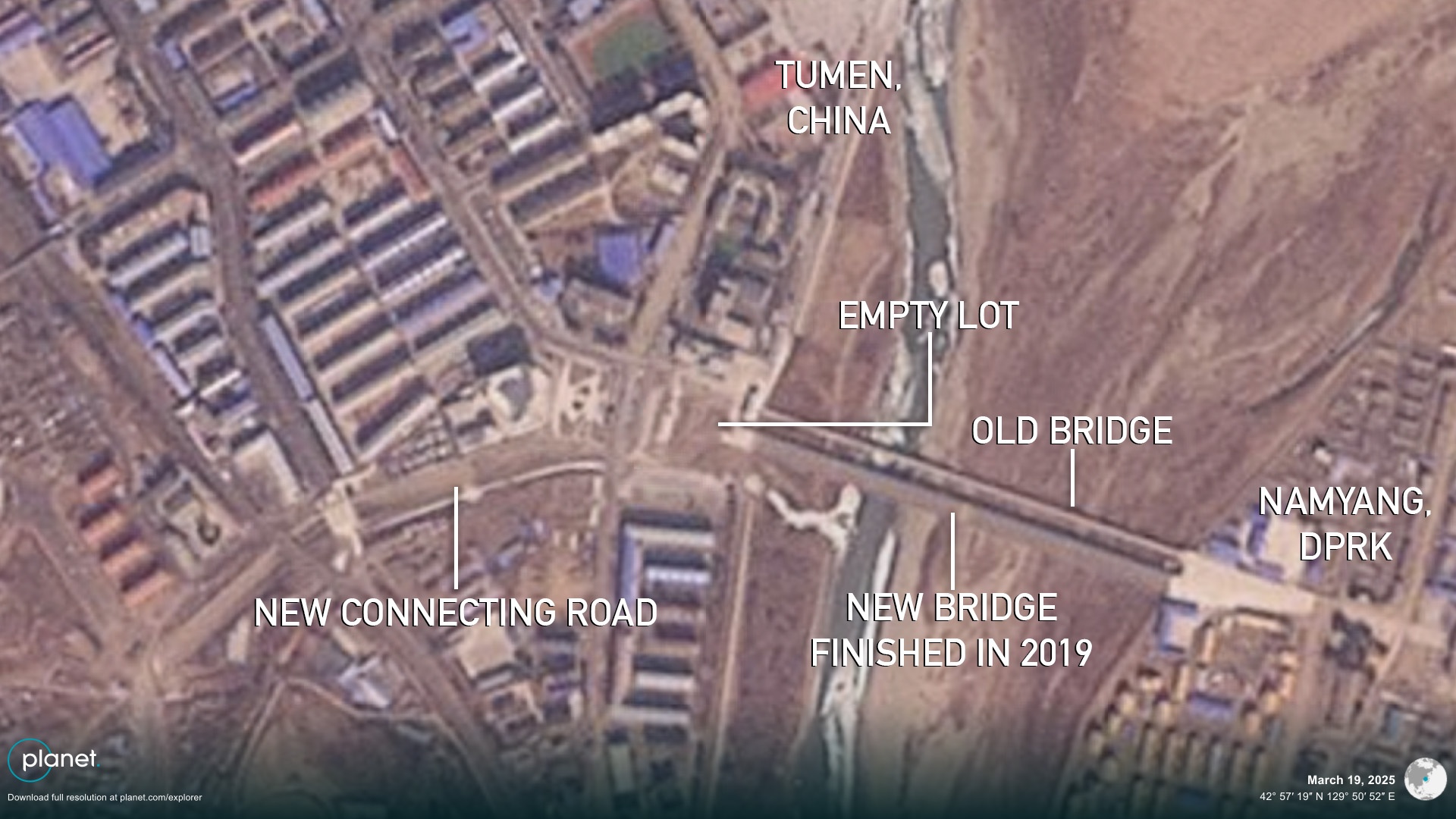
The “Tumen Highway Port Capacity Expansion and Reconstruction Project” (图们公路口岸 扩能改造工) includes building a new “Exit-Entry Administration Center” and “inspection building” as well as new connecting roads. Ground photos and Planet Labs satellite imagery confirms that the construction is taking place in an open area directly in front of the bridge and a large decorative gate, which serves as a platform for tourists to observe and take photos of North Korea. Tumen projected the cost of the new customs and road project at 283 million yuan (US$40 million), awarding Jilin Zhuorun Construction Engineering Co., Ltd. with the winning bid. Project manager Li Deliang told the Yanbian Morning News that “cargo throughput capacity is expected to increase by 50%, which will have a positive driving effect on promoting regional economic development.” Chinese stakeholders have expressed hopes in the past of using the Namyang transport link to transship goods through North Korea’s Chongjin Port to the southeast, citing its “ice-free” benefits in winter. China and North Korea announced the bridge project back in 2015, with most construction occurring between 2017 and 2019. It looked ready to open until North Korea closed all borders in Jan. 2020. The most recent visible work on the bridge came last year when a pedestrian path was added to one side and the four lanes, two going each way, were shifted to the other side, tourist photos posted to Chinese social media show. A large gate building on the Chinese side covering the separate cross-border rail bridge nearby was also renovated last month, though the bridge remains shuttered. It is possible this was more related to improving conditions for tourists who flock to the spot each day to take selfies with North Korea and the gate in the background, rather than being a sign of plans to imminently resume train traffic.  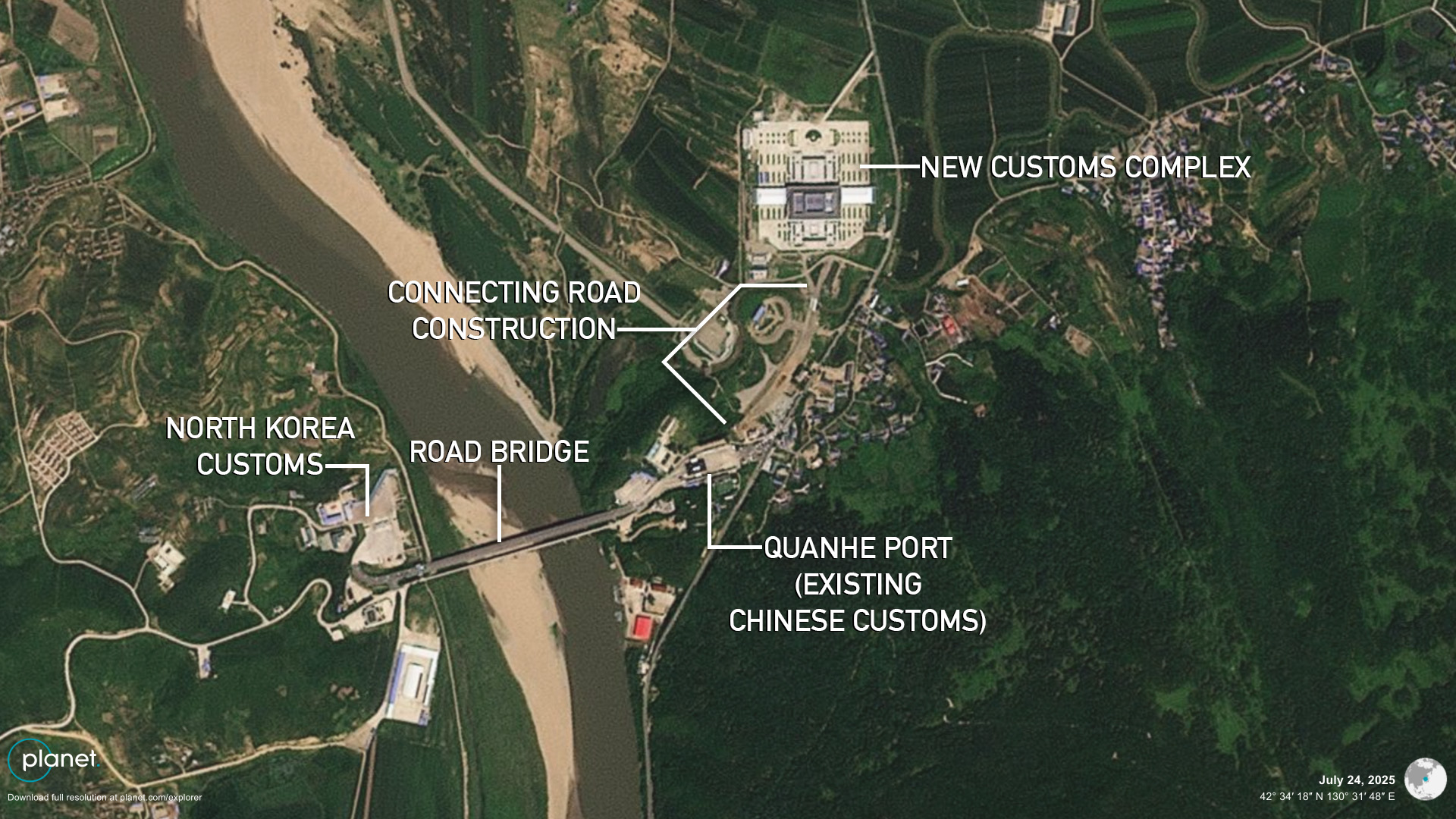
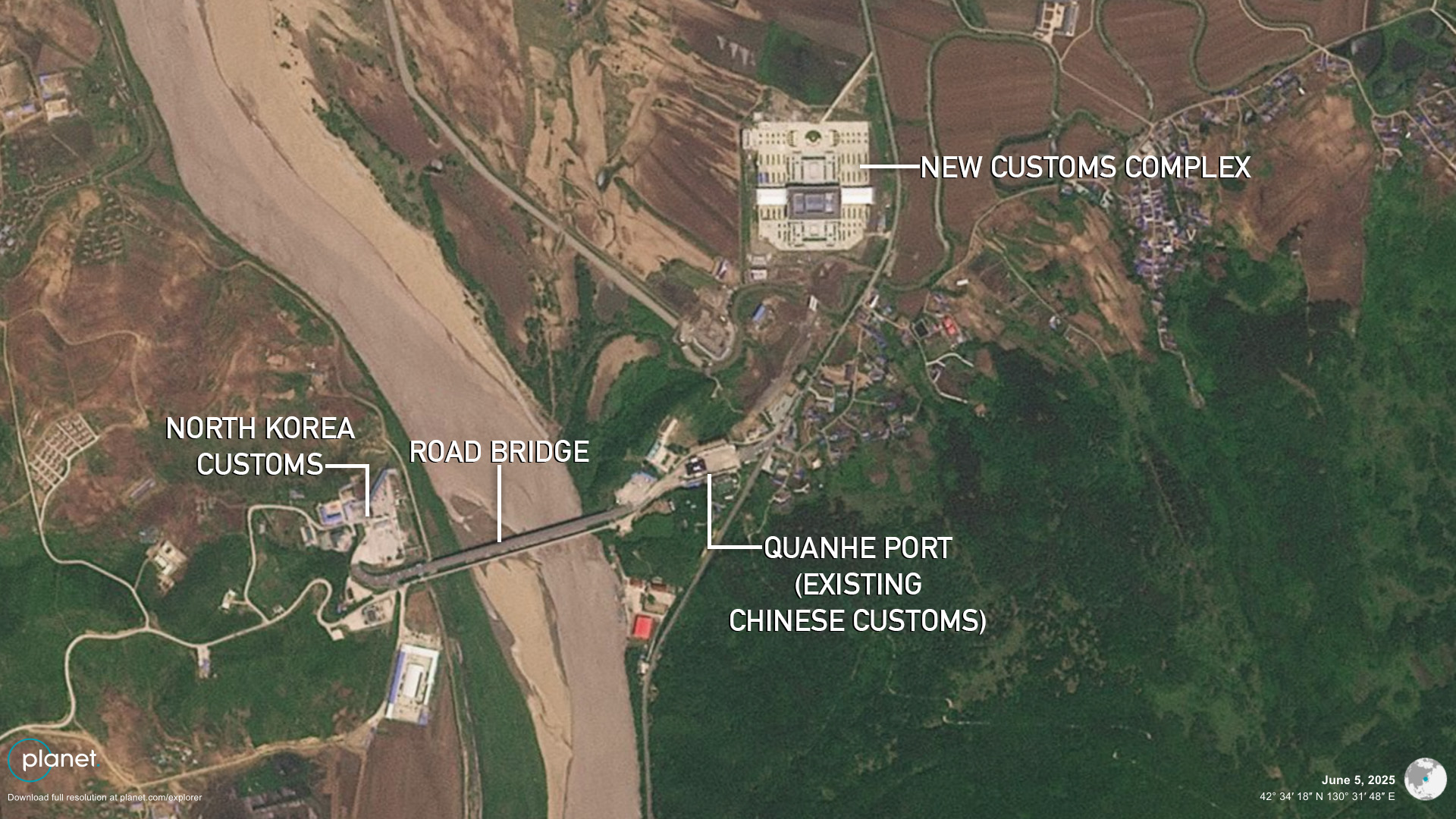
Meanwhile, authorities in Hunchun — another Chinese city on the DPRK border in Yanbian Korean Autonomous Prefecture of Jilin Province — have also resumed their gigantic customs complex construction project this summer, NK Pro has found. Planet Labs imagery shows construction finally started last month on a road to link the complex to the existing border bridge at Quanhe Port. Local officials celebrated progress on the $52 million facility in Sept. 2022 but left it unfinished until the recent restart. Trade has appeared active at this border crossing despite the unfinished complex, however, with North Korea using converted facilities for quarantine during the pandemic before returning to normal customs facility operations. On the opposite end of the shared border to the west, Chinese and North Korean authorities have accelerated work in the last year to finally open the Sinuiju-Dandong New Yalu River Bridge. Chinese companies and local governments along the border appear keen to open up trade and transport routes to host more DPRK-run factories and hire North Korean workers in violation of U.N. sanctions. Such factories have been operating for years and are often promoted, not hidden, by Chinese officials. Edited by Bryan Betts © Korea Risk Group. All rights reserved. |

October 18, 2026Oct 18, 2026

The ultimate resources for professionals working on North Korea
 SHARE
SHARE COPY LINK
 X
X MASTODON