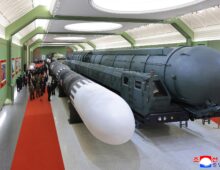
  Analysis North Korea’s rapid weapons plant construction betrays urgent production pushKim Jong Un’s latest factory tour suggests even unfinished facility may be operational amid arms sales to Russia 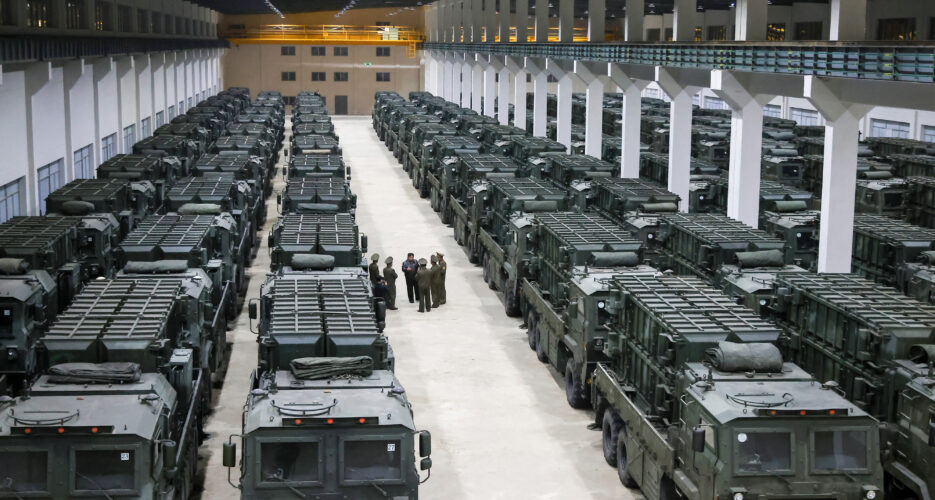 North Korea appears to have already started producing missile launchers at a still unfinished weapons factory that Kim Jong Un recently visited, according to NK Pro analysis of satellite imagery, providing evidence of the urgency of state efforts to churn out arms to deter the country’s enemies or sell to its friends. NK Pro analysis also shows that the DPRK rapidly built another weapons factory in a matter of months starting last August, leading to what seems to have been a visit by Kim last week. The construction appears related to efforts to build up a larger stockpile of more advanced and reliable weapon systems to convince South Korea and the U.S. that Kim is not bluffing about his objective to establish a military capable of actually fighting a war. The rapid construction could also be motivated by new contracts to export arms to Russia and possibly other parties, while also suggesting Kim is able to contravene sanctions to import advanced production line technology and equipment. SHORT-RANGE MISSILE LAUNCHERS As part of his push to assert short-range nuclear missile capabilities against South Korea, Kim Jong Un publicly visited a third factory producing related launch vehicles last week after visiting two others in January. State media showed him inspecting a group of 99 transporter erector launch vehicles (TELs), each designed to carry four nuclear-armed Hwasong-11D short-range ballistic missiles (SRBMs). This signals intentions to have hundreds if not thousands of tactical nuclear missiles aimed at Seoul and other ROK targets in the coming years, though questions remain about Pyongyang’s success with nuclear warhead miniaturization and production. There was also a major difference between this most recent visit and the two factories shown in January: Instead of being housed inside an old factory building, the TELs appeared inside a brand-new facility. The factory appears to be a cluster of large production halls in northwest Pyongyang that are only partially finished, located on the other side of Mount Ryongak from the November 20 Factory where Kim was identified inspecting the same type of TELs in January, according to NK Pro analysis. 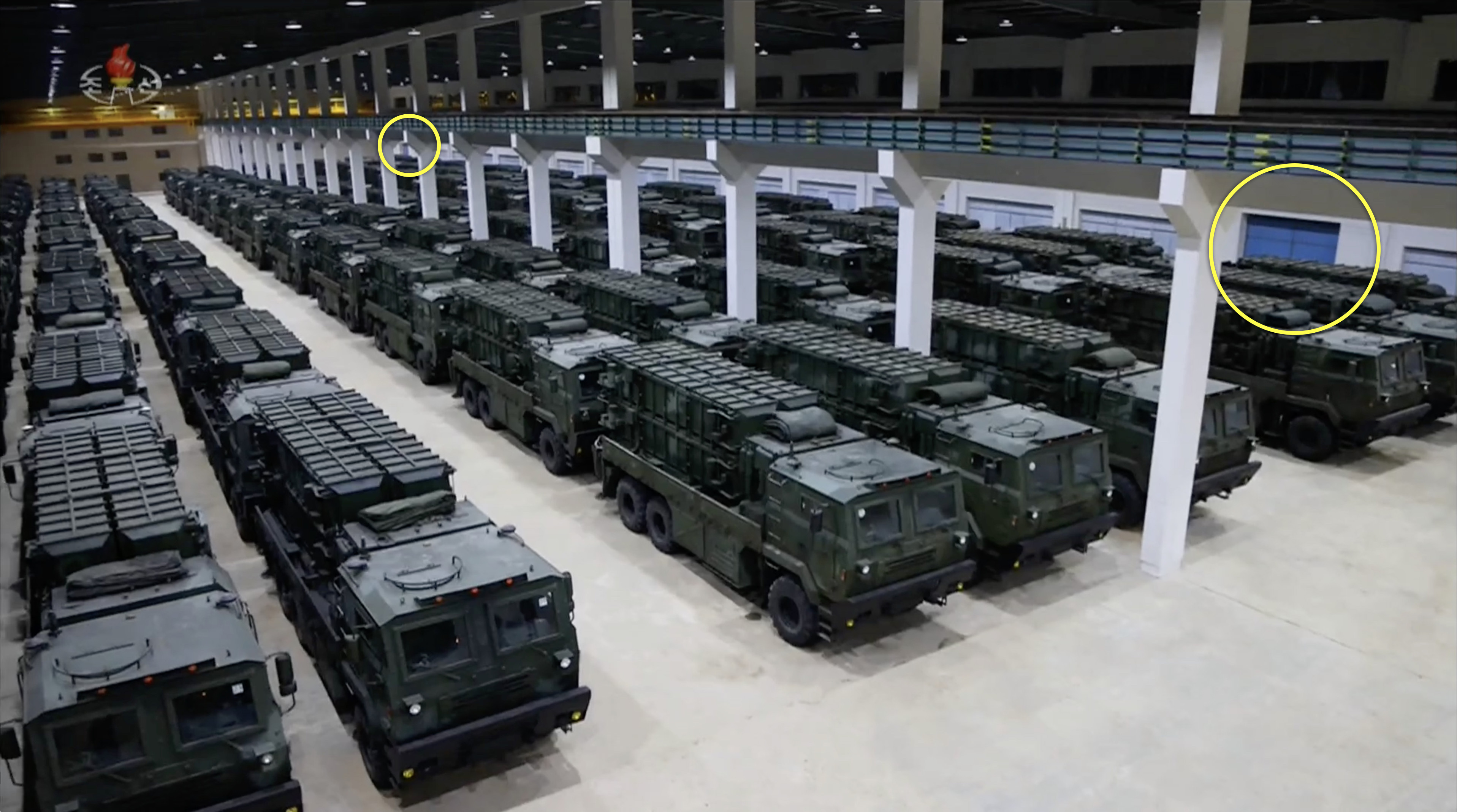
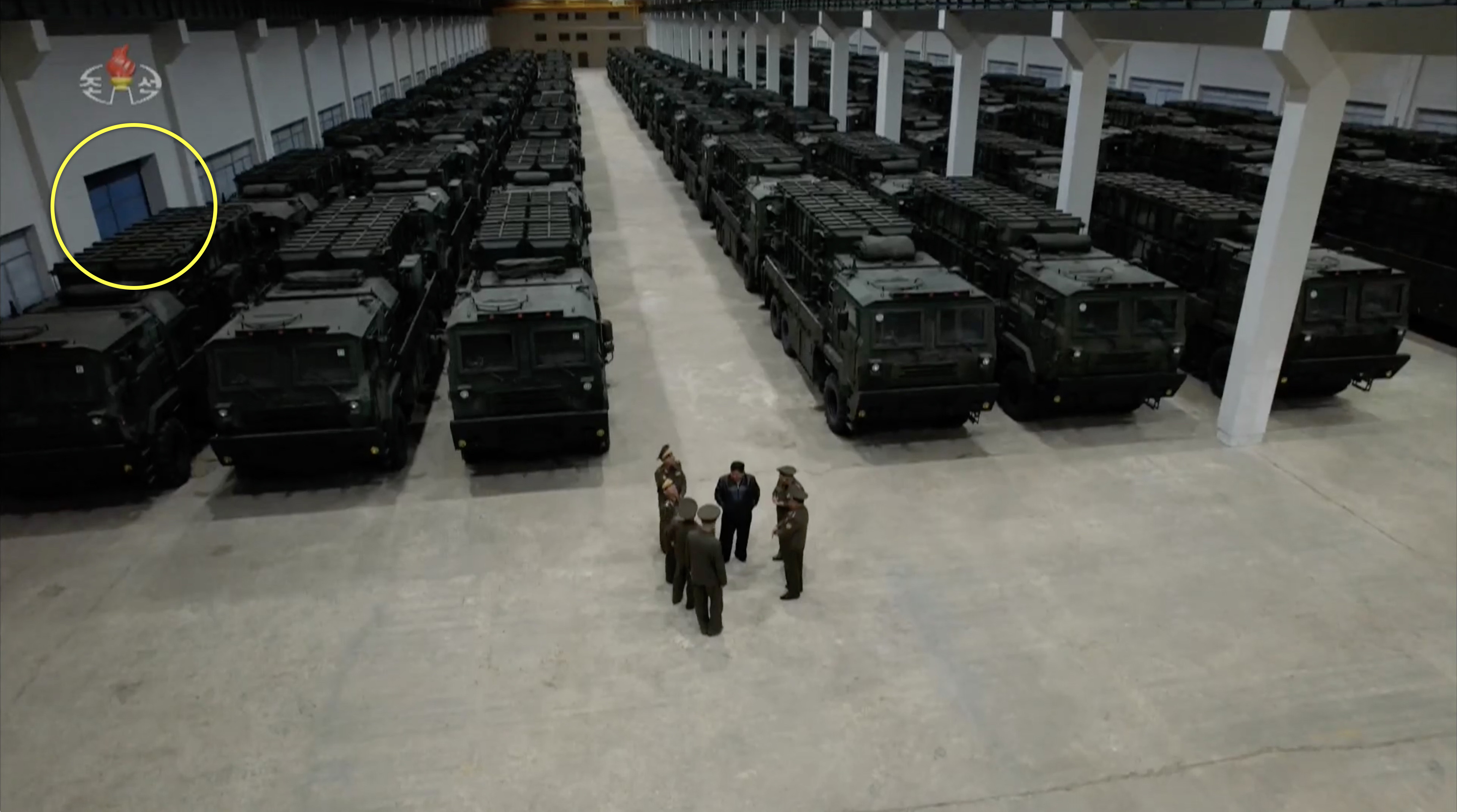
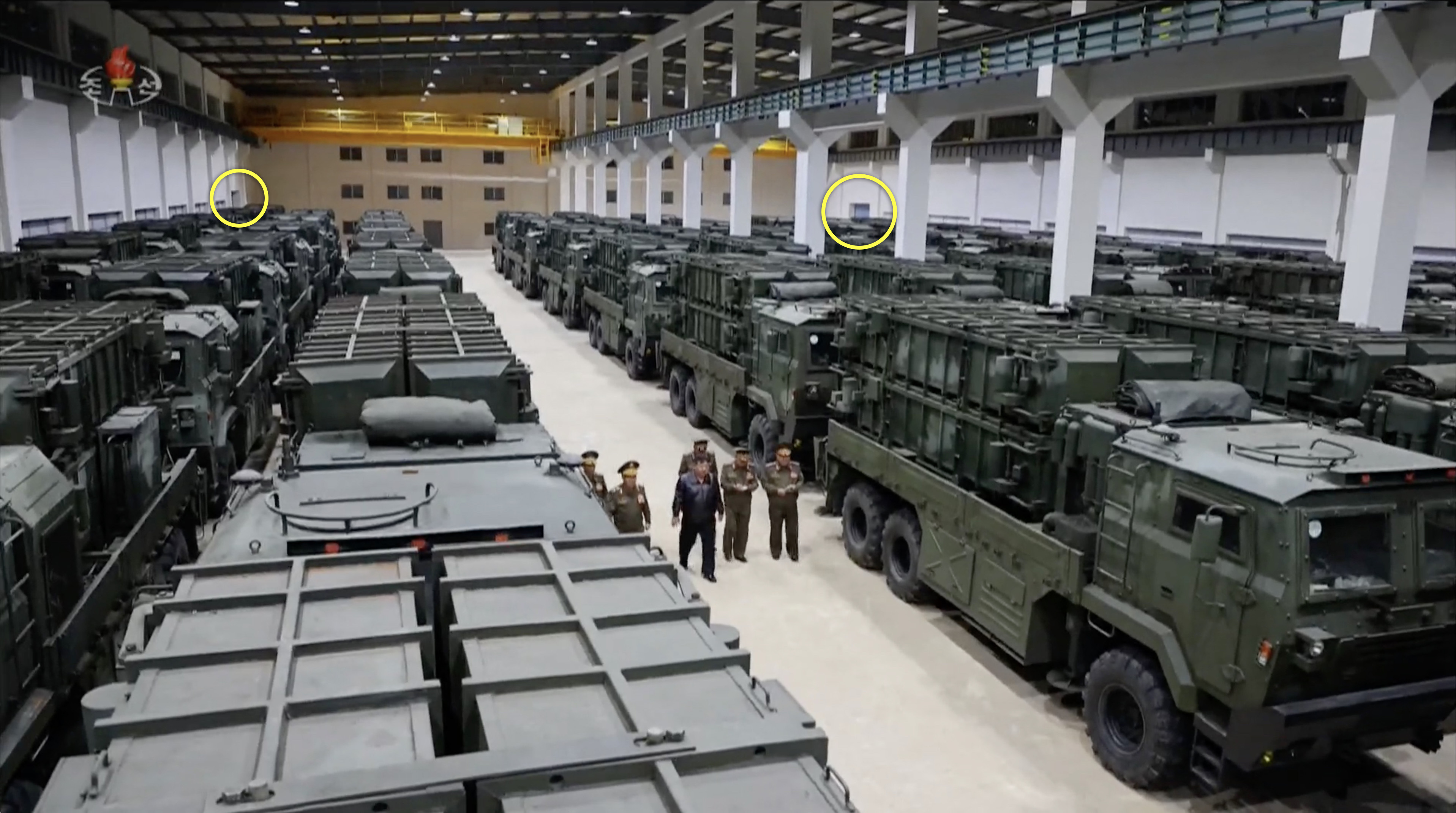
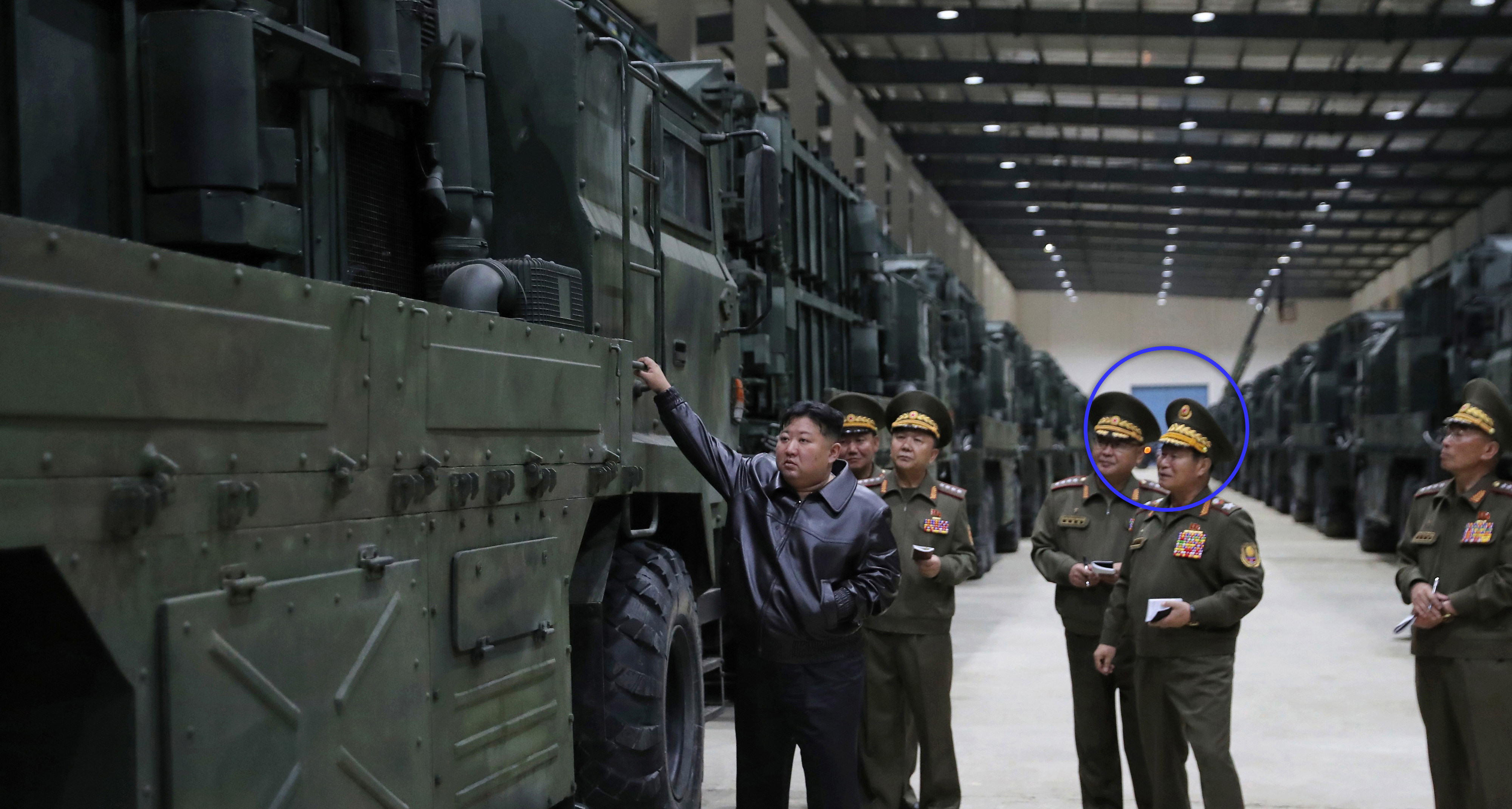
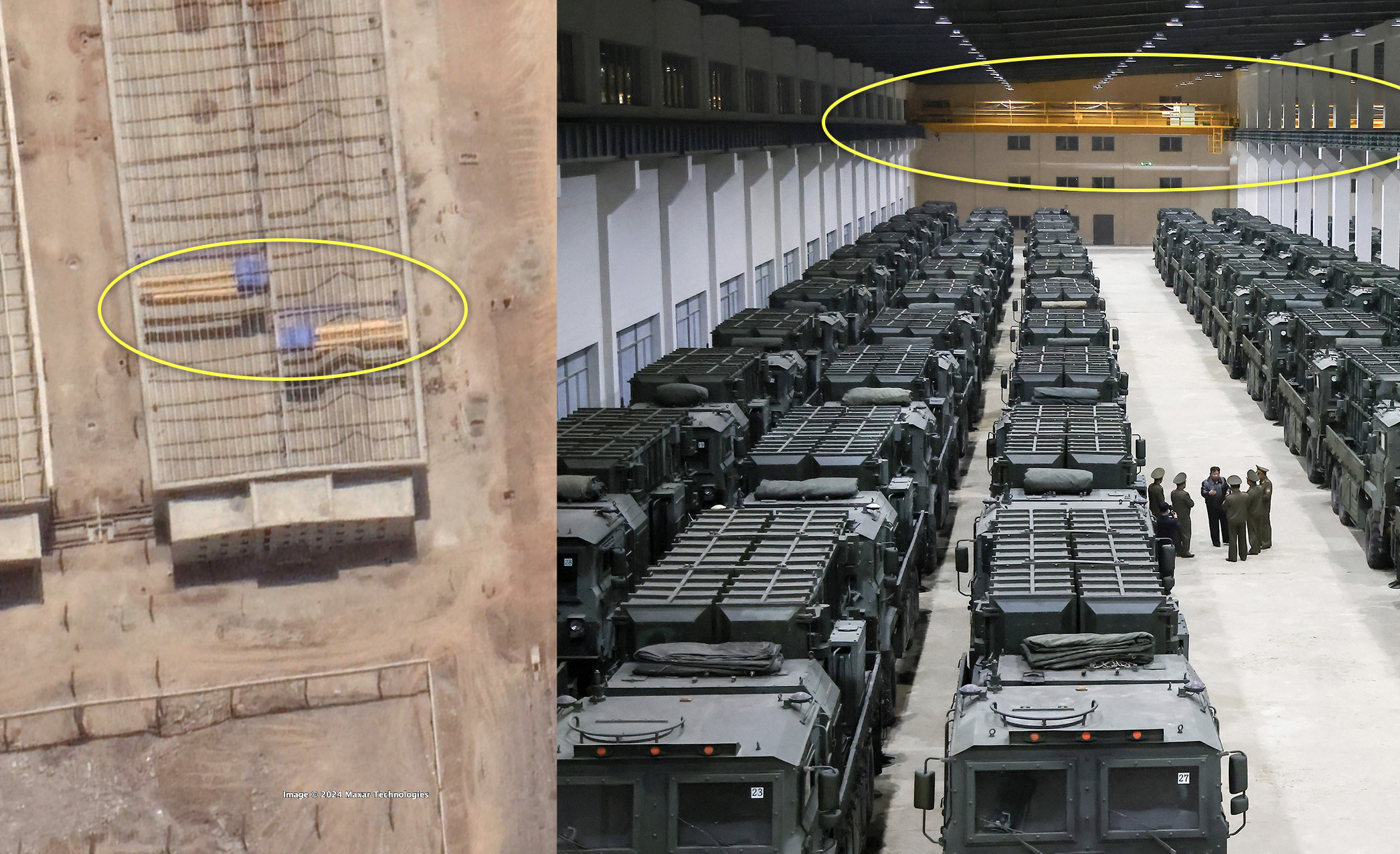
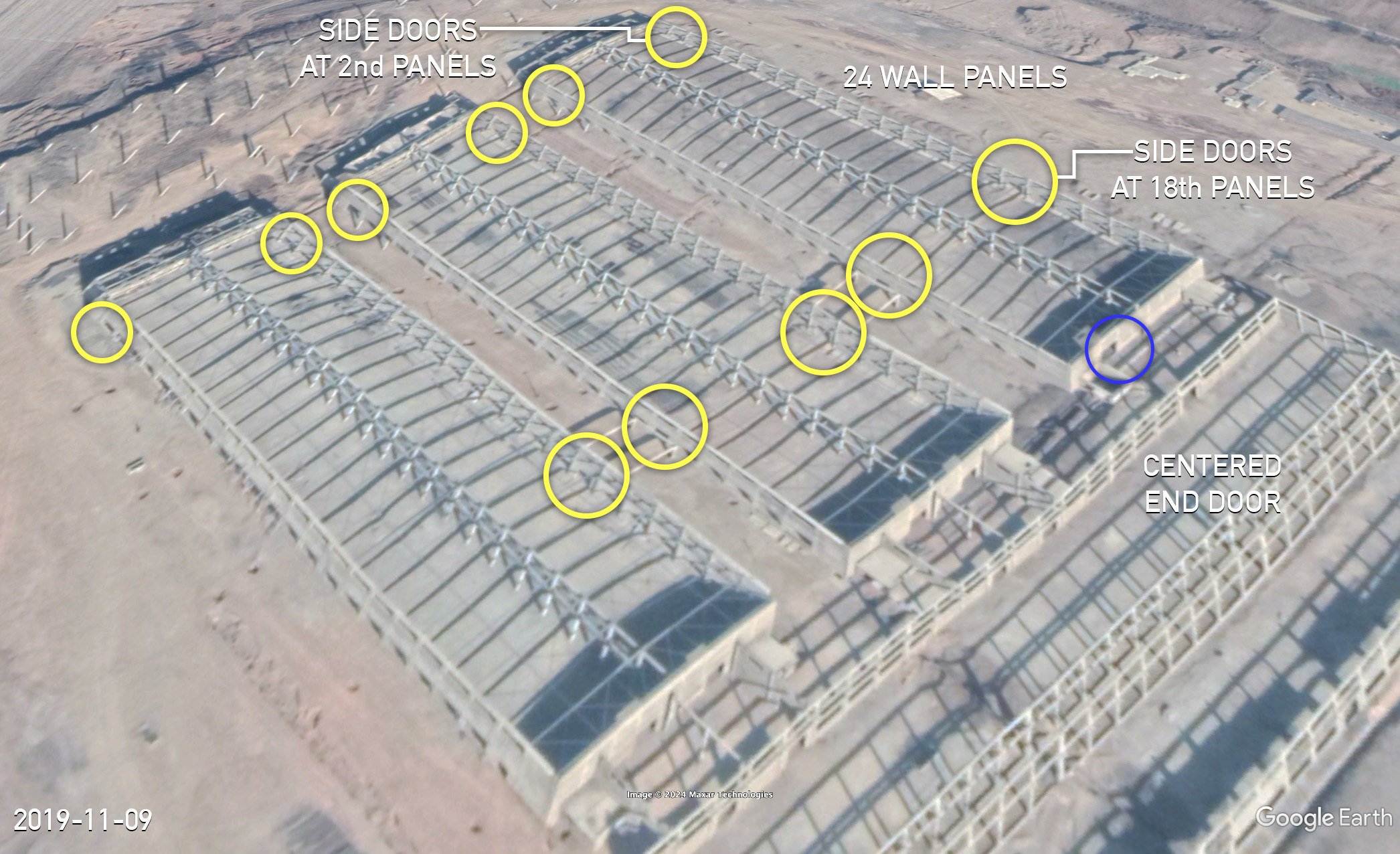
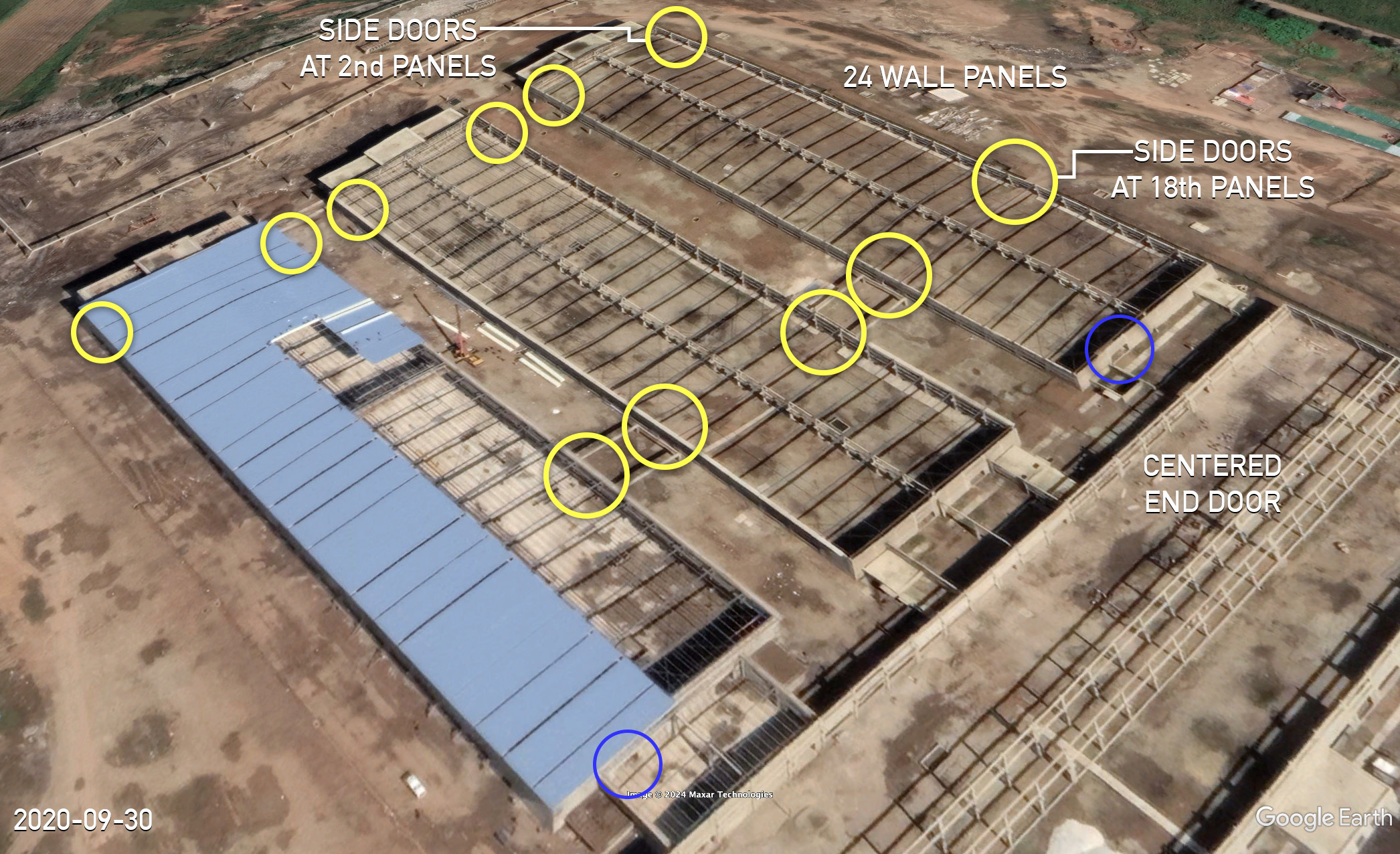
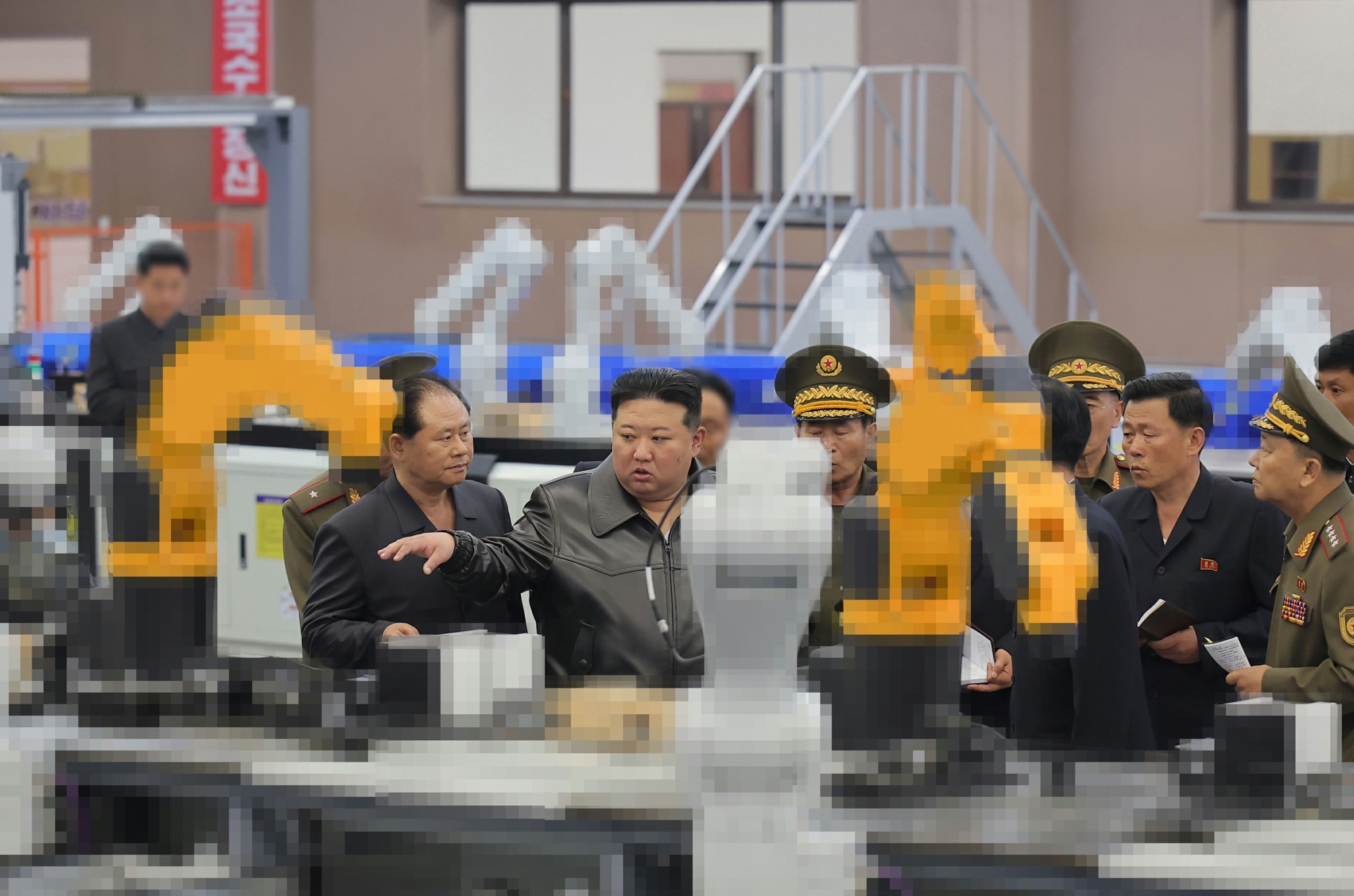
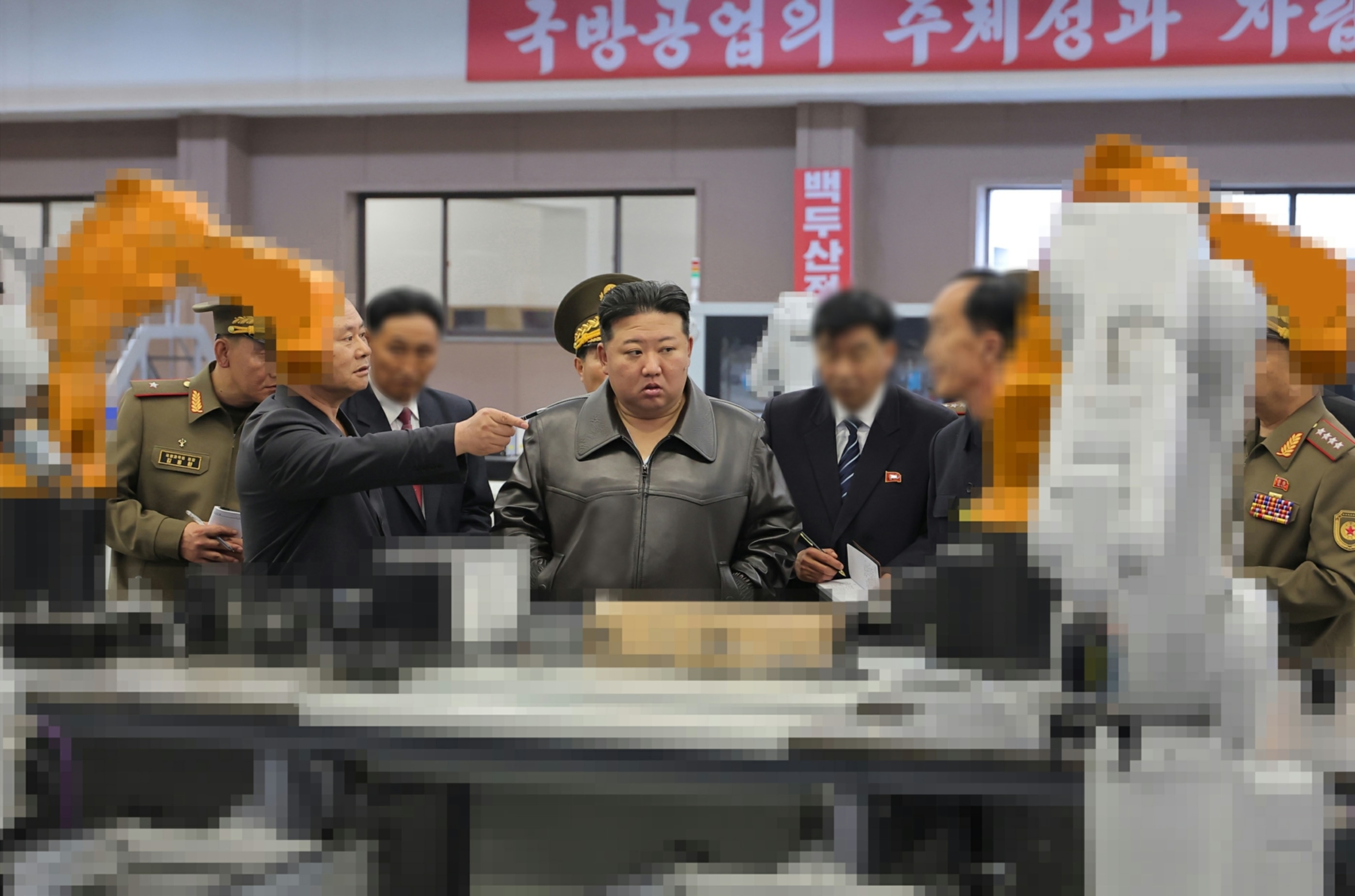
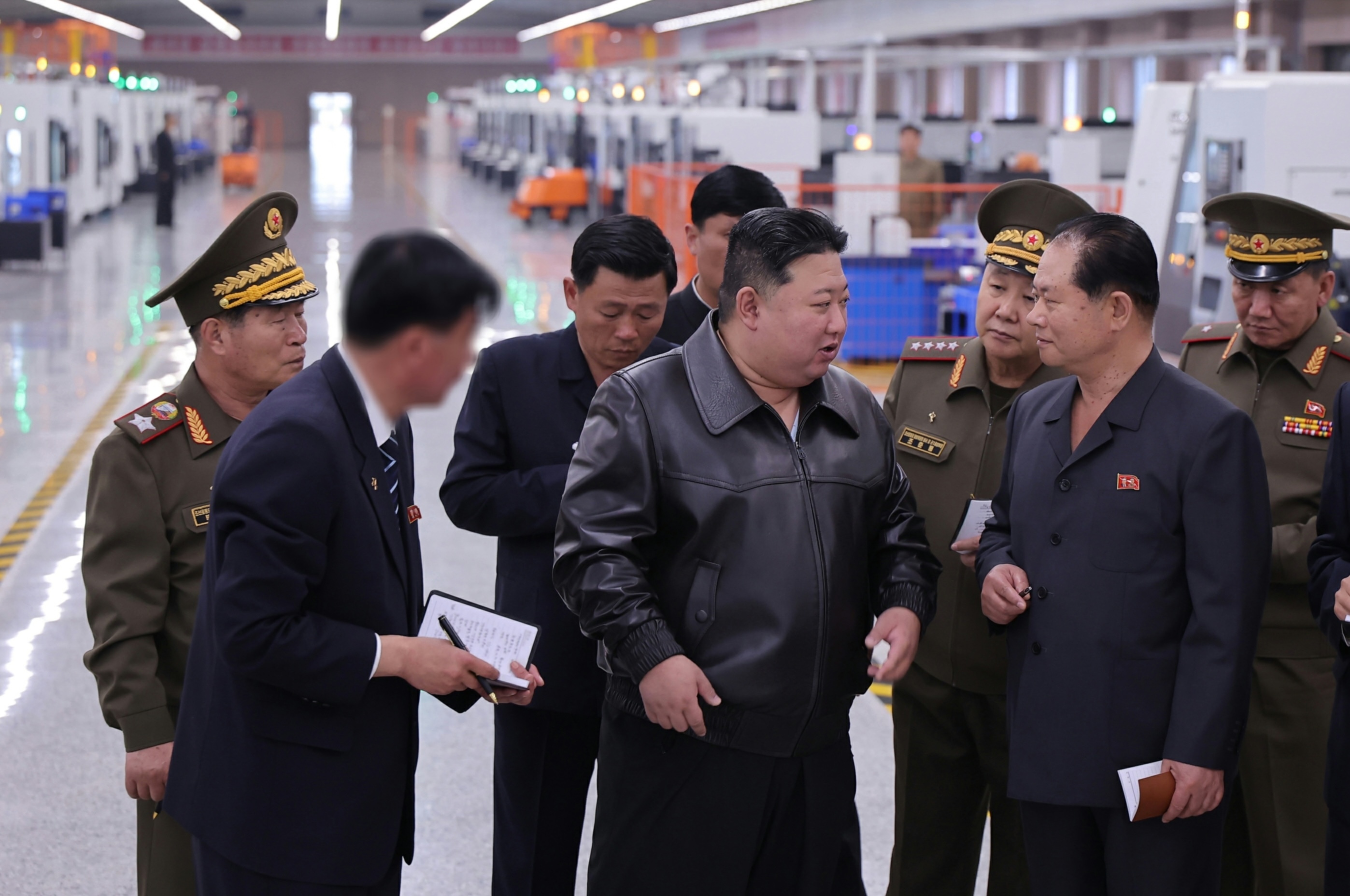
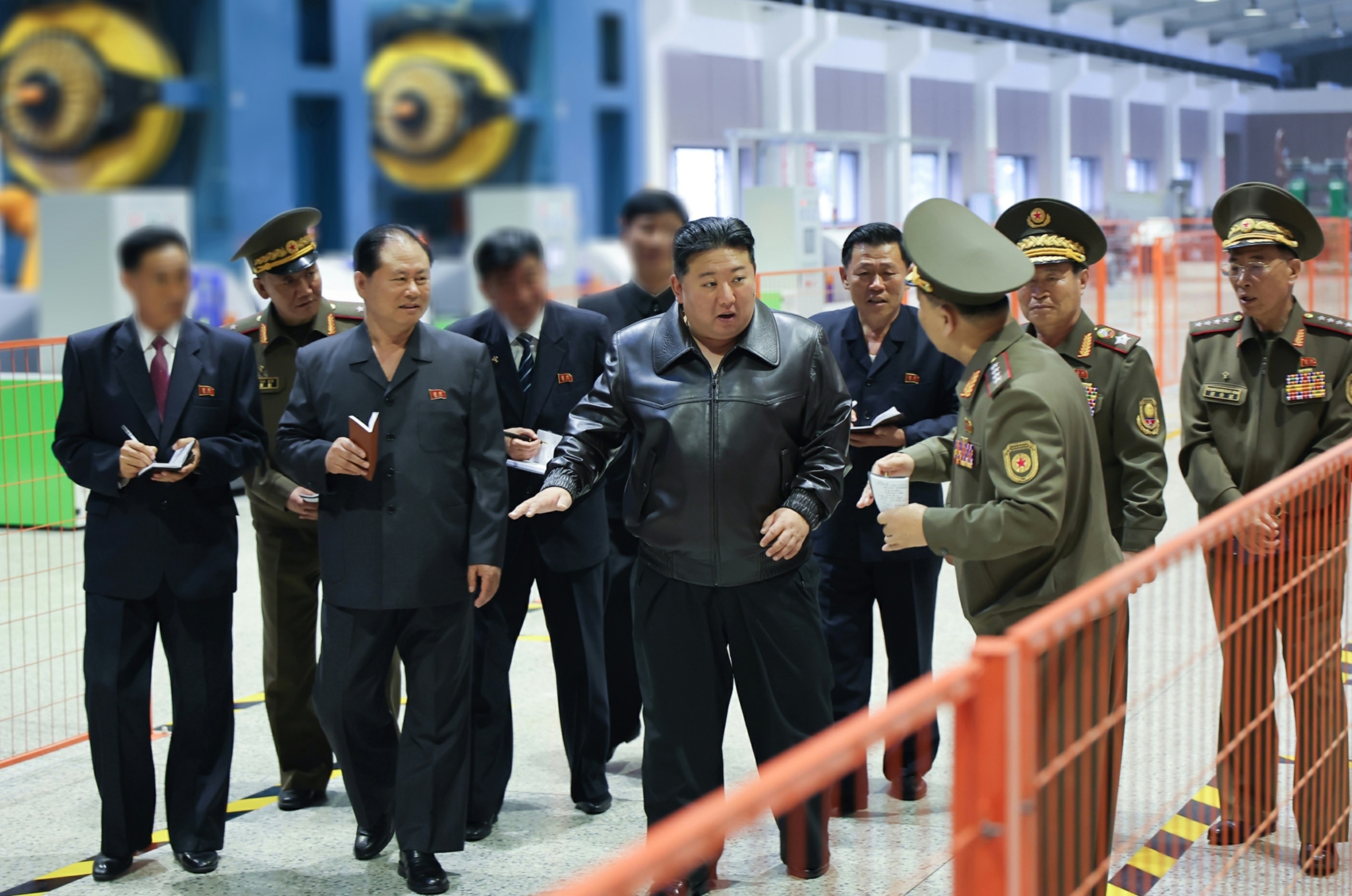
State media images and video footage published on May 15 only showed the inside of a single warehouse, but features such as the locations of garage doors, the shapes of windows and the number of wall panels are consistent with the easternmost of three identical warehouses at the Mount Ryongak site, with no obvious inconsistencies. Planet Labs satellite imagery shows work to clear the land began in late 2017 before outer walls and support pillars started to go up in July 2018 — soon after Kim promised to work toward denuclearization at his summit with then-U.S. President Donald Trump. But work slowed and roofing was not installed on the westernmost warehouse, measuring 180 by 50 meters (590 by 165 feet), until Sept. 2020. Roofing for the other two warehouses followed much later in Dec. 2023. It is plausible that production of TEL parts began in the first building that was roofed in 2020, and that the assembly and inspection of these launchers took place in the other two buildings this year ahead of Kim’s visit. Two more buildings of roughly the same size, as well as an auditorium and support buildings on site, appeared unfinished as of mid-May 2024, pointing to the highly unusual possibility that Kim ordered production to start before the completion of these buildings and other typical features like monuments or even permanent roads and security fencing. 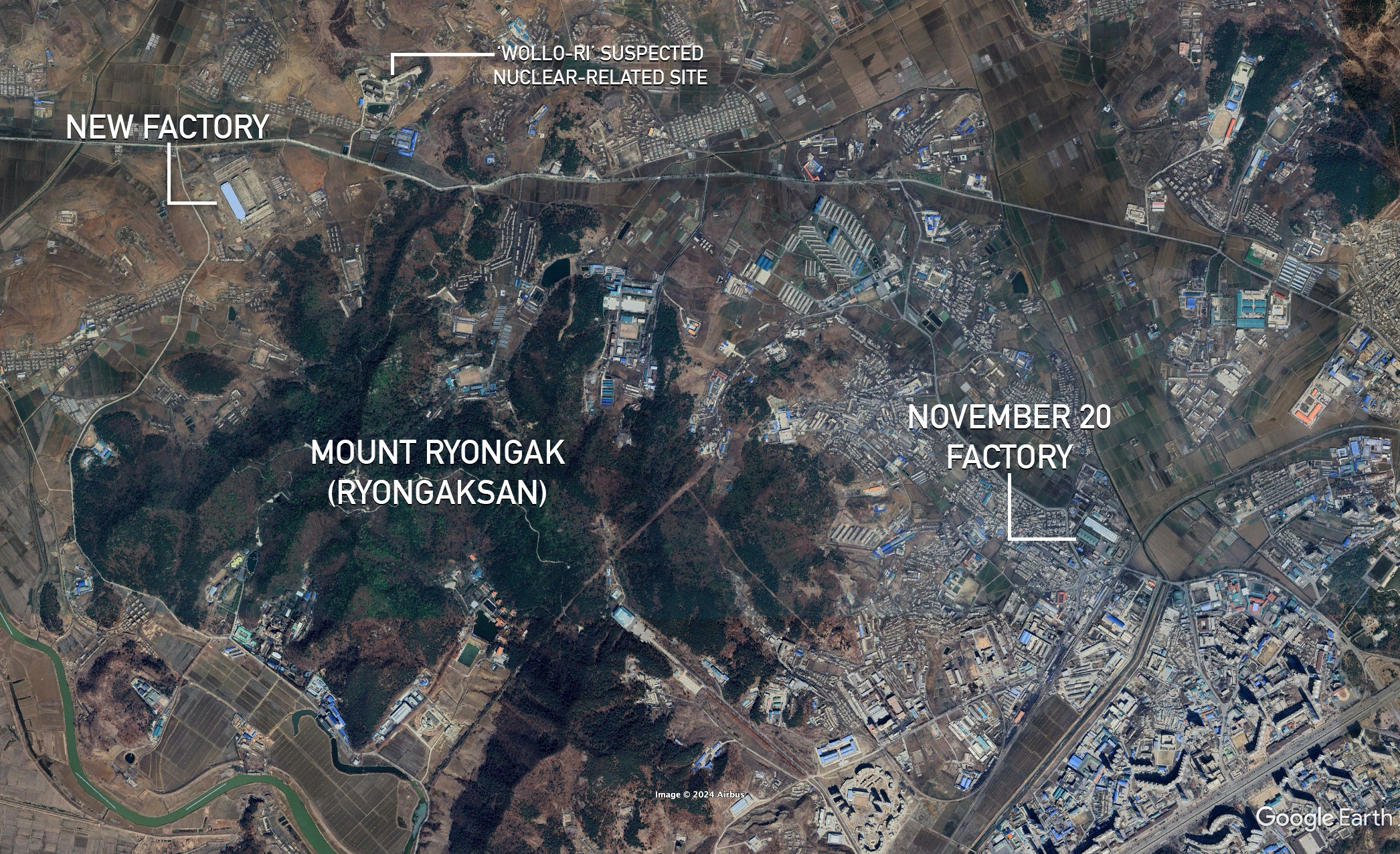 This suggests he was under pressure to get production started as soon as possible, and may point to plans to provide the missiles and TELs to Russia as part of an ongoing weapons transfer operation that appeared to start last August. Russia has been confirmed to have used larger SRBMs in the Hwasong-11 series against Ukraine since the start of this year, but there is yet a lack of photographic evidence of the presence of the smaller Hwasong-11D or any North Korean-made TELs in Russia or Ukraine. The urgency could also be attributed to the weapons development industry seeking to meet Kim’s deadlines under a five-year plan introduced at the Jan. 2021 party congress. Construction delays between 2018 and last year could have been due to self-induced, pandemic-related border restrictions preventing the import of needed production line equipment. The resurgence of construction since then, amid easing restrictions, points to a new ability to acquire these items, likely from Russia and China. Jeffrey Lewis, director of the East Asia Nonproliferation Program at the James Martin Center, told NK Pro that the other Hwasong-11D TEL-producing plant Kim visited in January was likely a military facility at the sprawling Kumsong Tractor Factory complex located to the southwest of Pyongyang. ‘ULTRAMODERN PRECISION’ WEAPONS Major construction started on a “weak current apparatus” factory in Songgan near Kanggye last August, soon after state media said it would “play an important role in modernizing the Korean People’s Army (KPA).” Now, Planet Labs imagery shows that the work proceeded rapidly and that production could have started as soon as last December when roofing appeared to be fully installed on a large new main building at the site. NK Pro analysis suggests a large hall measuring around 200 by 30 meters (650 by 100 feet) in the center of the building may have been the same as one shown in photos of Kim inspecting a complex producing unspecified “ultramodern precision munitions” last week. State media only published nine photos of the inspection and blurred out the identities of employees and even equipment, making it difficult to determine the site’s location and purpose. However, the partially visible faces and overall look of the blurred managers closely match individuals who were also pixelated during Kim’s Aug. 2023 visit to the Songgan construction site. 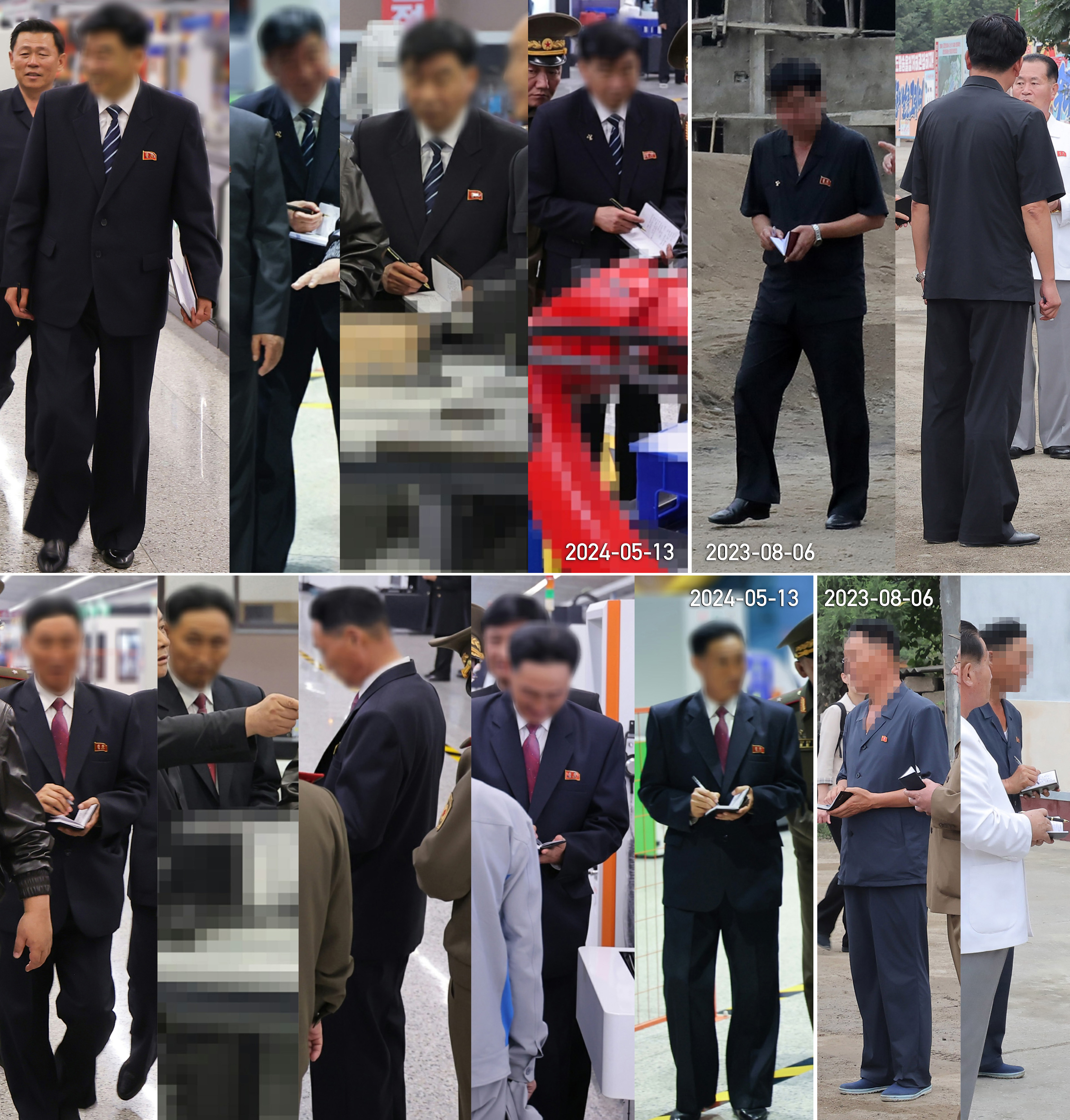 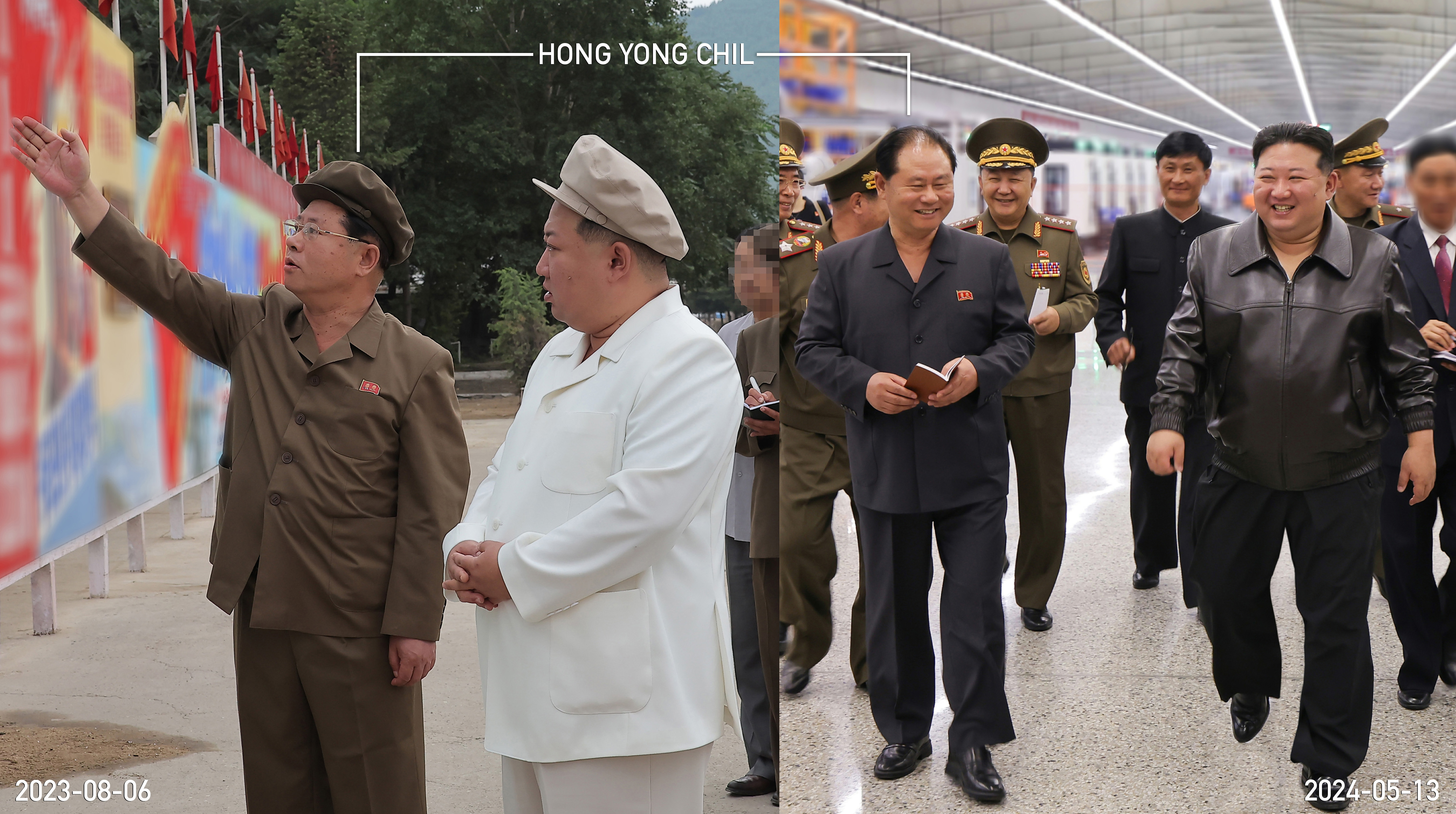 The presence of long-time top weapons development official Hong Yong Chil, who also joined Kim at the site last August but who has not subsequently shown up elsewhere, also lends credence to the possibility the DPRK leader recently visited the Songgan plant. State media’s May 13 report provided evidence that the factory is already operating, showing dozens of Computer Numerical Control (CNC) machines and other equipment — including those featuring labels of Pyongyang’s “Kim Chaek University of Technology” and Chinese-made robot arms. The presence of an ordinary factory worker at one of the machines also suggests the facility is operational. Satellite imagery shows most buildings were roofed, inner roads were paved and a construction worker camp was removed last month. It is possible that the factory produces 240mm MLRS rockets or components — weapon systems which also target South Korea — after state media said last month that new, advanced versions of the weapons were being produced by a “modernized” and “newly-established national defense industrial enterprise.” A defunct factory at the site was demolished in March 2023 after Kim visited on Nov. 10, 2022, according to a propaganda sign displayed on the site, presumably to delineate plans for its rebuilding. The speed at which the factory was rebuilt is unusual when compared to the lengthy construction at Tonghungsan and other locations, suggesting it manufactures weapons or components vital to mass production plans. 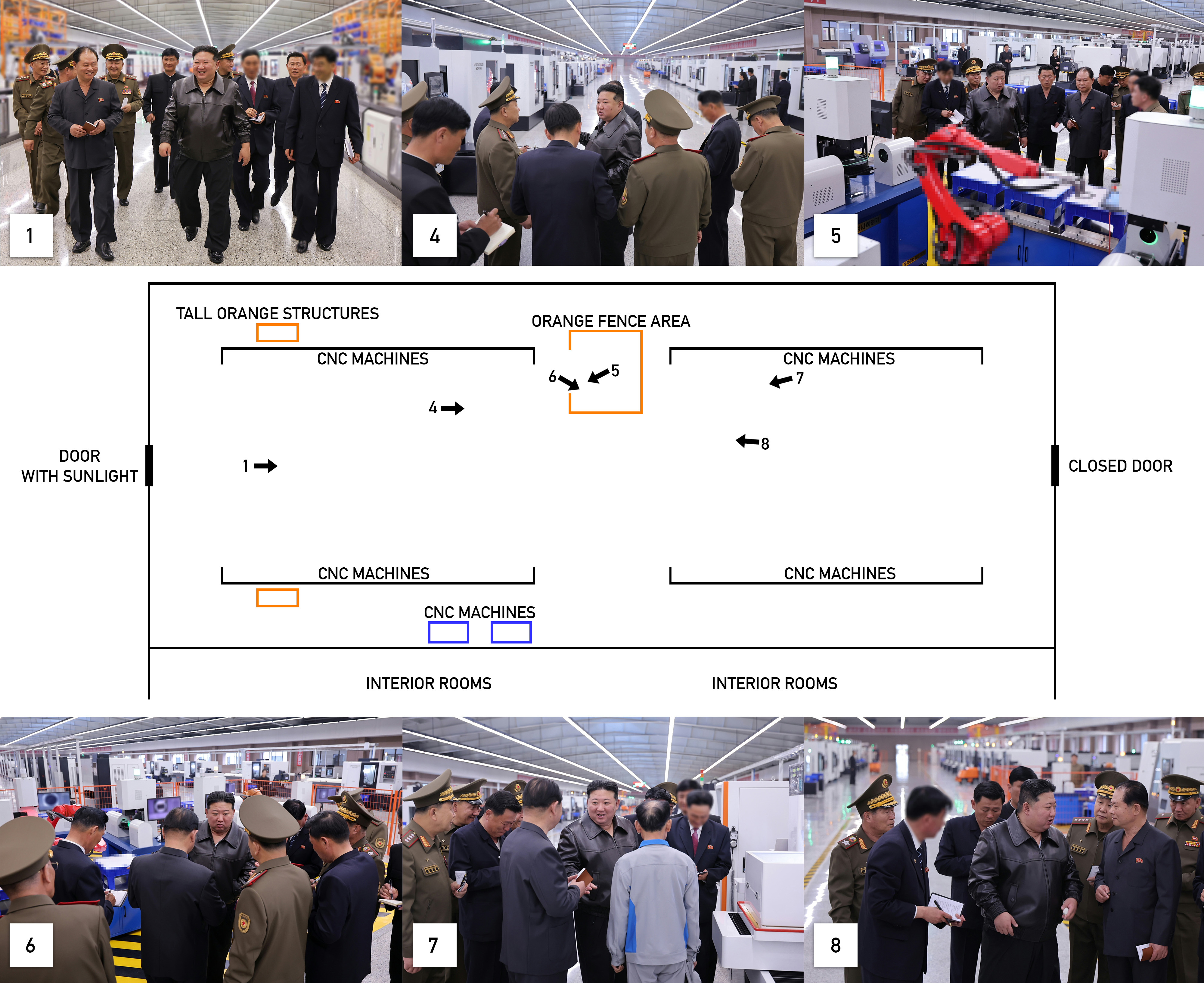 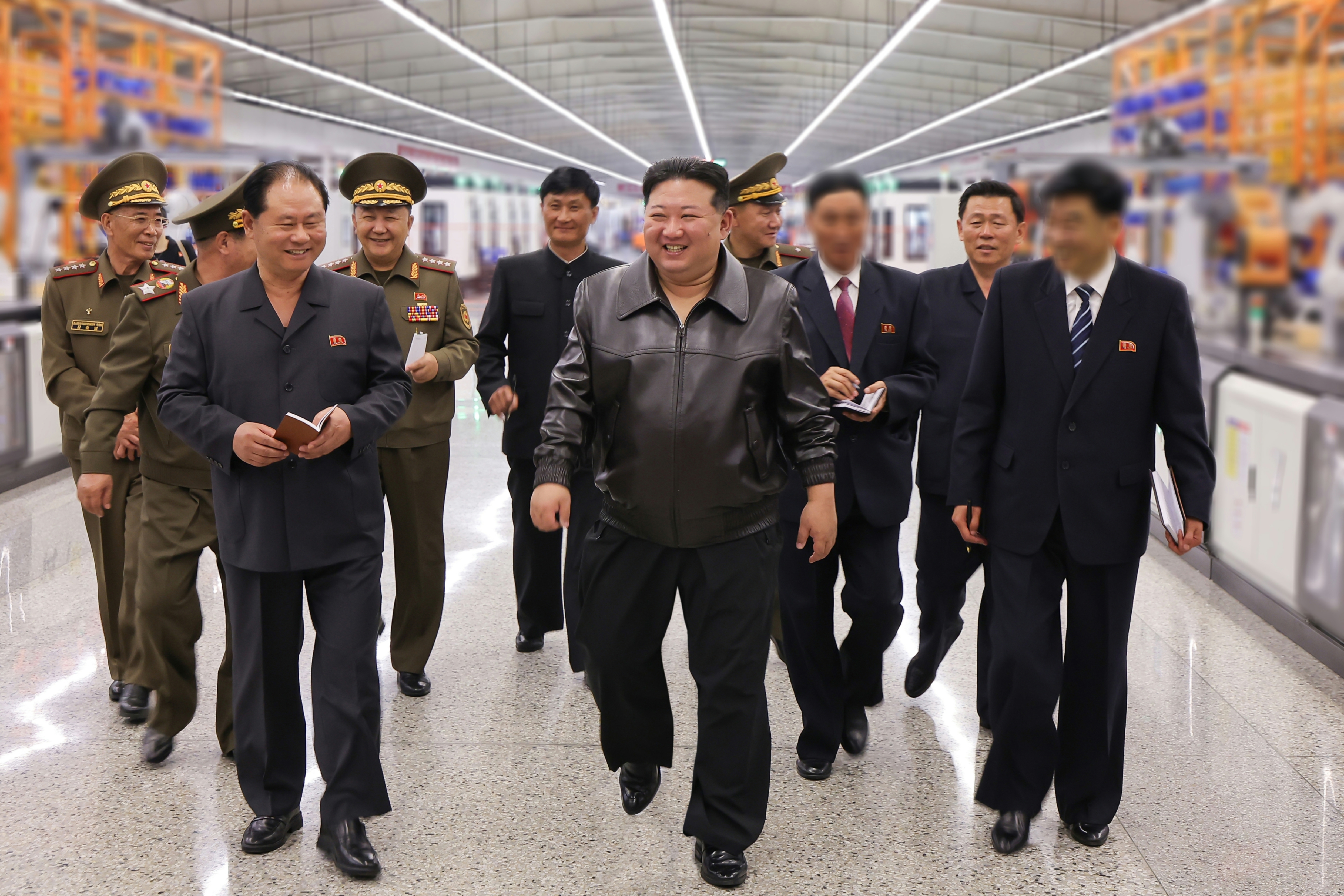
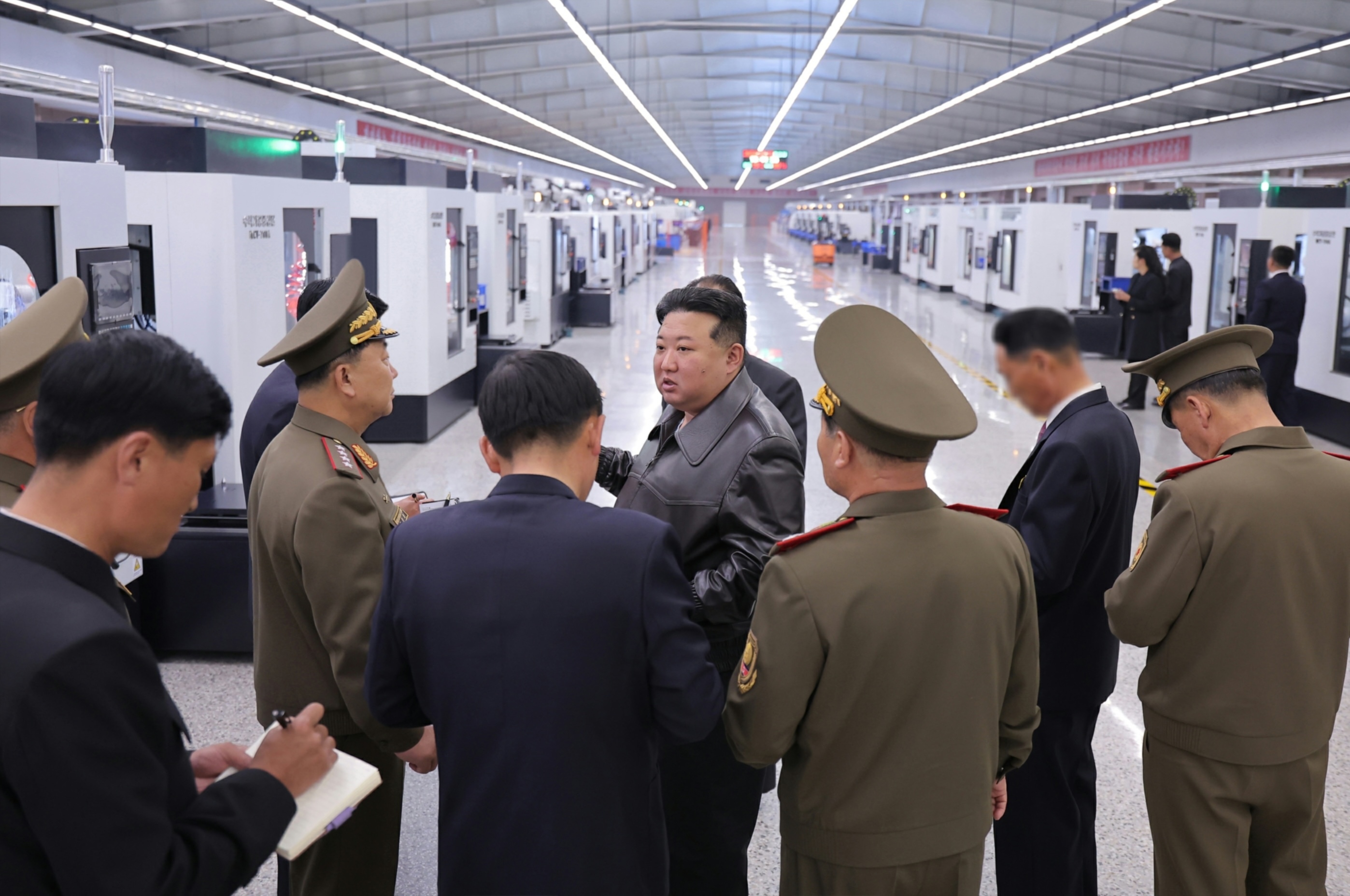
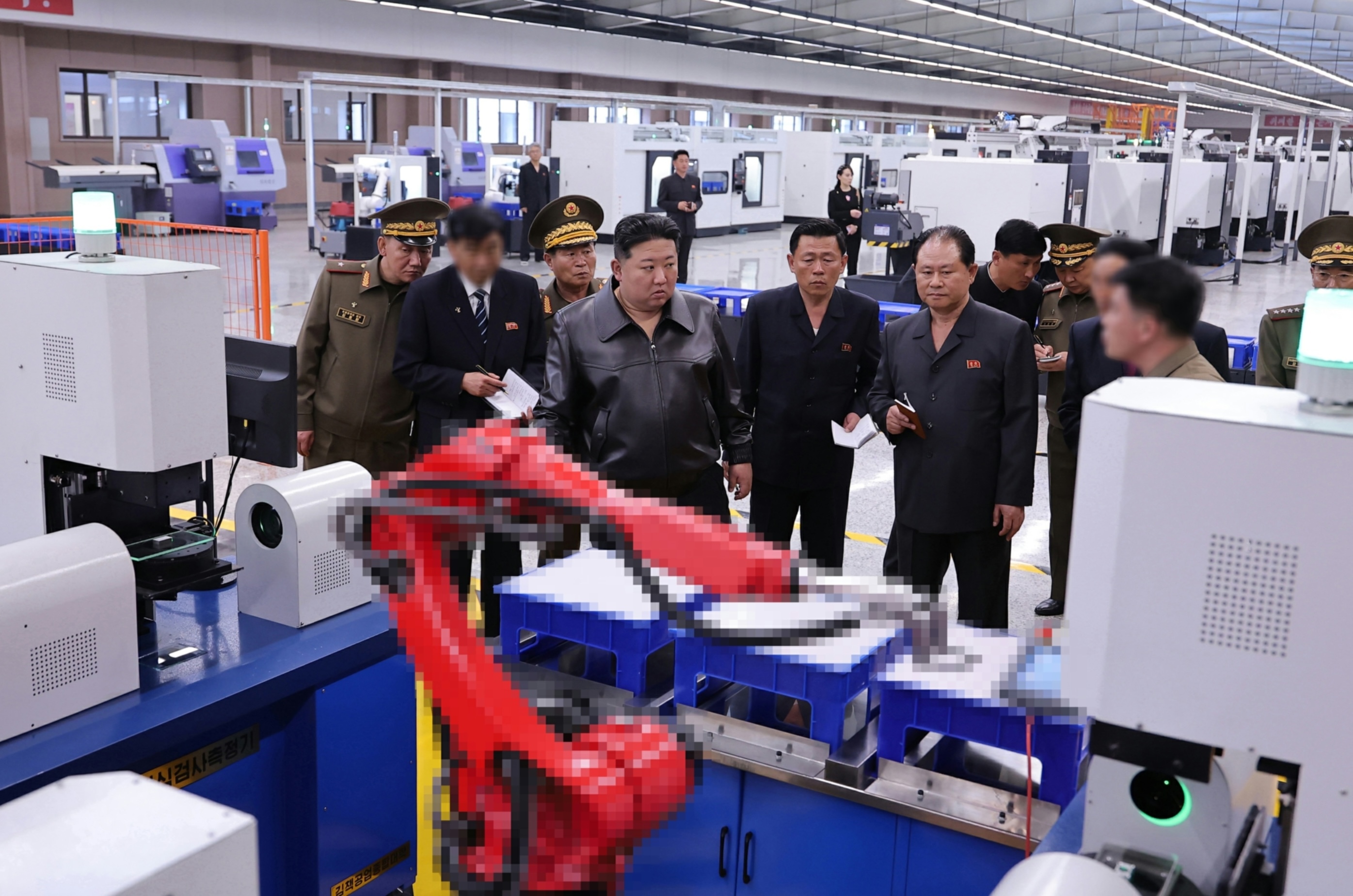
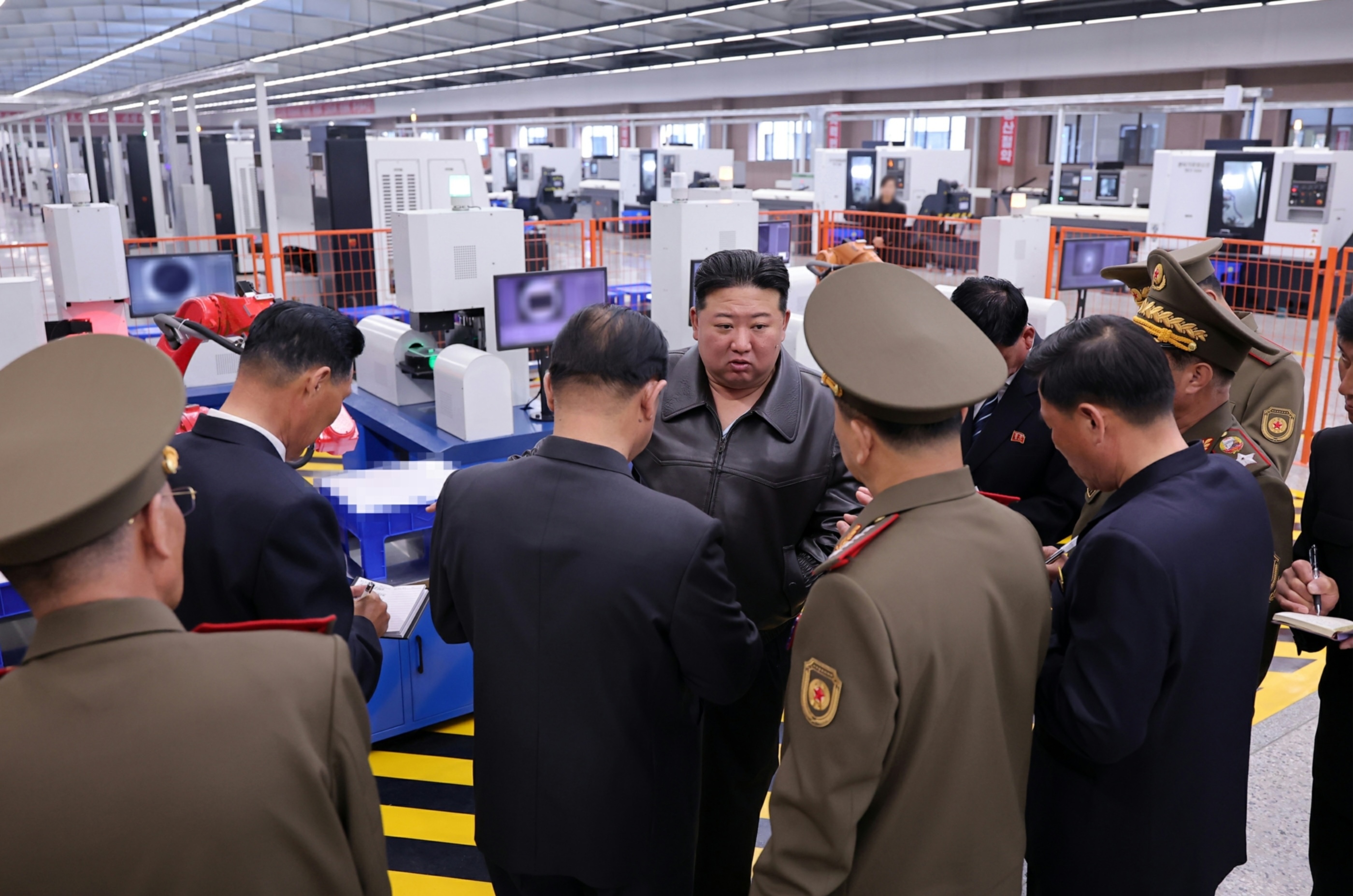
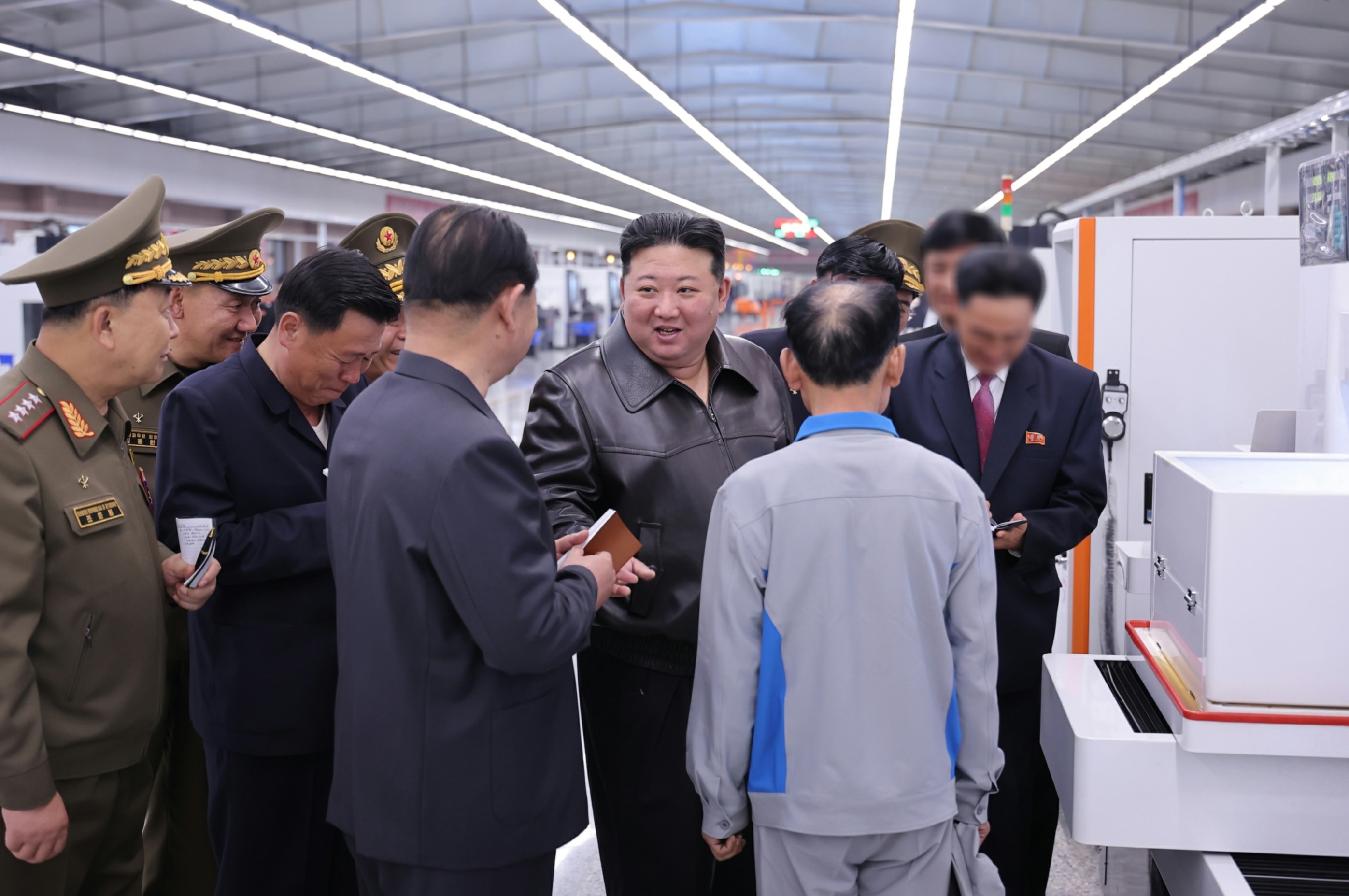
Meanwhile, Kim also demonstrated intentions to build up stocks of 240mm artillery TELs when he inspected around 100 or more models last week inside the refurbished former Pyeonghwa Motors Factory in the west coast city of Nampho, where satellite imagery shows there is also new construction ongoing. He showed off production of eight Hwasong-17 intercontinental ballistic missile (ICBM) TELs, as well as 19 TELs for Hwasong-18 ICBMs, at the March 16 Factory in Phyongsong last week too. This suggests North Korea may now have dozens of each of these launchers if the TELs were not the same ones seen during his previous visits in Aug. 2023 and Jan. 2024. TELs for the 600mm MLRS, Hwasong-11A and Hwasong-11C SRBM systems also appeared in smaller numbers at the March 16 factory last year, but only a single 600mm MLRS TEL was seen in the photos released last week. Hwasong-11B TELs appeared to be under production at the Sinhung Machine Factory during a Kim visit last August. Hwasong-11A, Hwasong-11B and possibly other missile variants appear to be in production at the February 11 Factory in Hamhung, where major new construction occurred between 2020 and 2022. New advances in artillery rocket development and production appear to be taking place at the Kanggye General Tractor Plant and the Tonghungsan Machine Factory, where a large new complex of above-ground facilities were built slowly from 2016 to 2023. Besides long and short-range ballistic missiles and more accurate artillery rockets, North Korea has recently promoted its development of a range of cruise missiles, anti-tank guided missiles (ATGMs) and even reconnaissance and combat drones. Edited by Bryan Betts © Korea Risk Group. All rights reserved. |

October 16, 2026Oct 16, 2026

The ultimate resources for professionals working on North Korea
 SHARE
SHARE COPY LINK
 X
X MASTODON