  Investigations North Korean ship docks at southern Chinese port in likely sanctions breachAllowing visit by DPRK bulker shows China is ‘getting more blunt in not hiding its illegal activities,’ expert says  A newly acquired North Korean vessel made a rare voyage to China’s southernmost port known for handling coal and iron, NK Pro analysis of maritime data shows, a trip that experts said underscored China’s continued disregard for DPRK sanctions. The North Korea-flagged Puyun 6 (IMO 8749195) docked at China’s Port of Fangcheng in the Gulf of Tonkin near Vietnam on March 18, following a nearly 2,000-mile direct voyage from the Chinese port of Dalian, according to MarineTraffic shipping data. Fangcheng is home to multiple coal and iron ore processing terminals, fuel providers and chemical facilities. The 96.5-meter bulker remained in Fangcheng until March 22 and is currently broadcasting its location from the Yellow Sea, not far from Qingdao, according to navigational data. While its destination is unknown, it is possible the boat is headed to North Korea’s largest port of Nampho or another harbor in China. 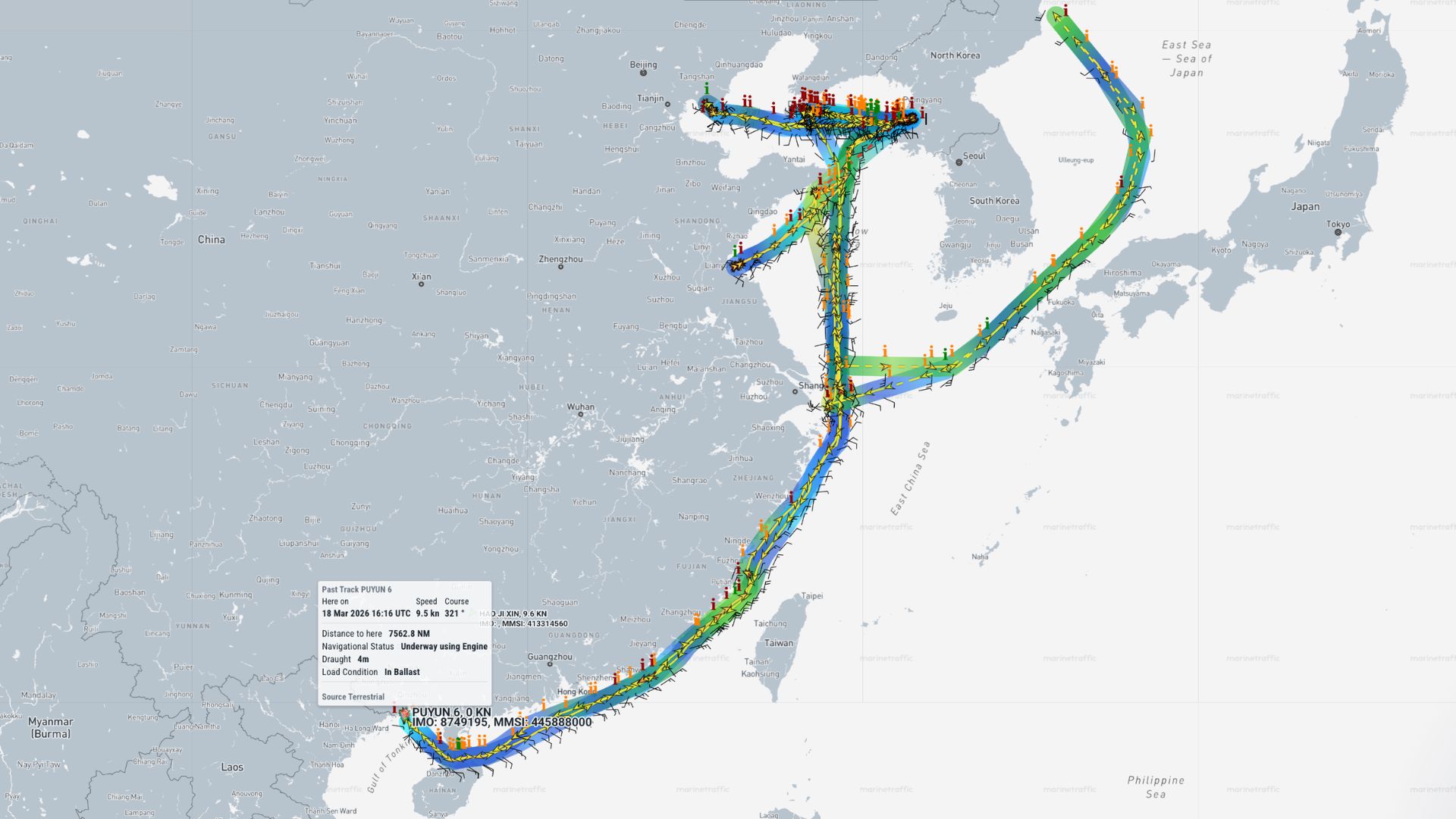
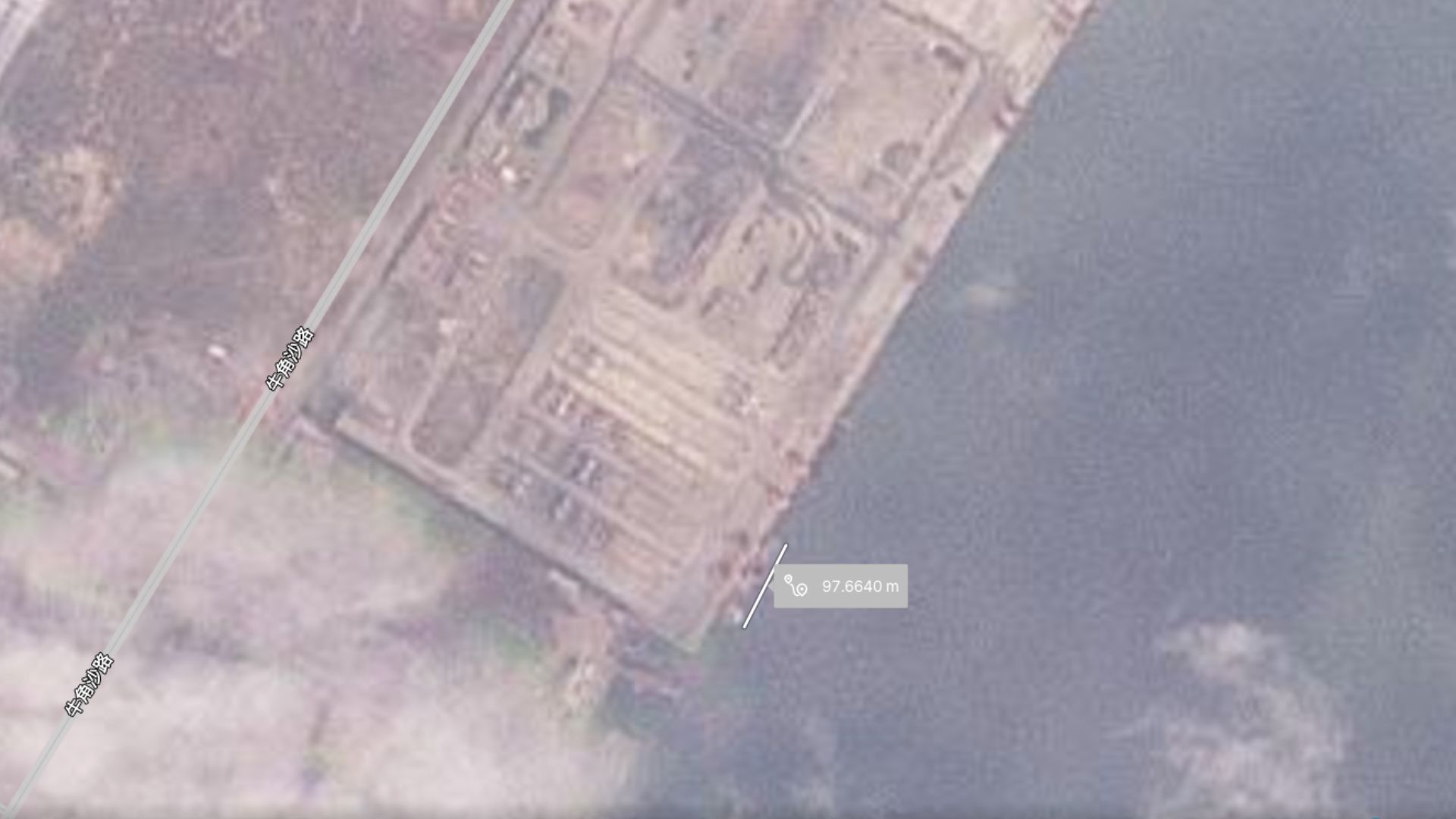
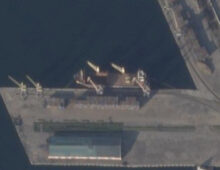
NK Pro analysis of Planet Labs satellite imagery confirmed the vessel’s arrival at Fangcheng, but further information on its cargo was inconclusive due to the low resolution of the images. The Puyun 6 normally sails to Dalian, a known destination for coal and iron, and joined the DPRK’s commercial fleet in 2023 after its illicit acquisition by Pyongyang-based Ryongjin Shipping Company, according to the International Maritime Organization’s database. The acquisition took place even though U.N. Security Council Resolution 2397 explicitly prohibits North Korea from purchasing overseas vessels. It was previously owned by the Hong Kong-based Fotor Young Shipping Ltd, under which it was identified as the Pegasus and flew under the Cameroonian flag, according to the Tokyo Memorandum of Understanding database containing the ship’s safety inspections. While it’s unclear if the Puyun 6 delivered or picked up cargo at Fangcheng, experts told NK Pro that the its voyage merits attention against the backdrop of China continuing to condone North Korea’s illicit smuggling activities. Former members of the U.N. Panel of Experts Katsu Furukawa and Neil Watts said the reappearance of a DPRK-flagged vessel in southern China comes after North Korean boats carried out illegal ship-to-ship transfers as far south as the Gulf of Tonkin prior to the pandemic. “The unusual point appears to be that the DPRK ship transparently navigates the high seas by turning on AIS (automatic identification system) through the entire route,” Furukawa said. He explained that because the DPRK acquired the vessel in violation of U.N. sanctions, “China is obliged to deny the entry of this ship into its ports.” “China has also clearly violated the U.N. sanctions,” he added. “The Chinese are getting more blunt in not hiding their illegal activities.” The Puyun 6’s voyage follows those of multiple DPRK oil tankers, including those subject to international sanctions, cruising through Chinese waters and likely engaging in smuggling activities. In the latest case involving oil tankers, NK Pro documented the U.N.-sanctioned Chon Ma San possibly refueling another DPRK vessel near Japan after a trip from the Taiwan Strait in early February. Watts said that Chinese authorities demonstrated a “brazen disregard” for receiving a vessel from a “sanctioned jurisdiction and a total disregard for any consequences.” The Puyun 6’s voyage indicates a “shift in China’s approach to … sanctions enforcement to the total disregard of international commitments,” including those concerning U.N Security Council resolutions, he added. Edited by David Choi © Korea Risk Group. All rights reserved. |

October 15, 2026Oct 15, 2026

The ultimate resources for professionals working on North Korea
 SHARE
SHARE COPY LINK
 X
X MASTODON