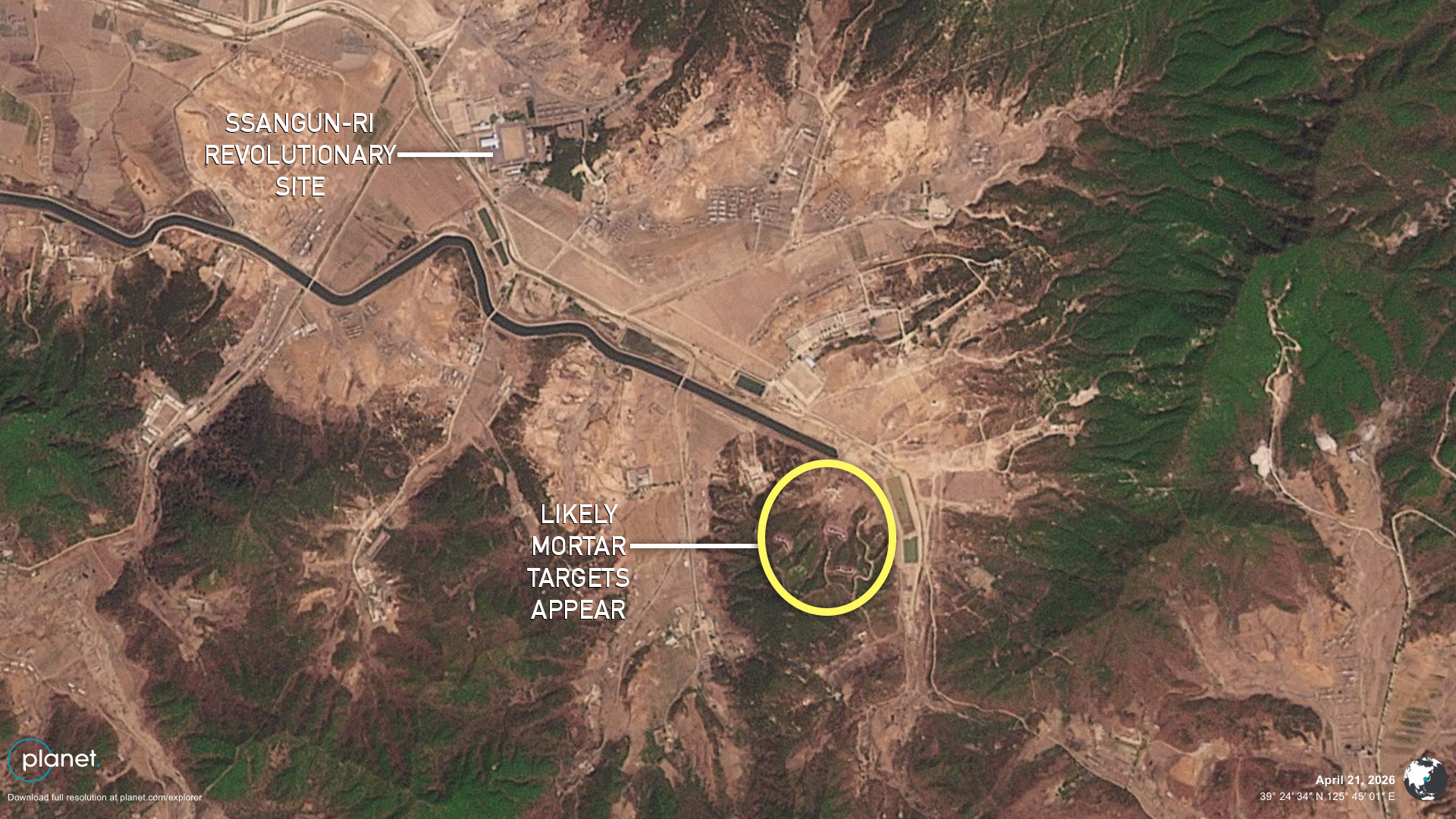
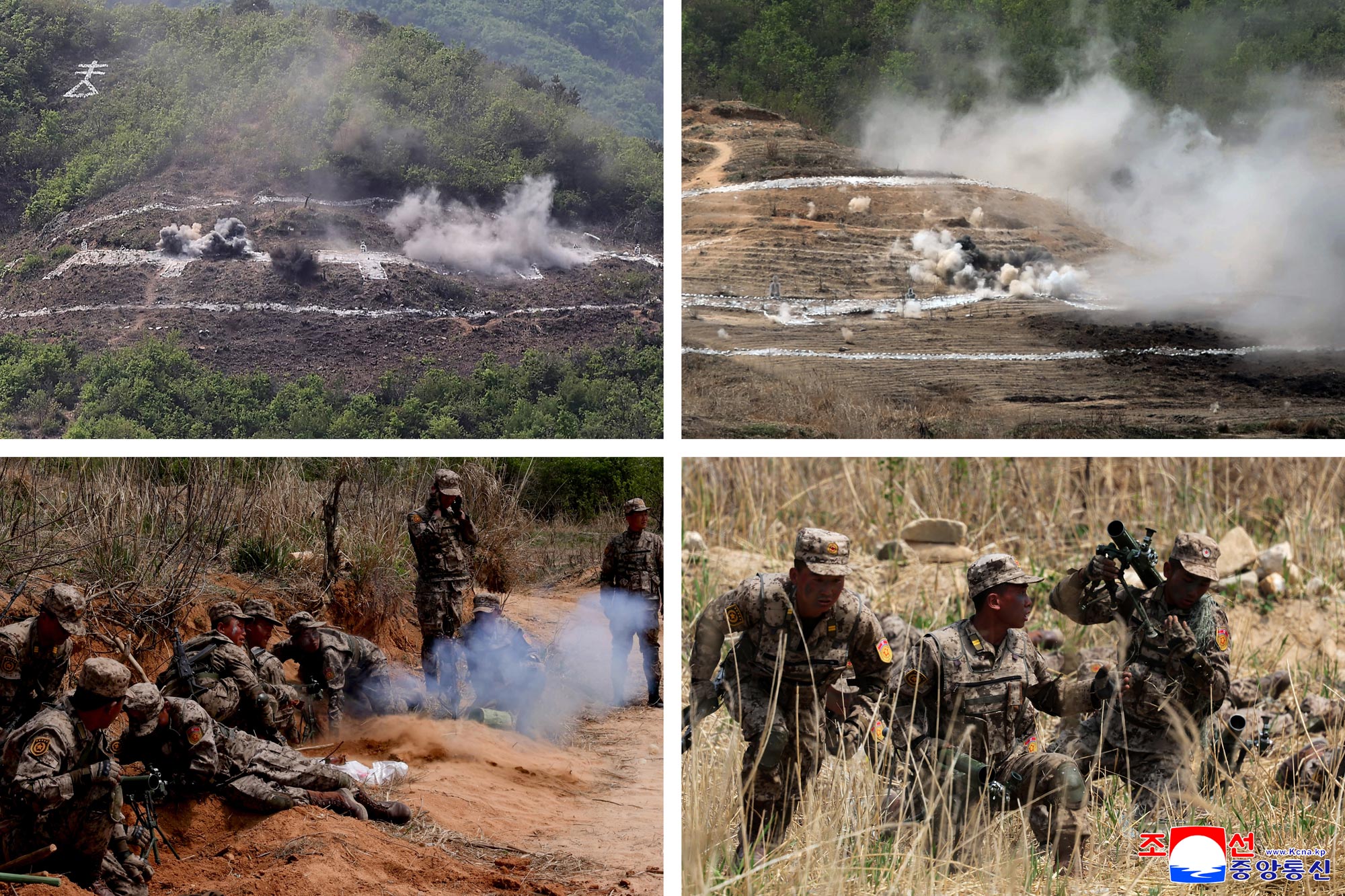
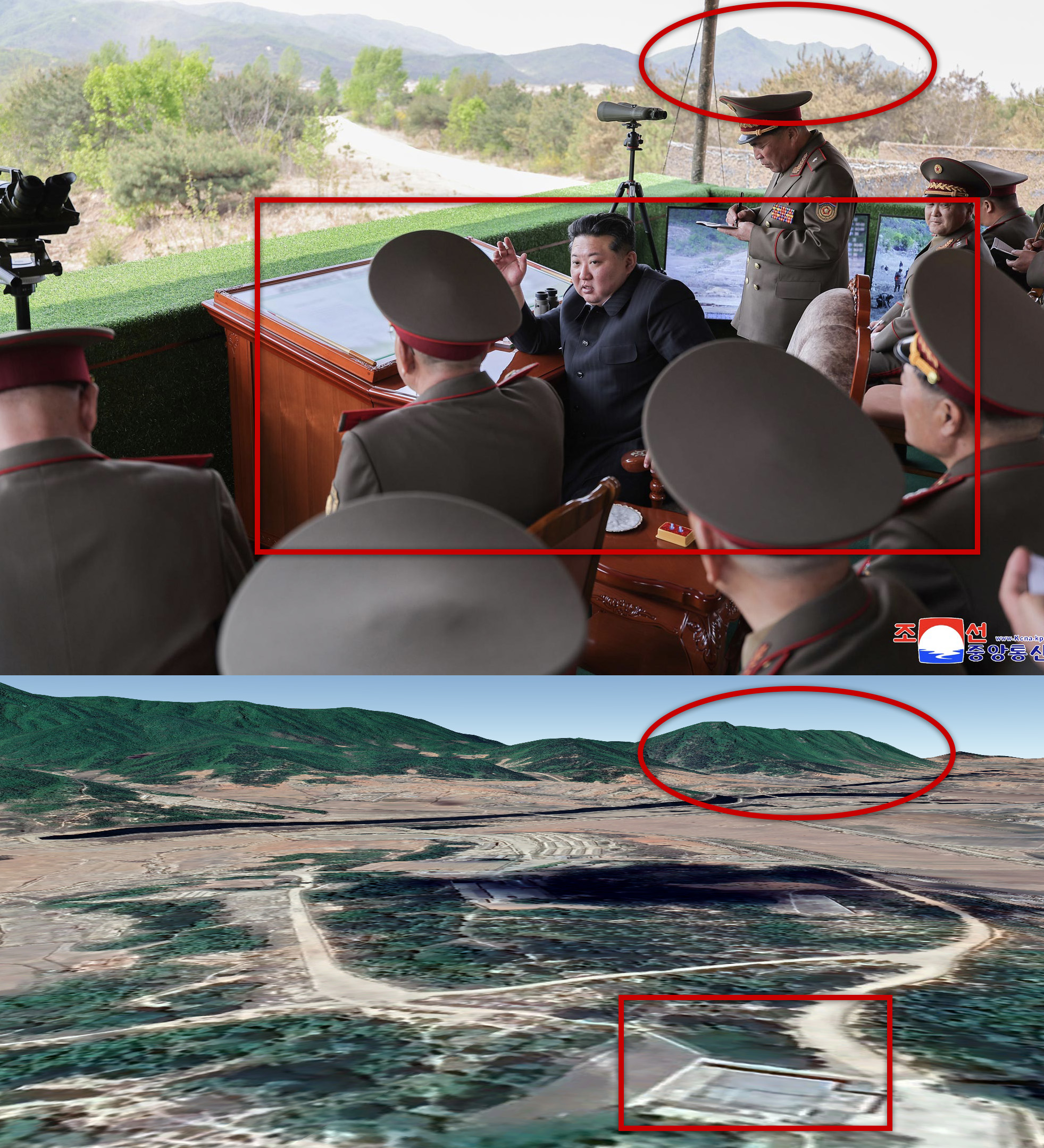
  Investigations North Korean military base located after recent Kim Jong Un visitNK Pro identifies 425th Mechanized Infantry Division, former base of tank unit lauded for invading Seoul  The location of a major North Korean mechanized infantry unit’s headquarters has been identified, according to NK Pro analysis of state media, following a recent visit to the base by leader Kim Jong Un. The Korean Central News Agency (KCNA) reported late April that Kim visited “a combined unit under the Korean People’s Army (KPA) mechanized infantry division in the western area” of the country, but did not specify which base. NK Pro has found that senior officers of the 425th Mechanized Infantry Division (제425기계화보병사단) hosted Kim at the Ssangun-ri Revolutionary Site (쌍운리혁명사적지) in Sukchon County, South Phyongan Province, to the northwest of the capital for the April 25 visit. A “firing contest of mortarmen of light infantry units under the large combined units at all levels,” which Kim reportedly watched on the same day, also appeared to take place at a sprawling training facility nearby to the east of the Ssangun site. The location of the division headquarters was not previously known, though some South Korean websites have reported it was in Jongju City in North Phyonan Province. North Korea in the past called the division the 425th Mechanized Corps (제425기계화군단). 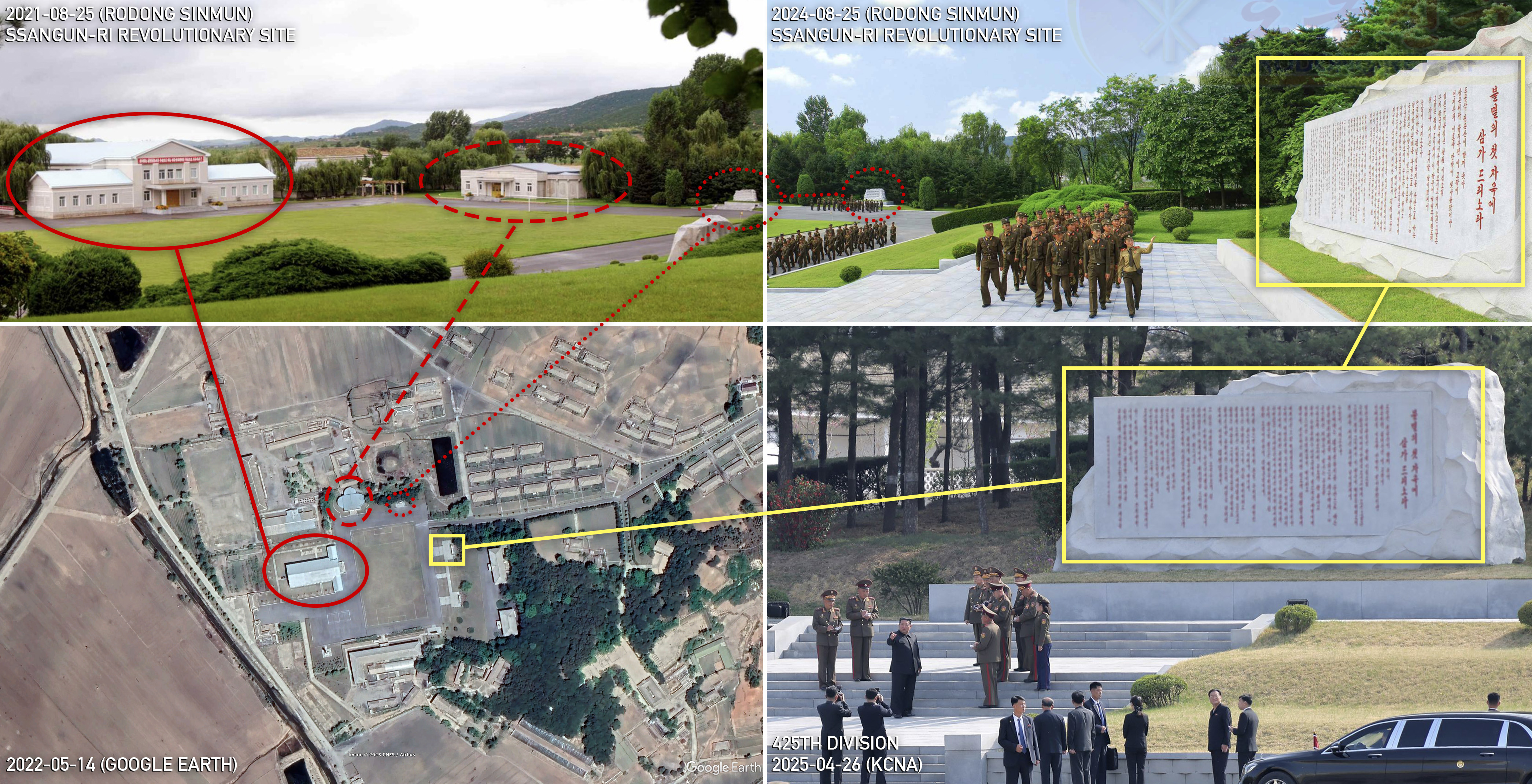 Though KCNA said the visit took place at “the headquarters of the combined unit,” it’s possible the 425th Division is instead based near the training site or one of the numerous apparent military complexes in the area. Kim likely met the commanders and soldiers at the Ssangun-ri Revolutionary Site since it is a well-maintained and already publicly known facility, and it could be managed by the 425th Division, but satellite imagery shows it is much smaller than other corps-level headquarters. Kim probably chose to visit the 425th Division on April 25 since the unit takes its name from a holiday celebrated on that date, which state propaganda calls the founding anniversary of the Korean People’s Revolutionary Army. Official propaganda more closely associates Ssangun-ri with a different holiday, Songun Day, since this is when it says former leader Kim Jong Il established his military-first ideology, or “Songun,” during a visit with then-leader Kim Il Sung on Aug. 25, 1960. Pyongyang began celebrating Aug. 25 as Songun Day only in the late 1990s and belatedly made claims about its roots from the 1960s. But state media has downplayed this holiday since 2019 as Kim Jong Un has sought to take more personal credit for the country’s military development. Last month’s report also did not mention Songun Day, instead focusing on another aspect of the 1960 visit that state media highlighted more in recent years: that Kim Jong Il introduced the core military slogan “of defending the Party Central Committee unto death” on that same day. North Korea’s Seoul Ryu Kyong Su Guards 105th Tank Division, often lauded in state media for invading the South Korean capital during the Korean War, was reportedly headquartered at Ssangun-ri at the time of the 1960 visit. The 105th tank division later moved to central Sariwon City, closer to the inter-Korean border. Kim Jong Un visited the 105th Division on the first day of 2012, just days after becoming leader, as well as in March 2024, NK Pro previously found. 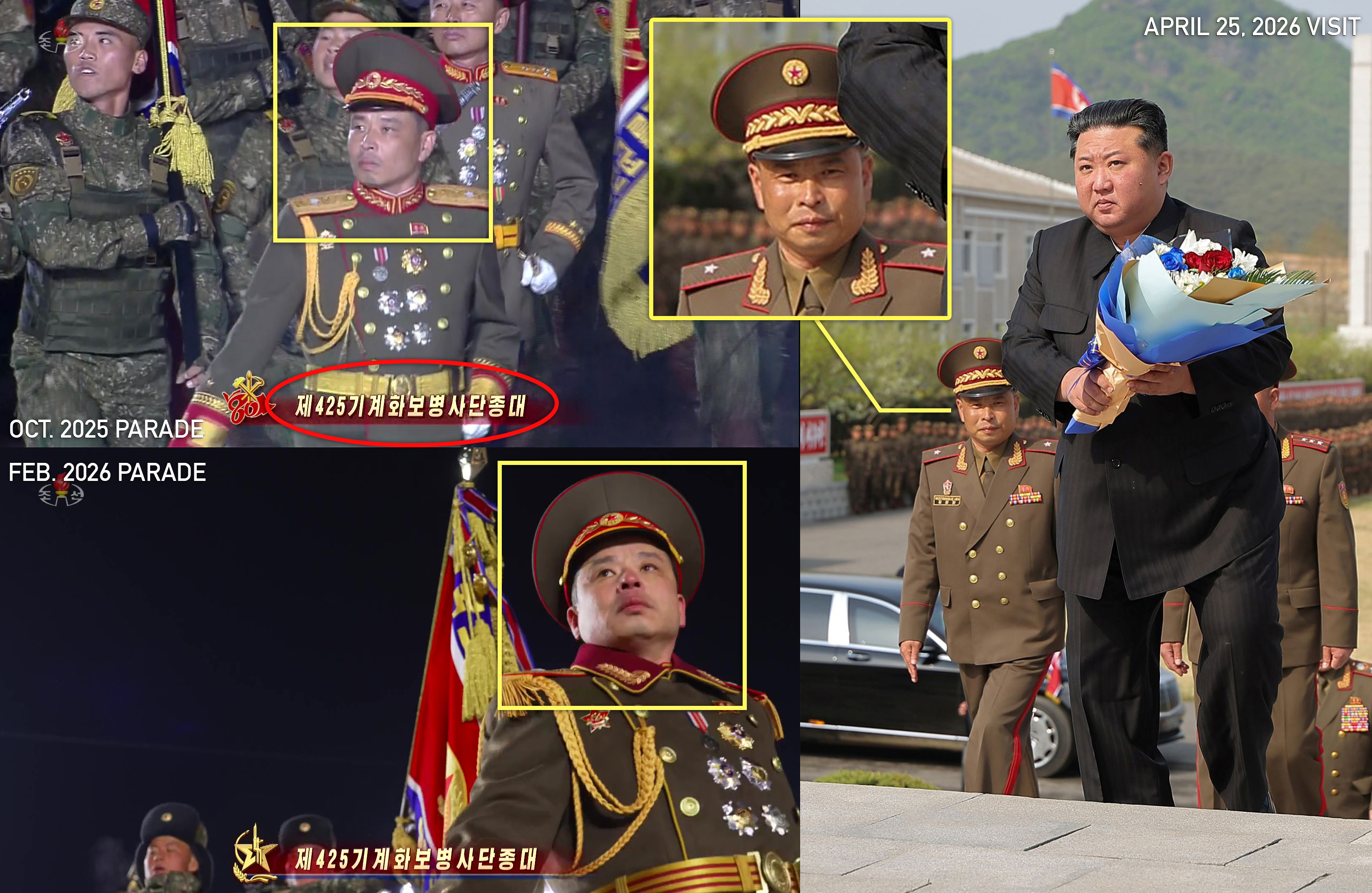 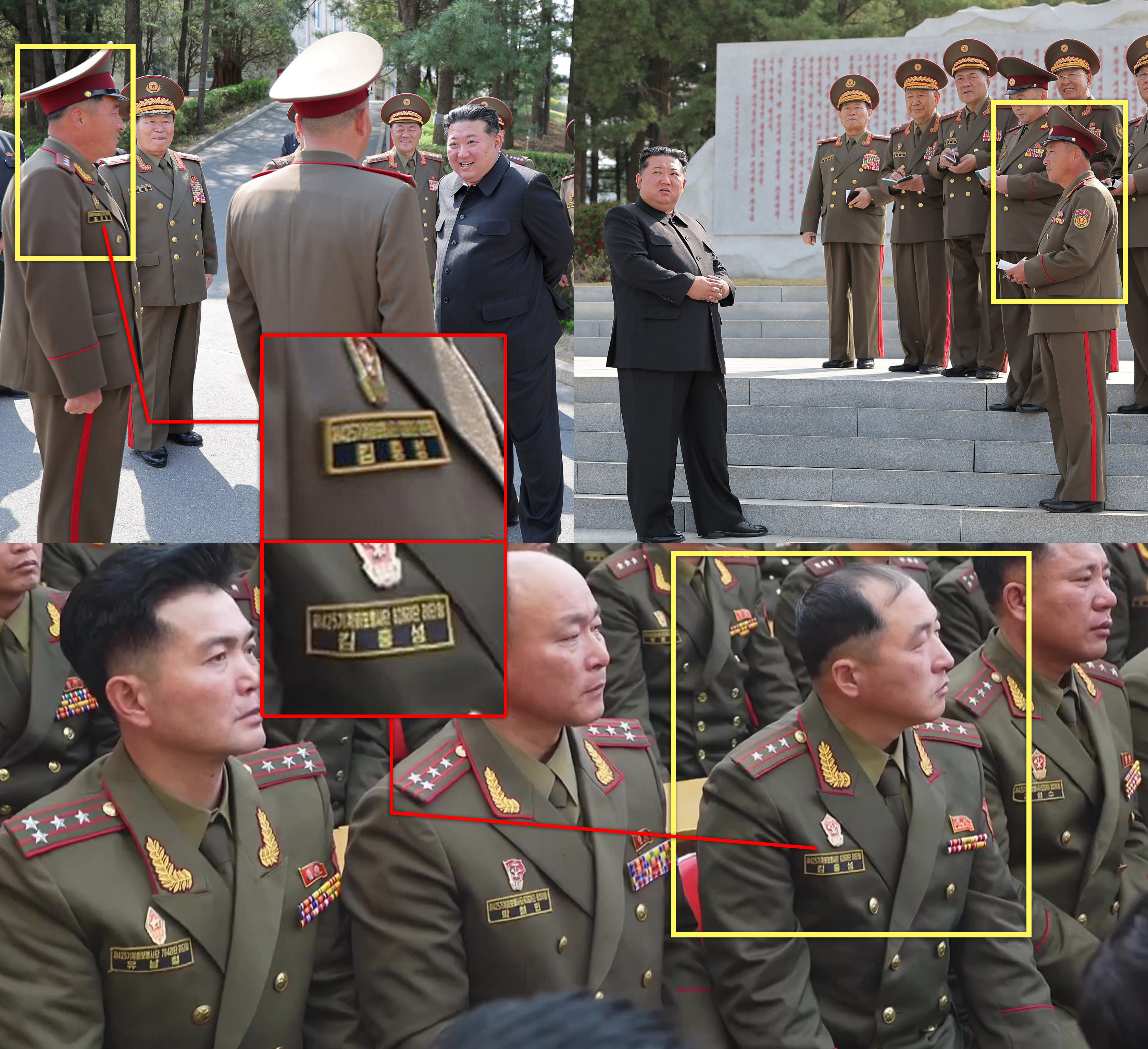 THE EVIDENCE The clearest evidence that the unnamed “combined unit under the KPA mechanized infantry division” was the 425th Division is that its commander, Maj. Gen. Kim Hyong Jin (김형진), appeared to guide Kim Jong Un during the visit. Kim Hyong Jin led soldiers from the division in marching formation during major military parades in the capital in Oct. 2025 and Feb. 2026. A colonel and brigade leader of the 425th Division, Kim Chung Song (김충성), appeared during the visit as well, with the number “425” clearly visible on his nametag during this and a previous appearance in state media. NK Pro separately geolocated outdoor KCNA photos of the April 25 headquarters visit and mortar drills, using satellite imagery and past state media photos to match buildings at the Ssangun-ri Revolutionary Site and surrounding mountain features. Planet Labs satellite imagery also shows that large new lines or installations appeared between April 18 and 21 on the sides of mountains at the training area, just one mile (1.5km) to the southeast of the Ssangun-ri site. These are likely the white target lines that appeared on the mountains in photos of the mortar drills. 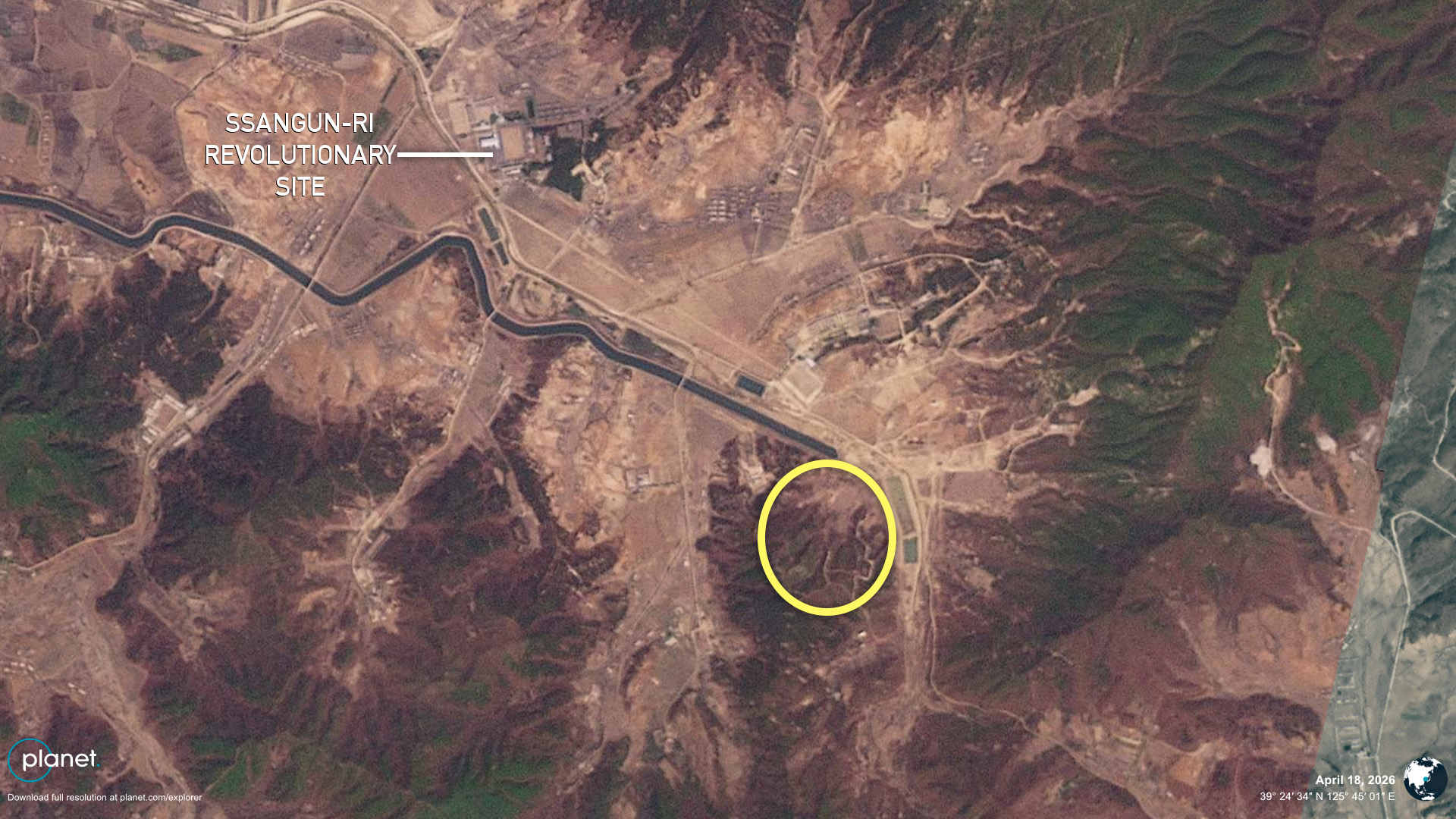
  Edited by David Choi © Korea Risk Group. All rights reserved. |

October 21, 2026Oct 21, 2026

The ultimate resources for professionals working on North Korea
 SHARE
SHARE COPY LINK
 X
X MASTODON