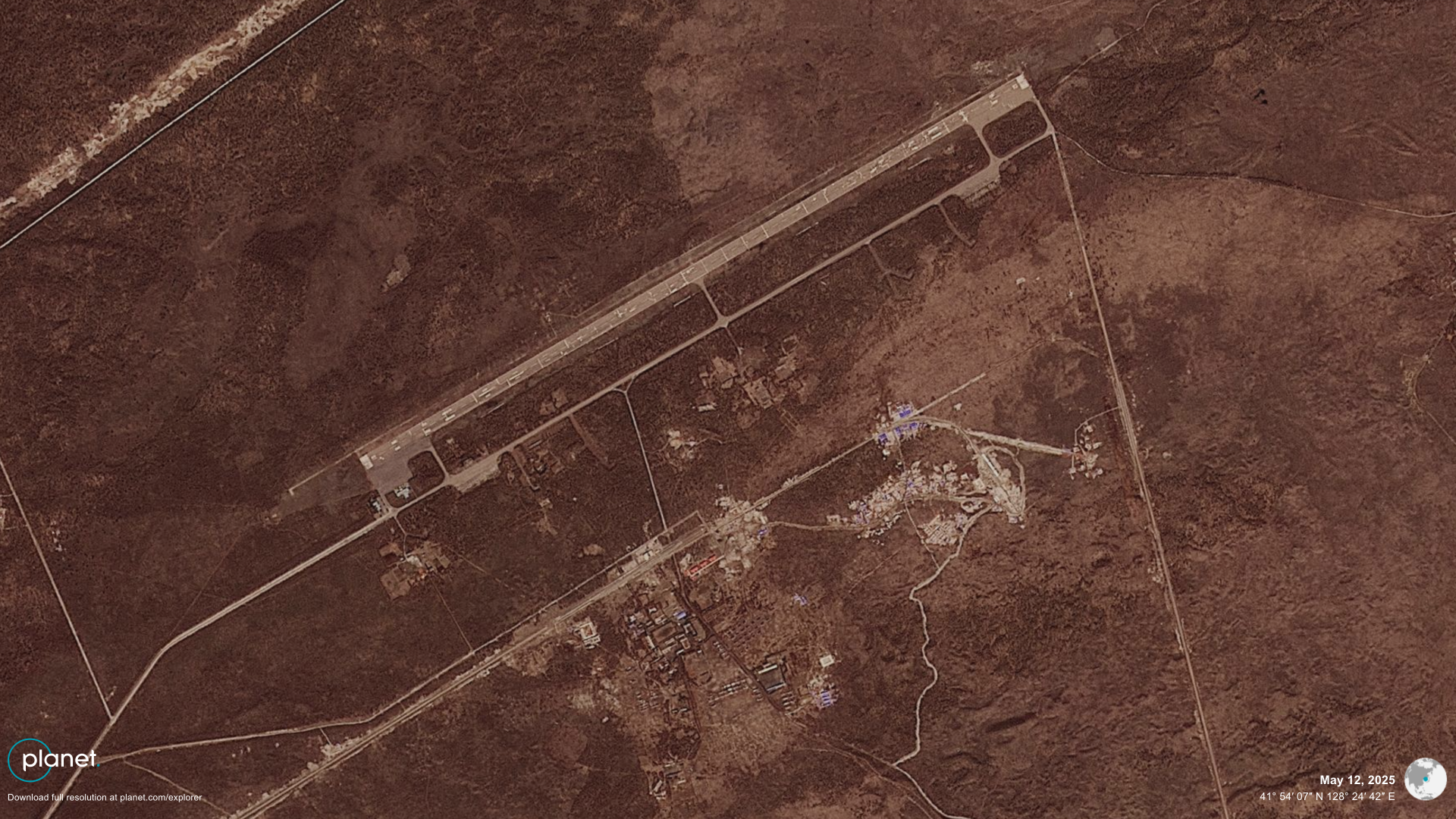
  Investigations North Korea reveals look of new ‘international airport’ on Chinese borderSamjiyon airport and train station project are part of Kim Jong Un’s plans to ‘revitalize international tourism’  North Korea has revealed the look of a large new “international airport” and rail station under construction near the border with China, one year after leader Kim Jong Un announced the project as part of plans to boost tourism. State TV aired a 3D render of the project on Friday, showing a multi-story Samjiyon International Airport terminal building that connects to a three-platform rail station. The existing 2-mile (3.3 km) airport runway appears slated for minor upgrades like resurfacing, adding parking aprons and rearranging taxiways, according to blueprints displayed on site that were partially visible in the Korean Central Television (KCTV) footage. 

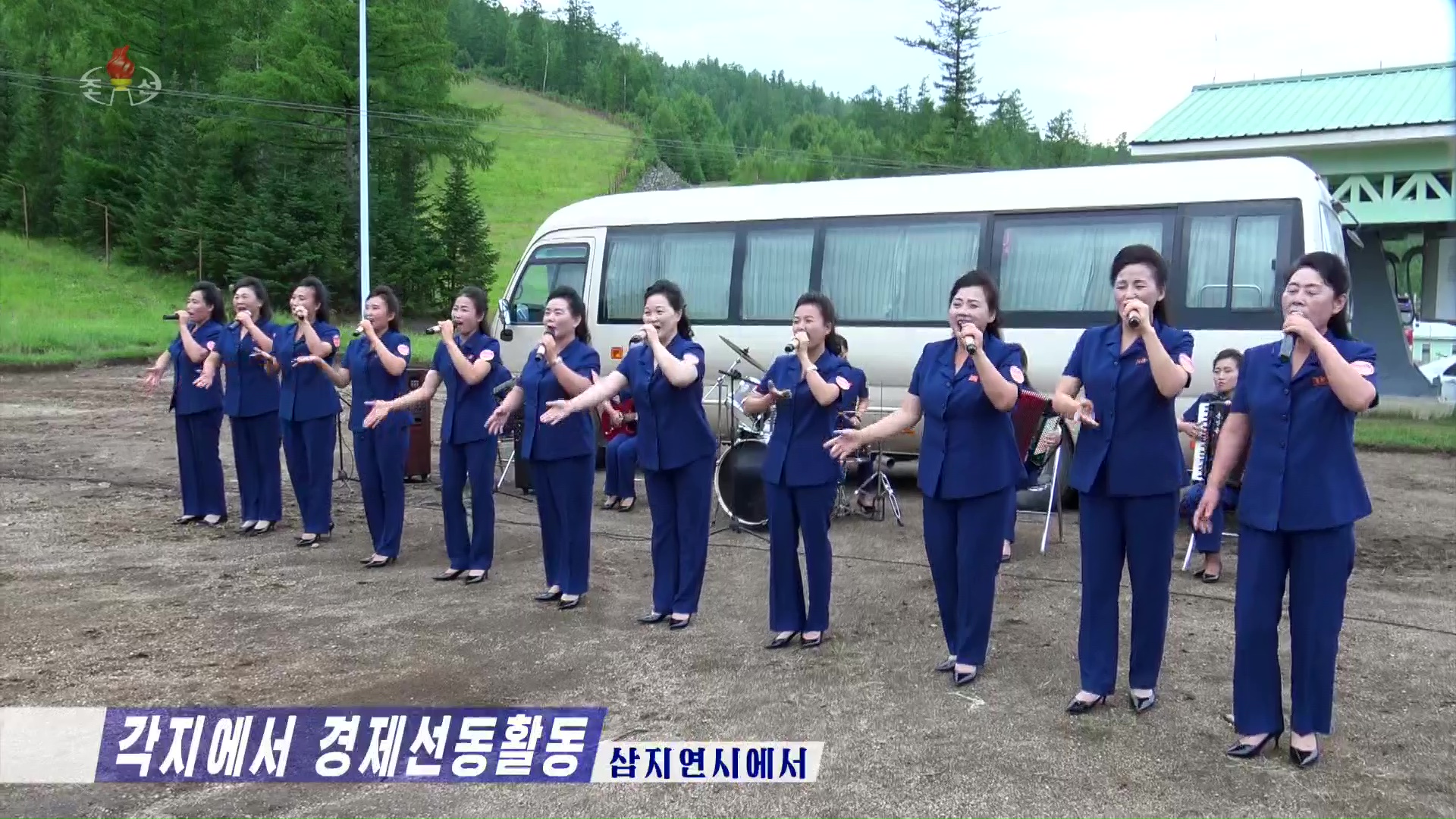

 The airport previously doubled as an air force base but appears to have mainly serviced domestic Air Koryo civilian flights since around 2014. NK Pro was first to report on the start of the new airport construction in May. Since then, workers appear to have made progress on the terminal and rail station foundations, as well as a 13.5-mile (22 km) rail line looping around to link the city of Samjiyon to the airport and a large new ski resort, Planet Labs satellite imagery shows. As there is no rail connection to China located 18 miles (30 km) to the north of the airport, the station appears set to facilitate access to the city and resort for domestic and international visitors flying in. North Korea is also slowly working to improve the main road from China to the north, imagery shows, while local authorities across the border are building a large new customs port likely to facilitate increased trade in Chinese goods to the tourist zone. Some visitors from China may enter Samjiyon at this road port, but flights will likely be more feasible given its remote location 78 miles (125 km) from the nearest Chinese town. 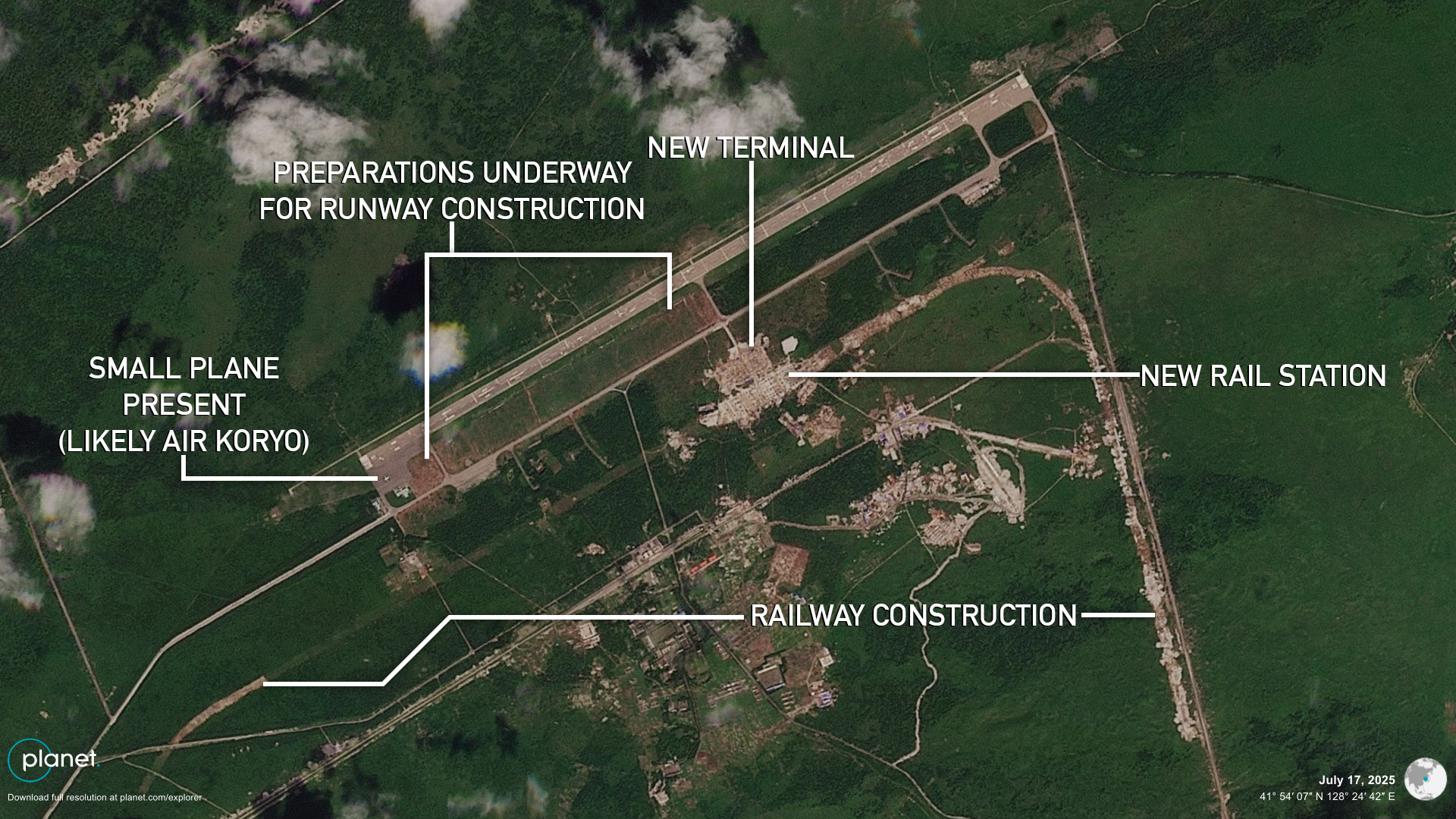

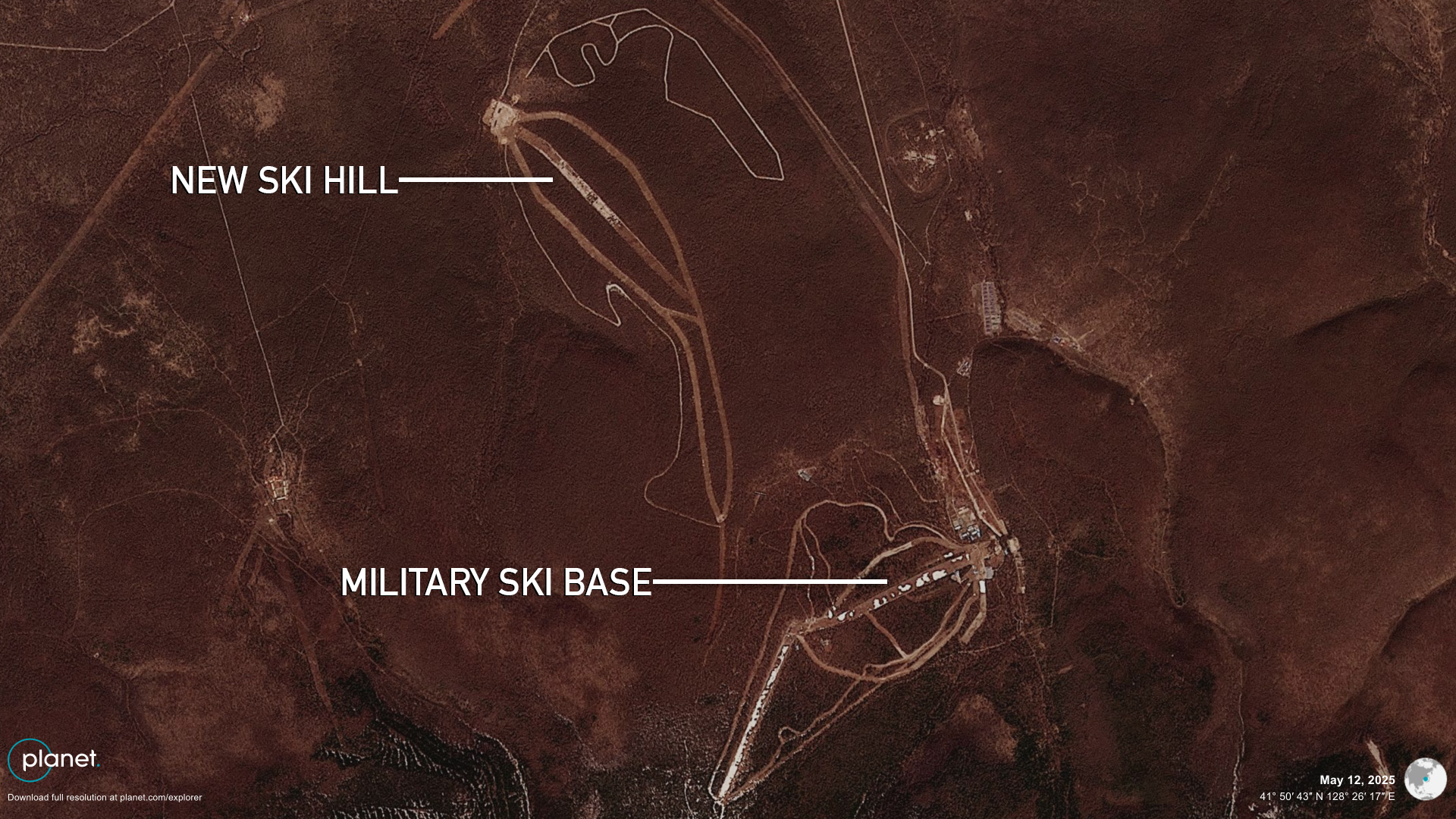
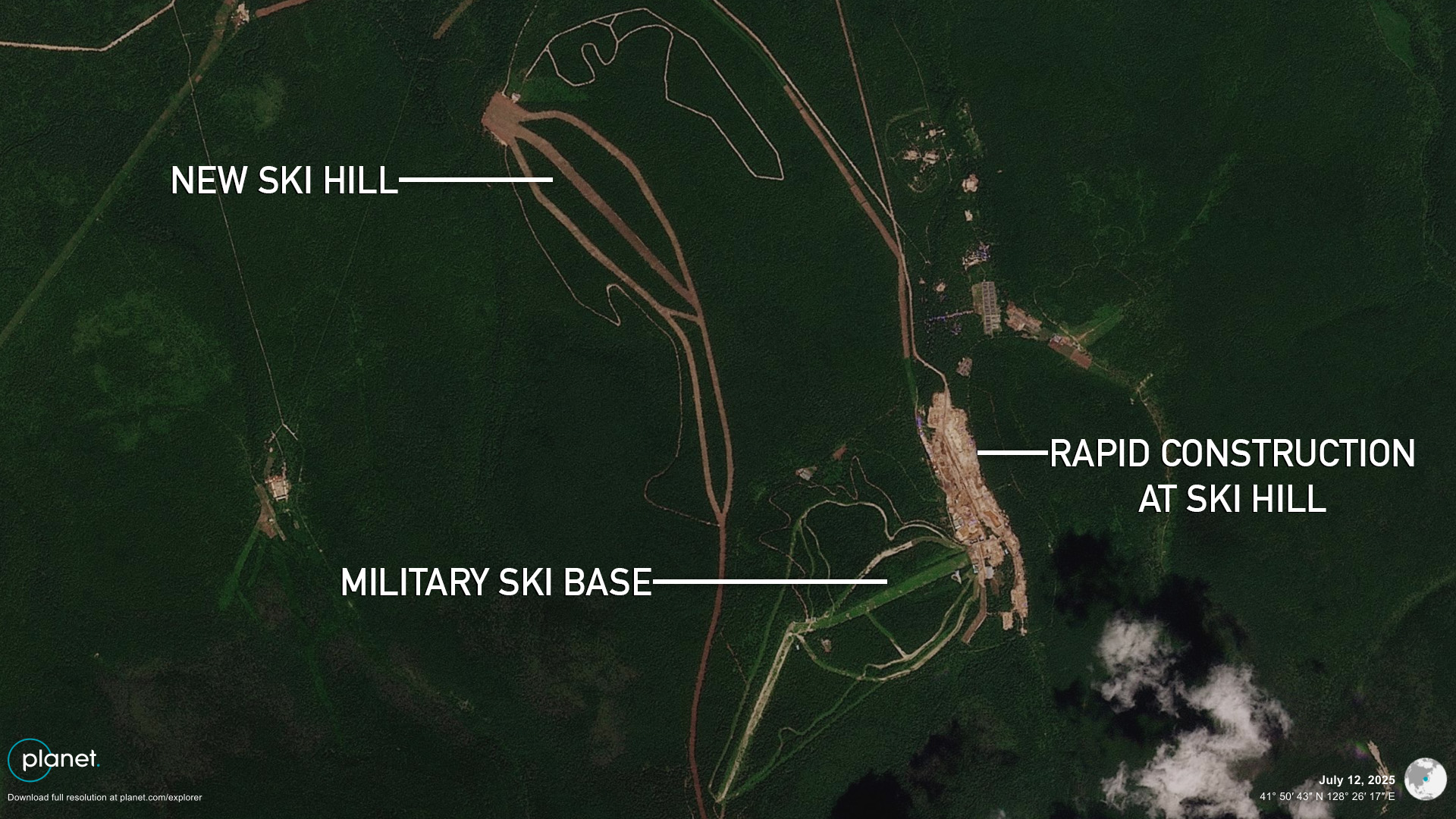
The new ski resort, located just to the south of the airport, consists of a newly built ski hill as well as one that belonged exclusively to Korean People’s Army (KPA) ski combat units until recently. Planet Labs imagery shows rapid construction on new facilities at the base of the former military ski hill since June. Kim Jong Un reportedly said the Samiyon area will “become a tourist zone where friendly foreign friends can feel a unique attraction” during a visit in July 2024, adding that the ski resort and other construction will help “revitalize international tourism.” However, KCTV and other state outlets have also pushed the line in recent days that the newly opened Wonsan Kalma beach resort zone is “temporarily” closed to foreign tourists, with the exception of Russians, articulating what appears to be a nationwide policy. The significant investments in Samjiyon suggest Kim still sees Chinese tourists as a key source of income and path to maintaining friendly relations, while the Chinese ambassador also called for resuming tourism when he visited Samjiyon last month. But it is unknown whether Beijing or Pyongyang is responsible for blocking tourism to the DPRK since Kim lifted the country’s pandemic-related travel ban two years ago. The North Korean leader kicked off the large-scale rebuilding of the entire city of Samjiyon and surrounding towns in early 2018. Most construction wrapped up by late 2021, though work has continued on individual projects throughout the area, like a new hotel atop Pegae Hill in the city center. Despite the major development project, the streets of Samjiyon have consistently appeared mostly empty of cars and pedestrians in recent years, according to NK Pro analysis of state media photos and footage, while shopfronts have appeared empty or closed. Meanwhile, the last new “international airport” North Korea built — at Wonsan Kalma — still has not lived up to its name over a decade since it opened. The airport has only received a few foreign flights in total, and only this month did authorities signal plans to begin full-time operations for domestic visitors to the new attached beach resort. Edited by Bryan Betts © Korea Risk Group. All rights reserved. |

October 20, 2026Oct 20, 2026

The ultimate resources for professionals working on North Korea
 SHARE
SHARE COPY LINK
 X
X MASTODON