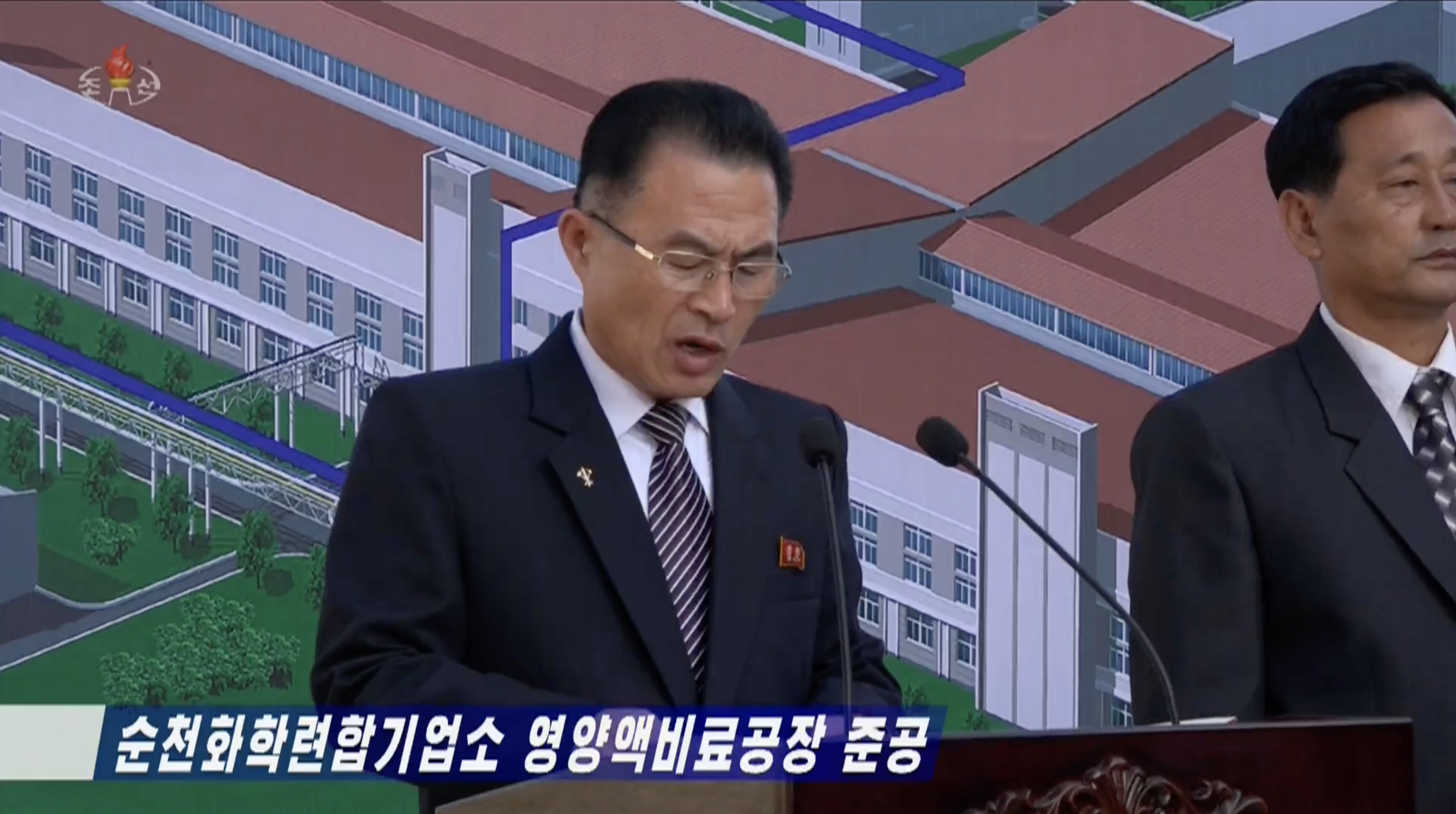
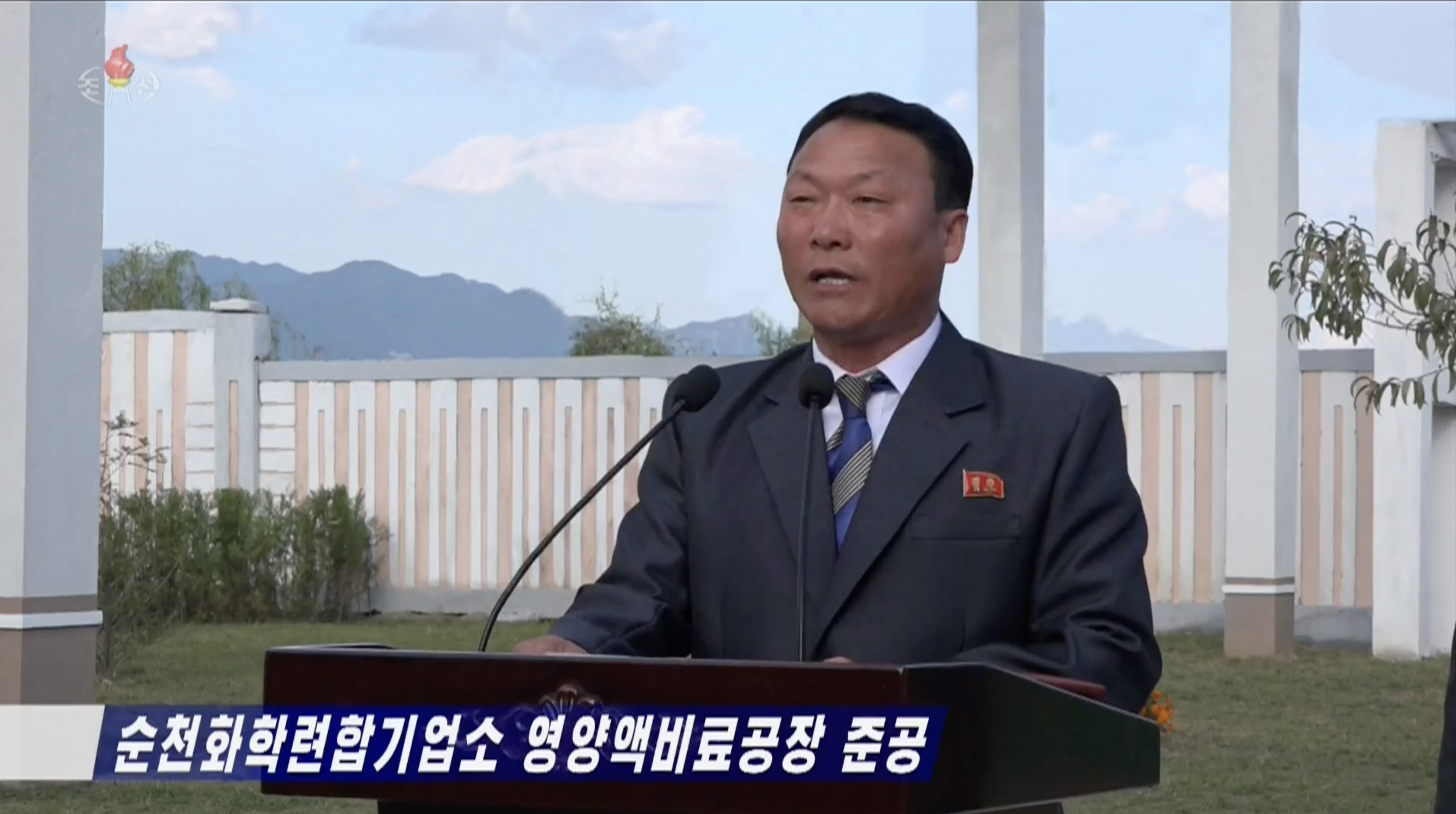
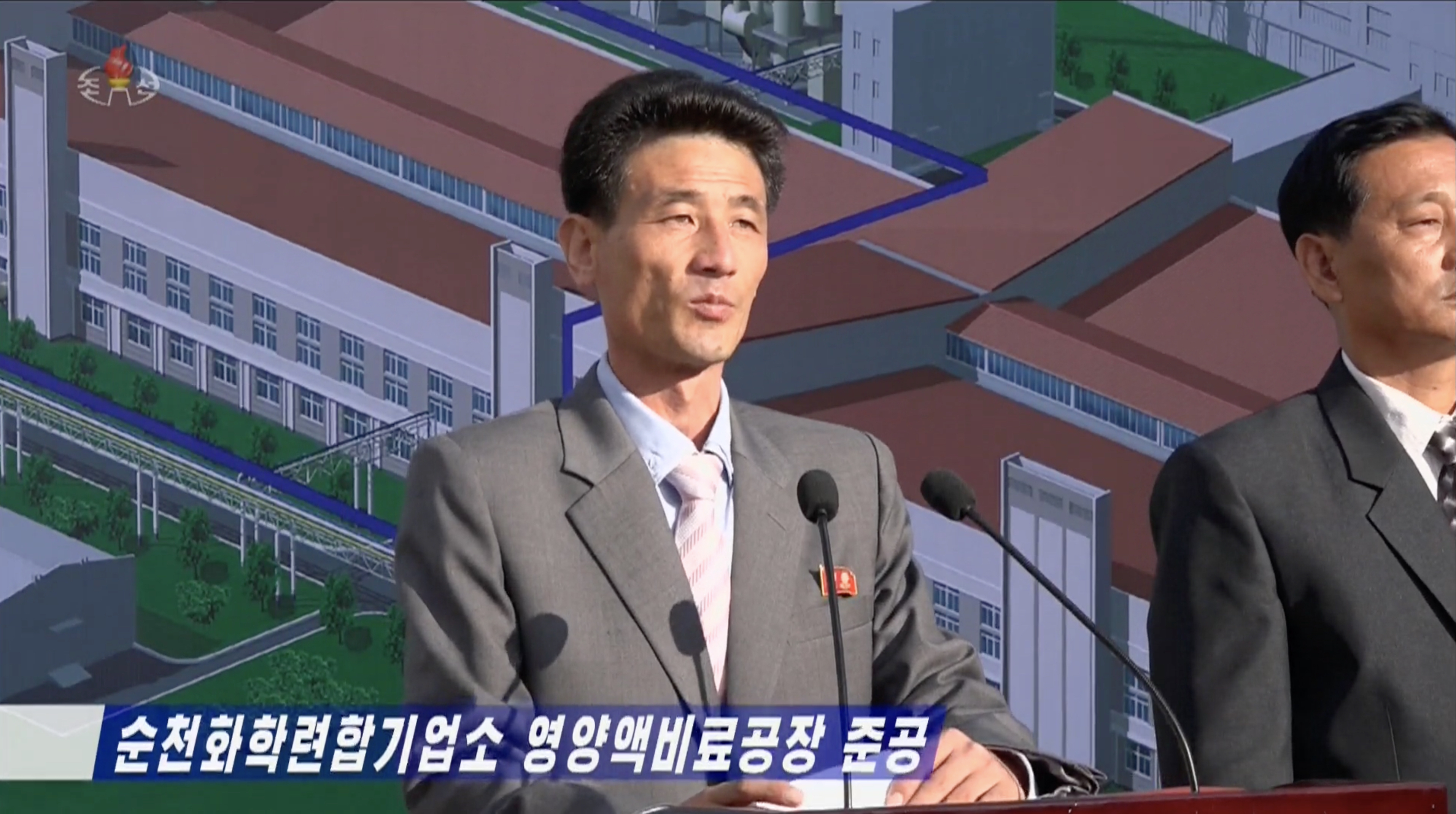
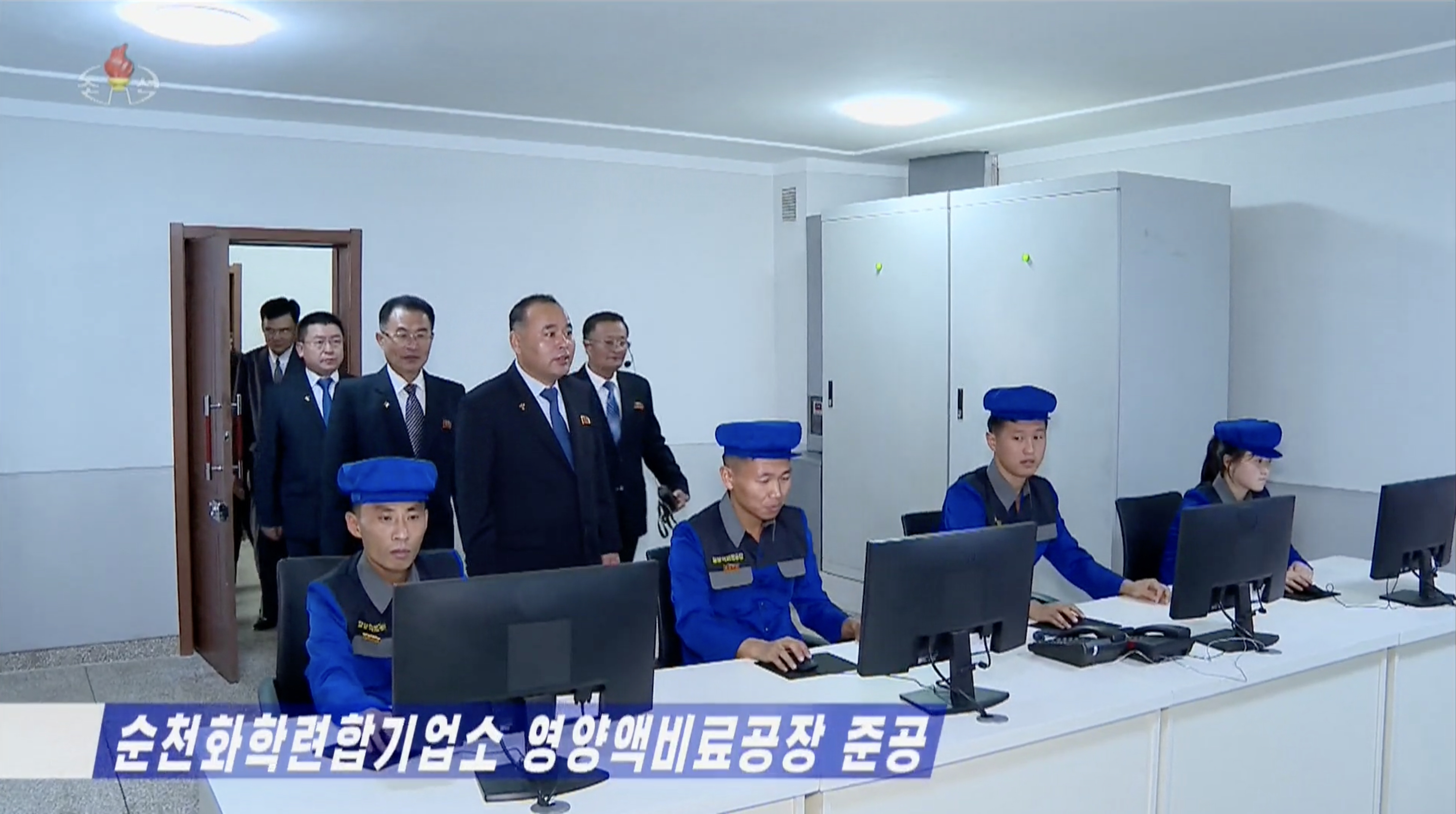
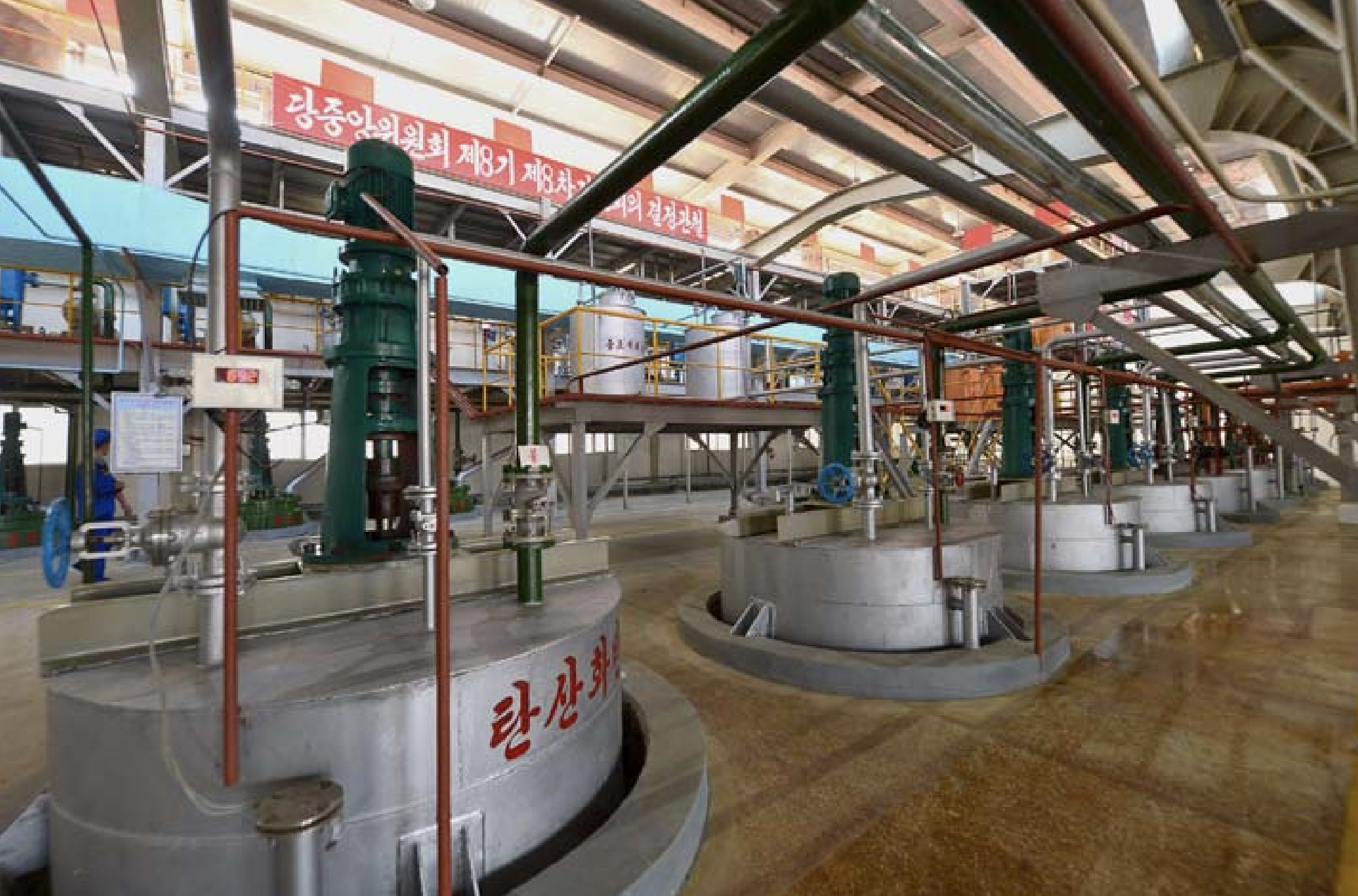
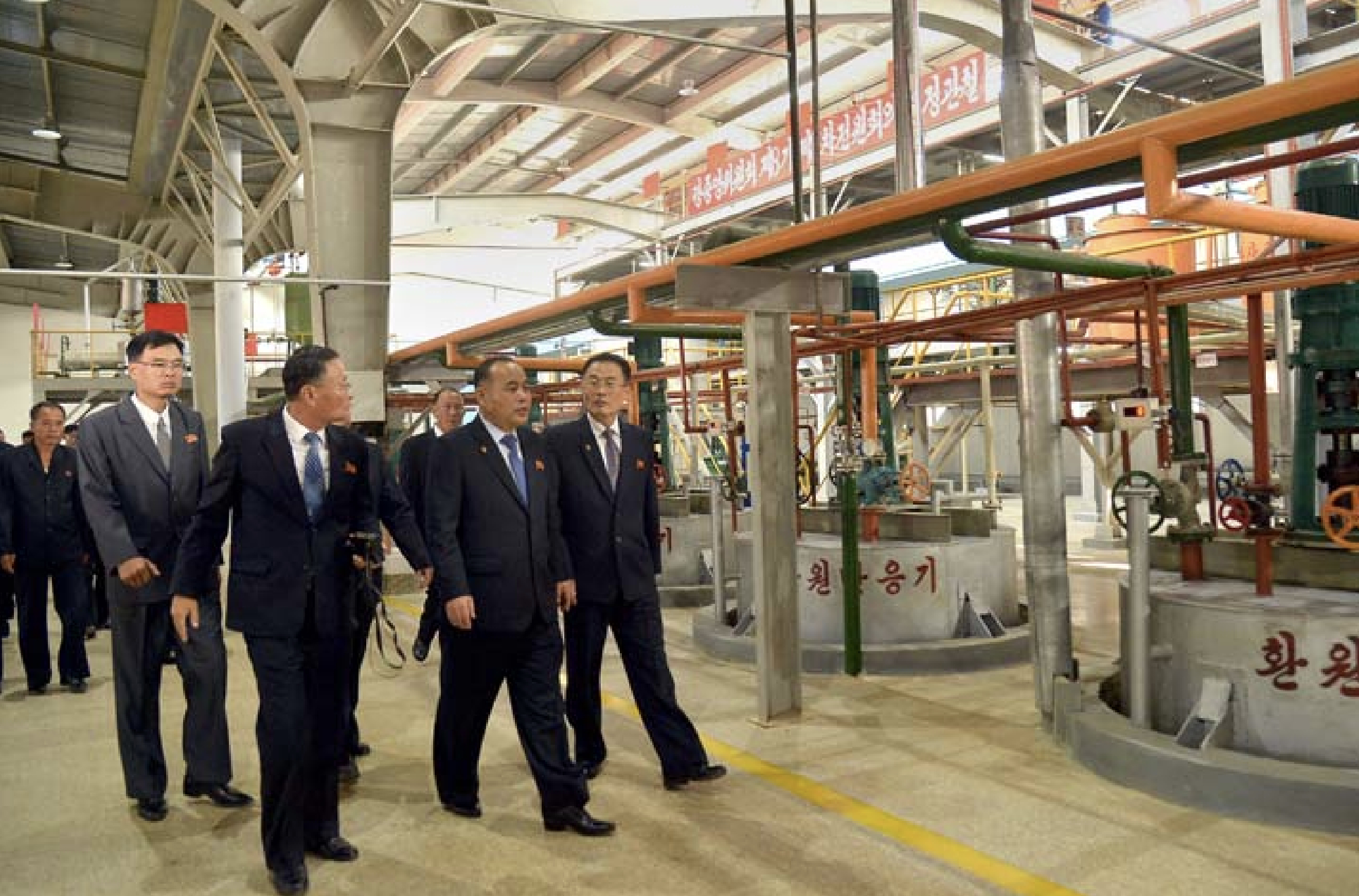
  Analysis North Korea renovates long abandoned factory in quest to address food shortagesNK Pro analysis shows only partial revival of Sunchon Chemical Complex so far, as DPRK looks to build more greenhouses 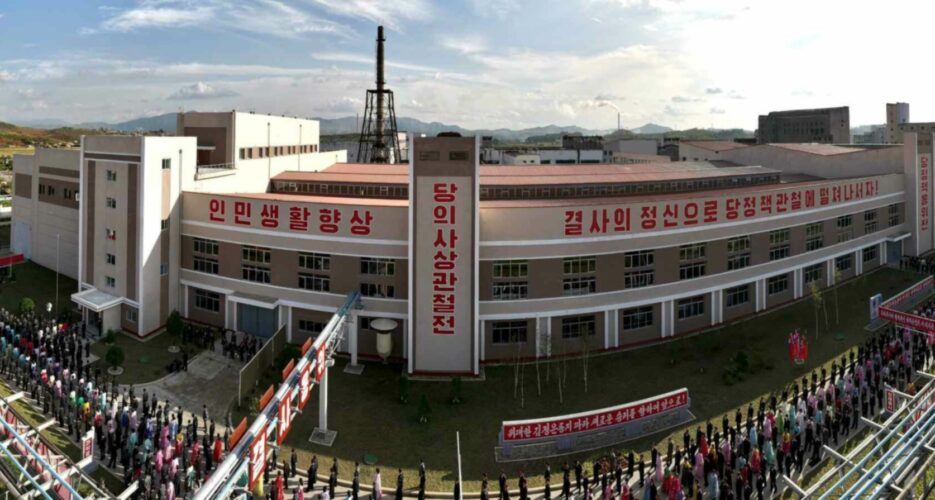 North Korea has heralded the opening of a fertilizer factory to support new greenhouse farm construction and help address chronic food shortages, though satellite imagery suggests the facility is more modest than state media made it seem. The Rodong Sinmun said Thursday that the newly opened “nutrient solution fertilizer factory” is part of the Sunchon Chemical Complex — a large aging complex north of the capital that authorities have sought to revive for years. NK Pro analysis of Planet Labs satellite imagery shows that the fertilizer factory is in fact a building that has existed for decades, which sat abandoned with no roof from 2014 until one was reinstalled starting in January this year. Workers appeared to renovate just one of three connected buildings of similar size in the southeast corner of the old Sunchon Chemical Complex, according to the imagery and a computer render of the factory displayed at the opening ceremony. 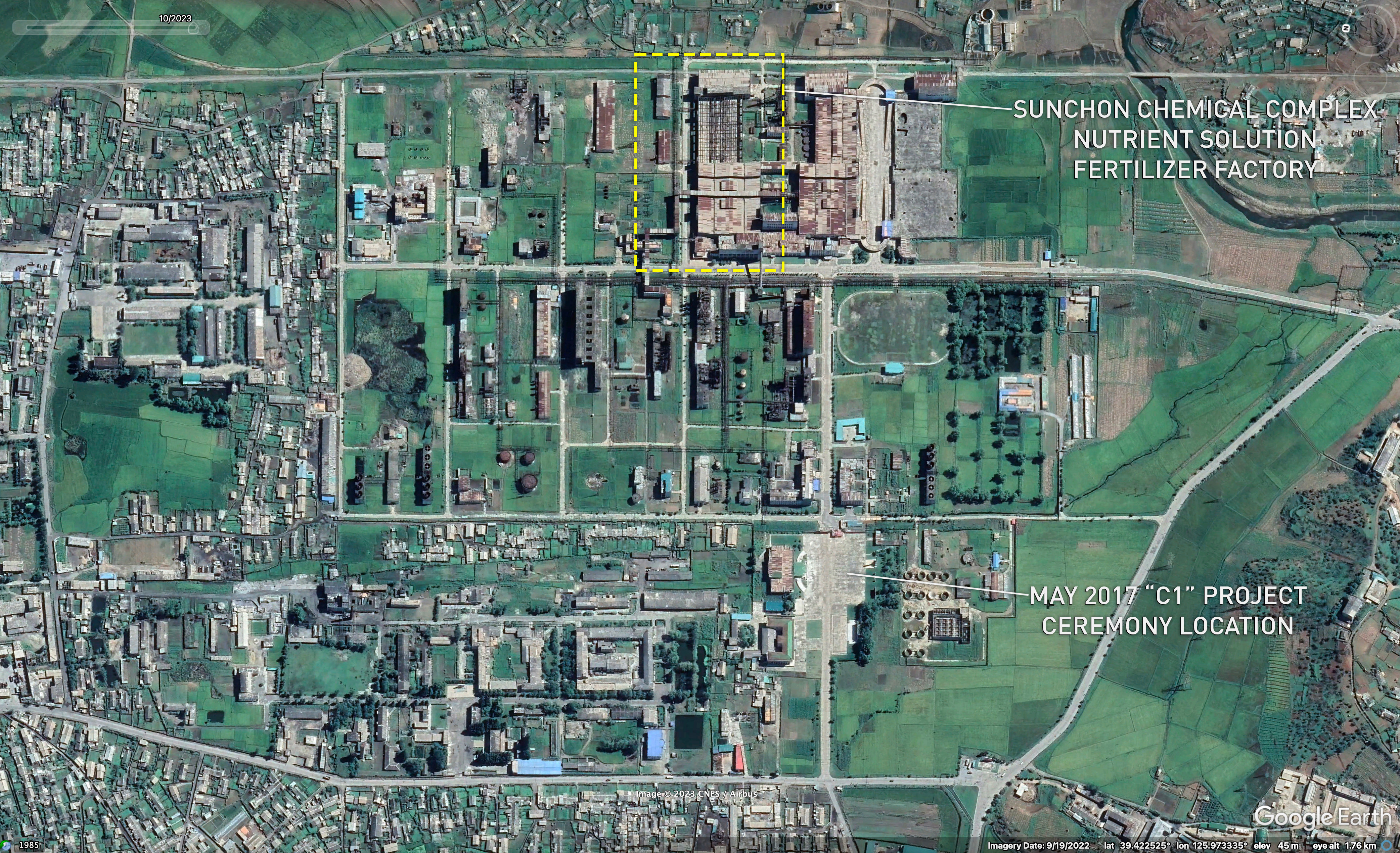
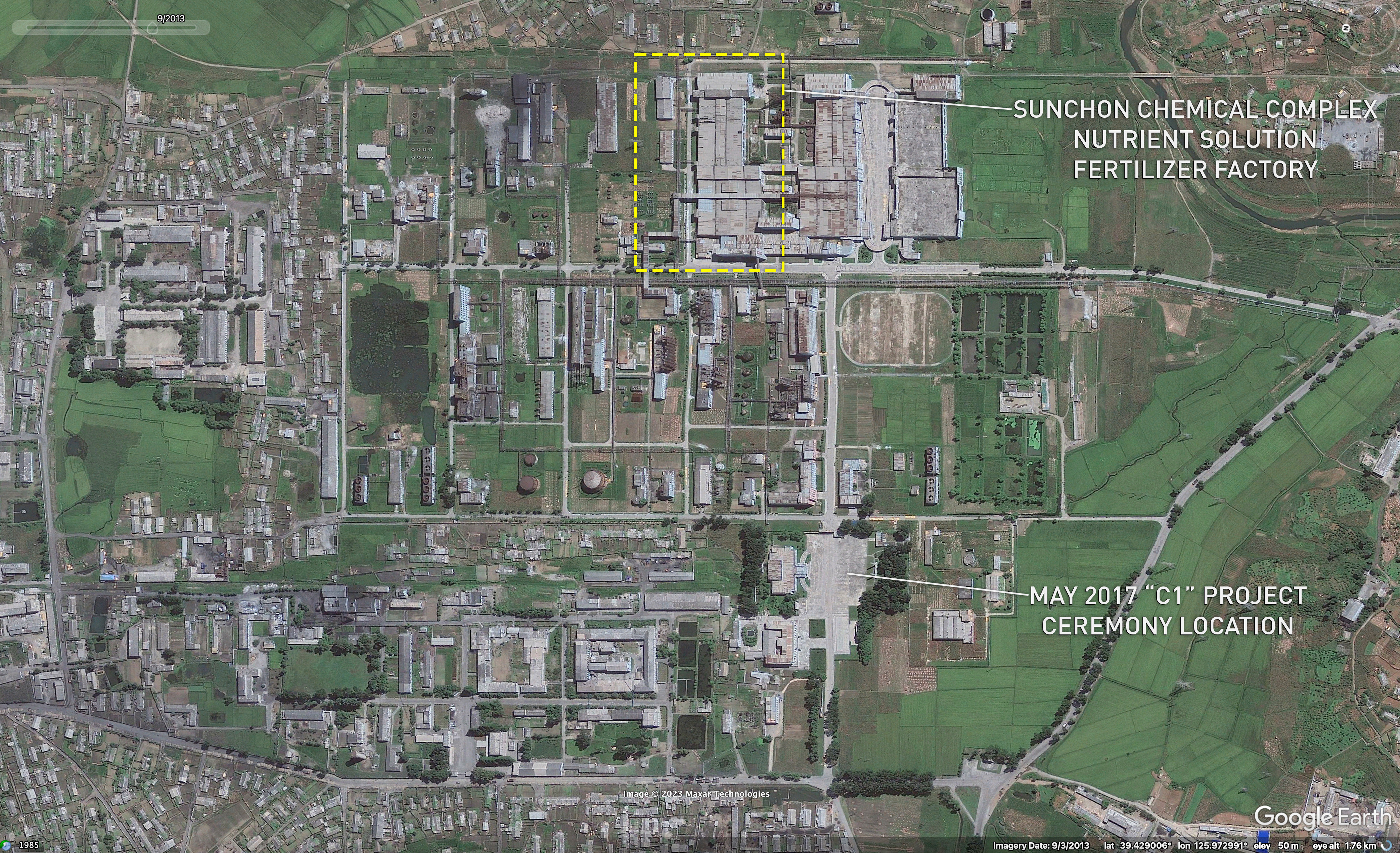
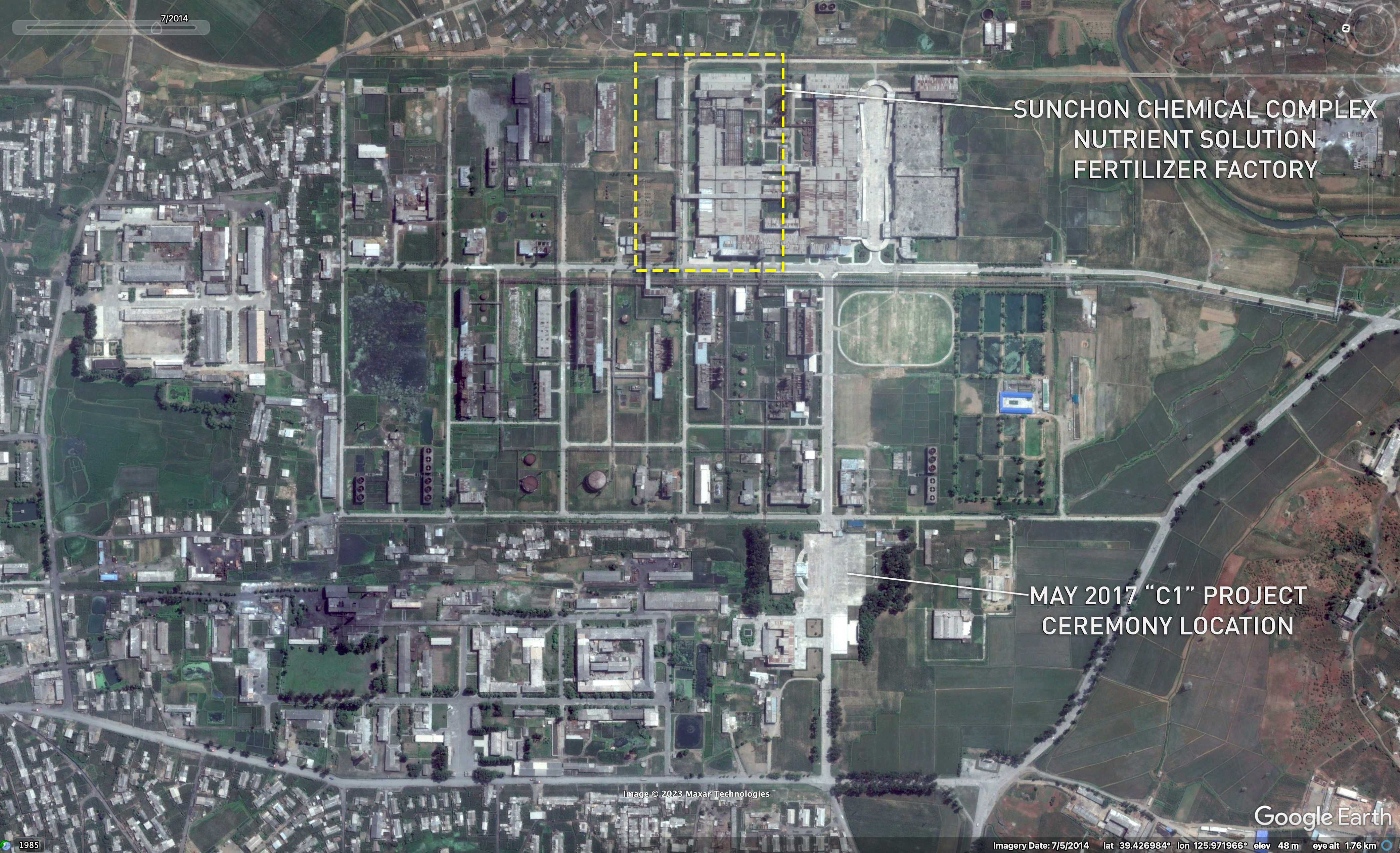
State media reported Thursday that Kim personally oversaw the newer factory’s construction to provide “a material and technical foundation for producing and supplying nutrient solution to greenhouse farms to be newly built in the western region.” Print and TV reports did not elaborate on what type of nutrient fertilizer the factory specializes in. Kim Jong Un officially opened a much larger phosphatic fertilizer factory across town in Sunchon in May 2020 that experts suspect could produce military-use chemicals. But state media has largely ignored the facility in the years since, raising questions over its operational status. Kim previously “called for building similar large-scale greenhouse farms in all provinces” at the east coast Ryonpho Greenhouse Farm opening ceremony last October, which state media has claimed is the largest such facility in the world. 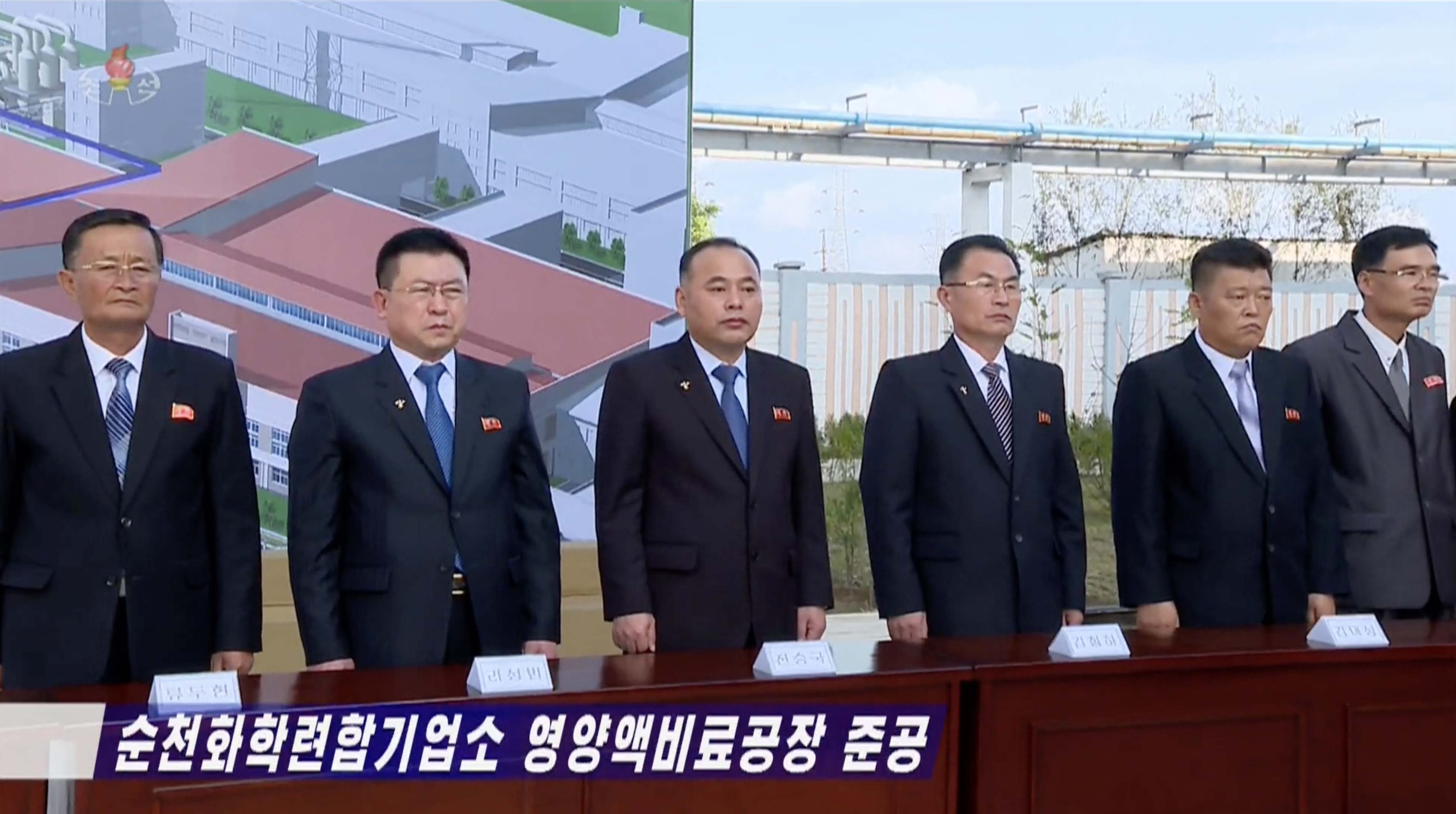
Authorities often couch these projects under the overall goal of addressing “food problems,” with international organizations assessing that the North Korean population is severely undernourished. The Hungnam Fertilizer Complex near Hamhung on the east coast reportedly provides nutrient solution supplies to Ryonpho and the Jungphyong Greenhouse Farm built further up the coast in 2019. Construction on the Kangdong Greenhouse Farm near Pyongyang started earlier this year. All three of these large-scale farms were built on top of demolished air force base runways. The Ryonpho and Kangdong farms are also located in key weapons production and administration hubs, suggesting Kim may have prioritized their construction to benefit workers of the sector he values most. There are not yet any known large-scale greenhouse projects with Kim’s direct backing in western regions, though smaller greenhouse farms have been built in some cities like Kusong, which is another weapons hub. 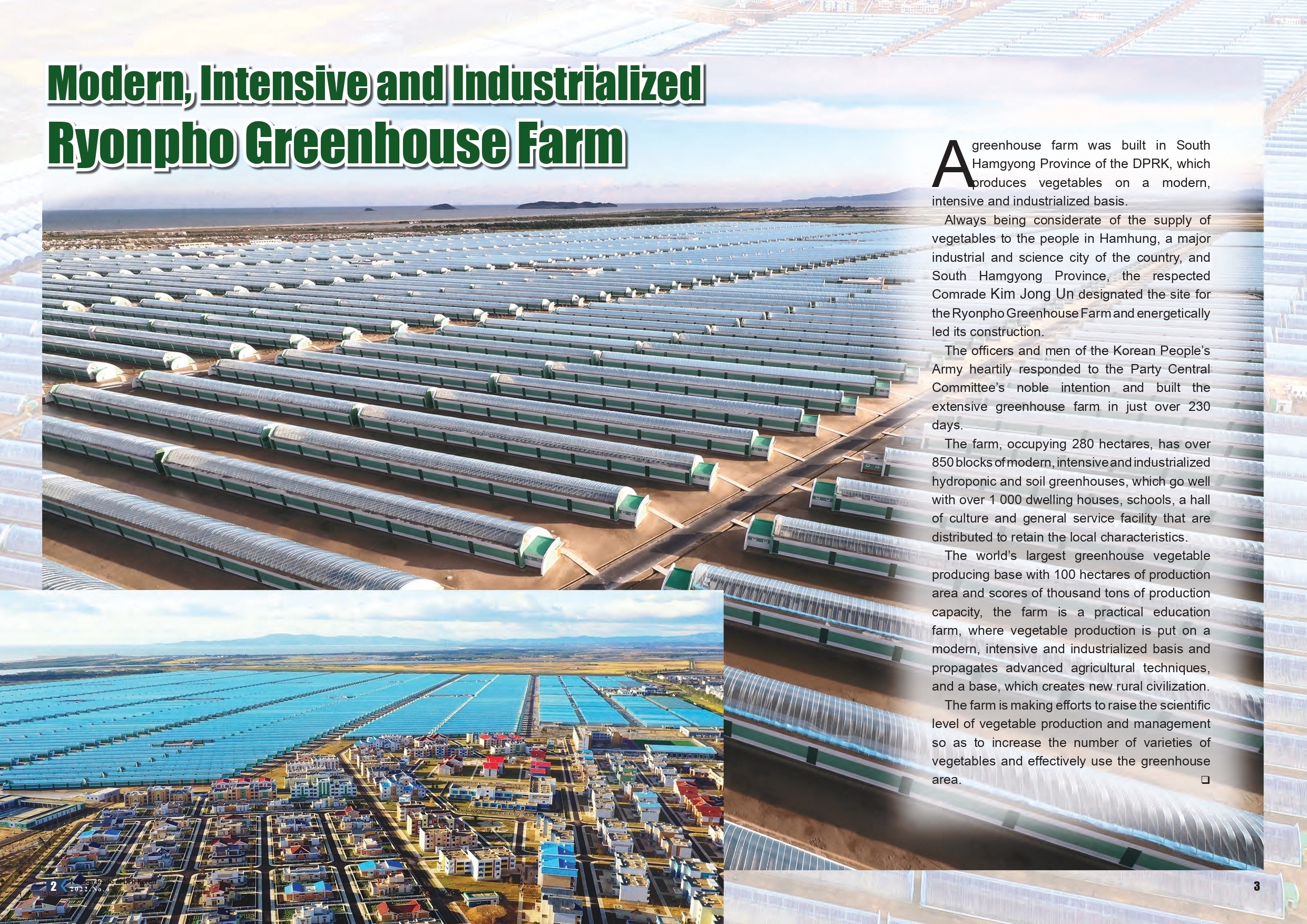 Another large-scale farm was partially built in Kim’s hometown of Wonsan on the east coast, but it has been left unfinished for years and has not received much attention in state media. Elsewhere in Sunchon, state media remains vague about when a factory complex it cryptically calls the “project for establishing the C1 chemical industry” will finally open, more than six years after construction started. “C1” is a North Korean term referring to government plans to convert simple carbon compounds into synthetic fuels, agricultural inputs and other chemicals that Pyongyang otherwise has a hard time acquiring. Though a ceremony to kick off construction of the C1 project in May 2017 took place next to the nutrient fertilizer factory building, it is actually located to the south on the grounds of the now-demolished Sunchon Vinalon Complex. Satellite imagery shows construction on the C1 project has continued this year, while Cabinet Premiere Kim Tok Hun last publicly visited it in May. Edited by Alannah Hill © Korea Risk Group. All rights reserved. |

October 08, 2026Oct 08, 2026

The ultimate resources for professionals working on North Korea
 SHARE
SHARE COPY LINK
 X
X MASTODON