  Analysis North Korea opens massive greenhouse complex, but makes false claims about sizeClaims about bulldozing major military bases to build ‘world’s largest’ farm mislead public about project, NK Pro finds 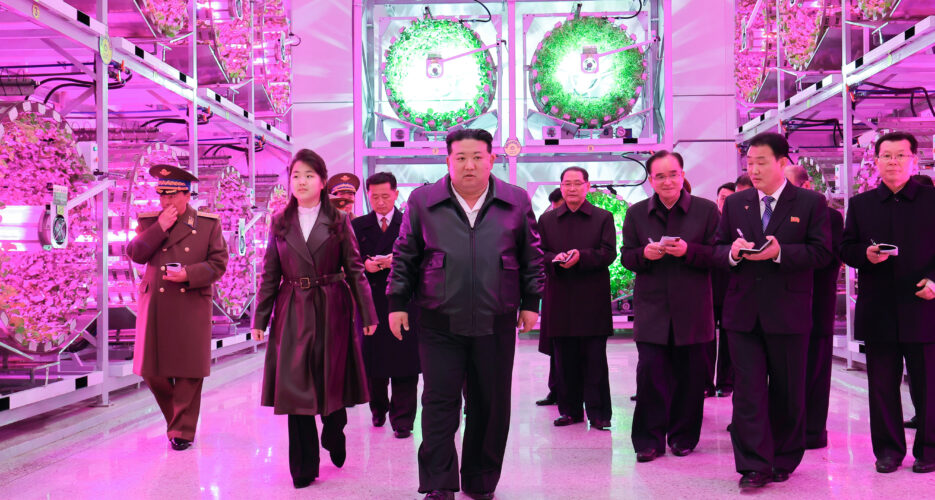 State media reported that North Korea opened the “world’s biggest vegetable farm” on Friday, emphasizing leader Kim Jong Un’s orders to replace “important military bases” with projects to address food shortages. But NK Pro analysis suggests these claims misrepresent the size and nature of the construction project in an attempt to demonstrate the state’s concern for people’s well-being despite heavy investment in new weapons systems. Kim reportedly attended a ceremony on Friday to inaugurate the Kangdong General Greenhouse Farm, which was built by conscripted soldiers starting in Feb. 2023 and is located in a key military district on the northeast outskirts of Pyongyang. The “fairyland-like” project features “modern greenhouses of peculiar styles” that will “produce and supply various kinds of vegetables to the citizens of Pyongyang,” the party-run Rodong Sinmun reported Saturday. 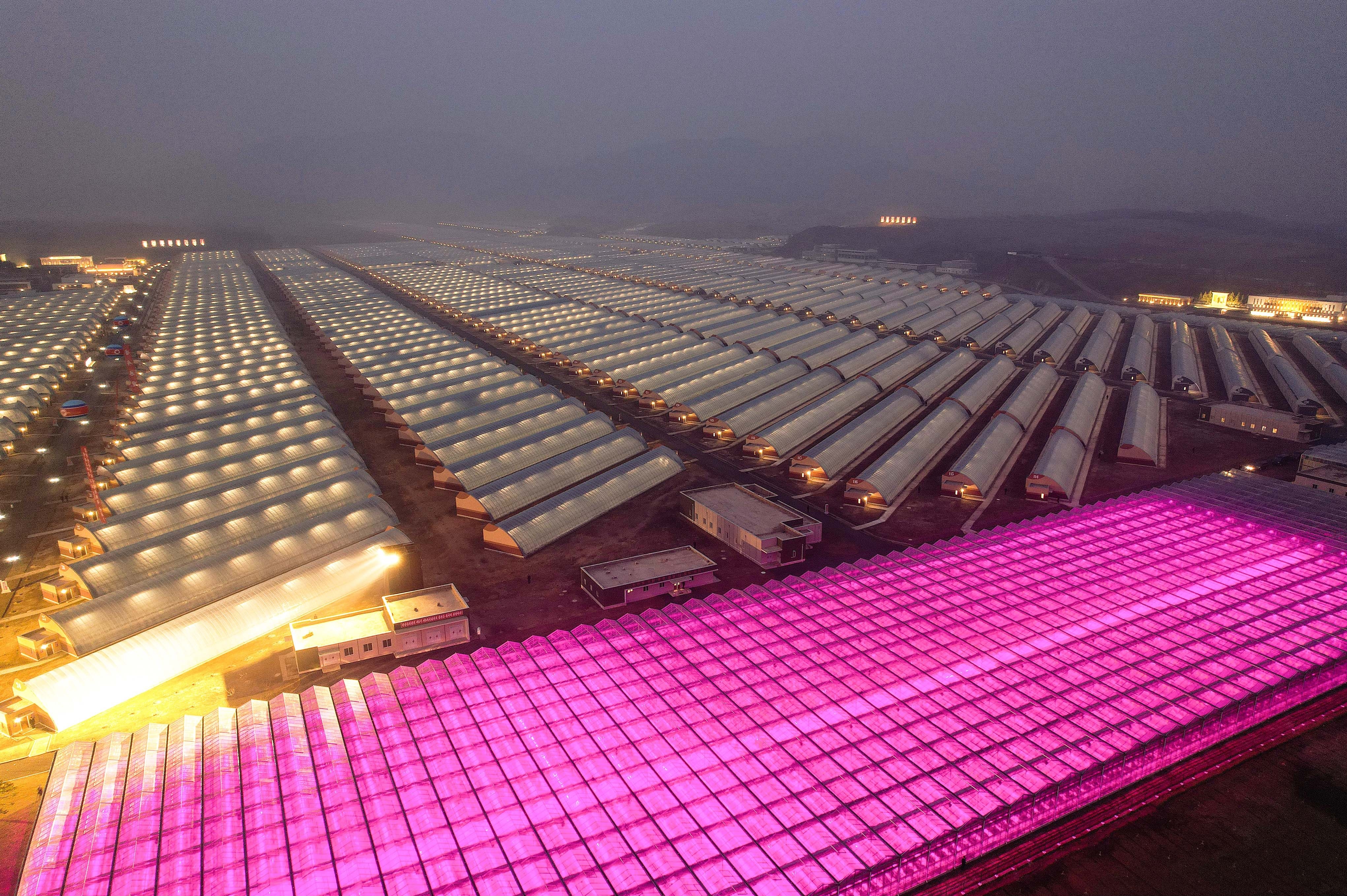
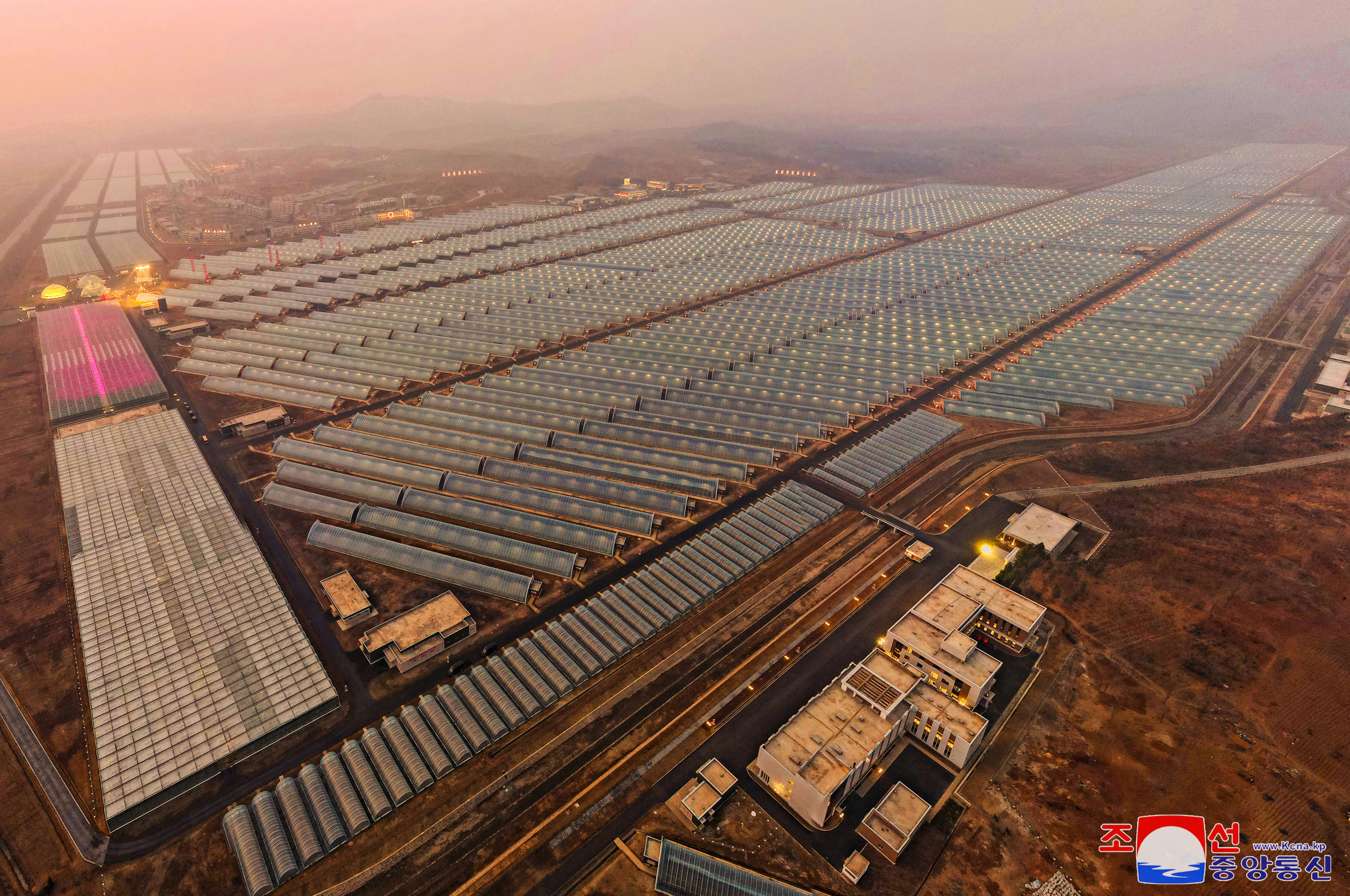
WORLD’S LARGEST? State media’s report on the ceremony claimed the “size and production capacity” of the Kangdong complex “are much bigger than the Ryonpho Greenhouse Farm” on the east coast, which Pyongyang previously said was the world’s largest when it officially opened in late 2022. However, NK Pro analysis of Planet Labs satellite imagery shows the Kangdong farm is actually slightly smaller than Ryonpho. The footprint of greenhouses at Kangdong covers around 531 acres (215 hectares) versus around 578 acres (234 hectares) at Ryonpho. State media has claimed there are 830 narrow greenhouses averaging around 328 feet (100 meters) long at Ryonpho, calling these “semi-arched double-sheet hydroponic greenhouses.” NK Pro counted around 660 of this type at Kangdong, and Saturday’s report didn’t offer an official count. 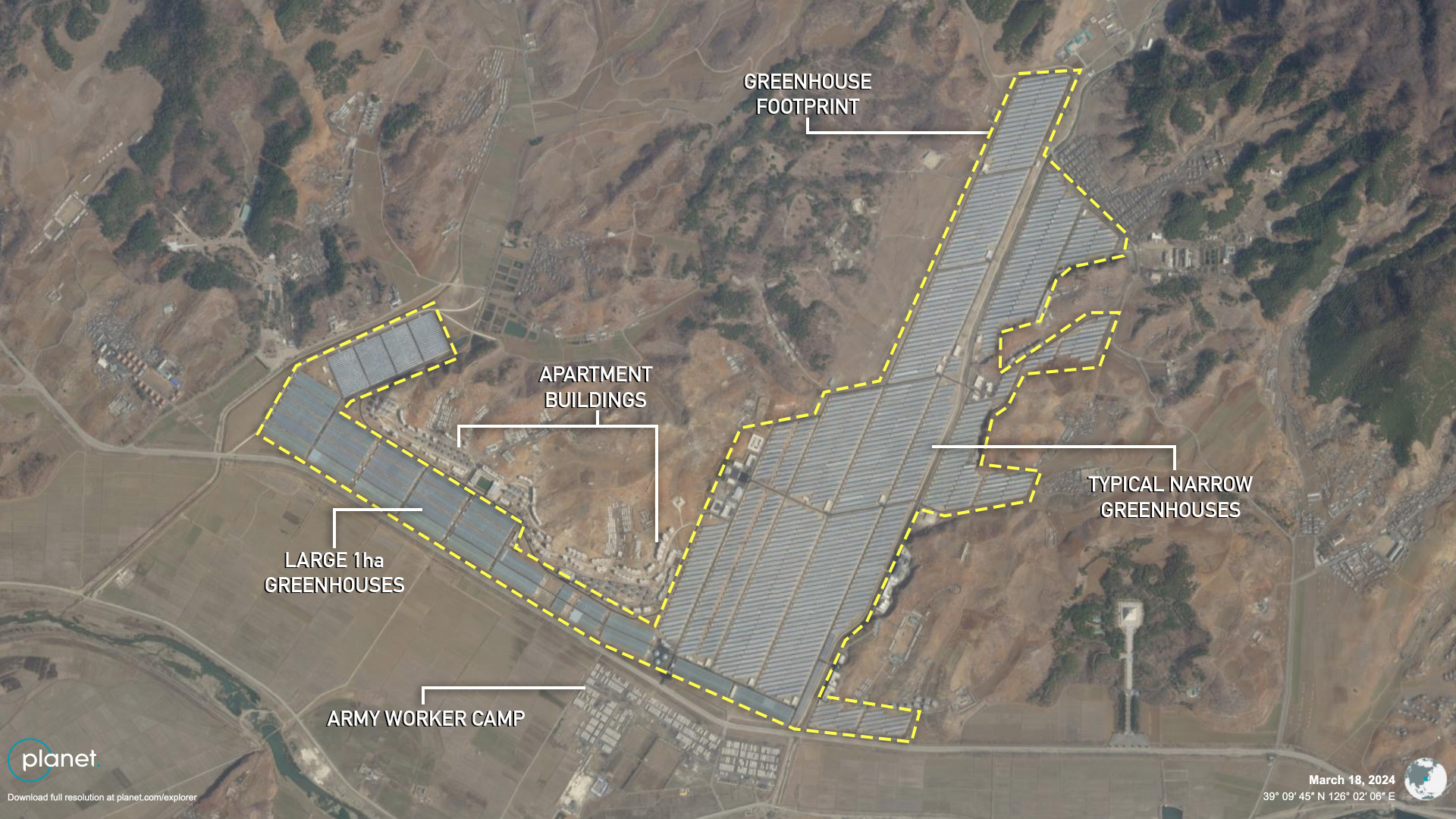
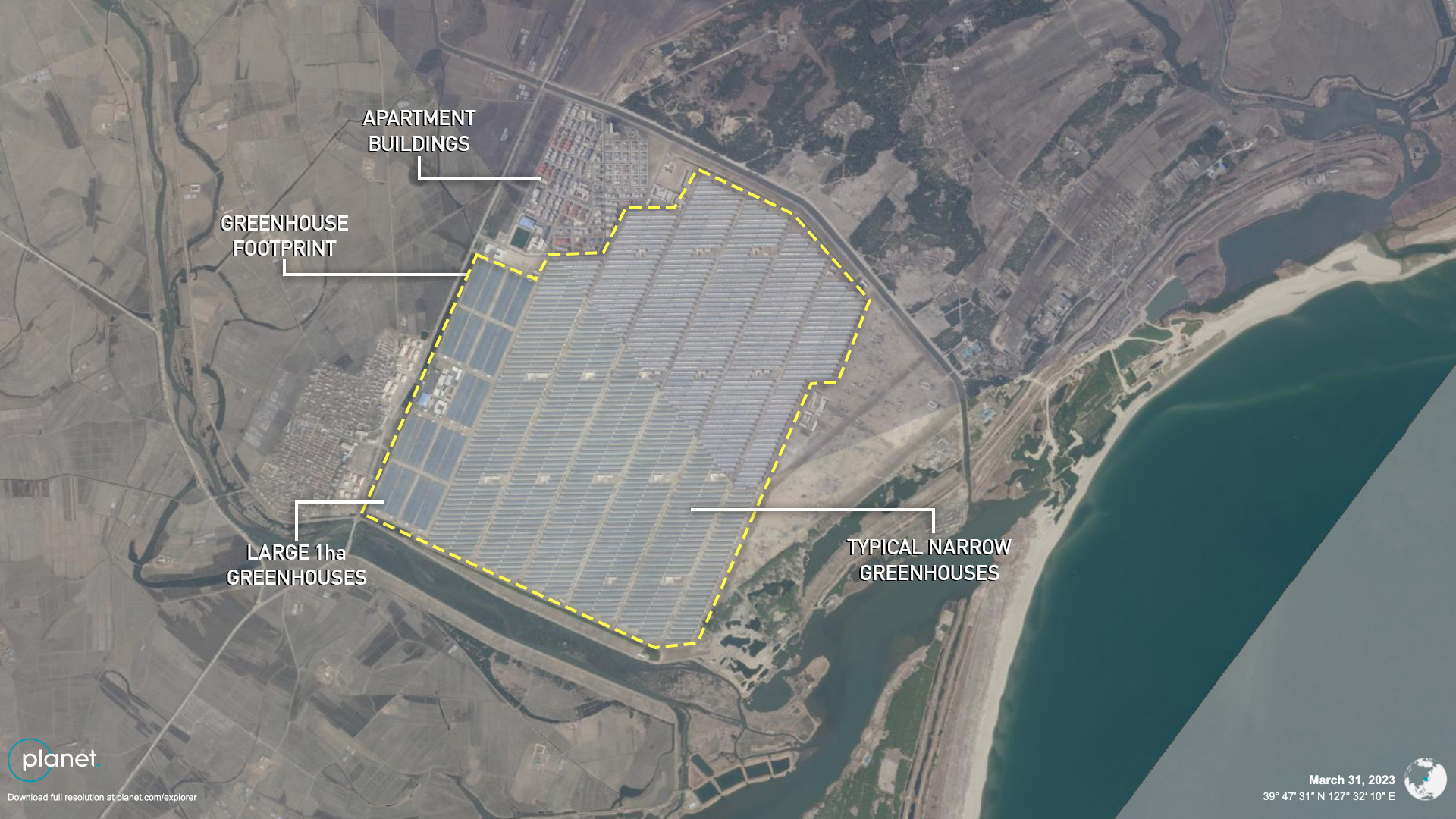
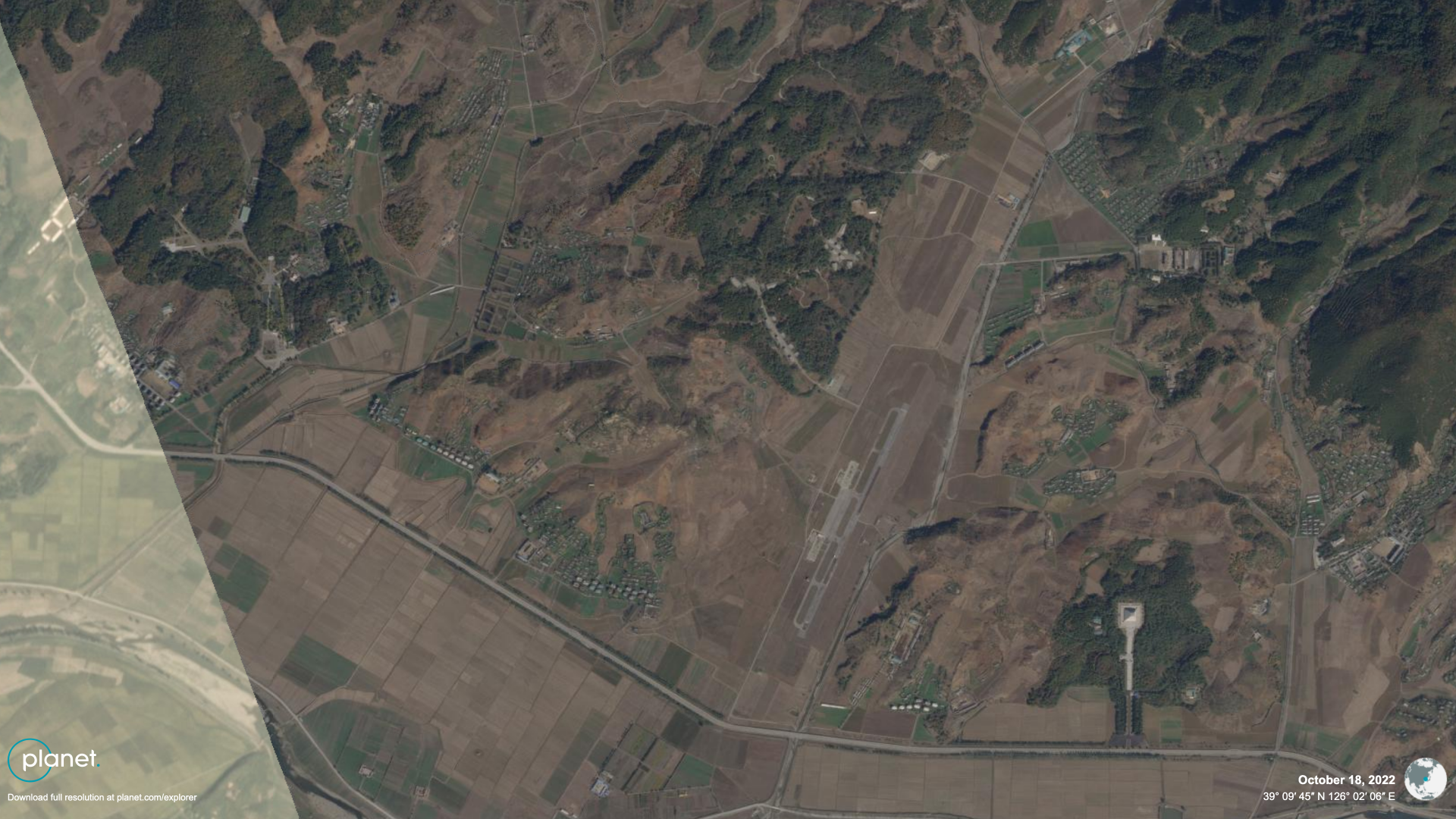
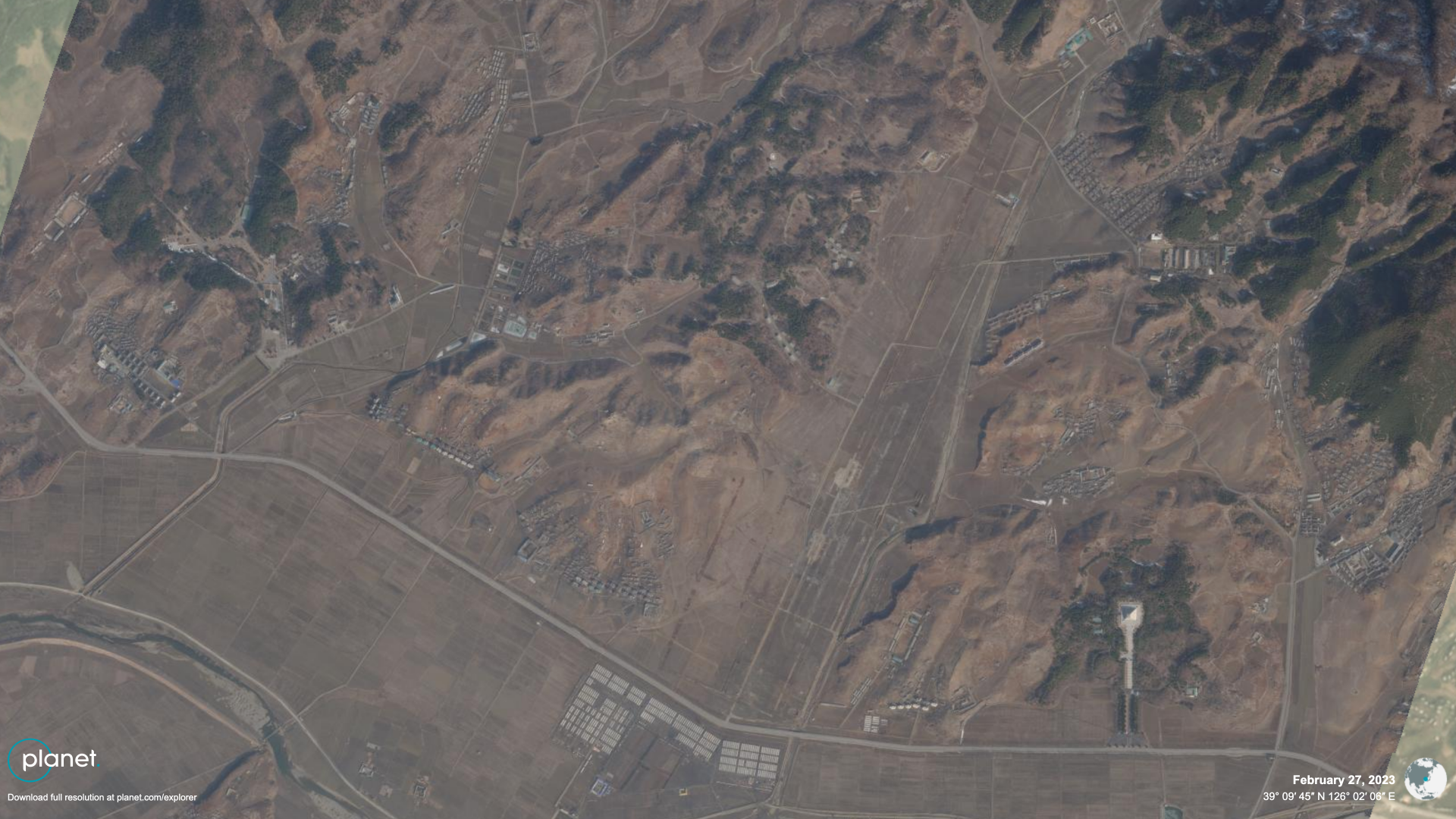
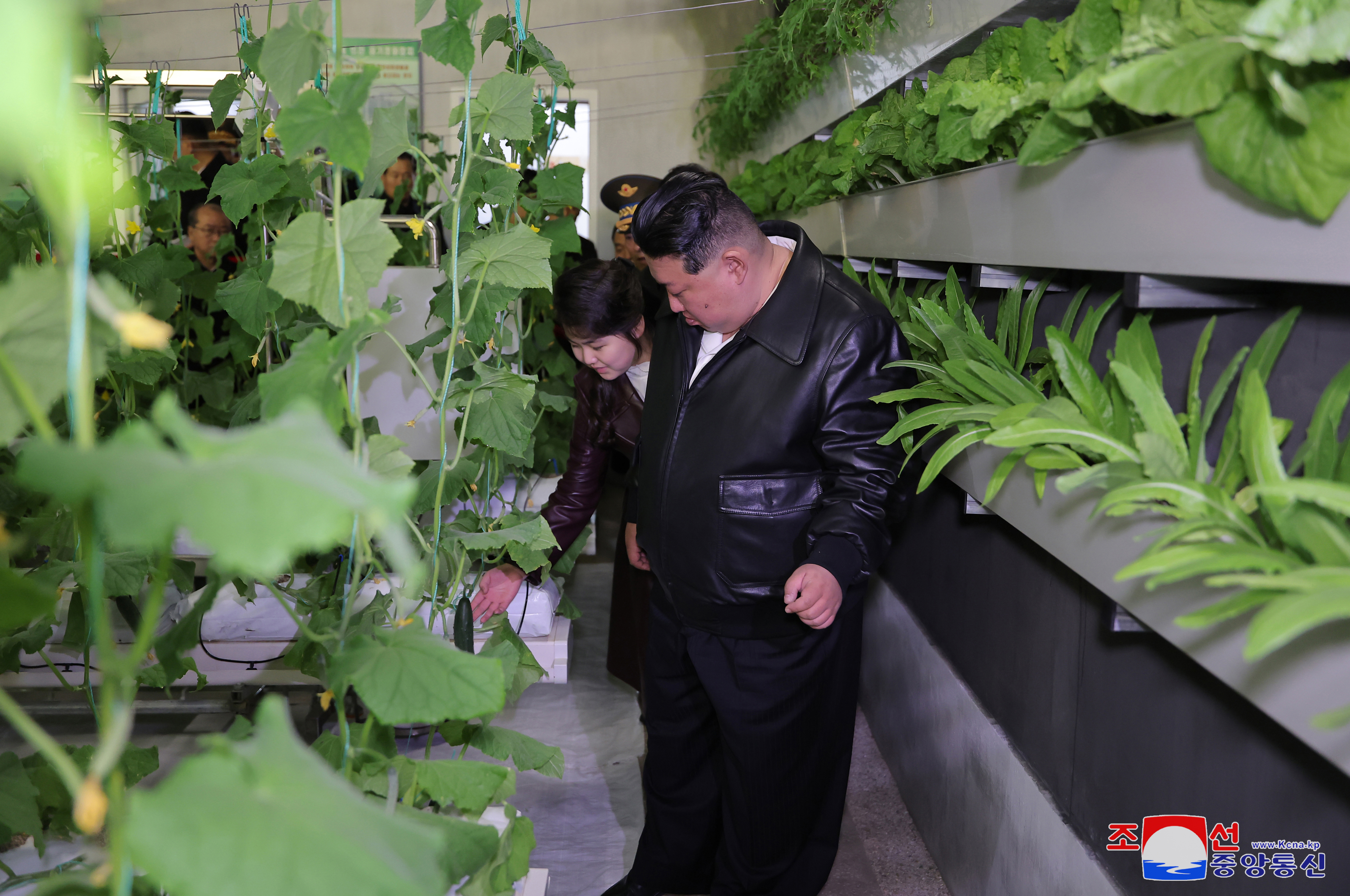
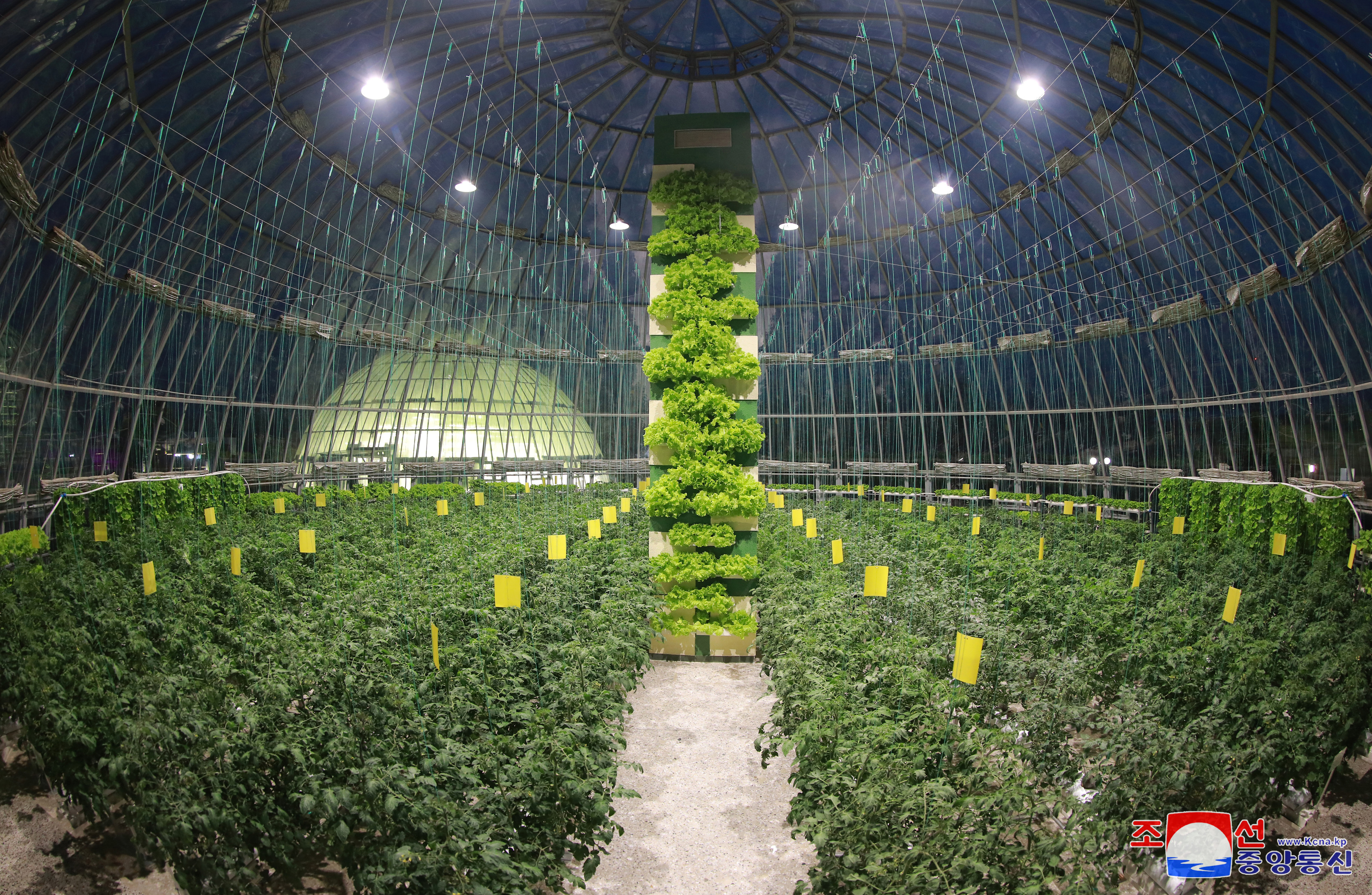
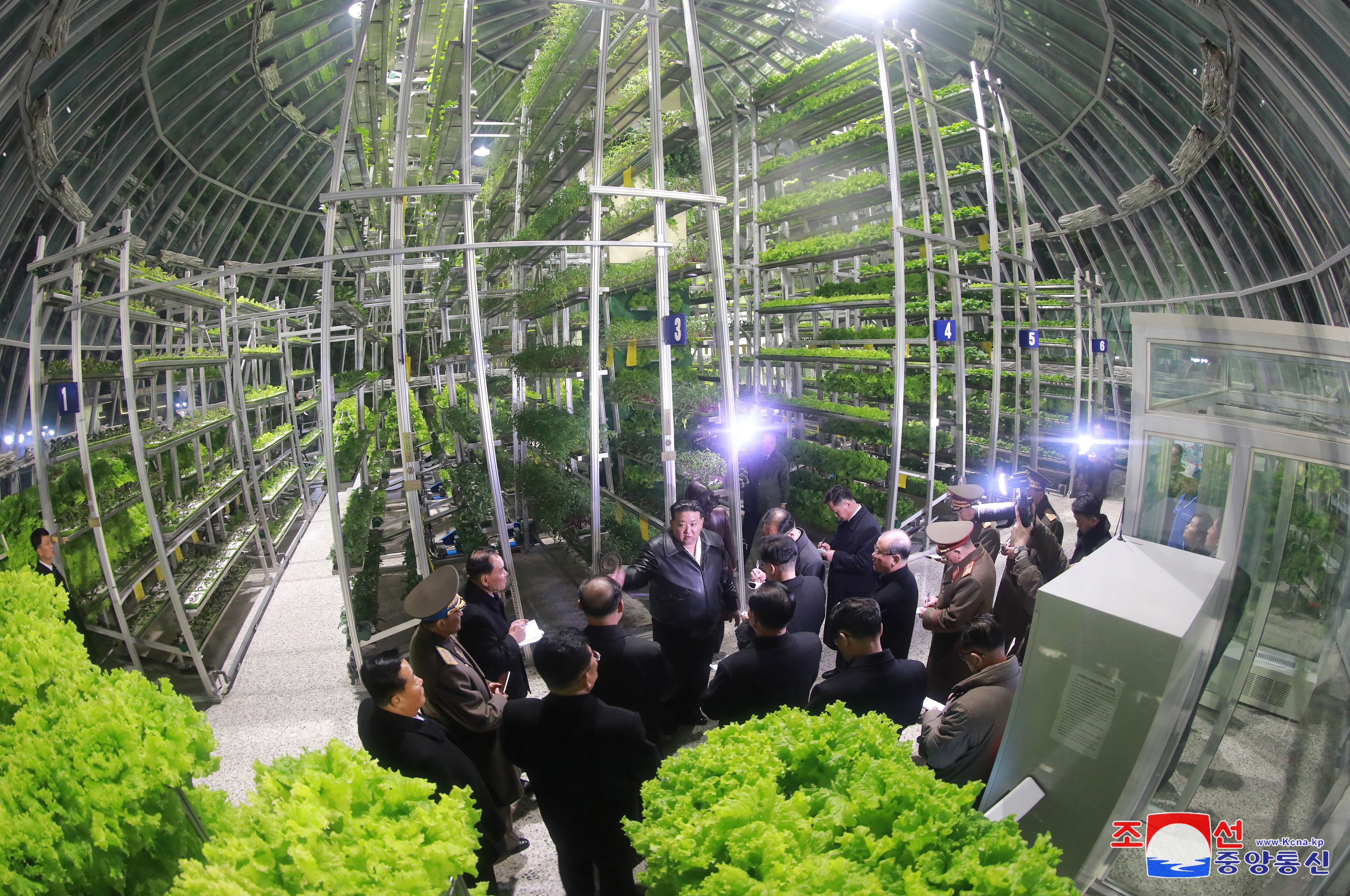
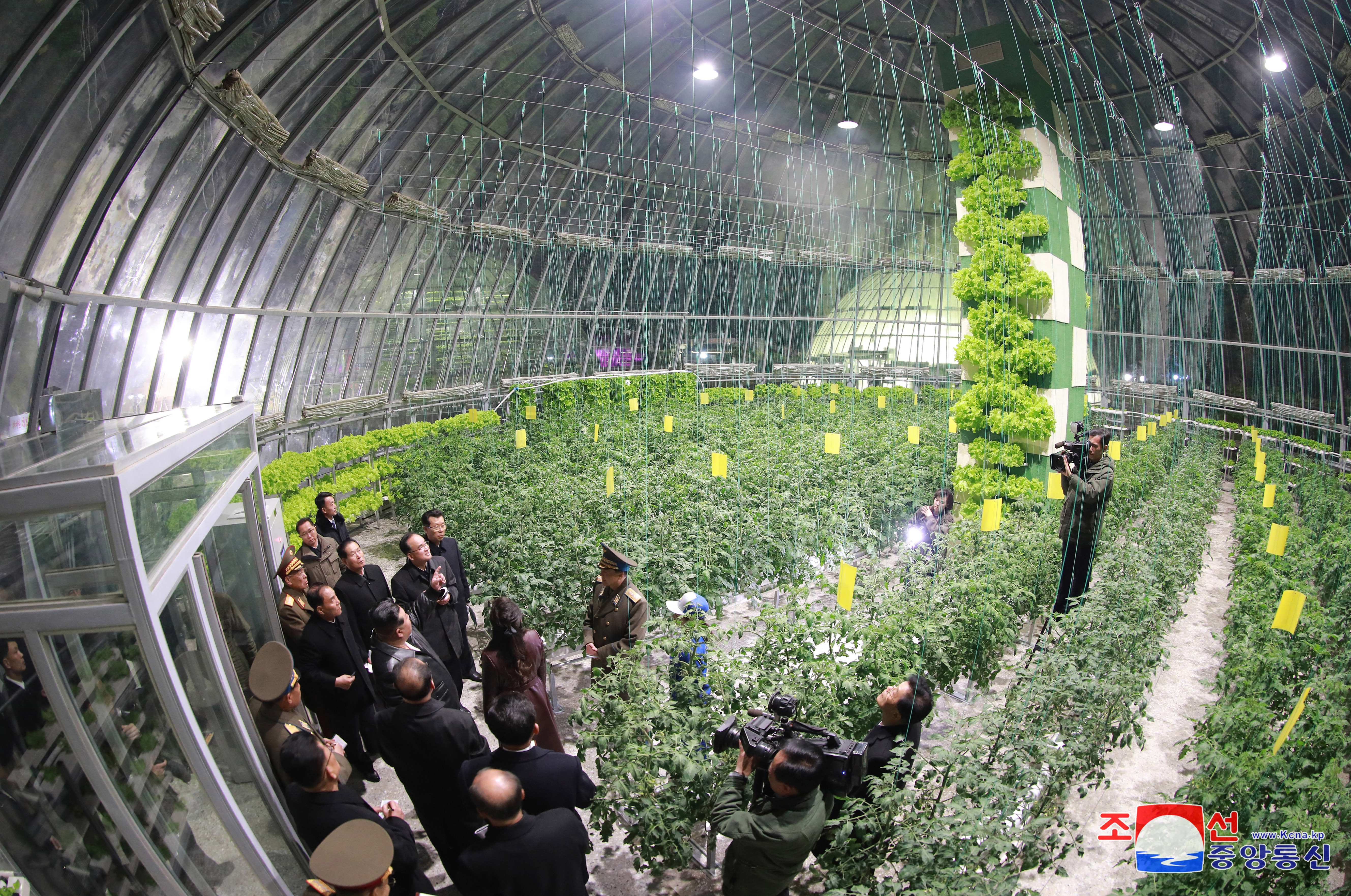
On the other hand, there appear to be 33 of what state media calls more technologically advanced 2.4-acre (1 hectare) or larger greenhouses at Kangdong and only 18 of these at Ryonpho, pointing to the possibility that the newer farm contains more expensive equipment. These “soil cultivation greenhouses” that are more open and some of which feature glass roofs are “modern ones where everything is done on a scientific, unmanned and automatic footing,” the Pyongyang Times wrote about Ryonpho soon after it opened. The area of land covered by new apartment buildings for workers of the Kangdong complex appears similar to one at Ryonpho, while state media claimed each contains over 1,000 homes. Neither Ryonpho or Kangdong were ever anywhere near achieving the title of world’s largest greenhouse farm, either. That claim may belong to a growing complex in Egypt’s 10th of Ramadan City, where satellite imagery shows new greenhouses already cover a footprint of over 2,000 acres (800 hectares). REPLACING IMPORTANT MILITARY BASES? State media also claimed on Saturday that Kim Jong Un has “made sure that important military bases were dismantled for greenhouse farms” like Kangdong in recent years. While it is true that the Kangdong farm was built in place of a dismantled air force base, NK Pro analysis of satellite imagery previously found that this airbase was actually abandoned as early as 2019 after years of a stalled project to renovate the grounds. This was well before Kim reportedly presented his blueprints for the greenhouse farm at a Dec. 2022 party plenum, suggesting that the military did not make a significant sacrifice by building the Kangdong farm on that land as claimed. By contrast, old and deteriorating airbases in Ryonpho and Jungphyong still appeared active prior to their demolition in 2022 and 2019, respectively, for large-scale greenhouse farms similar to Kangdong. 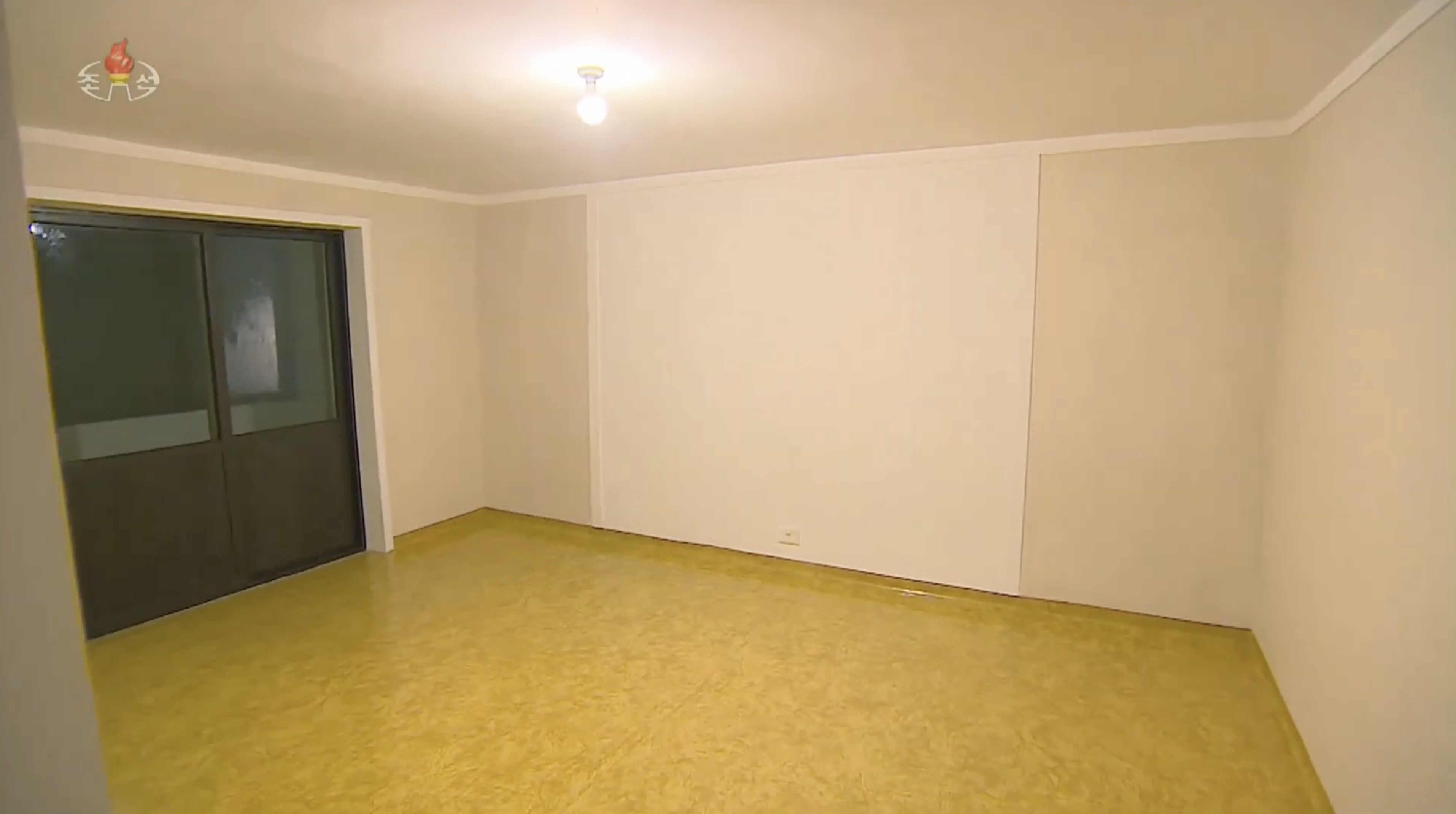
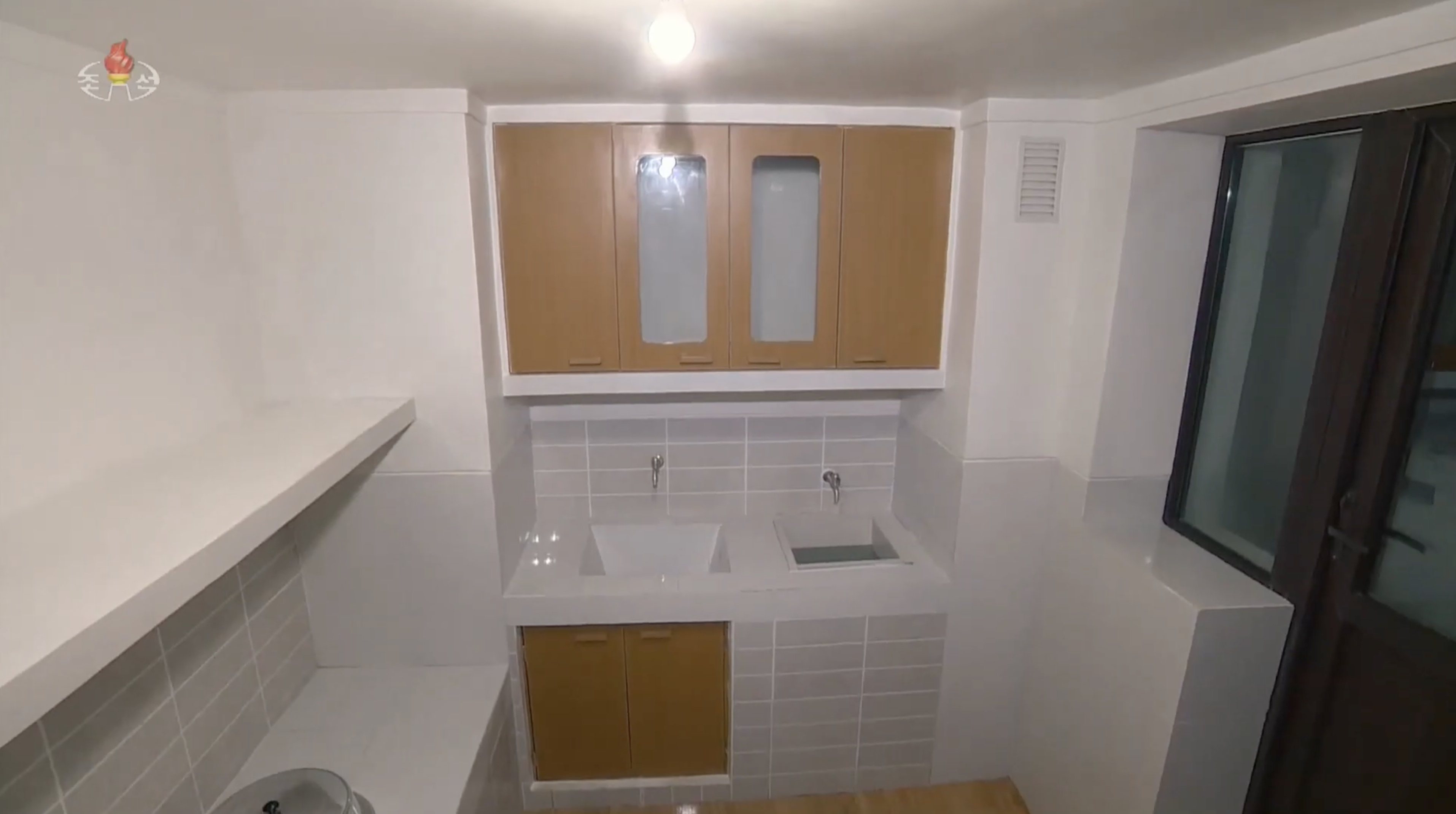
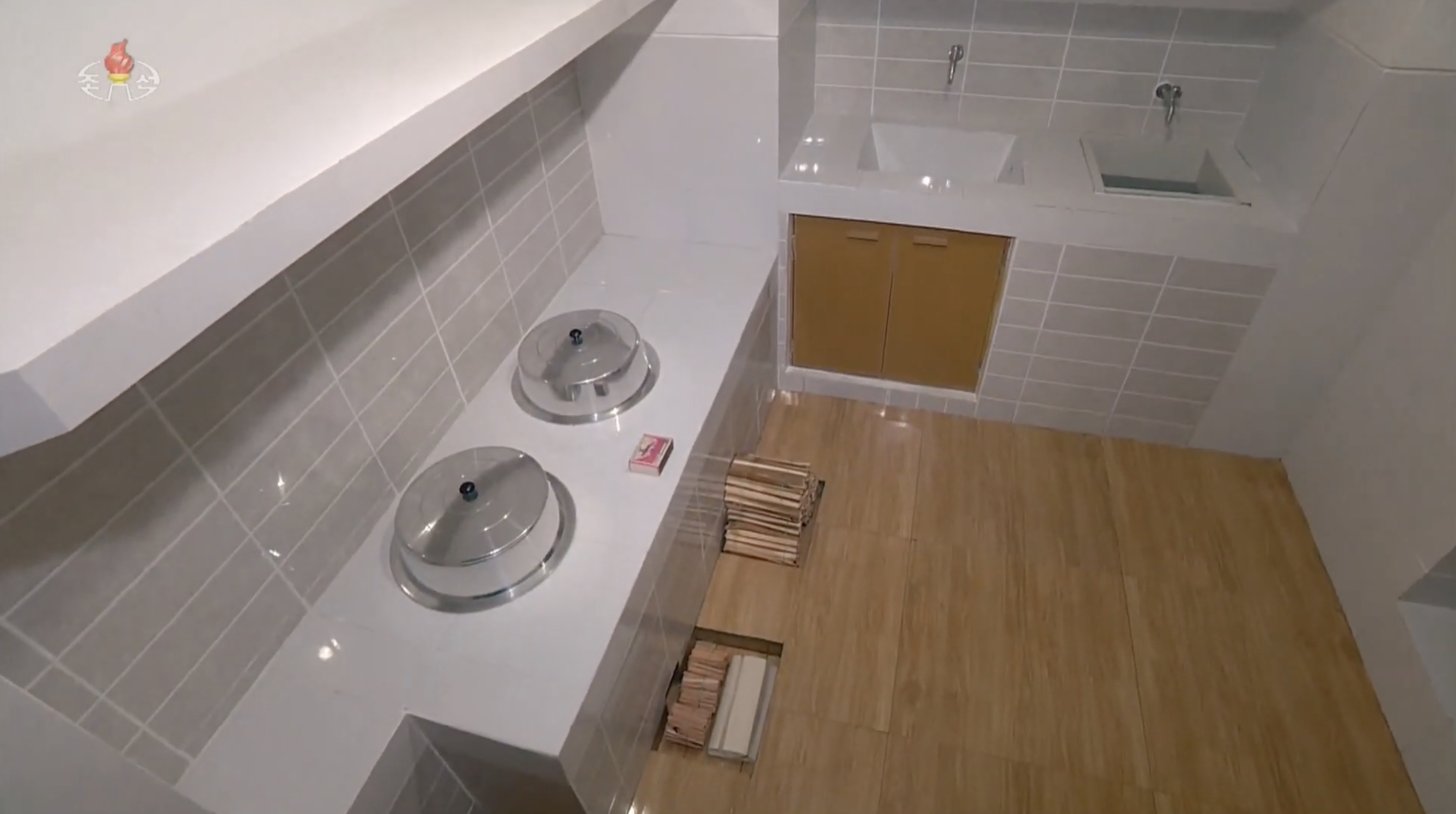
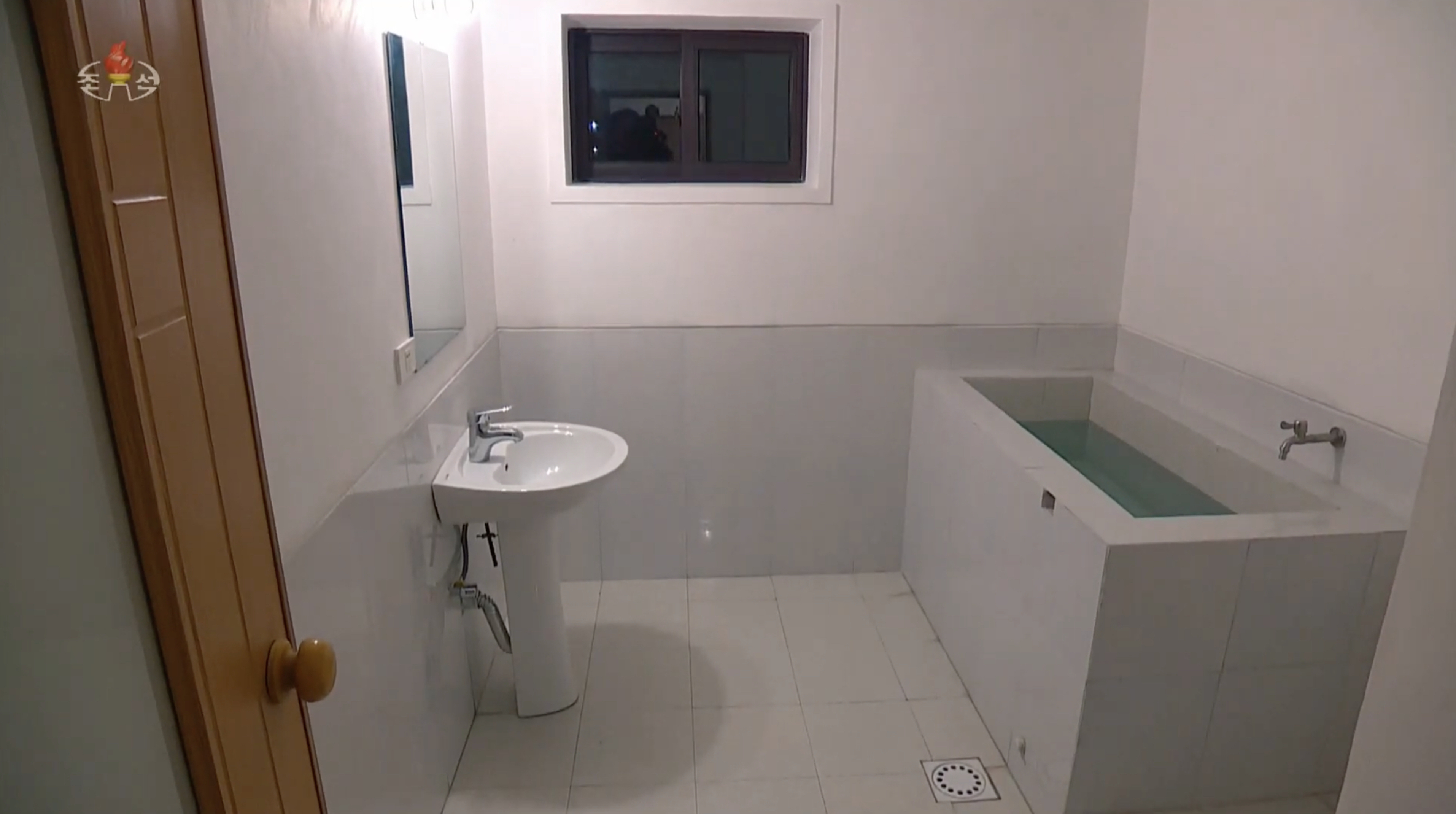
However, neither airbase, which mostly serviced old Yak-18 and An-2 biplanes, featured proper or well-maintained paved runways, and they were likely destined for decommissioning anyway. The Kangdong, Ryonpho and Jungphyong greenhouse farm projects should also be viewed in the context of an apparent nationwide reorganization of air force facilities in recent years involving demolitions and modernization efforts at larger airbases. State media’s claim about replacing “important military bases” appears aimed at sending the message to ordinary people that the state prioritizes solving food shortages more than military matters. Saturday’s report on Kangdong said the ruling Workers’ Party of Korea “lavishes funds on promoting the rights, interests and wellbeing of the people, regarding it as the most important state affair.” It will be difficult to confirm state media’s claims that the project is indeed finished and that its hundreds of greenhouses are ready for food production unless independent media are invited to tour its facilities, after state TV only showed a few finished buildings in detail in its video report of the ceremony. It is also possible that the main recipients of the Kangdong farm’s produce will be families of Second Economic Committee (SEC) employees, the government organization known to be based in and around Kangdong that is in charge of managing all of the country’s weapons production and foreign sales. Kangdong is located over 20 miles east of central Pyongyang, and there are plenty of open patches of land in the capital itself where authorities could have built the greenhouses if the purpose was to grow food and conveniently distribute it to city residents. Historically important military factories such as the Kangdong Precision Machine Plant, as well as military bases like a tank training grounds where Kim Jong Un guided a series of exercises last week, are also located near the new farm. 
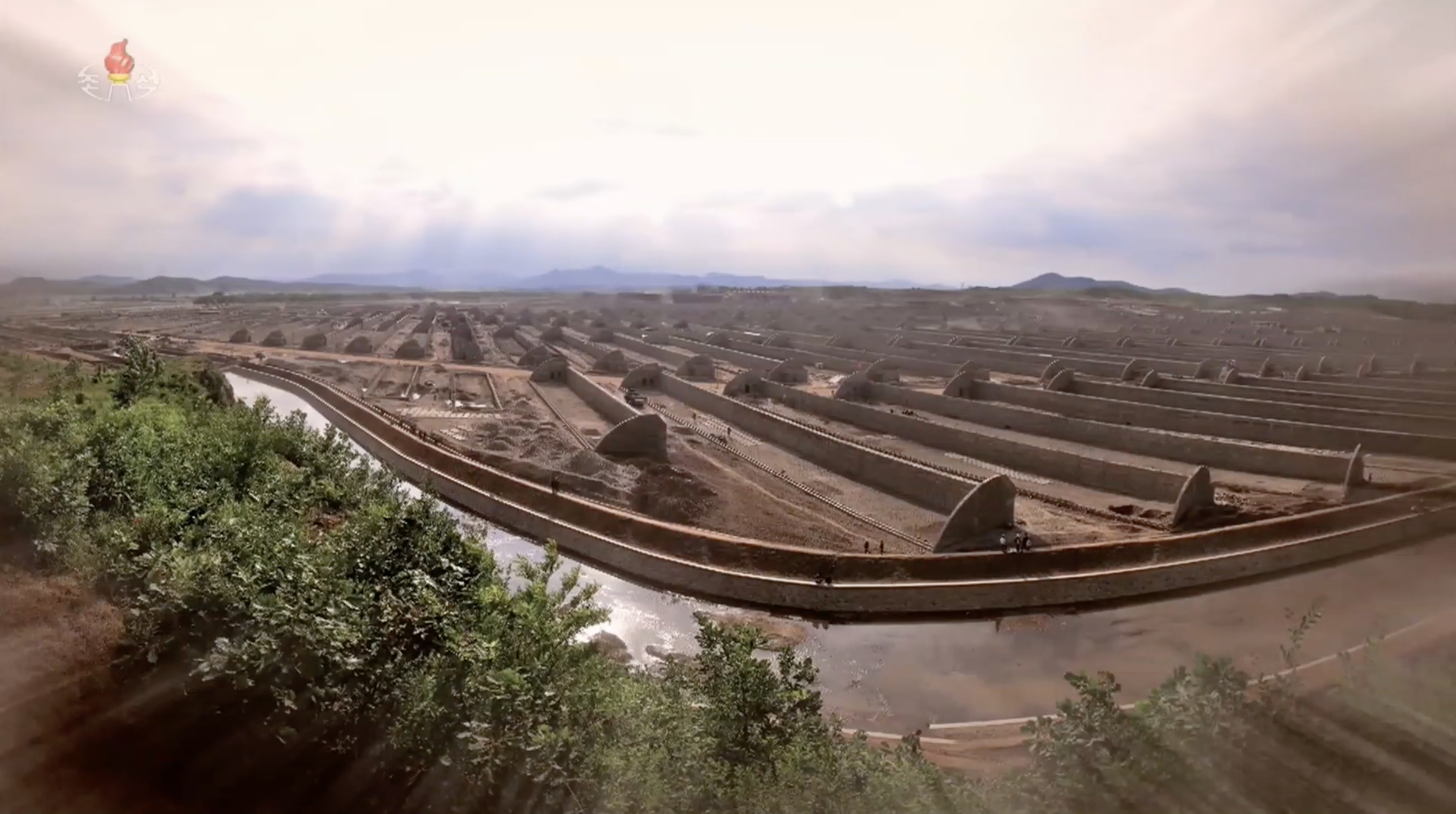
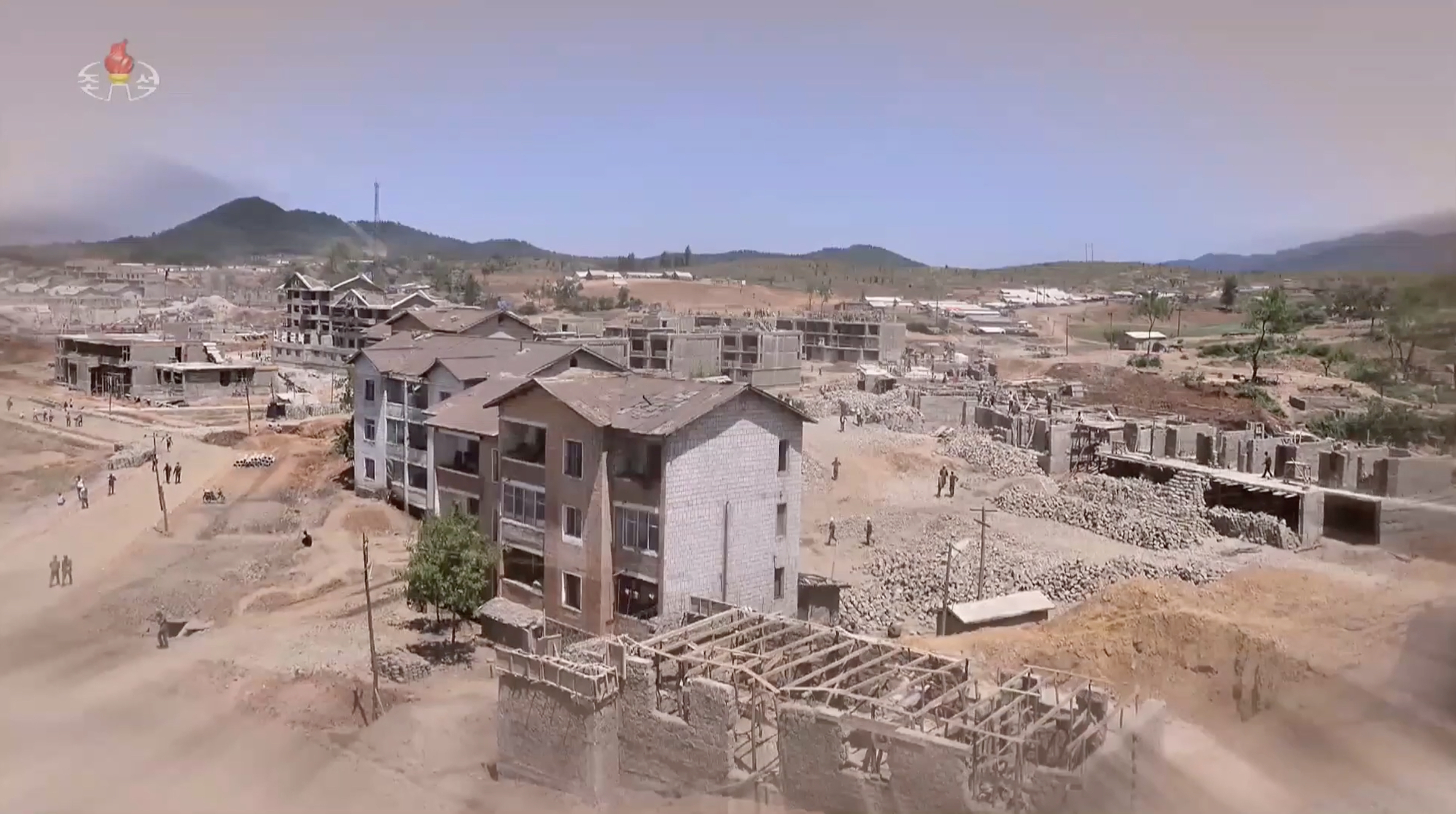
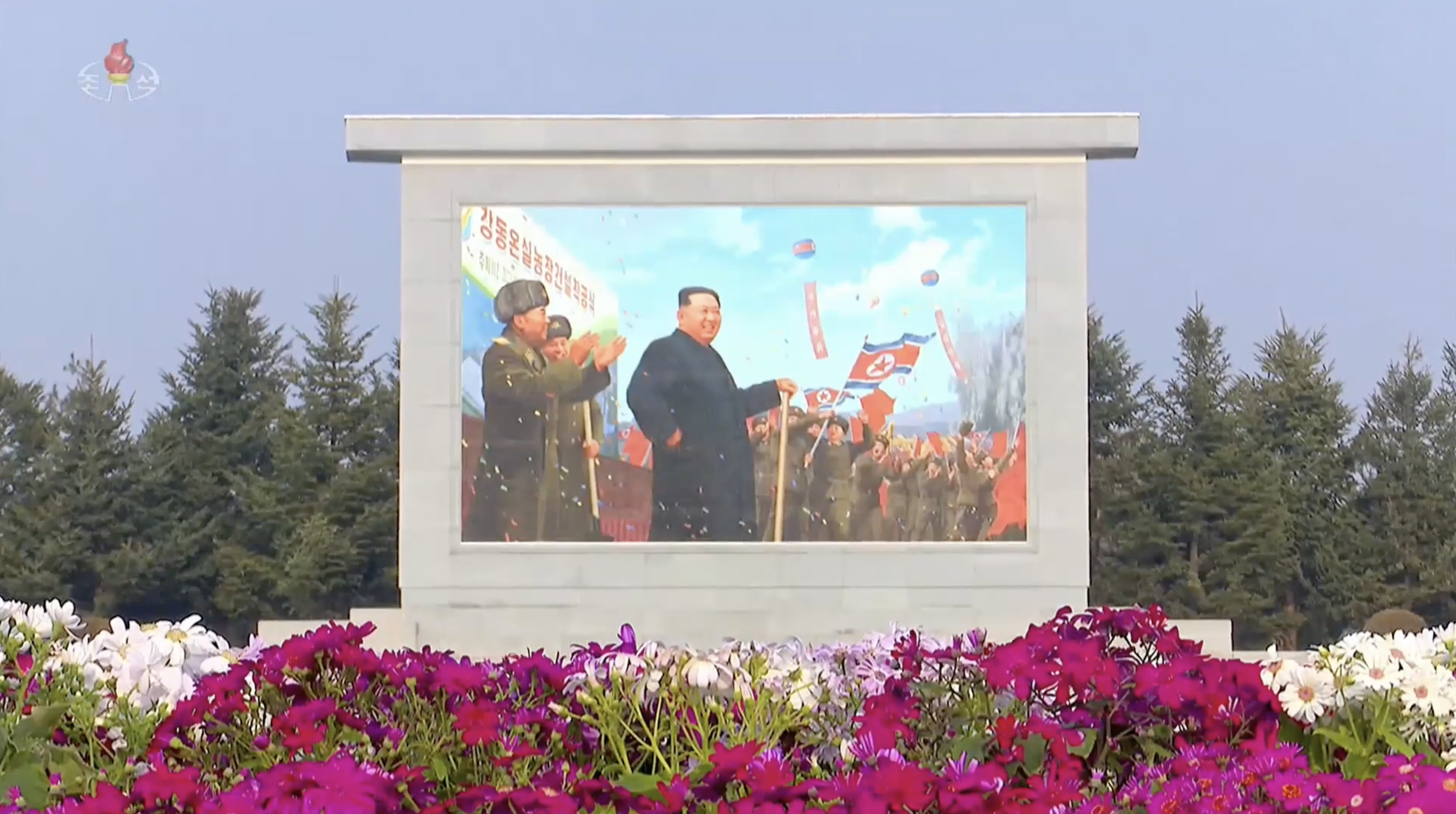 ECONOMY VS. MILITARY The effort to claim priority for food issues comes as Kim Jong Un called for increasing military spending on nuclear weapons at a late Dec. 2023 party plenum and as he urged the public to understand the party’s “overriding importance” on funding weapons production despite poor overall economic conditions in late 2021. North Korea has introduced a number of new advanced weapons systems in recent years as part of a 2021-2025 five-year military development plan, frequently promoting multi-million dollar missile tests in state media. Expensive projects like developing the country’s first nuclear-powered submarine and launching numerous spy satellites per year also still need to be pushed forward in the final two years of the plan. It appears Kim will seek to balance promotion of military spending with claims that it is prioritizing efforts to improve living conditions through various mega construction projects for the foreseeable future. The DPRK leader has recently promised to build similar large-scale greenhouse farms, chicken farms and modern hospitals in every province annually as part of efforts to earn support from a skeptical public. He also initiated the “Regional Development 20×10 Policy” this year, promising to build at least 40 factories across 20 counties annually for the next decade while apologizing for his and the party’s “empty” promises of development over recent decades. In addition, the military is building small clusters of homes at farms across the country, as well as 10,000 more homes in Pyongyang this year as part of a five-year, 50,000-home project. Questions remain over whether these projects are intended to produce lasting and sustainable facilities or to merely pay “lip service” to state policy, which even top official Ri Il Hwan acknowledged is a tendency in a speech at Friday’s ceremony. Authorities typically demand rapid construction by inexperienced workers, while stalled and abandoned work is common and new buildings are built with crude materials that deteriorate within years of completion. Edited by Bryan Betts © Korea Risk Group. All rights reserved. |

October 18, 2026Oct 18, 2026

The ultimate resources for professionals working on North Korea
 SHARE
SHARE COPY LINK
 X
X MASTODON