  Investigations North Korea opens another luxury mall with bootleg Ikea and Starbucks copycatSigns point to likely Japanese investment in newest Pyongyang shopping center for well-off in ‘communist’ DPRK 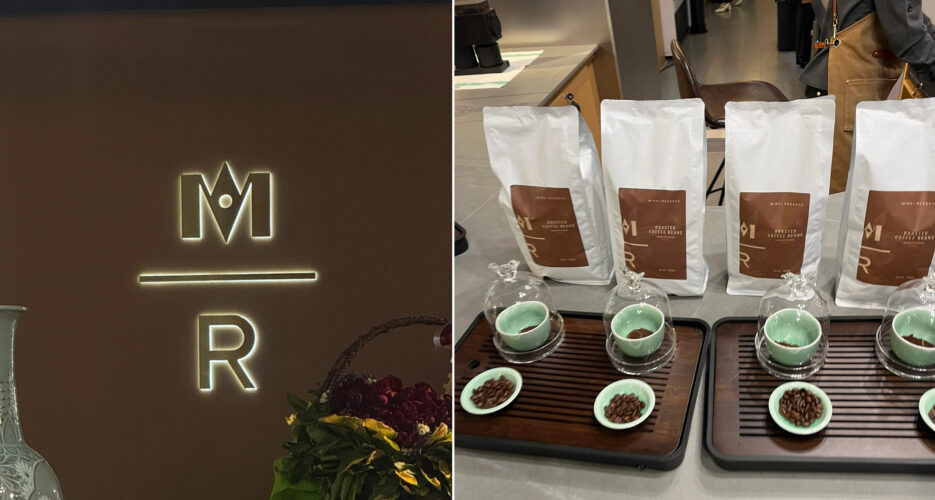 Another new bootleg Ikea store and a copycat Starbucks coffee shop have opened in North Korea’s capital in a new luxury mall, in what appears to be the latest shopping center with ties to Japan. The eight-story Rangrang Aeguk Kumgang Service Complex (락랑애국금강관) features a furniture store selling real or forged Ikea products and even displaying advertising photos stolen from the Swedish company’s website, with a floor layout and restaurant that appear intended to copy Ikea as well. The mall also features a coffee shop selling “Mirai Reserve” beans and branded products with a logo that mimics the horizontal line and uppercase R in the logo of Starbucks’s upscale “Reserve” brand. Photos of the two stores first appeared in social media posts this month by a foreign student studying in Pyongyang, while a delegation of the Japan-based pro-DPRK group Chongryon reportedly visited the mall this month. JAPAN LINK NK Pro previously reported that a luxury mall in Pyongyang operated by a Japanese person with North Korea ties, called Rim Mi Yong Aeguk Sonnae Hall, was run under a brand also called Mirai, meaning “future” in Japanese. The appearance of the Mirai brand as well as the term Aeguk in the shopping mall’s name — meaning “patriotic” in Korean and commonly used in state media to denote investments by ethnic North Koreans based in Japan — suggests the involvement of pro-DPRK Japanese in the Rangrang facility. 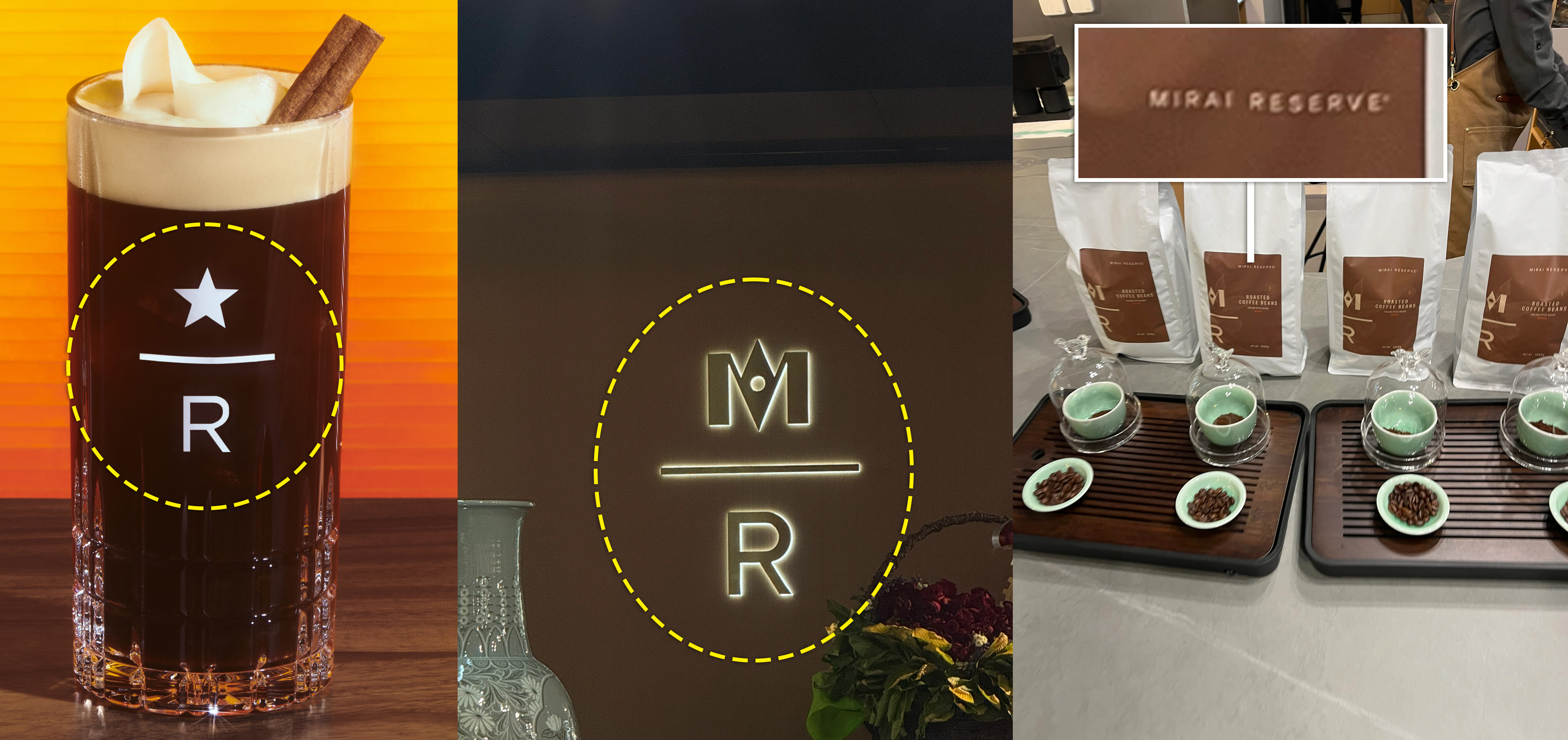 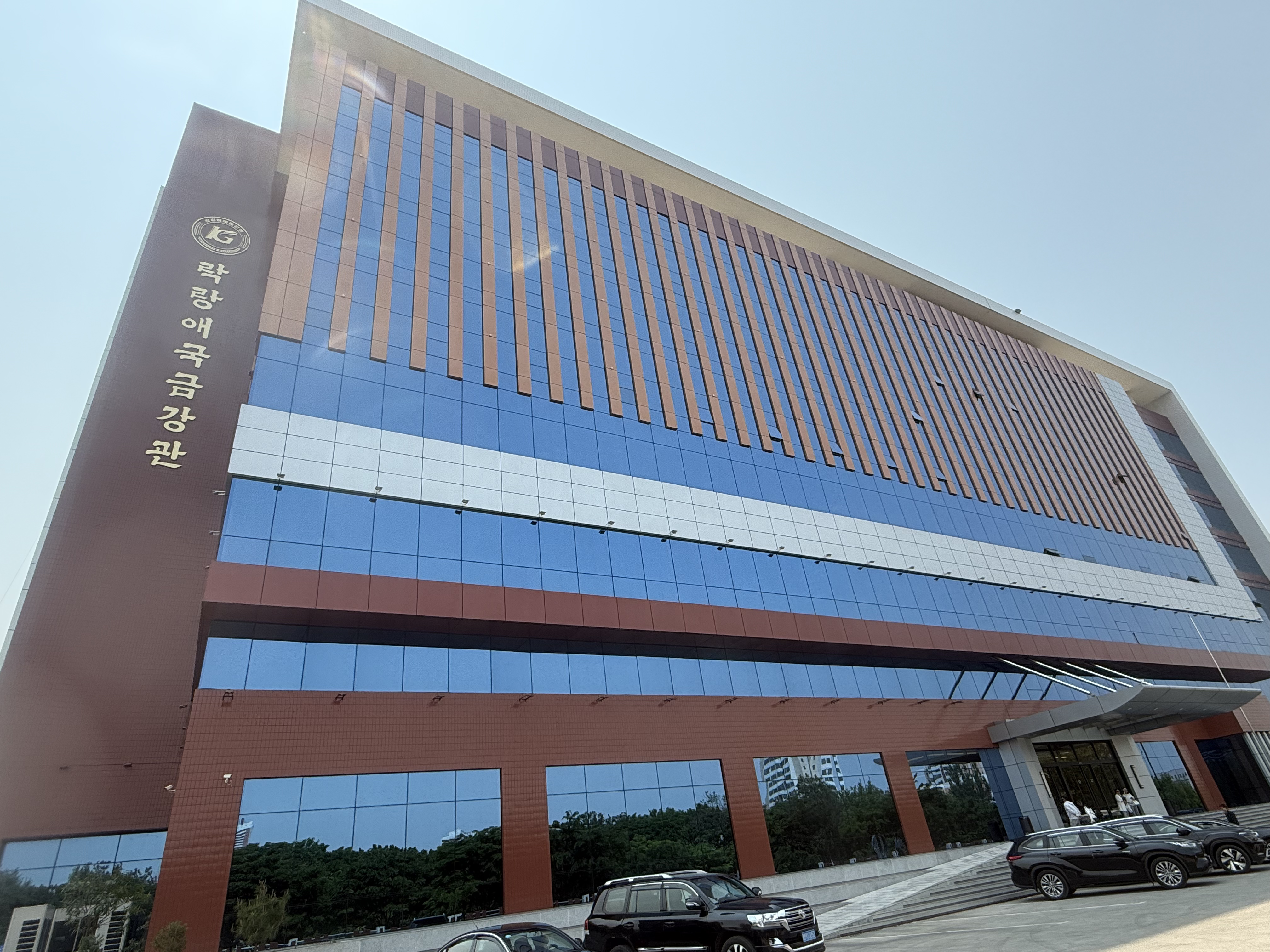 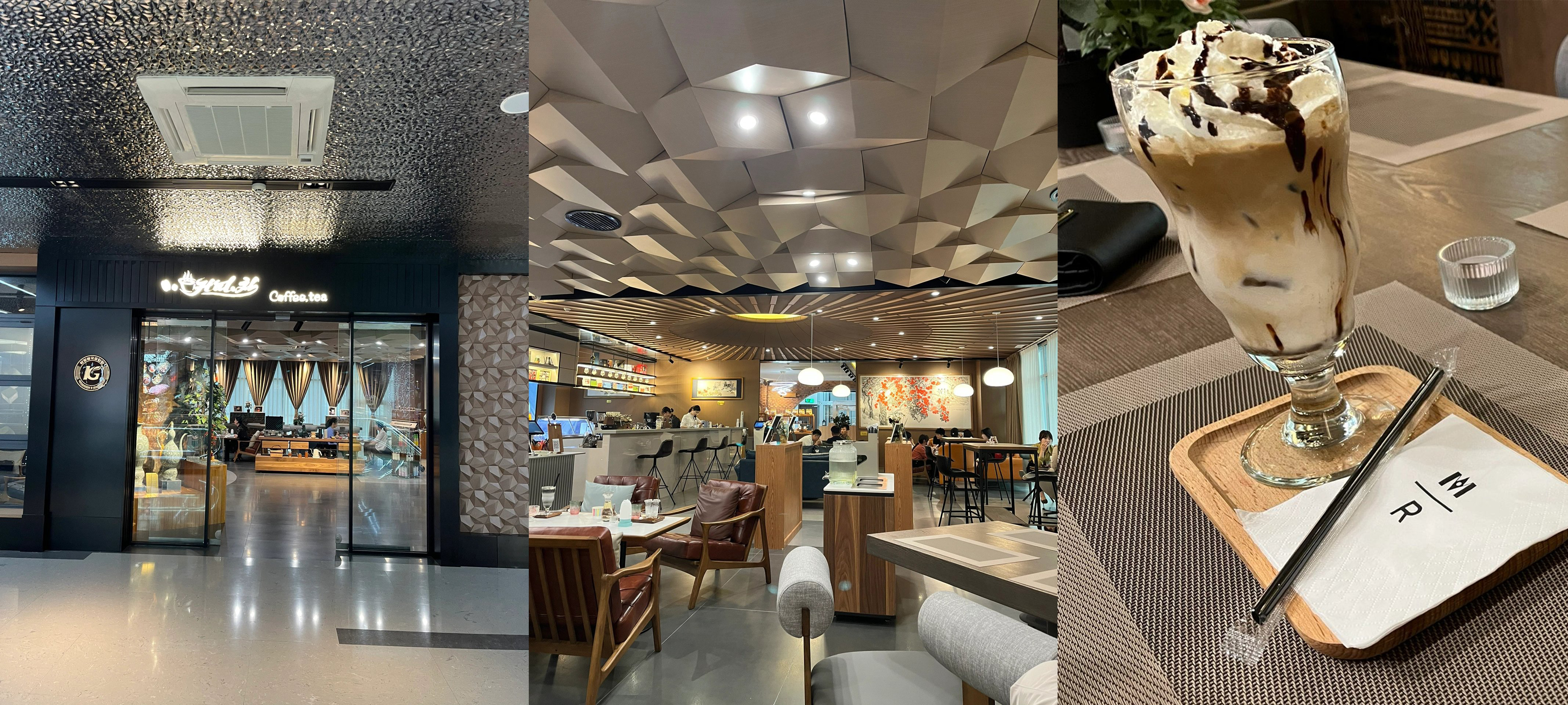 U.N. sanctions prohibit investing in or operating businesses in North Korea, while Japanese domestic sanctions also prohibit citizens from conducting transactions related to trade with the country. However, Chinese and Russian have effectively crippled U.N. sanctions, and Japan will have limited enforcement capability if its citizens are doing business with the DPRK from China. Throughout this year, DPRK leader Kim Jong Un has publicly nurtured relations with the organization for the North Korean diaspora in Japan, called Chosen Soren in Japanese and Chongryon in Korean. Experts say he values their role as a political and economic channel to Tokyo and hopes to prevent the further decay of pro-DPRK ethnic Koreans’ loyalty toward his dictatorship. State media once proudly declared the involvement of Japanese investors prior to sanctions, such as in 1992 when announcing that Chongryon compatriots “presented all production processes” of the new Aeguk Color Television Assembly Factory in Pyongyang, now called the Taedonggang TV Factory, “as a gift.” NEW PRICING SCHEME Shops at the Rangrang mall appear to be using smaller numbers for prices than are usually seen in North Korea, representing a different pricing scheme than the two known ones using either the “internal” (내화원) official exchange rate or “external” (외화원) rate. It is possible that the stores are now displaying plain Euro or U.S. dollar prices, or even that they are mimicking the strategy typically seen at upscale establishments abroad where prices are shortened, with zeroes omitted. The new pricing scheme has also appeared at other shopping centers and restaurants in Pyongyang in recent months, NK Pro has found, sometimes replacing the “internal” rate price system displayed prior. 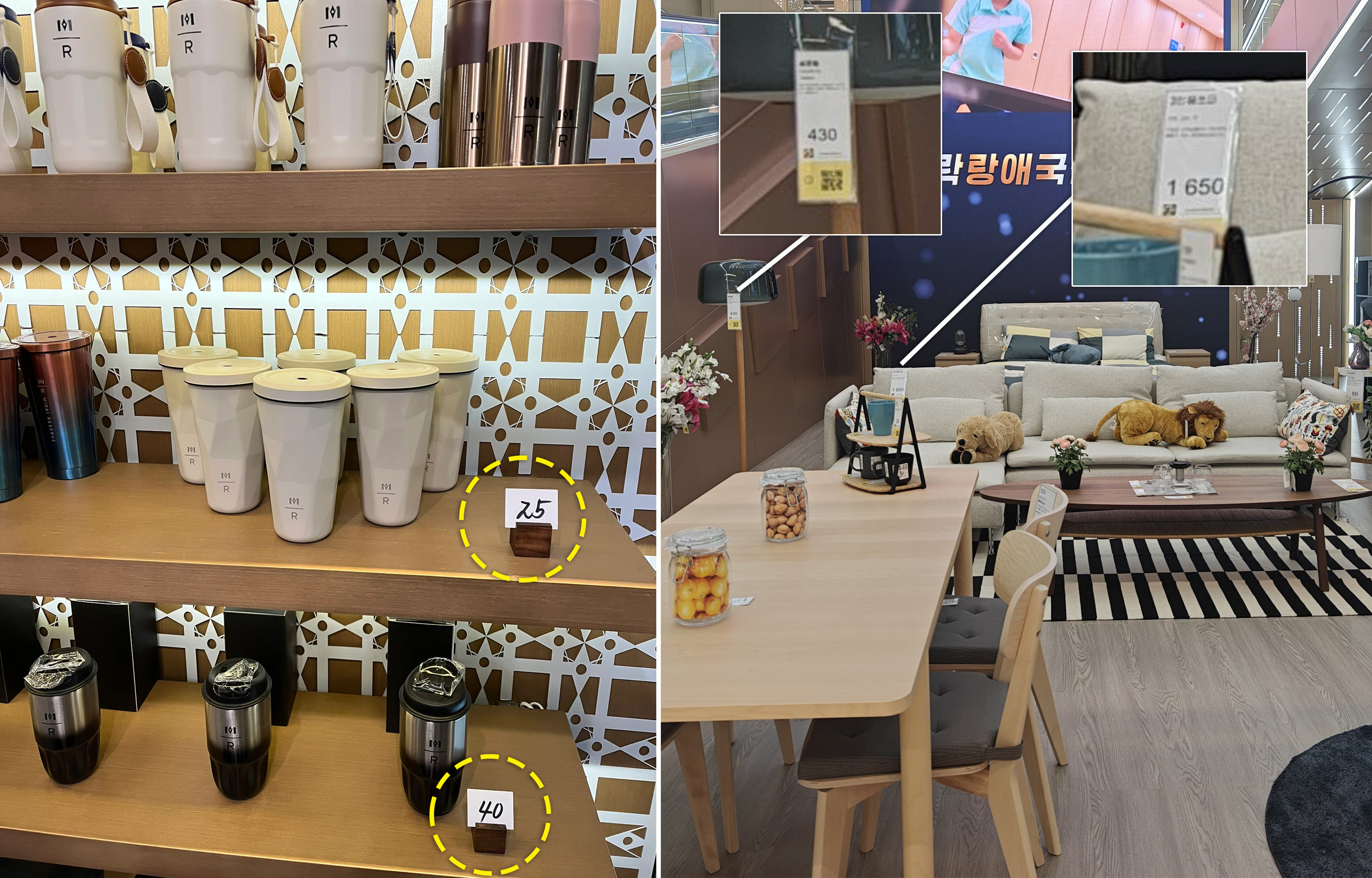 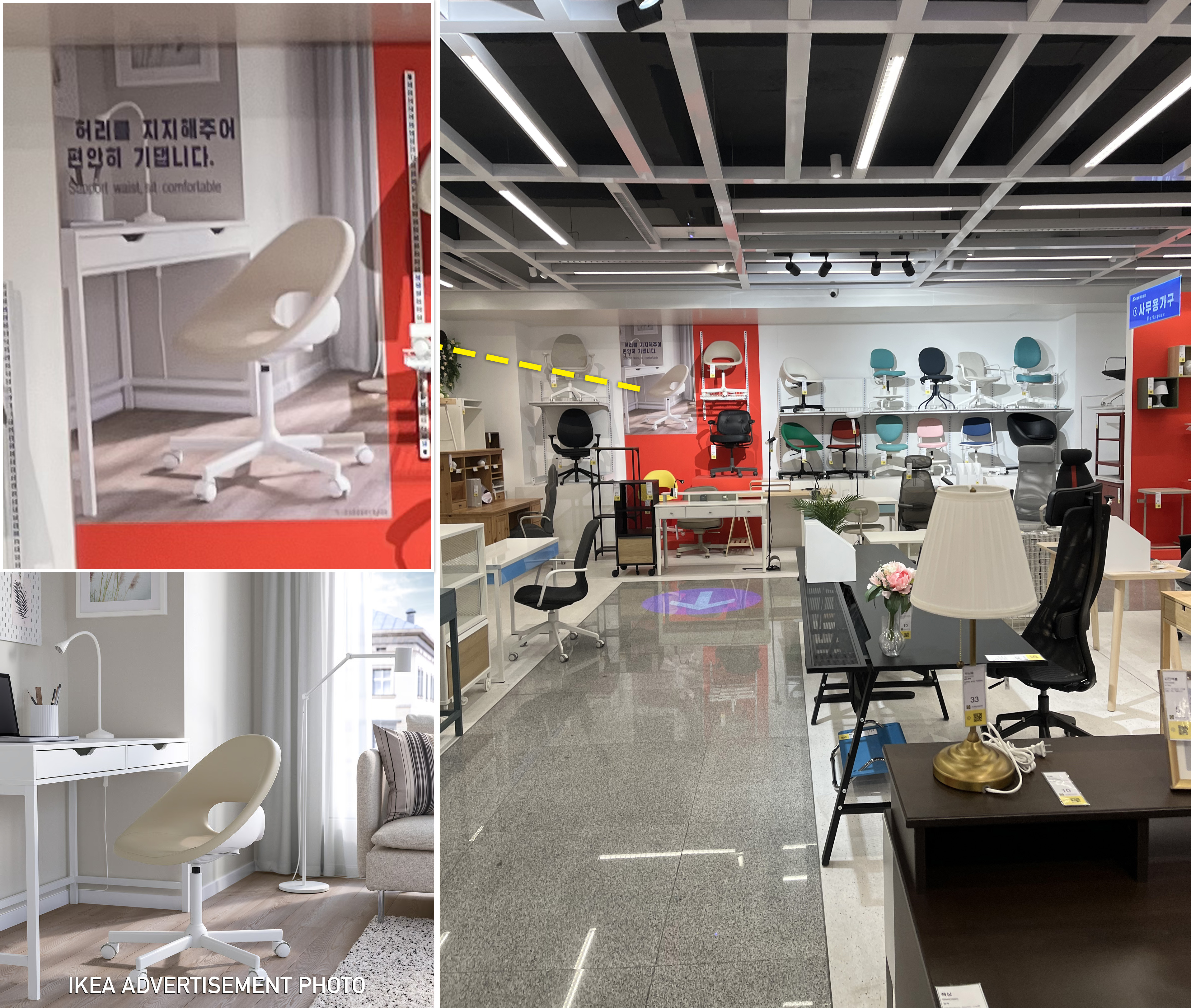 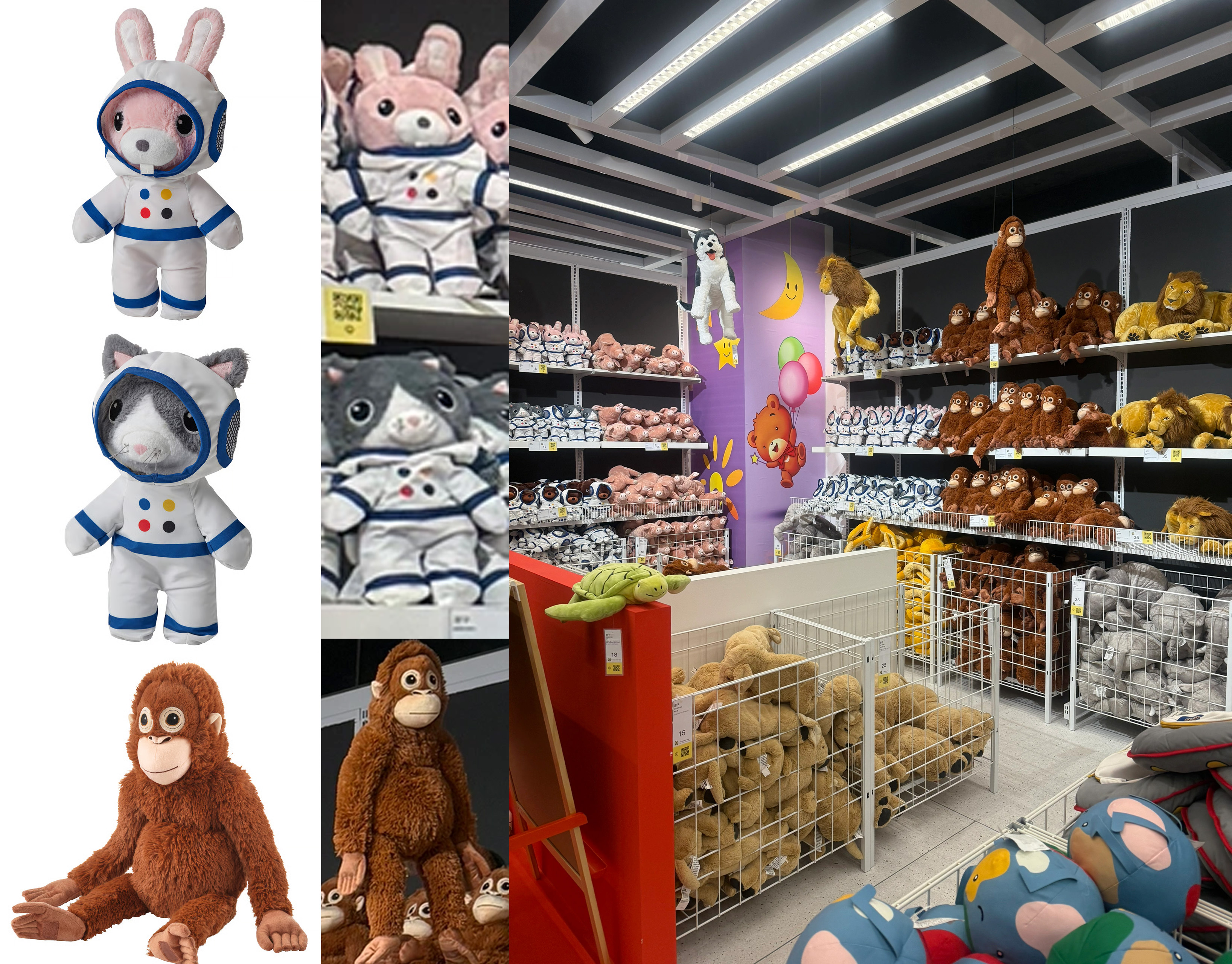 For example, a couch identical to the Ikea Soderhamn costs “1 650” at the Rangrang mall, and a floor lamp identical to the Ikea Evedal costs “430.” At North Korea’s official “internal” exchange rate of around 113 won (KPW) to one U.S. dollar, the couch would be far too cheap at the equivalent of only US$15. This makes Euro or dollar prices more likely, or suggest a scheme in which zeroes are omitted from the KPW price. It would still be too cheap at $146 if the real price included one extra zero at 16,500 KPW. Adding two zeroes for a real price of 165,000 KPW would equal a more reasonable $1,460 at the official internal rate, suggesting a markup of $847 over the Chinese Ikea website price of 4,499 yuan (RMB) or $626. When calculating using the reported current unofficial or “external” rate of around 20,000 KPW to the dollar, adding four zeroes for 16,500,000 KPW would equal around $825, resulting in a smaller markup. A higher markup is more likely as this would be consistent with foreign luxury products typically being sold in Pyongyang for two to three times their retail cost outside the country. The products are most likely being shipped to Pyongyang from China given Beijing’s limited sanctions enforcement, while some social media photos revealed Chinese writing on the tags of Ikea stuffed animals. Profits for the mall’s ownership could be higher than these estimates if they were purchased wholesale from an Ikea affiliated factory or one making knockoffs. In another example in a different part of the Rangrang mall, a smart toilet made by Japanese brand Toto appeared to be on sale for “11 000,” with the Chinese student vlogger stating the price was in U.S. dollars. This would also be over double the retail price abroad. 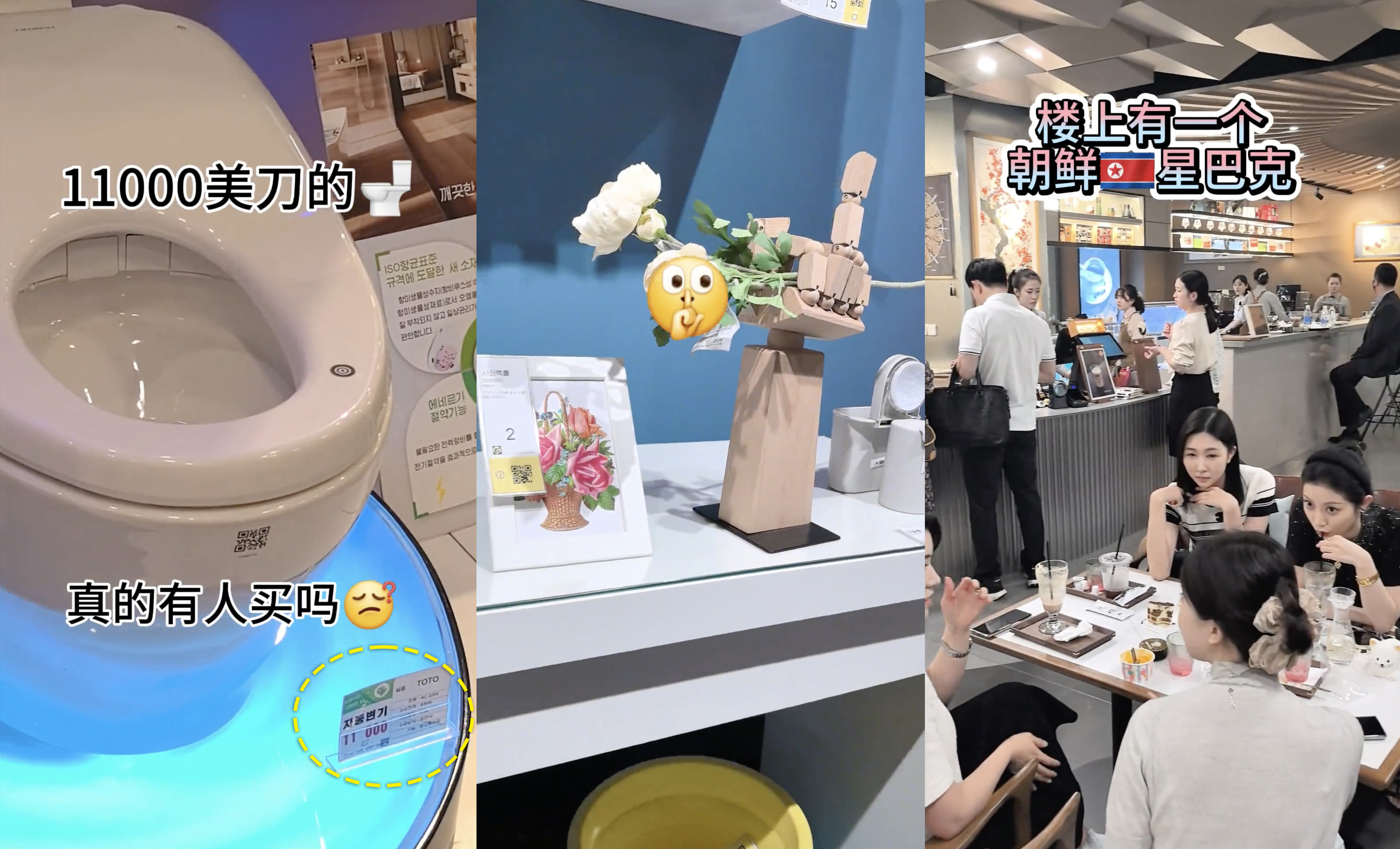 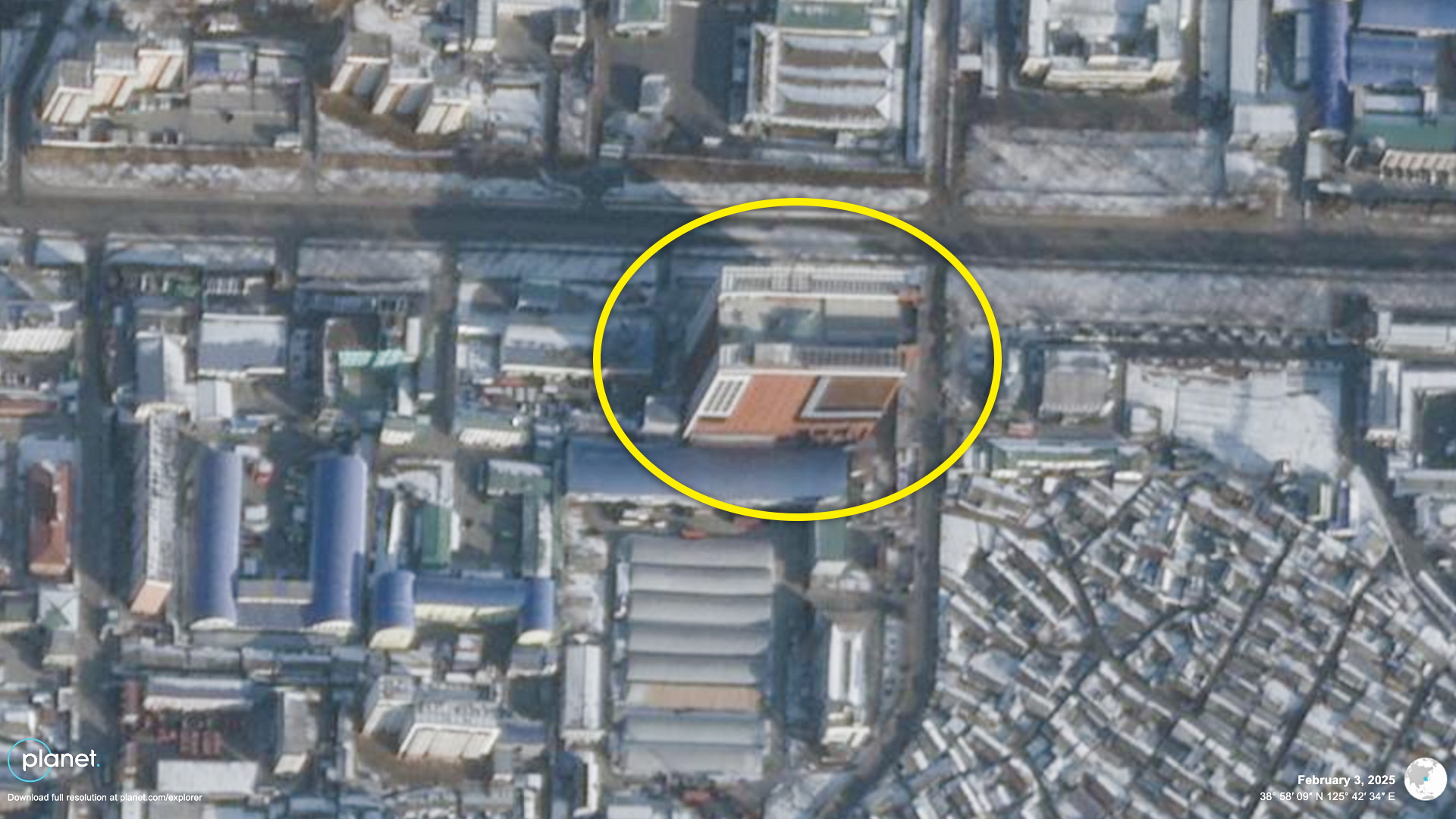 CONSTRUCTION AND OPENING The Rangrang (or Rakrang) mall appeared to open in late 2024 or early 2025, according to NK Pro analysis of Planet Labs satellite imagery showing the building facades completed as well as its parking lot paved and with vehicle activity. It is located in southwest Pyongyang near what was formerly called Thongil (Unification) Street. Google Earth imagery shows that construction began before the pandemic between May and June 2019, and that work continued at a relatively fast pace until late 2020 despite North Korea closing its borders to travel and most trade earlier that year. Work appeared to stall for periods in the next couple of years before the building topped out around Sept. 2022. The shopping center is located near the Ryugyong Golden Plaza, a luxury mall featuring a fake Ikea store that opened last year. Another fake Ikea store opened in 2018 or before at the Kwangbok Department Store. The Swedish company has denied any involvement in the Pyongyang stores. DPRK leader Kim Jong Un appears highly interested in the capital’s new upscale shopping centers, having secretly visited the Ryugyong Golden Plaza without state media reporting on it. He also secretly visited the new luxurious Taedonggang Sushi Specialty Restaurant (대동강초밥전문식당) located in east Pyongyang, according to NK Pro analysis of Chinese social media photos, which show a typical leadership visit commemoration plaque above the front doors. State propagandists, meanwhile, continue to push false narratives that Kim Jong Un is completely committed to establishing a purely communist society and that authorities reject capitalism. Kim has also publicly lamented the growing wealth gap between Pyongyang and the rest of the country multiple times in the last couple of years. 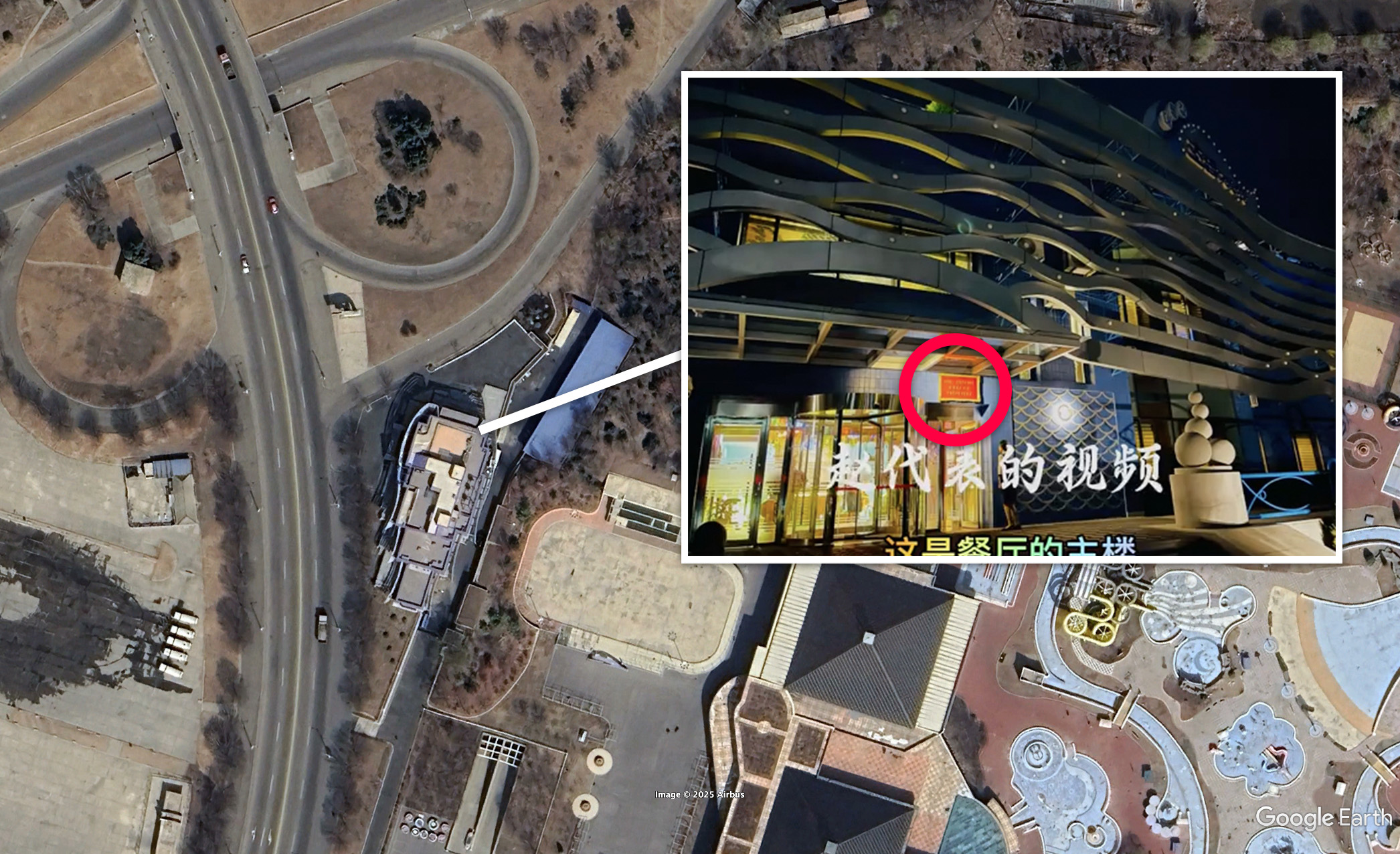 Edited by Bryan Betts © Korea Risk Group. All rights reserved. |

October 18, 2026Oct 18, 2026

The ultimate resources for professionals working on North Korea
 SHARE
SHARE COPY LINK
 X
X MASTODON