  COVID-19 North Korea gas prices increase sharply amid coronavirus measures: dataDaily NK data shows sharp increase, while NK Pro data remains mostly static 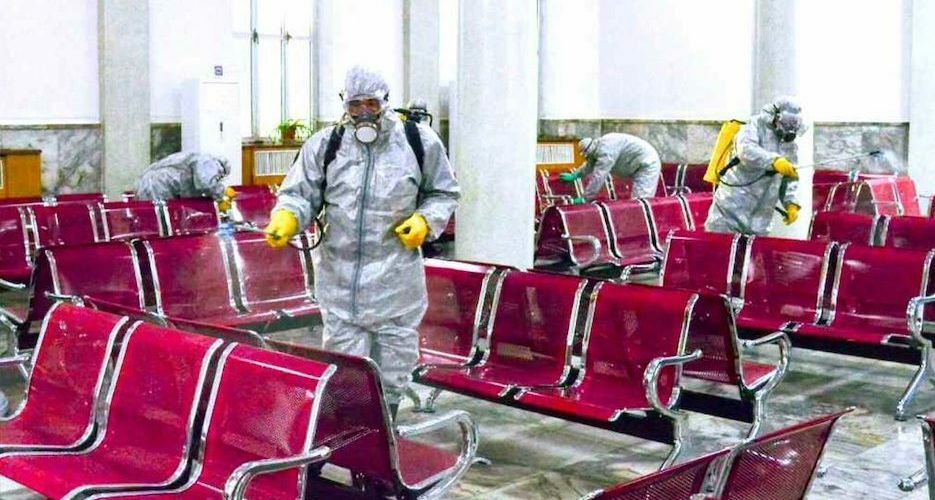 North Korean diesel and petrol prices increased sharply as authorities adopted a range of measures to stop the spread of the novel Coronovirus, data obtained by the Daily NK and analyzed by NK Pro indicated on Thursday. Prices obtained from three cities throughout the DPRK showed a significant increase in unofficial energy prices between January 27 and February 6. Diesel increased by 35.5% to 10,571.667 KPW per kilo, while petrol increased by 17.47% to 14,933 KPW per kilo, nationwide figures showed. The increases come as North Korean authorities from January 21 began introducing a range of increasingly extreme public healthcare policies to try and prevent the spread of novel coronavirus into DPRK territory. Those measures currently mean all rail and air routes are suspended, that some ports are not accepting vessels, and DPRK-PRC land crossings are principally only allowing outbound movements of people. The collective impacts of the new health policies are likely the main cause of the sharp rise in prices. “The price of diesel has generally been significantly more stable than petrol over the past four years, and this spike we have just seen is surprising and must be worrying for the North Korean authorities,” said Peter Ward, a contributing analyst to NK Pro. “Much of the country’s civilian and military vehicles are believed to run on diesel, so a sudden spike in the price of diesel will hurt a lot of state and pseudo-state actors,” he added. “It’s also bad for households who use diesel to power generators or fuel their own vehicles.” NK Pro energy pricing data dated January 27 – which reflects the rate that foreign residents pay in Pyongyang – also reflected a modest rise in petrol prices, but that was reversed as of Friday. This may be explained by authorities insulating the foreign community from price increases, a phenomenon which has occurred to an extent in the past. North Korean citizens continued to pay standard rates for buses and taxis through many of the significant price spikes of 2017-2018, NK Pro understood from sources at the time, suggesting they were also insulated from shock during that period. Ward, however, suggested other reasons could be at play to explain the difference in energy pricing data between the sources. “There’s likely a lag, with short-term price changes in the market not immediately feeding through to the prices that the authorities charge long-term foreign residents in the capital,” he said. “My hunch would be that they wait a week or two before changing prices significantly, with a short-term market spike not leading to price changes for diplomats. They appear to have a significant margin built-in, with diesel especially being sold a significant mark-up to diplomats relative to Daily NK market prices.” Edited by Oliver Hotham Featured image: NK Pro © Korea Risk Group. All rights reserved. |

October 08, 2026Oct 08, 2026

The ultimate resources for professionals working on North Korea
 SHARE
SHARE COPY LINK
 X
X MASTODON