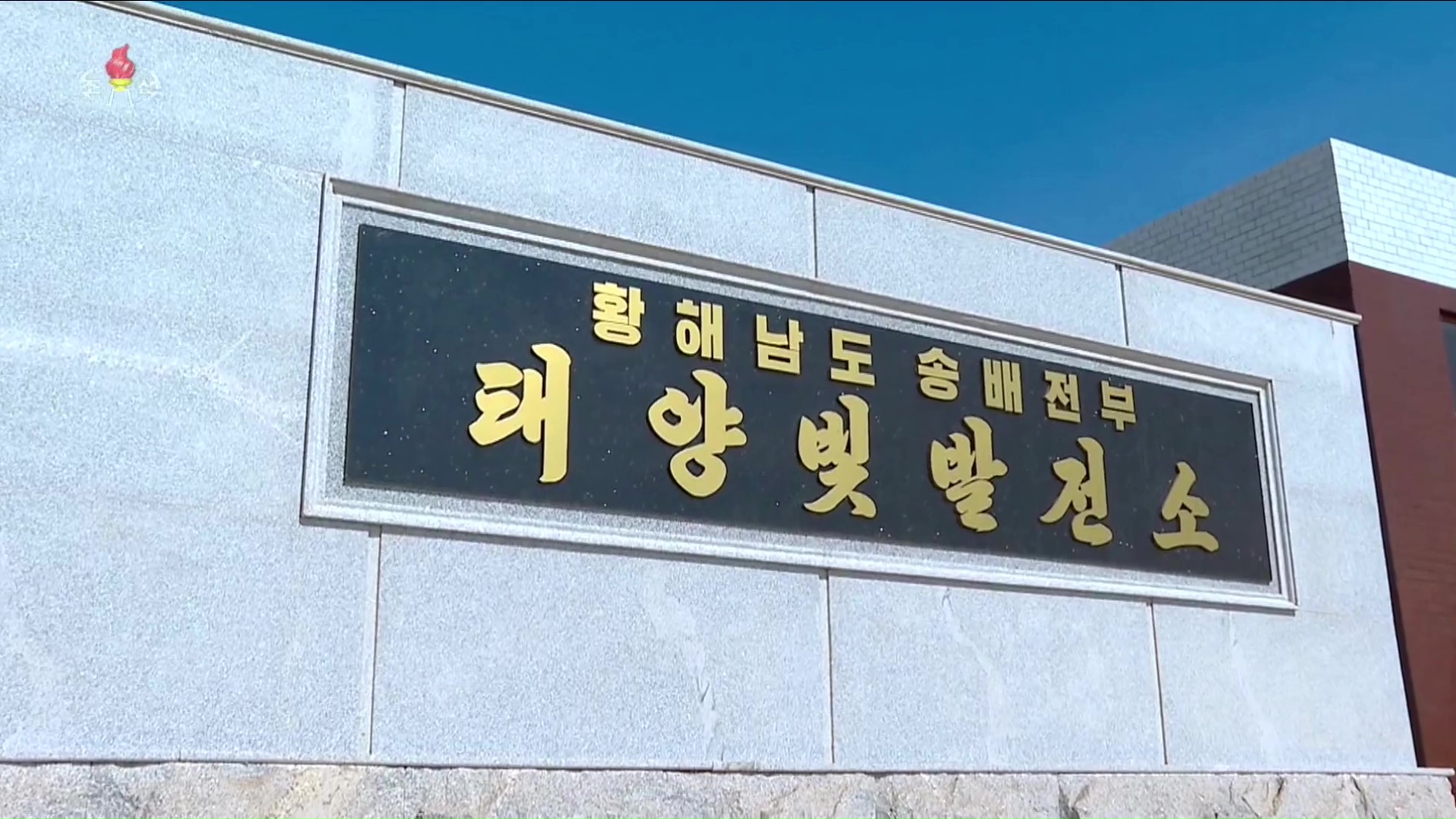
  Investigations North Korea builds first large-scale solar farm to address ‘energy problem’Satellite imagery shows facility covers 25 acres in southern coastal city, amid push to diversify power production  North Korea has built its first large-scale solar energy farm in the southern coastal city of Haeju, satellite imagery shows, as state media continues to report on the country’s “strained energy problem.” NK Pro analysis of Planet Labs satellite imagery reveals that construction on the new solar farm started last June and that straight rows of solar panels covering around 25 acres (10 hectares) were installed by December. It’s located at the west end of the capital of South Hwanghae Province, directly next to an aging paper mill where construction of new facilities took place simultaneously last year. The new solar farm (태양빛발전소) officially opened on April 30, the Rodong Sinmun and Korean Central Television (KCTV) reported in early May. It is run by the local government under the South Hwanghae Provincial Power Transmission and Distribution Station (황해남도 송배전부). 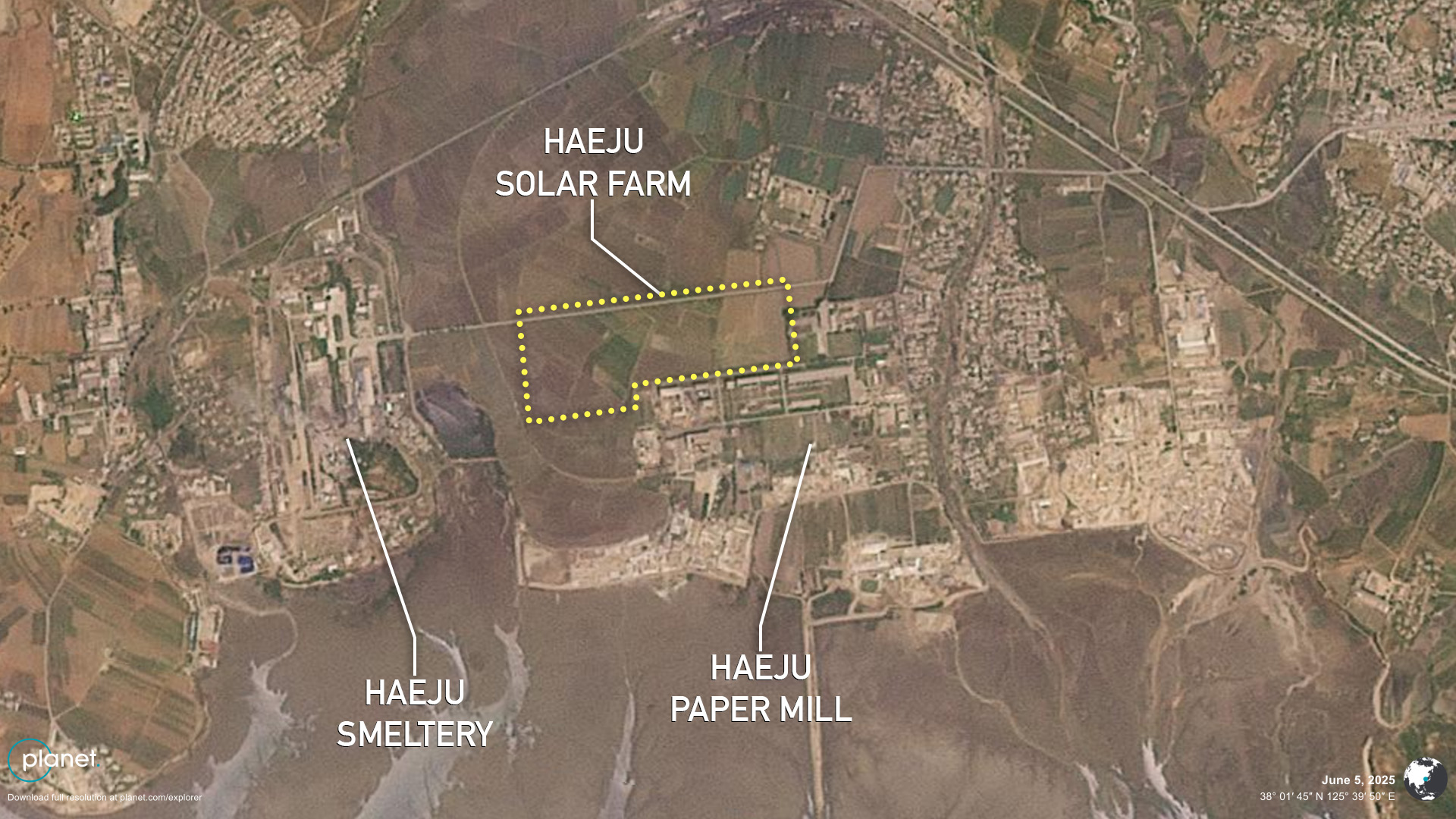
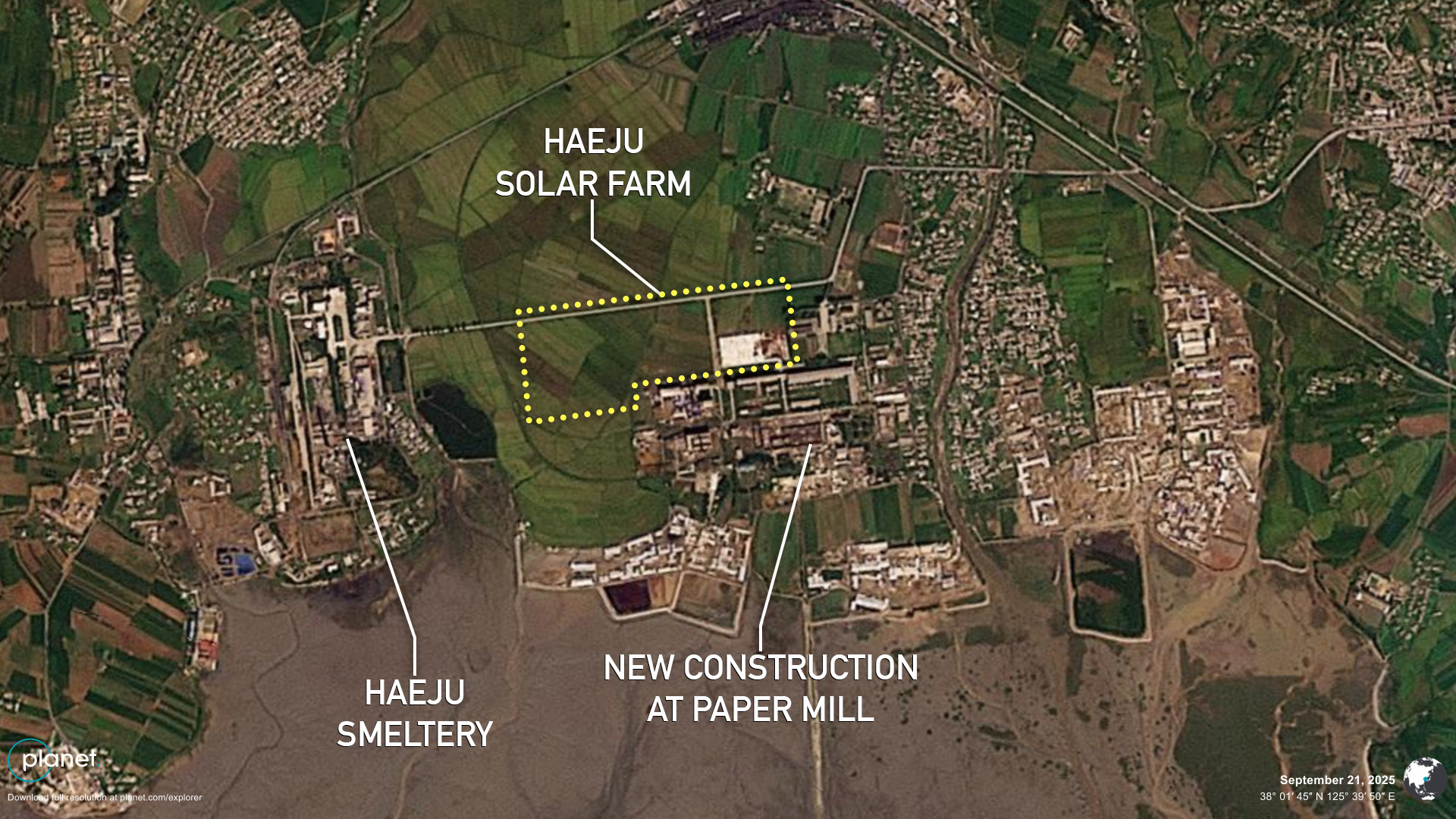
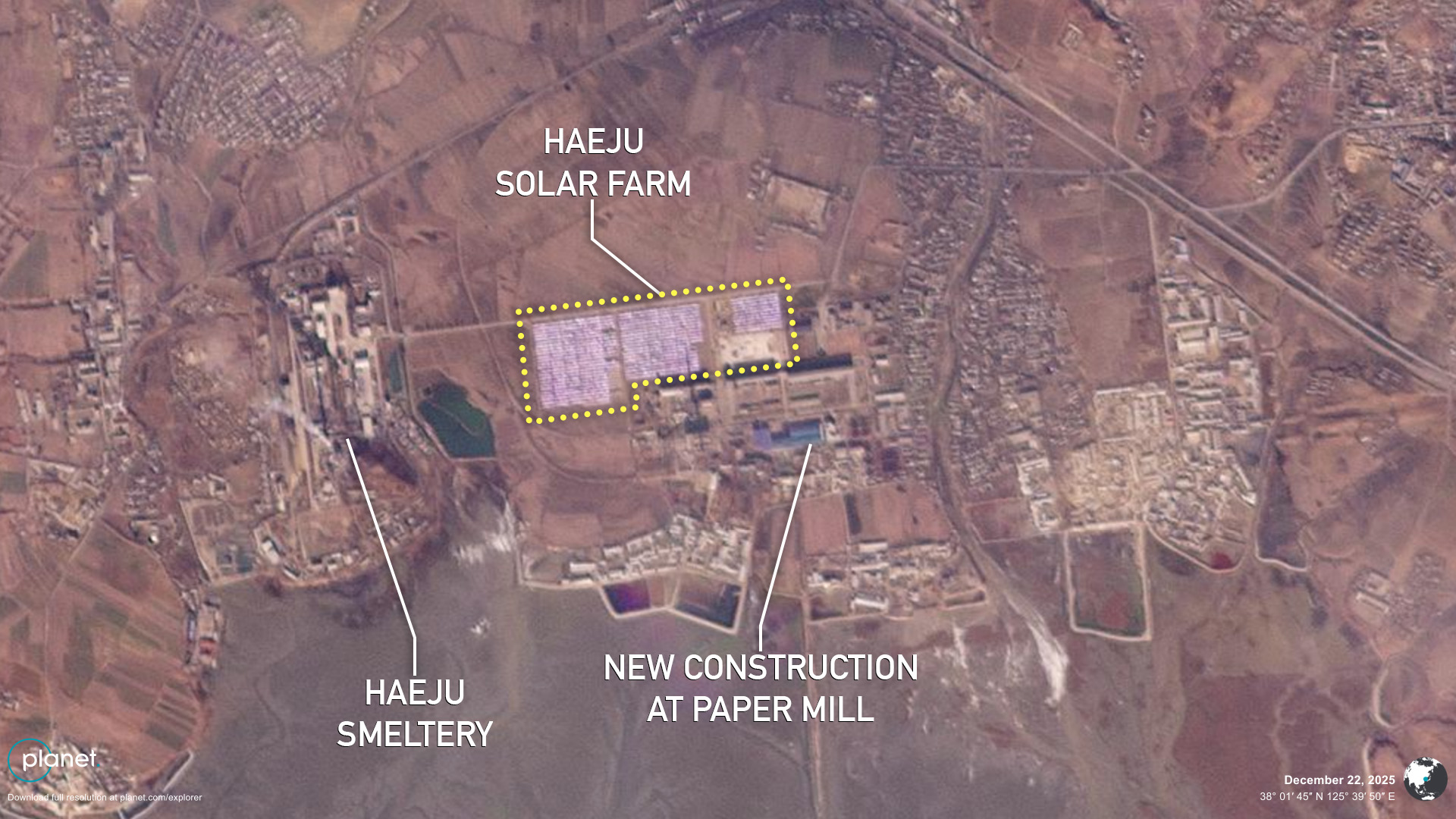
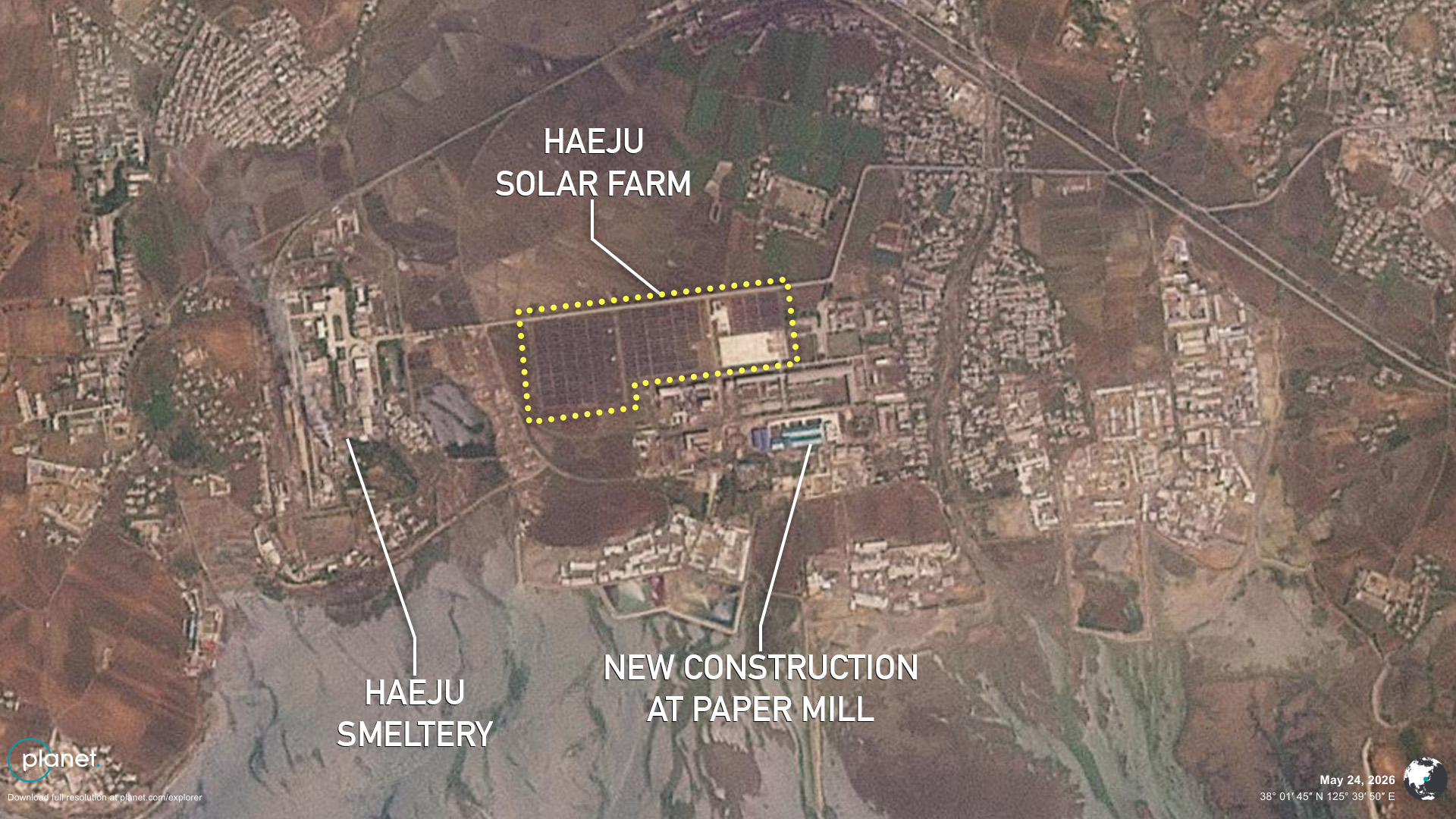
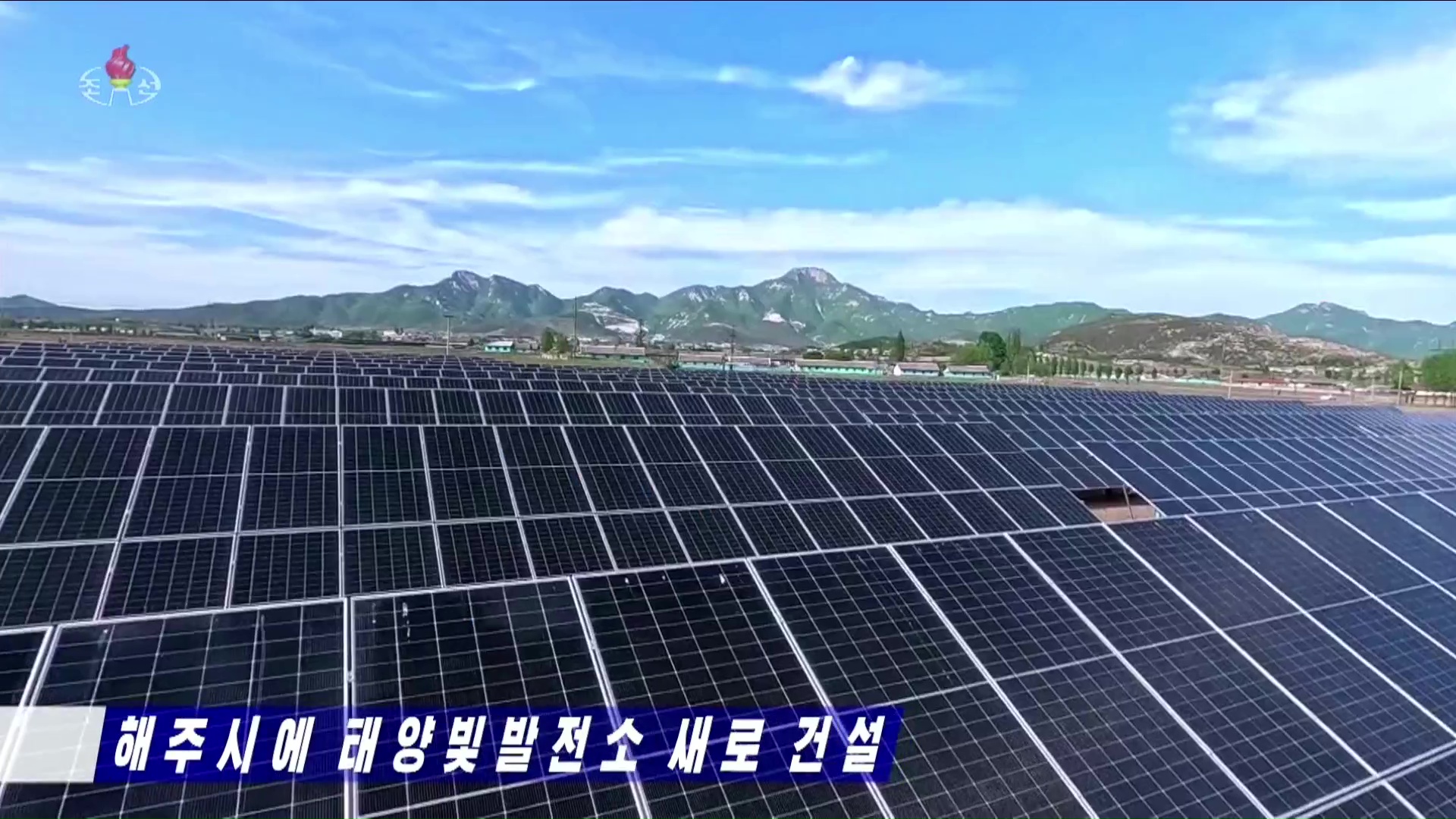
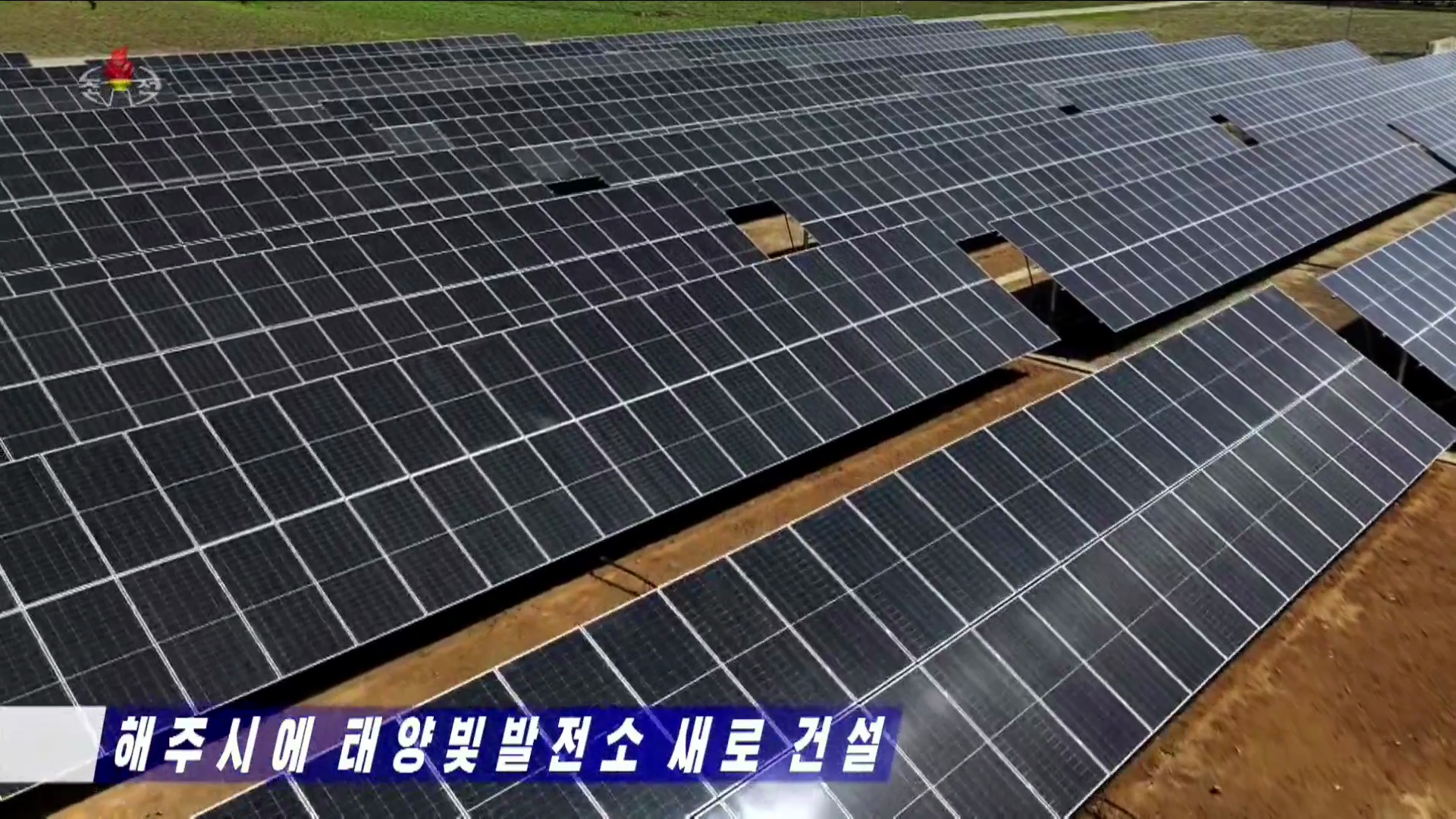
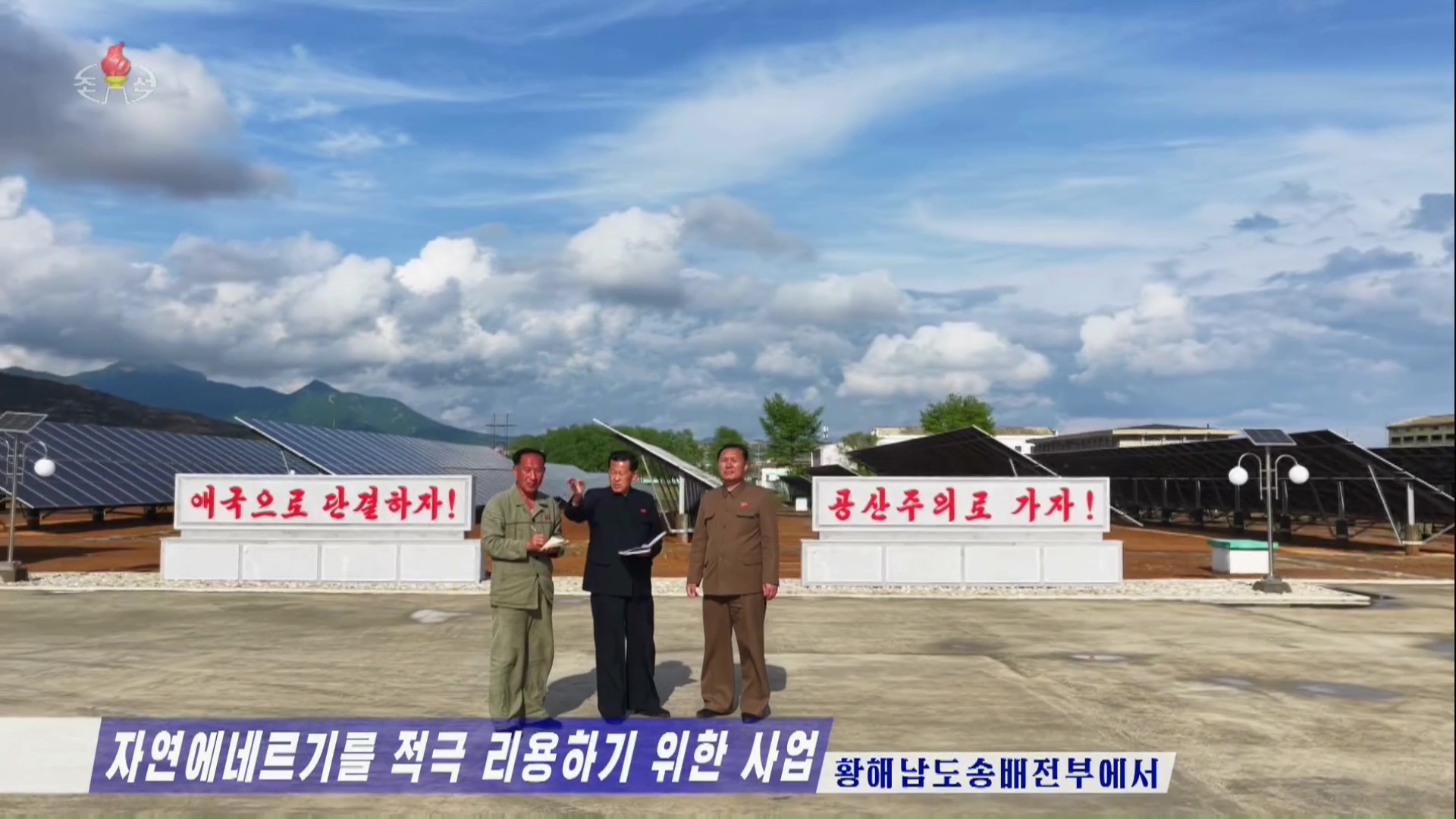
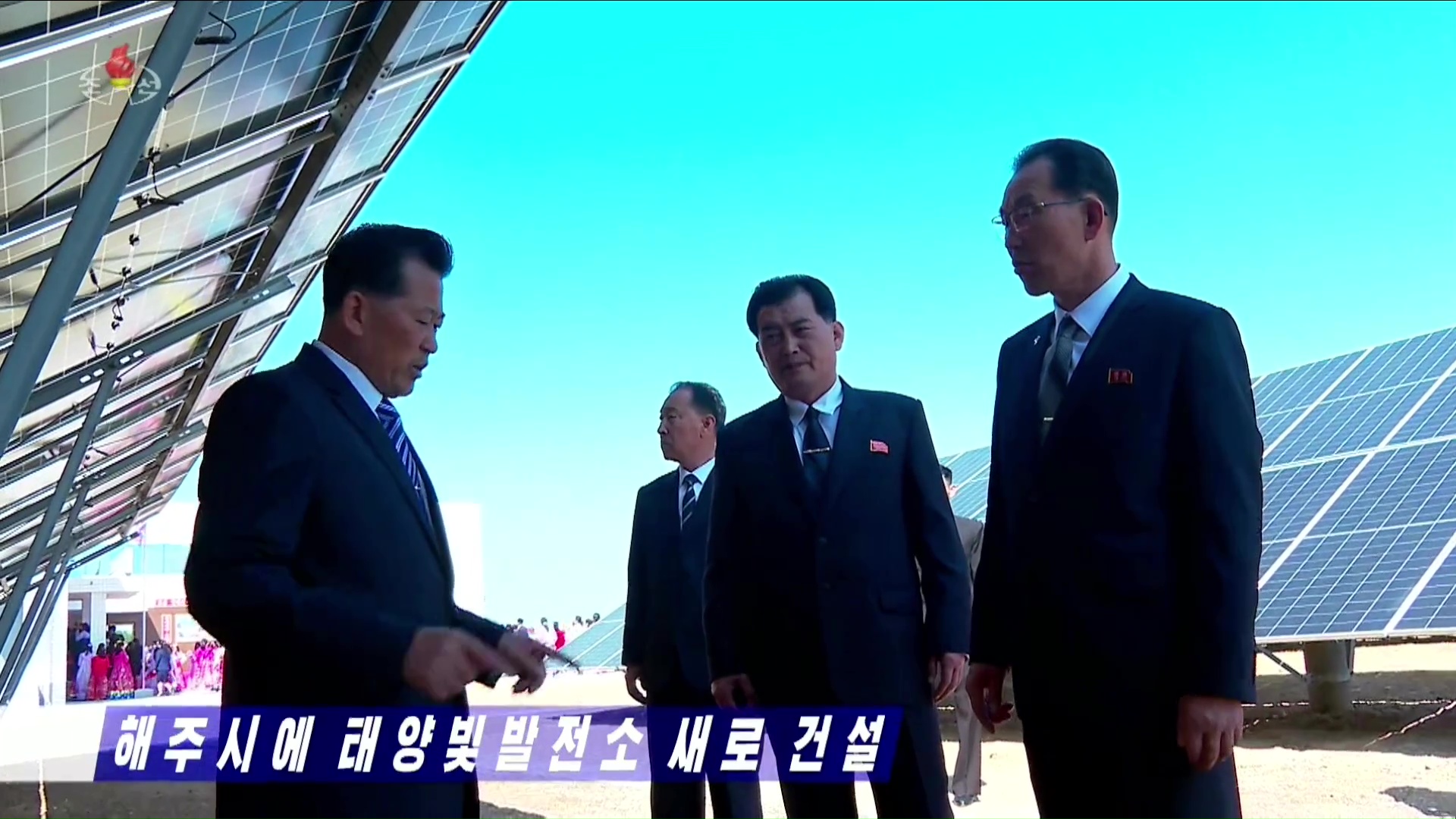
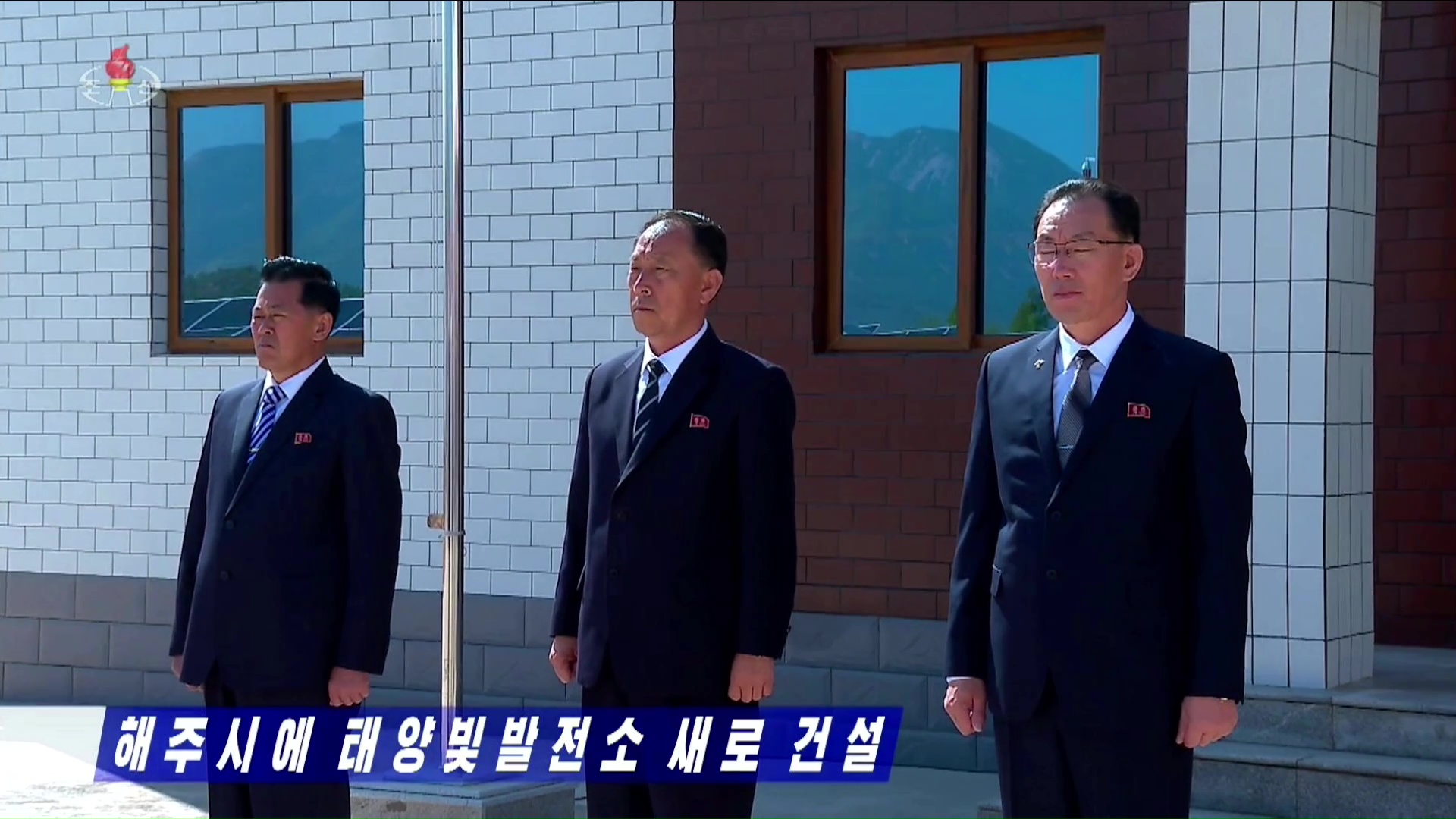
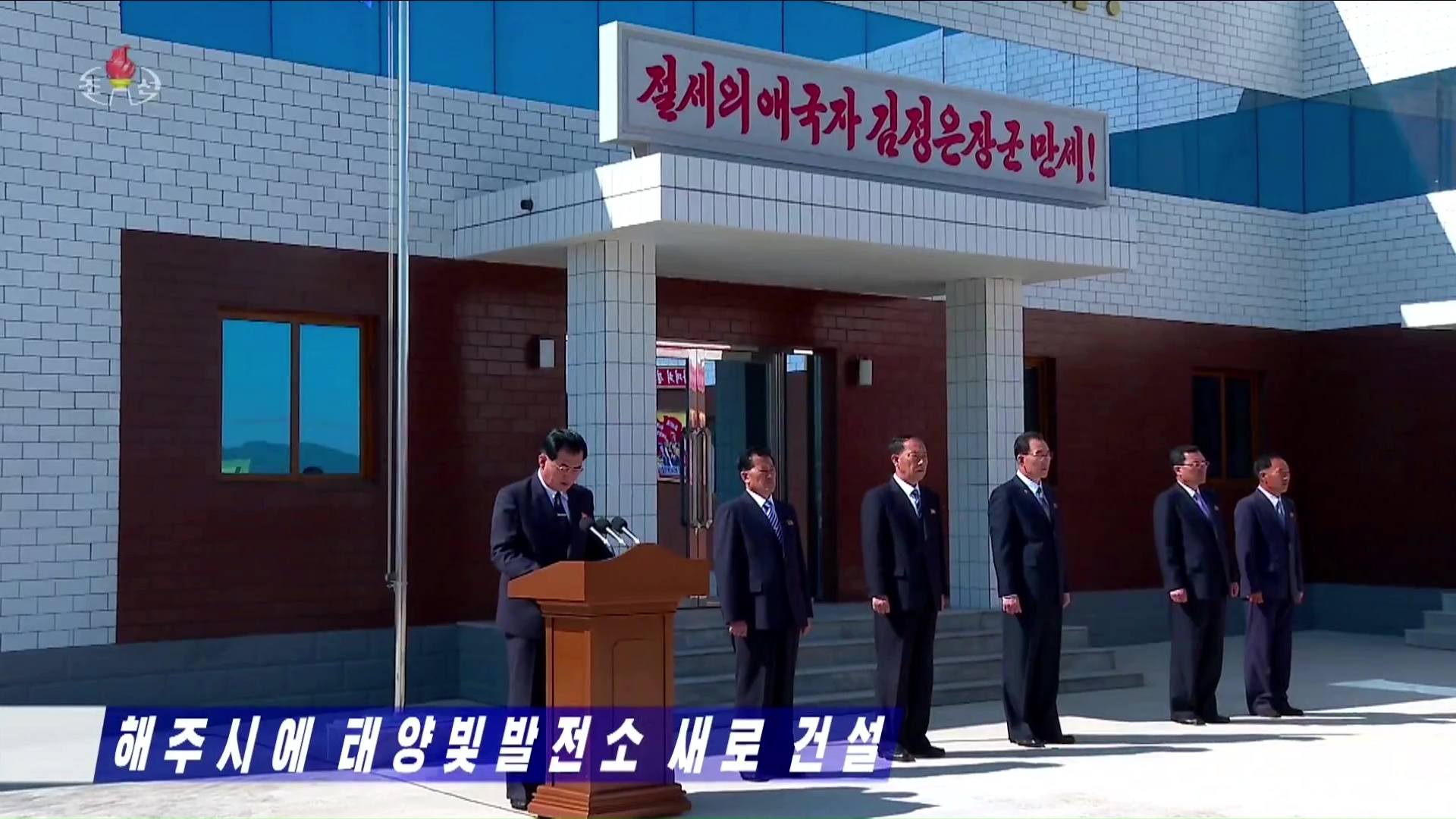
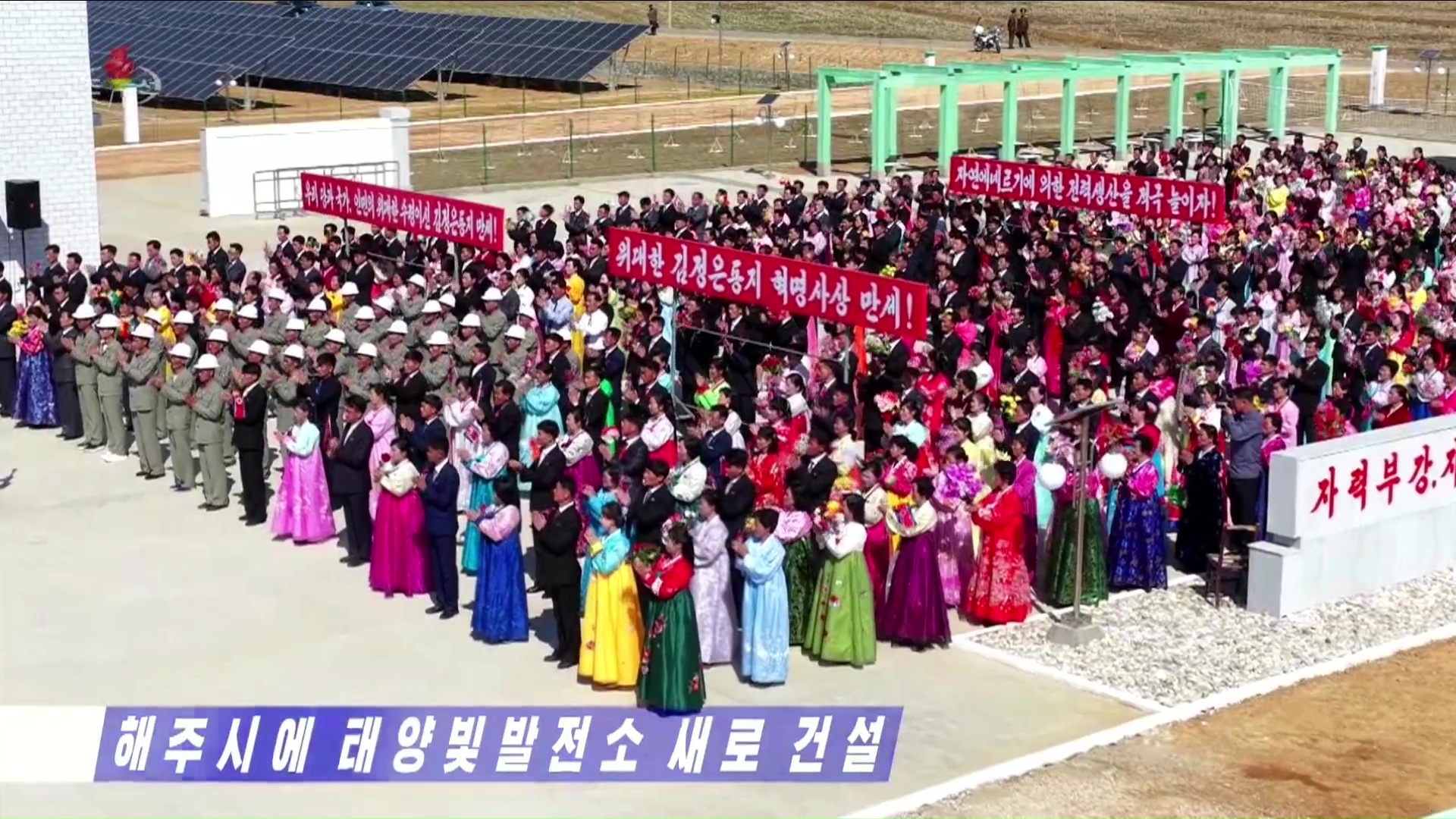
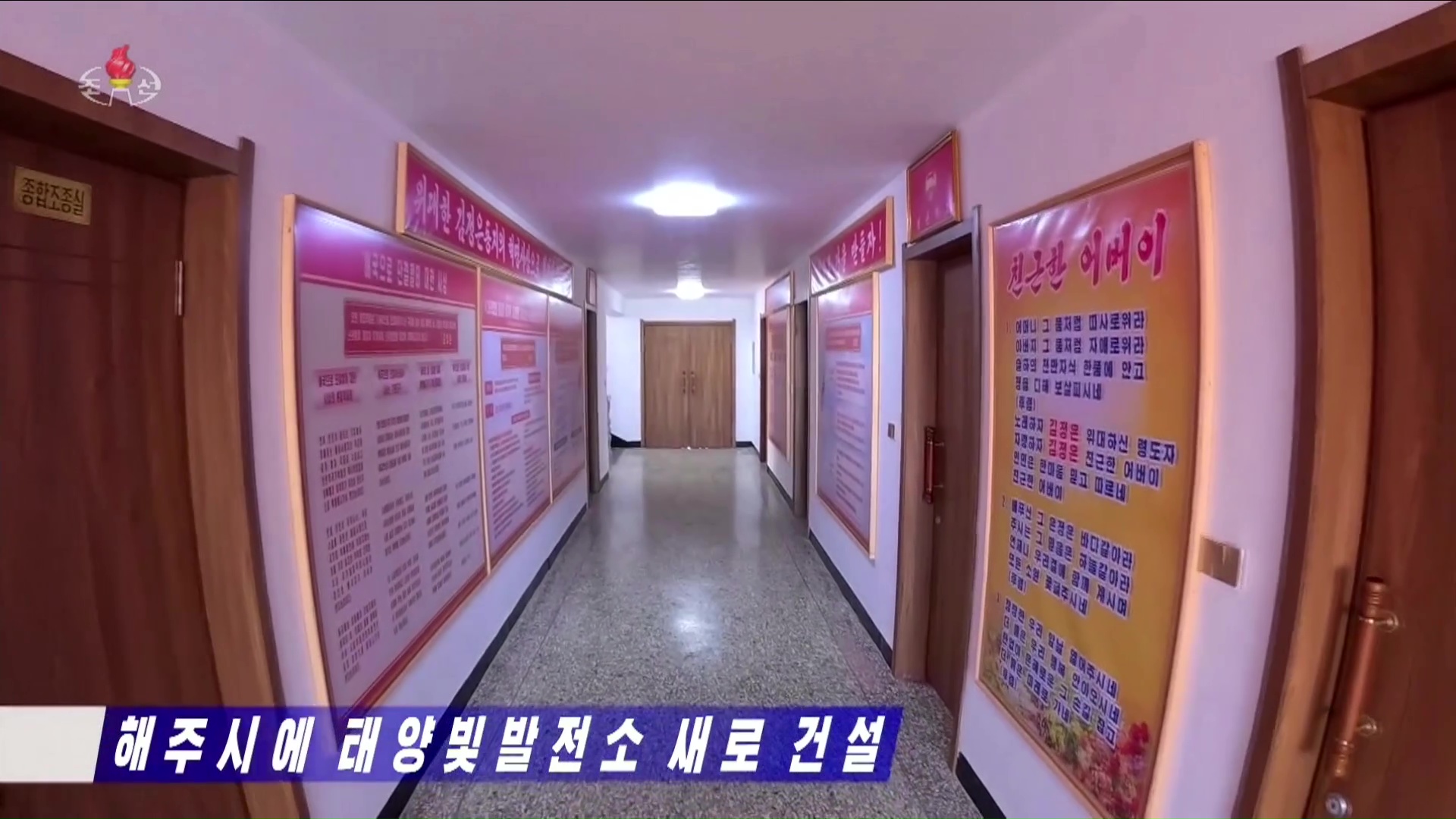
Its construction comes as the Rodong Sinmun has mentioned the country’s longstanding “energy problem” in 17 news articles so far this year. An article published on May 13 said workers are trying to “solve the nation’s strained energy problem.” Another featured an interview with leading government officials in the energy sector, who called for addressing chronic shortages by “increasing energy production from wind, tidal and solar energy” in addition to nuclear, hydroelectric and thermal power plants. DPRK leader Kim Jong Un did not mention the recent energy problems in the officially released versions of his Ninth Party Congress speeches in February, though he did call for increasing research into the “new energy industry.” The Korean Central News Agency (KCNA) reported in mid-May that the Haeju solar farm has a “capacity of 10,000 kilowatts,” meaning it can produce a maximum of 10 megawatts (MW) of electricity under ideal weather conditions. Though the new facility appears to be North Korea’s largest solar farm, it is small by international standards. For comparison, a solar power plant that was reportedly South Korea’s largest when it opened in 2020 boasted a 98 MW capacity. KCNA added that the other recent DPRK solar energy projects include a new facility in the remote Phabal-ri area of Kim Hyong Gwon County in Ryanggang Province, which satellite imagery suggests covers only around 6 acres (2.5 hectares). State media has also promoted smaller solar panel arrays installed along riverbanks in Hamhung and Phyongsong in the last year, as well as small clusters of panels in various parts of Pyongyang. 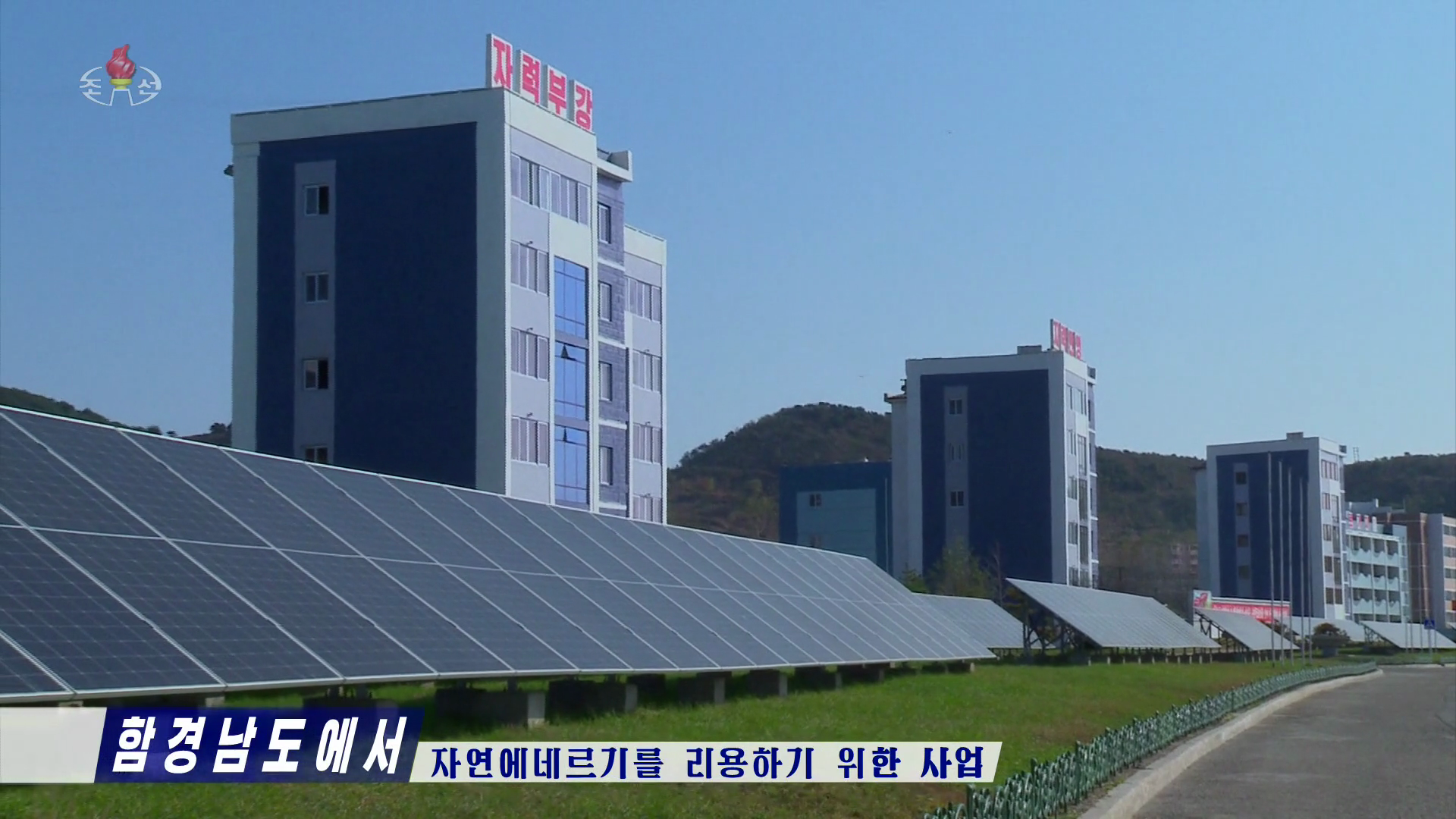
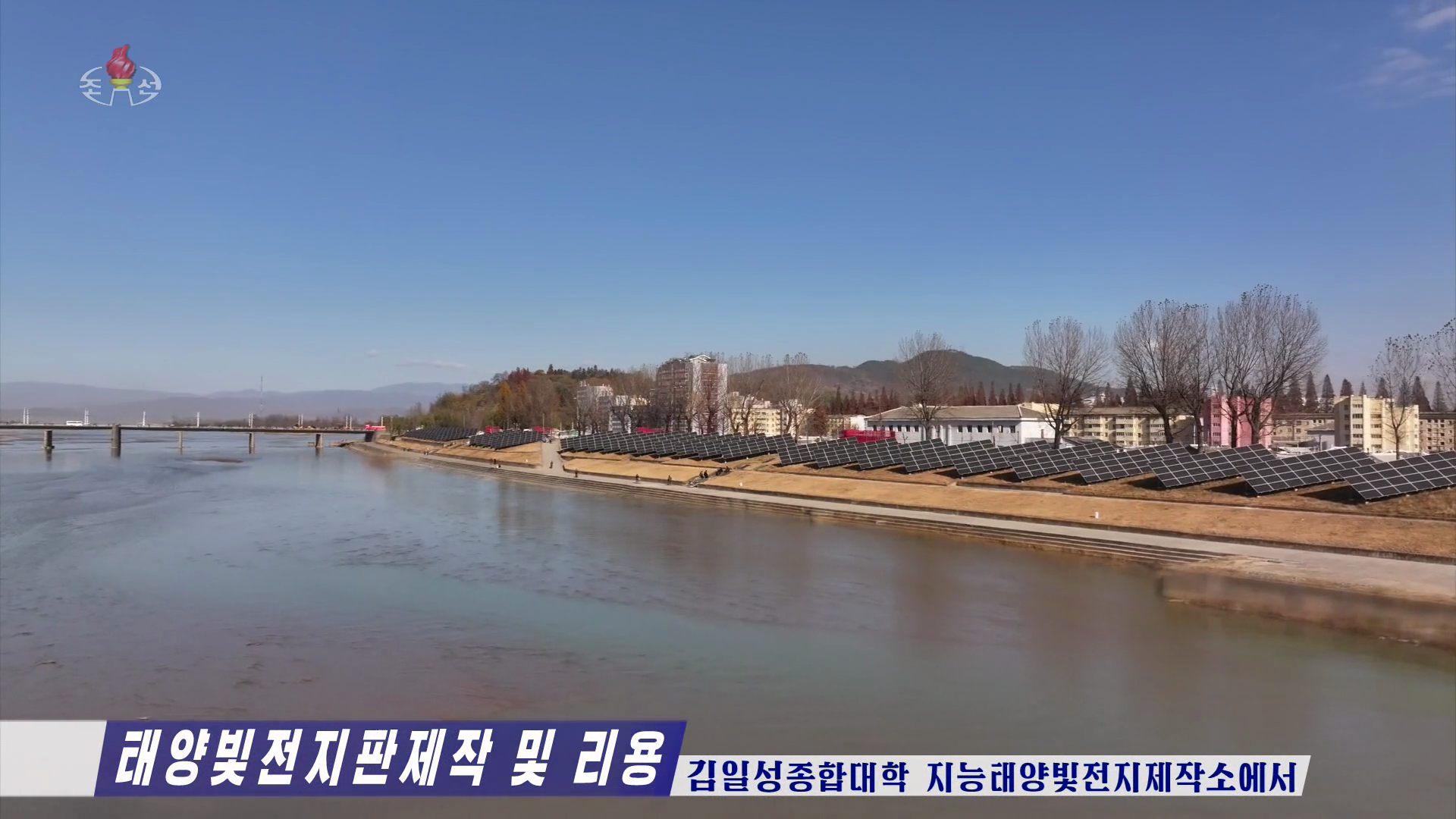
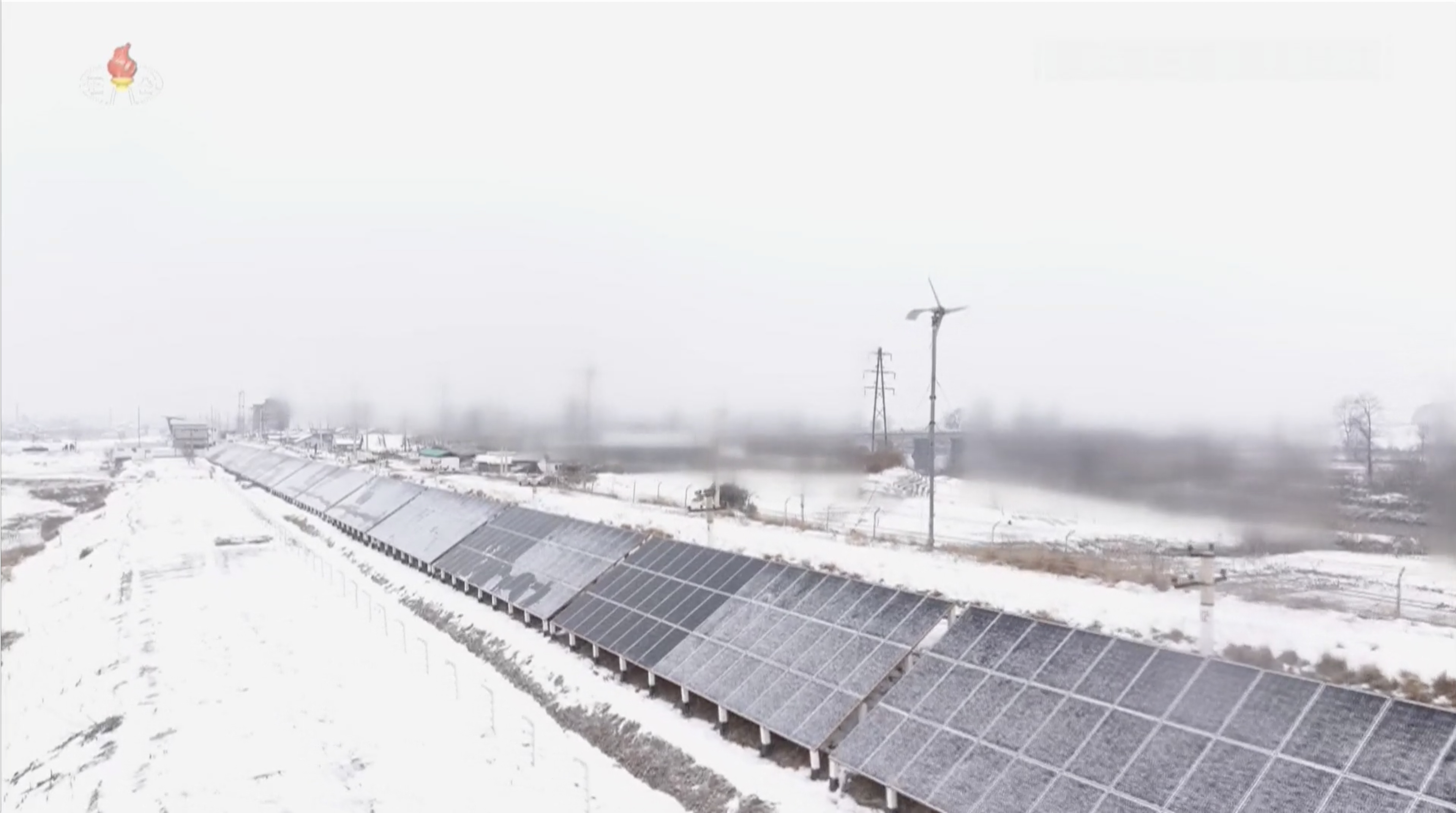
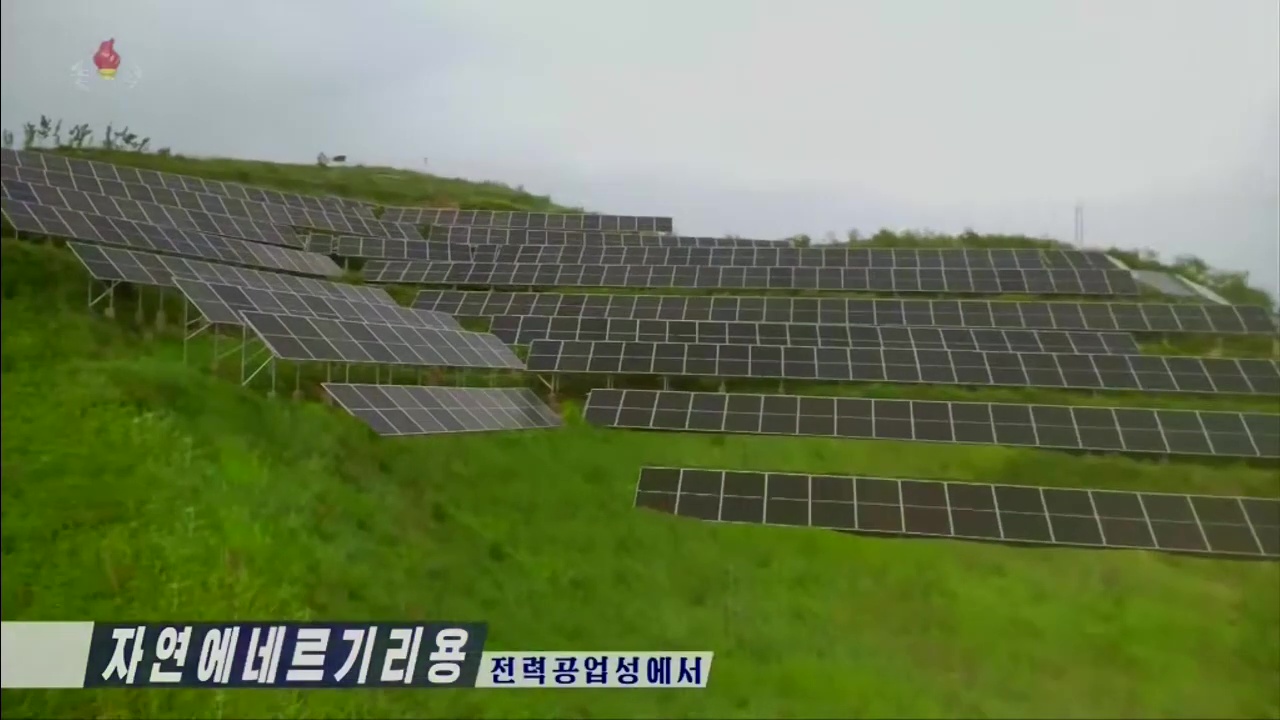
It has been more common in recent decades for individual organizations and factories to make up for the state’s chronic energy production failures by installing solar panels on the roofs of buildings or in relatively small numbers on the ground, or for citizens to install them on the sides of buildings outside their windows. Authorities pushed public service announcements in 2023 that seemed to reject this approach in favor of establishing more government-managed solar power stations. Most related equipment is likely imported from China, though state media claims domestic organizations are working on manufacturing solar energy equipment as well. State media has consistently reported on electricity shortages for decades, with the country relying mostly on hydroelectric power stations and coal-fired thermal power plants. Construction appeared to start on a major planned tidal power station across the Haeju Bay in 2024 as well, but work soon halted and it remains unclear if the new sea wall built there is ultimately related to the project. Edited by Bryan Betts © Korea Risk Group. All rights reserved. |

October 11, 2026Oct 11, 2026

The ultimate resources for professionals working on North Korea
 SHARE
SHARE COPY LINK
 X
X MASTODON