  Investigations No signs that North Korea dumping uranium waste into South’s waterways: ImageryNK Pro analysis casts doubt on report of toxic discharge from Pyongsan facility, instead finding DPRK fixed pipe leak  North Korea’s sole facility producing uranium concentrate has been at the center of political controversy in the South this week, following a media report that radioactive waste dumped from the plant is flowing into the Han River estuary shared by both North and South Korea. However, NK Pro analysis of satellite imagery of the Pyongsan Uranium Concentrate Plant calls into question the claims in that report, finding instead that DPRK authorities appear to have repaired a leaking wastewater pipe at the facility near the inter-Korean border, four years after the leak’s existence became widely known. But while there appear to be no discharges from the plant at present, North Korea’s poor environmental record and other issues at the site suggest it could still pose risks to human health. Perhaps more importantly, continuing construction points to efforts to increase the facility’s production capacity in recent years, aligning with leader Kim Jong Un’s calls to “exponentially” boost output of nuclear weapons.
ORIGINS OF A LEAK The Pyongsan Uranium Concentrate Plant is located 28 miles from the Demilitarized Zone on the banks of the Nam-chon River, which crucially feeds into the Ryesong River and from there into the Han River estuary on the inter-Korean border. At the plant, waste from the production is taken by pipeline to an unlined sedimentation reservoir, where it settles and water can evaporate off. But as this author first reported in Aug. 2019 based on analysis of satellite imagery, a connecting joint in the waste transfer pipe has been leaking directly into the Nam-chon River since at least 2003. 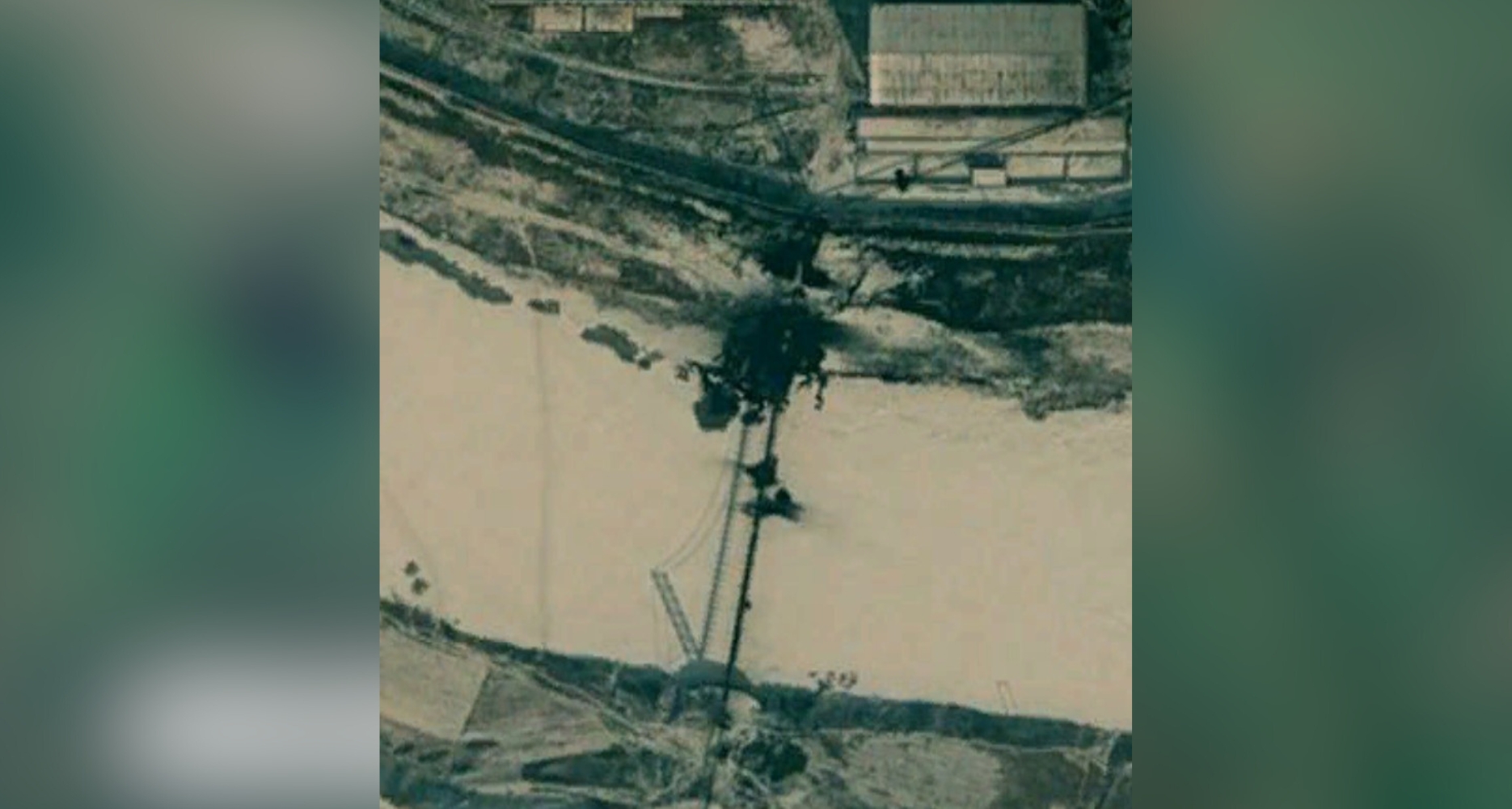
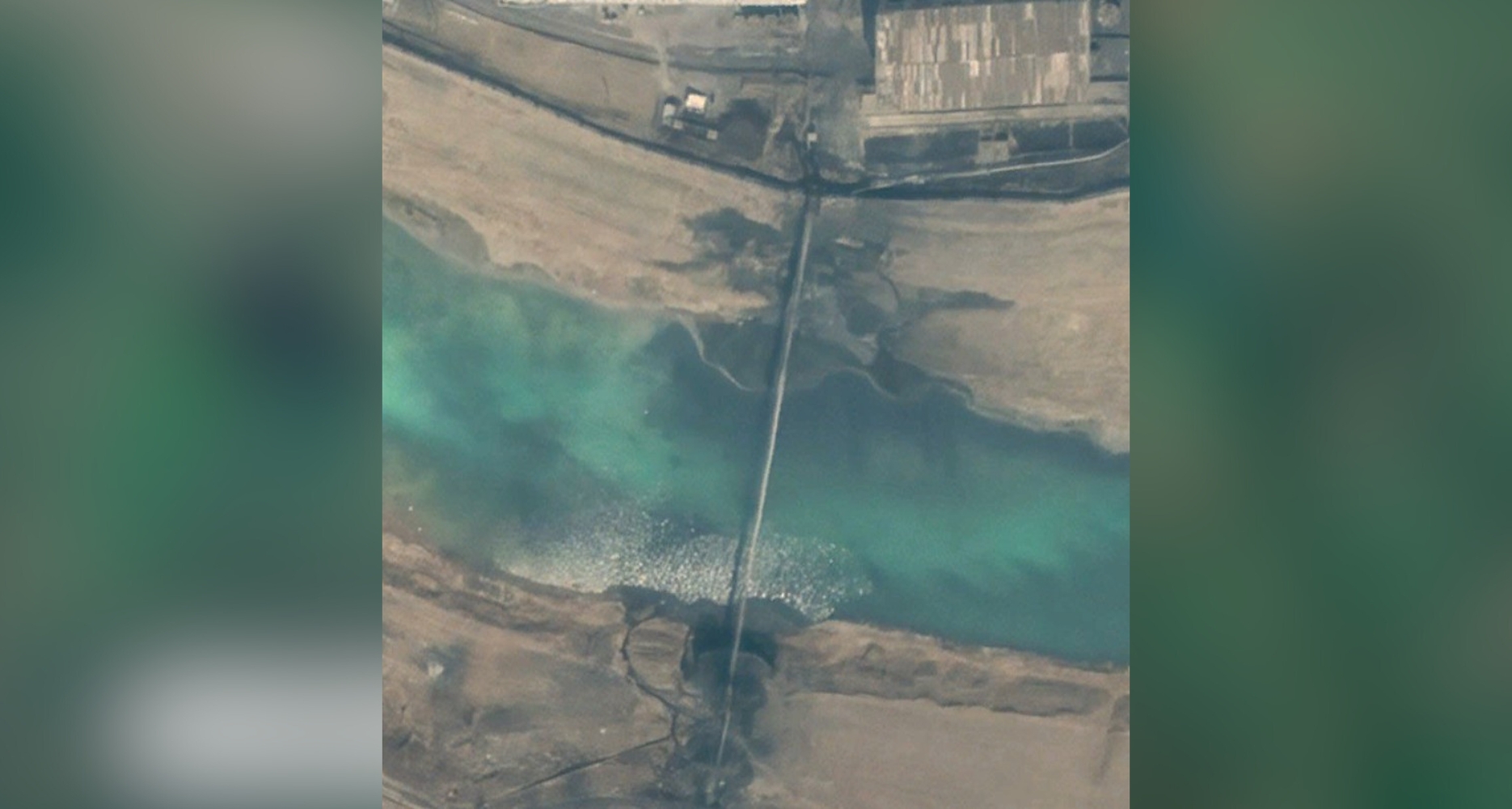
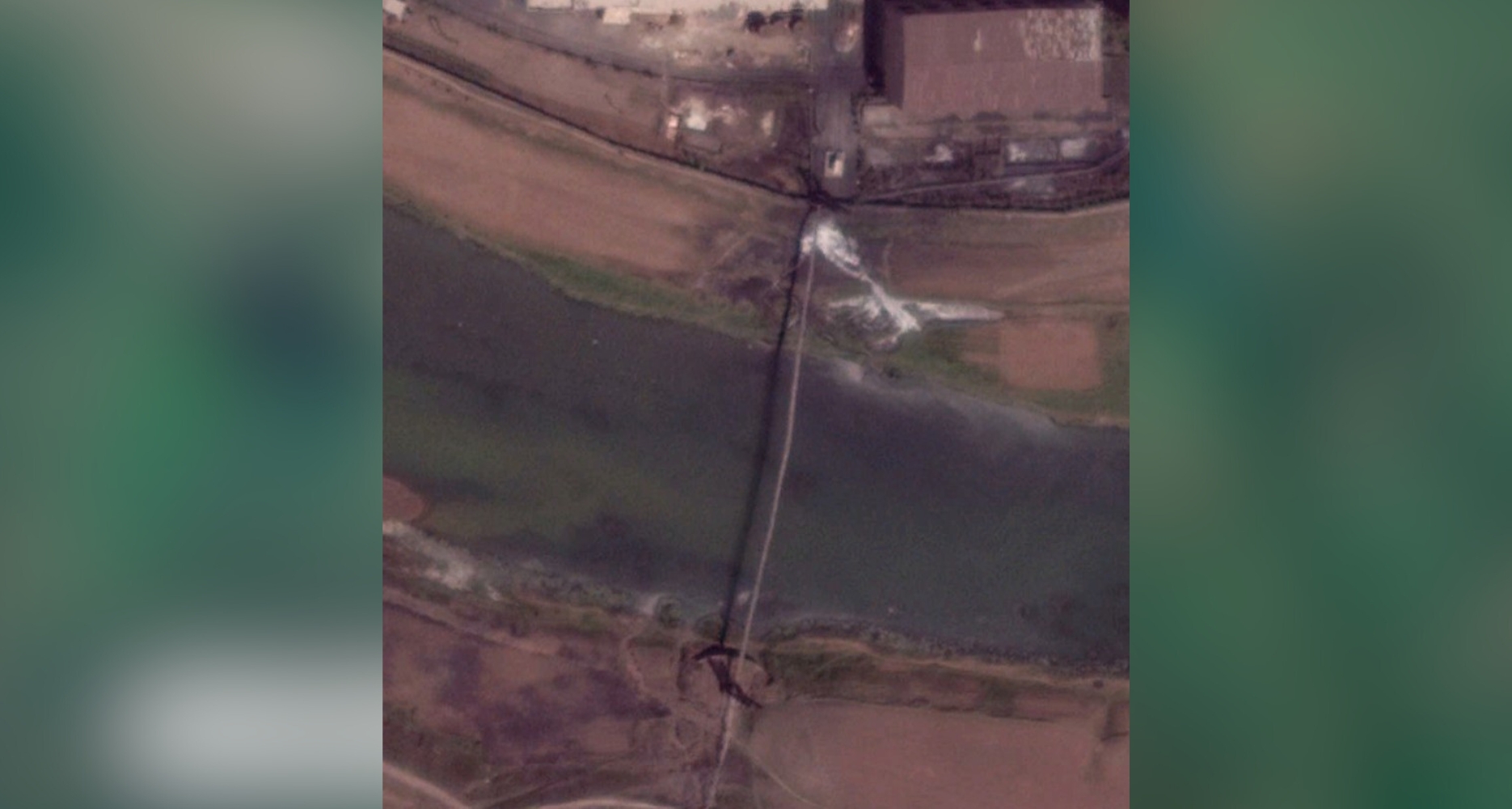
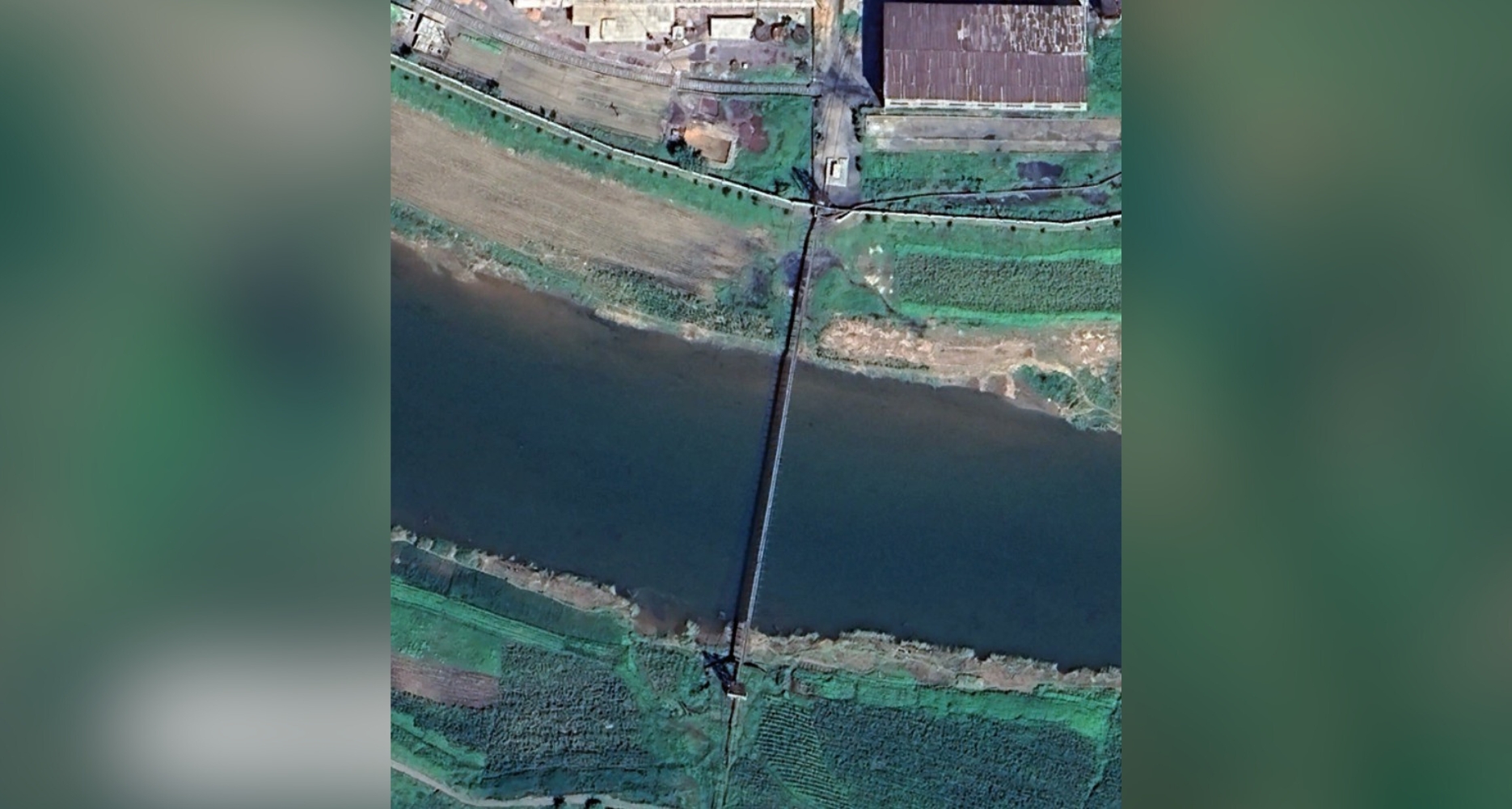
That initial report published on the website AccessDPRK was met with concern by the South Korean government, which then carried out water tests to determine what level if there was any radiation contamination from the leak. The results found no higher rates of radioactivity in the estuary, though further reporting by 38 North found that the primary risk was not from radiation but heavy metals and other toxic materials produced by the plant. While the leak received little attention in subsequent years, the issue has once again been thrust into public attention since the ROK outlet DailyNK reported on June 12 that the plant may be dumping contaminated waste through two points — the leaking waste transfer pipe and a recently constructed drainage canal. 

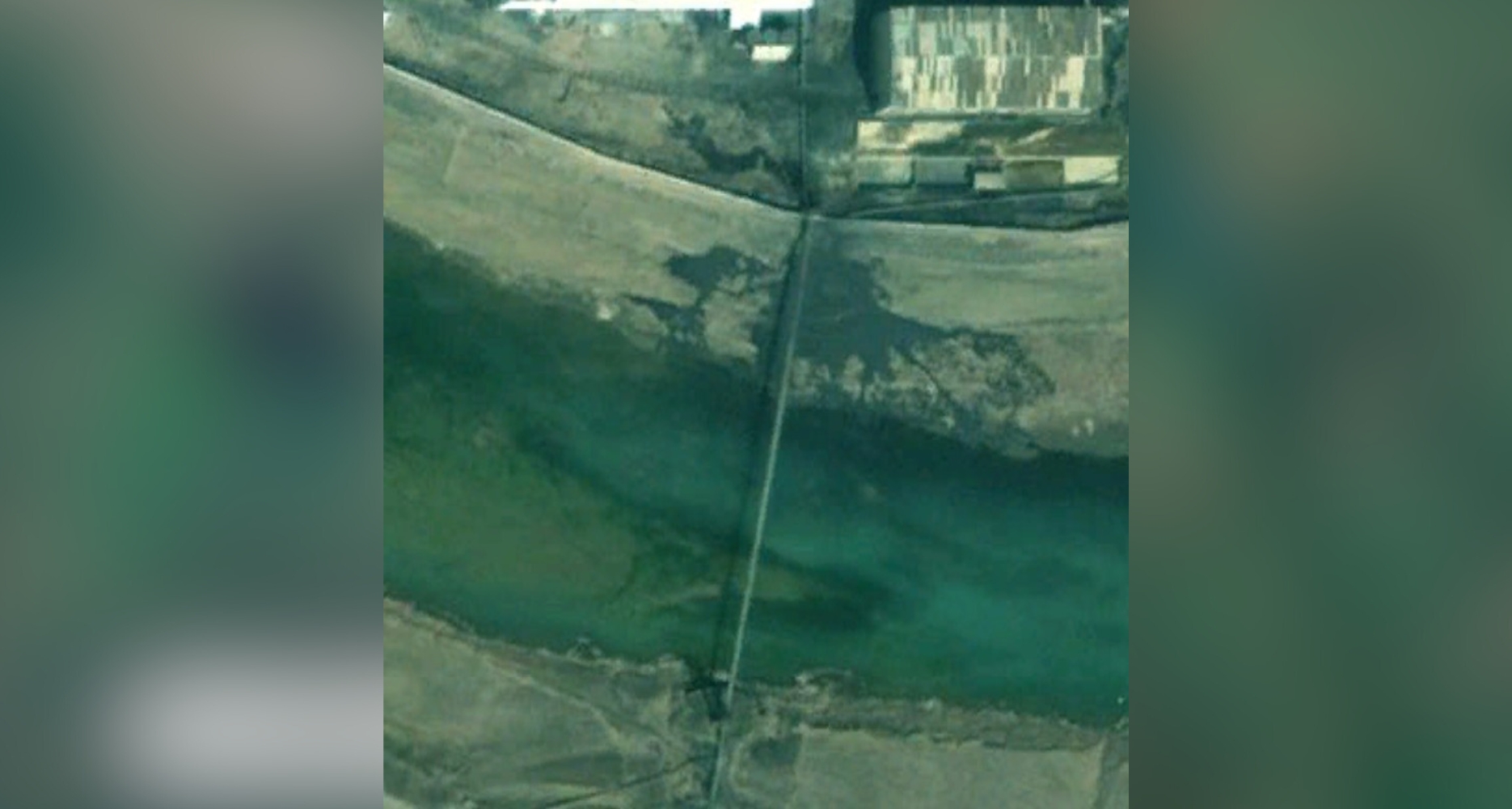
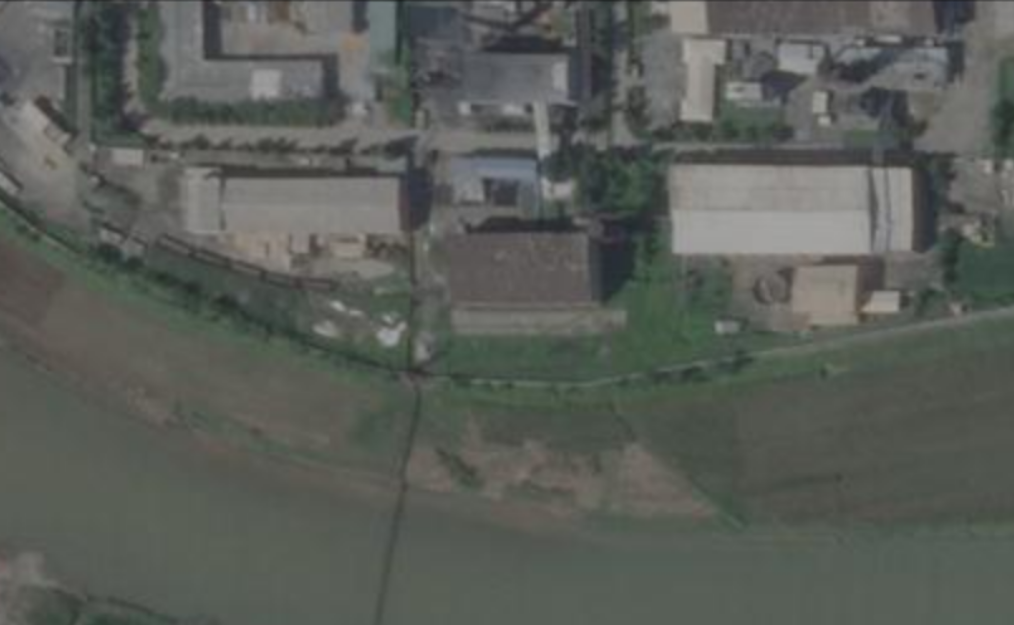
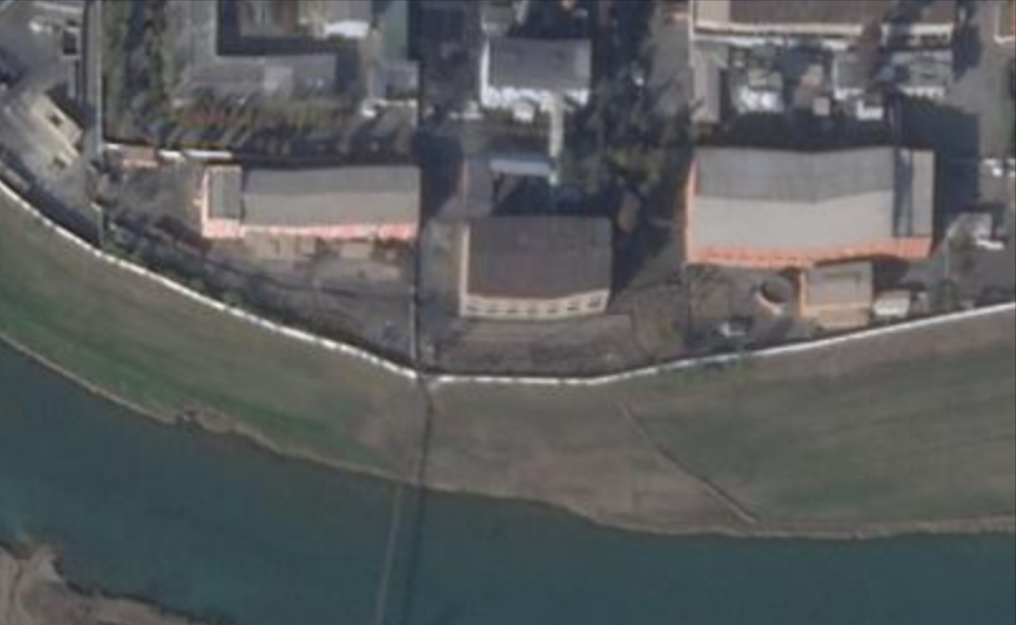
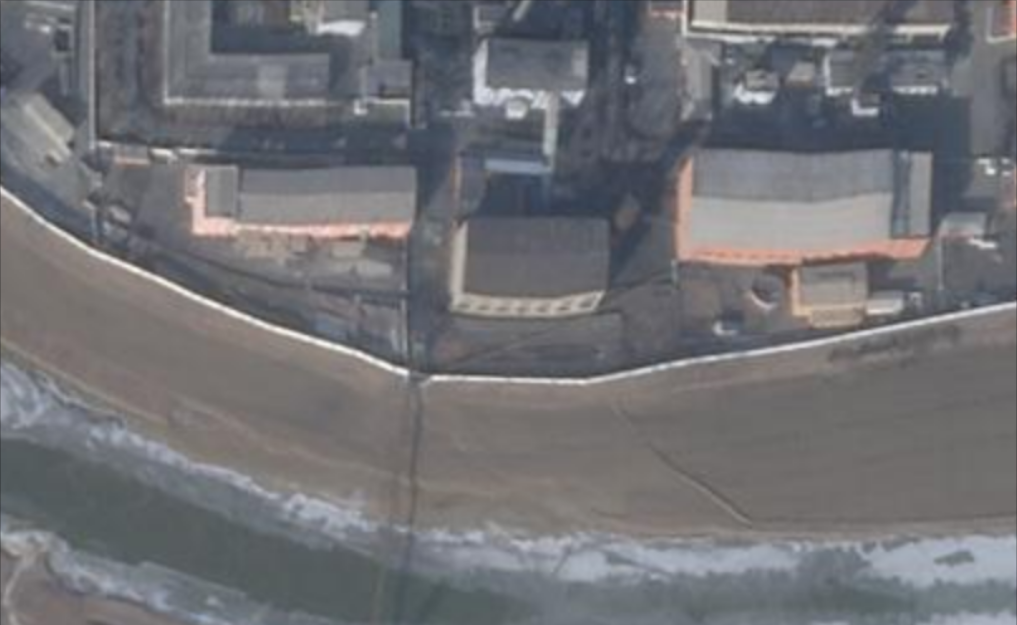
North Korea built a 280-meter canal and tunnel in 2022 from the main tailings reservoir to an adjacent valley, where authorities have excavated foundations for an apparent dam. This would create a new reservoir .6 mile (1 kilometer) in length that would increase Pyongsan’s total storage capacity by at least 50% and address the facility’s need for additional storage space. However, the dam has not been completed even though the canal already connects directly to the original reservoir, and the DailyNK report cites this fact to claim that the DPRK is now “discharging wastewater directly into the river system” through the canal. This analysis has caught the attention of the conservative People Power Party, which has raised concerns about threats to drinking water and public health and accused new President Lee Jae-myung of ignoring the problem. “Despite satellite imagery and warnings from experts, the president remains silent,” PPP lawmaker Cho Jung-hun wrote on Facebook. WHAT THE EVIDENCE SHOWS While concerns about North Korea’s environmental record and its disregard for the safety of its southern neighbors have a solid historical basis, available visible evidence does not back up the claim that the DPRK is discharging toxic sludge from the Pyongsan plant. An NK Pro review of 46 high-resolution satellite images of the site taken between June 16, 2023 and June 8, 2025 found that the DPRK replaced a section of the leaky wastewater pipe sometime between Oct. 16 and Dec. 7, 2023. Since then, there has been no visible leaking in satellite imagery.

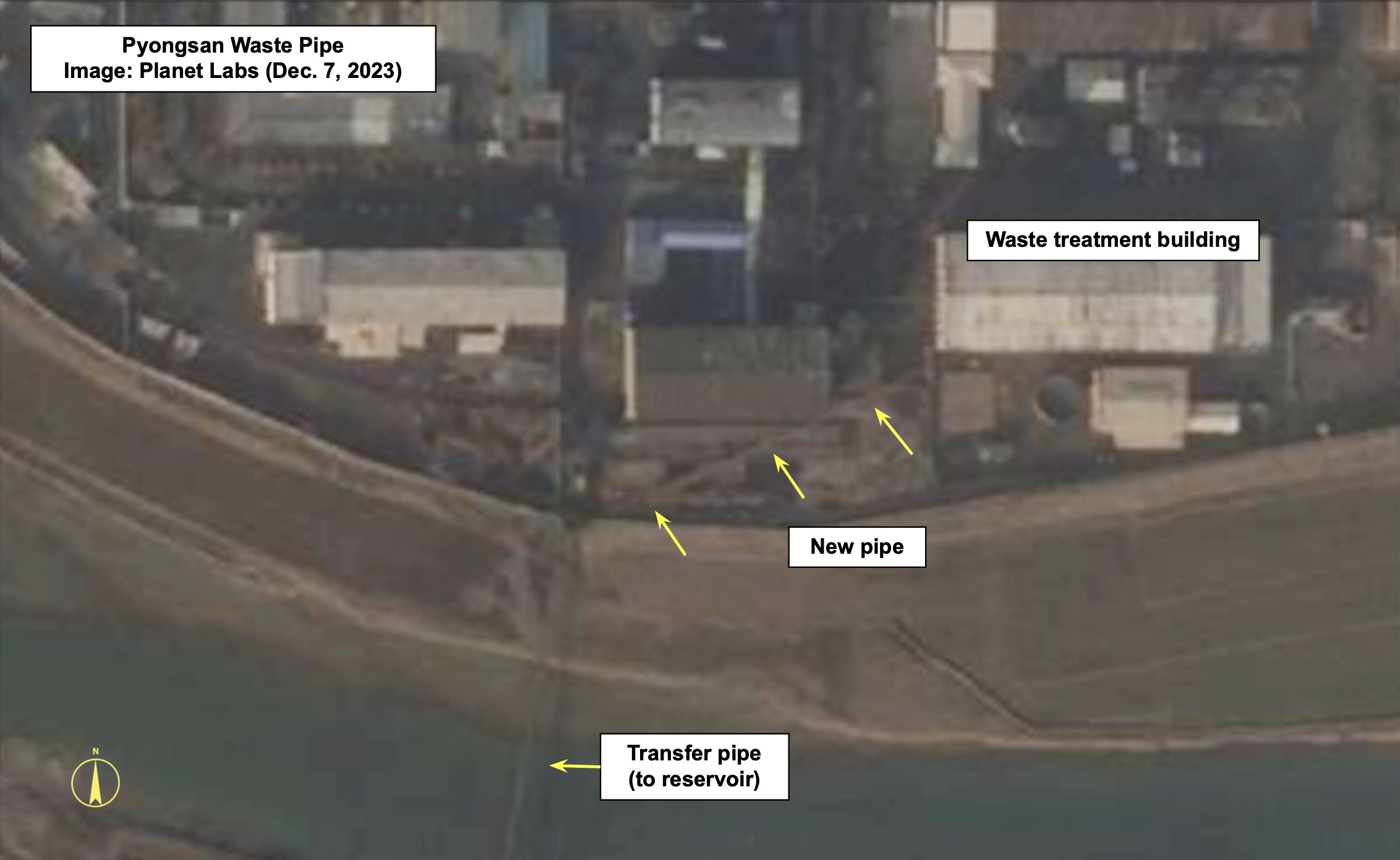
The original pipe took material from the facility’s waste treatment building and followed a 127-meter-long curved route to a transfer pipe, which then crossed over the Nam-chon River and emptied the waste into the reservoir. The junction where these two pipe sections met was the source of the leak, and black material could routinely be seen flowing onto the riverbank and directly into the water whenever river levels were higher. In late 2023, the curved pipe was replaced, and the junction with the transfer pipe now appears to be properly sealed, with no signs of the black sludge since. 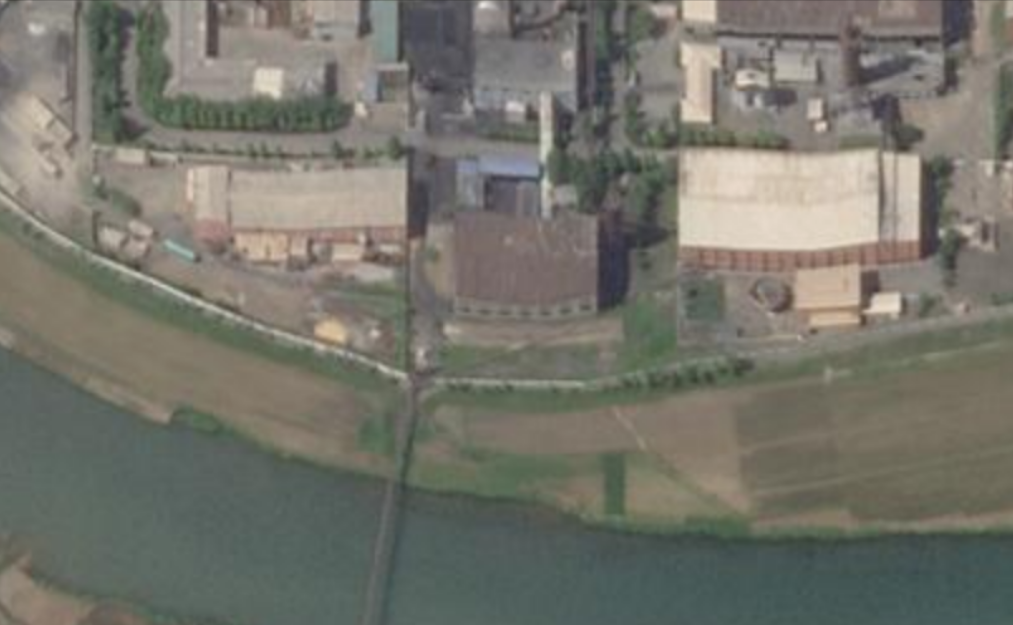
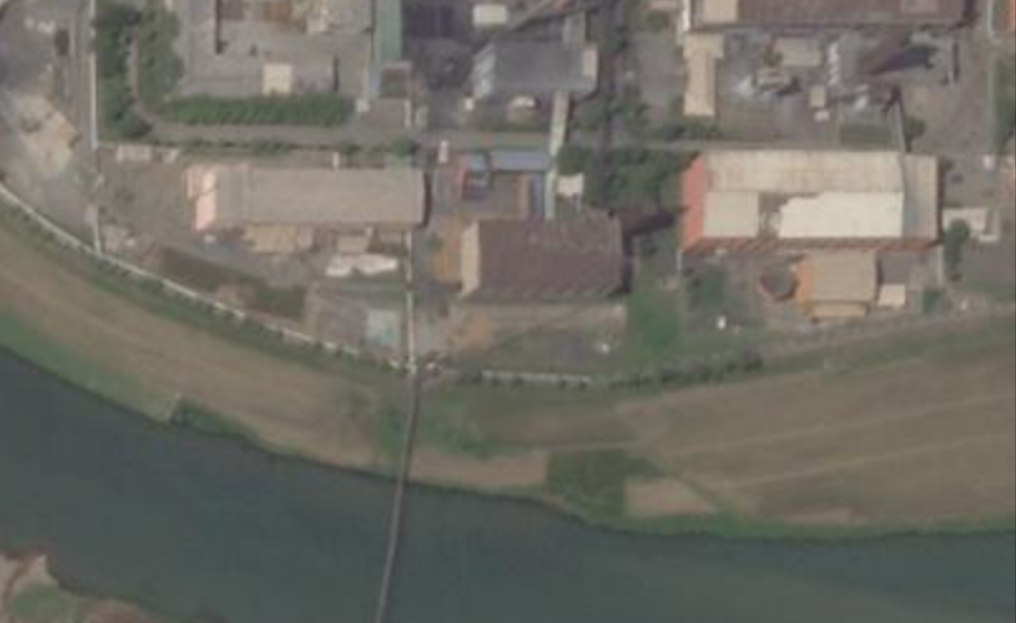
As for the canal, analysis of satellite imagery from the same period reveals no tell-tale signs of drainage activity such as flowing water in the canal, dark residue in the canal and stream bed or discolored plumes entering into the Nam-chon River. Further evidence that the plant is not discharging wastewater comes from ROK government findings on Tuesday that radiation levels remain stable in the estuary and Yellow Sea, though again the main danger likely comes from heavy metals rather than radiation.
None of this negates the real health risks that the Pyongsan Uranium Concentrate Plant still theoretically poses. In particular, the original tailings reservoir is approximately 45% full and could overflow into the river system during periods of heavy rain. Those most vulnerable to such a spill are the approximately 400,000 North Koreans who live near the plant and use water downriver from it for drinking and irrigation. STILL EXPANDING Beyond the potential health concerns, the apparent construction of a new tailings reservoir and other expansion work at the site underscores that the Pyongsan plant remains central to the DPRK’s nuclear weapons strategy. One telling example is the construction of new reagent storage tanks. Uranium is concentrated at Pyongsan from coal mined nearby through a series of mechanical crushers, grinders and chemical leaching processes that produces a final product that is 80% pure uranium oxides. The chemical processes require large volumes of sulfuric acid (along with other chemicals) that are stored in 12-meter diameter aboveground tanks. Pyongsan has had eight of these tanks since 2014, but a ninth was constructed in Nov. 2024 and space for a future 10th storage tank added in June 2025. 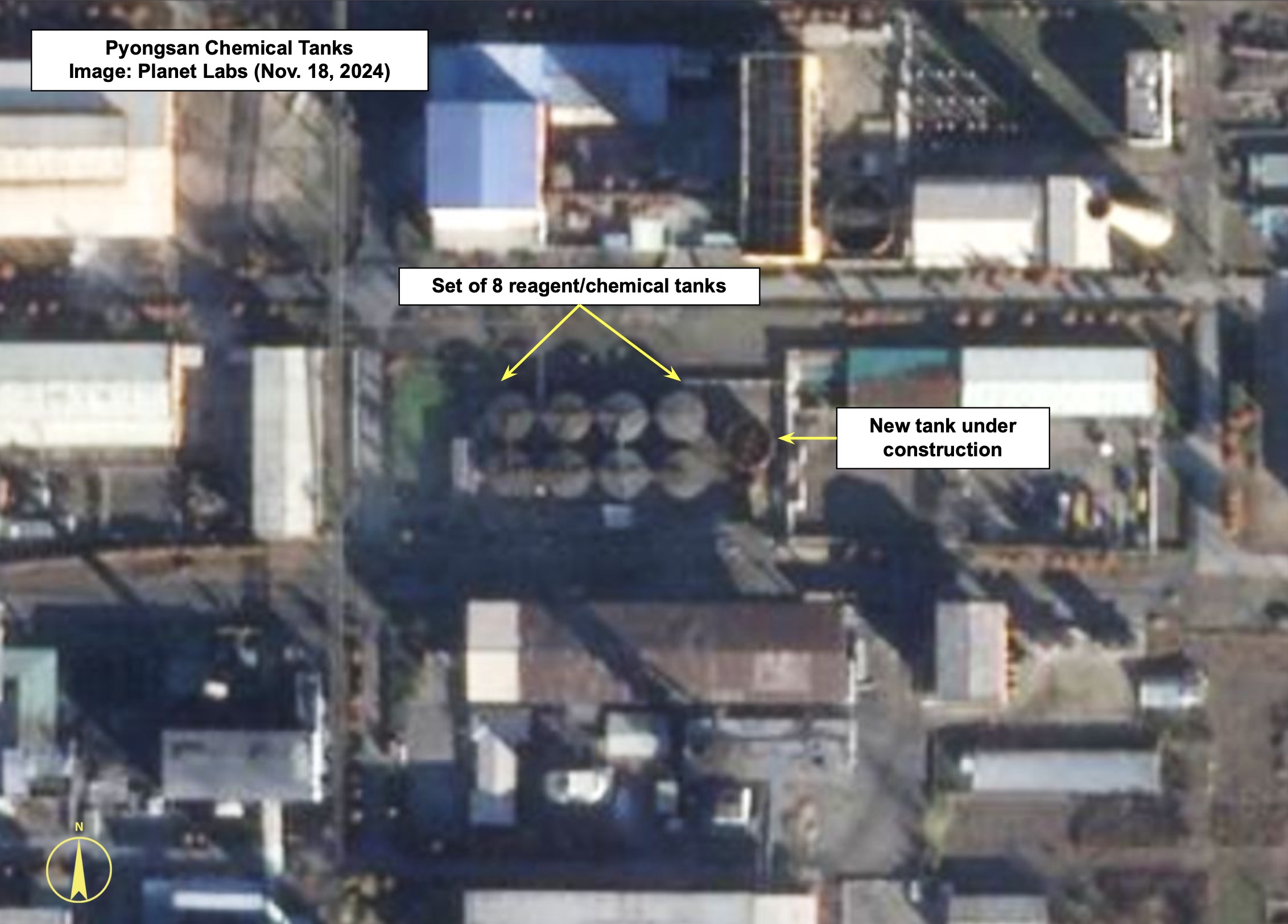

When viewed in the context of Kim Jong Un’s desire to “exponentially” increase the size of North Korea’s nuclear arsenal, the changes at Pyongsan point to attempts to enhance its production capacity and ability to store the resulting increase in waste products. Combined with expansions seen at the Kangson Uranium Enrichment Plant and at Yongbyon, the additions at Pyongsan and even its repair of the leaking pipe are just further signals that North Korea has no intention of stopping its nuclear program. Edited by Bryan Betts © Korea Risk Group. All rights reserved. |

October 21, 2026Oct 21, 2026

The ultimate resources for professionals working on North Korea
 SHARE
SHARE COPY LINK
 X
X MASTODON