  Border Controls Doctors Without Borders to send COVID-19 and tuberculosis aid to North KoreaU.N. sanctions exemptions for humanitarian aid projects to North Korea have slowed down since August 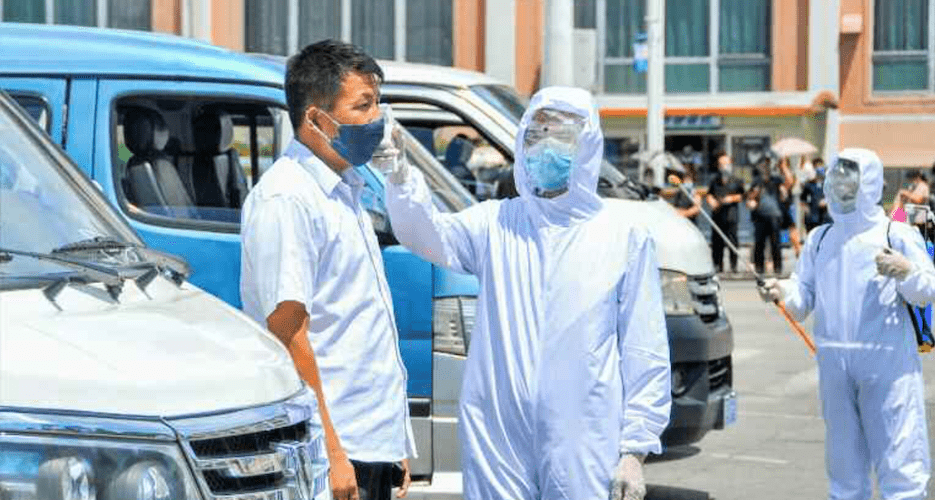 The United Nations granted Doctors Without Borders a sanctions exemption to send COVID-19 and tuberculosis medical aid to North Korea, the U.N. website showed on Tuesday. According to an Oct. 14 letter by the U.N Security Council 1718 Sanctions Committee, Doctors Without Borders — also known as Médecins Sans Frontières (MSF) — made a Sept. 22 request for a sanctions exemption that would allow the group to import items for meant to “enable an adequate level of preparedness to respond to COVID-19-related needs arising in the country.” North Korea has repeatedly claimed that it has zero cases of the virus, including at its recent high-profile military parade on Oct. 10. MSF plans to help North Korea better respond to “malnutrition-related needs” and to improve tuberculosis diagnosis and treatment of tuberculosis in North Hamgyong province. The group also aims to address the “urgent and general medical needs of the population living in the county of Kyongsong of North Hamgyong province,” the letter stated. Within the next year, MSF will be transferring 19 different types of materials into North Korea, the annex of the Oct. 14 letter showed. Most of the items will reportedly come from France, including a transport and storage system for biological material, personal protective equipment (PPE) for COVID-19-related work, as well as a “SureFlow FM069-2” model oxygen flow station worth 840 euros ($991). The list of exempted items also included a “Masimo RAD-5” pulse oximeter, linen and protection clothing, different types of masks, as well as sphygmomanometers (medical equipment for measuring blood pressure). COVID-19 examination equipment, vaccine carrier boxes and supplementary food were also included. In terms of monitoring, MSF stated that, “in normal circumstances, MSF teams will ensure regular and thorough monitoring at project sites to make sure that the items are solely used for the intended purposes.” The statement implies that on-site monitoring is difficult at the moment given North Korea’s ongoing border lockdown, which started in Jan. 2020 to protect against any potential spread of the COVID-19 virus. “If borders will continue to remain closed, the items will be kept in the MSF warehouse,” the letter added. The U.N. gave MSF an “extended timeframe” of 12 months to transfer the exempted items into the North. The latest MSF sanctions exemption is the first in roughly two months — a marked slowdown after the 1718 committee granted exemptions for more than a dozen projects throughout this summer. Edited by Kelly Kasulis © Korea Risk Group. All rights reserved. |

October 09, 2026Oct 09, 2026

The ultimate resources for professionals working on North Korea
 SHARE
SHARE COPY LINK
 X
X MASTODON