  Analysis Against the tide: Kim Jong Un’s destructive quest to wring dry land from the seaNorth Korea touts reclamation as remedy for food shortages but risks decimating endangered wetlands in costly boondoggle 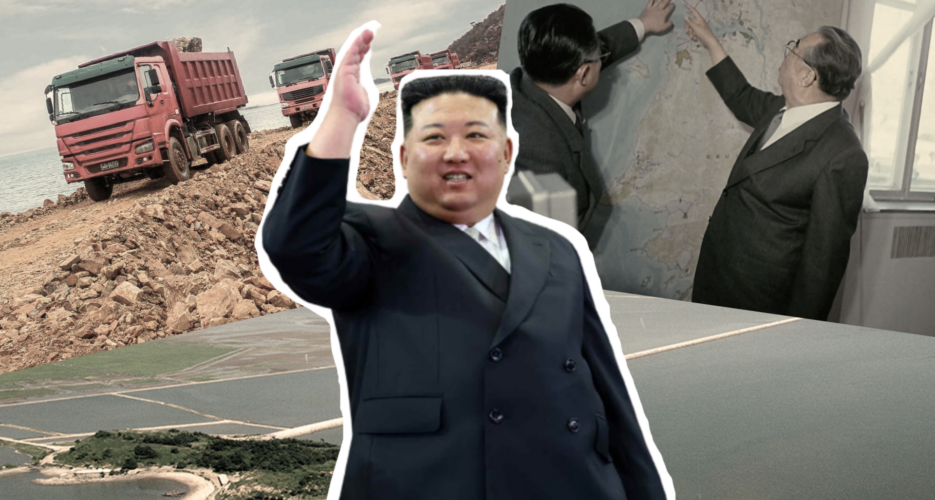 All along North Korea’s west coast, the machines rumble to a start. House-sized excavators dig into the ground and shovel earth and rocks into waiting dump trucks. The vehicles drive out on narrow strips of road that extend out from the shoreline, emptying their contents and adding bit by bit to miles-long dikes that — if everything goes to plan — will one day impound the tides and wring dry, arable land out of the sea. This work is part of a massive state initiative to expand the dimensions of North Korea by more than 1,100 square miles, predominantly by reclaiming coastal wetlands from the Yellow Sea. It’s an undertaking that leader Kim Jong Un has touted as a panacea for chronic food shortages in a country where crop production has often suffered due to adverse weather, limited arable land and international isolation. State media plays up these projects as an extension of the regime’s love for the people, invoking old propaganda songs and promising that “the embankment of youth will stretch far away.” But while North Korea’s tideland reclamation efforts are nothing new, questions remain about their effectiveness as the state continues to pour resources into what may be little more than a decades-long boondoggle. “It would be much easier and more feasible and better to allocate resources and labor in a different way,” Bernhard Seliger of the Hanns Seidel Foundation told NK Pro. “But it’s a political decision, and legacy certainly plays a big role in North Korea.” Beyond doubts about whether reclamation can truly solve food shortages, such projects risk damaging critical ecosystems that support endangered species, not to mention the livelihoods of local communities. Pyongyang has sought to balance its need for increasing agricultural land with the preservation of biodiversity by working with international partners in recent years. But as climate change poses new threats and the DPRK’s more advanced neighbors abandon similar projects, experts say the country will need to heed the lessons of the past to avoid the pitfalls of excessive reclamation before it’s too late. 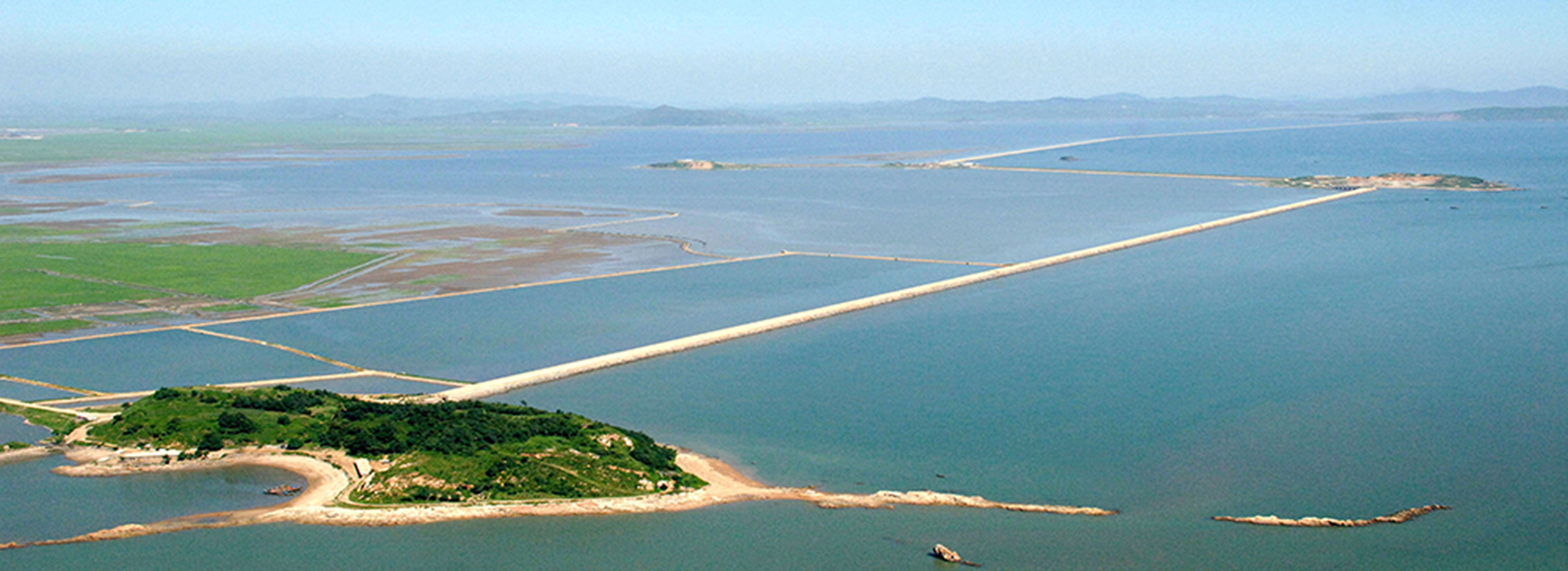 PURSUING THE LEADER’S VISION North Korea’s leaders have long promoted tidal reclamation initiatives as part of the state’s efforts to provide for citizens by boosting agricultural production, a critical objective in a country facing chronic food insecurity. Fresh from declaring the completion of the Woldo tideland reclamation project in late 2022, Pyongyang has since turned its attention to the development of other tideland areas, including Aedo, Sokhwa and Kakhoedo on the west coast. Most recently, state media boasted this month of successes in the waterproofing phase of the Sokhwa reclamation, claiming the project is set to be completed ahead of schedule. “Rhetorically, these projects fit neatly into the government’s narrative about improving living standards and provide the government with examples to support their claims about the North’s political and economic systems,” Benjamin Habib, an expert on North Korea’s environmental policies, told NK Pro. North Korea’s founder, Kim Il Sung, championed tideland reclamation as a way to boost agricultural production, kick-starting the initiative in the mid-1980s with an ambitious goal of reclaiming 300,000 hectares (approximately 1,160 square miles). The scheme achieved some successes with tideland reclamation at Kumsong, Chongju, Kwaksan County and Taegye, all areas along the country’s western coast, but by the time Kim Il Sung passed away in 1994, the country had reclaimed less than 20,000 hectares (77 square miles). 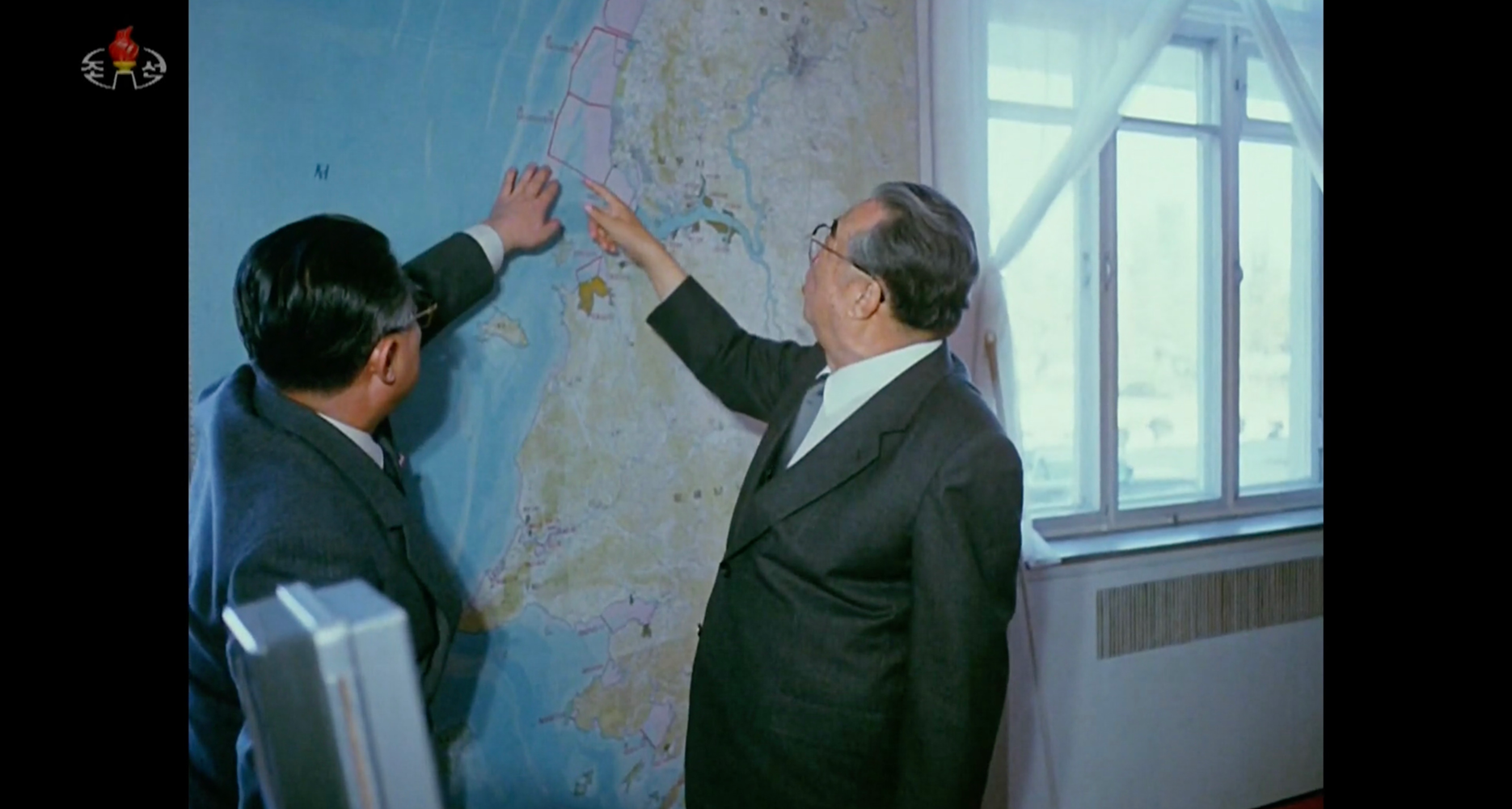 The focus on tideland reclamation diminished as North Korea’s economy declined under Kim Jong Il, although the state could still claim rare successes such as the reclamation of 8,800 hectares around Taegye Island (Taegyedo) on the northwest coast near China. However, reclamation efforts got a new lease on life when Kim Jong Un revived the 300,000-hectare goal in April 2012, shortly after coming to power. “If we reclaim 300,000 hectares of tidal flats and find 200,000 hectares of new land, the face of our country will be transformed beyond recognition, and the map of our homeland that has been passed down for thousands of years will change completely,” the party-run daily Rodong Sinmun emphasized in 2022. 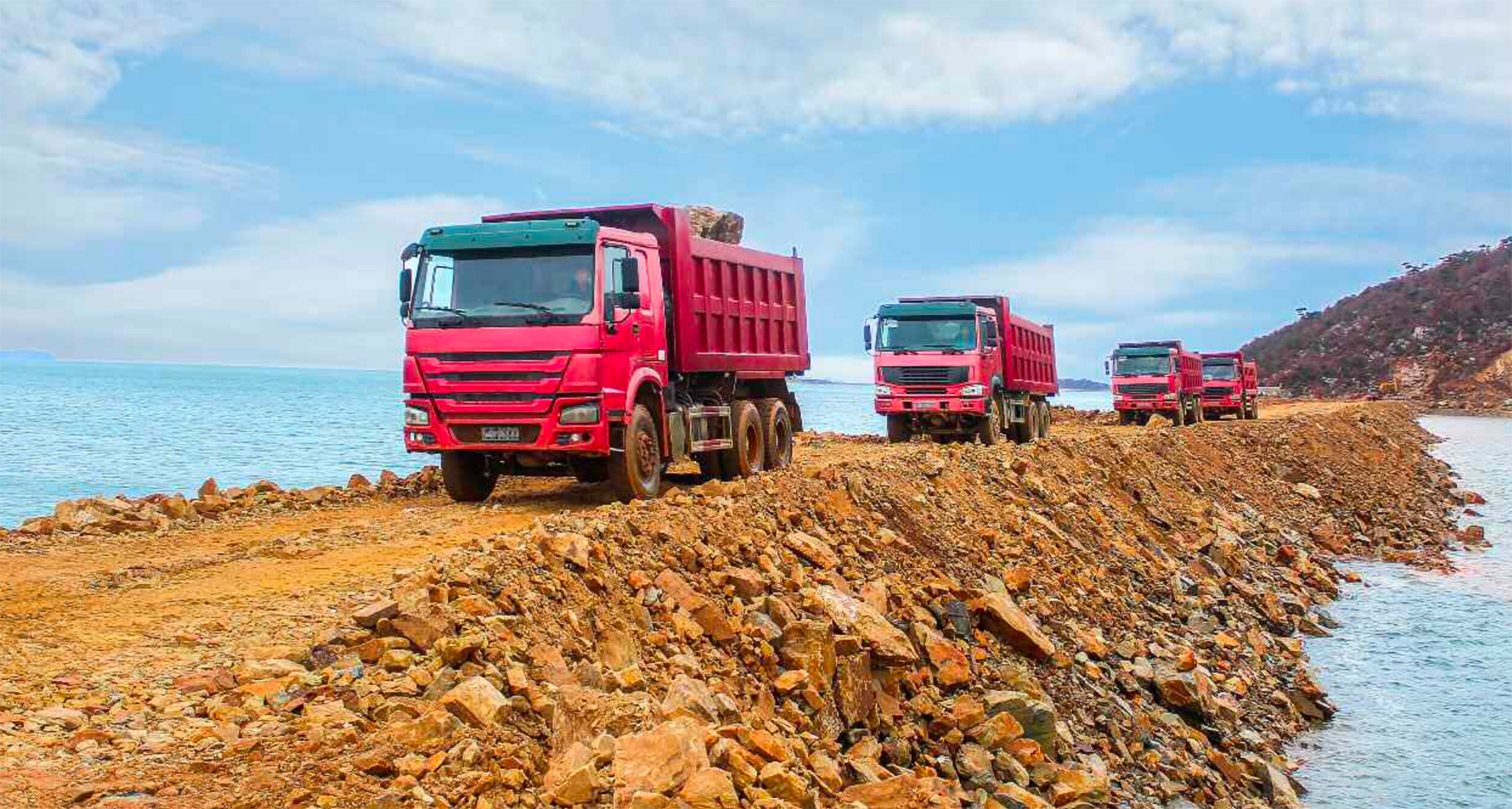 Tideland reclamation is a time-consuming process, and despite greater state focus in recent years, major projects such as the Honggondo and Ryongmaedo tidelands remain far from completion. The process begins with the construction of dikes that extend into the sea, typically built using rocks and earth extracted from nearby areas. Over time, these form enclosed areas that control the flow of seawater and form new land areas after being filled with soil, an operation that can take decades. These projects are also susceptible to North Korea’s frequent natural disasters, as seen when seawater flooded rice paddies after a typhoon destroyed an embankment at the Ansok tideland on the east coast last year. The area targeted for reclamation represents about 2.5% of North Korea’s land, making it a potentially valuable addition to the fifth of the country that is currently suitable for agriculture, according to Habib. But he said reclamation can take decades to come to fruition and cannot serve as an immediate solution for the country’s chronic food security. 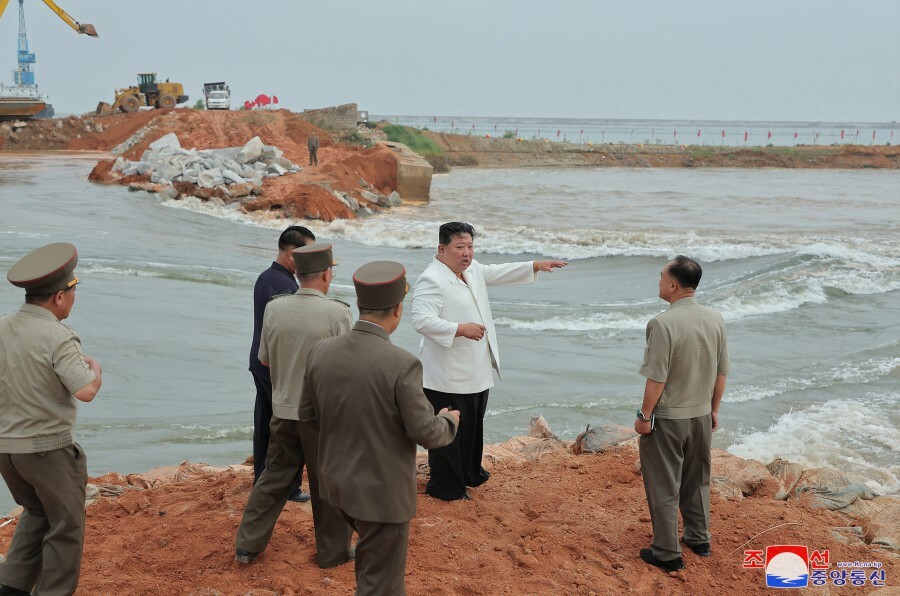 ECONOMIC AND ENVIRONMENTAL IMPACT Despite North Korean propaganda’s glowing vision for tideland reclamation, experts say these narratives fail to account for the often devastating costs. Describing the state’s emphasis on the food security benefits of land reclamation as “overexaggerated,” Seliger told NK Pro these projects are a “misallocation” of resources and end up adversely impacting people’s livelihoods. He listed the West Sea Barrage, also known as the Nampho Dam and often promoted as a tourist destination, as an example of the ill effects felt by local fishermen and others dependent on the tidelands. Completed in 1986, the tidal barrage cost around $4 billion, and state media continues to hail it as a grand success. The dam’s construction aimed to prevent the intrusion of seawater to improve water quality, increase arable land and boost ship traffic by raising the Taedong River’s water levels. 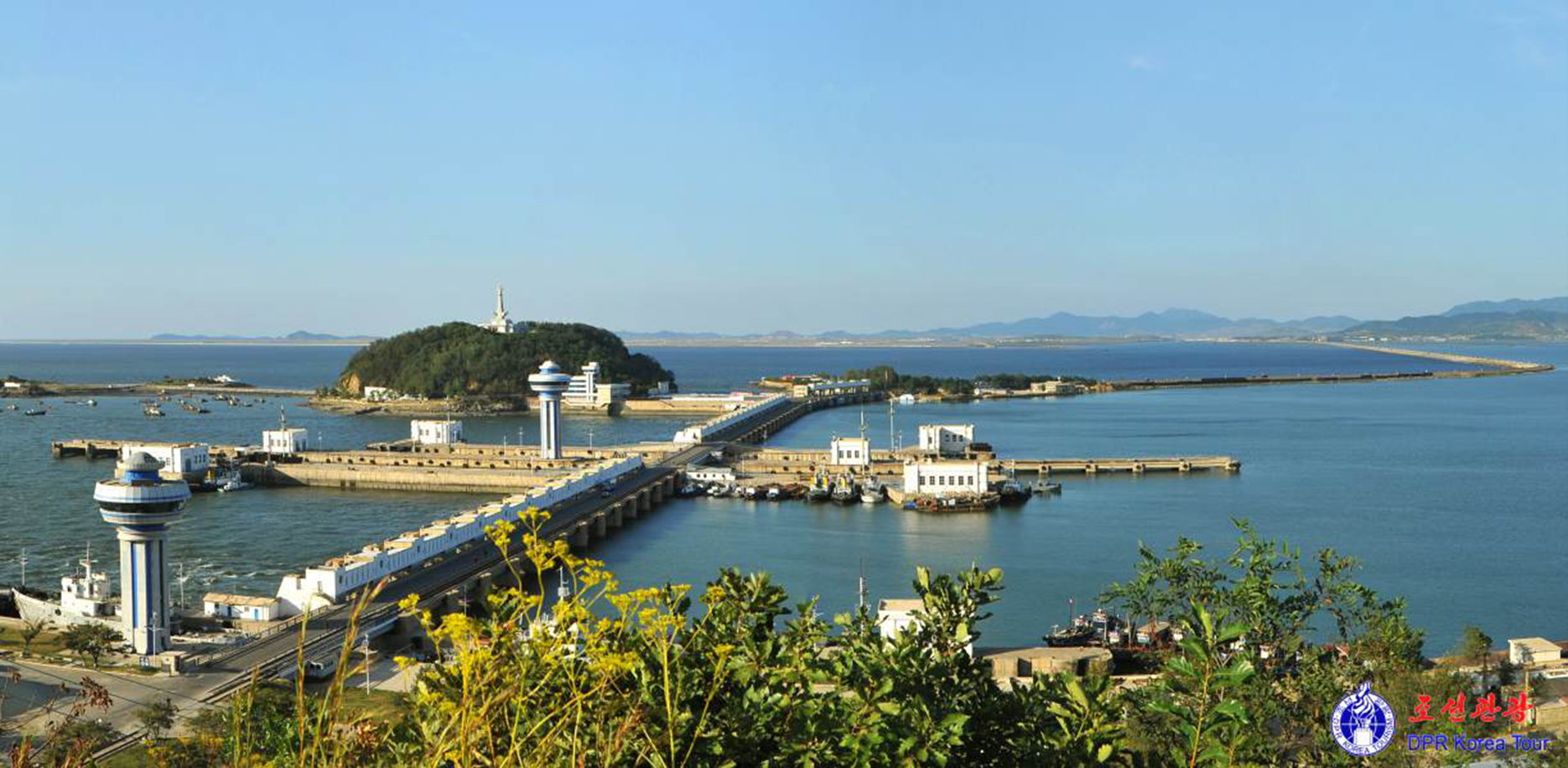 However, the U.N. noted in 2003 that the river’s purification capacity decreased after the dam’s construction, and Seliger said the altered environment led to many fish dying in the Taedong River. As fish migration plunged and fishermen’s complaints about water quality increased, the authorities had to modernize the West Sea Barrage in later years to mitigate the issues, he added. Habib highlighted the problems land reclamation projects create for the livelihoods of coastal communities along North Korea’s western coast, where locals have long harvested shellfish from tidal flats. Beyond the economic impact, reclamation decimates highly biodiverse tidal flats, placing several endangered bird and marine species active along the Korean Peninsula’s west coast at risk. 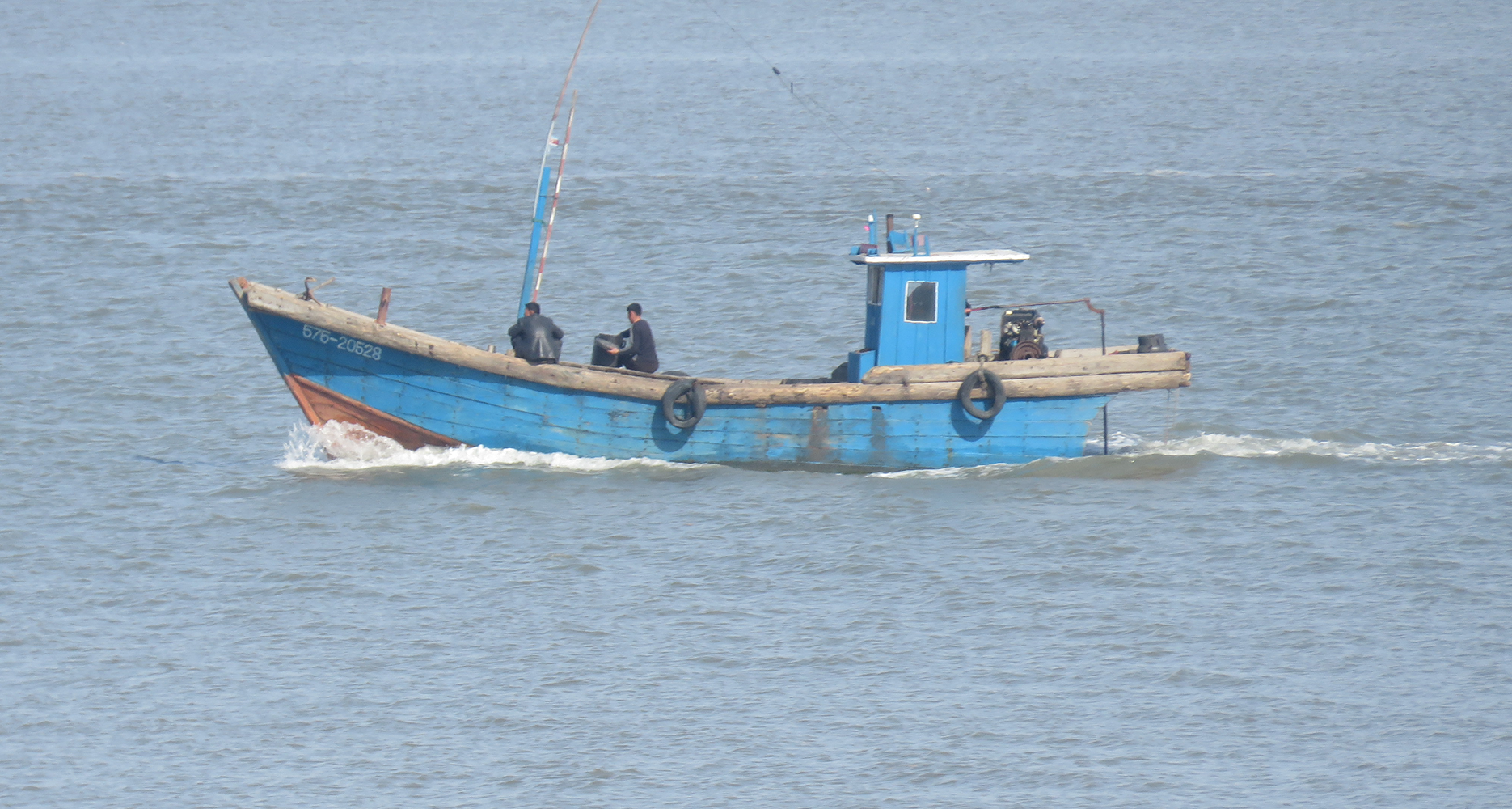 North Korea is not the only country in the region trying to balance environmental issues with the need for arable land, as South Korea, Japan and China have also focused on reclaiming tidal areas. But the loss of 75% of South Korea’s tidal flats over the past 70 years highlights the dangers of excessive reclamation activities, and Seliger stated that the DPRK and other countries in the region are increasingly focusing on preserving wetlands to mitigate the damage. North Korea became an active member of the Ramsar Convention on Wetlands, an intergovernmental treaty on the conservation and sustainable use of wetland areas, in May 2018. Seliger explained that the convention does not mean leaving wetland areas completely untouched for commercial activities and other land use but rather strives to ensure their protection and “wise use” so as not to lose intrinsic benefits such as flood protection, biodiversity and water quality. North Korea lists two protected wetland areas under the Ramsar Convention, at Mundok on the west coast and Rason in the east. Rason, also a designated special economic zone that has yet to take shape due to the impact of international sanctions, has previously seen some reclamation activity resulting in the separation of lakes from the sea. Meanwhile, Mundok has not been subject to reclamation activities and showcases North Korea’s natural biodiversity, in contrast to the human-made dikes visible at nearby reclamation projects on the west coast. Alongside the Ramsar Convention, North Korea has also been a member of the East Asian-Australasian Flyway Partnership (EAAFP), an international effort to manage wetlands sustainably and conserve waterbird habitats, since 2018. As part of the EAAFP, the DPRK helps support several species of migratory shorebirds as they travel between breeding and non-breeding sites by maintaining the tidal flats at Mundok and the eastern Kumya Wetland Reserve, where key bird species, including the Far Eastern Curlew and the Red-crowned Crane, stopover. Strict COVID-19 border controls since Jan. 2020 have rendered international cooperative and monitoring efforts virtually impossible, but North Korea has continued to collect data for the annual Asian Waterbird Census, a tool that helps map the local bird population in such areas. While North Korea’s waterbird count decreased from over 150,000 in 2020 to less than 13,000 in 2023, likely due to data collection challenges during the pandemic, Seliger said such efforts highlight North Korean authorities’ focus on protecting wetlands’ biodiversity even as tidelands reclamation continues.  LEARNING FROM OTHERS As North Korea looks to balance the demand for greater agricultural production with the damage tidelands reclamation does to the environment and local economy, its neighbors could offer valuable lessons. “If they want economic development, there are faster and more reliable ways to achieve it without taking away their food security,” Hanns Seidel Foundation’s Seliger said. He argued that Pyongyang should assess such projects based not only on the cost of reclaiming the land, but also in terms of the damage done to flood prevention efforts, water quality and economic activities linked to wetlands’ natural resources. Such projects may offer additional benefits on paper like employment and ensuring citizens work toward the leadership’s goals, according to the expert, but in practice, they may not yield the anticipated economic benefits. Habib said criticisms of South Korea’s Saemangeum Seawall and the reclamation of land near Incheon underscore lessons North Korea must learn before further displacing tideland ecosystems. Once a haven for wildlife, Saemangeum is now a cautionary tale of how reclamation damages local biodiversity and water quality. The South Korean government still has not come close to realizing its dream of building an eco-friendly city on the reclaimed land, decades after construction on the project’s seawall began. “By contrast, North Korea’s reclamation projects have been slated specifically for expansion of agricultural land,” Habib said. “Nonetheless, the ecological damage to tideland habitats is unavoidable.” He added that climate change will increase the cost of managing such projects in both Koreas, as low-lying reclaimed land is vulnerable not just to rising sea levels but also to storm surges and saltwater intrusion. 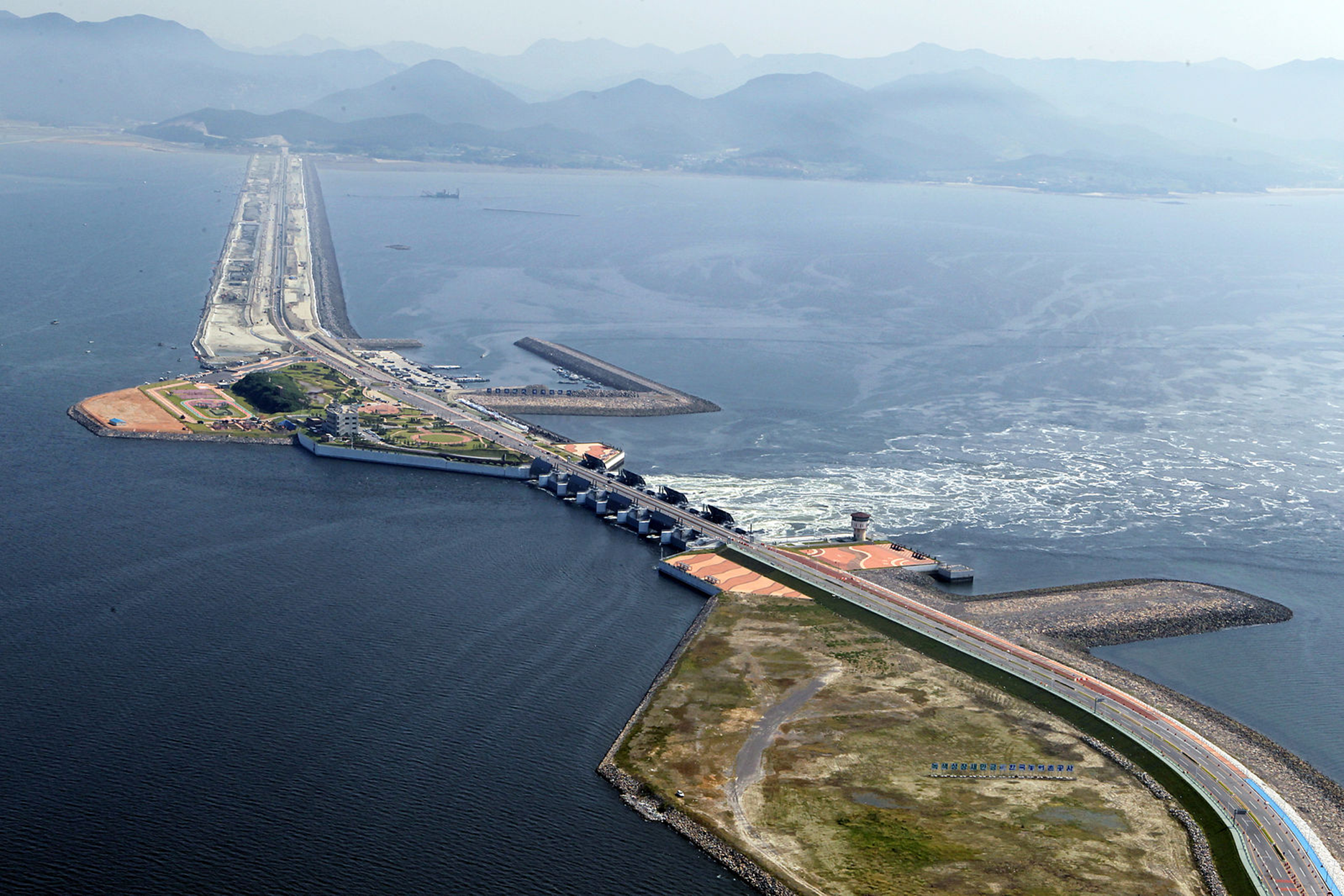 Pyongyang could also learn from the example of China, which decided to halt reclamation activities to prevent further environmental damage after reclaiming massive areas over the course of decades, Seliger stated. However, halting much-touted reclamation projects may be easier said than done in a country where the leader wields all but absolute power, and where officials are eager to demonstrate their loyalty by achieving his goals. “It is very difficult for them to stop this and say it was all wrong,” Seliger said. Edited by Bryan Betts © Korea Risk Group. All rights reserved. |

October 15, 2026Oct 15, 2026

The ultimate resources for professionals working on North Korea
 SHARE
SHARE COPY LINK
 X
X MASTODON