
  Investigations North Korea builds new homes for flood victims but hides news of sufferingAnalysis shows authorities only rebuilt most severely damaged homes in Rason, with repairs ongoing on collapsed bridge 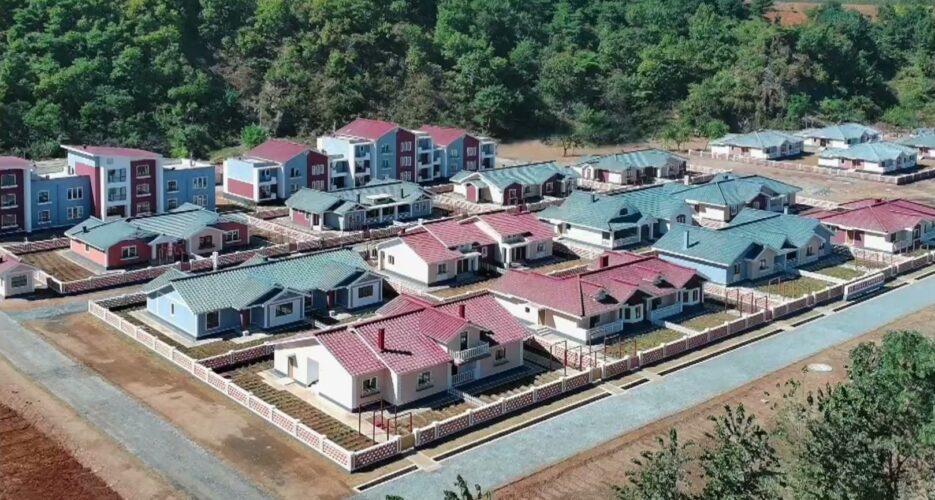 North Korea has completed building new homes for victims of major recent flooding in two locations, but authorities have hidden news of the devastation while boasting about the construction, according to NK Pro analysis. Planet Labs satellite imagery shows new homes have been built in Rason in the northeast of the country since flooding at the end of August, while repairs are still not finished on a collapsed bridge. Only eight duplex homes were built north of the Rajin city center in Kwangok-dong, the area that appeared to receive the heaviest flooding. The same number of homes appeared to be completely wiped out by rushing water, though many more appeared to be flooded despite remaining intact. Another 15 small houses were built in a mountainous area south of the city after flooding and landslides damaged existing homes. 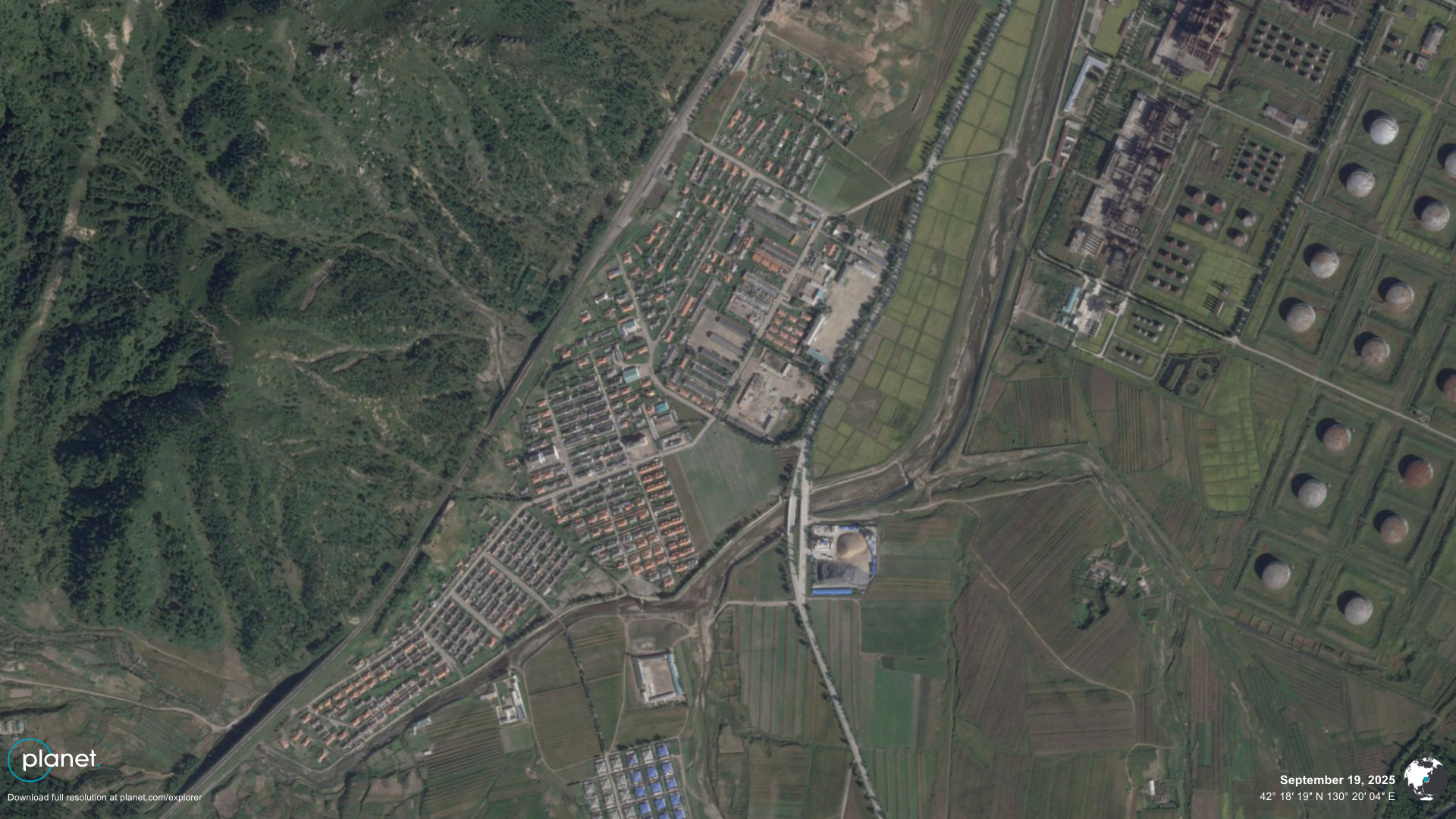
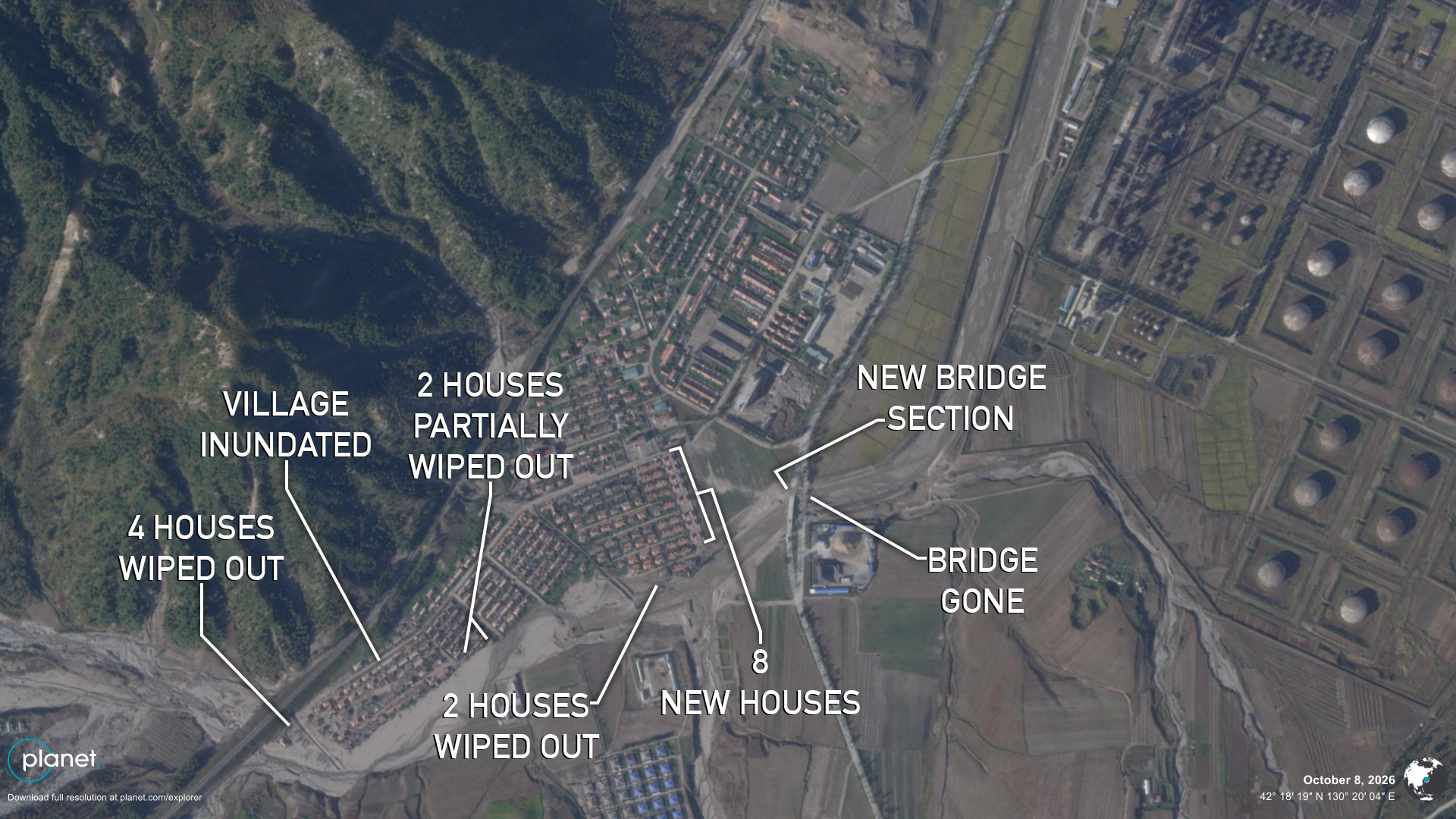
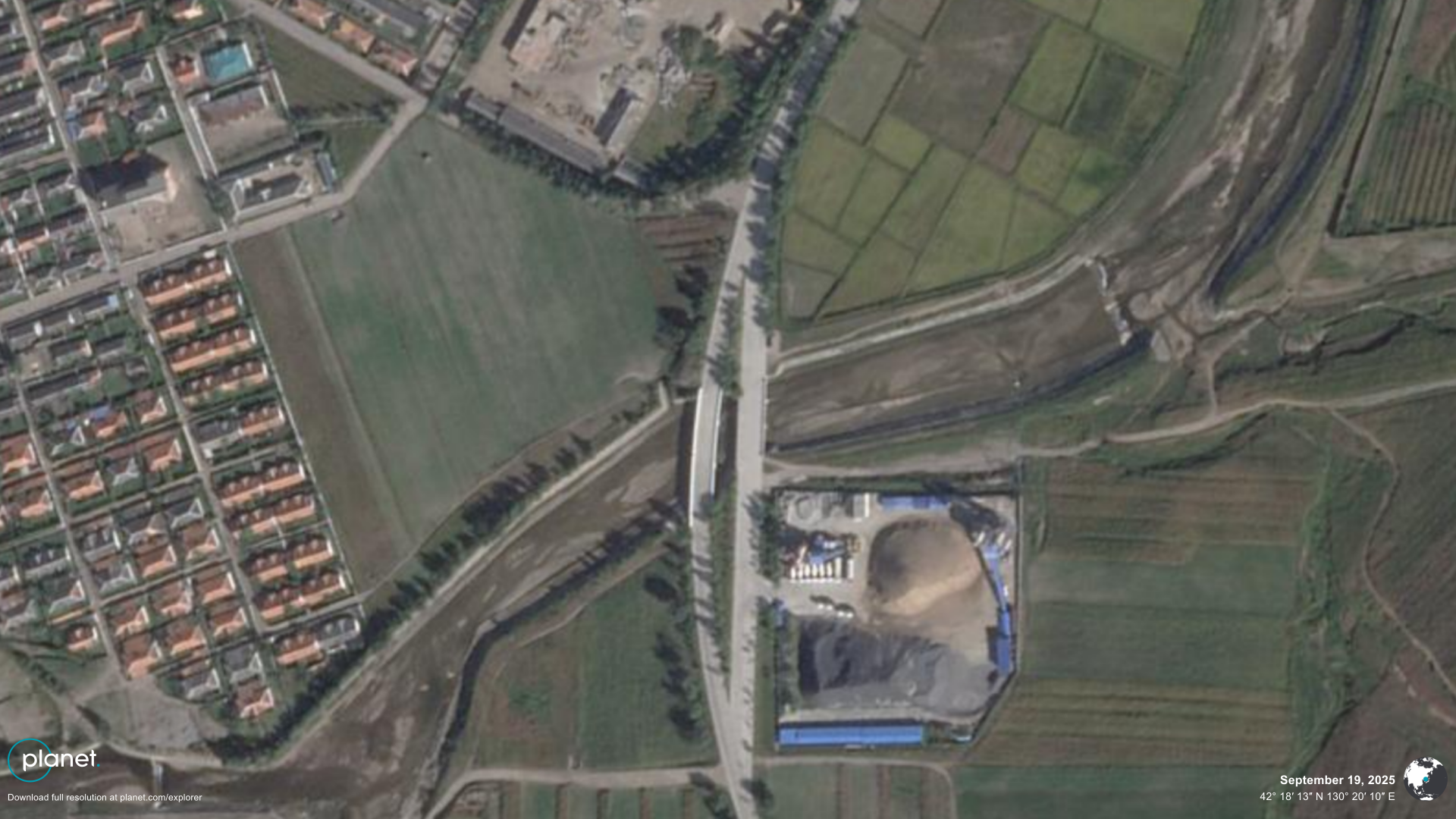
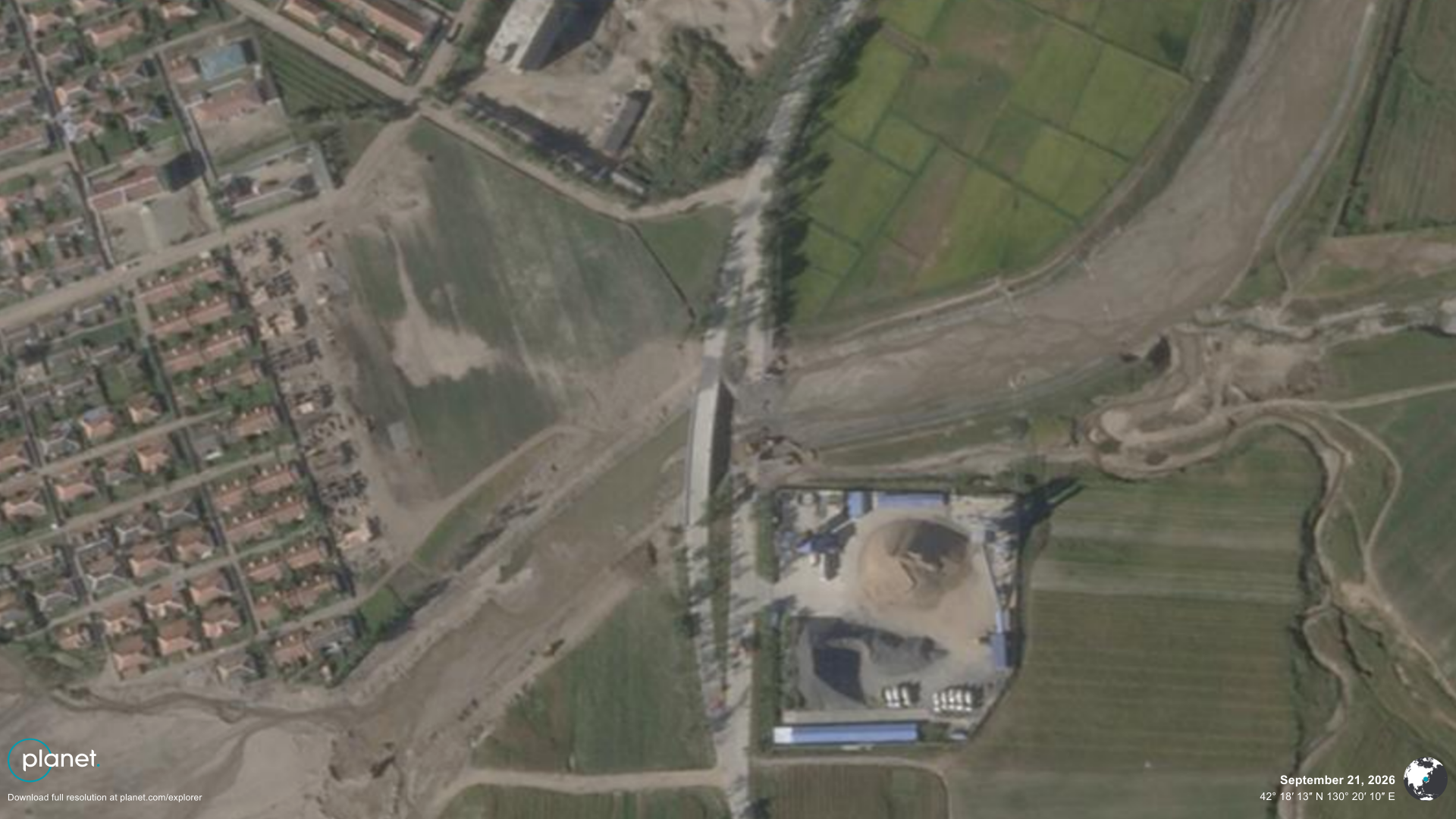
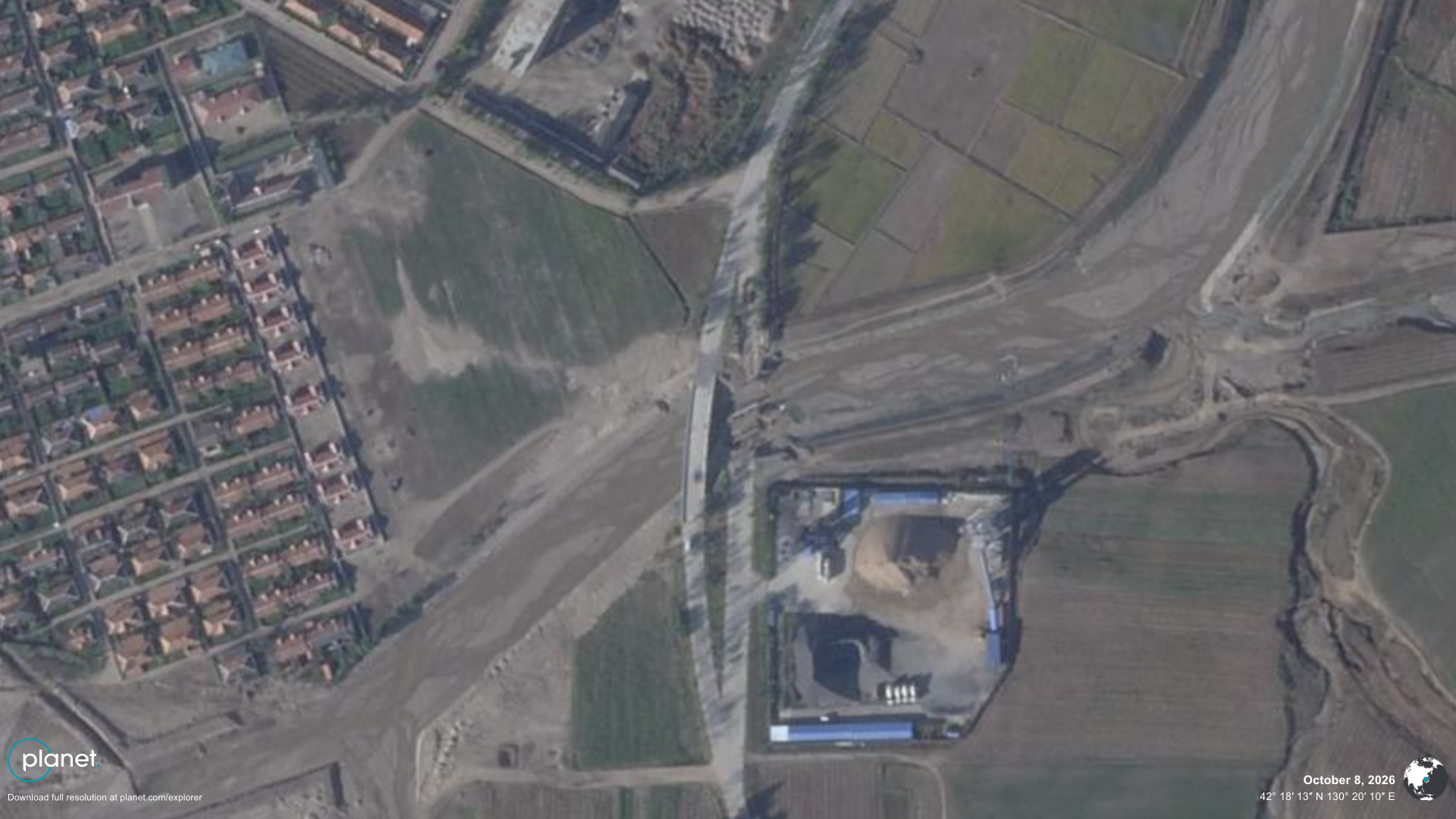
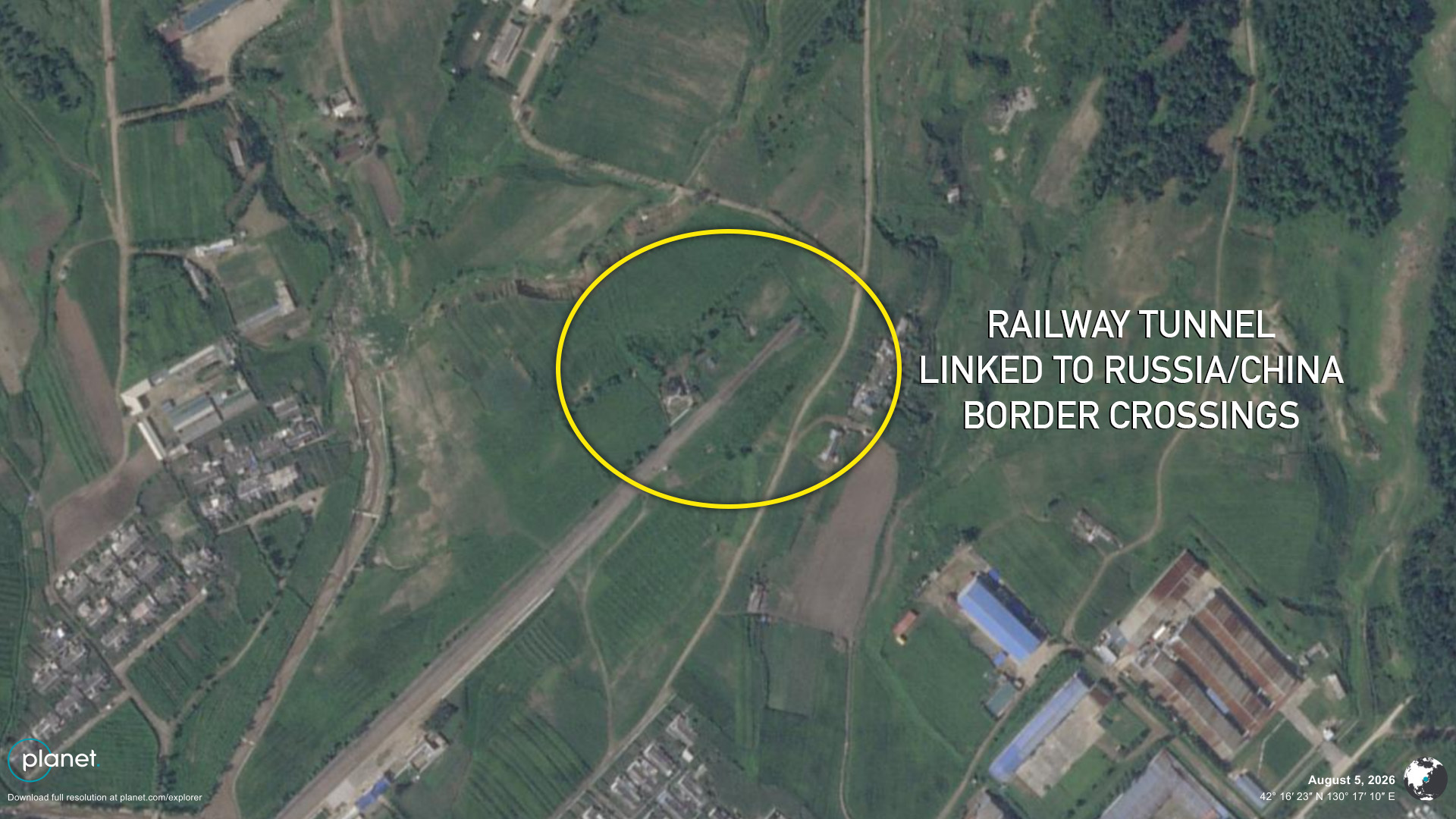
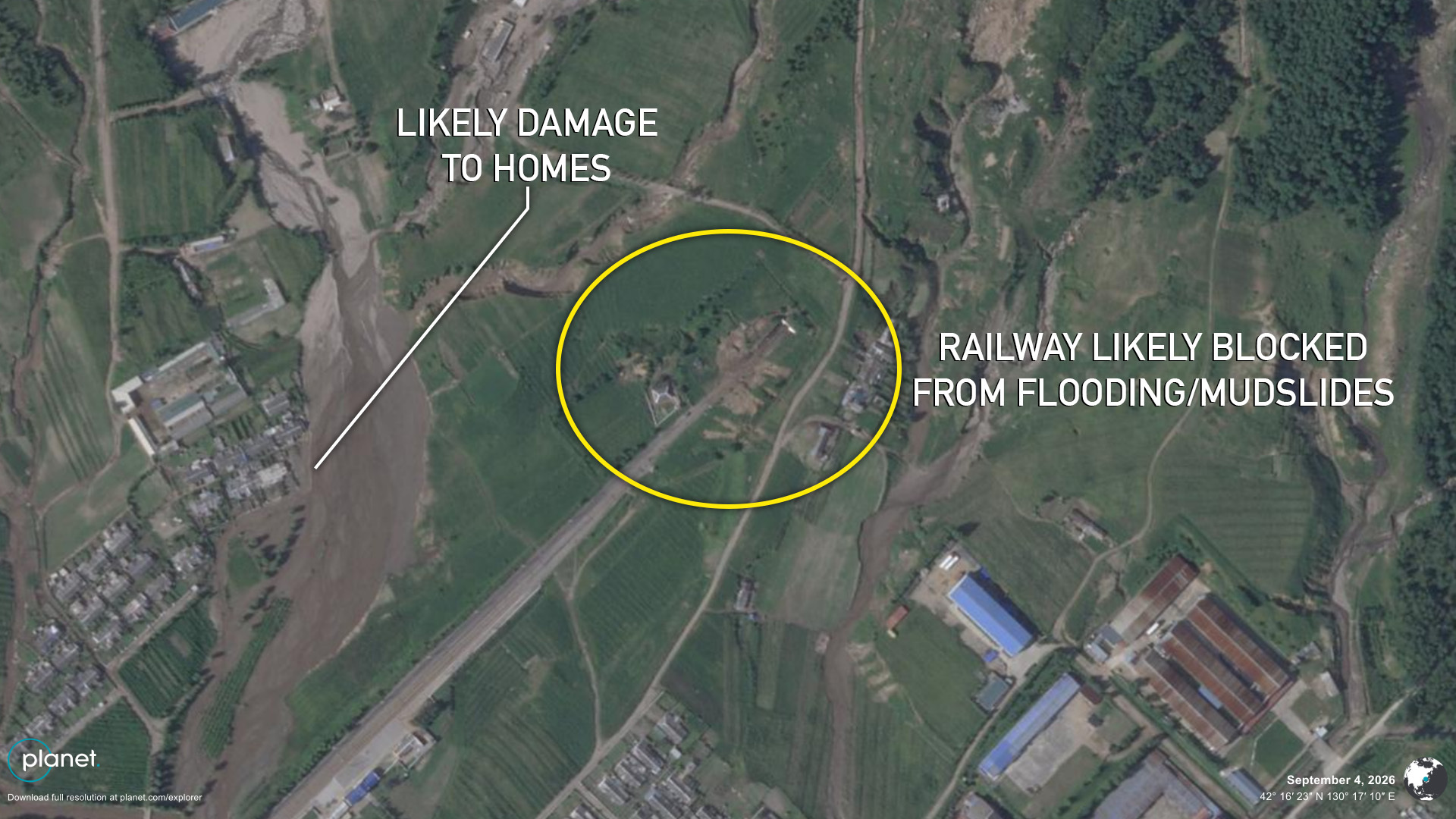
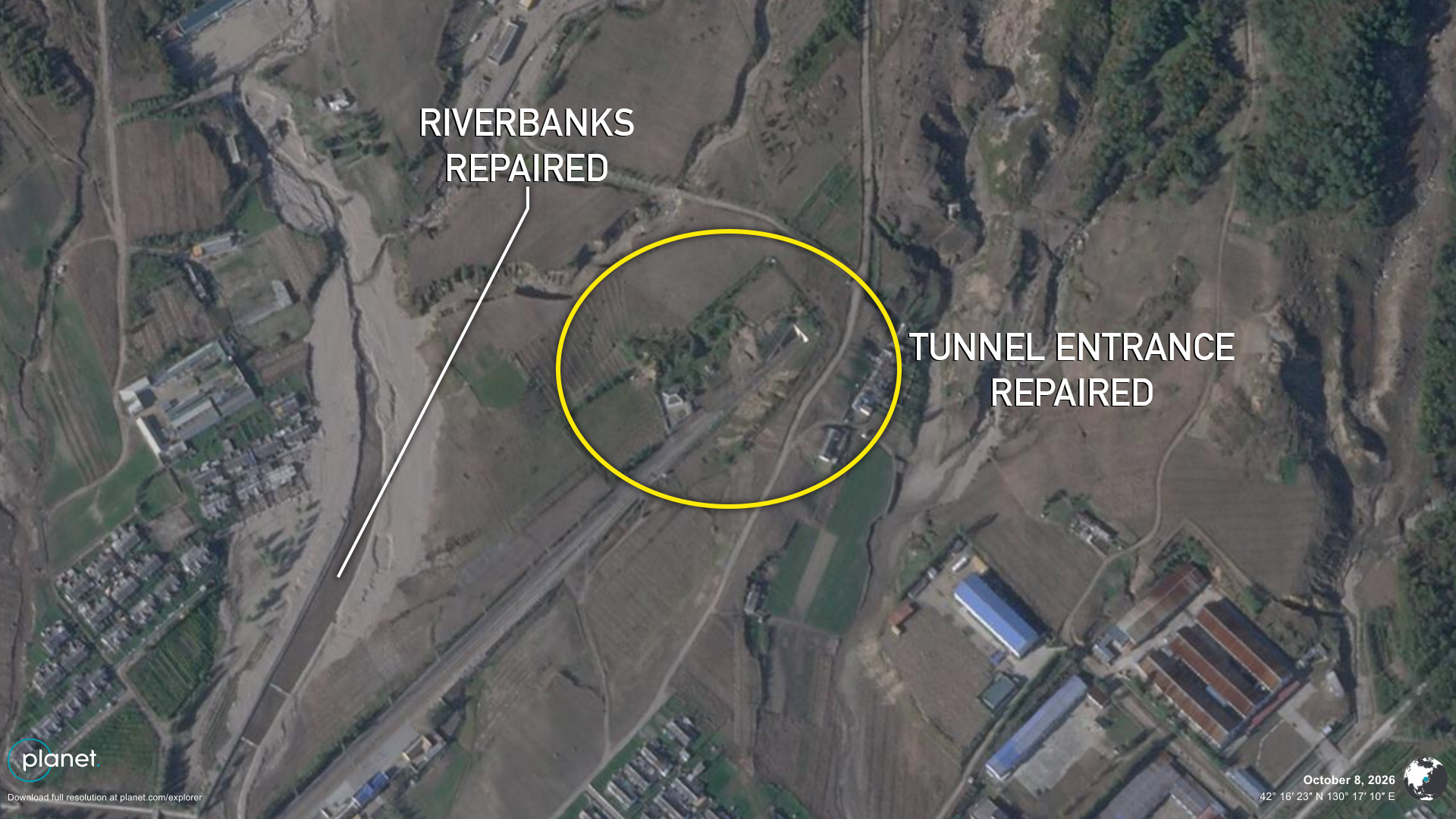
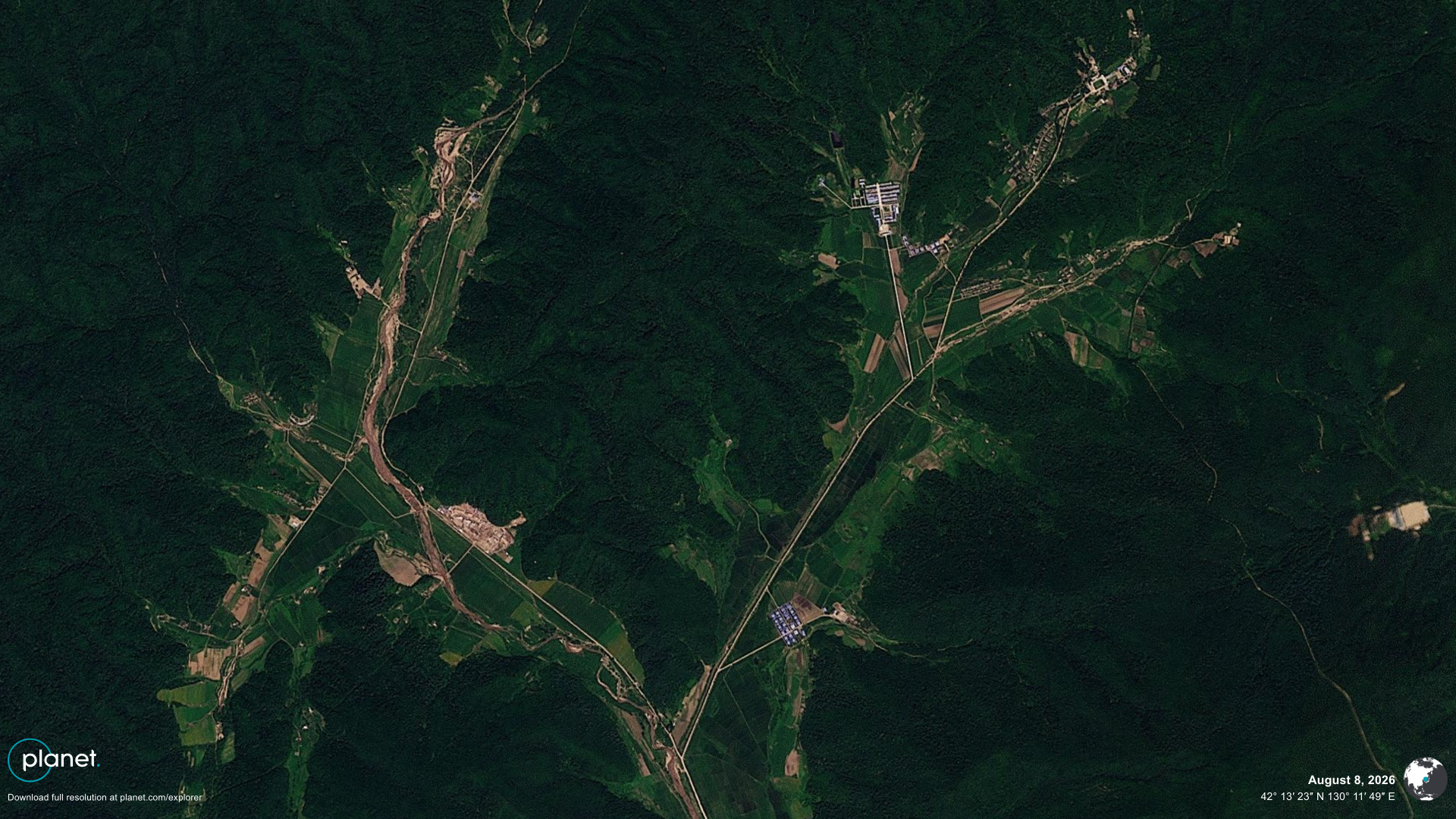
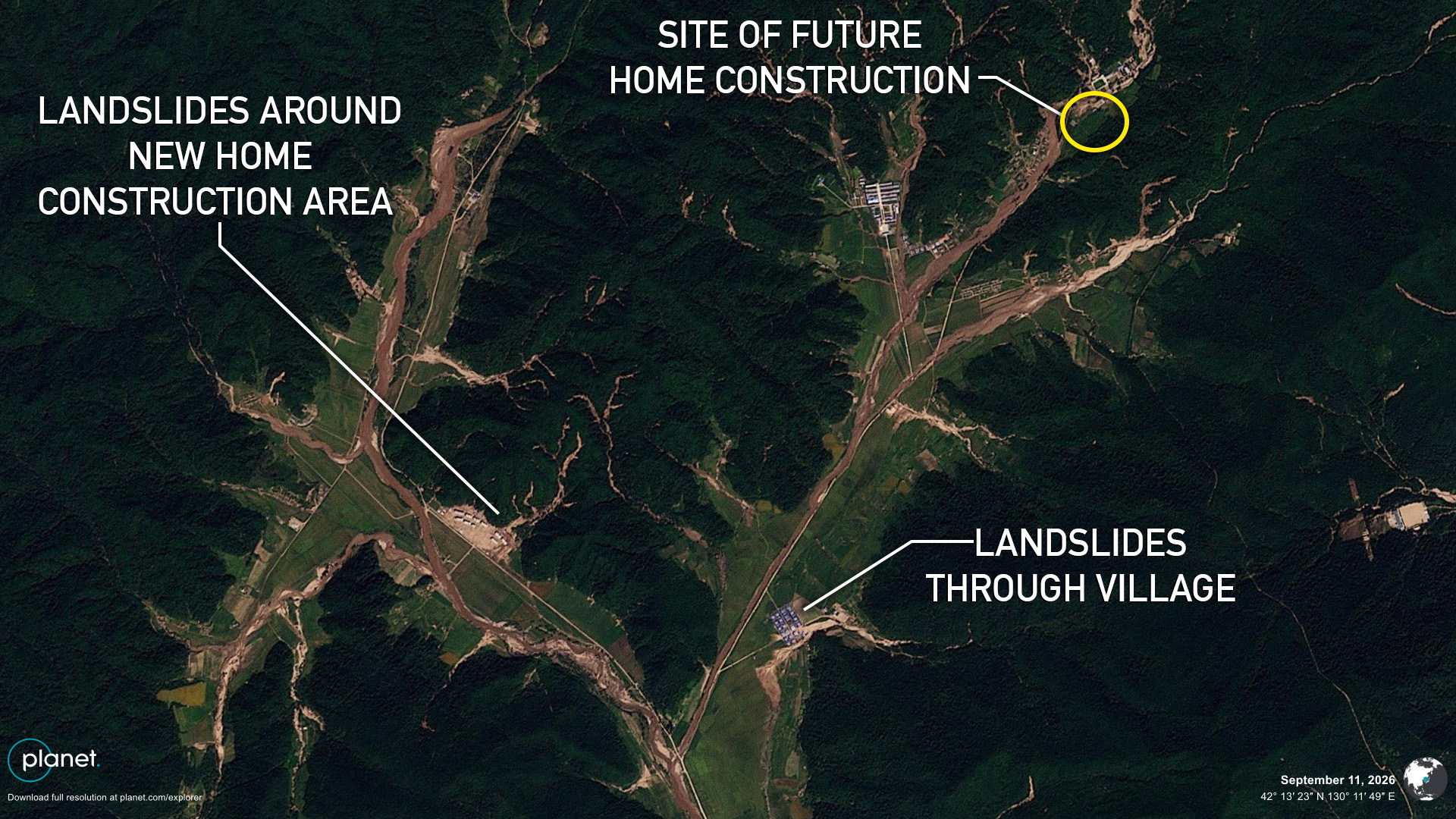
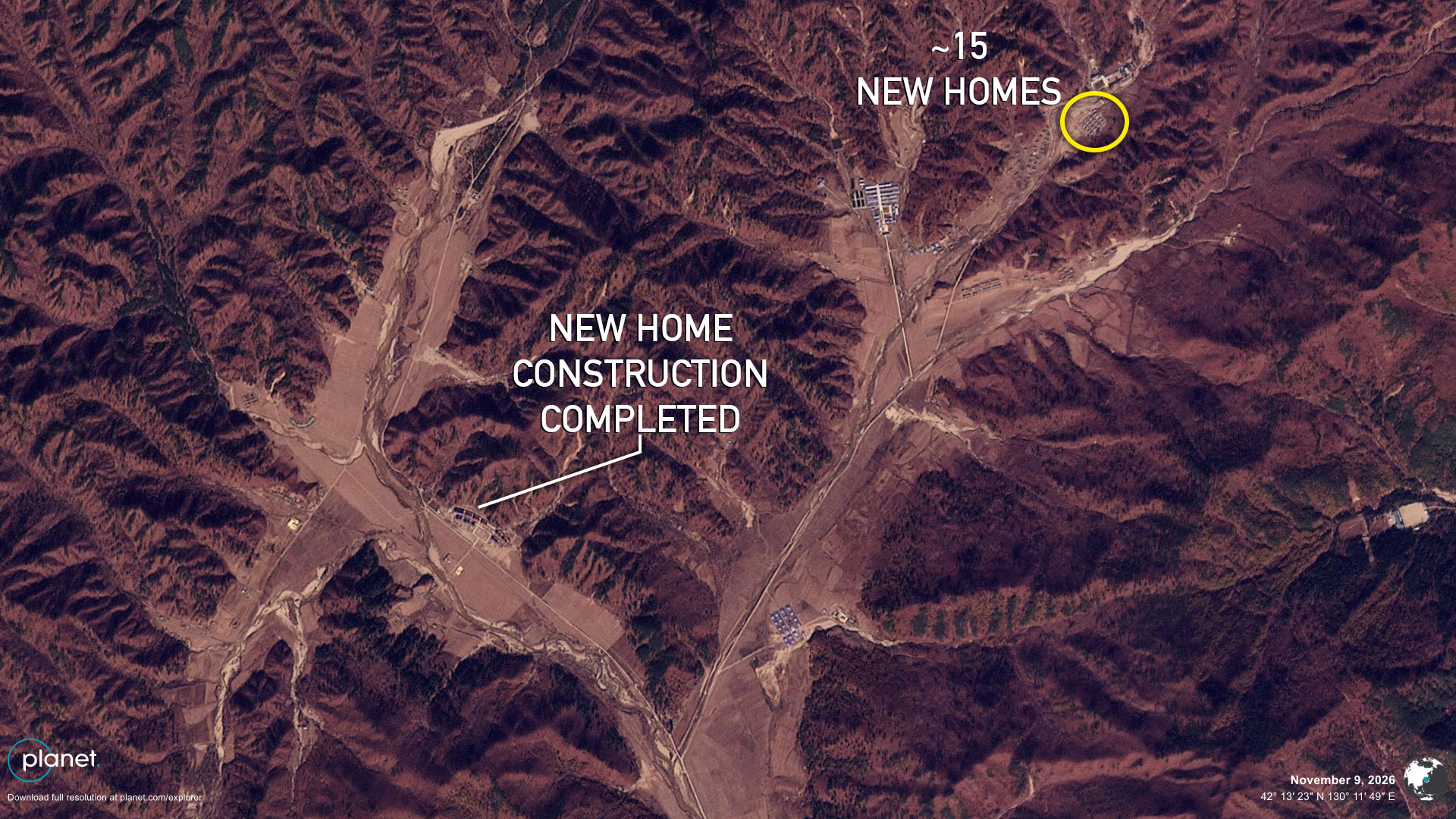
A Russian tour group was in Rason at the time of the flooding, and one tourist uploaded extensive video footage showing damaged roads, embankments and bridges as they drove to the border in the hours immediately after the rain subsided. Their tour bus drove over one of two parallel bridges that NK Pro reported were damaged during the rains. Satellite imagery shows that sections of the west bridge were taken down and replaced days after they left Rason, while the east bridge fell apart or was taken down and is still being rebuilt. The construction of some new homes confirms the storms caused severe enough damage to displace residents, despite state media refraining from alerting the wider public about damages and possible casualties. The small number of rebuilt homes suggests the damage to other homes may not have been significant enough for authorities to decide to dedicate resources to building new ones, though it’s also possible local officials haven’t carried out more reconstruction due to a lack of resources or political will. North Korea’s refusal to open up about the damages or allow independent investigations into the effects of the flooding makes it difficult to determine the true level of suffering from residents. NK Pro was also the first to report on more devastating floods around a major military base in Singye County near the inter-Korean border in late July, where satellite imagery showed hundreds of homes completely wiped away and rapid rebuilding efforts. State media outlets refrained from reporting on the event despite thousands being displaced and likely deaths due to the apparent flash floods. In October, the Korean Central News Agency (KCNA) and Korean Central Television (KCTV) reported on people moving into new “socialist fairyland-like villages” in Singye built by authorities to promote “the people’s well-being.” 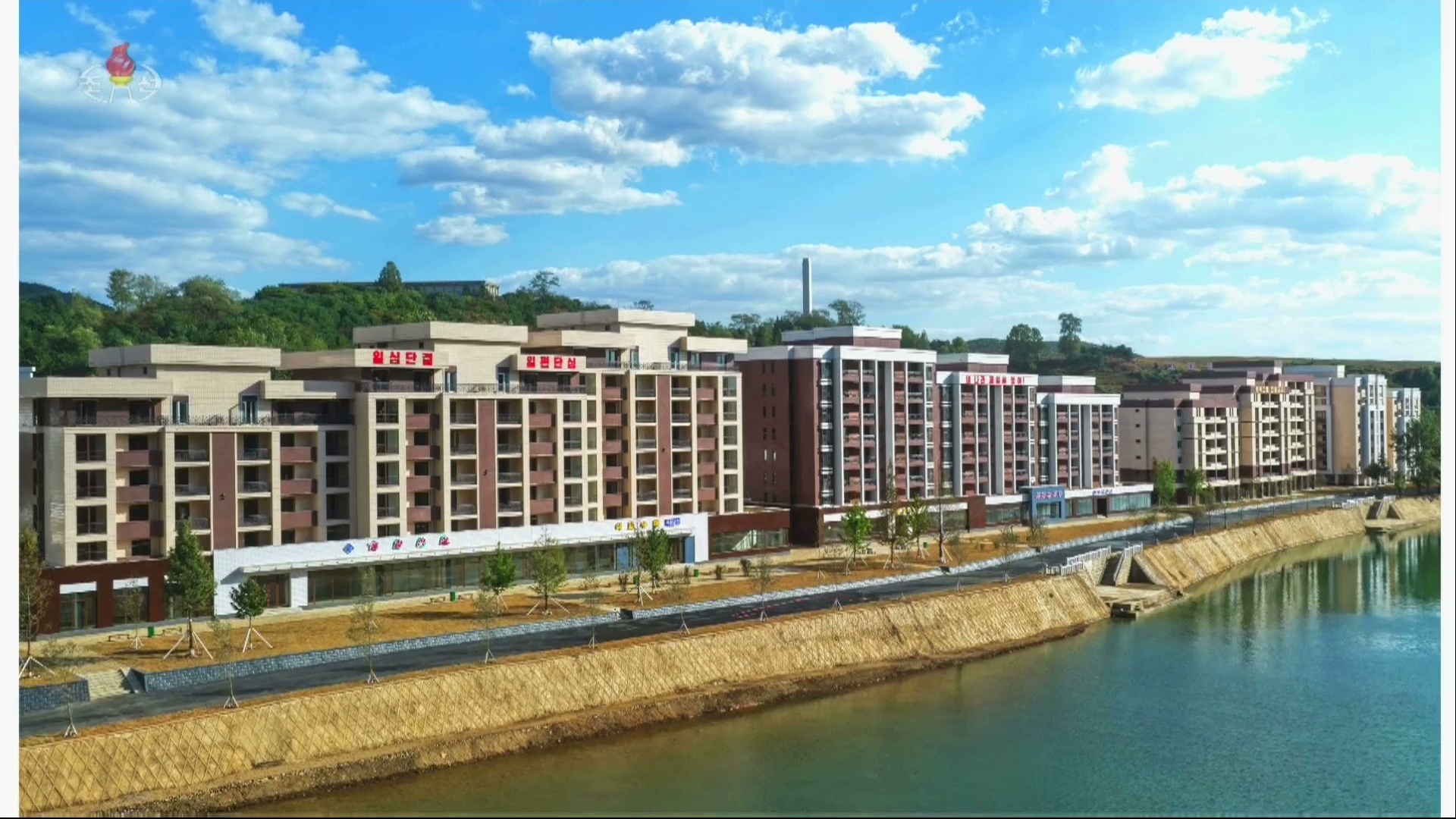
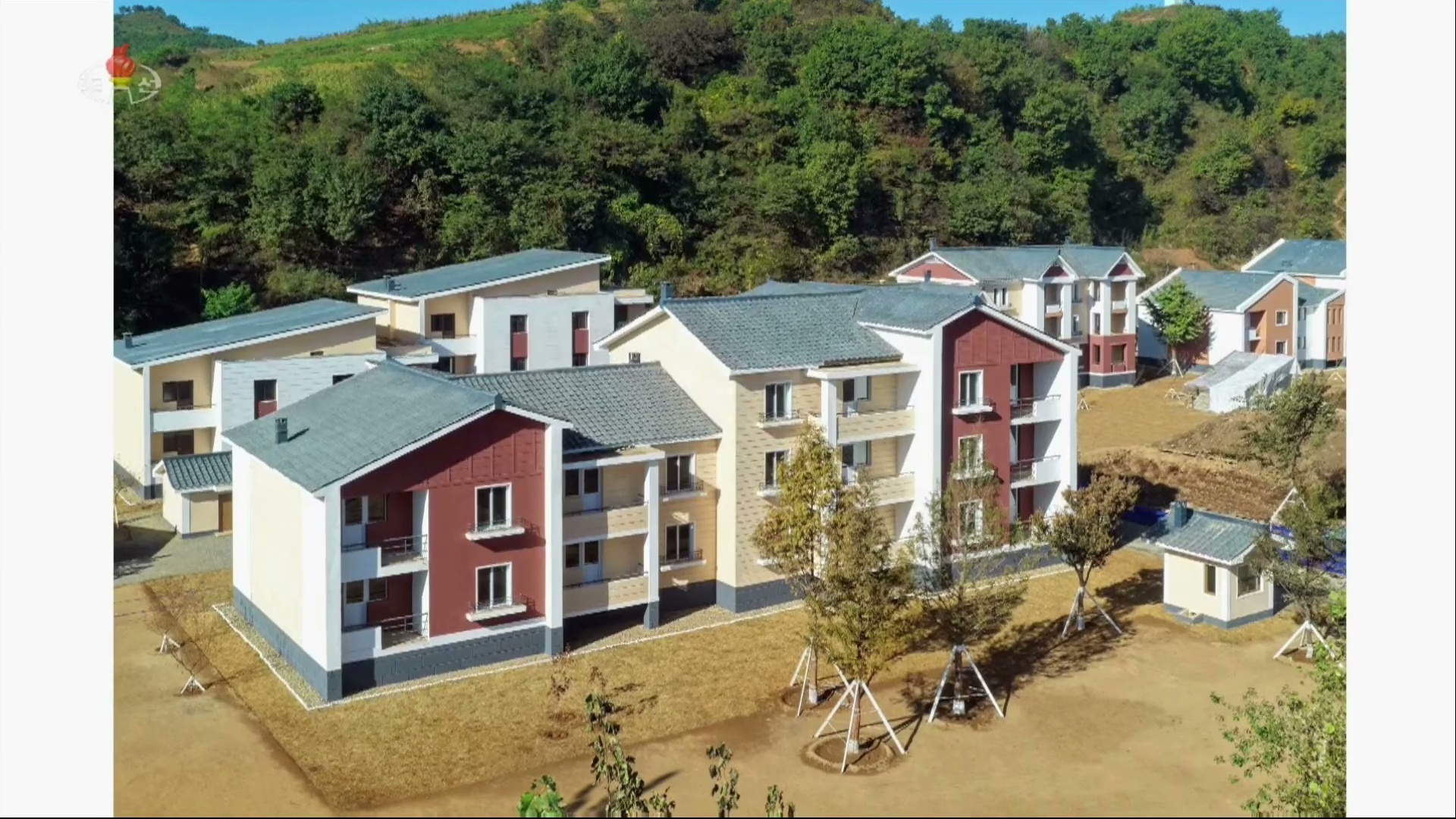
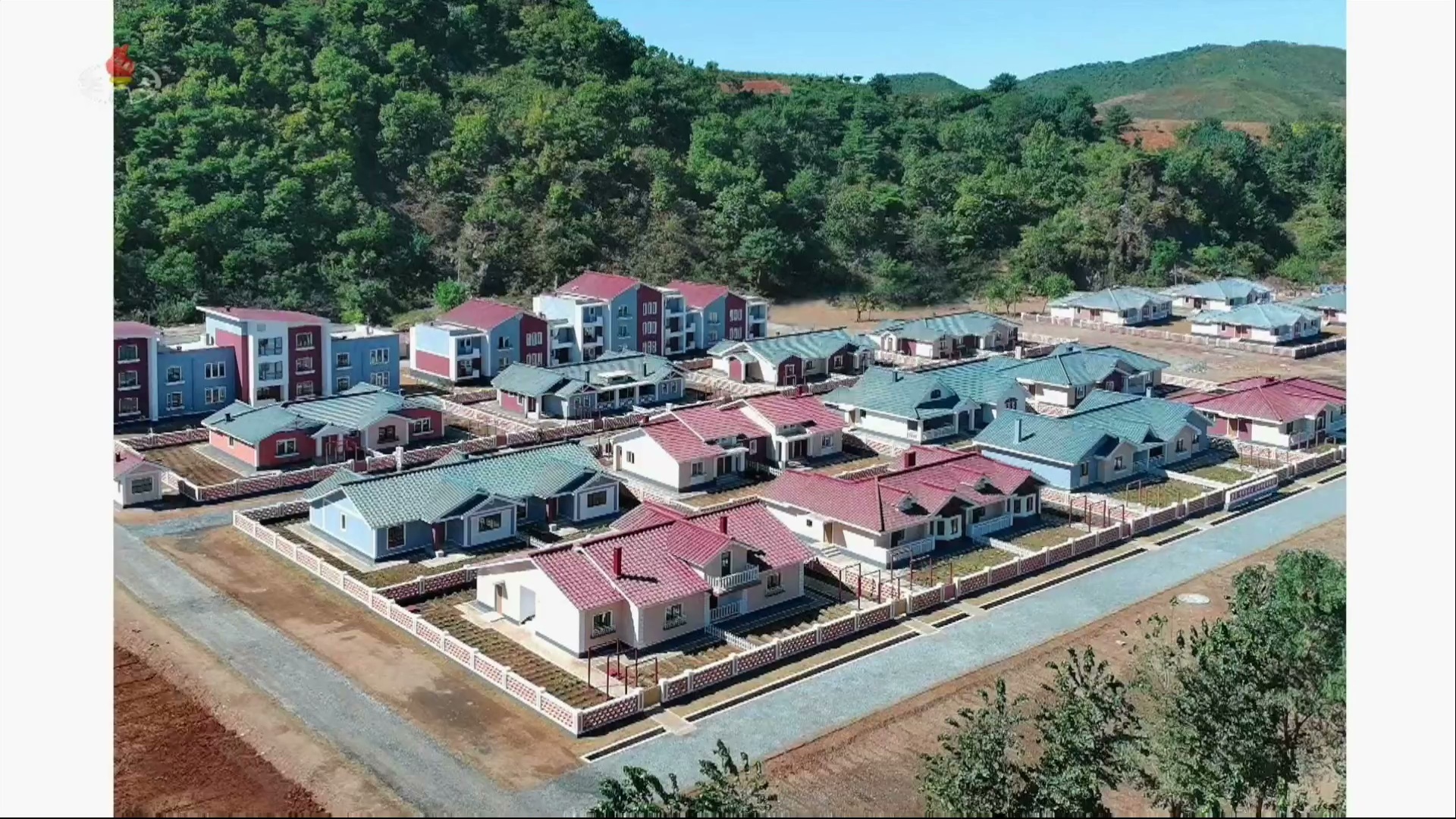
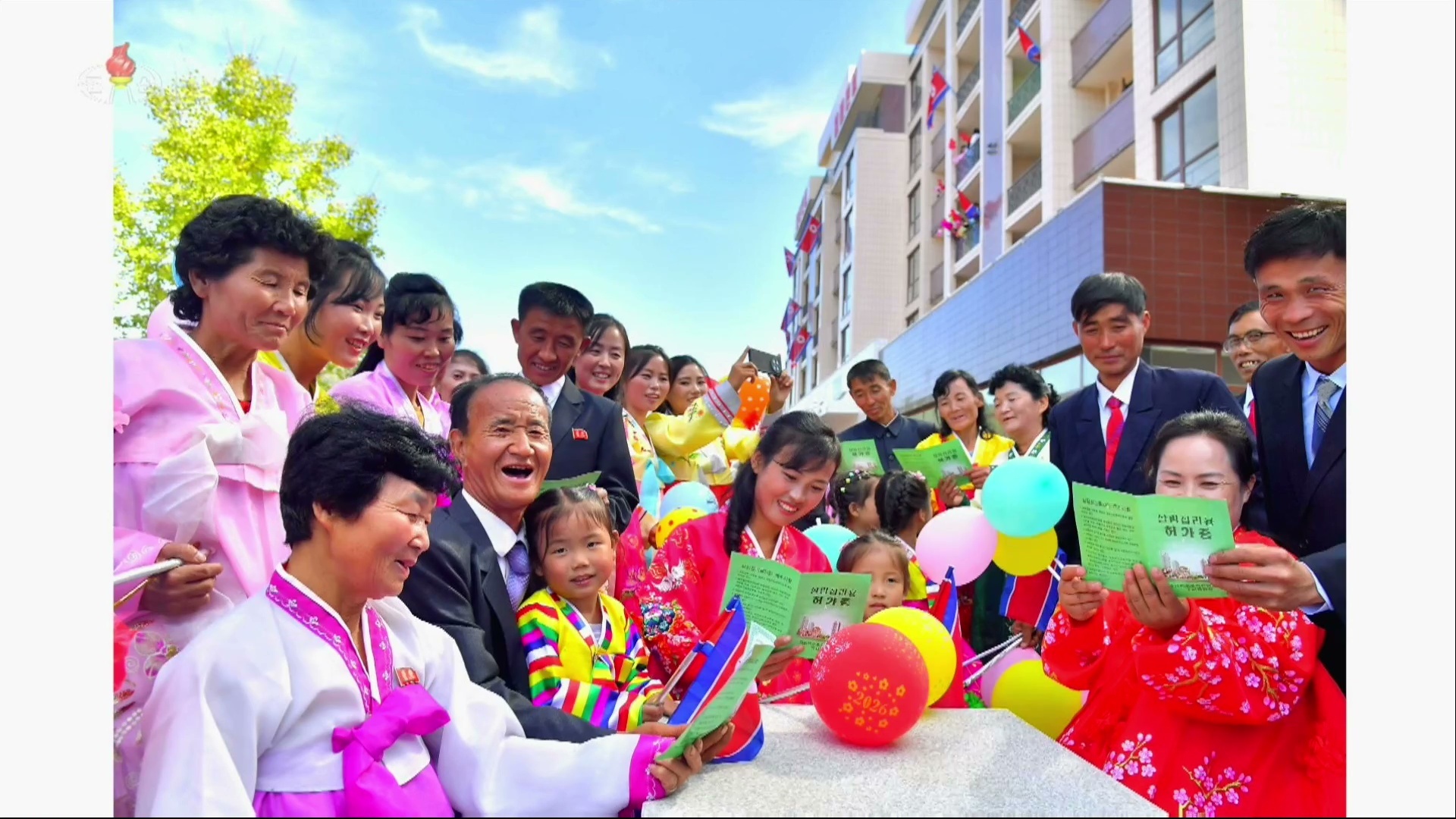
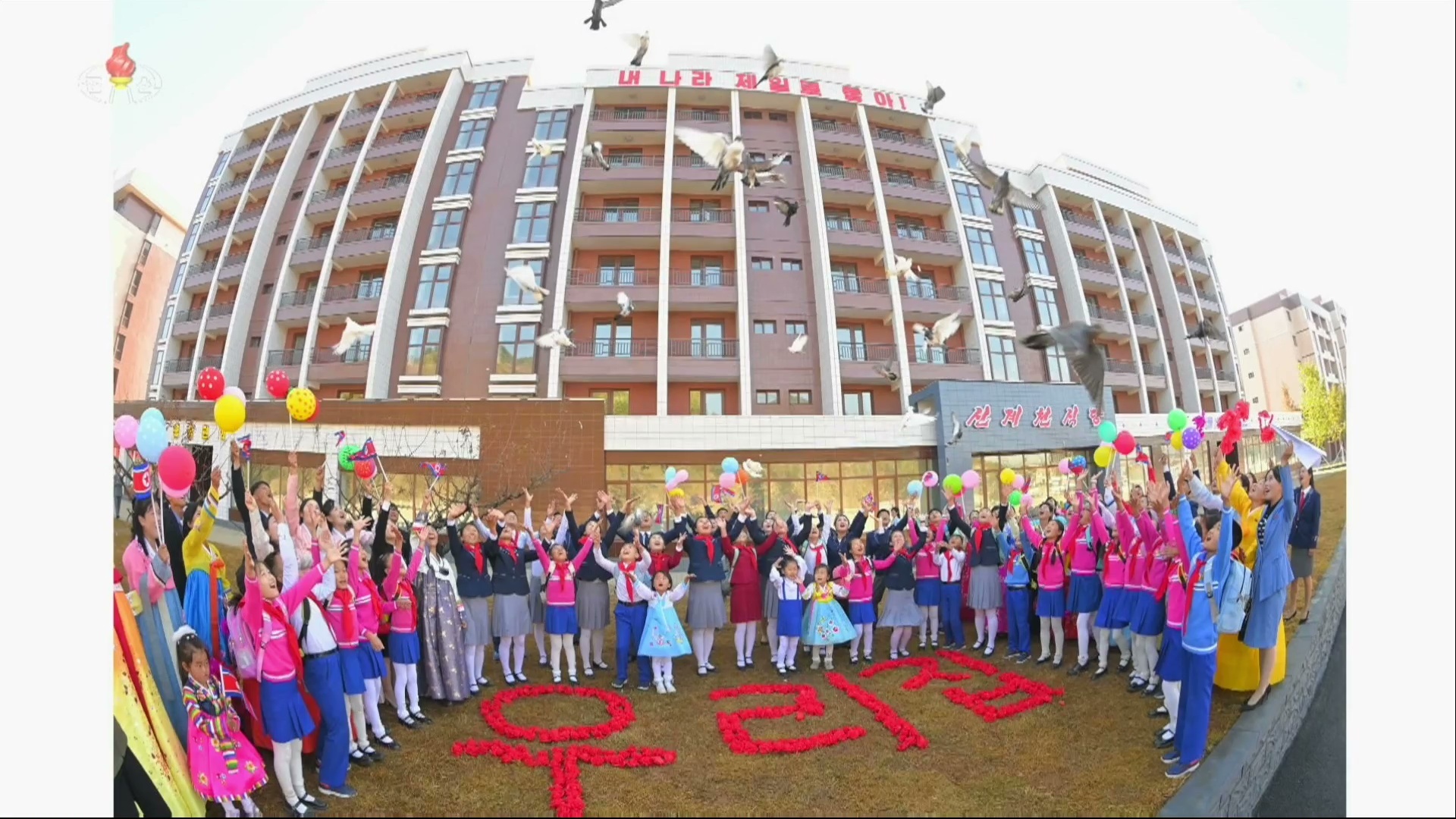
However, the report made no mention of the disaster and instead pushed a false narrative that the moving-in ceremonies were part of annual rural housing construction projects. State media’s blatant cover-up of the floods is likely due in part to sensitivities over the town hosting a large Korean People’s Army (KPA) base that may be a corps-level headquarters. It is Pyongyang’s default position to prevent the spread of news that may cause citizens to question or criticize authorities, though state media sometimes covers flooding and natural disasters under careful propaganda strategies that are usually centered around promoting “benevolent” response efforts by leader Kim Jong Un. Edited by Bryan Betts © Korea Risk Group. All rights reserved. |

November 11, 2026Nov 11, 2026

The ultimate resources for professionals working on North Korea
 SHARE
 COPY LINK
 X
 MASTODON