
  
Analysis Russian ships linked to North Korean arms trade ramp up visits to DPRK portUS-sanctioned Lady R and Angara reappear at Rason after lull, despite broadcasting locations from Baltic Sea  Russian vessels linked to North Korean weapons shipments have ramped up visits to the DPRK port city of Rason in recent weeks, according to NK Pro analysis of satellite imagery, suggesting that their arms cooperation is continuing unabated as the Ukraine war drags on. The Lady R and Angara made a total of three visits to Rason in November and two in October after largely avoiding the port from early August and late September, according to available Planet Labs imagery. The reappearance of these sanctioned vessels at Rason marks the resumption of a previous pattern in which they averaged two to three visits per month. Low-resolution imagery from Nov. 22 shows a vessel with hull dimensions similar to the Lady R visiting Rason. The ship resumed operations to the port in late October, the first time since August. 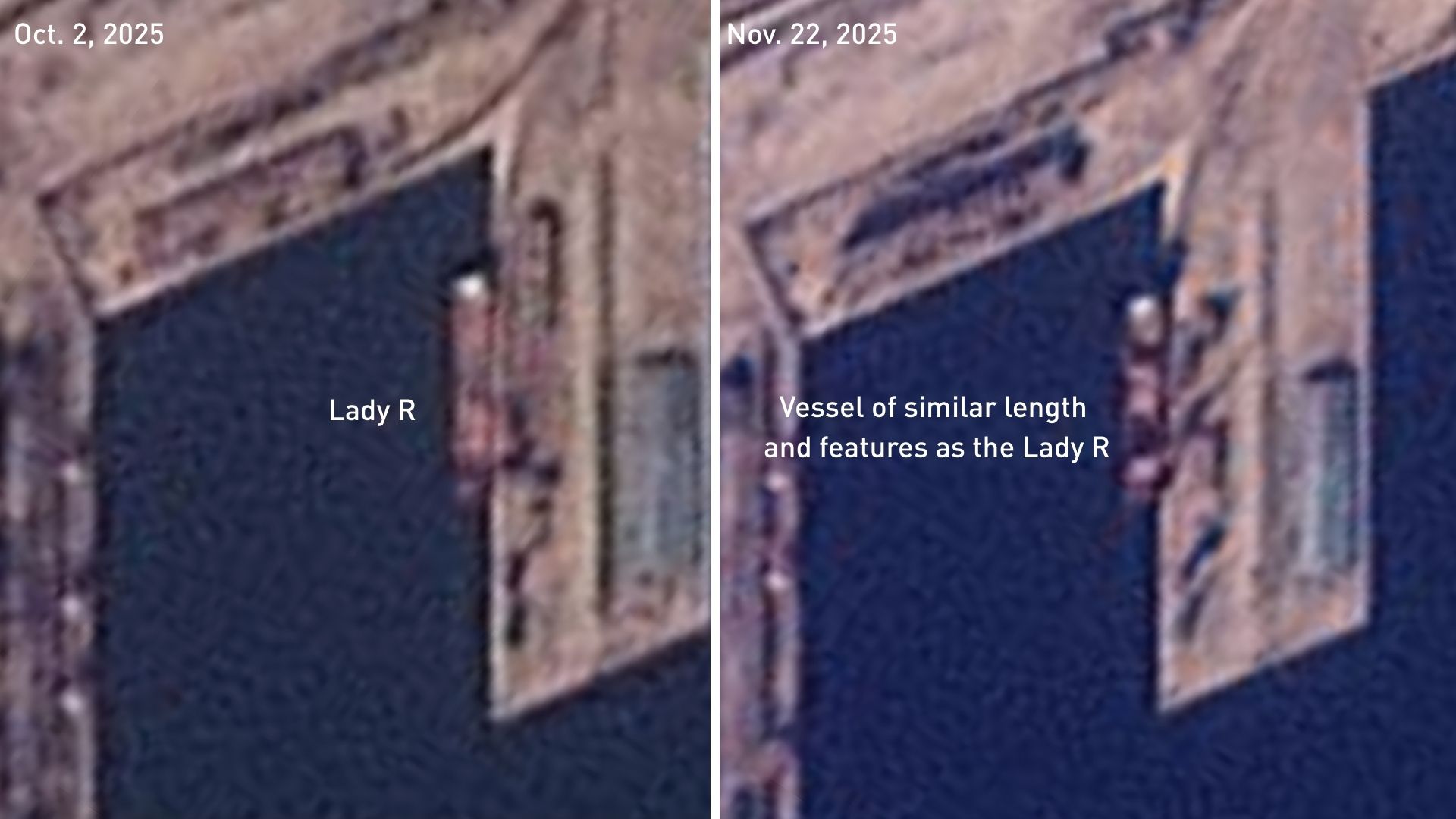
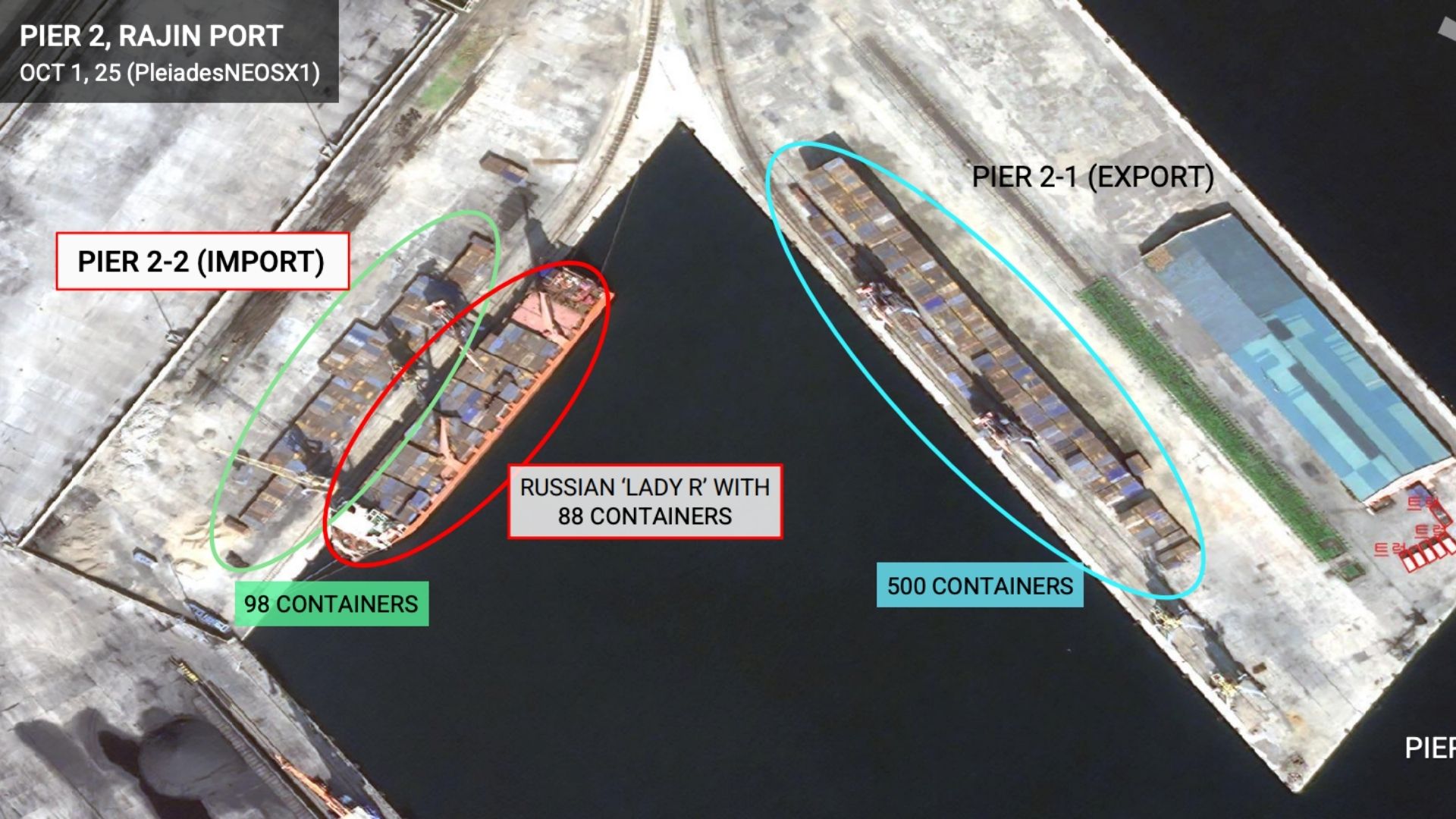
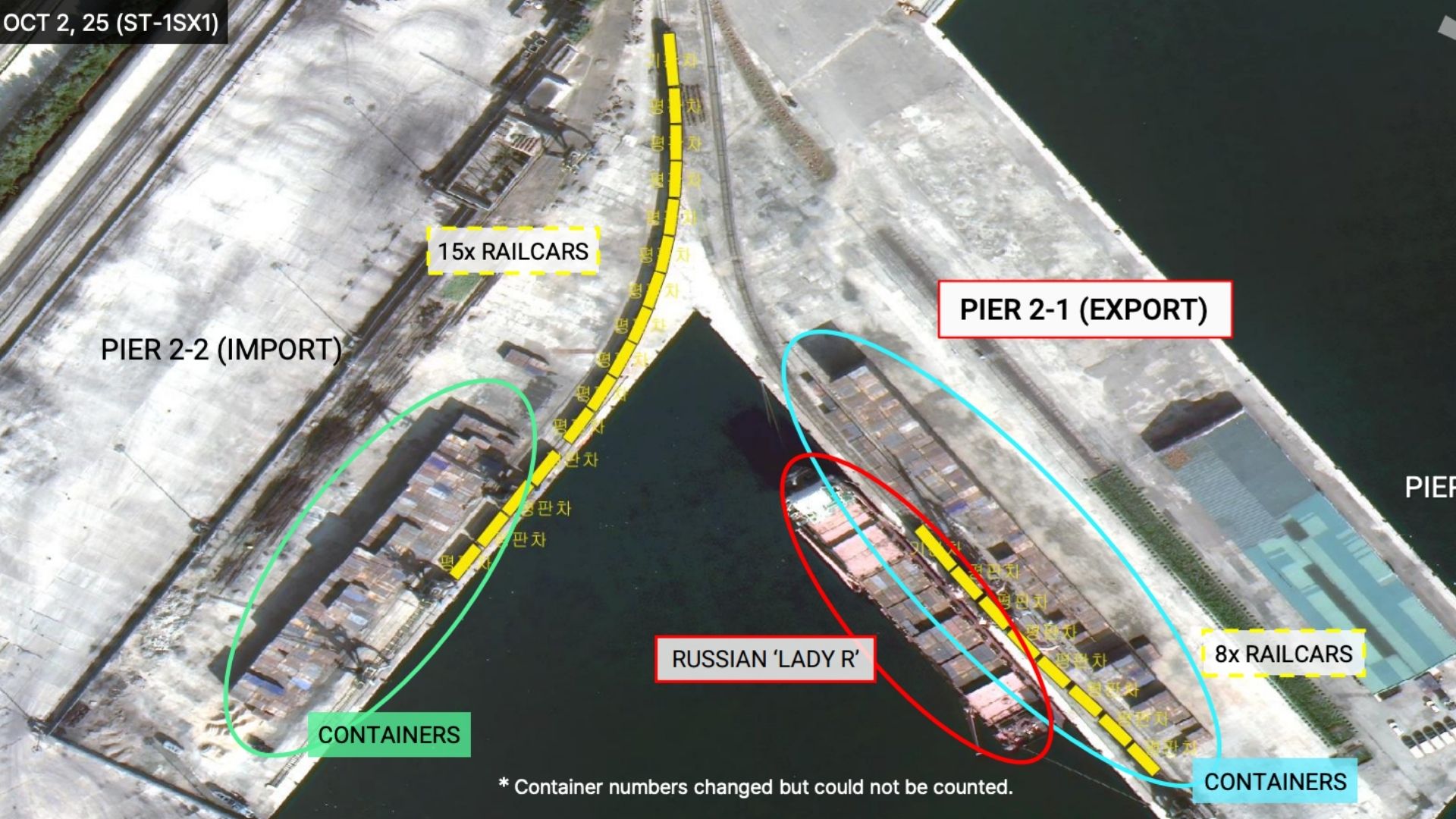
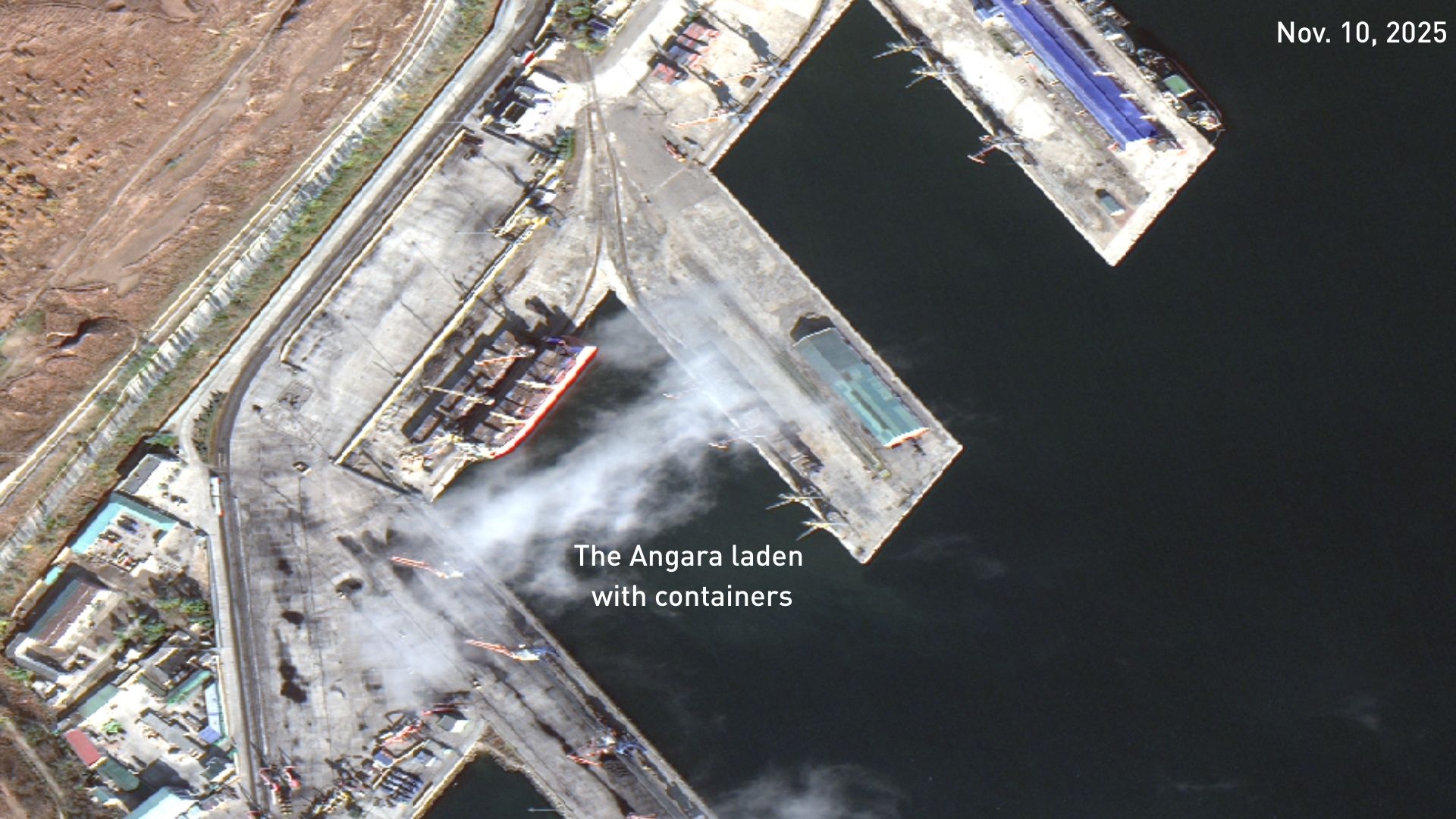
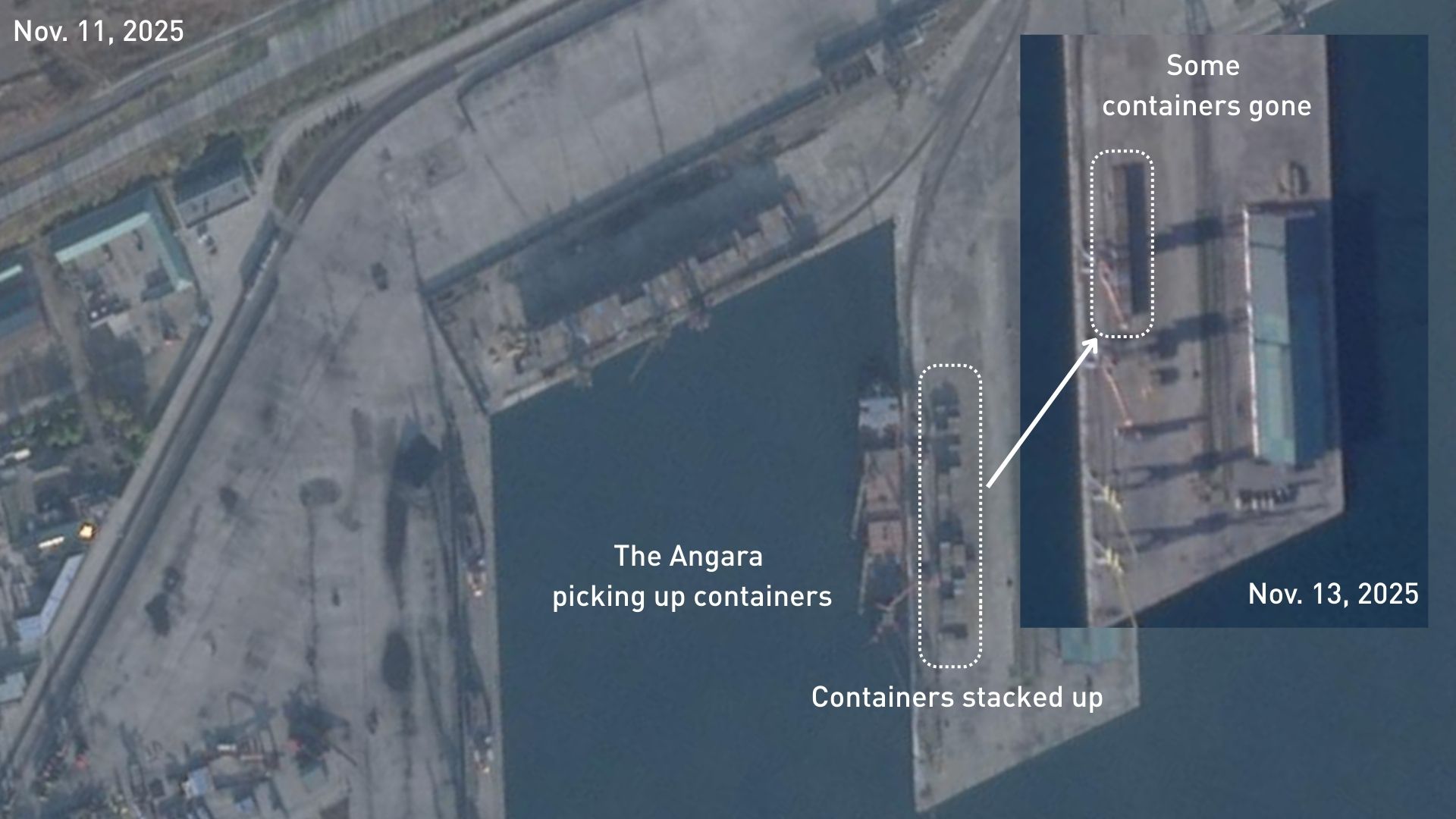
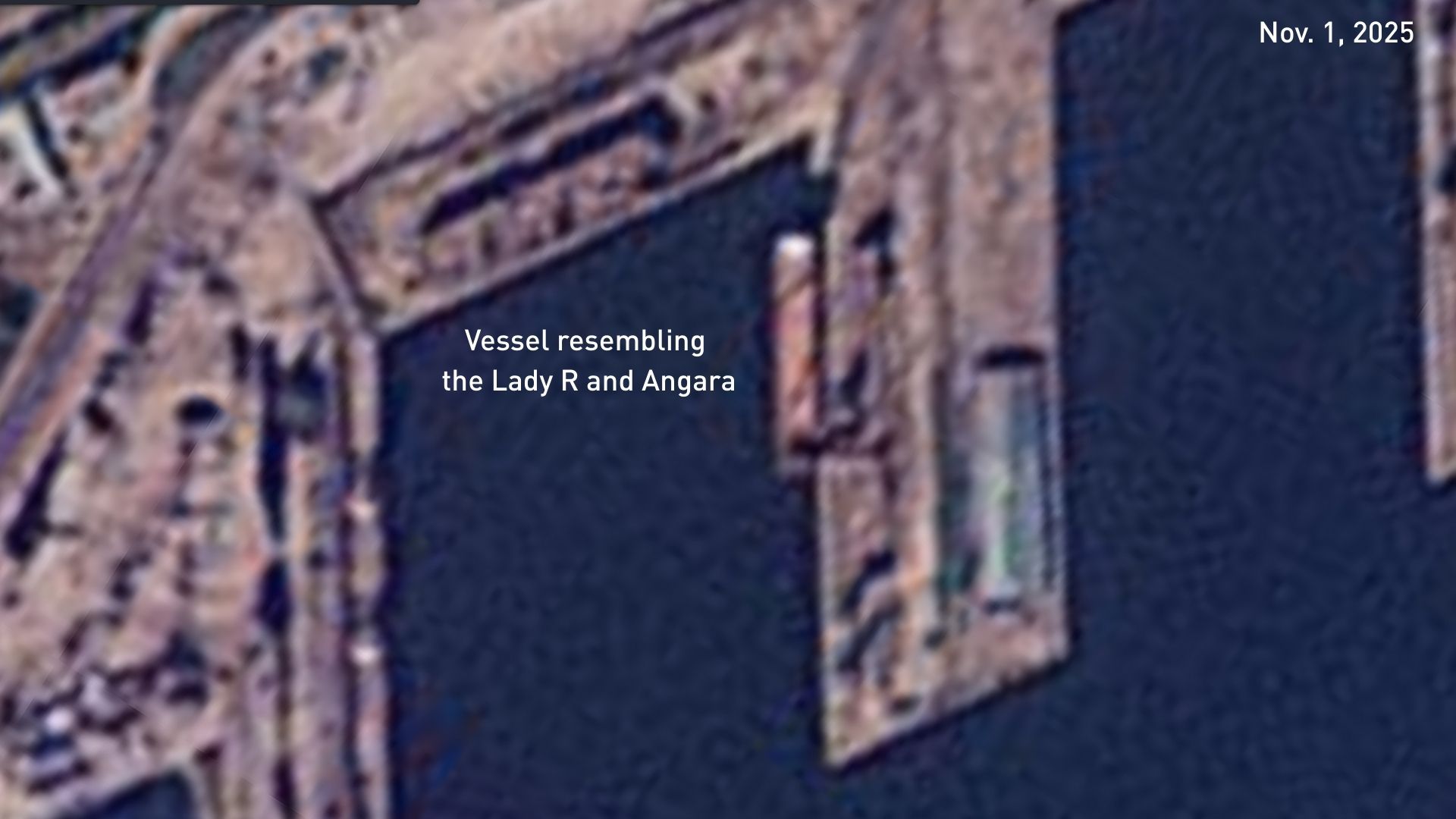
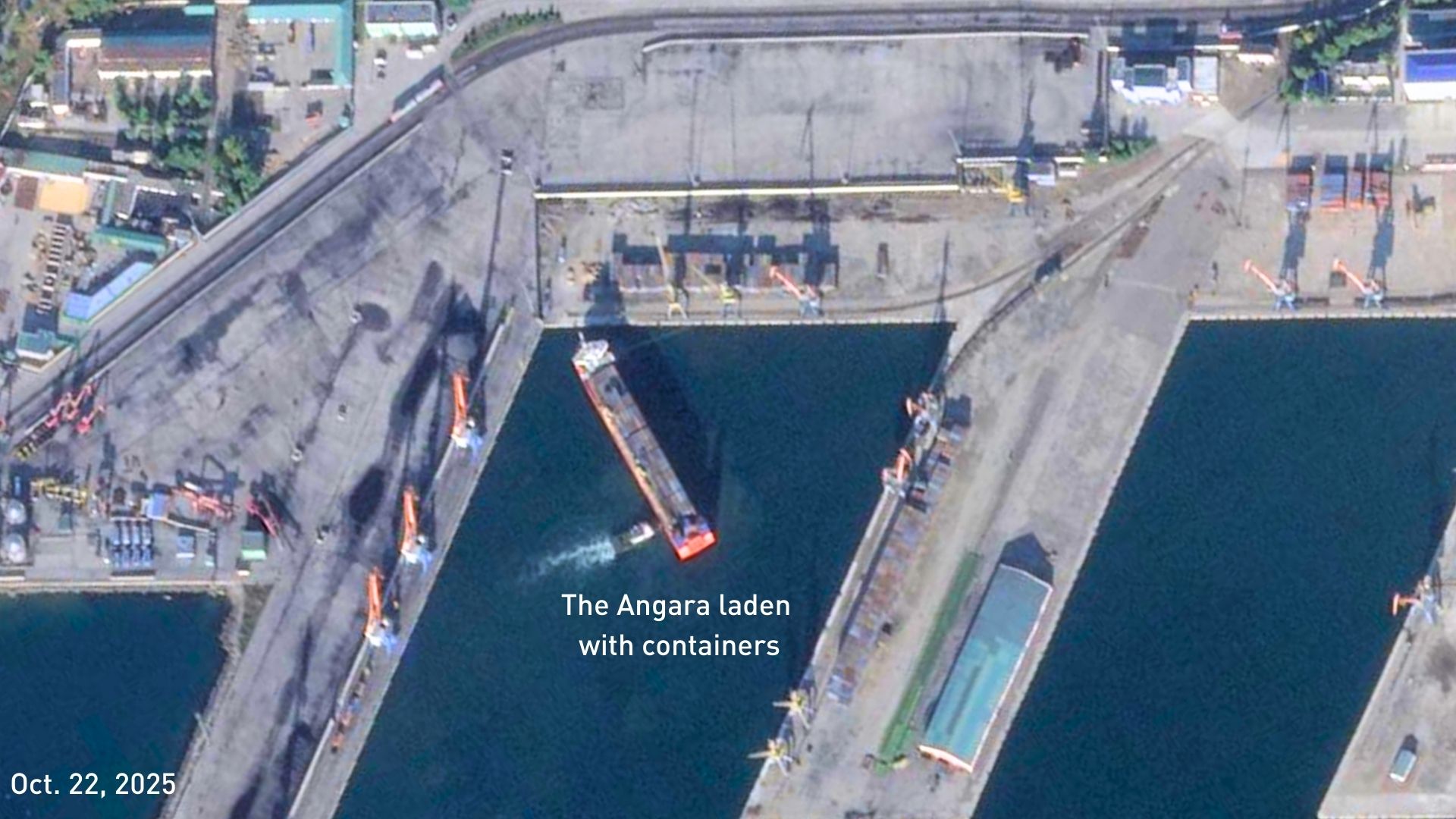
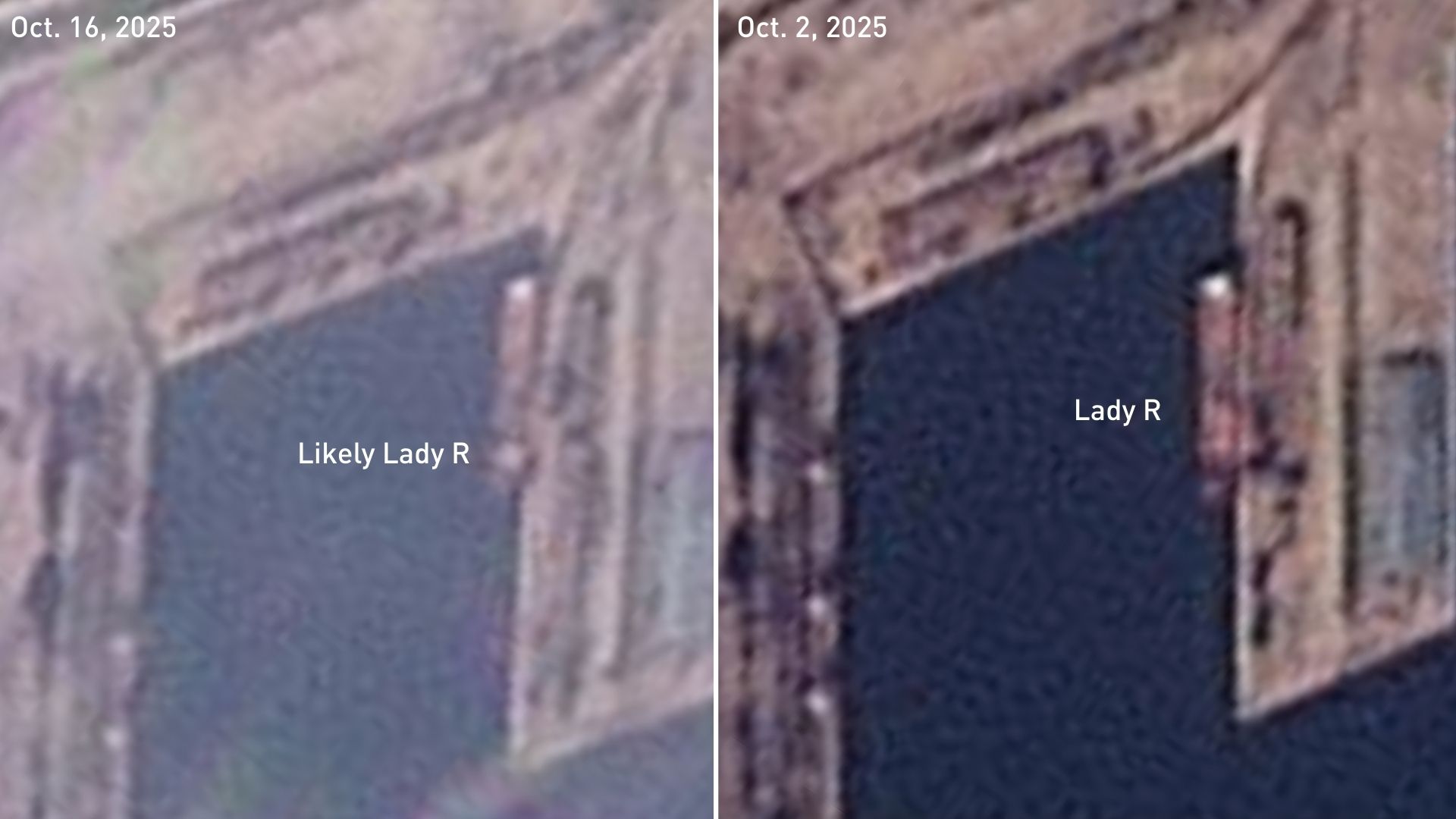
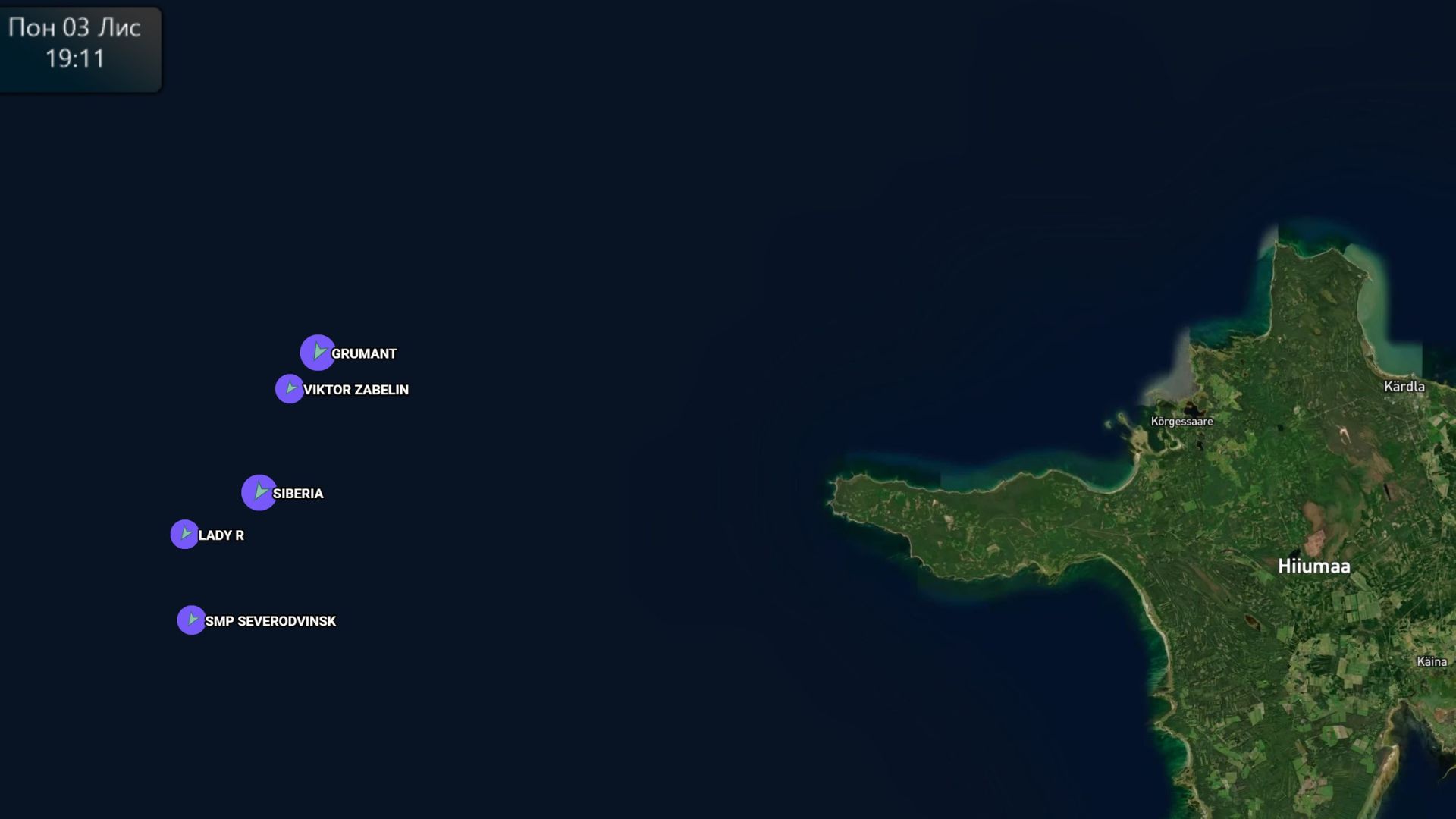
The boat has been under U.S. sanctions since 2022 and belongs to MG Flot, a Russian firm previously known as TransMorFlot, which was sanctioned as part of measures targeting Russia’s maritime industry after the invasion of Ukraine. The only other ship to visit recently was the Angara on Nov. 10, according to NK Pro analysis. Stacked containers on the berthing pier that appeared in satellite imagery from Planet Labs and SI Analytics vanished following its visit, indicating that the cargo was picked up. Another port call by either the Lady R or Angara took place Nov. 1, though identifying the specific vessel is difficult due to the low resolution of the imagery. The previous month, high-resolution imagery showed the Angara being tugged toward a Rason pier on Oct. 22. Another ship with dimensions similar to the Lady R visited on Oct. 16, according to low-resolution imagery. NK Pro previously assessed the Lady R was in Rason on Oct. 1-2, after spotting its arrival on Sept. 31. Cloudy weather obscured satellite imagery of the port for most of October, raising the possibility of additional visits that went undetected during that period. The Angara previously visited Rason in early August after docking at Russia’s Vostochny Port a few days earlier, NK Pro found. The vessel and its owner M Leasing are both under U.S. sanctions. SPOOFING The Angara and Lady R have been part of the smuggling operation since mid-2023, alongside the Maria and the Maia-1, with the latter ship ending operations in 2024. The two ships have largely shied away from broadcasting their geolocation, and their clandestine voyages are primarily documented with the help of satellite imagery. MarineTraffic detected the ships’ automatic identification system (AIS) signals thousands of miles away from their actual area of operation on Nov. 2, some 19 and 28 miles west of Estonian island of Hiiumaa in the Baltic Sea, respectively. Kateryna Yaresko, a Ukrainian investigative reporter with the SeaKrime project, flagged the unusual development on her X account, noting that other ships implicated in past illicit grain exports from Ukraine also broadcasted their AIS signals from the same area, while actually being in the Black Sea. 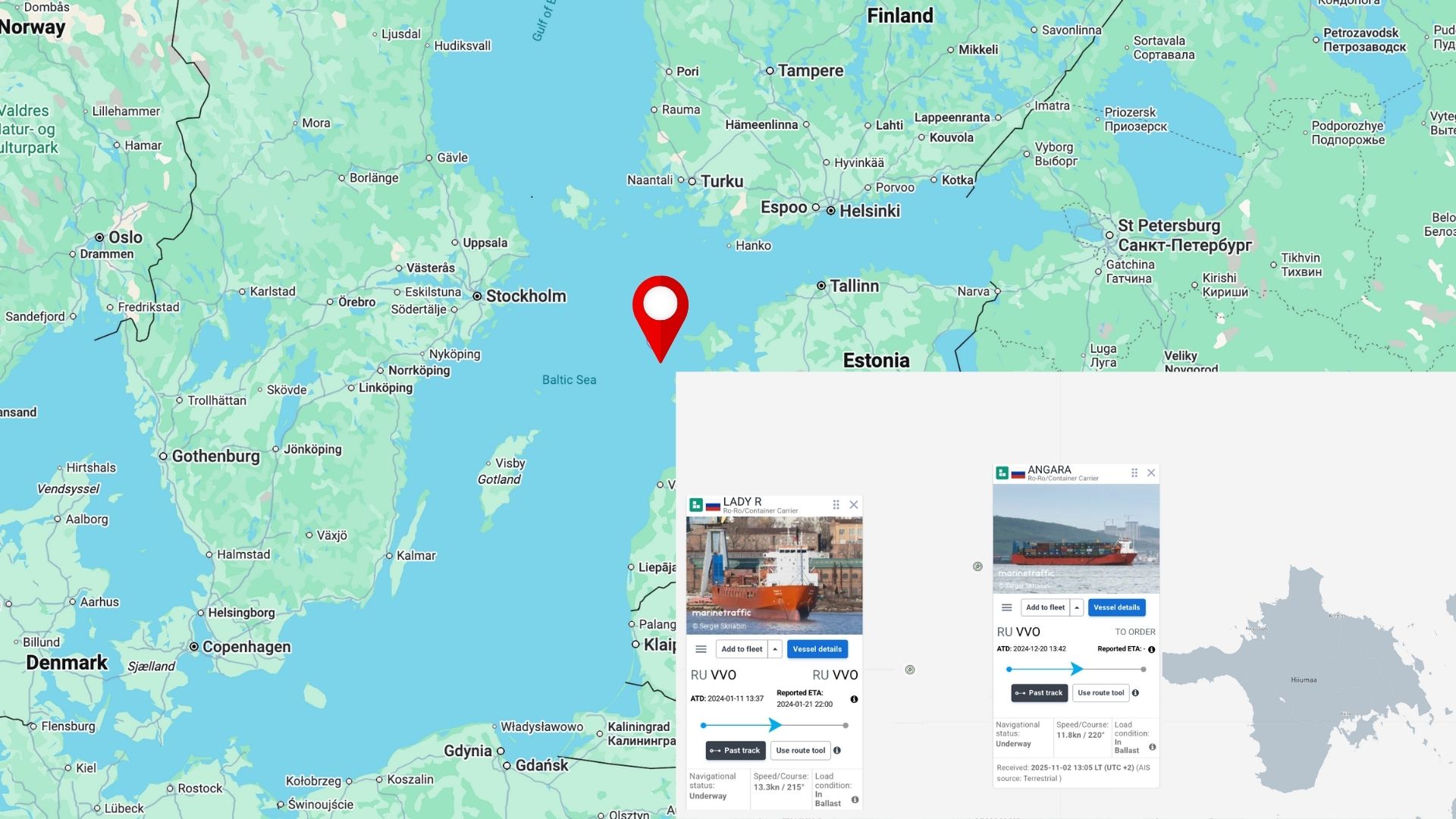
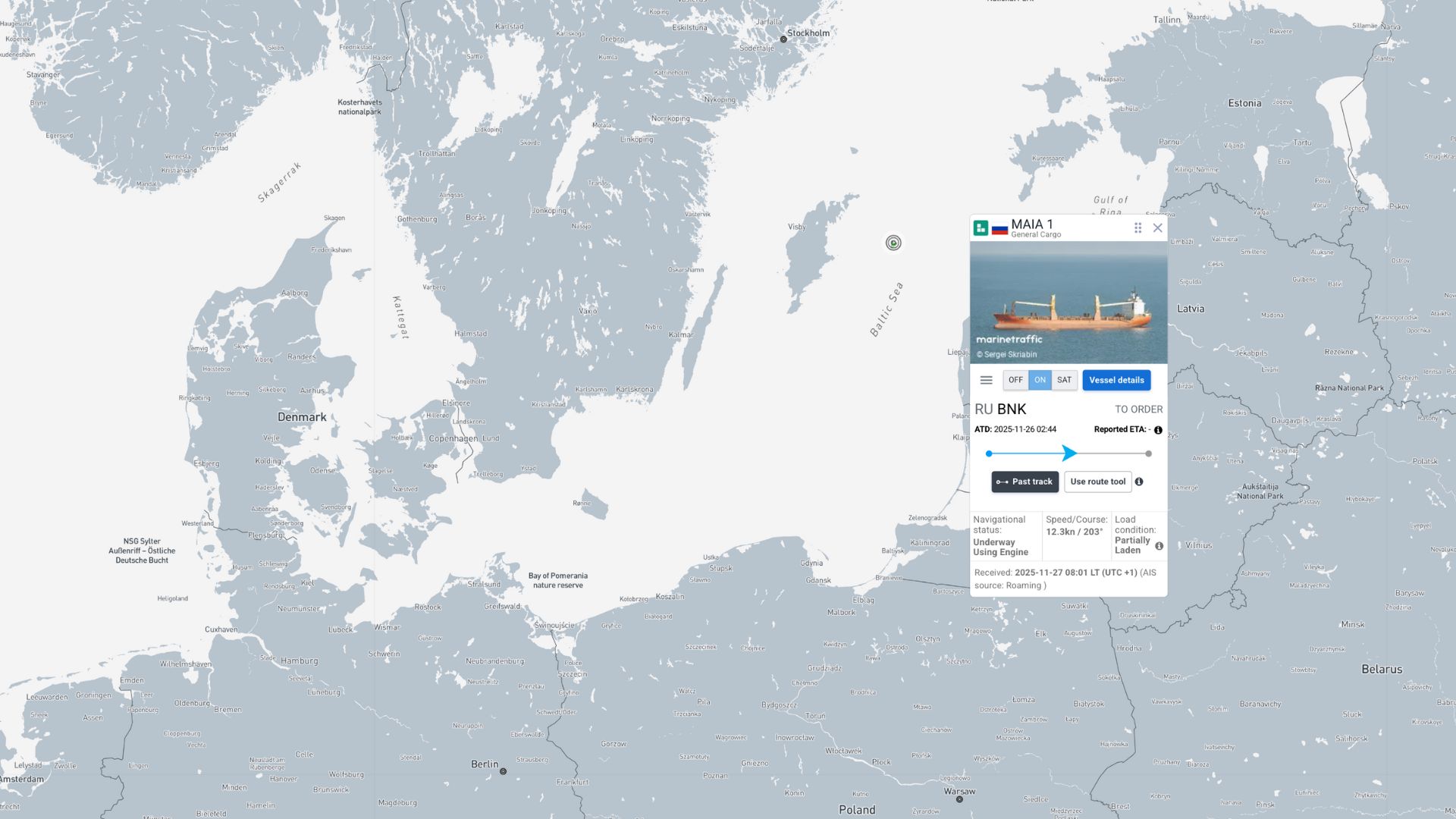
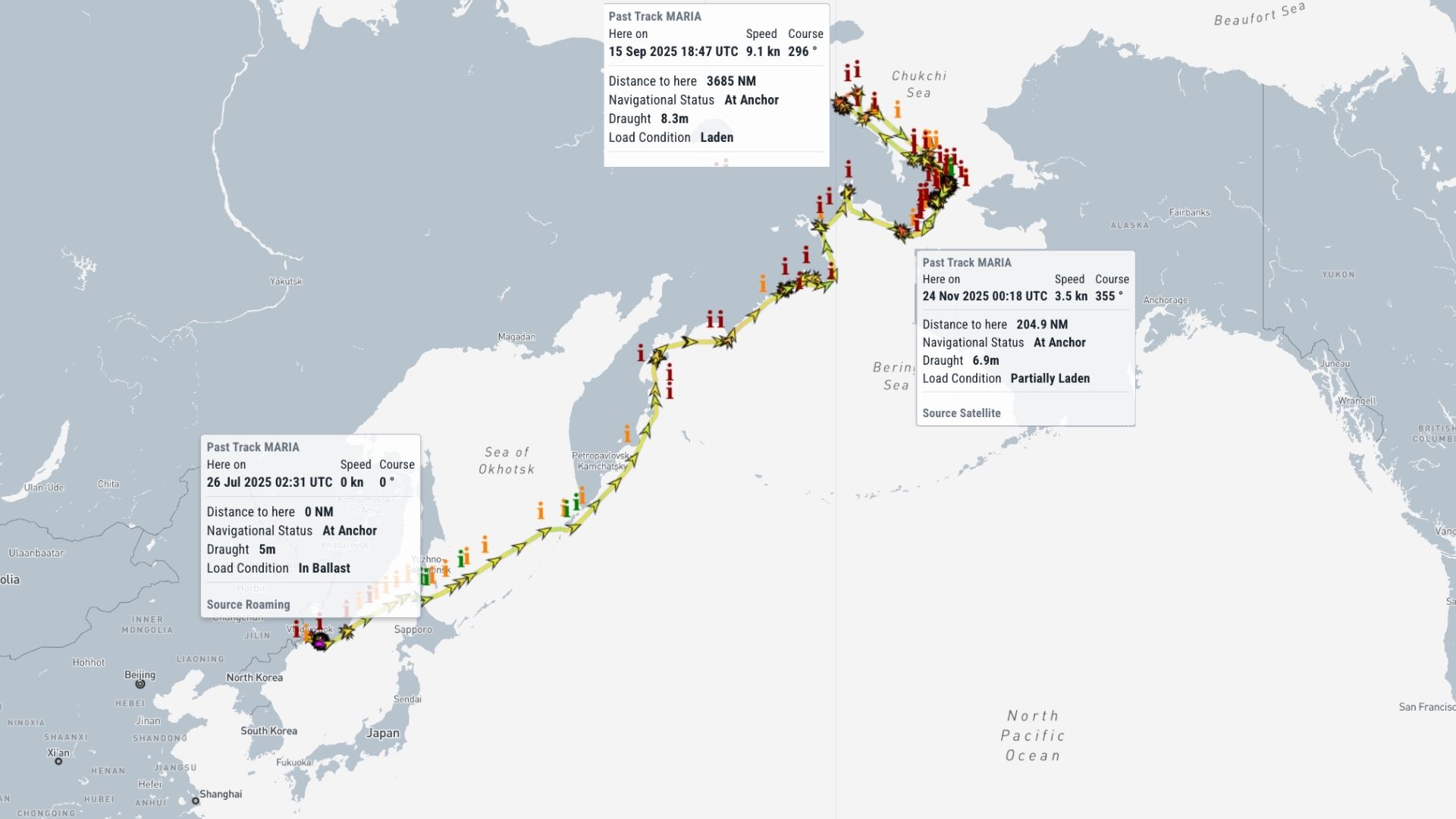
She explained that this spoofing campaign was different from those conducted by individual ships, which suggested that their “centrally transmitted” signals may have been “carried out at the state level.” MarineTraffic data shows that the Maria resumed its AIS broadcasts on July 26, and resurfaced east of Vladivostok after sailing dark for several years and conducting its last known clandestine visit to Rason on July 9. The vessel has been broadcasting regularly ever since, appearing to shuttle between small ports scattered throughout Russia’s northeastern Chukotka Peninsula. Similar to the Angara and Lady R, the Maria engaged in an identity spoofing scheme, likely to cover its tracks after sailing to North Korea in 2023, an NK Pro investigation previously showed. In Dec. 2023, the U.S. sanctioned the Maria, two other similar vessels along with their Cyprus-based owner Ibex Shipping Inc., and former Vladivostok-based managing company Azia Shipping Holdings Ltd. for their involvement in the delivery of “military equipment and munitions” from the DPRK to Russia. SLUMP IN SHIPMENTS The renewed activity comes after SI Analytics spotted a decrease in containers at one of Rason’s piers suspected of handling outbound arms shipments during August and September. Ukrainian military intelligence reported no shell deliveries from North Korea to Russia in September and a limited shipment of older munitions the following month. Russia had to send these artillery shells to domestic plants for improvement, Ukraine’s deputy military intelligence chief Vadym Skibitskyi told Reuters. He reportedly said that as of mid-November, North Korea had supplied Russia with a total of 6.5 million artillery rounds since 2023. 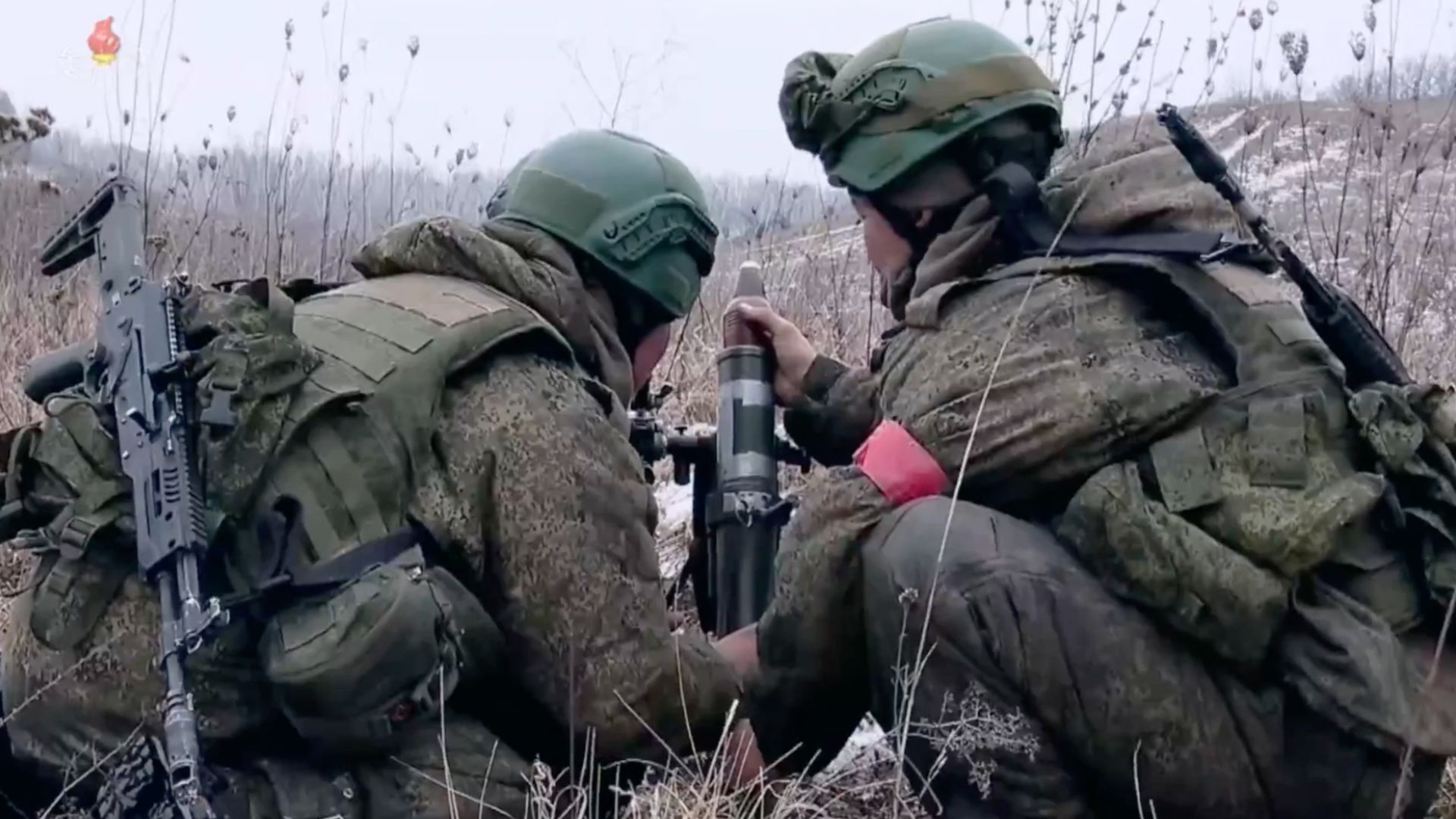 The figure contrasted with Seoul’s July assessment that the DPRK may have transferred about 28,000 containers containing roughly 12 million 152mm rounds. Seoul-based Ukrainian scholar Olena Guseinova in a September study placed that number between 7.2 million and 8.3 million rounds of 120mm, 122mm and 152mm shells. Russia has received various kinds of weaponry from the DPRK, including long-range Koksan artillery systems, ballistic missiles, 240mm multiple-launch rocket systems (MLRS), rare 60mm and 140mm mortar types, as well as 107mm MLRS and cluster munitions. More recently, Moscow has used thousands of North Korean soldiers in combat and engineers for demining operations in the Kursk region. Edited by David Choi © Korea Risk Group. All rights reserved.

|

September 20, 2026Sep 20, 2026

The ultimate resources for professionals working on North Korea
 SHARE
SHARE COPY LINK
 X
X MASTODON