
  
News Shady North Korean freighter tied to sanctions evasion visits Russian coal portExperts say Kum Ya may have engaged in ship-to-ship transfers and is likely delivering illicit cargo 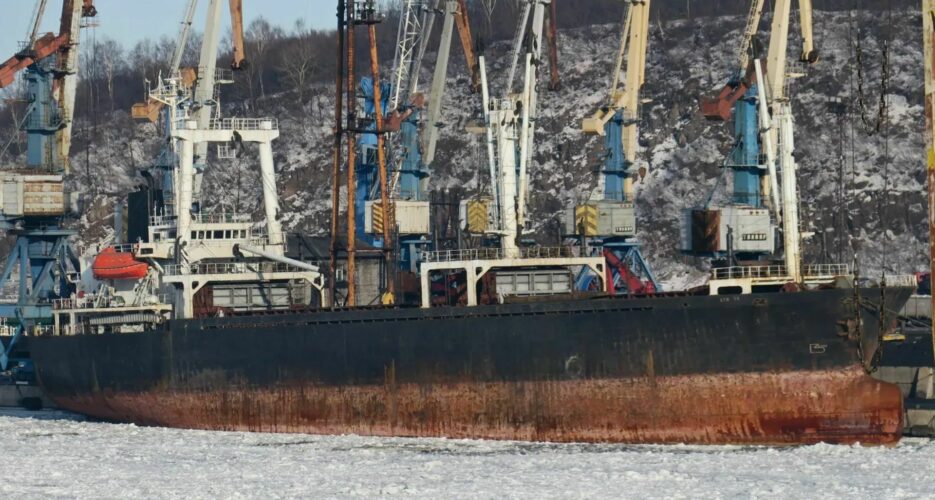 A North Korean freighter known for sanctions violations entered one of Russia’s largest coal ports in the Far East this month, in what one expert described as a likely attempt to deliver illicit goods in breach of U.N. sanctions. The DPRK-flagged Kum Ya (IMO 9004073) berthed at the port of Vanino’s coal pier on March 6, NK Pro analysis of ship-tracking data and PlanetLabs satellite imagery shows. A photo uploaded to the ship-tracking website MarineTraffic also appears to show the vessel at the port this month. NK Pro previously reported on the Kum Ya’s voyage to the Tatar Strait in early February, where it loitered outside Vanino for nearly a month before entering the port, possibly to engage in ship-to-ship transfers. The ship similarly loitered outside the Russian port of Nakhodka last summer for around a month before making a port call. MarineTraffic data shows that the Kum Ya is currently moored at berth 17 of Production Transshipment Complex 3, which is equipped with three cranes and is designed for handling coal. 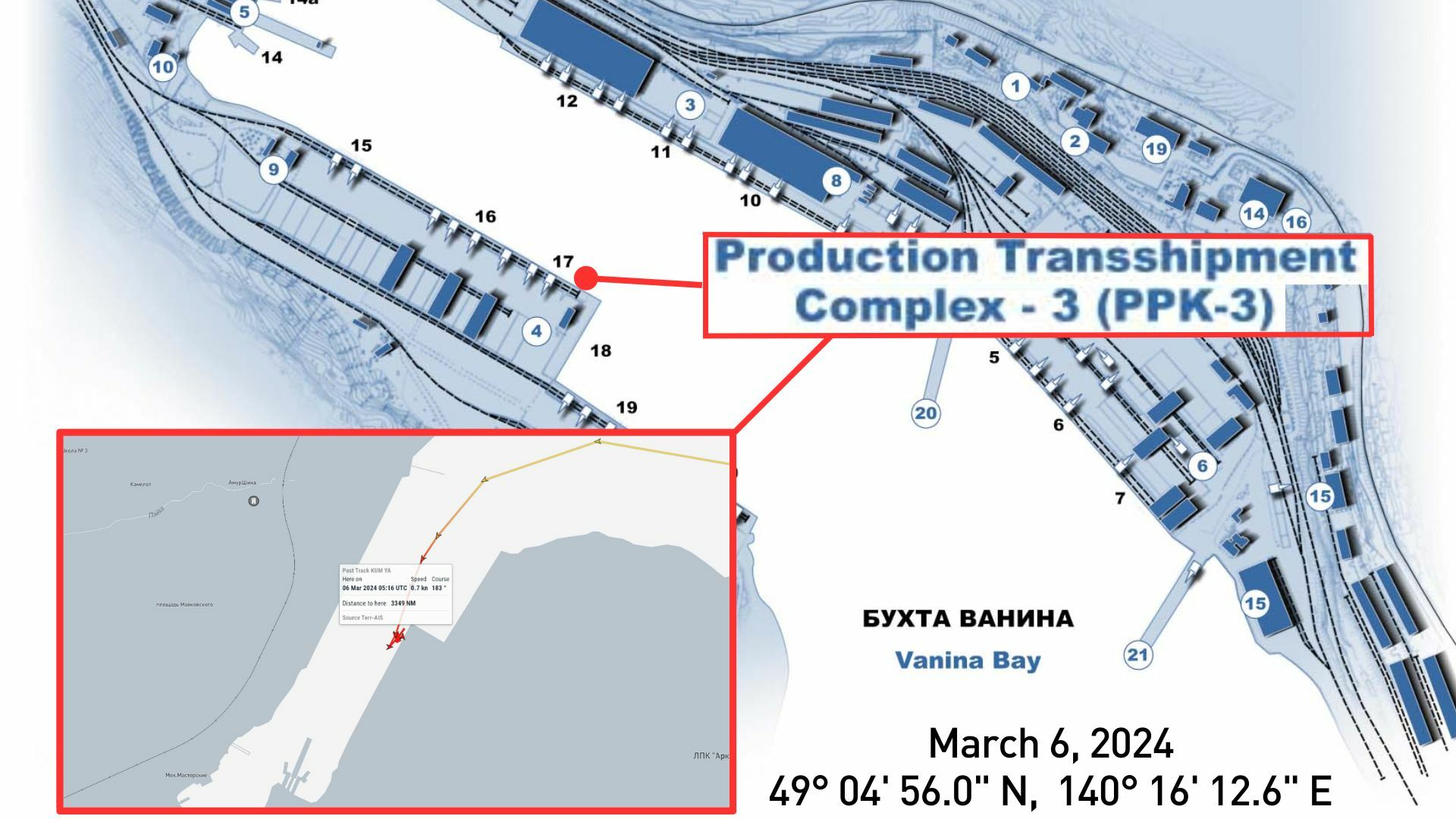
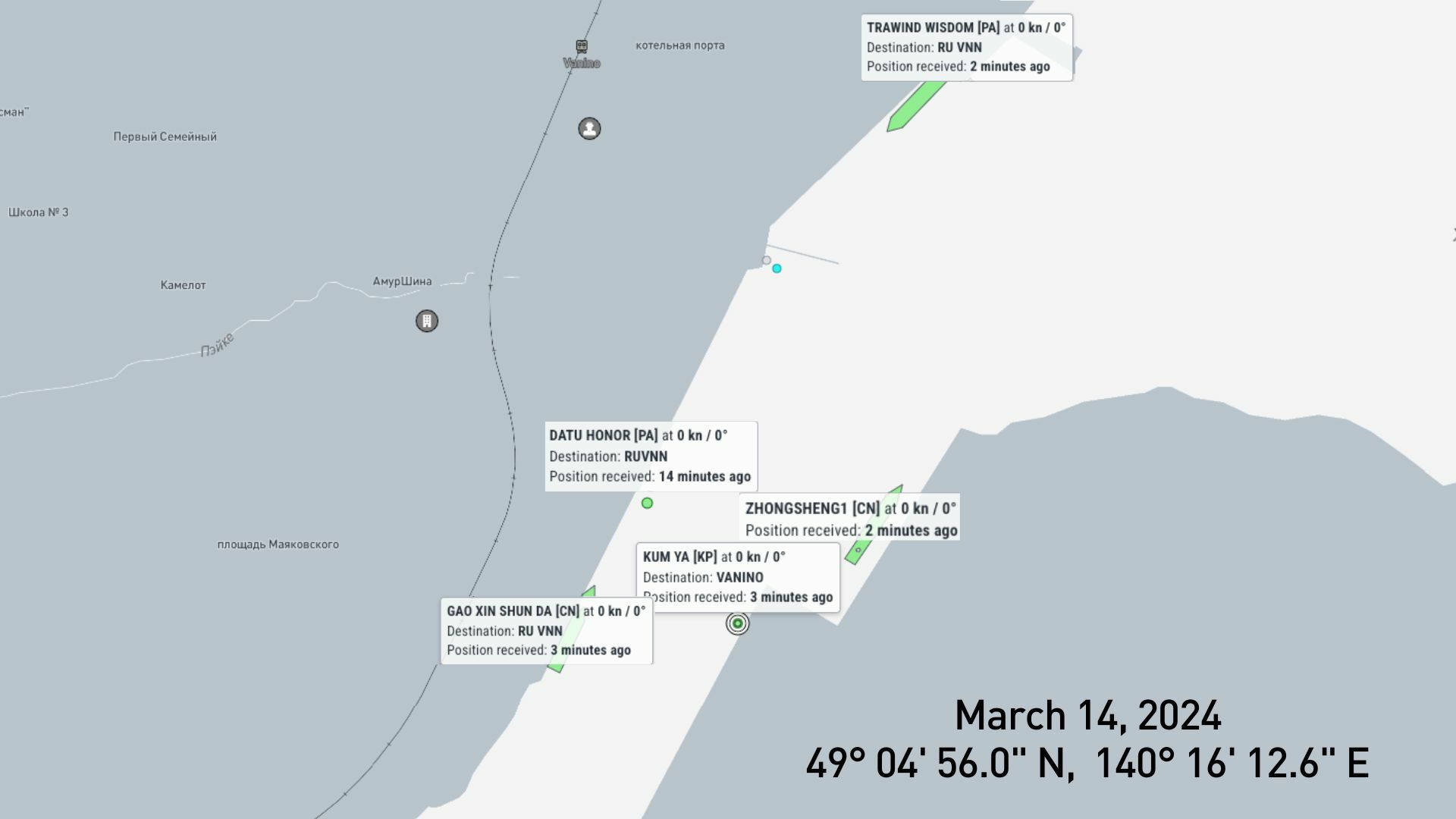
The port of Vanino processed nearly 30 million tons of coal last year alone, making it one of the largest coal ports in Russia. “The Kum Ya may have directly delivered coal, iron ores, and/or some other prohibited items to the port of Vanino which has three berths dedicated to the loading and unloading of coal and other minerals,” Katsu Furukawa, a former member of the U.N. Panel of Experts on DPRK sanctions, told NK Pro. 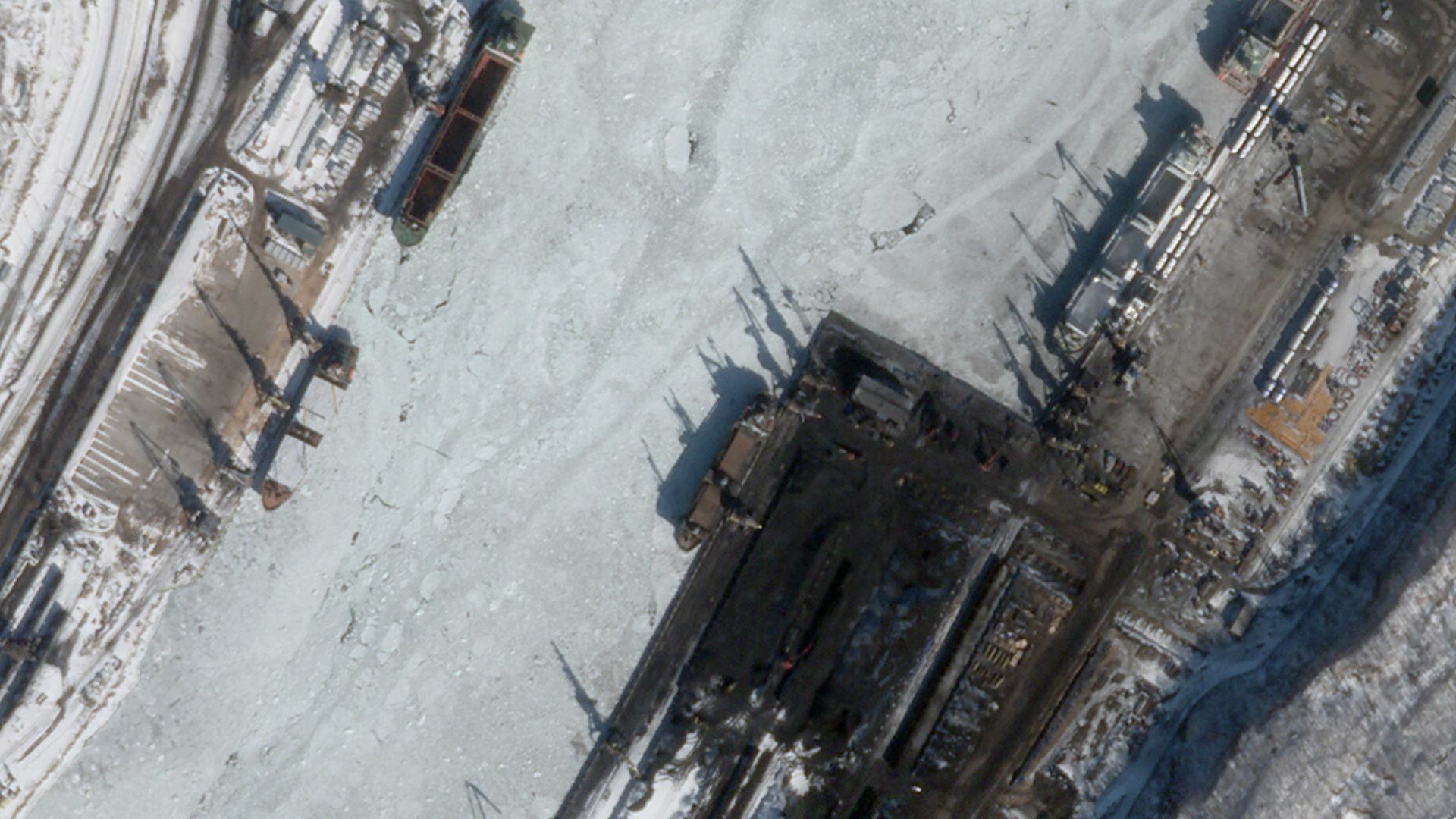 He explained that the Kum Ya’s voyage is “in line with this vessel’s previous records of illegal shipments of prohibited items” from North Korea, including coal deliveries to southern China in 2021 and an attempt to ship coal to Malaysia a few years prior. U.N. Security Council Resolution 2397 bans North Korea from exporting coal. Furukawa noted that the port of Vanino is located some 4 miles (6 kilometers) southwest of a non-active Russian air force base — Aerodrom Postovaya — and a number of warehouses that belong to the Russian pacific navy fleet. At the same time, Russia’s active air force base in the Far East — Kamenny Ruchey (or Mongokhto) — sits some 11 miles (18 kilometers) north of Vanino and is home to Tu-142MZ anti-submarine aircraft. 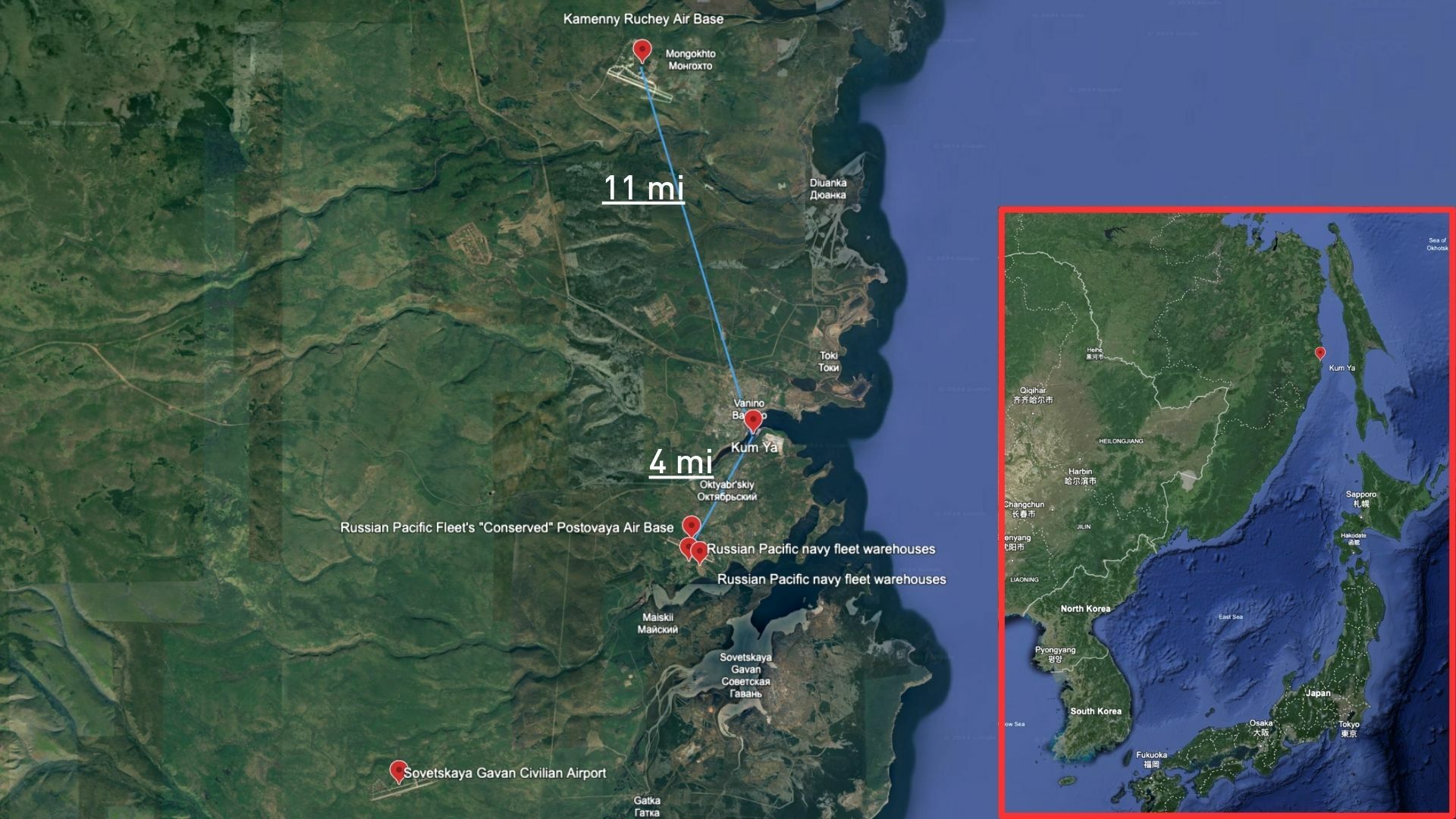 The expert suggested that if the Kum Ya carried “weapons-related illegal cargo,” these air bases could be used to transport the cargo to western Russia for use against Ukraine. But he added that “further scrutiny is essential.” A spokesperson for the Vanino port authorities told NK News on Friday that the Kum Ya arrived at the port after it requested “permission to berth due to the urgent need to replenish fuel supplies.” “No unloading or loading operations or other interaction with the vessel’s crew took place before it left the port, which can be confirmed by satellite imagery,” the spokesperson said, adding that as of late Friday the vessel left the port “with no cargo on board.” The U.S. has accused Russia of procuring weaponry from North Korea, with mounting evidence indicating that Russian forces have used DPRK artillery munitions and ballistic missiles in Ukraine. TATAR STRAIT LOITERING Yoon In-joo, a research fellow at the Korea Maritime Institute, previously told NK Pro that the Kum Ya’s loitering pattern in the Tatar Strait in February likely indicated that the vessel was engaged in illicit ship-to-ship transfers with vessels that had switched off their geolocation transponders. Furukawa agreed with this interpretation but acknowledged that it’s impossible to ascertain what cargo was exchanged in these transfers. At the same time, he explained that the Kum Ya’s shuttling patterns between the western coast of Sakhalin and the vicinity of Vanino may have involved illicit exchanges of “coal or other prohibited items.” The expert noted that a large thermal power plant that runs on coal is located between two small Sakhalin settlements — Tomari and Krasnogorsk — that the Kum Ya briefly approached on Feb. 20 and 21, stopping about 16 miles (25 kilometers) off the shore. 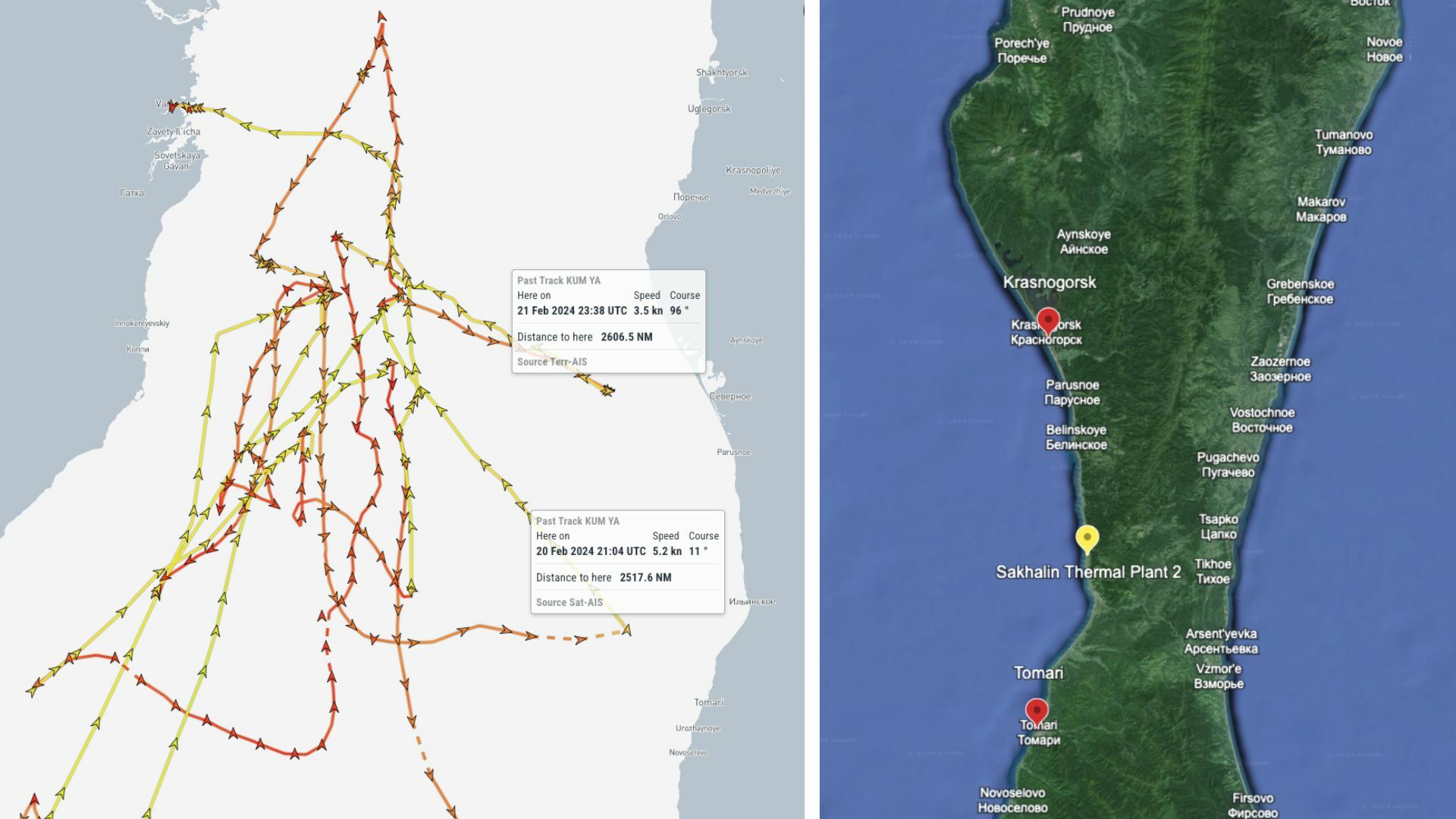 Furukawa raised the possibility that the Kum Ya’s cargo was likely “unloaded and then loaded onto other smaller vessels on the seas for delivery to the thermal power plant or elsewhere on Sakhalin island.” “The Kum Ya may have difficulty in direct delivery of prohibited items to Sakhalin and therefore had to engage in illegal ship-to-ship transfers off the coast from Tomari and Krasnogorsk,” he said, adding that the settlements are not equipped with port facilities, while the closest port suitable for such operations — Kholmsk — is located 80 km south of Tomari. 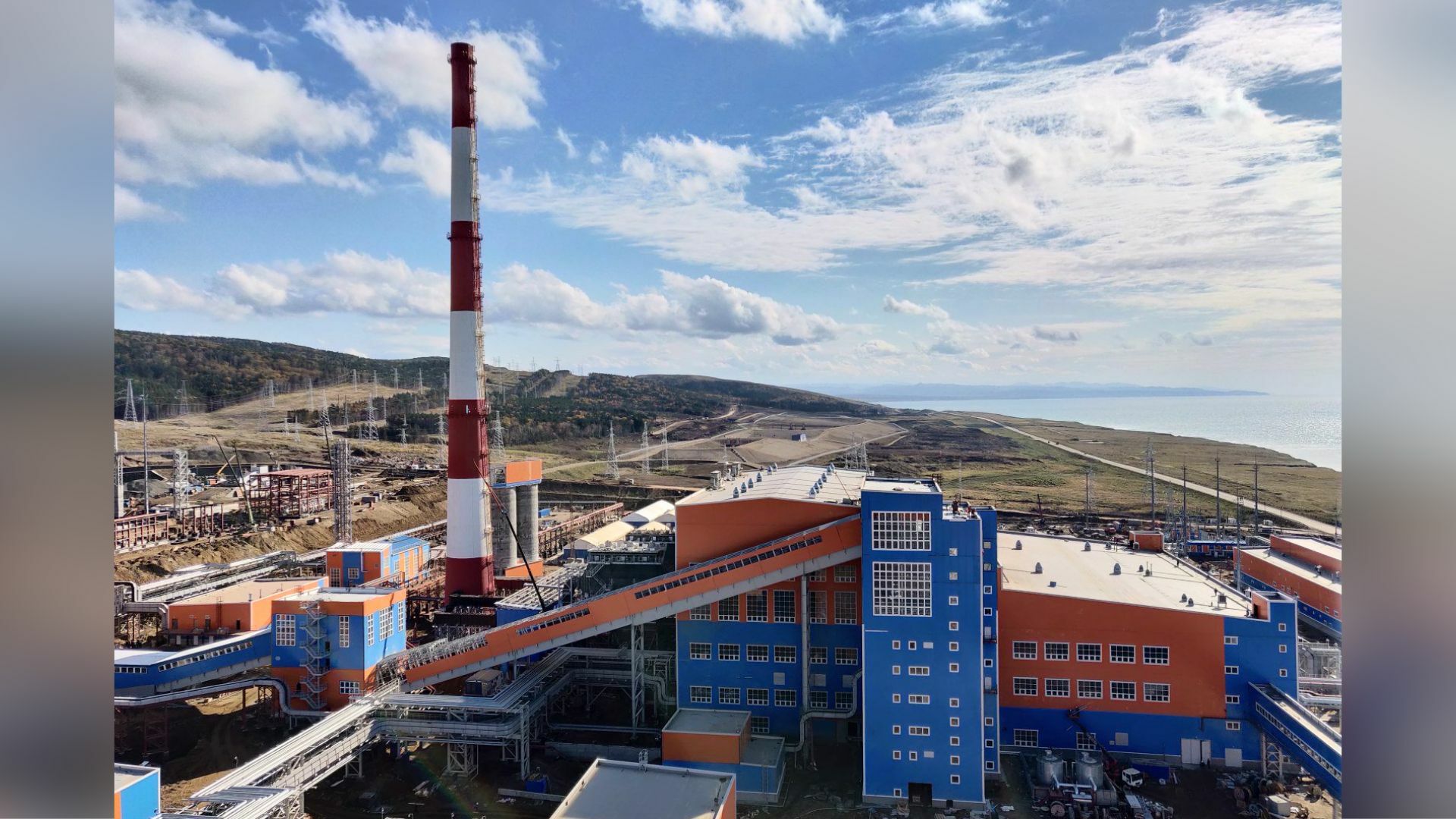 The Kum Ya is no stranger to Russian Far Eastern ports, Furukawa stated, noting that the 33-year-old vessel made port calls in Vladivostok and Vanino in 2019 and 2016. At the same time, the expert raised concerns about the Kum Ya’s technical condition, citing safety inspections in Russia’s Nakhodka last year that found at least three deficiencies. Furukawa suggested the aging vessel’s detours toward Sakhalin may have stemmed from “technical troubles under the harsh conditions surrounding Sakhalin Island around this time of the year.” Edited by Bryan Betts Updated on March 19, 2024 at 4:43 p.m. KST with a comment by the port of Vanino © Korea Risk Group. All rights reserved.

|

September 17, 2026Sep 17, 2026

The ultimate resources for professionals working on North Korea
 SHARE
SHARE COPY LINK
 X
X MASTODON