  Border Controls COVID-19 slows down ambulance and tuberculosis aid delivery to North KoreaThe United Nations extends the delivery window for Doctors Without Borders after granting it sanctions exemptions 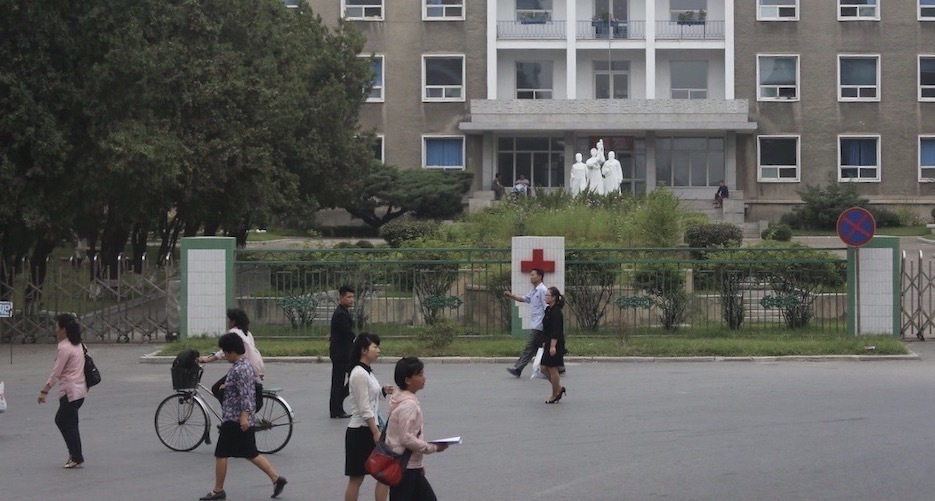 Doctors Without Borders, also known as Médecins Sans Frontières (MSF), received a nine-month extension from the United Nations for a previous, Jan. 2020 sanctions exemption to deliver an ambulance and tuberculosis-related medical aid items to the North. The U.N. Security Council 1718 Sanctions Committee approved a longer time frame for MSF to deliver the aid because of “the challenges related to the shipment of goods as a result of the COVID-19 pandemic,” according to a letter signed and uploaded to the Committee’s website on Thursday. The original exemption request, approved on Jan. 7, 2020, had allowed the group to send in the items by July this year. Now, the MSF has until May 12, 2021 to procure and ship the medical aid to the DPRK. According to the letter, MSF hopes to improve “the diagnostic and treatment of tuberculosis as well as multi drug-resistant tuberculosis among the population of North Hamgyong Province” and to address medical needs of the population living in the county of Kyongsong. The latest documentation suggests that MSF was granted sanctions for 65 different types of items, marking no change from the original inventory in January. The items include a $15,000 ambulance made by China’s Jinbei Automobile Company, which will be used “for referral cases from County TB Hospital to Provincial TB Hospital.” Other entries included 130 shelves and laboratory equipment such as microscopes, diagnostic tests, reagents and medical kits. The ambulance and shelves will be procured from China and delivered through a Sino-DPRK route from Dandong, while other items in the sanctions exemptions list are set to come from France, with an undecided port of entry. Edwin Salvador, the World Health Organization’s resident representative in Pyongyang, told NK News last month that “all international borders of DPRK continue to remain closed,“ but that medicines and medical products are given “high priority to be transported across the border.” There are also goods reportedly coming into the DPRK through Nampho and Sinuiju-Dandong routes, according to Salvador, which indicates that aid items are primarily using those two points of entry into North Korea. Earlier this year in February, the MSF was also granted sanctions exemptions to deliver COVID-19-related aid items such as Personal Protective Equipment (PPE) and diagnostic items to the DPRK. Those items were also delivered through the Dandong-Sinuiju route by land, arriving in the North in late March after some delay. Edited by Kelly Kasulis © Korea Risk Group. All rights reserved. |

November 15, 2026Nov 15, 2026

The ultimate resources for professionals working on North Korea
 SHARE
 COPY LINK
 X
 MASTODON