  
News Vessels docking next to coal mountains at N. Korea’s Rajin harbor: picturesSatellite imagery suggests exports, if any, likely to be limited in nature 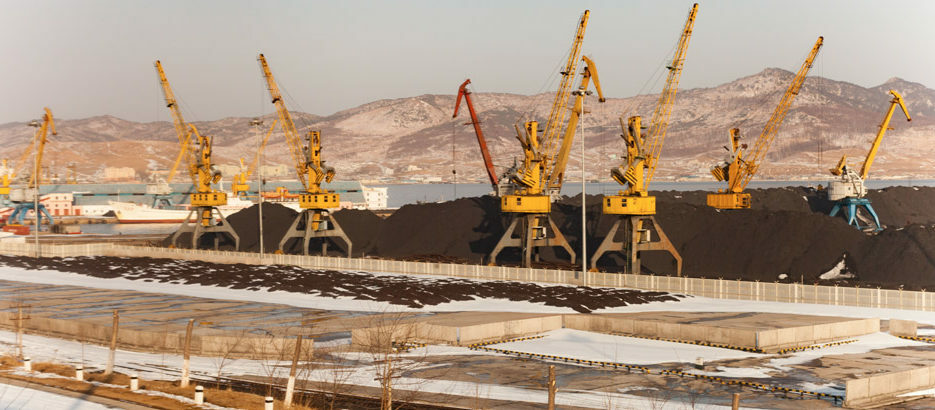 Vessels are docking adjacent to large mountains of coal that have accumulated in the Rajin harbor in northeast North Korea, pictures and satellite imagery seen by NK Pro show, though it remains unclear if they are loading the commodity or exporting it to third countries. UN sanctions have since August last year prohibited North Korea from exporting coal and a number of other key commodities, a measure which the U.S. previously estimated could wipe off up to a third of the country’s USD$3 billion worth of annual exports. Photos obtained by NK Pro from multiple dates throughout March, however, showed large coal deposits stocked at pier one and two of Rajin harbor, which is located in the Rason special economic zone (SEZ) in the far northeast of North Korea. The North Korean vessel Songpan (송판) was pictured adjacent to a coal mound on at least one date during the month, though it’s unclear from pictures whether it was loading or simply docked there. 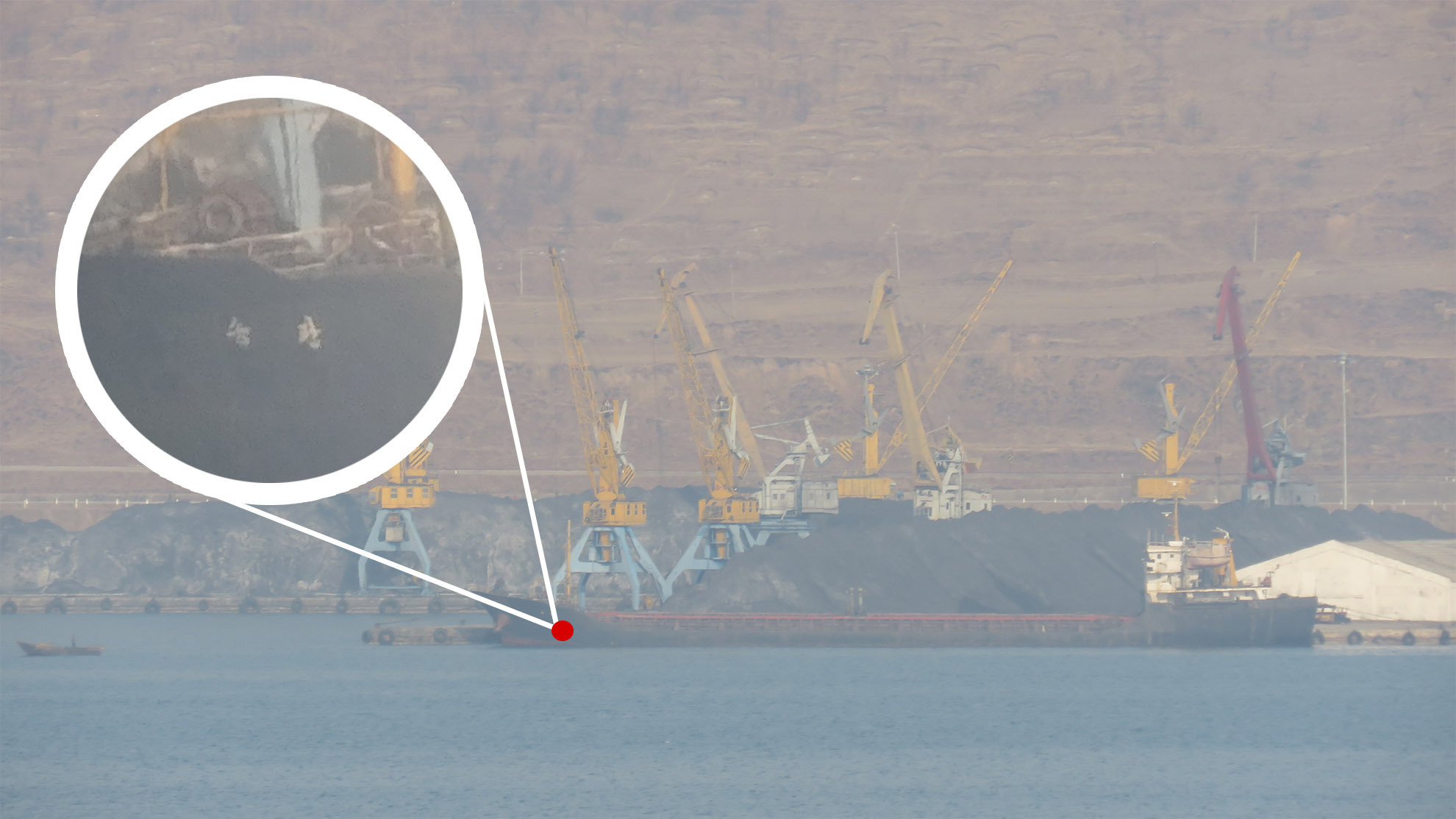 The ship isn’t listed in international open source databases and there is no indication it has ever been used to export cargoes overseas. And while satellite imagery from between January and April 2018 shows multiple vessels docking at piers one and two, only small changes in the amount of coal stockpiled at the adjacent piers can be seen. As such, despite the scale of coal that is visible in ground-level photos of the harbor, it appears unlikely that the two piers are being actively used to import or export coal at this time. 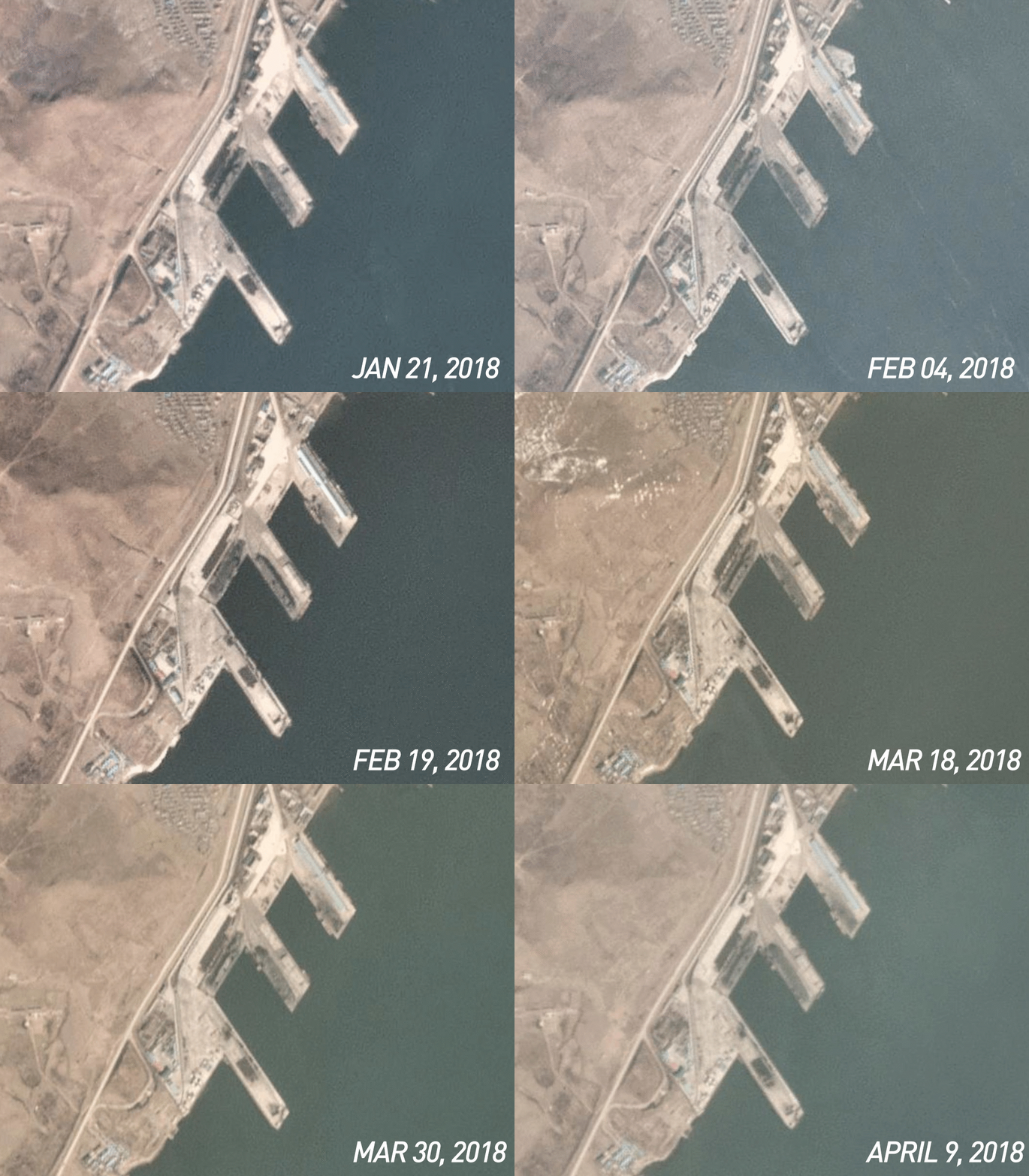 Reporting from the AFP news agency in December last year claimed a mountain of coal which had originally been destined for China had been stranded at the harbor due to August-dated UN sanctions. Meanwhile, photos showed that the Russian-funded pier three, which opened in summer 2014, was, in contrast, mostly bare in March, although a small mound of coal could be seen in at least one picture. “I knew from before that the Russians use the port and was expecting them to maybe illegally help North Korea export the coal, but saw no signs of it,” a visitor to the area told NK Pro on condition of anonymity. “No Russian ships (were visible in March),” the source continued. “Containers also look idle with snow on its tops”. 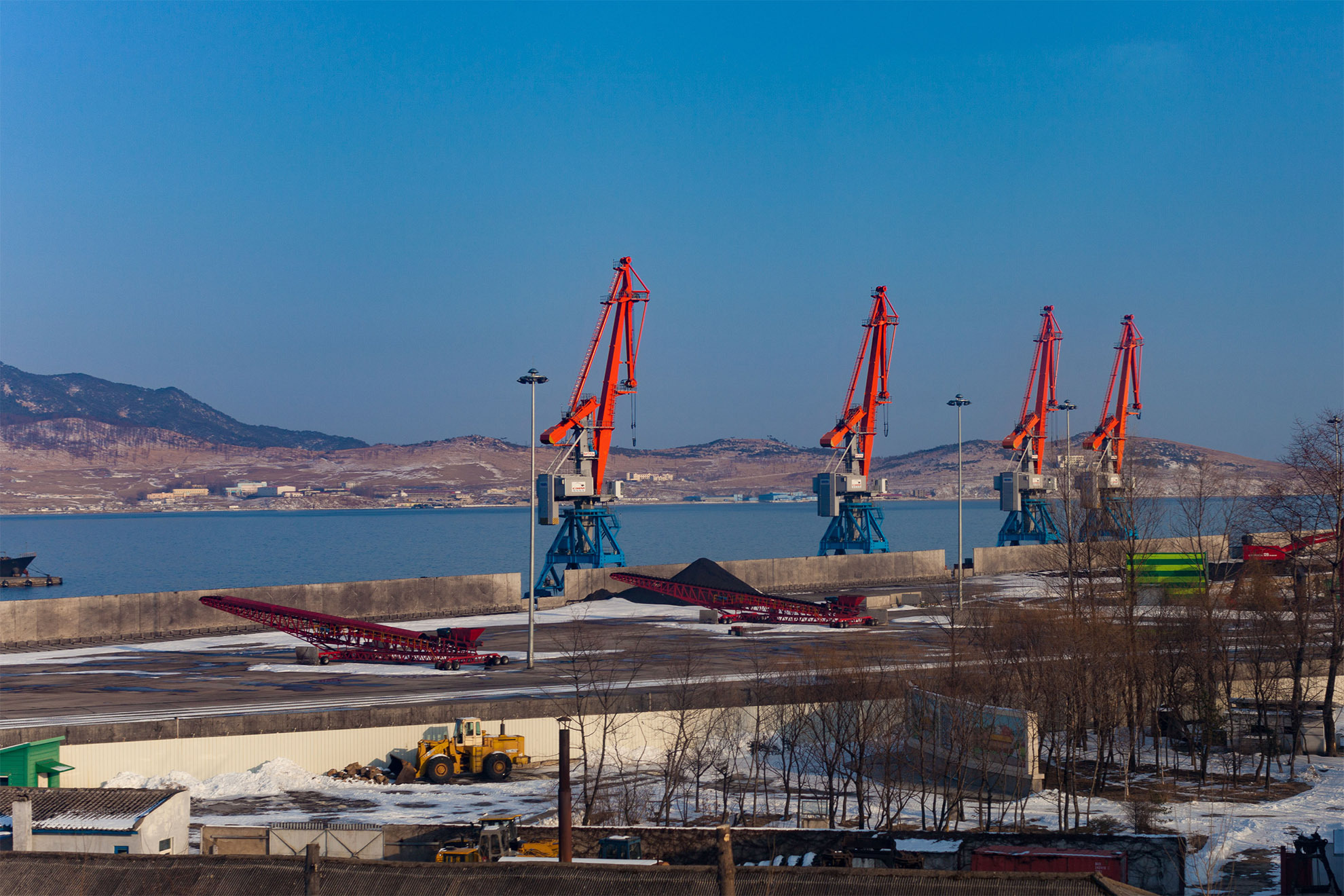 Notably, the same time-lapse imagery shows the Russian pier – which is located in the south of the pictures – to have only shown modest changes over the January to April period. But satellite imagery comparisons from before the UN coal export ban was implemented, however, show the Russian pier to have previously been in much heavier use, with huge mountains of coal visible around the pier last June. 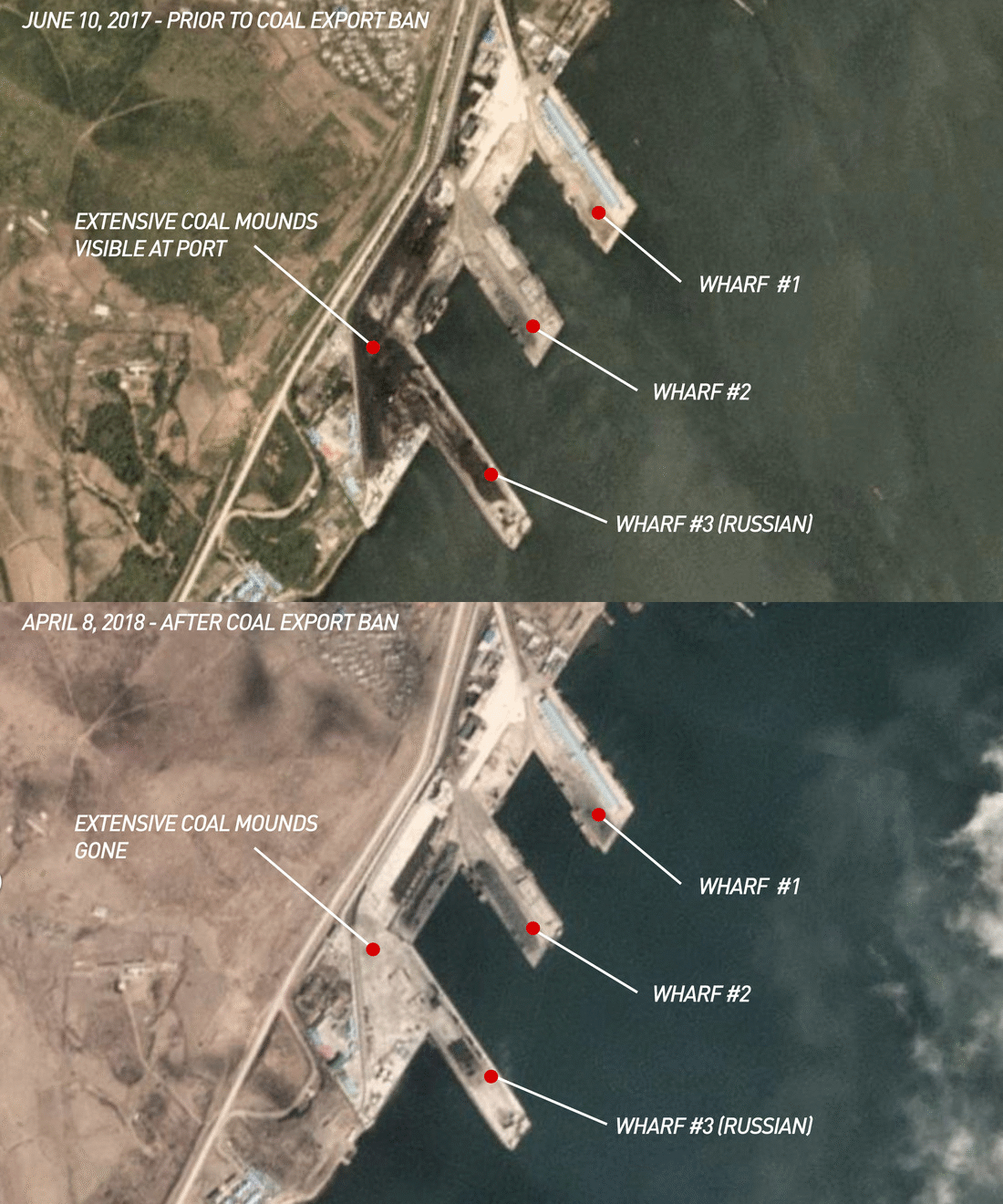 “Sanctions have hit the export of coal and so things are at a standstill,” the visitor said about current harbor activity. “There seemed to be no activity in the port when I passed through. One guard sweeping the snow away and some guards at each gate. Some expensive cars packed.” Photos did, however, show at least four containers to be loaded on the Mangyongbong ferry, which was until recently used semi-regularly to ship cargo to and from Vladivostok harbor in Russia’s far-east. 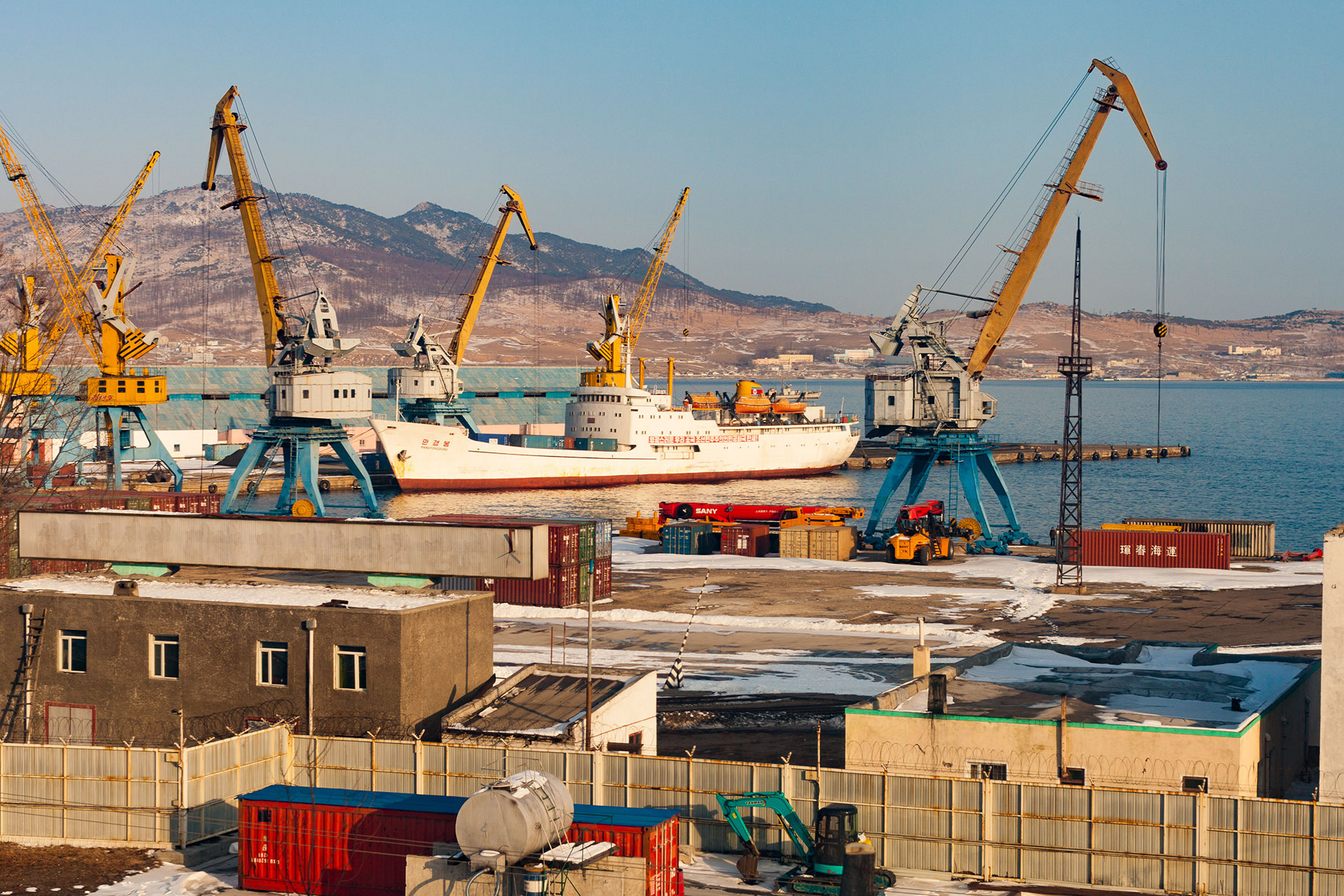 Despite growing UN sanctions, North Korea has been shown to have continued exporting coal in recent months. “The Panel investigated over 30 cases of DPRK exports of coal to at least four Member States in South-East Asia,” a recently released report from the UN Panel of Experts (PoE) noted. “In so doing, the DPRK has made use of a combination of multiple evasion techniques, routes and deceptive shipping tactics including Automatic Information System (AIS) manipulation, loitering, voyage deviations and fraudulent documentation.” Edited by Oliver Hotham Featured image: NK Pro © Korea Risk Group. All rights reserved.

|

September 16, 2026Sep 16, 2026

The ultimate resources for professionals working on North Korea
 SHARE
SHARE COPY LINK
 X
X MASTODON